Login/Create Account


Personal Bankruptcy (Privatinsolvenz): A Legal Way Out of Debt
Introduction
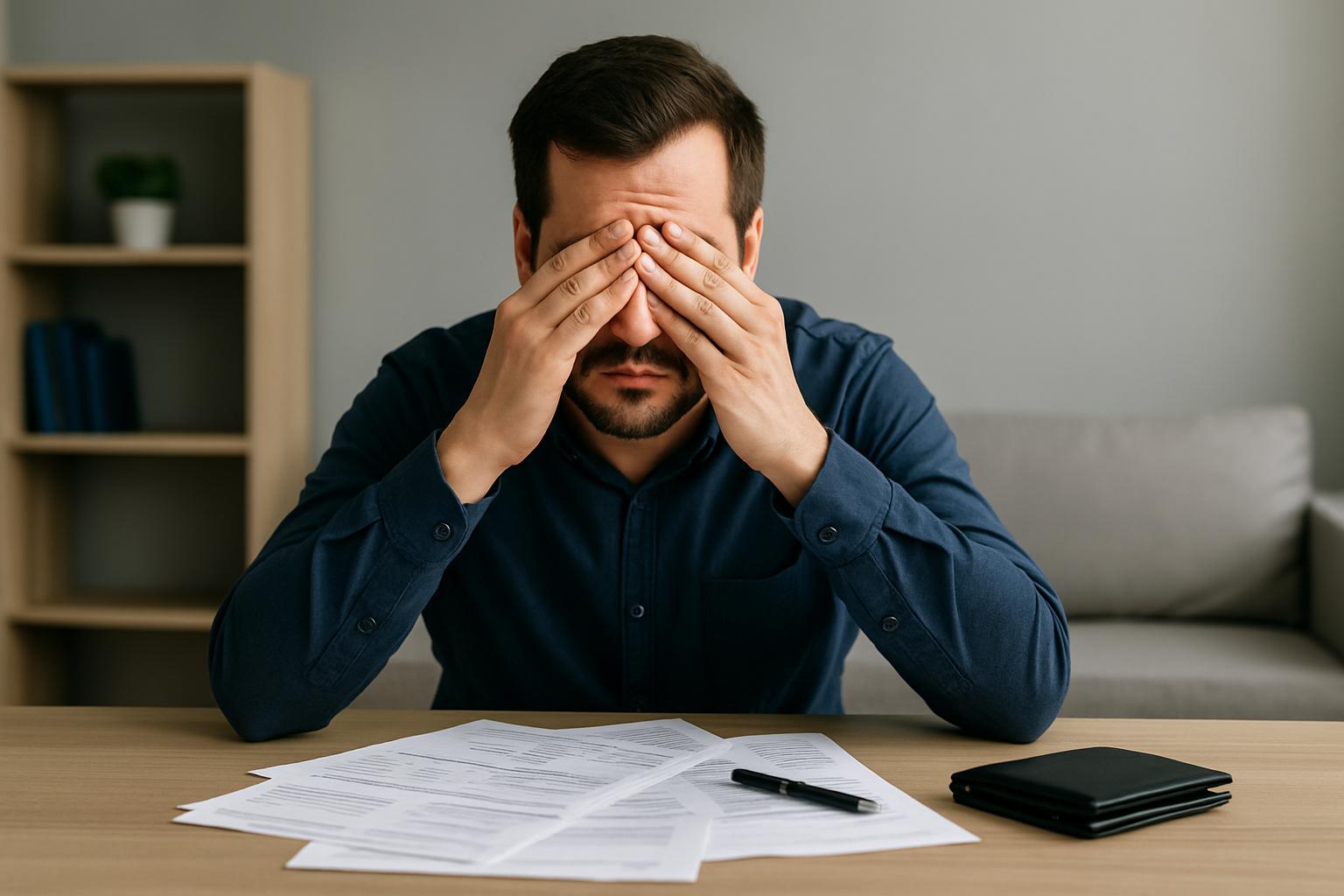
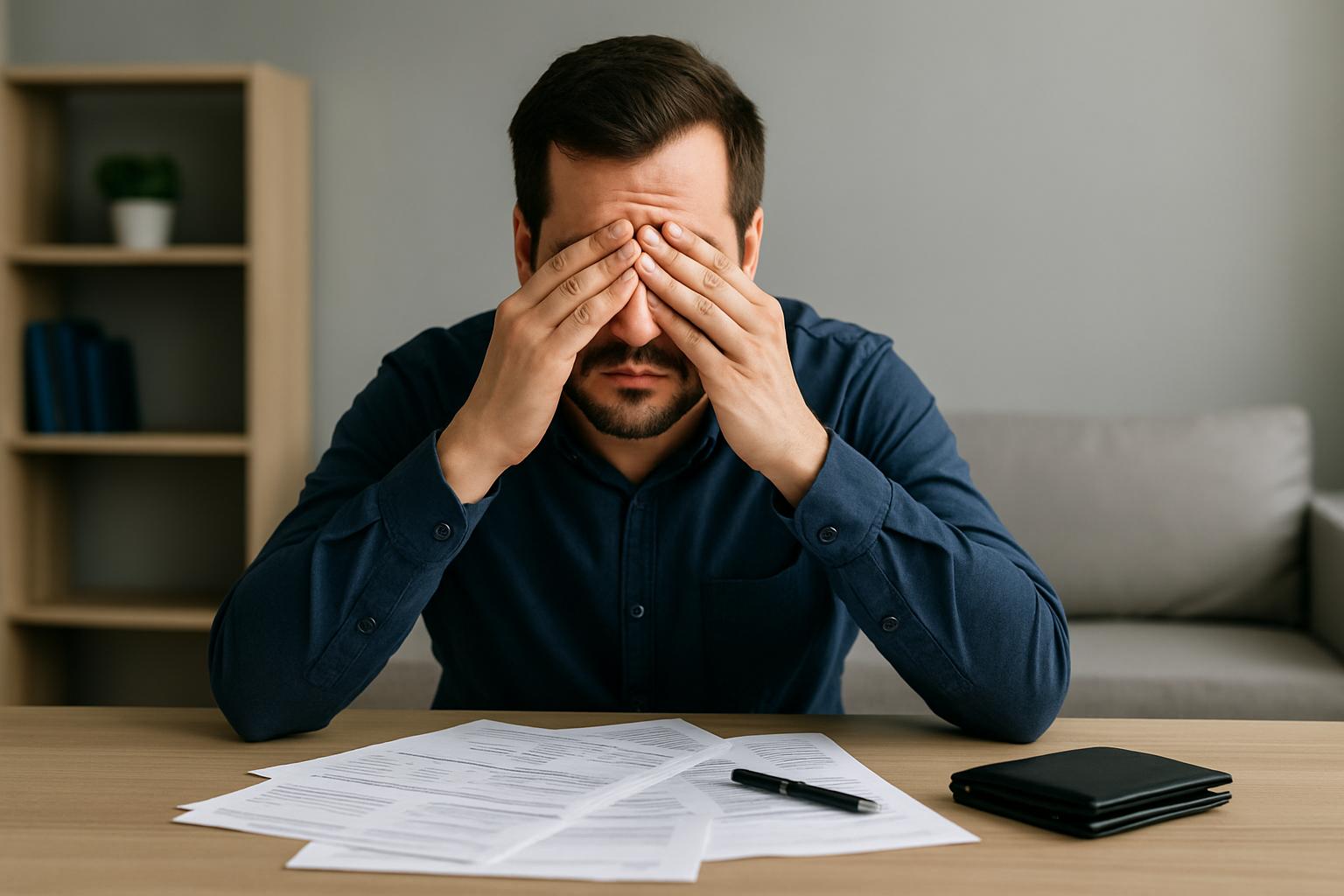
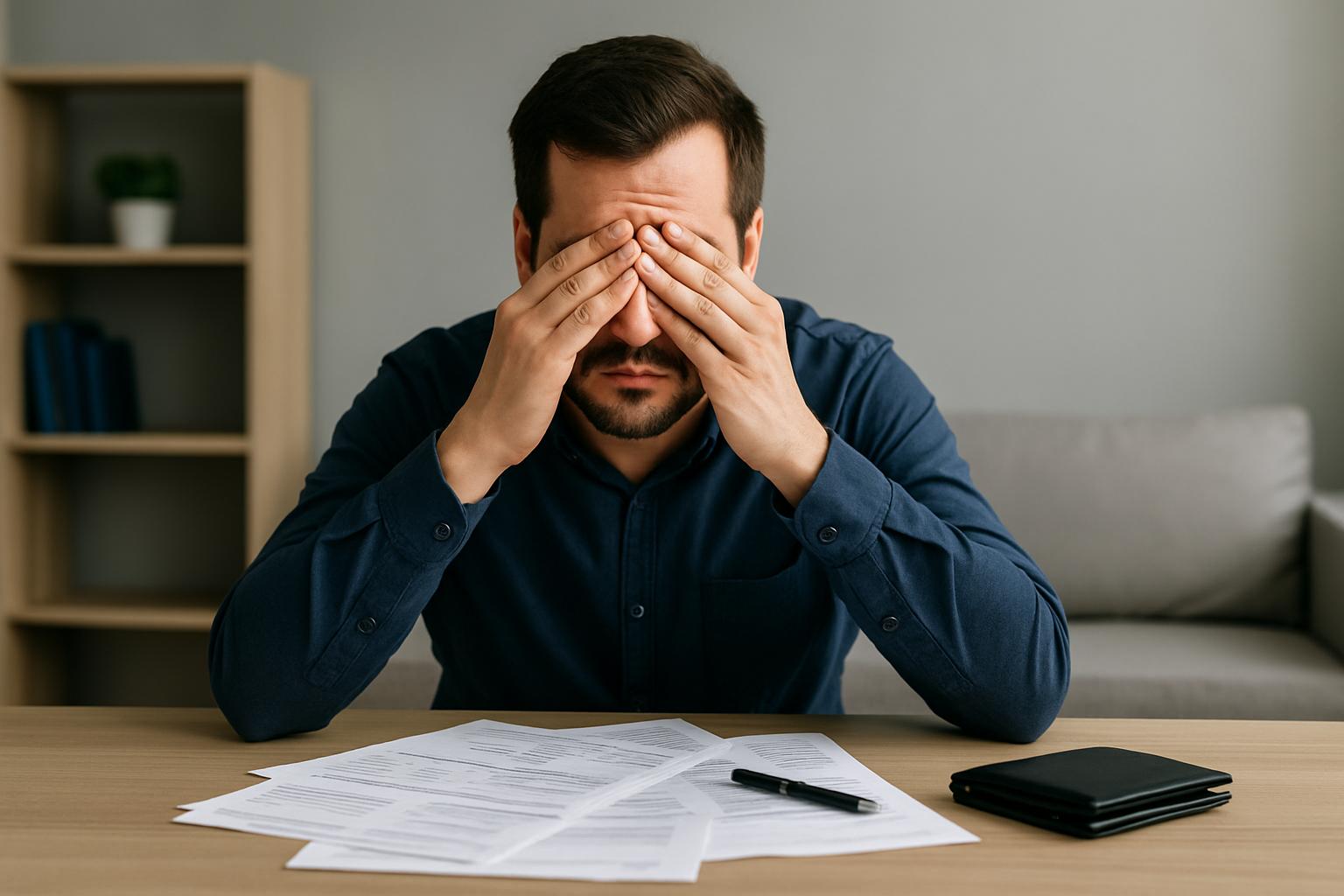
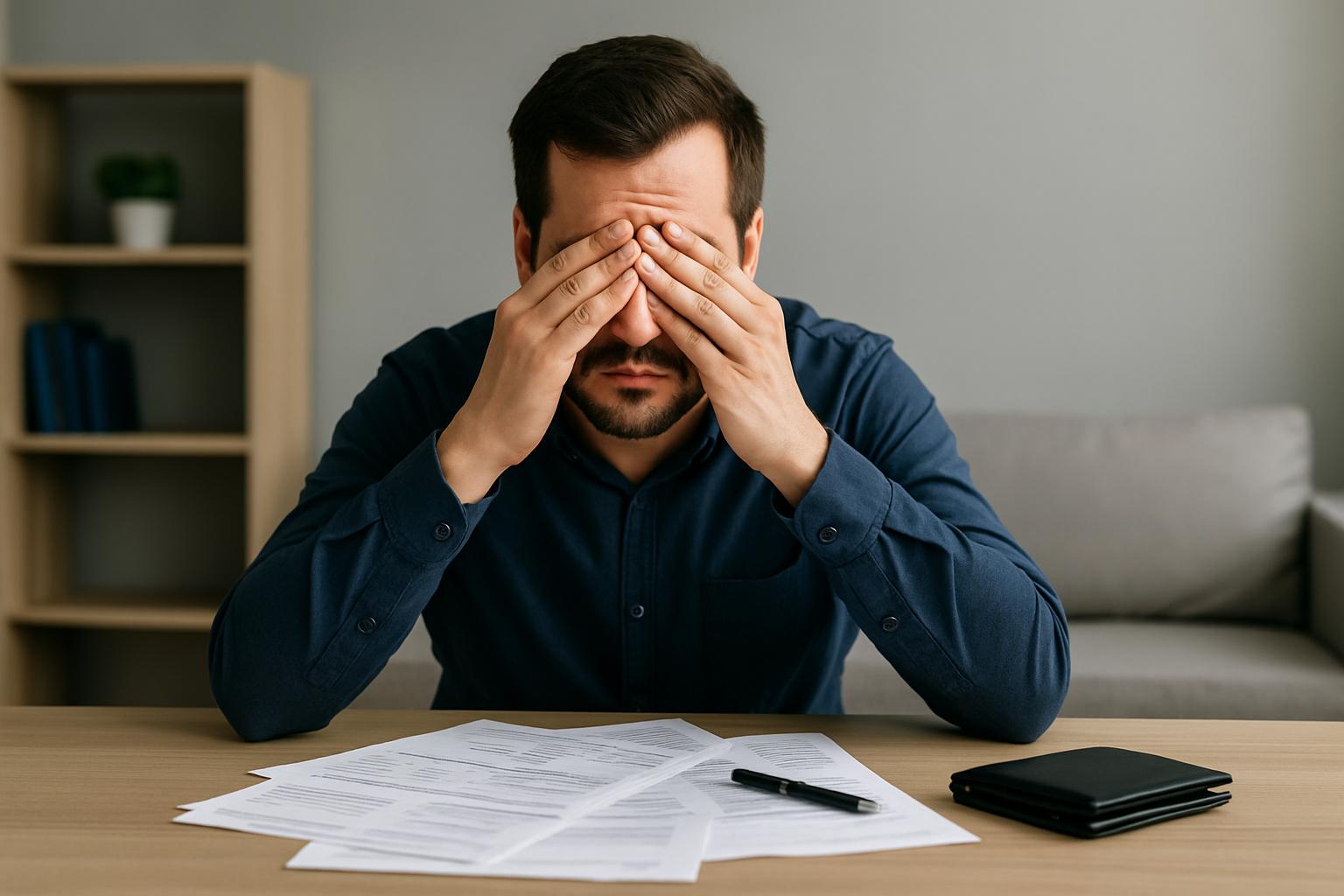
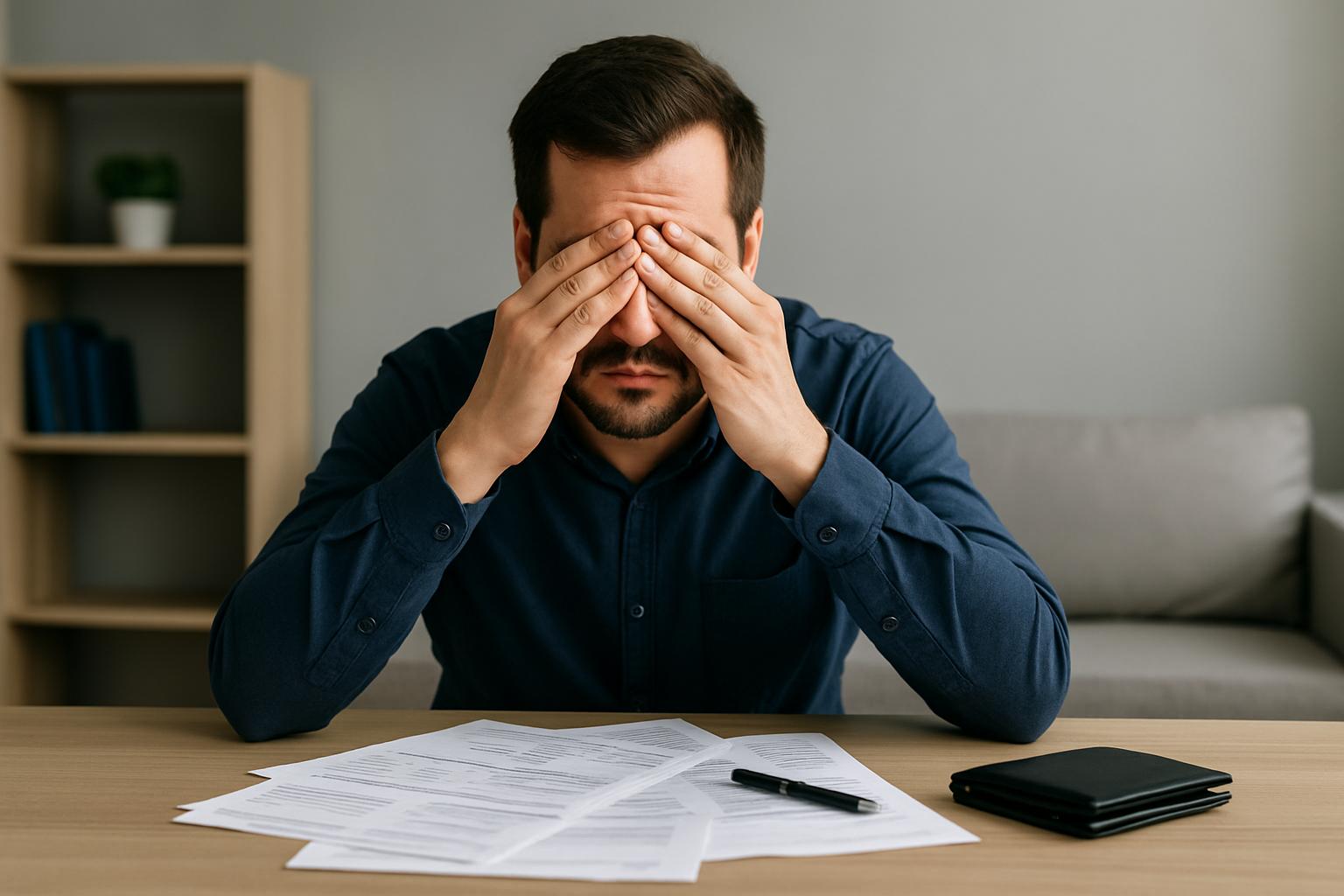
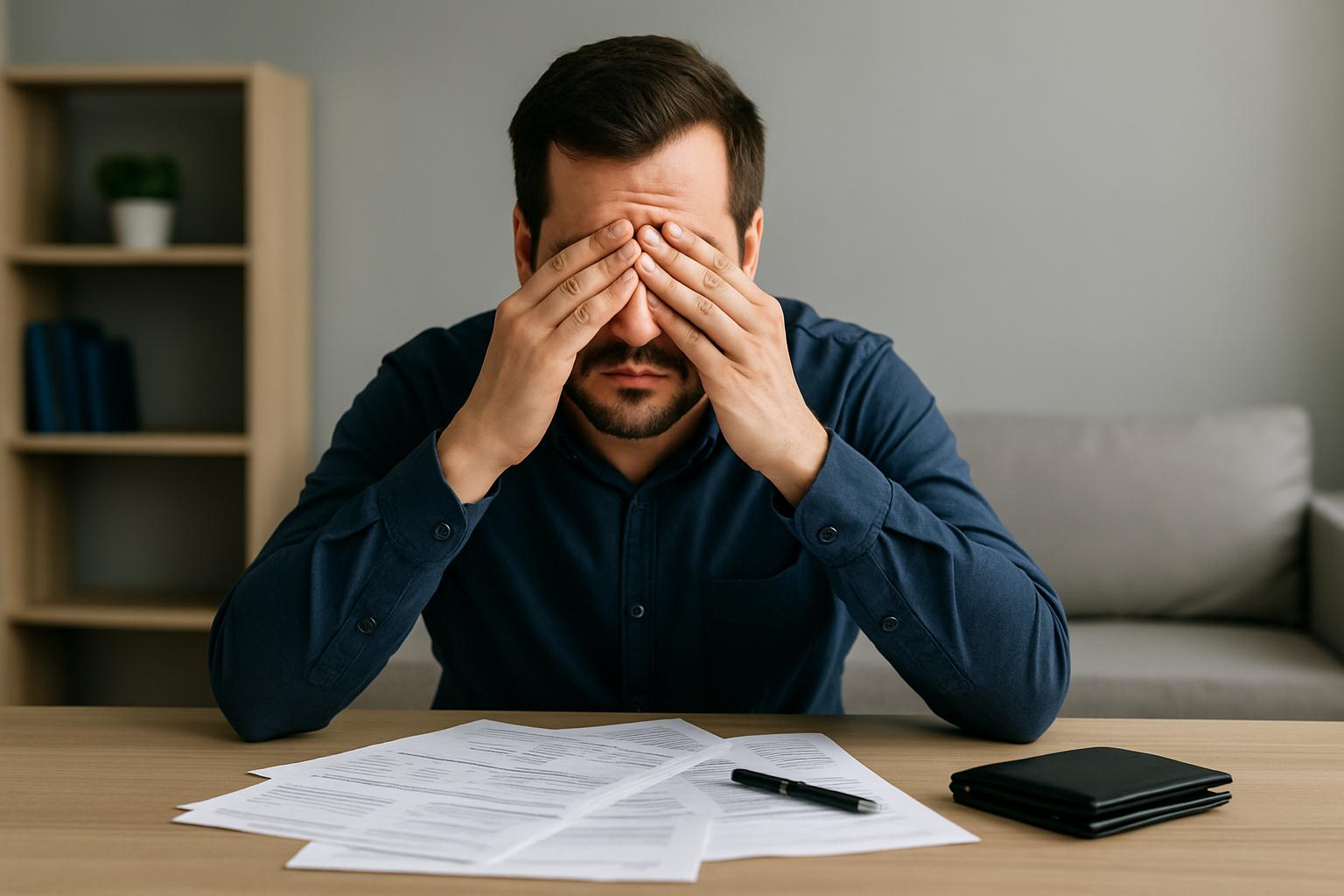
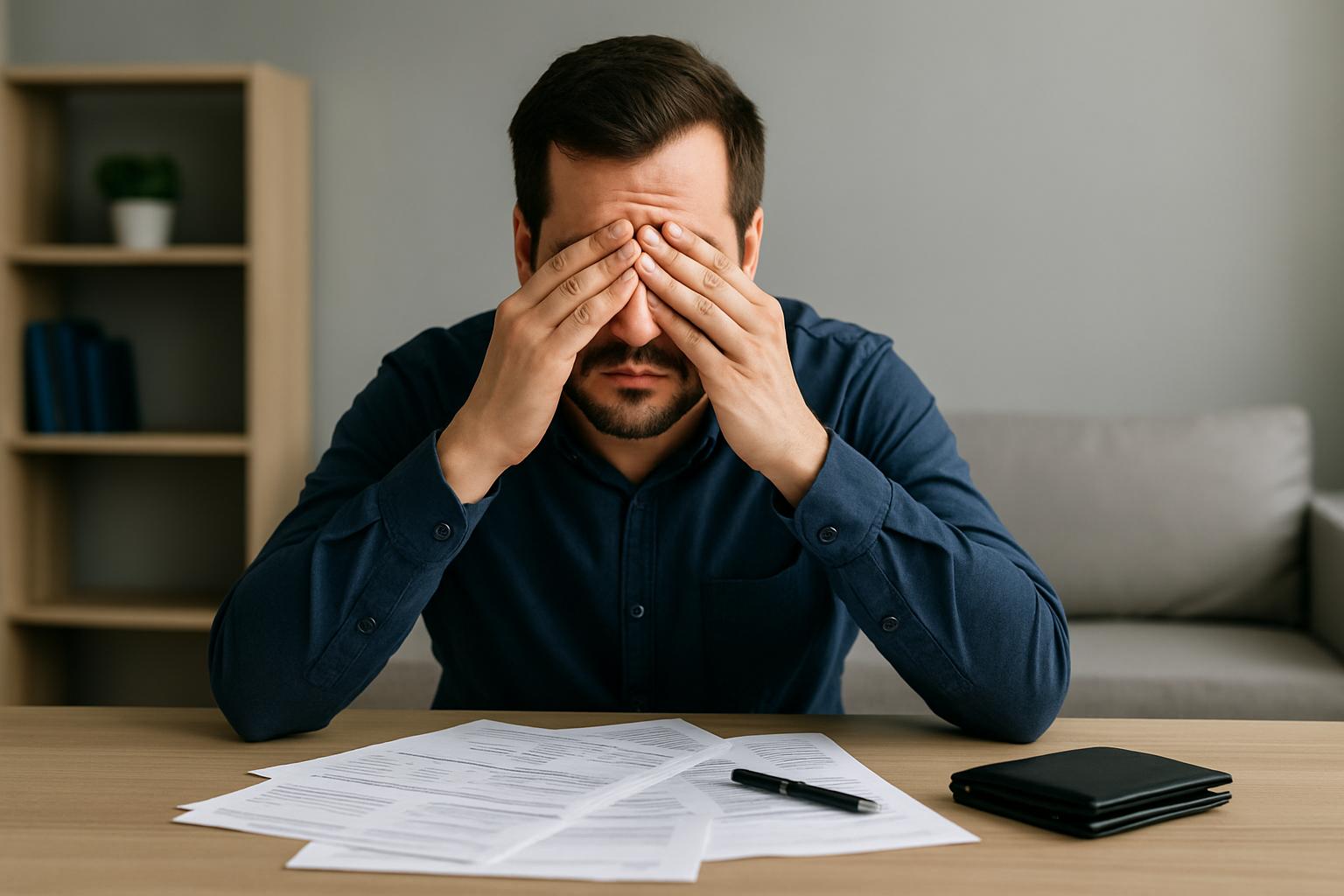
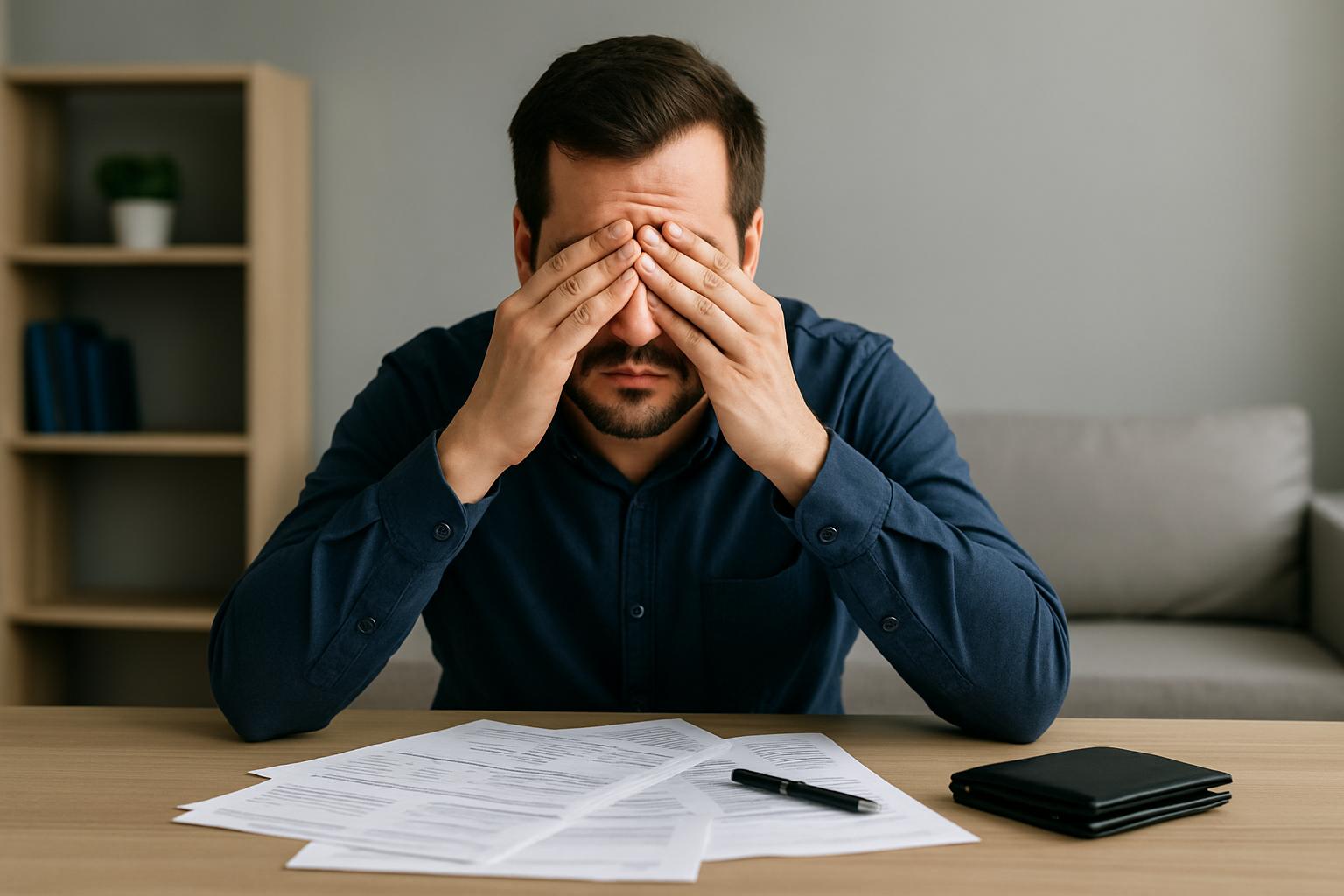
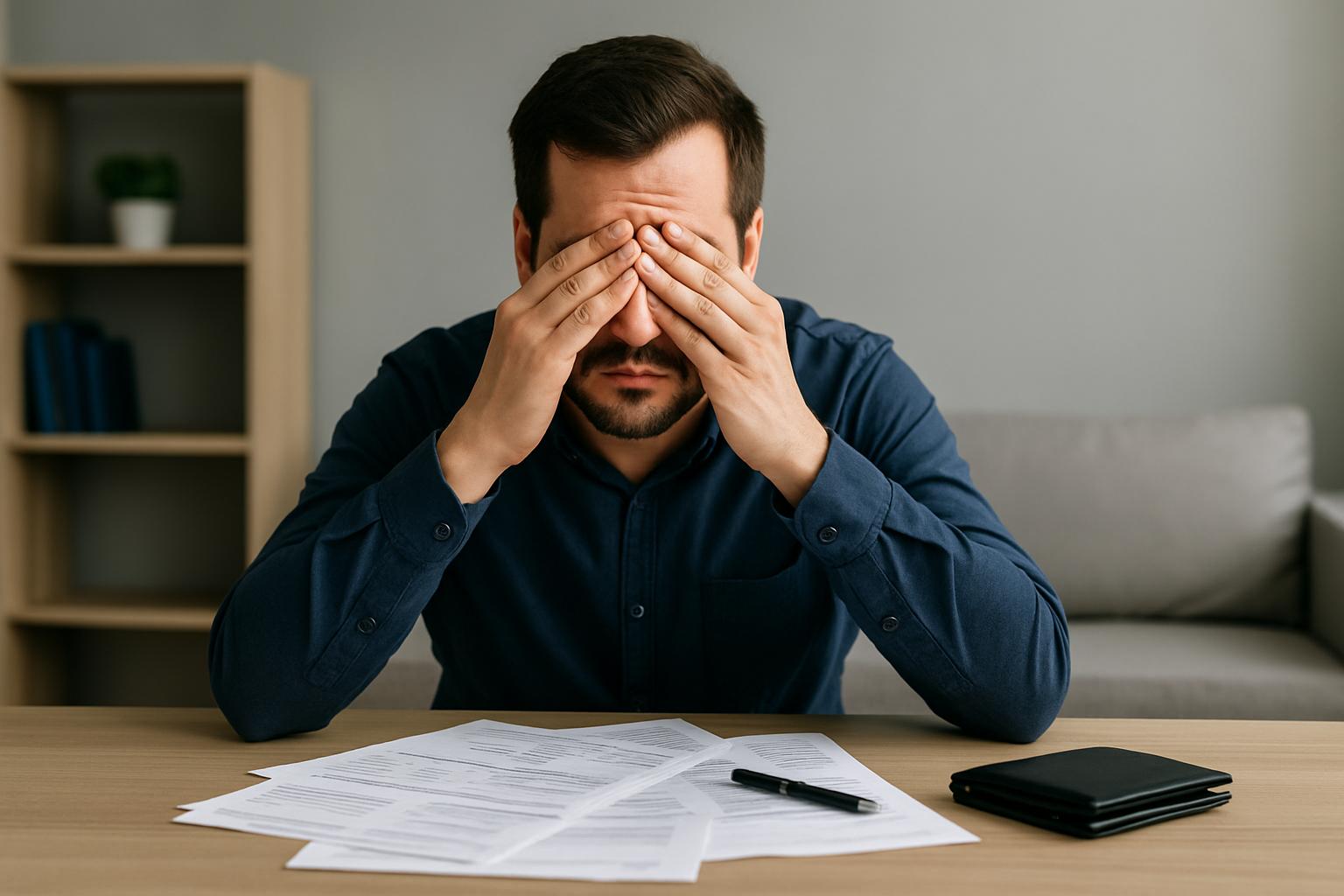
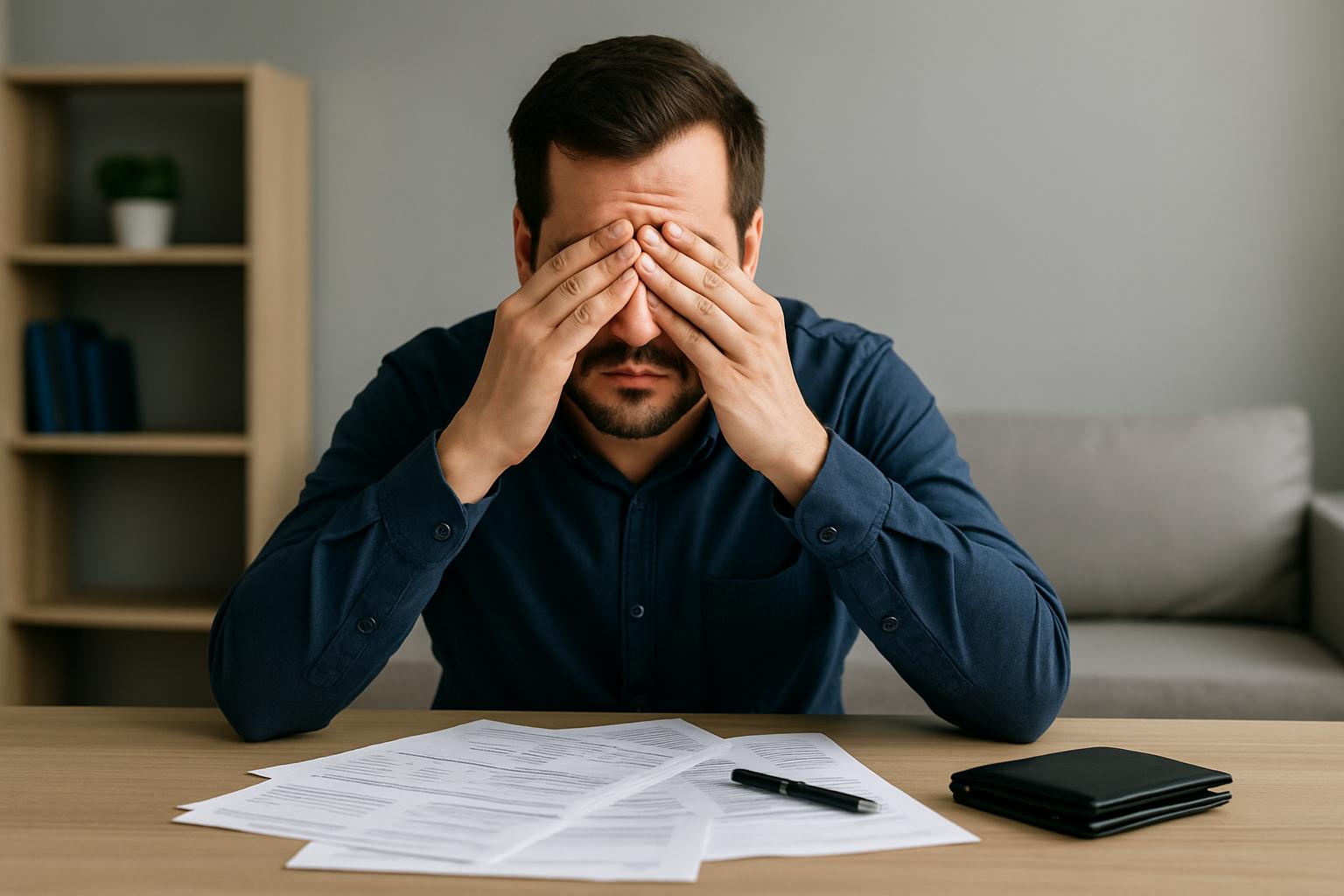
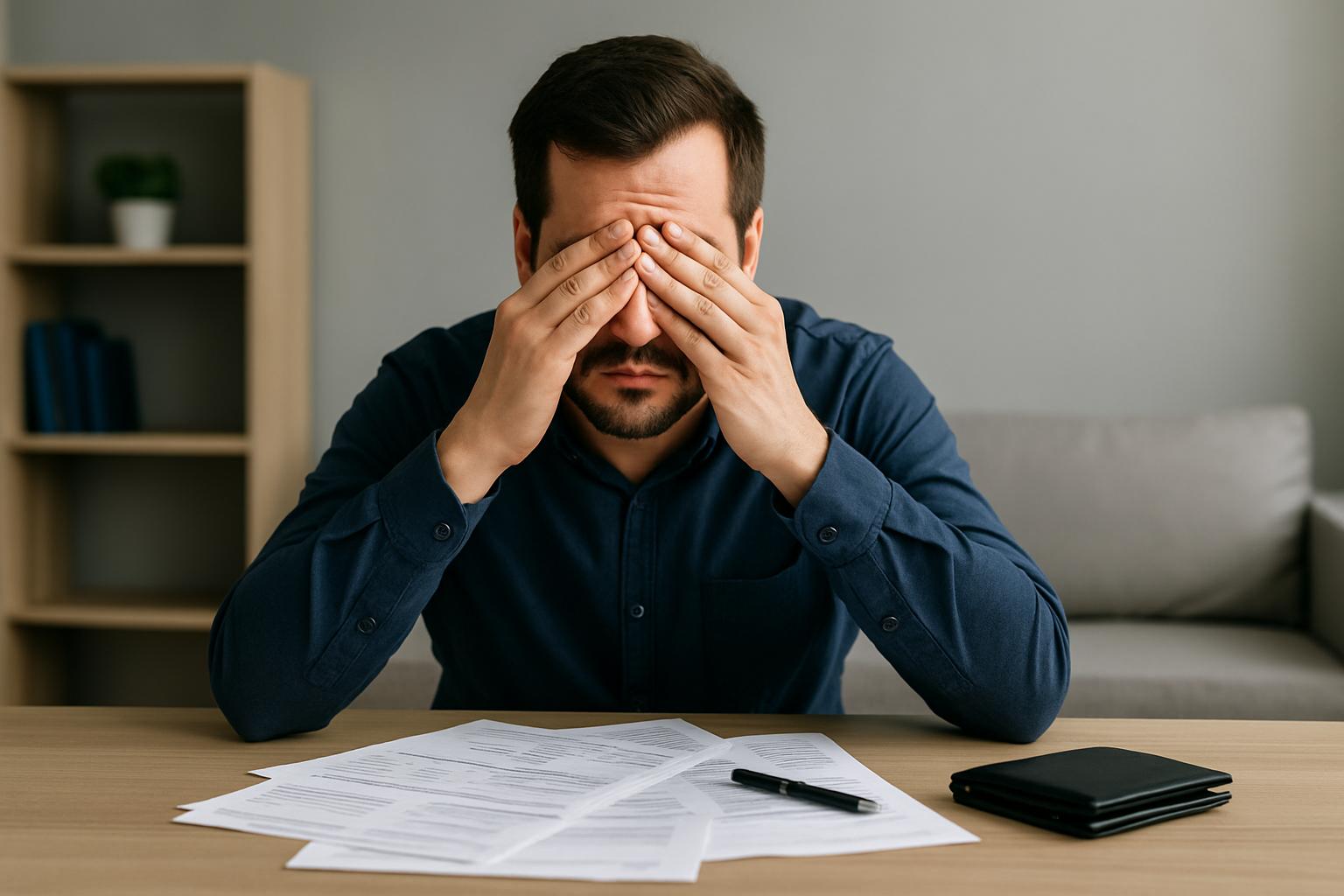
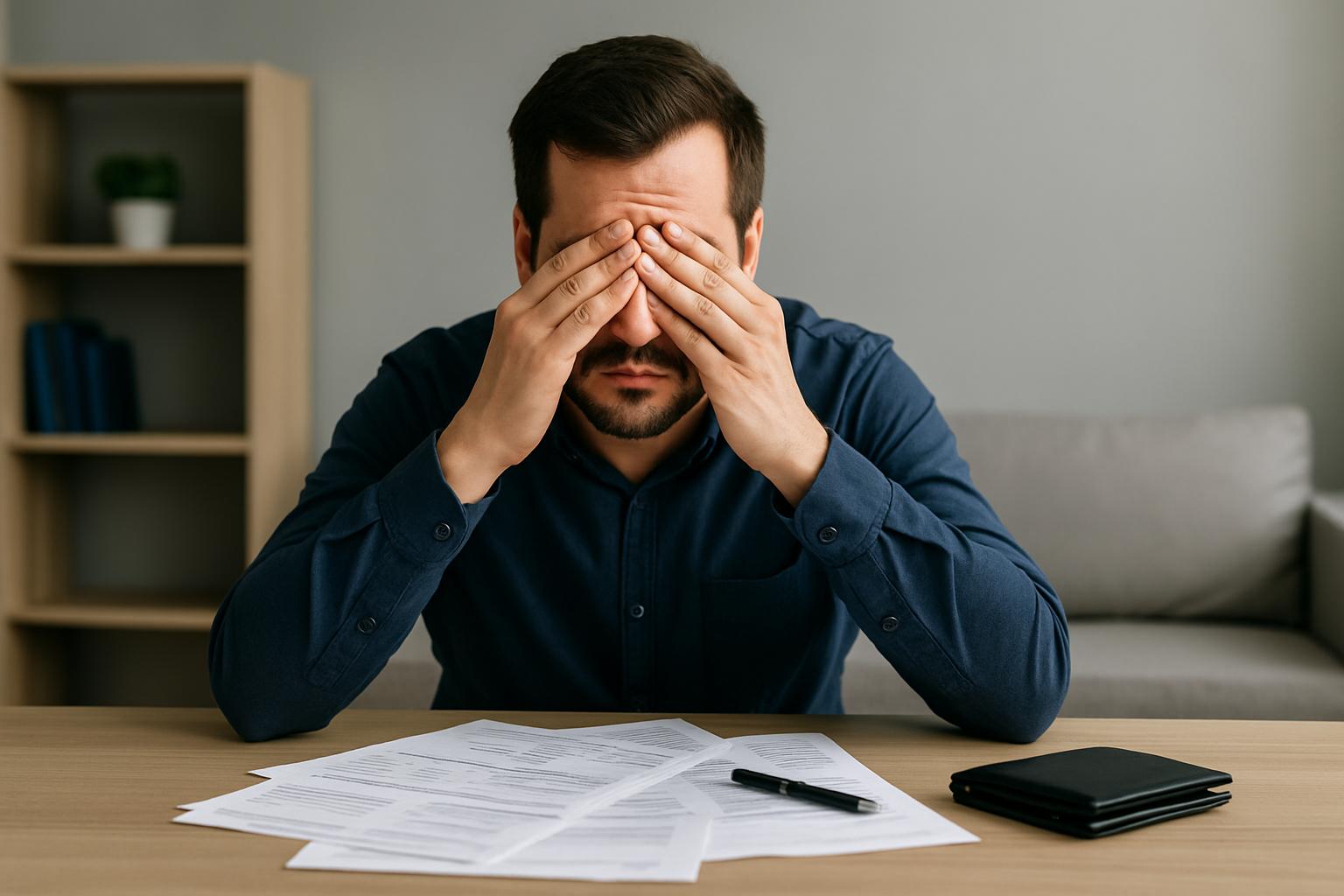
Personal bankruptcy, known in German as Privatinsolvenz, is a legal procedure that allows heavily indebted individuals to free themselves from their outstanding debts. If you are no longer able to repay what you owe, you can apply for personal bankruptcy and, after completion of the process, be discharged from your remaining debts. In this article, you will explore how to deal with debt through personal bankruptcy, which advantages and disadvantages this procedure has, which steps are necessary to file for bankruptcy, how long the process takes and how you can get a fresh financial start after being released from your debts.
Example:
Imagine you have debts amounting to 30,000 euros but are unable to repay them because you lost your job. By filing for personal bankruptcy, you may ultimately be freed from these debts after a certain period of time, giving you the opportunity to start over.
How does it work?
1. The legal procedure
When you file for bankruptcy, you must prove that you are unable to repay your debts. This requires submitting documents that show your financial situation in detail, such as:
-
a list of all debts and creditors,
-
invoices and collection letters,
-
proof of income,
-
documents relating to your living expenses.
2. Time frame
Since 1 January 2021, German insolvency law has been amended to speed up the process. Debt discharge can now generally be granted after three years instead of six. This means that, if you meet the legal requirements, you can be released from your remaining debts much sooner than before.
3. Eligibility requirements
You cannot file for personal bankruptcy if you are still actively pursuing certain forms of self-employed economic activity or if specific legal actions are still pending against you. Your financial affairs must be properly organised, and in most cases an attempt to reach an out-of-court settlement with your creditors must have failed before the court will open the insolvency proceedings.
Advantages of personal bankruptcy
1. Faster debt relief
After three years, and subject to fulfilling all legal conditions, you can be freed from all remaining debts. Without such a procedure, creditors may be able to pursue their claims for up to 30 years.
2. Protection from legal enforcement
Once the bankruptcy proceedings have been opened, wage and bank account garnishments are generally halted.
For example, banks and other creditors can no longer simply seize money from your account or garnish your wages once the insolvency process has started and the relevant protections apply.
3. A fresh financial start
After the end of the so-called good-conduct period and the granting of debt discharge, you have the chance to rebuild your financial life from scratch. You can gradually return to a more normal everyday life without the constant pressure of old debts.
Disadvantages of personal bankruptcy
1. Financial restrictions
During the insolvency period, you will have to restrict your spending considerably.
For instance, you will not be able to afford expensive purchases such as a new car or high-end furniture, which can significantly affect your lifestyle.
2. Difficulties changing service providers
Because of the insolvency, you may have difficulty switching to new service providers, such as electricity or gas suppliers, as many companies are reluctant to enter into contracts with people who have an active or recent bankruptcy record.
3. Additional costs
Bankruptcy proceedings involve costs, such as court fees and the remuneration of the insolvency administrator or trustee. These costs can further increase your financial burden, even though they are usually covered from the seizable portion of your income or assets.
Example:
If you need to buy new household appliances such as a refrigerator or washing machine, these purchases may be necessary but also expensive. When you are already in debt, you may feel trapped between the urgent need for these items and your inability to afford them. This underlines why options like personal bankruptcy can be important for some people as a way out of such situations.
Conclusion
Personal bankruptcy is a legal instrument designed to free individuals from overwhelming debt, but it comes with both advantages and obligations. Anyone considering this step should carefully assess their financial situation and seek advice from a qualified debt counsellor or legal expert. Thanks to the reformed insolvency law and the shortened three-year period for debt discharge, the path to a debt-free life has become somewhat easier, offering many people the chance to rebuild their finances within a relatively short time.
-
The team of writers and editors on the website strives to provide accurate information by conducting thorough research and consulting multiple sources when preparing articles. Nevertheless, errors may occur or information may be included that is not fully verified. Therefore, please regard the information in the articles as an initial point of reference and always consult the competent authorities and professional bodies for definitive and binding information.