Login/Create Account


Conference Interpreter Visa in Germany: Requirements and Legal Pathways
Germany hosts numerous international conferences, creating demand for interpreters in languages such as Arabic, Persian, Ukrainian, and African languages.
1. Visa Types:
-
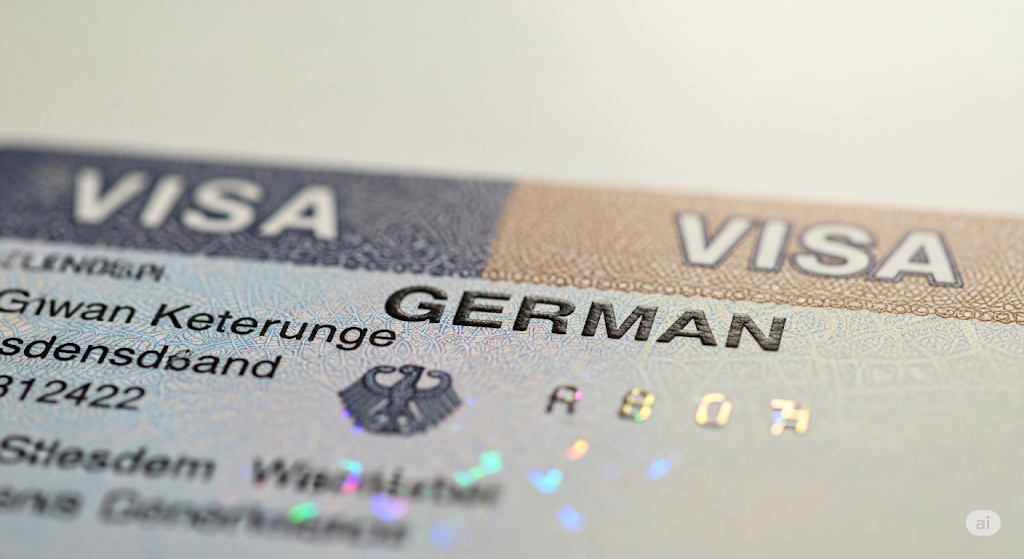
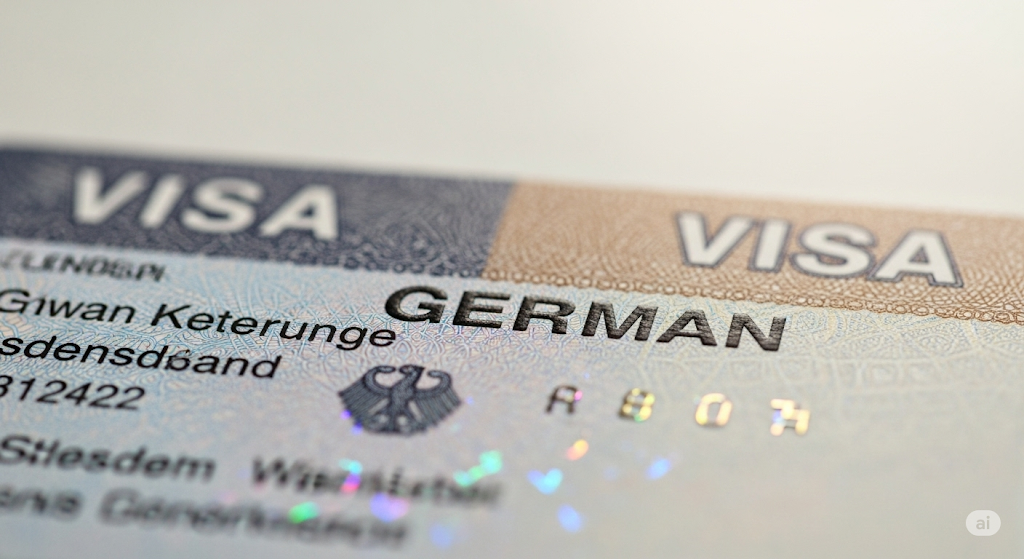
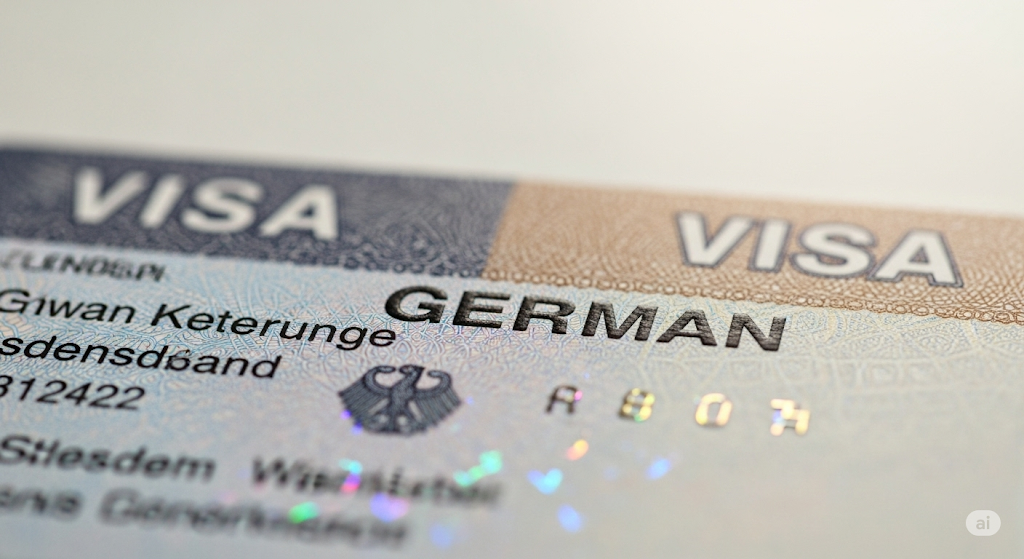
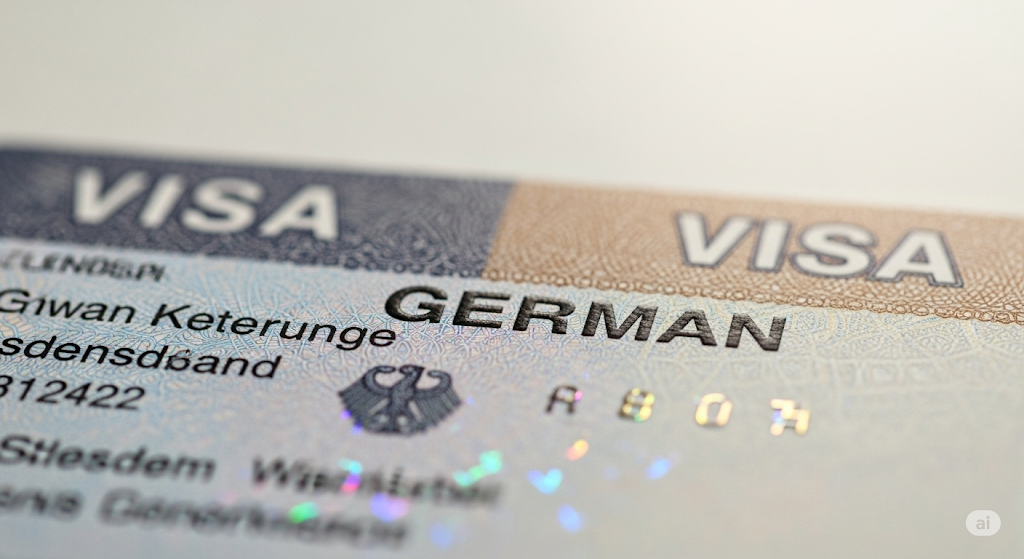
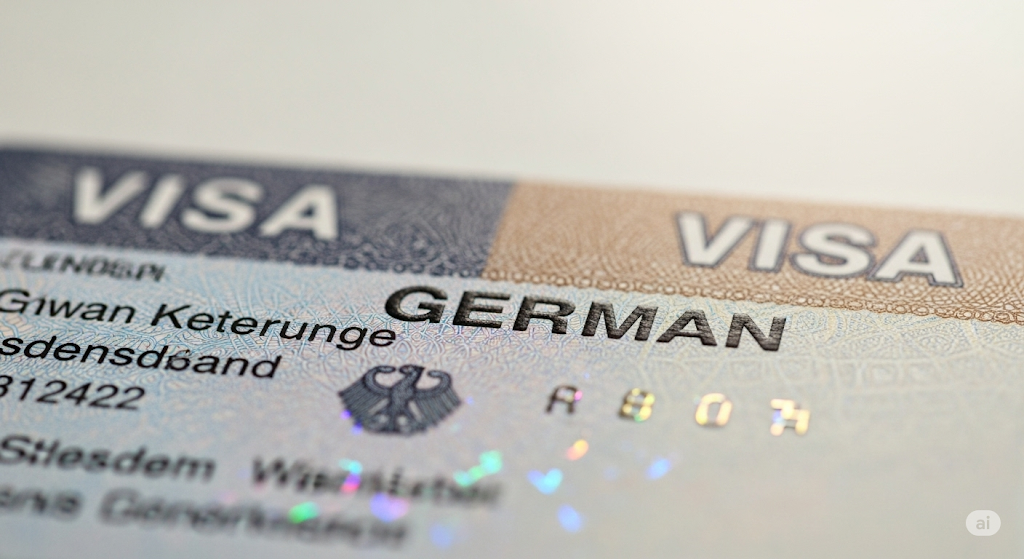
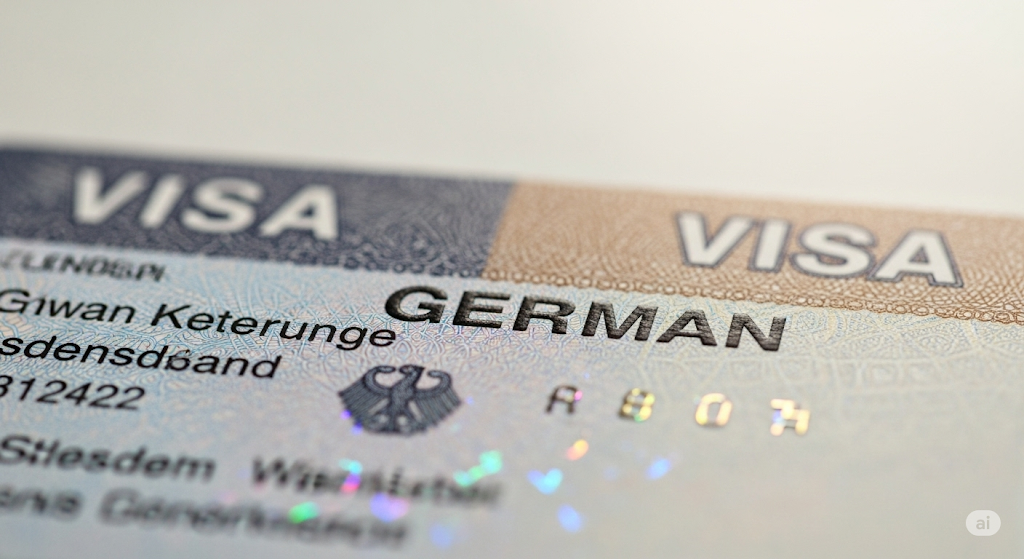
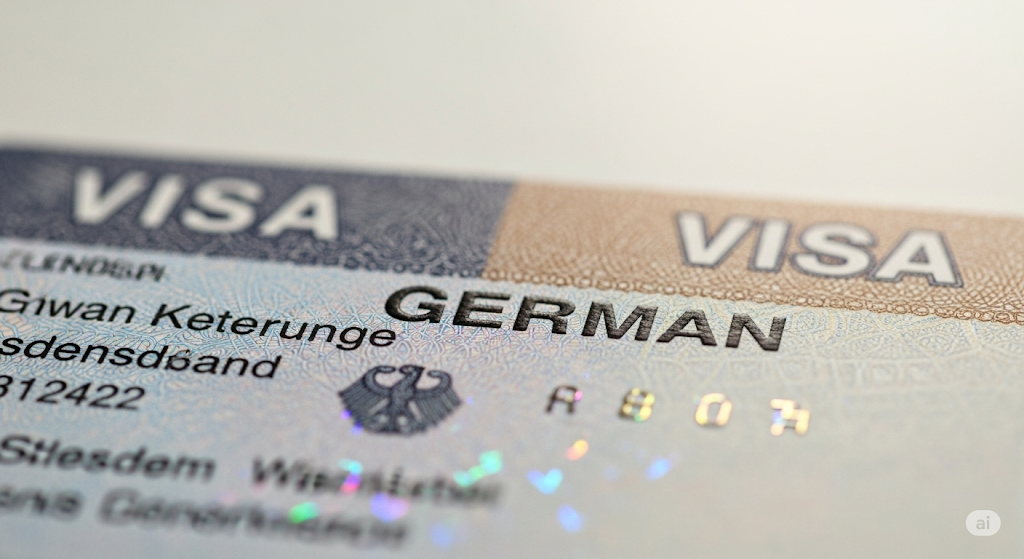
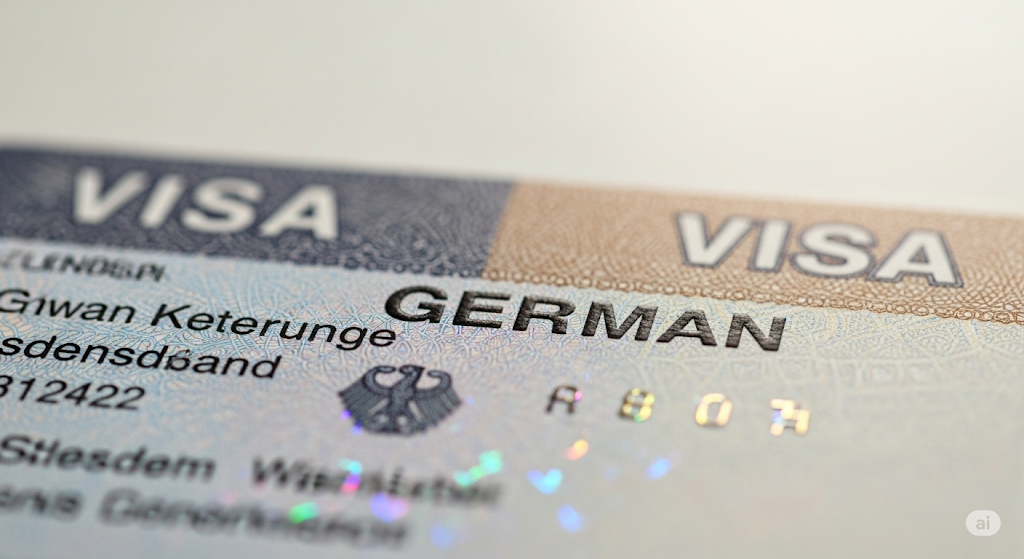
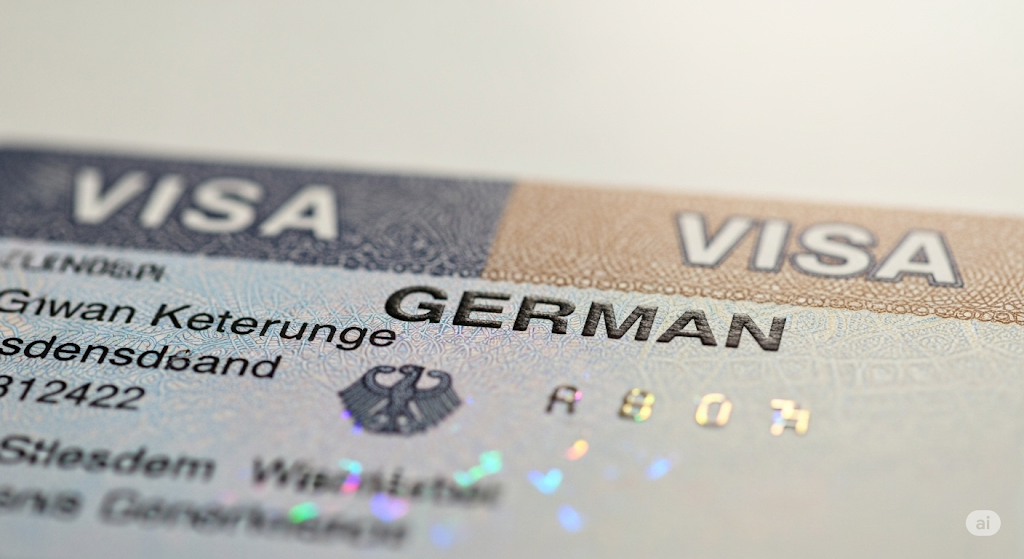
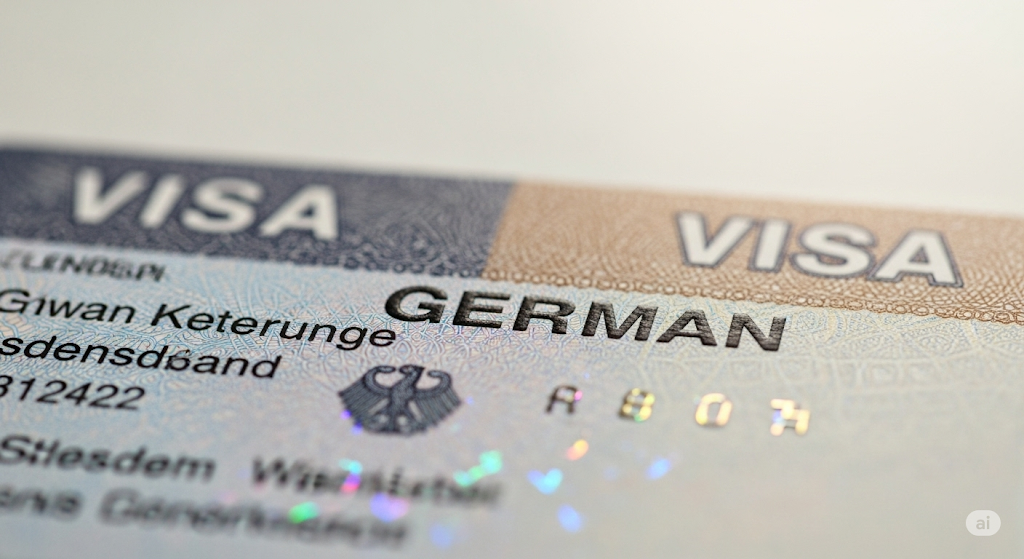
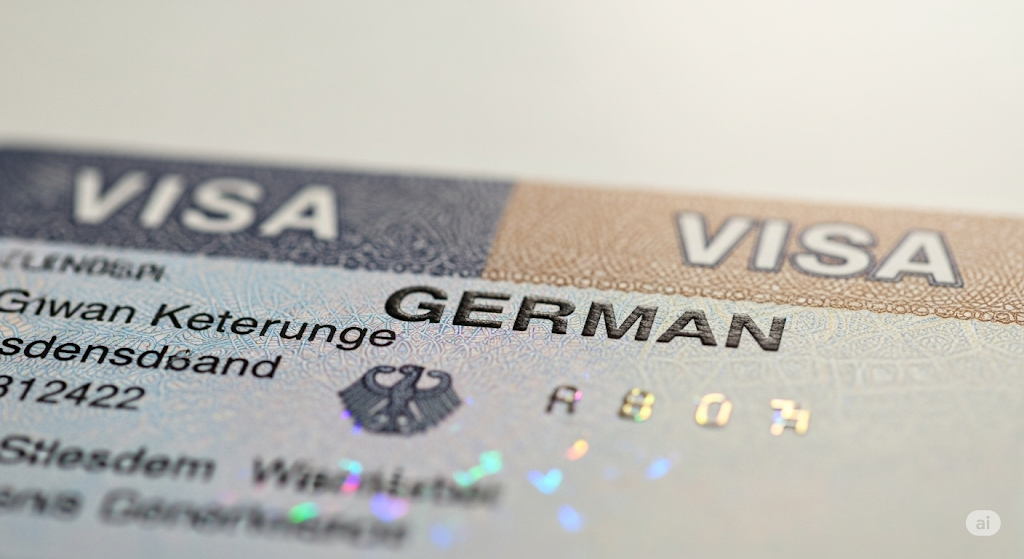
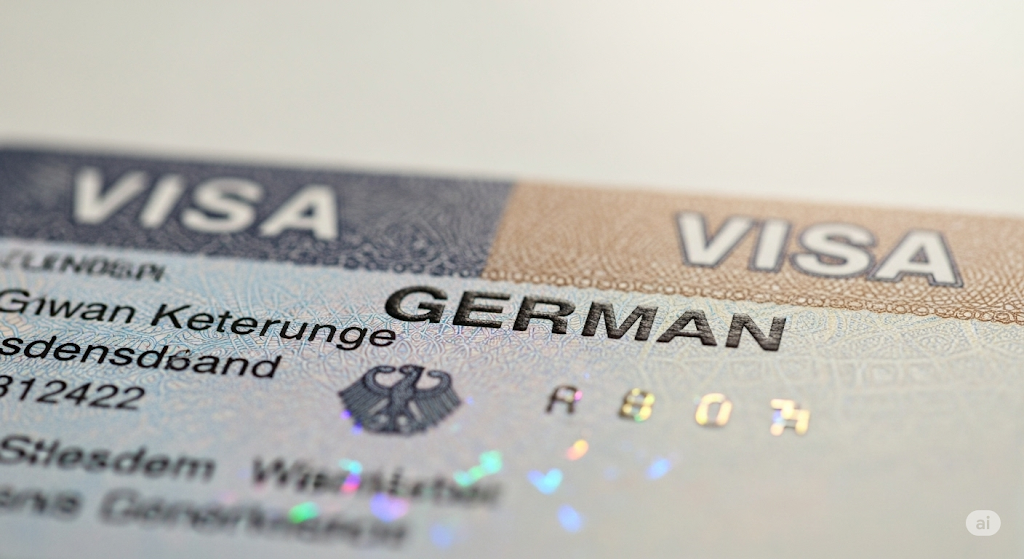
Schengen Visa Type C: For conferences up to 90 days, as interpreter or language assistant.
-
Temporary Work Visa (§ 18 Abs. 3 Residence Act): For professional paid interpreting.
-
Freelancer Visa (§ 21 Abs. 5): Rare cases for independent interpreting work.
2. Required Documents:
-
Official invitation specifying interpreter role and dates.
-
Proof of qualifications (translation degree, work experience, language skills).
-
Conference program.
-
Financial proof (sponsor declaration or bank account).
-
Travel health insurance.
-
Round-trip flight ticket.
3. German Market Needs:
-
International organizations (UN, EU).
-
Scientific fairs and festivals (Hannover Messe, Berlinale).
-
Governmental and political conferences.
-
Religious and cultural institutions.
Languages in demand: German ↔ English, French, Arabic, Russian/Ukrainian, African/Central Asian languages.
4. Skills:
-
Simultaneous and consecutive interpreting.
-
Technical terminology knowledge.
-
Quick thinking and fluency.
-
Cultural awareness.
-
Confidentiality and professionalism.
5. Career Development:
-
Switch to freelancer visa (§ 21).
-
Apply for long-term residence with repeated contracts.
-
Join German interpreter associations (BDÜ).
Conclusion: Clear invitation and professional proof are key. Legal pathways range from Schengen visas to work permits, depending on the nature of interpreting.