

 Login/Create Account


What is an Ausbildungsduldung?
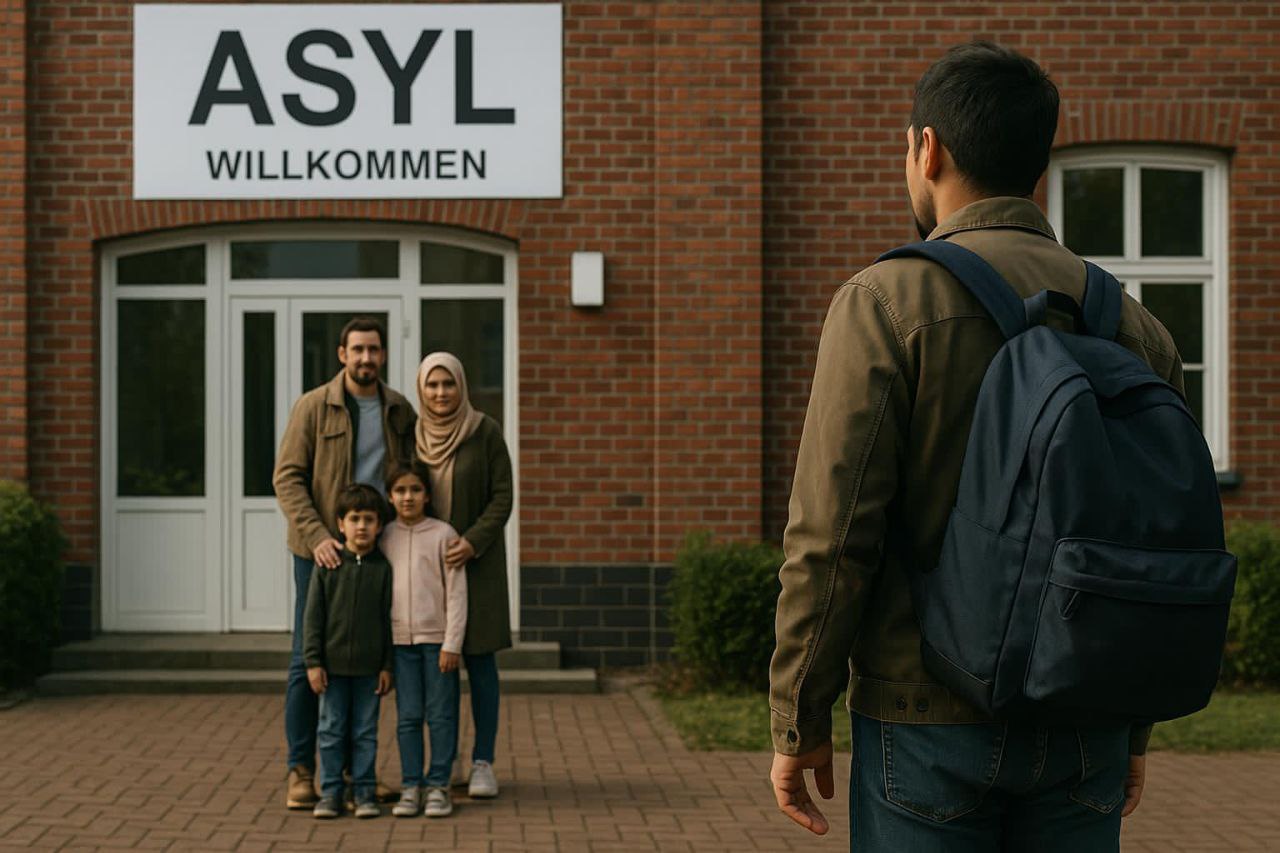
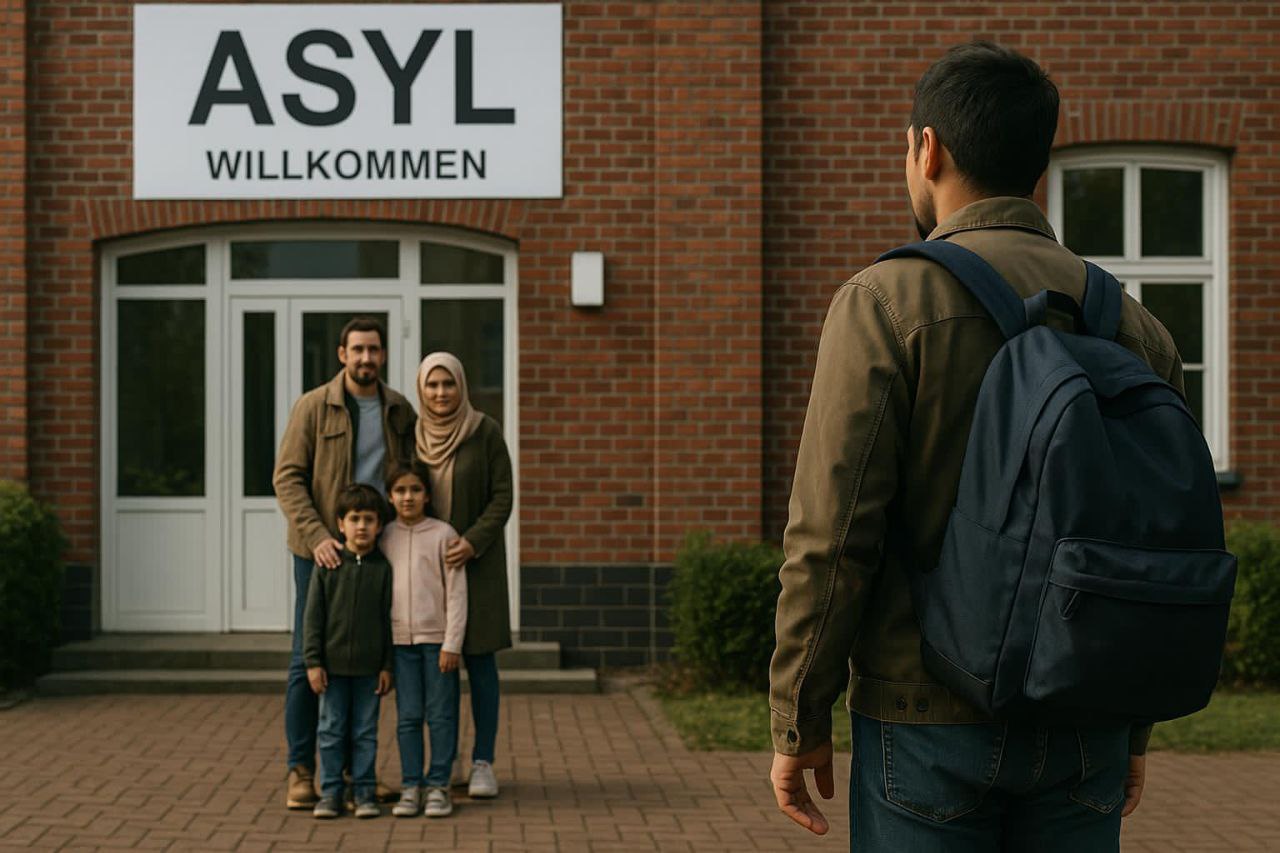
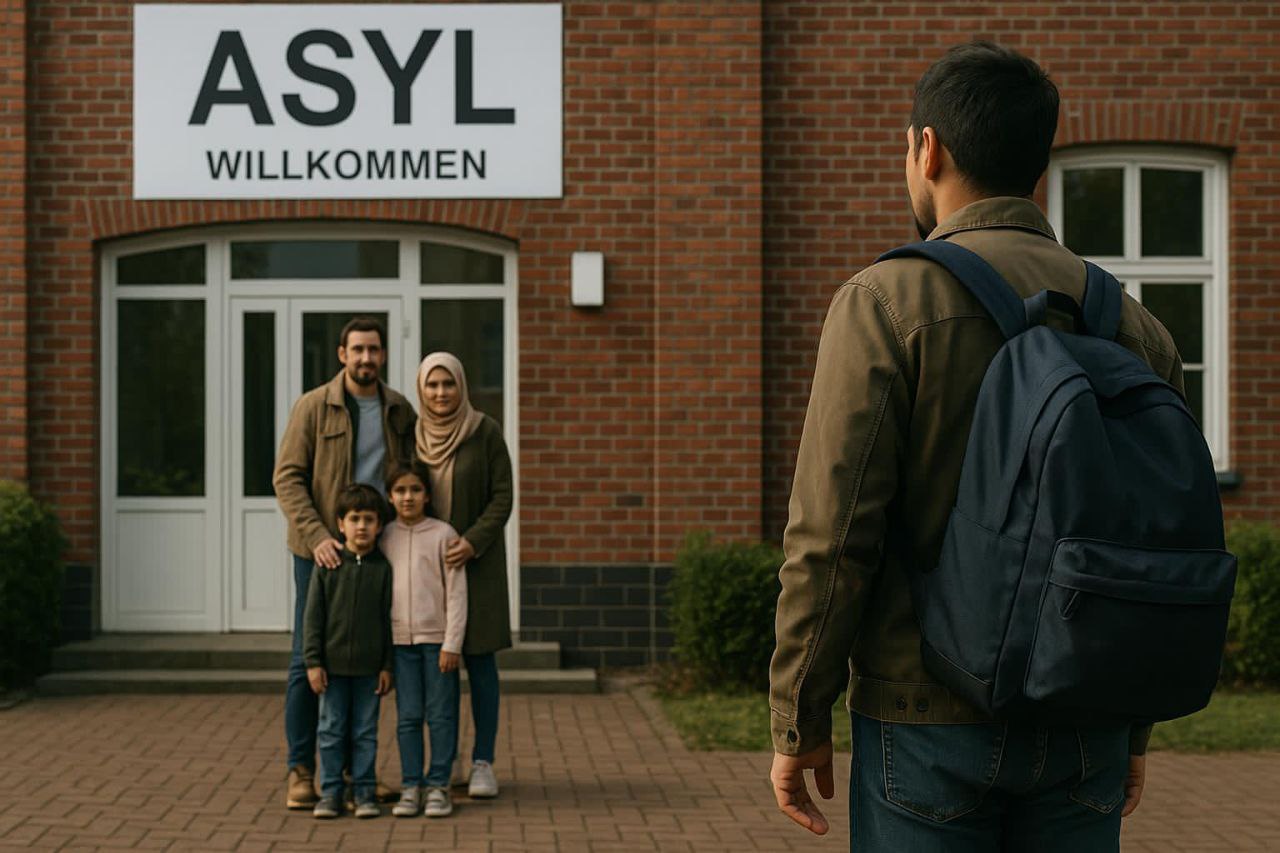
An Ausbildungsduldung is a special type of Duldung (“tolerated stay”). It is granted to people who have a deportation decision or no formal residence permit, but who have obtained an opportunity for an Ausbildung (dual vocational training – theory and practice).
This temporary status allows the person to remain in Germany for the entire duration of the vocational training, which usually lasts two to three years, with the possibility of extension or transitioning to an official residence status after completion.
Who can receive an Ausbildungsduldung?
-
People who already hold a valid Duldung (deportation temporarily suspended).
-
People whose asylum application was rejected (no asylum/subsidiary protection), but who cannot be deported immediately.
-
People who have a signed training contract (Ausbildungsvertrag) in a recognized occupation (such as electrical work, metalwork, nursing, construction, etc.).
Key requirements for an Ausbildungsduldung
-
A formal vocational training contract within a recognized Berufsausbildung (not just a short internship).
-
The training must actually be carried out full-time with an officially recognized provider/employer.
-
No criminal offences that significantly affect the public interest.
-
No concealment of identity and no deliberate obstruction of deportation procedures.
-
The application must be submitted before deportation is carried out, because an Ausbildungsduldung is generally not granted after a final deportation deadline has been set.
How long does an Ausbildungsduldung last?
-
For the full duration of the Ausbildung (usually 2–3 years).
-
In practice, it is often renewed annually as long as the training continues successfully.
After successfully completing the training, the person may be able to obtain:
-
a Beschäftigungsduldung (tolerated stay for employment), or
-
a regular work residence permit under § 19d AufenthG, if they have an employment contract in the same occupation they trained for.
What rights does an Ausbildungsduldung holder have?
| Right | Available? |
|---|---|
| Work during training | Yes, without additional approval |
| Legal stay | Yes, temporarily during the training period |
| Health insurance | Yes, through a Krankenkasse |
| Financial support | Possible, limited depending on the case |
| Transition to a residence permit | Possible after successful completion |
What happens after the training ends?
If the person completes the training successfully and finds a job contract in the same field, they can:
-
apply for a work residence permit under § 19d AufenthG for two years, or
-
continue working under a Beschäftigungsduldung if they do not yet meet all residence-permit requirements.
After several years of legal work and residence, it may become possible to apply for permanent residence.
Cases in which an Ausbildungsduldung is not granted
-
If the person does not have a valid Duldung.
-
If they conceal their identity or refuse to cooperate in obtaining travel documents.
-
If the training provider/employer is not officially recognized.
-
If the occupation does not qualify as a recognized dual vocational training under German law.
Examples of occupations that may qualify for an Ausbildungsduldung
-
Electronics technician (Elektroniker)
-
Automotive mechatronics technician (KFZ-Mechatroniker)
-
Nursing professional (Pflegefachkraft)
-
Cook (Koch)
-
Plant mechanic / HVAC & refrigeration (Anlagenmechaniker)
-
Warehouse logistics specialist (Fachkraft für Lagerlogistik)
Conclusion
An Ausbildungsduldung is not merely a temporary status; it can be a legal bridge from uncertainty to real integration into German society. It offers a chance to prove capability and self-reliance and can open a realistic path toward a stable work residence permit—and potentially permanent residence later on.
Disclaimer: The website’s writers and editors strive to provide accurate information through extensive research and by consulting multiple sources. However, errors may occur or some information may be unconfirmed. Please treat the content as initial guidance and always contact the competent authorities for verified information.