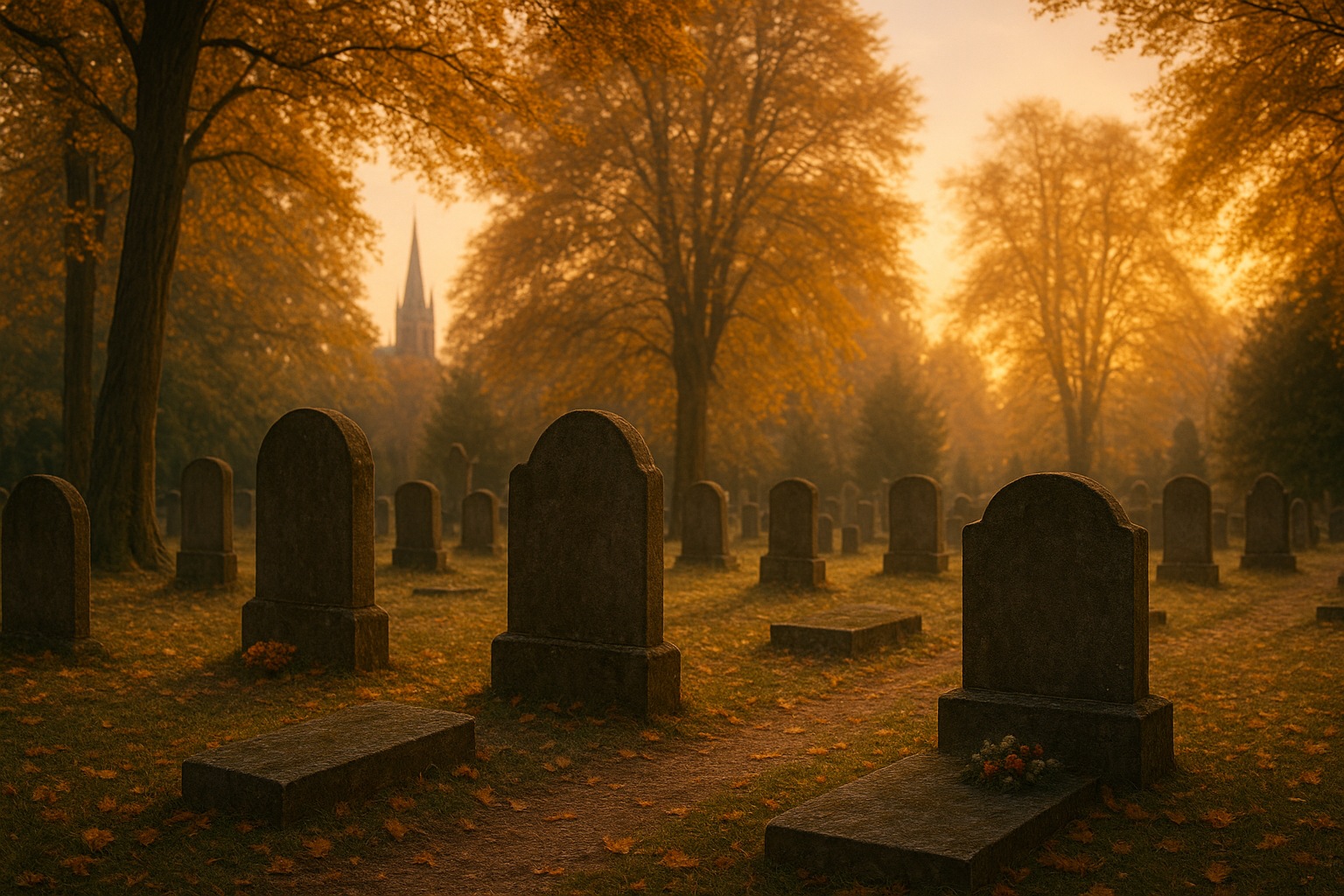
Flowers or Pebbles? Municipal Rules on Decorating Islamic Graves in Germany
With the growing number of Muslims in Germany, questions about burial and grave visits have become increasingly important – especially those relating to the decoration and appearance of graves. One of the most common questions Muslim families face after burying a loved one is: Should we place flowers on the grave, as many Germans do? Or should we limit ourselves to earth or pebbles out of respect for religious guidelines? Between religious requirements and municipal regulations, there are detailed rules that must be understood in order to avoid conflicts and violations.
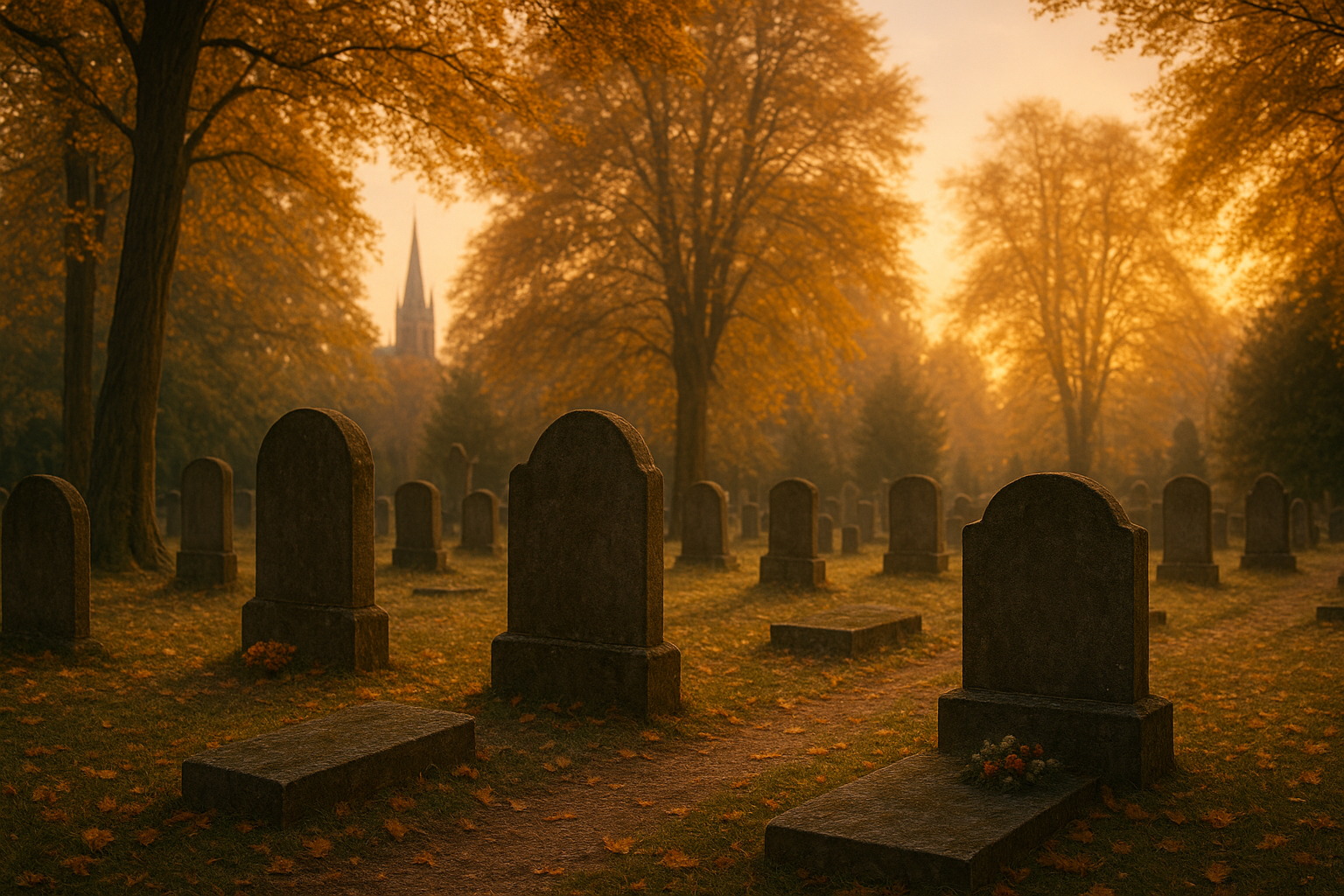
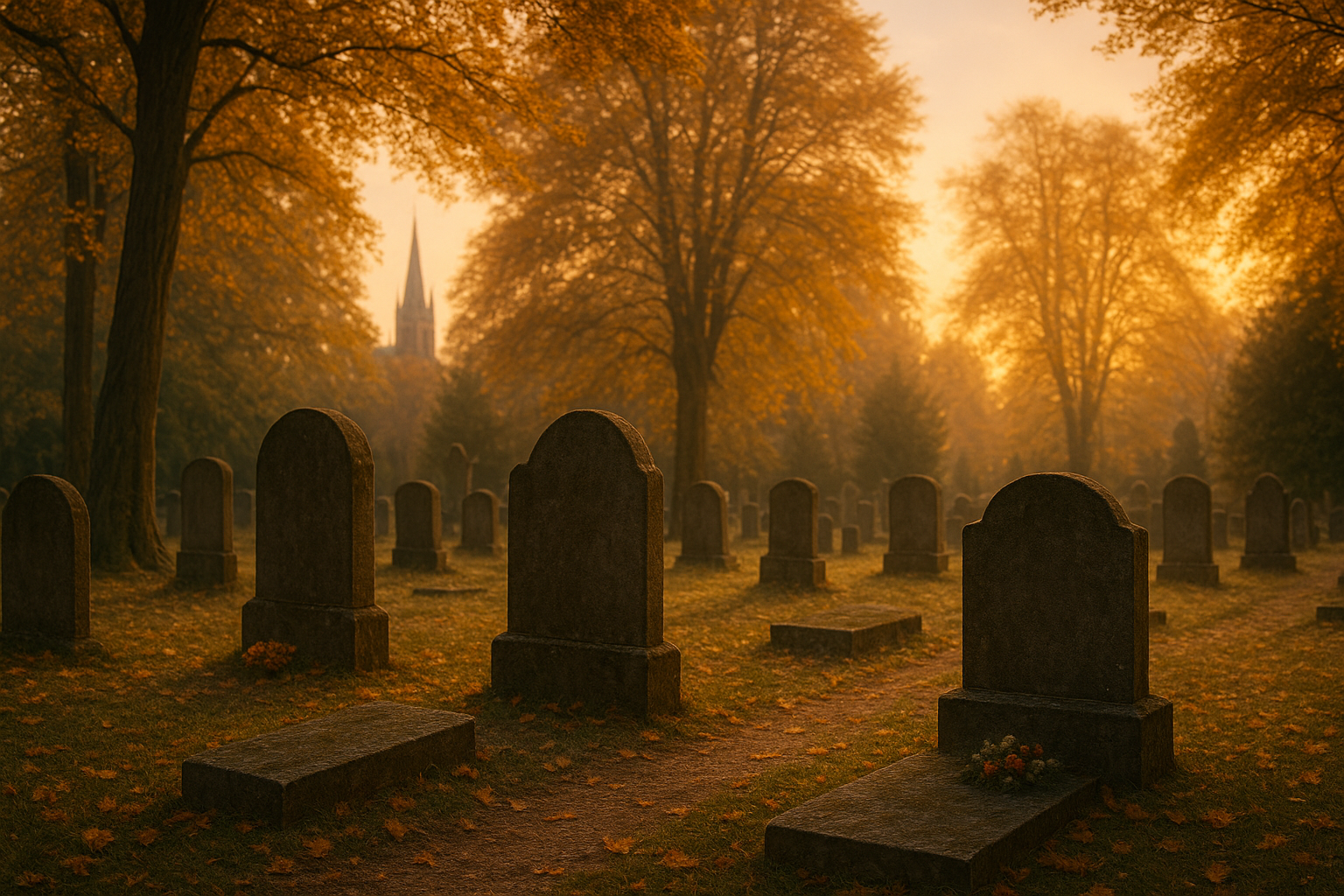
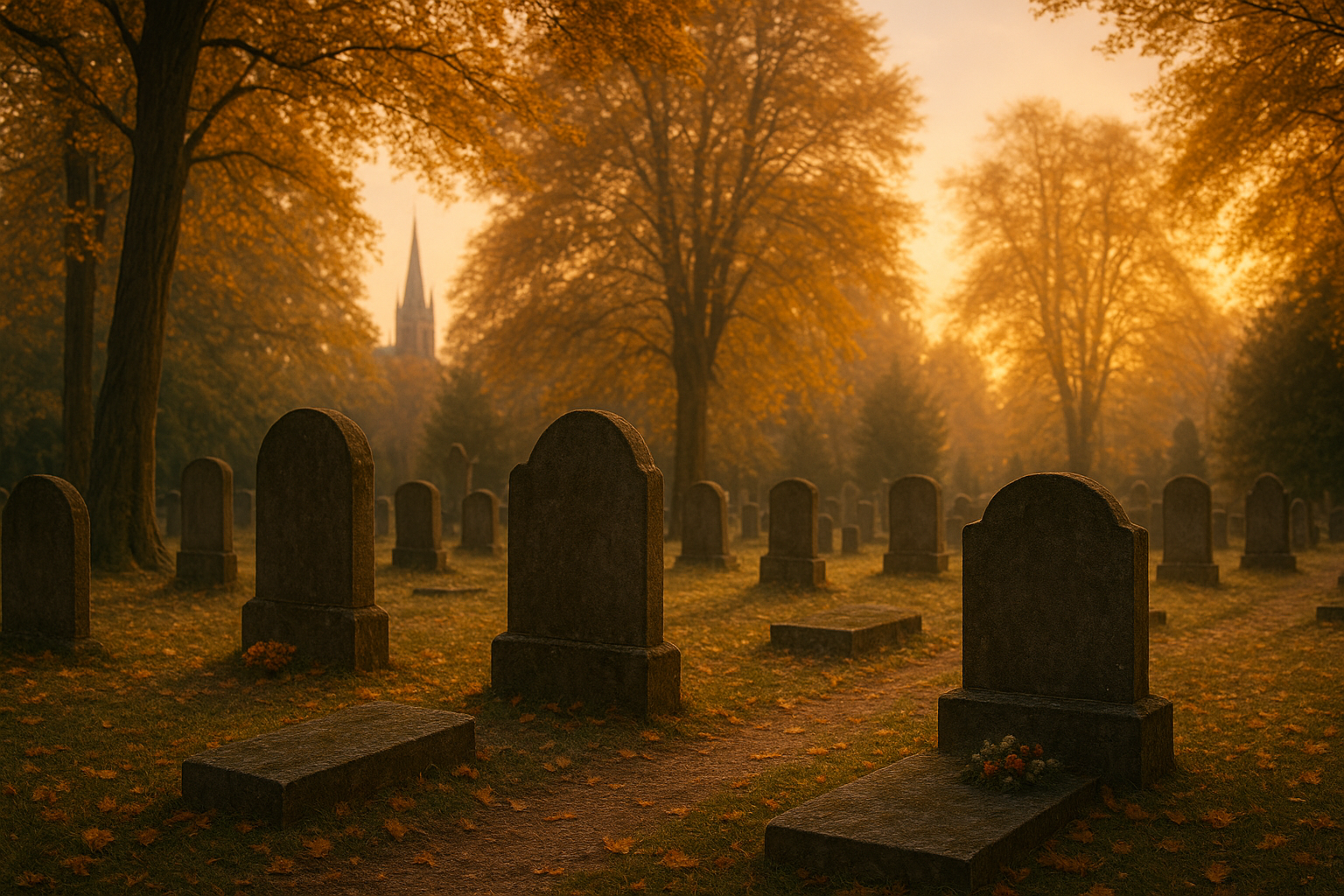
In Islam, simplicity is generally preferred in the design of graves. Usually, a simple mound of earth and a modest wooden or stone marker are considered sufficient, without excessive adornment. Some families place white pebbles or a few symbolic plants, but artificial flowers, statuettes, lanterns or elaborate decorative objects are generally discouraged – even though such items are very common on Christian or secular graves in Germany.
Every municipality in Germany issues its own cemetery by-law, known as the “Friedhofsatzung”, which sets out detailed rules governing the use and design of graves. These regulations, which vary from city to city, determine precisely what may be placed on a grave, including:
the type of decoration (natural or artificial),
the dimensions and shape of the headstone,
whether plants may be planted on the grave,
the prohibition of certain symbols or materials.
On most cemeteries, natural flowers are permitted, provided they do not interfere with the maintenance of the common areas or disturb the overall appearance of the cemetery. Plastic flowers or brightly coloured decorative pebbles, however, may be prohibited in some municipalities.
Some German cemeteries have designated Islamic grave sections (Islamische Grabfelder) where religious requirements – such as the direction of burial toward the Qibla and a generally simple design – are given more consideration. In these sections, using pebbles is often allowed, while decorative items that clash with the Islamic character, such as lanterns, candles or small figurines, may be forbidden.
Nonetheless, it remains essential to consult the cemetery administration. Certain municipalities insist that the Islamic section should visually harmonise with the rest of the cemetery, which can mean restrictions on forms of decoration that are perceived as unusual or out of keeping with the general setting.
In several German cities – including Berlin, Frankfurt and Hamburg – conflicts have arisen when families wanted to cover the grave with pebbles or remove flowers placed by the municipality for cultural reasons, while local rules required a more uniform appearance of all graves.
In some cases, these disputes were resolved through dialogue and compromise between the cemetery administration and the Muslim community. In others, families had to comply with the regulations under threat of fines or the forced removal of unauthorised grave decorations.
Request a copy of the Friedhofsatzung:
Obtain the current cemetery regulations from the administration before making any changes to the grave.
Explain the religious background clearly:
Municipalities are often more accommodating of religious needs when they are communicated early and in a formal manner.
Choose simple, permitted designs:
Modest decoration with natural pebbles or small plants is usually acceptable and unlikely to cause problems.
Do not assume that the Islamic section is exempt:
Even Islamic grave sections are generally subject to the same cemetery by-law, unless an explicit exemption has been agreed.
In Germany, decorating a grave is not purely a private matter, but is governed by detailed municipal regulations. Between the desire to respect Islamic teachings and the need to avoid breaches of local law, the most sensible approach is usually moderation and early coordination with the cemetery administration.
In this way, the dignity of the deceased can be preserved in accordance with the faith, and the dignity of the grave can be maintained in accordance with the legal framework.
The authors and editorial team of this website endeavour to provide accurate information based on thorough research and a review of multiple sources. Nevertheless, errors may occur or certain details may be incomplete or not fully confirmed. Please regard the information presented here as an initial point of reference and always consult the responsible authorities and qualified experts for binding and definitive advice.