Login/Create Account


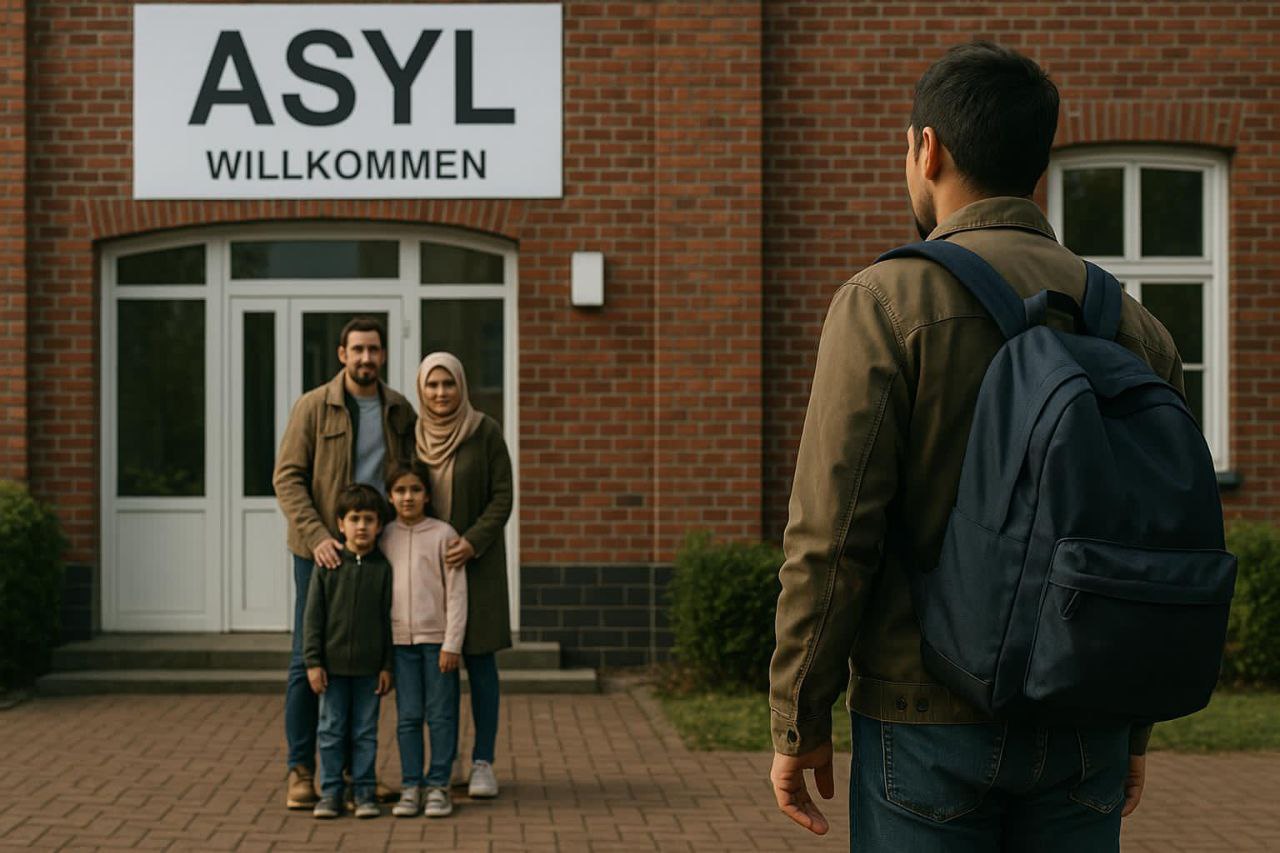
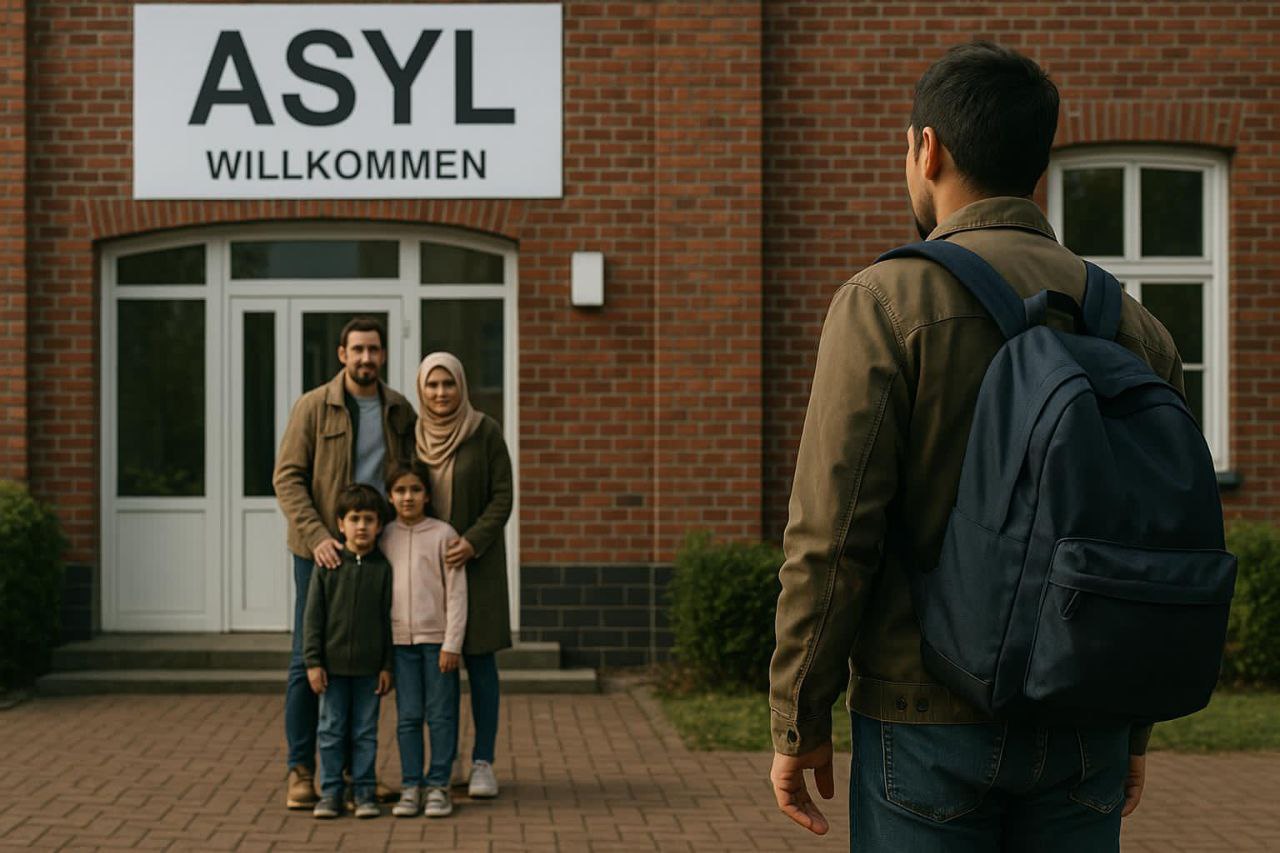
When is an asylum seeker allowed to work in Germany?
The general rule is as follows:
Stage – Is work allowed? – Additional conditions
-
First 3 months after filing the asylum application: No – completely prohibited
-
After 3 months: Yes, under conditions – you need permission from the Ausländerbehörde and approval from the Federal Employment Agency
-
After recognition as a refugee or protection beneficiary: Yes, fully – without restrictions, like other legally resident persons
Documents/permission required to work (Beschäftigungserlaubnis)
After 3 months from the date the asylum application is submitted, an asylum seeker may apply to work, but only if they obtain:
-
Permission from the foreigners’ authority (Ausländerbehörde)
-
Approval from the Federal Employment Agency (Bundesagentur für Arbeit)
-
This is known as the Zustimmungsverfahren (approval procedure)
-
In some cases, approval is not required (often, for example, for Ausbildung)
-
Types of activities that may be allowed
-
Paid employment (full-time or part-time)
-
Ausbildung (vocational training): often possible without approval from the Employment Agency
-
Praktikum (internship): allowed if it is unpaid or clearly educational/training-related
-
Volunteering (Ehrenamt): generally allowed without a work permit
Steps to apply for a work permit
-
Obtain a formal job offer from an employer (including salary, working hours, and role details).
-
Have the employer complete a form called Stellenbeschreibung.
-
Submit the application and documents to the Ausländerbehörde.
-
The authority forwards the request to the Federal Employment Agency.
-
A decision typically comes within 2 to 4 weeks.
Who may still be prohibited from working even after 3 months?
A work permit request is typically refused in the following cases:
1) Staying in an initial reception center (Erstaufnahmeeinrichtung)
Work is often not allowed until the person is transferred to municipal accommodation.
2) Being in a Dublin procedure (Dublin-Verfahren)
Work is generally not permitted as long as it is not clarified whether Germany is responsible for the asylum claim.
3) Having a Duldung with special restrictions
If an explicit “Arbeitsverbot” (work ban) is stated in the conditions, working is not possible.
4) Lack of cooperation with authorities
For example: providing false information, hiding identity, or obstructing verification procedures.
Can you appeal a refusal of the work permit?
Yes. You can challenge the decision through a specialized lawyer, especially if the refusal is unjustified or if authorities fail to decide within a reasonable time. You may also seek support from organizations such as Pro Asyl or Diakonie for legal/social counseling.
Special case: working through vocational training (Ausbildung)
If an asylum seeker obtains an Ausbildung place, then in many cases:
-
approval from the Employment Agency is usually not required,
-
the permit is issued more quickly,
-
and the person may be able to continue training even if the asylum claim is rejected, under an “Ausbildungsduldung”.
Summary
Working during the asylum procedure in Germany is possible, but it is tied to specific legal and administrative requirements. After 3 months, you can apply for a work permit, but it is not automatic and often requires two approvals from the competent authorities.
— The website’s writers and editors strive to provide accurate information through extensive research and by consulting multiple sources. However, errors may occur or some information may be unconfirmed. Please treat this content as initial guidance and always consult the competent authorities for confirmed and binding information.