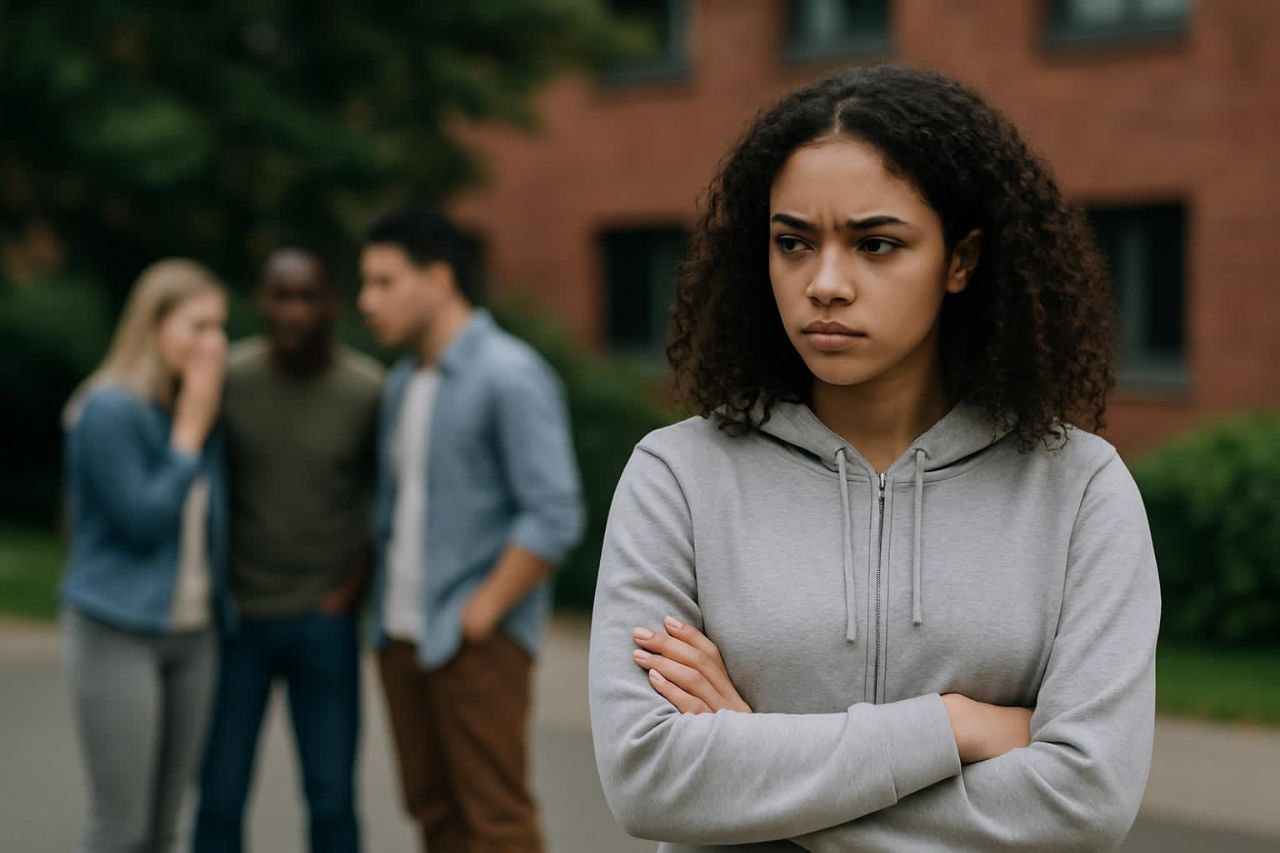
Everything you need to know about data protection when publishing a video documenting a racist incident in Germany
In the era of smartphones, recording incidents – including racist attacks – has become common and technically very easy. But before publishing any video, everyone living in Germany should be aware of their legal rights and obligations concerning data protection and personal rights.
Is it legal to film a racist incident?
In principle, yes:
German law generally allows you to film incidents in public spaces, especially when:
the aim is to document an important event, and
there is a suspicion that a crime or assault is taking place.
However, publishing a video is something completely different from simply recording it. Publication is subject to strict rules on data protection and personality rights.
Legal framework: data protection and image rights
General Data Protection Regulation (GDPR / DSGVO)
Facial features, voices and other identifying characteristics are considered protected personal data.
Publishing such data without consent may expose you to legal liability under data protection law.
Right to one’s own image (KunstUrhG § 22)
As a rule, photos and videos showing identifiable individuals may not be published without their consent.
Exceptions apply only where the law explicitly allows it (for example in the context of events of contemporary history).
What are the legal exceptions?
Documenting an event of public interest
If the video documents a criminal offence or a serious incident and can serve as evidence, publication can, in some cases, be justified by “legitimate interests” (Wahrung berechtigter Interessen).
Even then, the legally safest option is usually to hand the video over to the police or public prosecutor’s office first, instead of posting it directly on social media.
People in public spaces
At demonstrations or large gatherings, wide shots of crowds are more easily permissible, as long as no specific individuals are singled out.
Problems arise if the camera zooms in on certain people so that they become clearly identifiable.
Risks of random or careless publishing
Legal consequences:
Claims for removal, injunctions, pain and suffering or damages for violation of privacy or data protection rules.
Safety risks:
Victims, witnesses or even the person who filmed may face threats, harassment or retaliation.
Impact on criminal proceedings:
Widely circulating videos can influence witness statements or be seen as prejudicing the case, thus complicating official investigations.
What is the best step when you film a racist incident?
Keep the video first and foremost as evidence.
Provide a copy to the police or public prosecutor’s office, and describe the incident as precisely as you can.
You may also contact advisory bodies or NGOs, such as the Federal Anti-Discrimination Agency (Antidiskriminierungsstelle des Bundes) or specialised victim support services.
If you want to publish the video for awareness-raising or campaigning purposes:
consult a lawyer or legal advice centre in advance, and
make sure faces and voices are blurred or otherwise anonymised so that individuals cannot be identified.
How can you protect data in the video?
Blur (pixelate) faces, licence plates and other identifying details.
Remove or distort the audio if voices could reveal who is speaking.
Do not include names or personal details in the video title or description.
Role of associations and organisations
Organisations such as the Amadeu Antonio Foundation and local anti-racism initiatives support victims in documenting incidents in a legally sound way.
Civil-society organisations can process and anonymise material and then share it as part of awareness campaigns while complying with legal requirements.
Conclusion
Documenting racist incidents is a courageous and important step, but dealing with such videos requires legal awareness in order to protect everyone’s privacy and to ensure that the evidence can be used effectively. Always remember: your legal safety – and the safety of the victim – comes first.
Important German terms
DSGVO (Datenschutz-Grundverordnung): General Data Protection Regulation (GDPR)
Recht am eigenen Bild: right to control the use of one’s own image
KunstUrhG: German Art Copyright Act (Kunsturhebergesetz)
Polizei / Staatsanwaltschaft: police / public prosecutor’s office
Verpixeln: to pixelate / blur out faces or details
— The editorial team of the website strives to provide accurate information based on thorough research and multiple sources. Nevertheless, errors or incomplete information may occur. Please treat this text as an initial guide and always consult qualified experts and competent authorities for binding, up-to-date advice.