Login/Create Account


The ICT Card in Germany: professional mobility within Europe inside a corporate group
As global business structures become more complex, the ability to move employees flexibly between branches in different countries has become essential. To support this, EU law introduced the ICT Card (Intra-Corporate Transfer), which facilitates the temporary transfer of non-EU employees between branches of the same company within the European Union – without having to start a full visa process from scratch in every single country.
What is the ICT Card?
The ICT Card (Intra-Corporate Transfer) is a residence permit designed for non-EU employees who are temporarily transferred to a branch within the EU that belongs to the same company or corporate group as their original employer.
In Germany, the legal basis is Section 19b of the German Residence Act (AufenthG), implementing EU Directive 2014/66/EU on intra-corporate transfers.
Who can obtain an ICT Card in Germany?
The ICT Card covers three categories of transferred staff:
-
Managers
-
Supervise a unit, department or branch within the parent company or corporate group.
-
-
Specialists
-
Possess high-level, company-specific expertise, for example in processes, equipment, products or services.
-
-
Trainees (management trainees)
-
Hold a training position with the aim of being prepared for a future managerial role.
-
A key requirement is:
The employee must have worked for the non-EU parent company for at least 6 months prior to the transfer.
Application requirements for the ICT Card
To be granted an ICT Card in Germany, the following conditions must generally be met:
-
A valid employment contract with the non-EU parent company, including a clear transfer plan to a German branch.
-
An official assignment letter from the host company in Germany specifying the position and duration of the transfer.
-
Proof of health insurance that is valid and recognised in Germany.
-
A salary in line with German market standards, appropriate for the role and industry.
-
Proof of suitable academic or professional qualifications (e.g. university degree or recognised vocational qualification).
-
No security or criminal concerns regarding the applicant.
Permitted duration of stay
The ICT Card is strictly time-limited:
-
up to 3 years for managers and specialists
-
up to 1 year for trainees
This status cannot be converted directly into a permanent residence permit (Niederlassungserlaubnis), as the ICT Card is explicitly designed for temporary corporate transfers only.
What makes the ICT Card special: intra-EU mobility
One of the main advantages of the ICT Card is the freedom of movement within the EU corporate network:
-
Holders of an ICT Card issued by one EU Member State can work in other EU countries for branches of the same company without starting a completely new visa procedure each time.
-
If the ICT Card was issued, for example, in France or the Netherlands, the holder may work in a German branch for up to 90 days within a 180-day period without an additional German residence title.
-
If the stay exceeds 90 days in another Member State (for example, Germany), a “Mobile ICT” application must be submitted in that second host country.
ICT Card vs. EU Blue Card – key differences
| Criterion | ICT Card | EU Blue Card |
|---|---|---|
| Type of residence | temporary intra-corporate transfer | residence for qualified employment with a German employer |
| Previous employment | at least 6 months with the non-EU parent | no formal minimum employment period required |
| Access to permanent residence | no direct route from ICT status | possible, typically after 33 or 21 months |
| Change of employer | not allowed (tied to the corporate group) | allowed in principle after 2 years |
Application procedure
-
The application is generally submitted from the home country, usually via the German embassy or consulate.
-
The competent Foreigners’ Authority (Ausländerbehörde) in Germany reviews the application and decides on approval.
-
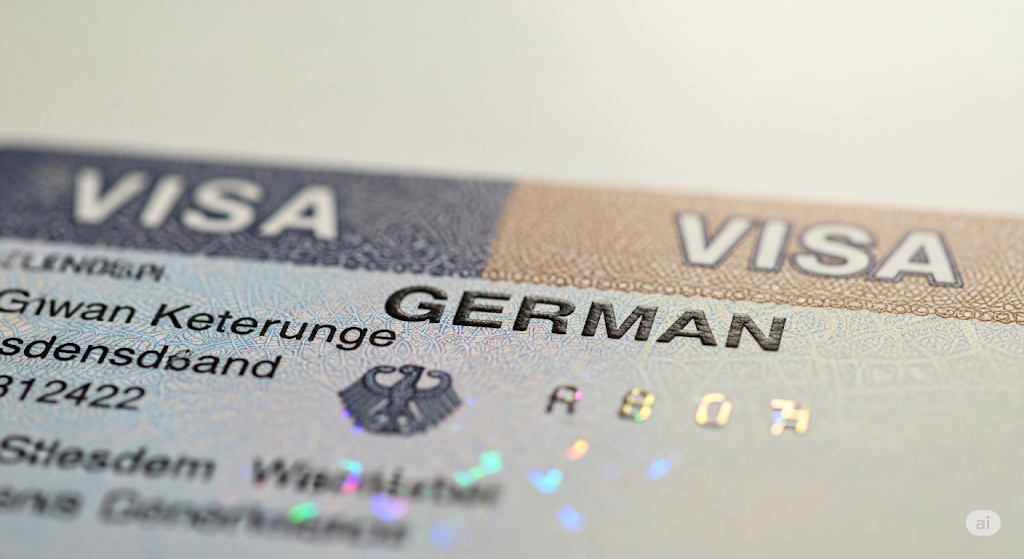
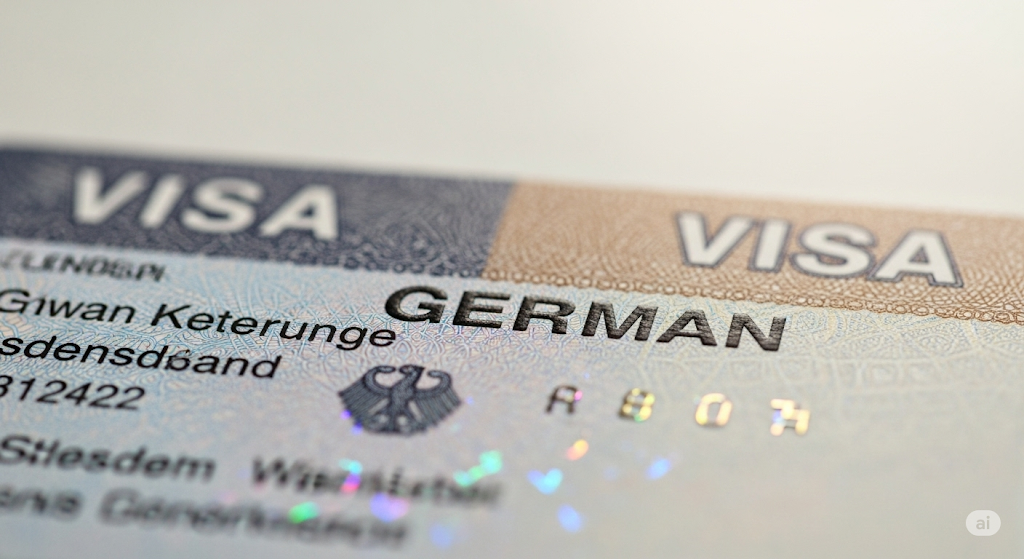
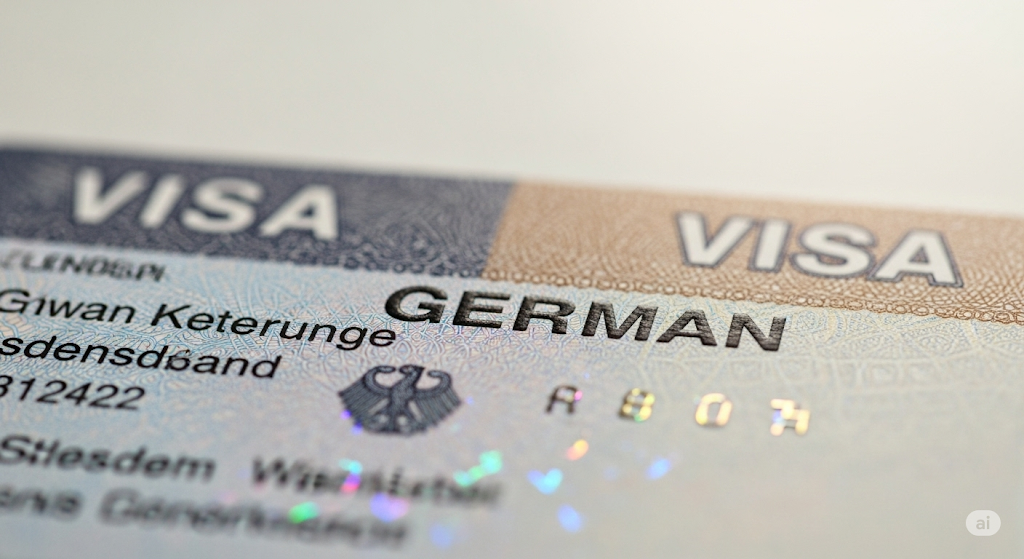
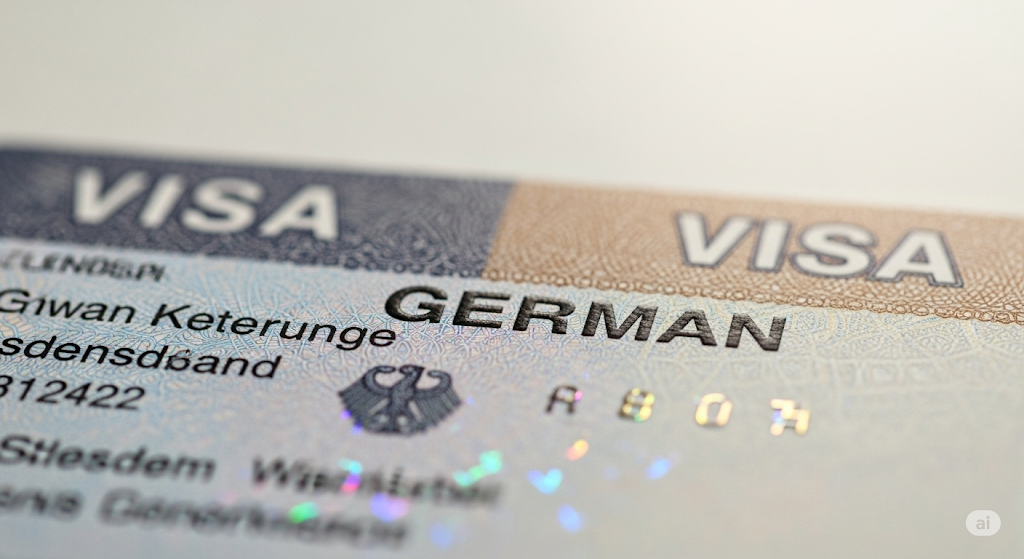
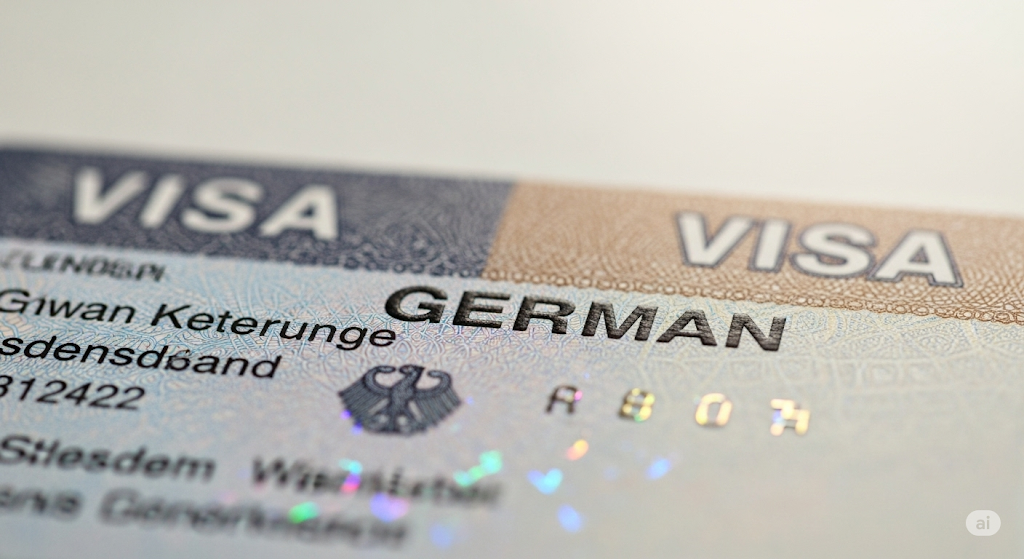
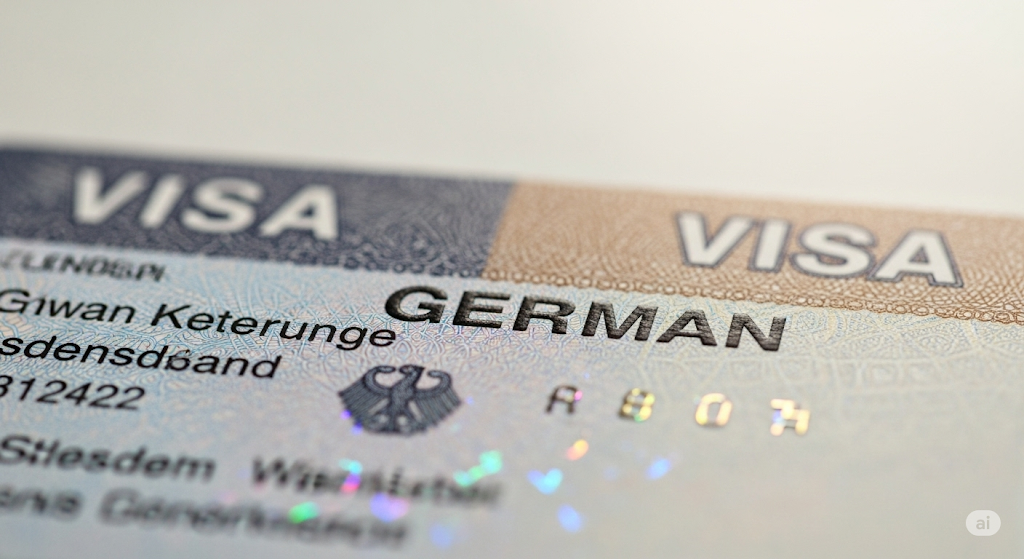
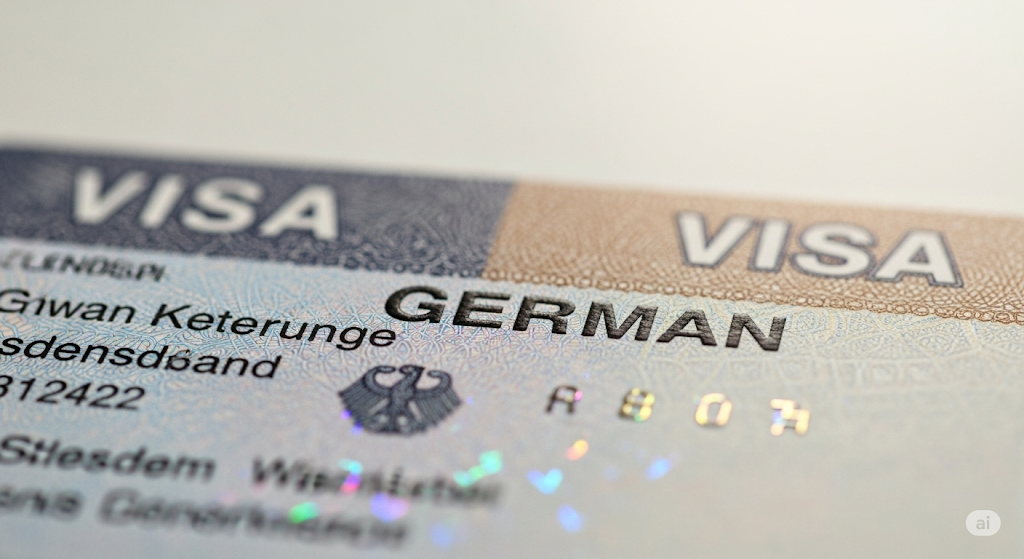
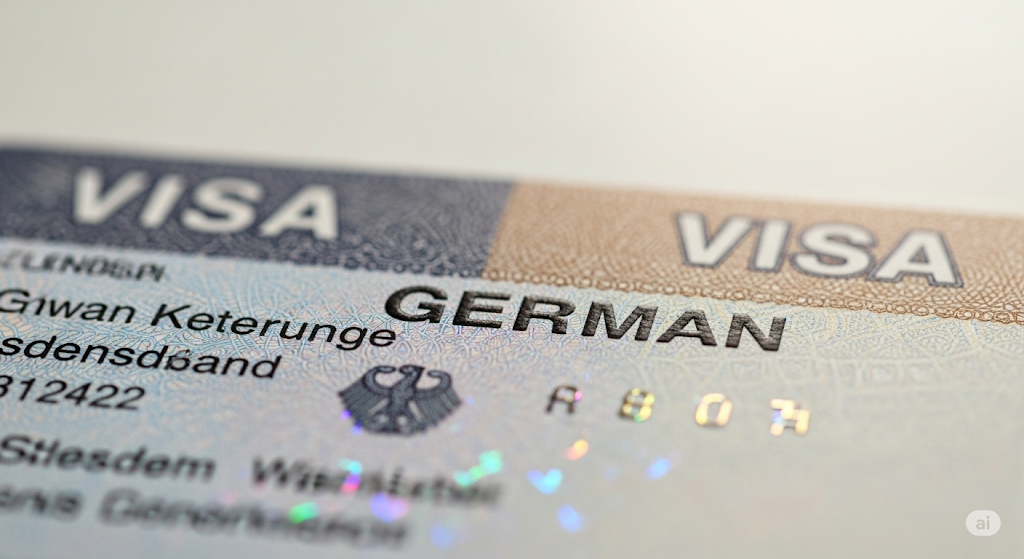
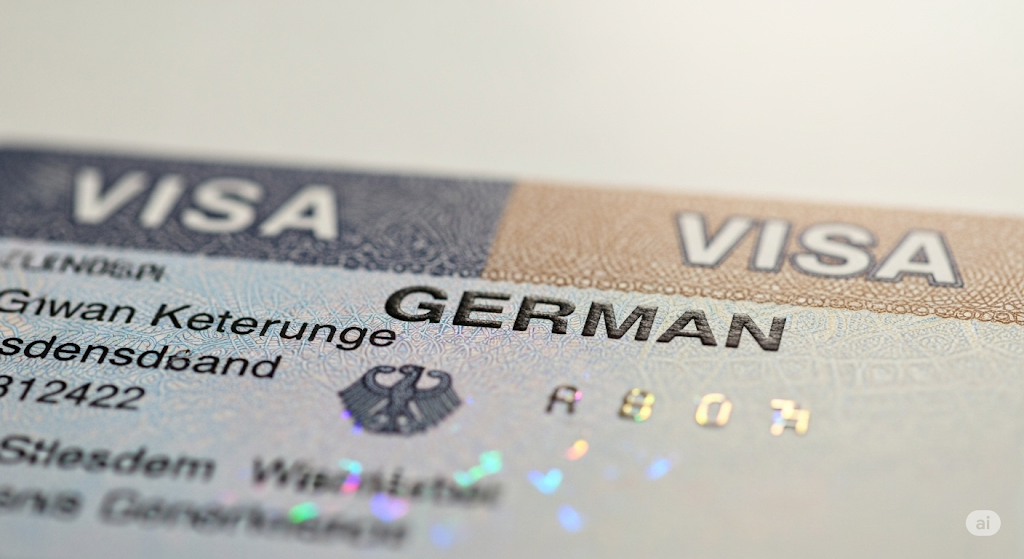
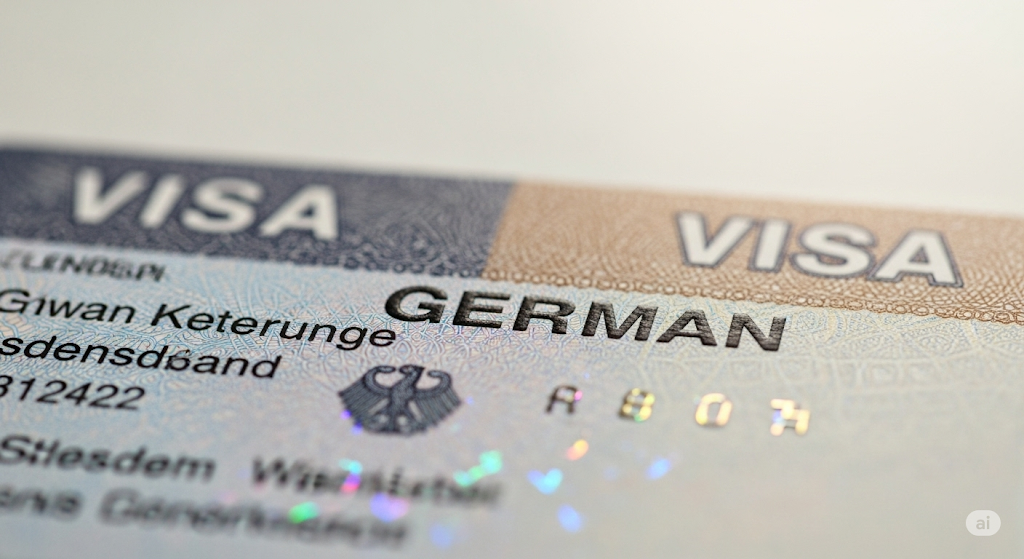
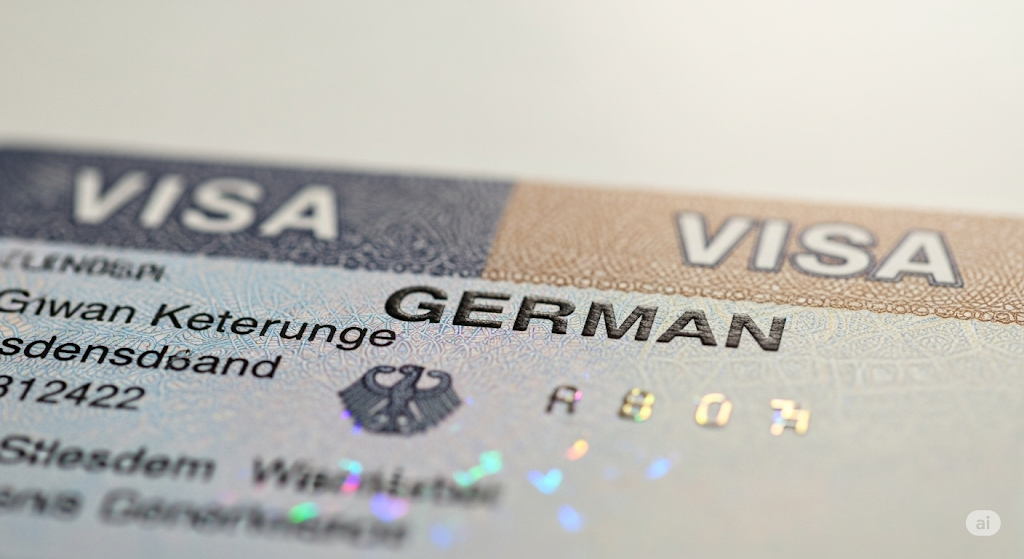
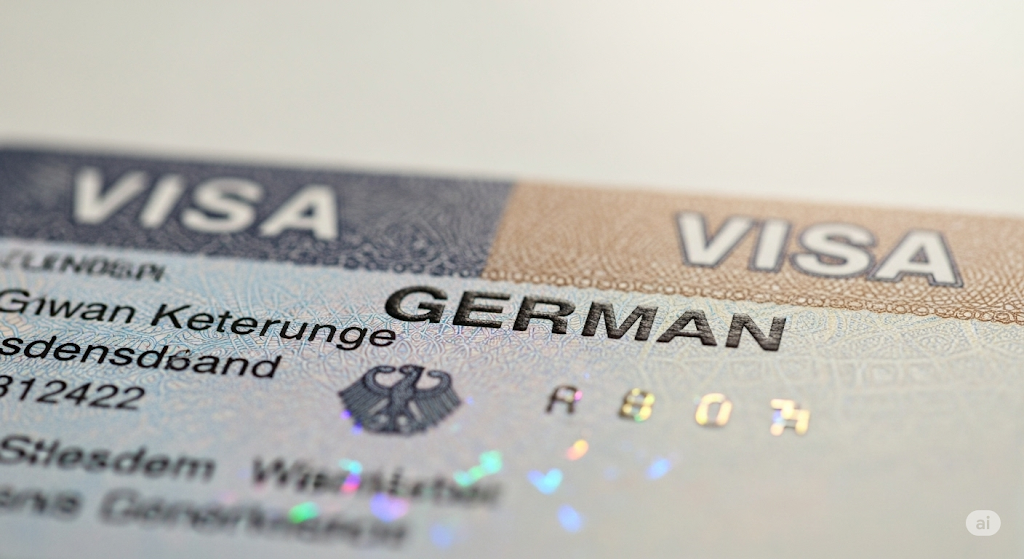
If the application is approved, an entry visa is issued first.
-
After entering Germany, the applicant receives the ICT residence permit card from the Foreigners’ Authority.
-
Throughout the entire stay, the employment relationship with the non-EU parent company must remain in place.
Possible reasons for refusal
An ICT Card application may be refused, for example, in the following situations:
-
The relationship between the parent company and the German branch is not clearly documented or recognised.
-
The salary is considered too low or not in line with German standards for the position.
-
The qualifications of the applicant are not sufficiently proven or do not match the job description.
-
The application is filed after the employee has already started working in Germany (applications must always be made before entering Germany).
Conclusion
The ICT Card is an effective tool for facilitating the transfer of knowledge and key staff within multinational companies across Europe.
At the same time, it differs fundamentally from other residence titles such as the EU Blue Card, in terms of purpose, rights and restrictions.
Thorough preparation of the application, including clear documentation of corporate links, salary level and qualifications, is crucial to avoid delays or refusals.
Our editorial team strives to provide accurate information, based on extensive research and the use of multiple reputable sources. However, errors or incomplete information can never be ruled out entirely. Please treat the information in this article as an initial guide only, and always consult the competent authorities or legal professionals for binding and up-to-date advice.