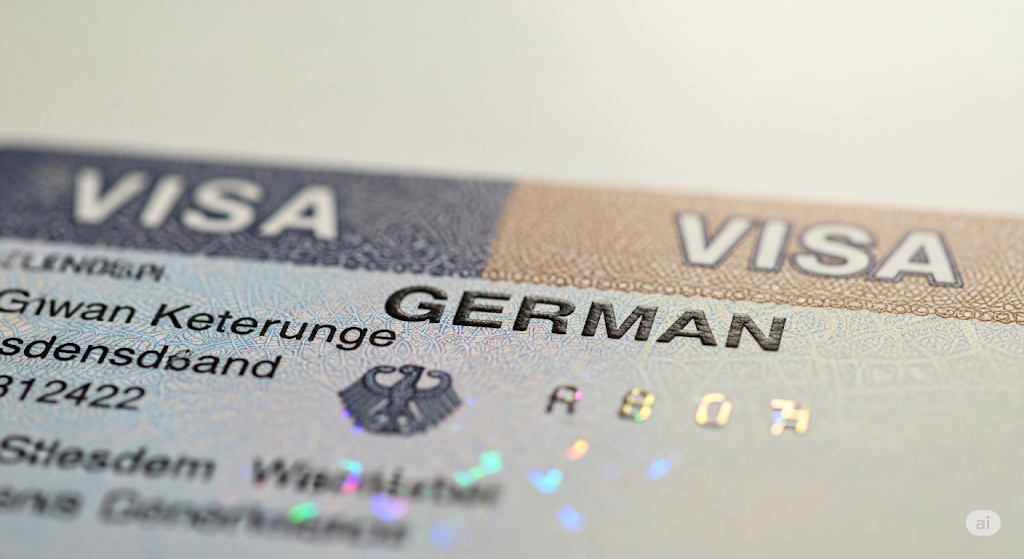
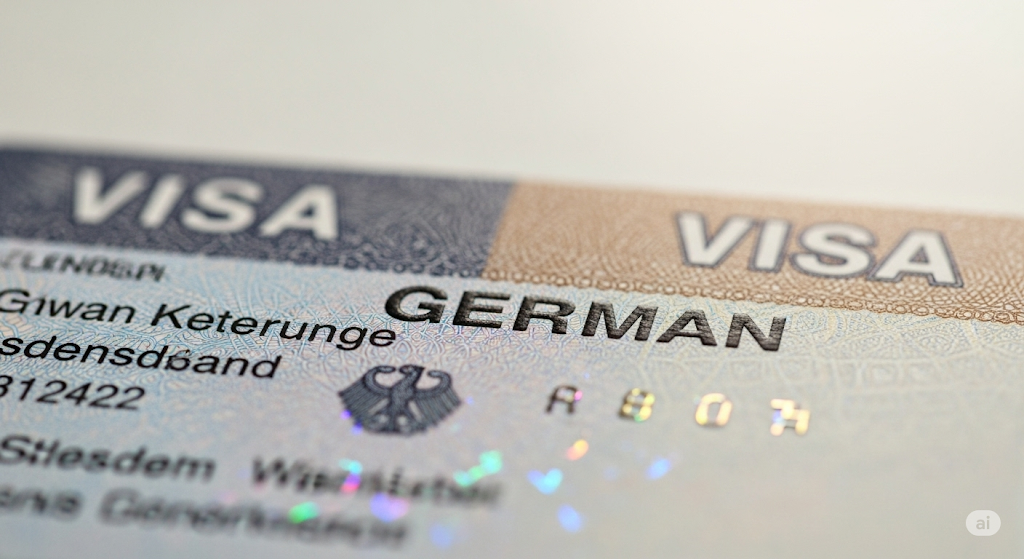
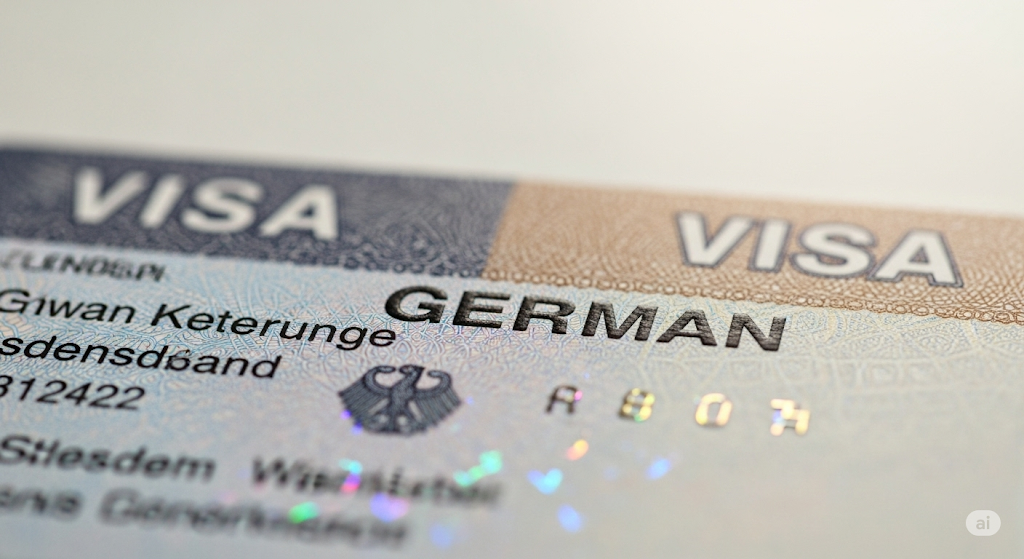
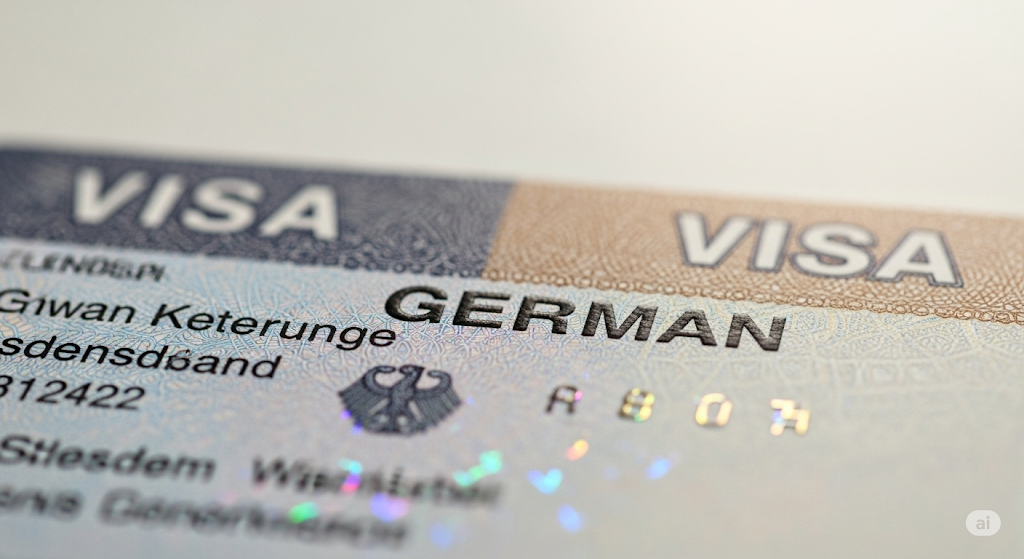
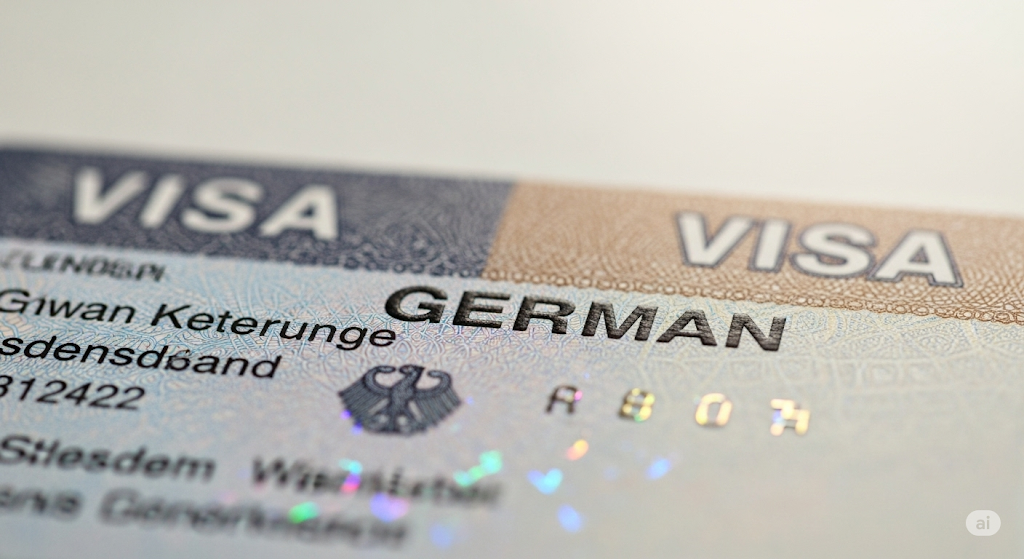
Residence as a British citizen in Germany after Brexit: Everything you need to know about the “Aufenthaltsdokument-GB”
Since the United Kingdom left the European Union (Brexit), the legal status of British citizens living in EU countries – including Germany – has fundamentally changed. They are no longer treated as EU citizens with automatic freedom of movement and residence, but as “nationals of a third country”, with a special regime that applies to them under the Withdrawal Agreement (Austrittsabkommen).
To secure their long-term lawful residence, Germany has created a specific residence document:
Aufenthaltsdokument-GB
that is: a residence permit for British citizens in Germany after Brexit.
What is the legal basis?
This document is issued under the provisions of the Withdrawal Agreement between the United Kingdom and the European Union (Article 18 Withdrawal Agreement / Artikel 18 Austrittsabkommen).
It applies to British citizens who were legally resident in Germany before 31 December 2020, and to their family members.
Who is entitled to an “Aufenthaltsdokument-GB”?
British citizens who:
were lawfully residing in Germany on or before 31 December 2020, and
still have their residence in Germany at the time of application.
Family members (even if they are not British):
spouse or registered partner
minor children
adult children who are financially dependent
parents who are financially dependent on the British citizen
Which documents are required?
Valid British passport
Proof of residence in Germany before the end of 2020
(e.g. tenancy agreement, registration certificate – Anmeldung)
Proof of income or employment (if available)
Health insurance cover
Biometric passport photo
What are the deadlines?
The standard deadline for registering residence under the Withdrawal Agreement was 30 June 2021.
Those who did not register in time may still be granted an Aufenthaltstitel later, provided they can show a good reason for the delay and they continue to reside in Germany.
What rights does the document grant?
Right of residence in Germany, either permanent or temporary
Permanent residence if the person has lived in Germany for more than 5 years
Temporary residence (typically 5 years) for shorter periods of stay
Right to work without needing a separate work permit
Freedom of movement within Germany and the right to travel to Schengen countries (subject to normal entry and stay rules)
Possibility of family reunification
Protection of existing social rights (health insurance, pension entitlements, social benefits, etc.)
What about British citizens arriving after 1 January 2021?
The Withdrawal Agreement does not apply to them.
They are treated like any other third-country nationals.
They require a visa or residence permit under standard German immigration law, depending on the purpose of stay, for example:
work visa
student visa
other residence permits (e.g. for family reunification).
What does the document look like?
It is issued as an electronic residence permit (elektronischer Aufenthaltstitel – eAT) in card format.
The wording “Aufenthaltsdokument-GB” appears clearly on the card.
When travelling, the card must be carried together with the passport.
Important notes and caveats
The document is not granted automatically:
Even long-term residents must apply actively, it is not issued by default.
Long absences from Germany may lead to a loss of residence rights:
usually after more than 6 consecutive months outside Germany
for holders of permanent status, in some cases only after 5 years of absence
The document does not grant automatic free movement for work or residence in the rest of the EU; each EU country applies its own national rules.
Conclusion
The “Aufenthaltsdokument-GB” is the key instrument for securing the residence status of British citizens living in Germany after Brexit.
It offers broad rights – residence, access to the labour market, social protection and family reunification – but only if a proper application is submitted and the legal conditions are met.
Staying legally in Germany is no longer automatic for UK nationals as it was before Brexit. However, with the Aufenthaltsdokument-GB, a stable and legally secure life in Germany remains possible under the framework of the Withdrawal Agreement.
The editorial team of the website strives to provide accurate information based on extensive research and multiple sources. Nevertheless, errors cannot be completely ruled out and some details may change over time or may not be fully confirmed. Therefore, the content of this article should be regarded as an initial point of reference; for binding and up-to-date information, you should always contact the competent authorities and specialist bodies.