Login/Create Account


What is a Standesamt marriage in Germany?
In Germany, marriage is not completed only in a religious ceremony. It must be officially registered at the civil registry office (Standesamt) of the municipality in order to be legally recognized.
Even if a religious or traditional marriage contract is performed, it is not legally recognized unless it is officially registered at the Standesamt.
Who can get married in Germany?
In principle, anyone who is legally residing in Germany can marry, including:
-
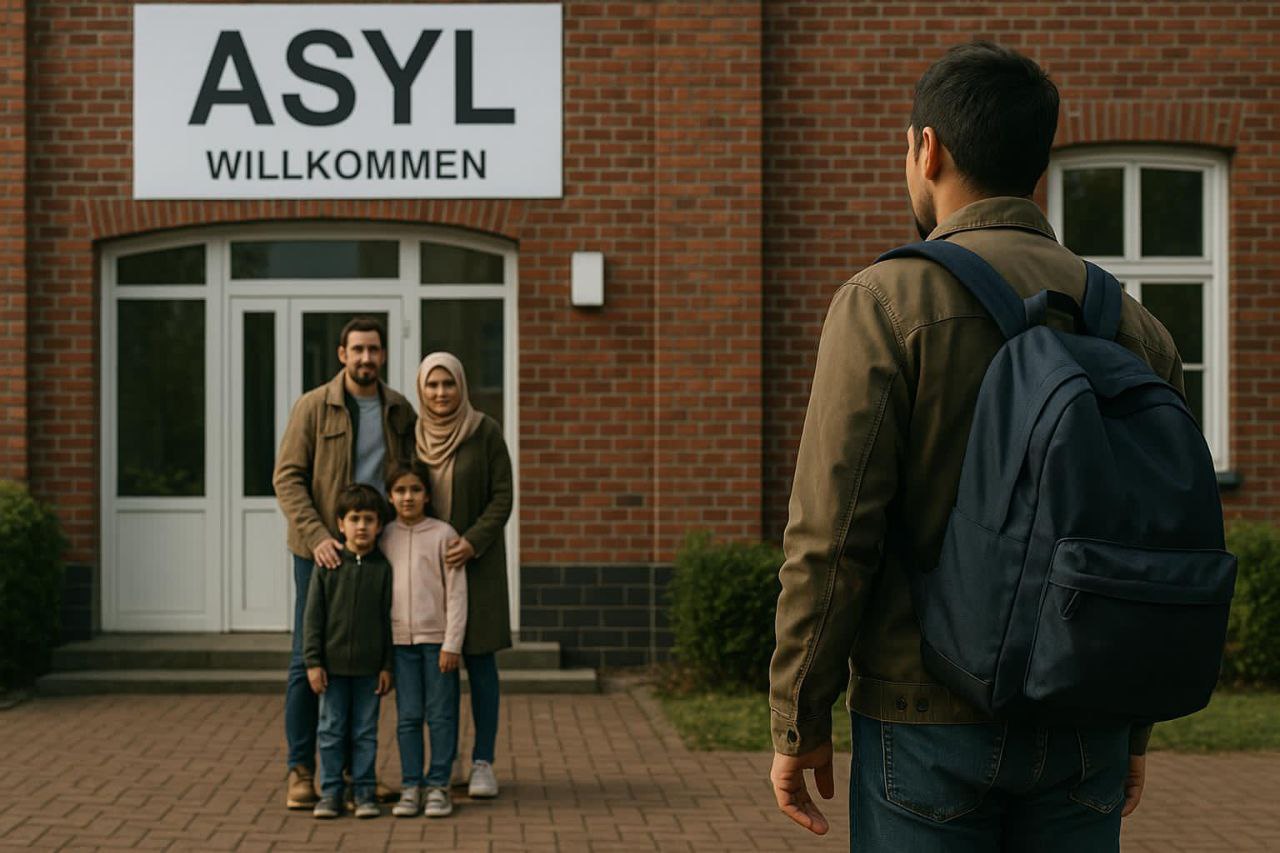
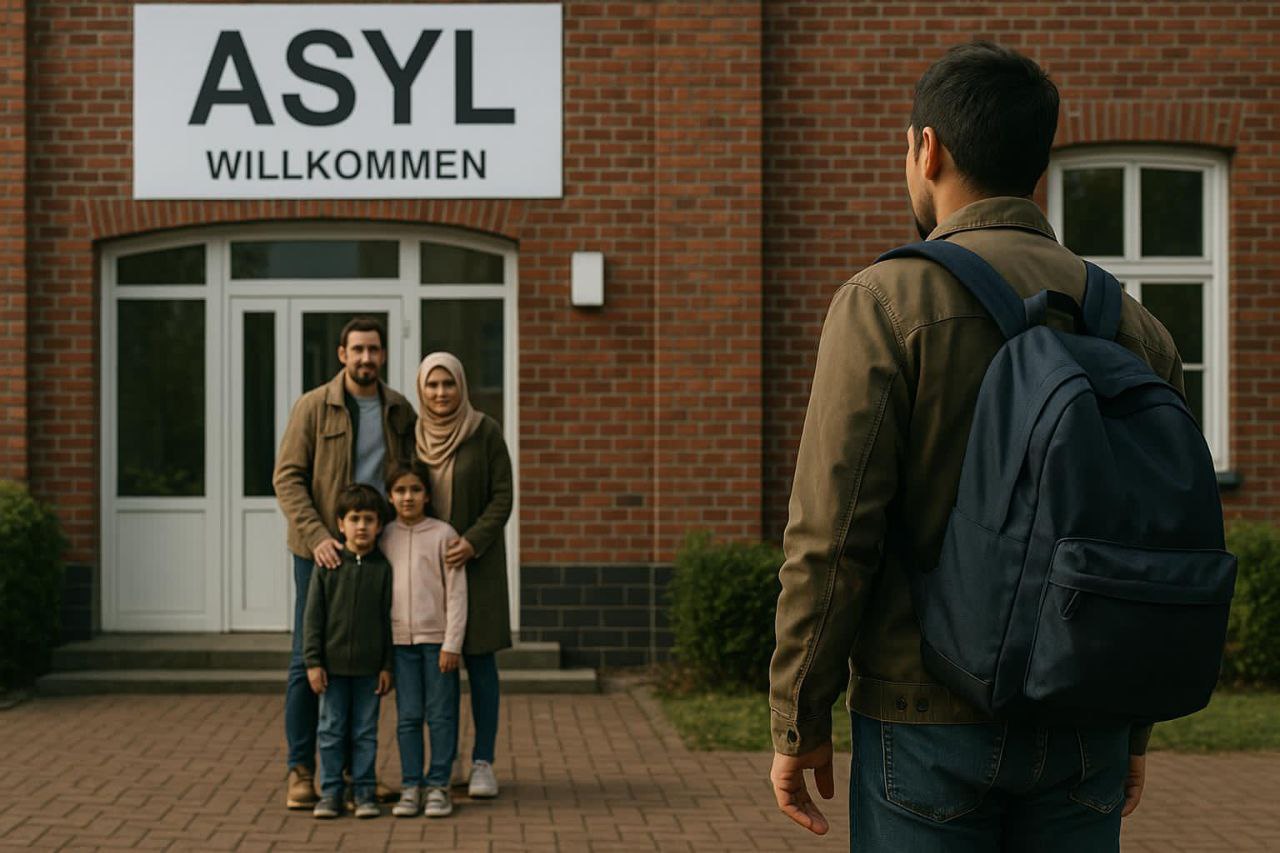
Refugees or asylum seekers
-
Tourists with a Schengen visa
-
Students, employees, or volunteers
-
In exceptional cases, even a person without a valid residence status (for example, if returning to their home country is not possible)
However, the other partner should be either:
-
A German citizen, or
-
Legally residing in Germany with a long-term visa or permanent residence
Documents usually required by the Standesamt
Requirements may differ by federal state and nationality, but often include:
From the foreign partner:
-
A valid passport
-
A birth certificate (translated and certified)
-
A certificate of single status (Ledigkeitsbescheinigung) or a certificate of legal capacity to marry (Ehefähigkeitszeugnis)
-
Proof of registration/address (Meldebescheinigung) if living in Germany
-
Proof of legal status (e.g., residence permit, asylum document, or visa)
From the German partner:
-
ID card or passport
-
Birth certificate
-
Proof of address registration
-
Divorce documents if previously married
What does “Ehefähigkeitszeugnis” mean?
It is a document proving that the foreign partner is legally eligible to marry under the laws of their home country.
Some countries do not issue this document. In such cases, the Standesamt may request additional steps or court confirmation.
How long does the process take?
-
Usually 4 to 10 weeks, depending on the case complexity and the foreign partner’s nationality
-
You generally need to book an appointment with the Standesamt in advance to submit the application
-
After approval, an official wedding date is scheduled with the civil registrar
What happens after the marriage?
1. Receiving the official marriage certificate (Heiratsurkunde)
This document is used for residence-related applications.
2. Applying for a residence permit based on marriage (§ 28 AufenthG)
-
The application is submitted to the foreigners’ authority (Ausländerbehörde)
-
A temporary residence permit is typically granted (often one year initially, renewable)
Important legal notes
-
It is not recommended to enter Germany on a Schengen visa with the intention to marry, as this may be considered an attempt to bypass visa rules.
-
If you marry while overstaying, you may apply to “regularize your status” through marriage, but it is not always granted.
-
Marriage does not automatically grant German citizenship; it may only qualify you for residence first, and later citizenship under conditions and timelines.
Special cases
-
Marriage to a refugee: Possible, but both partners’ residence situations should be checked carefully.
-
Marriage while living in an initial reception center (Erstaufnahme): Sometimes special permission is needed.
-
Marriage in detention or prison: Legally possible, but requires special judicial/administrative procedures.
Conclusion
A Standesamt marriage in Germany is a formal legal process that requires accurate documents and structured steps. If you are temporarily living in Germany and plan to marry a German citizen or a legally resident partner, prepare early and contact the Standesamt in advance to avoid delays or refusal.
ـ The site’s writers and editors aim to provide accurate information through extensive research and by consulting multiple sources. However, errors may occur or some details may remain unconfirmed. Please treat the content as initial guidance and always consult the competent authorities for officially confirmed information.