

 Login/Create Account


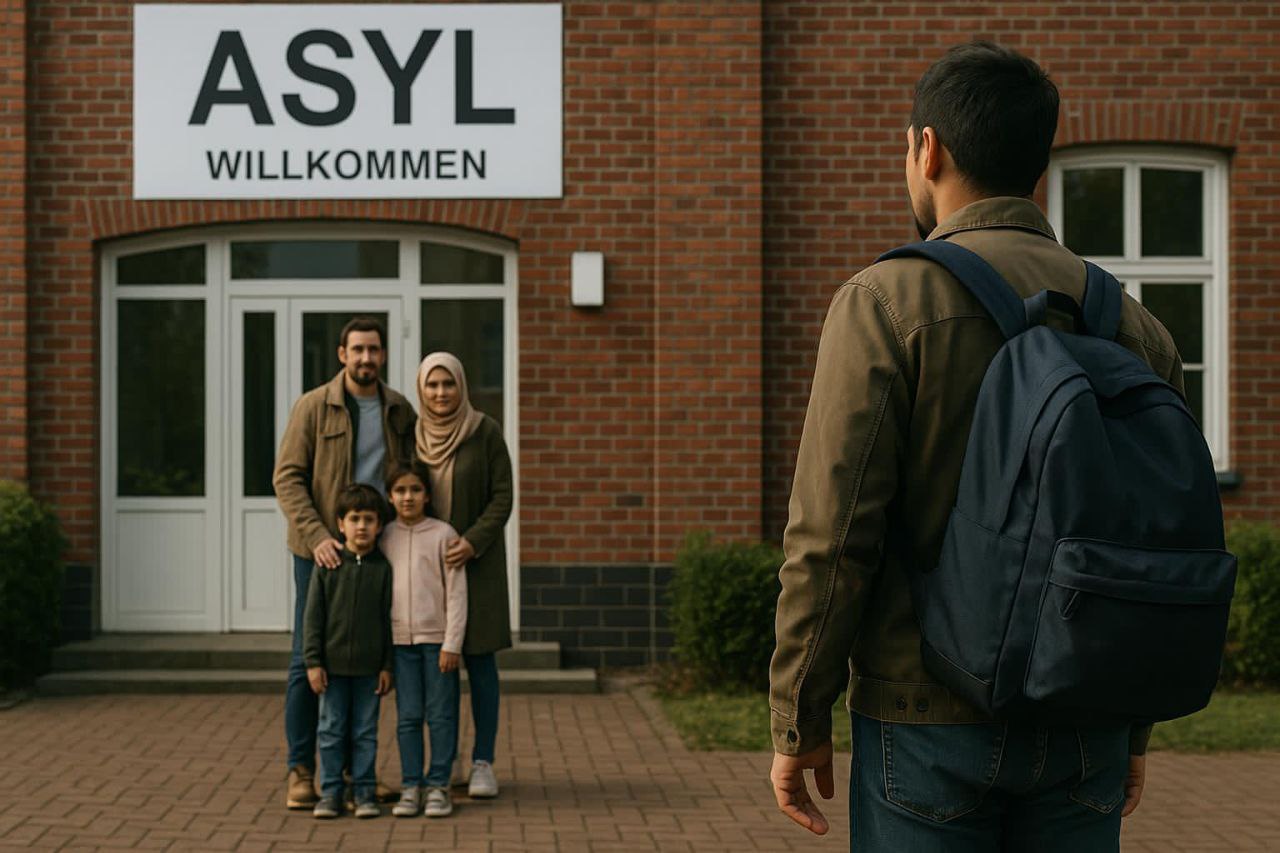
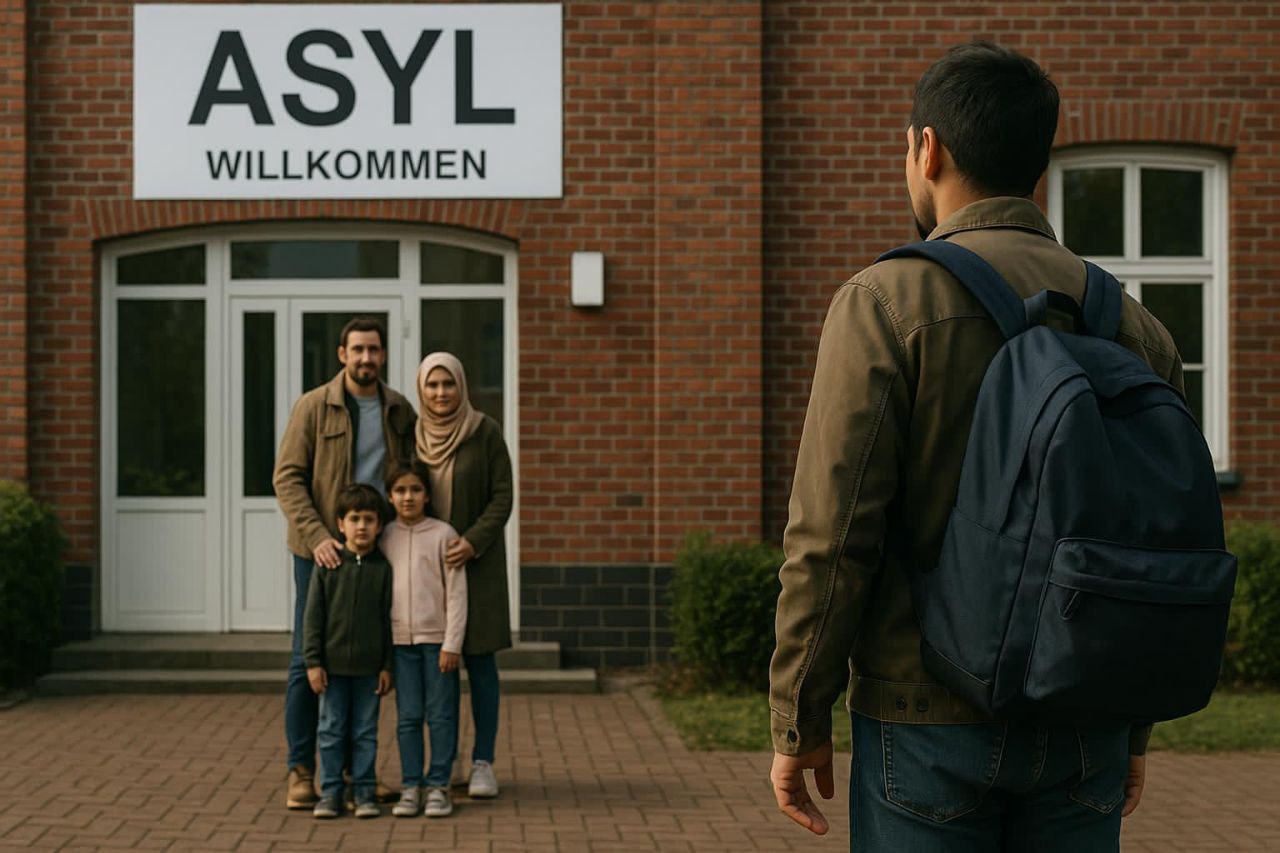
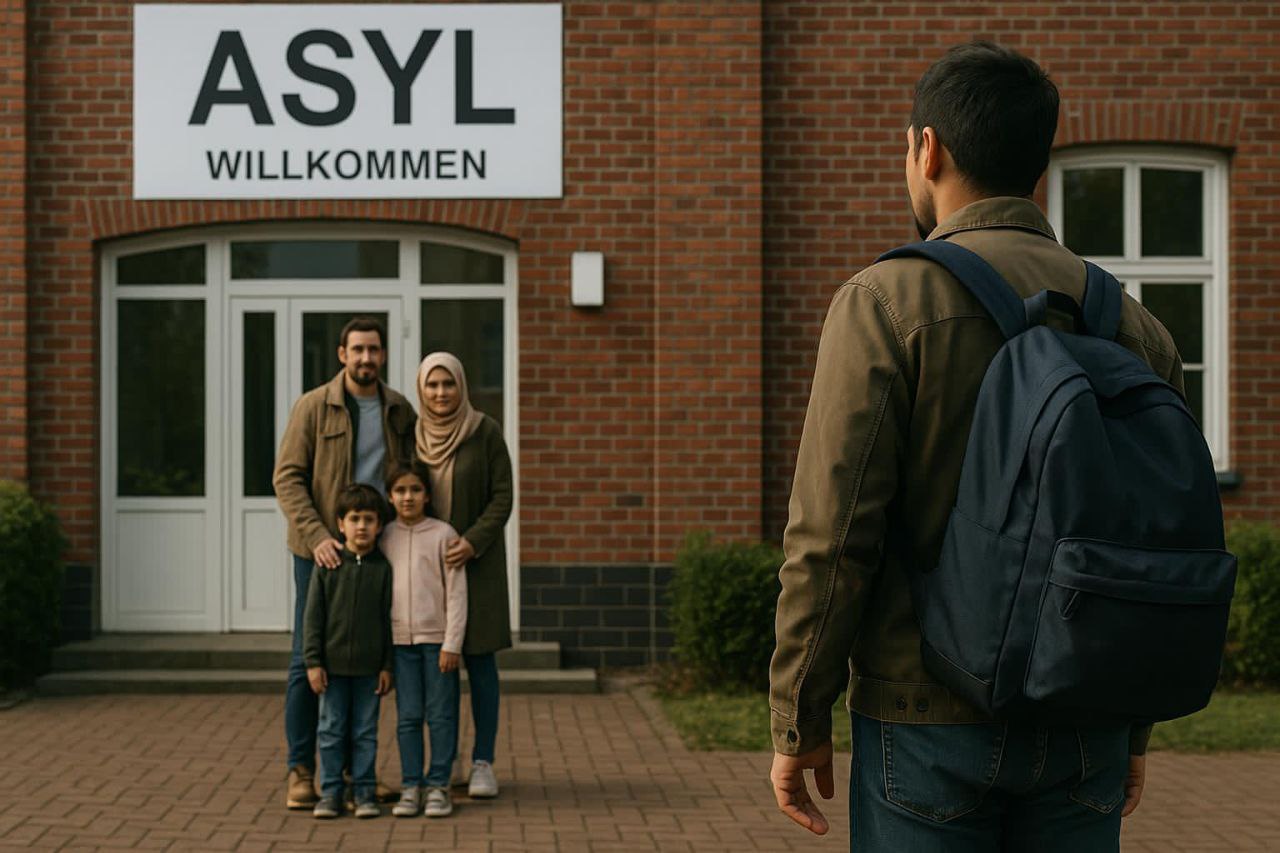
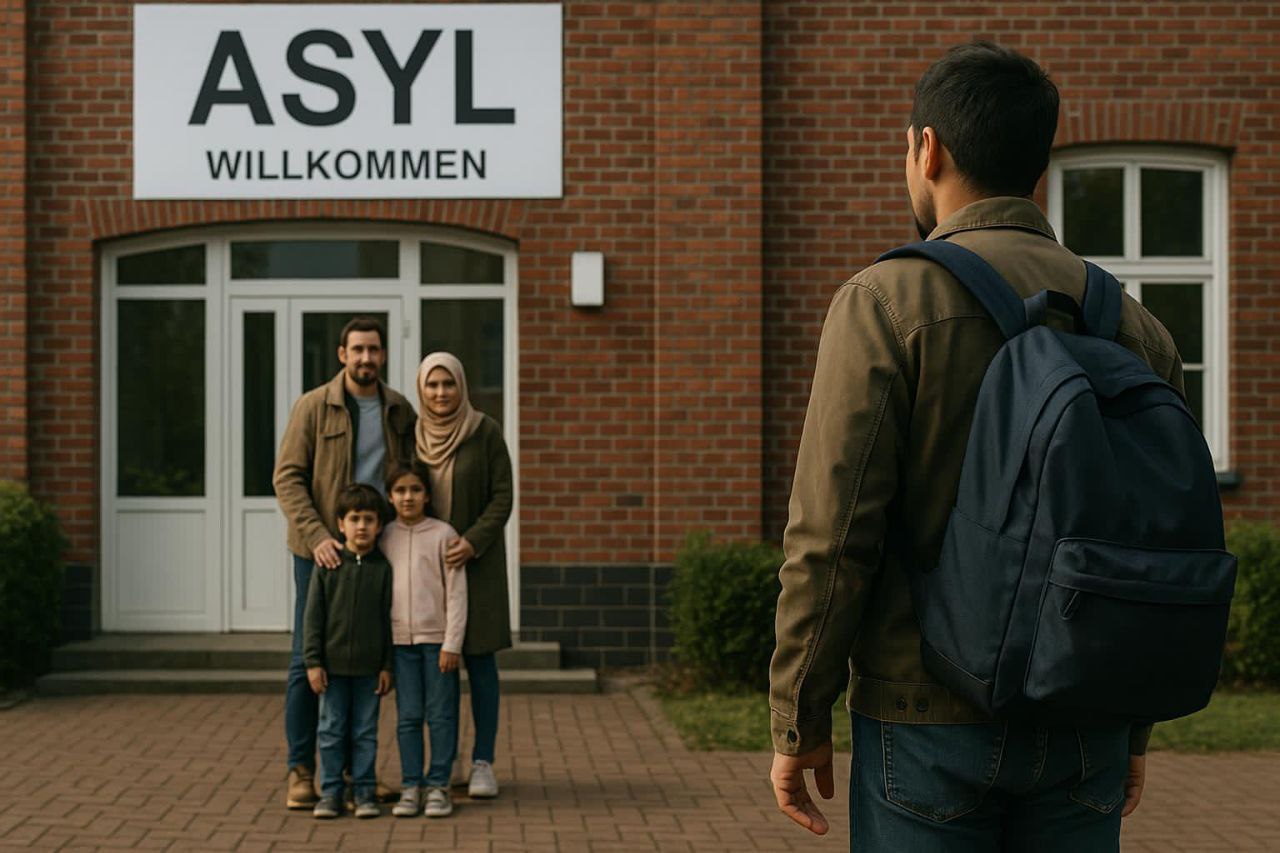
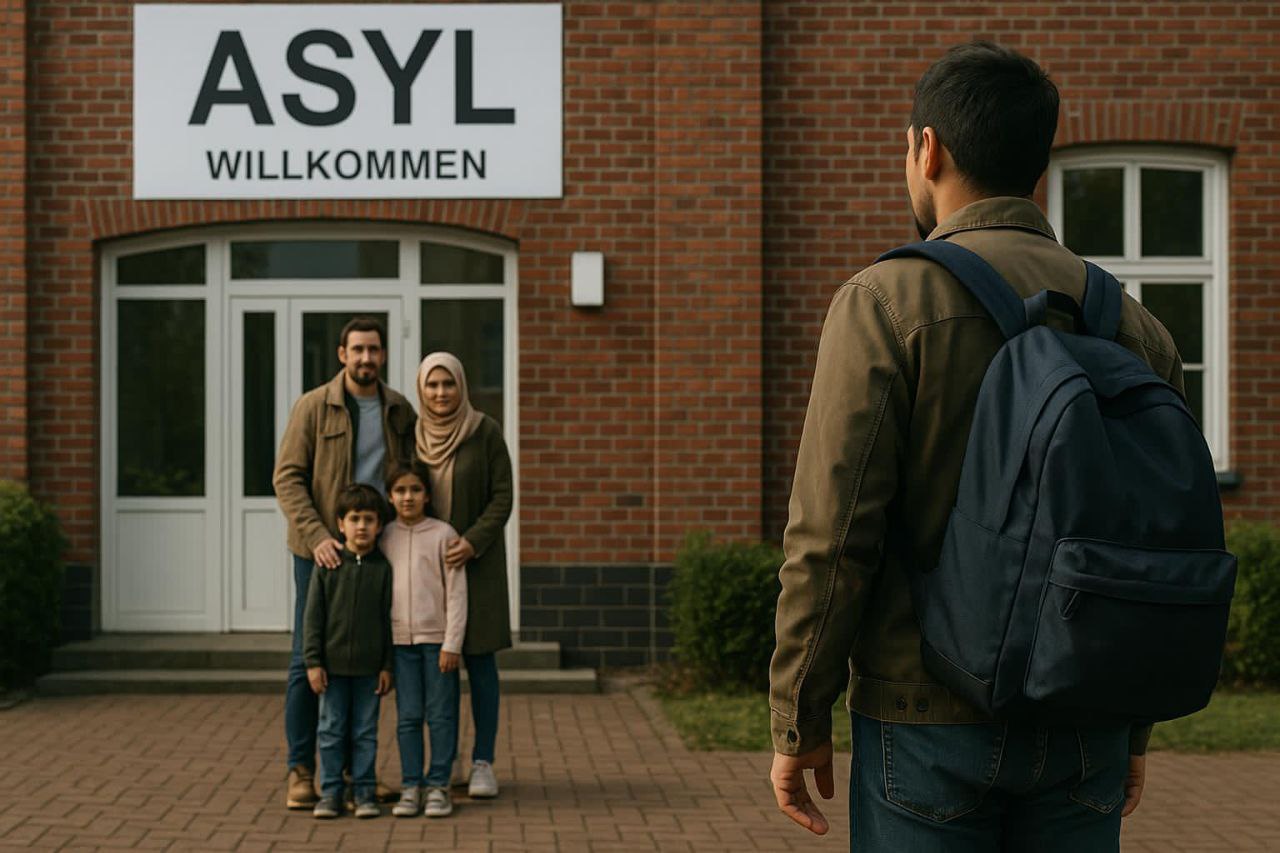
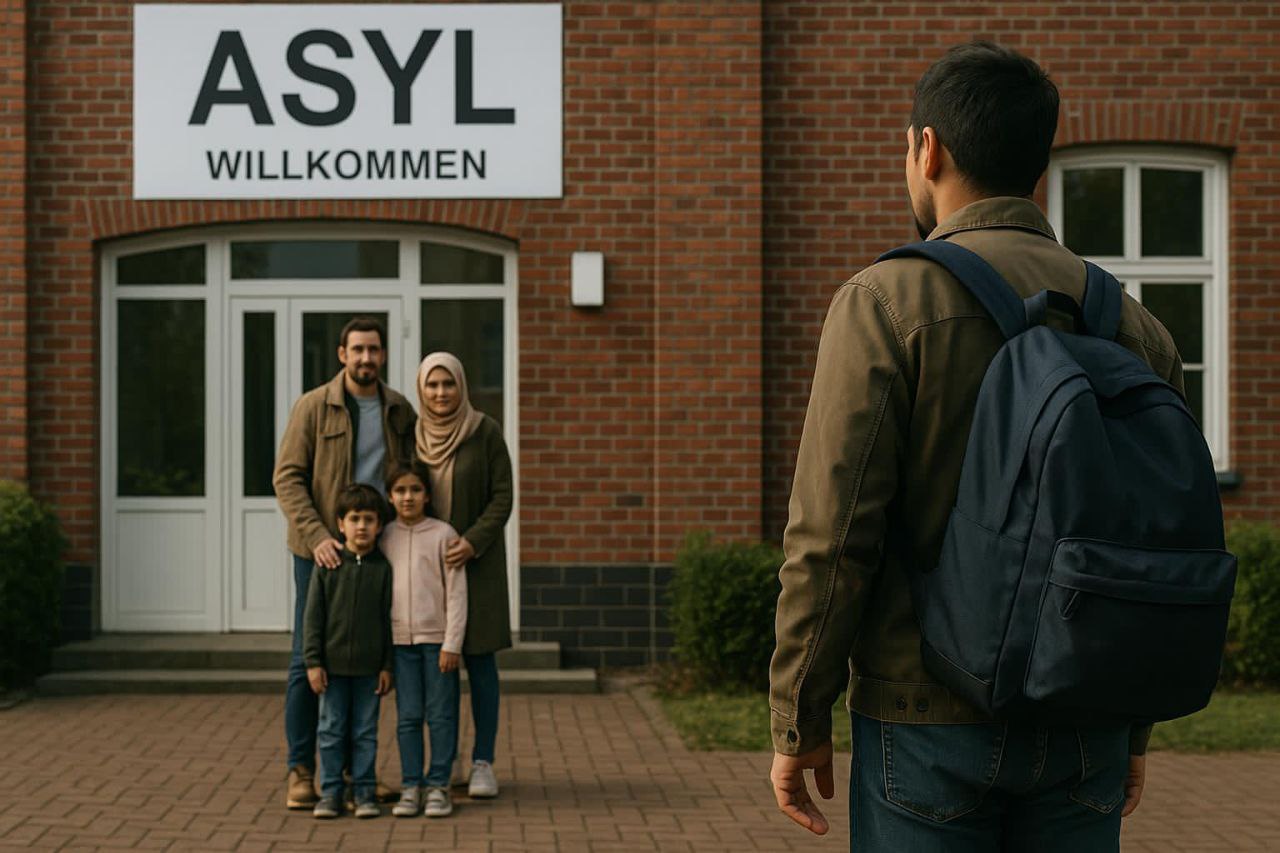
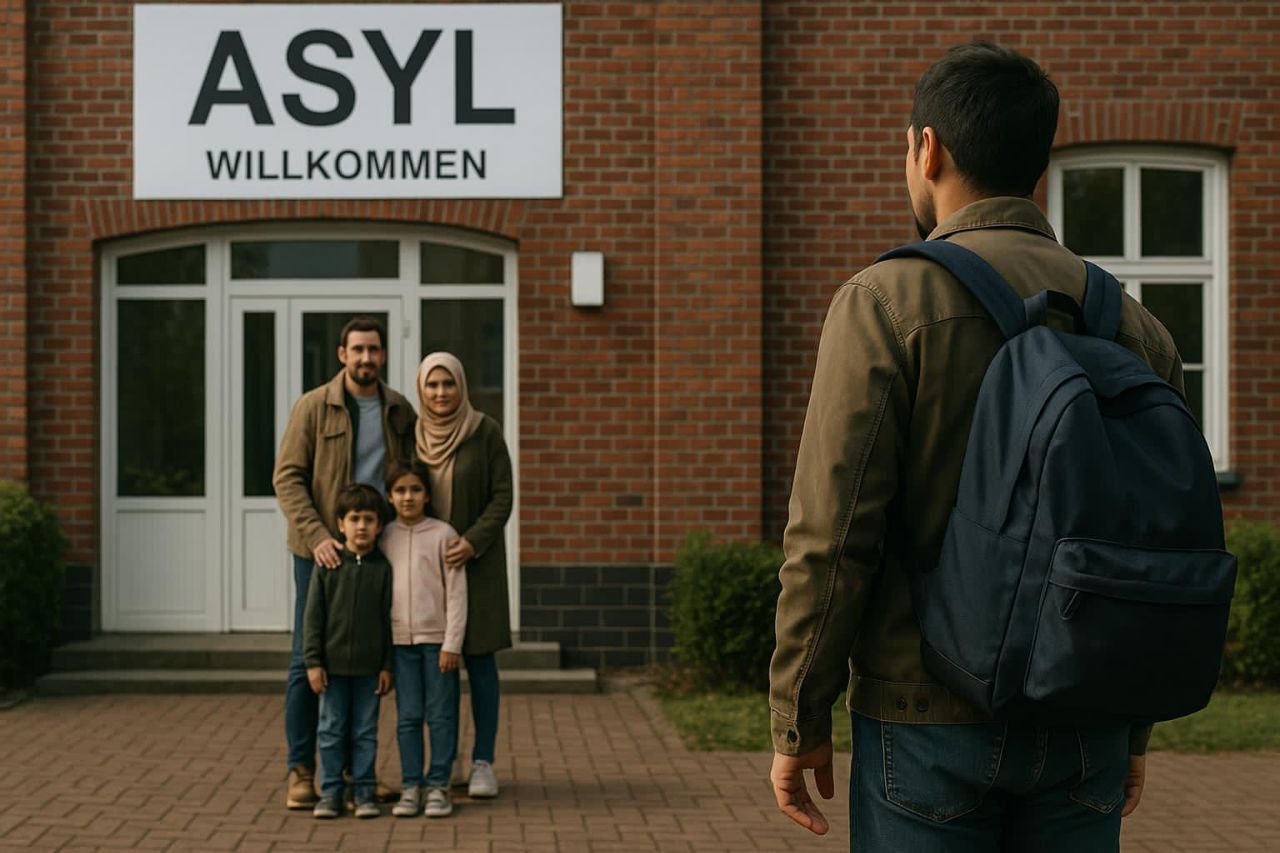
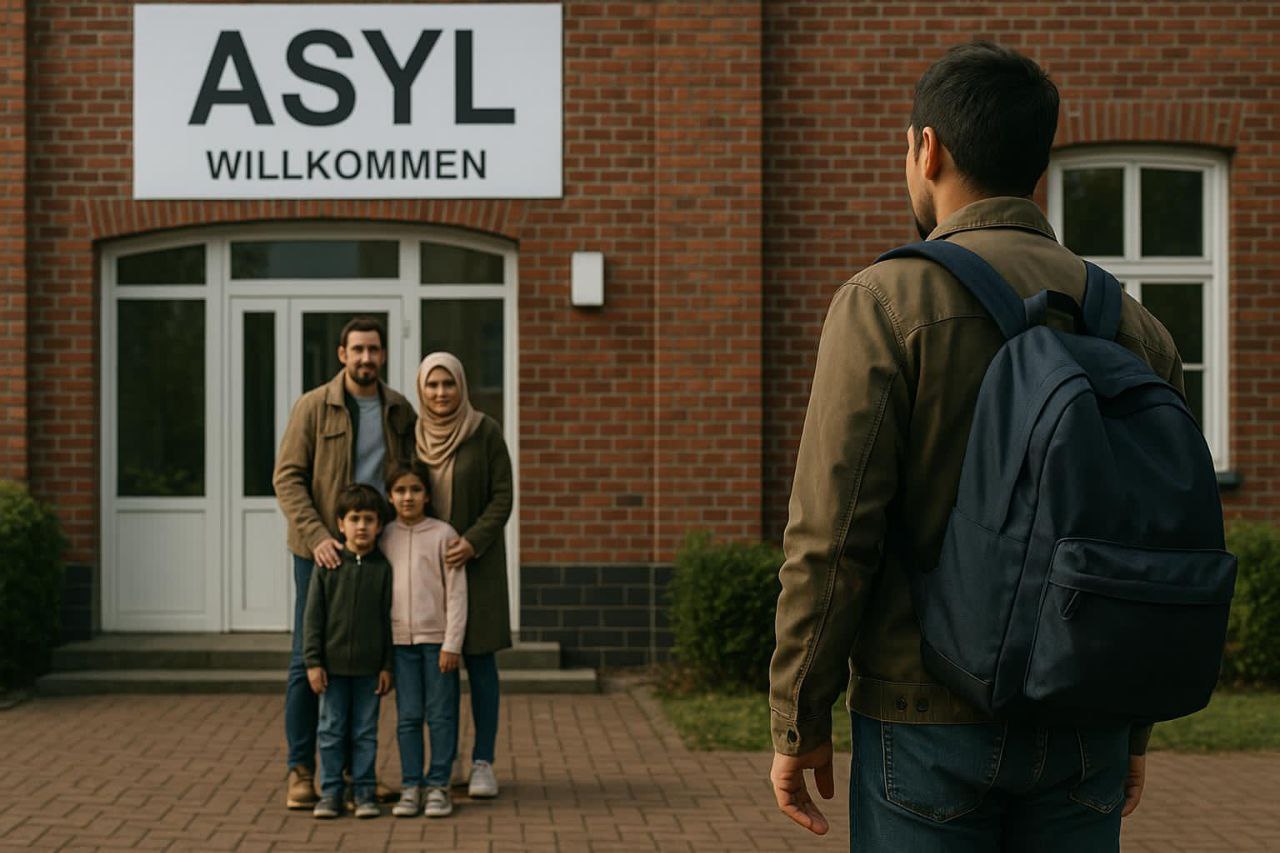
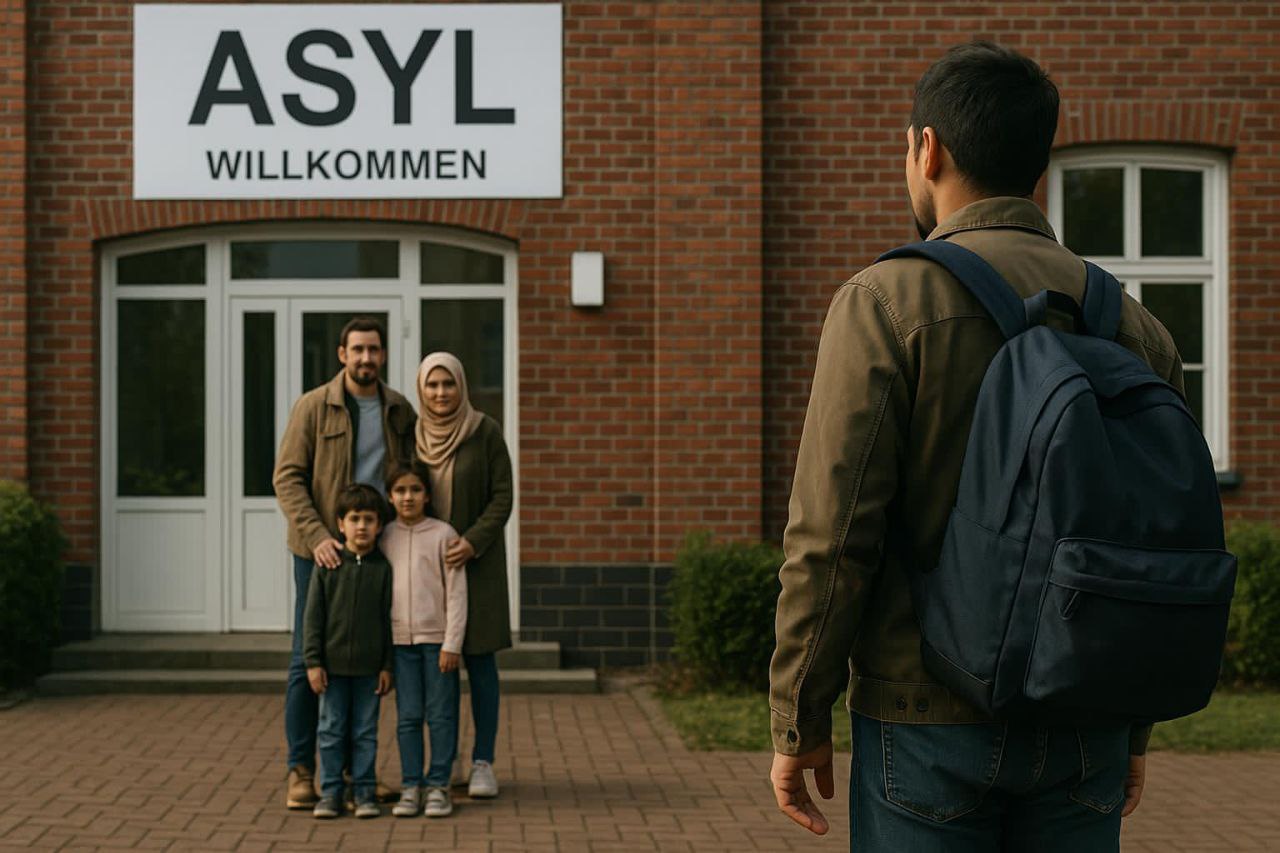
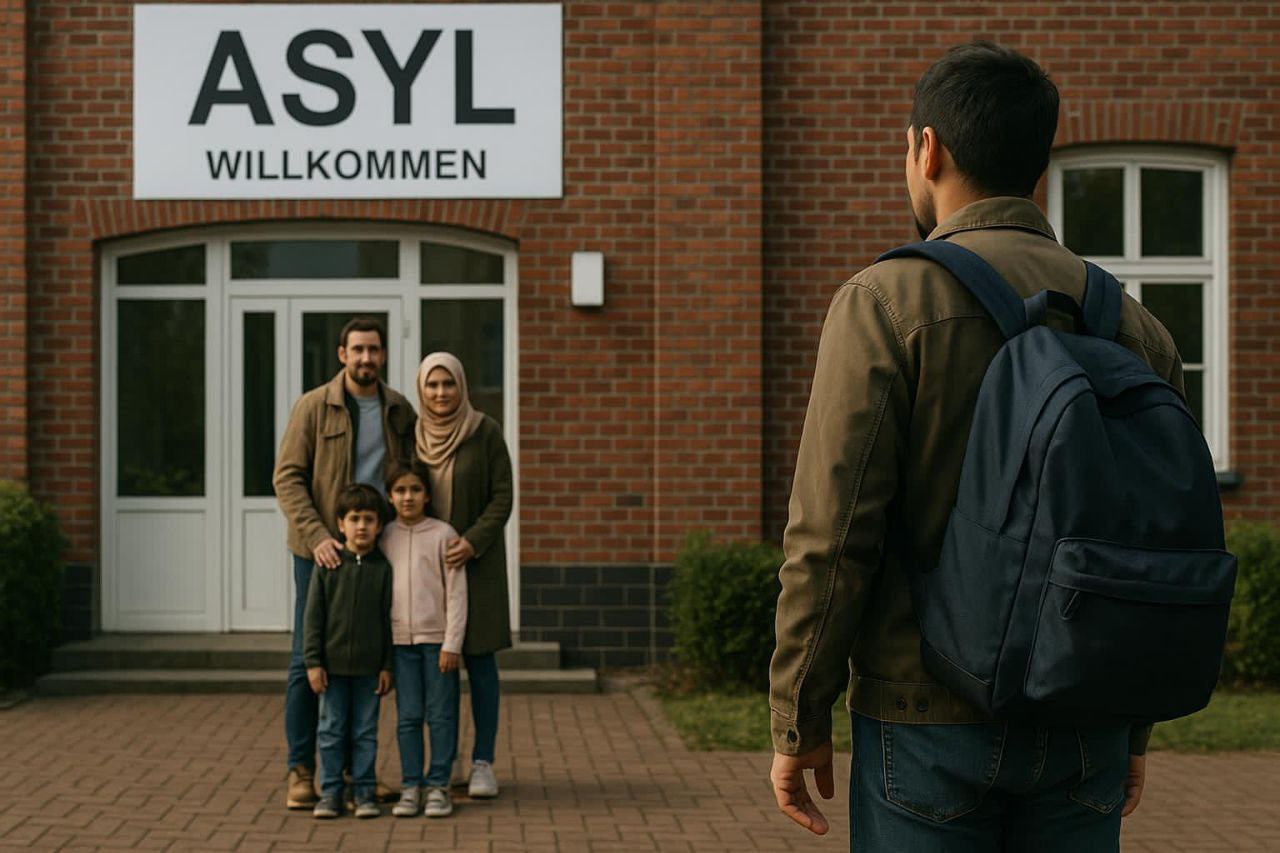
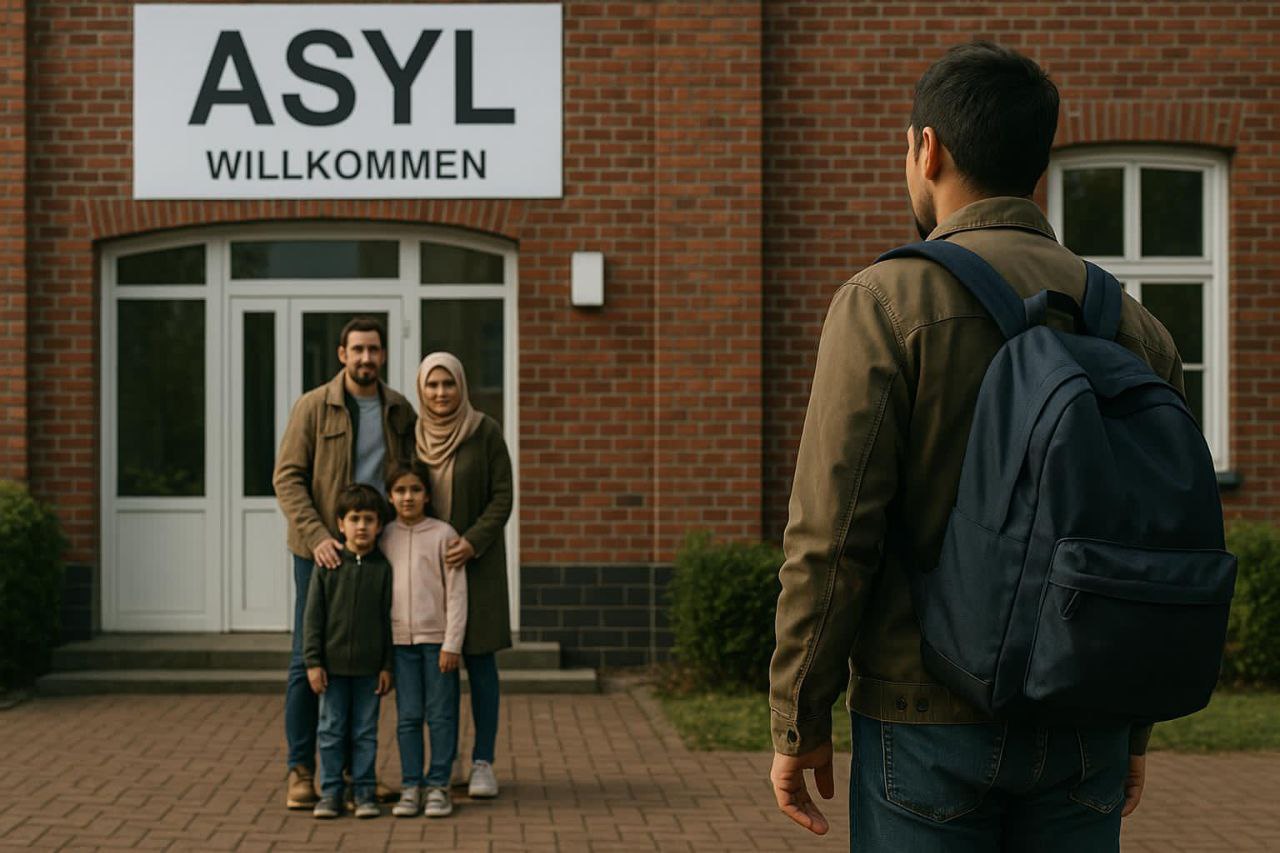
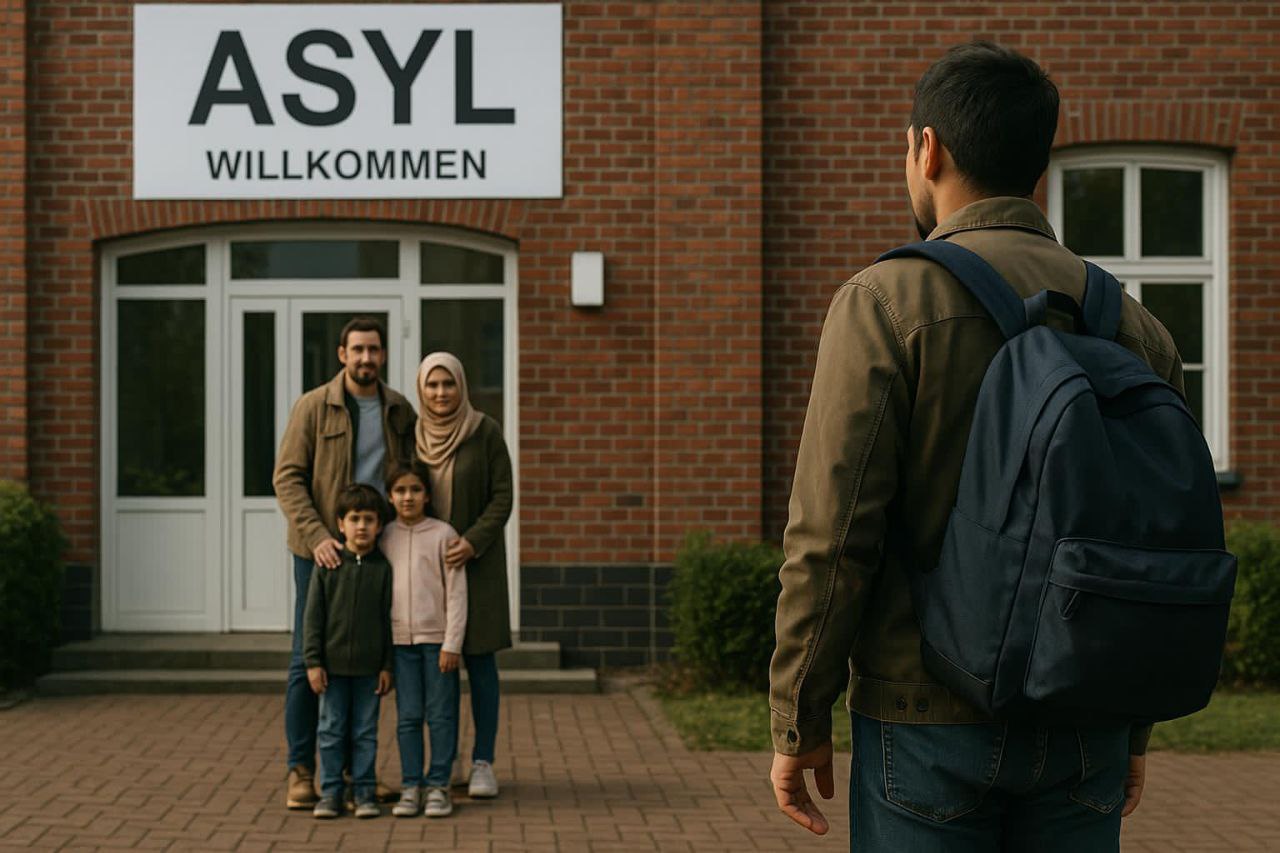
What are initial reception centers (Erstaufnahmeeinrichtung)?
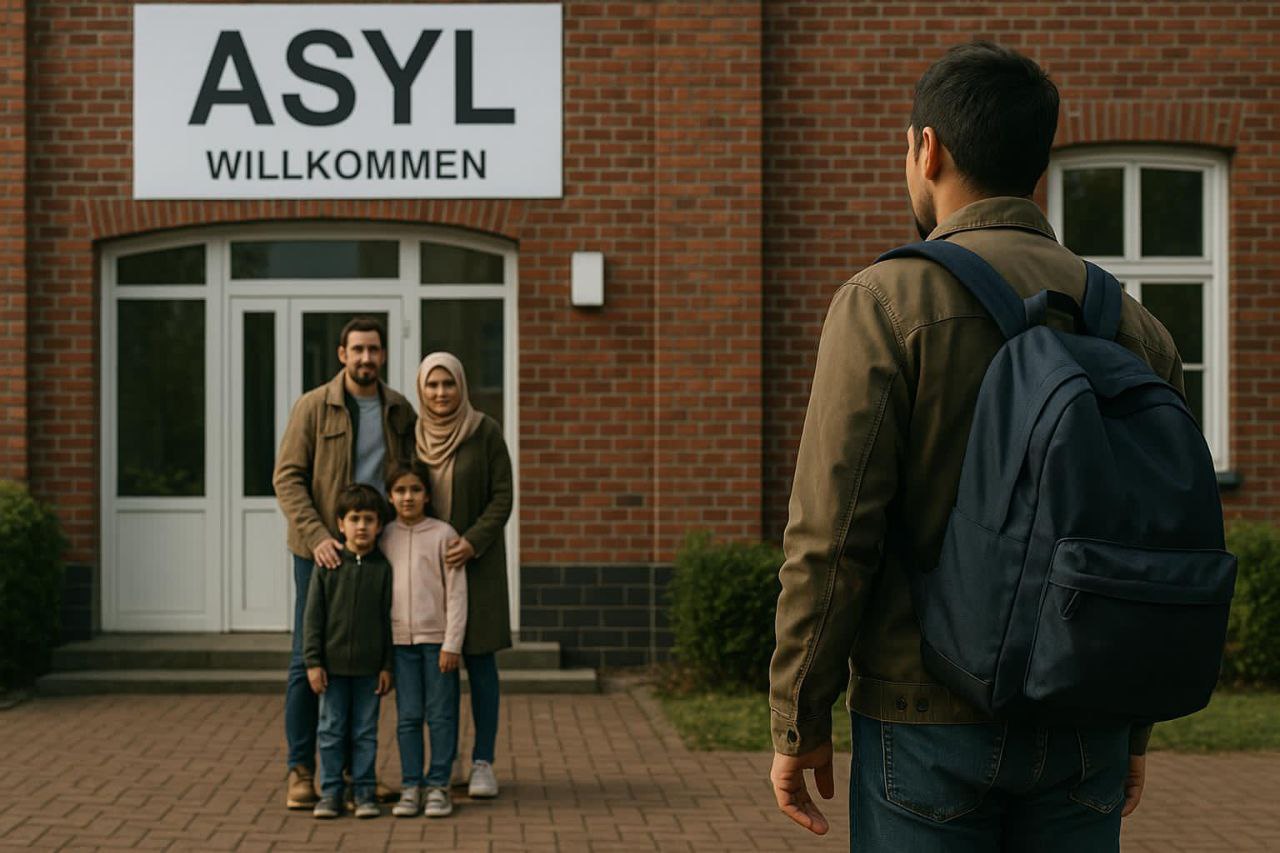
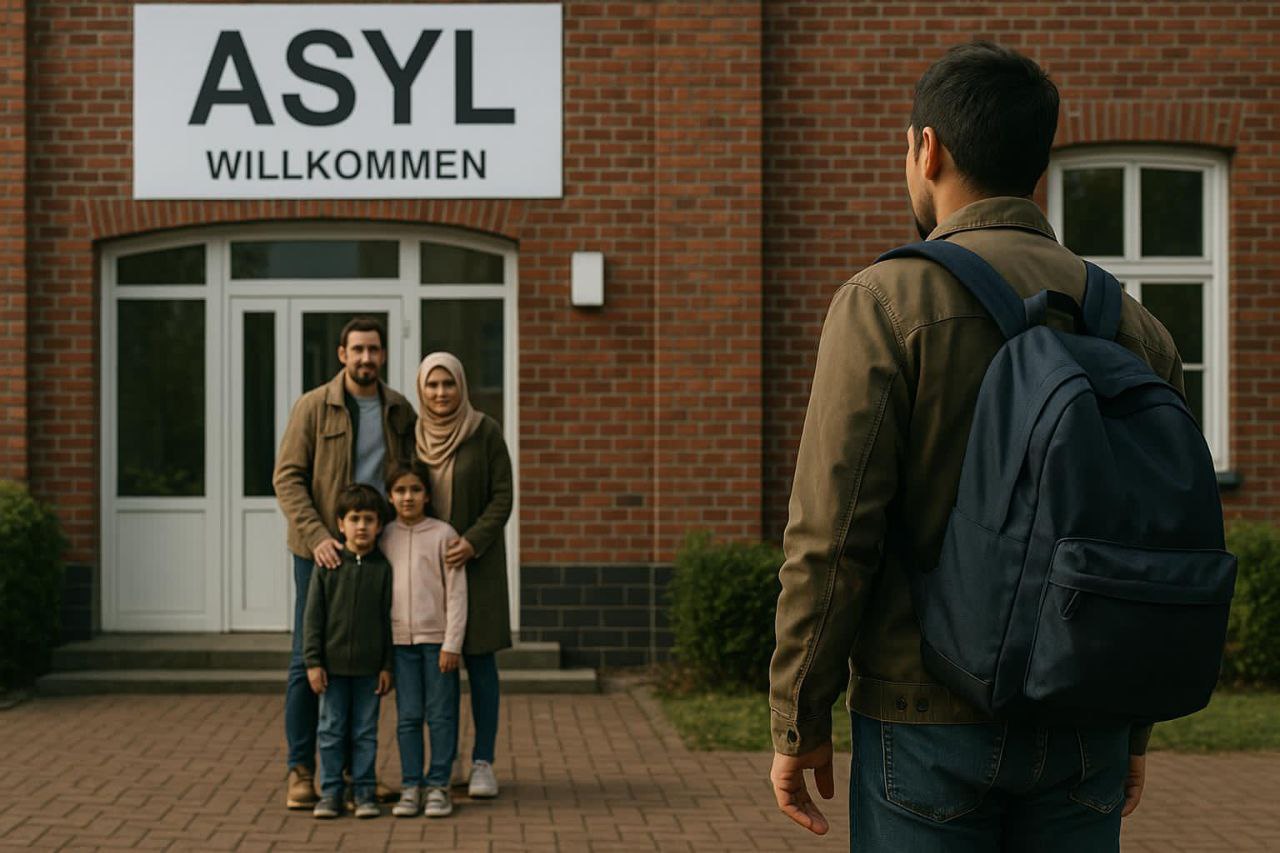
Initial reception centers are official facilities run by the German federal states, designed to host asylum seekers in the first stage after registration. Important steps are carried out there, such as:
-
official registration of the application
-
taking fingerprints and photos
-
basic medical screening
-
an initial interview (sometimes)
-
legal and administrative orientation
-
later distribution to other accommodation centers or decentralized housing
The length of stay varies, but it often lasts 6 to 18 weeks and may be longer in special cases.
Rights inside initial reception centers
Although accommodation is temporary, asylum seekers have clear rights protected by German law:
1) Free accommodation
The person receives a room in shared housing or a common hall. They may have to share with strangers, especially during high-demand periods.
2) Food or cash benefits
-
Either meals are provided daily in the center,
-
or the person receives a monthly cash allowance to buy food (depending on the system in the state).
3) Basic healthcare
This includes:
-
an initial medical check upon arrival
-
emergency treatment
-
pregnancy care
-
basic treatment for chronic conditions
Asylum seekers receive treatment vouchers or a temporary health card.
4) Social assistance
Social workers support legal and administrative matters, such as:
-
submitting the asylum application
-
attending official appointments
-
understanding rights and obligations
5) Protection from violence and discrimination
The state must provide a safe environment, especially for children and women. Reporting mechanisms exist for harassment or violence inside the center.
6) Interpreters and information in a language you understand
Official information should be provided in an understandable language, and interpreters are available for official procedures.
Obligations that must be respected
1) Follow the house rules (Hausordnung)
Each center has internal rules, such as:
-
fixed quiet and sleeping times
-
no excessive noise or fights
-
shared use of facilities (kitchen, bathrooms, laundry)
2) Mandatory attendance of appointments
Appointments with BAMF, medical checks, court sessions, or interviews must be attended. Missing without a valid reason may lead to benefit reductions or procedural consequences.
3) Do not leave the center without permission
In some states, asylum seekers are subject to the residence requirement (Residenzpflicht) at this stage, meaning they cannot leave the state/region without official approval.
4) Participate in daily tasks
In some centers, residents may be asked to:
-
help keep common areas clean
-
keep their room clean
-
follow meal and laundry schedules
5) Provide truthful information
Any false information about identity, country of origin, or travel details may negatively affect the entire asylum case.
Challenges inside initial reception centers
This stage is necessary but often difficult. Common challenges include:
-
overcrowding, especially during crises
-
lack of privacy due to shared rooms
-
cultural differences between residents
-
feelings of isolation or psychological stress
However, authorities try to provide social and psychological support, especially for children and women.
When can you leave an initial reception center?
After the initial phase, the person is usually:
-
transferred to municipal shared accommodation (Gemeinschaftsunterkunft),
-
or, in certain cases, allowed to rent private housing.
This depends on factors such as:
-
family size
-
asylum procedure status
-
availability of places
-
special health or psychological conditions
Conclusion
Living in an initial reception center is the first and most sensitive phase of the asylum journey in Germany. During this time, the person receives state protection and basic support. In return, they must strictly follow the internal rules and cooperate fully with the authorities.
ـ The site’s writers and editors strive to provide accurate information through extensive research and by consulting multiple sources. However, errors may occur or some details may remain unconfirmed. Please treat the content as initial guidance and always consult the competent authorities for officially confirmed information.