

 Login/Create Account


Residence protection for followers of persecuted religions in Germany: a look at case law
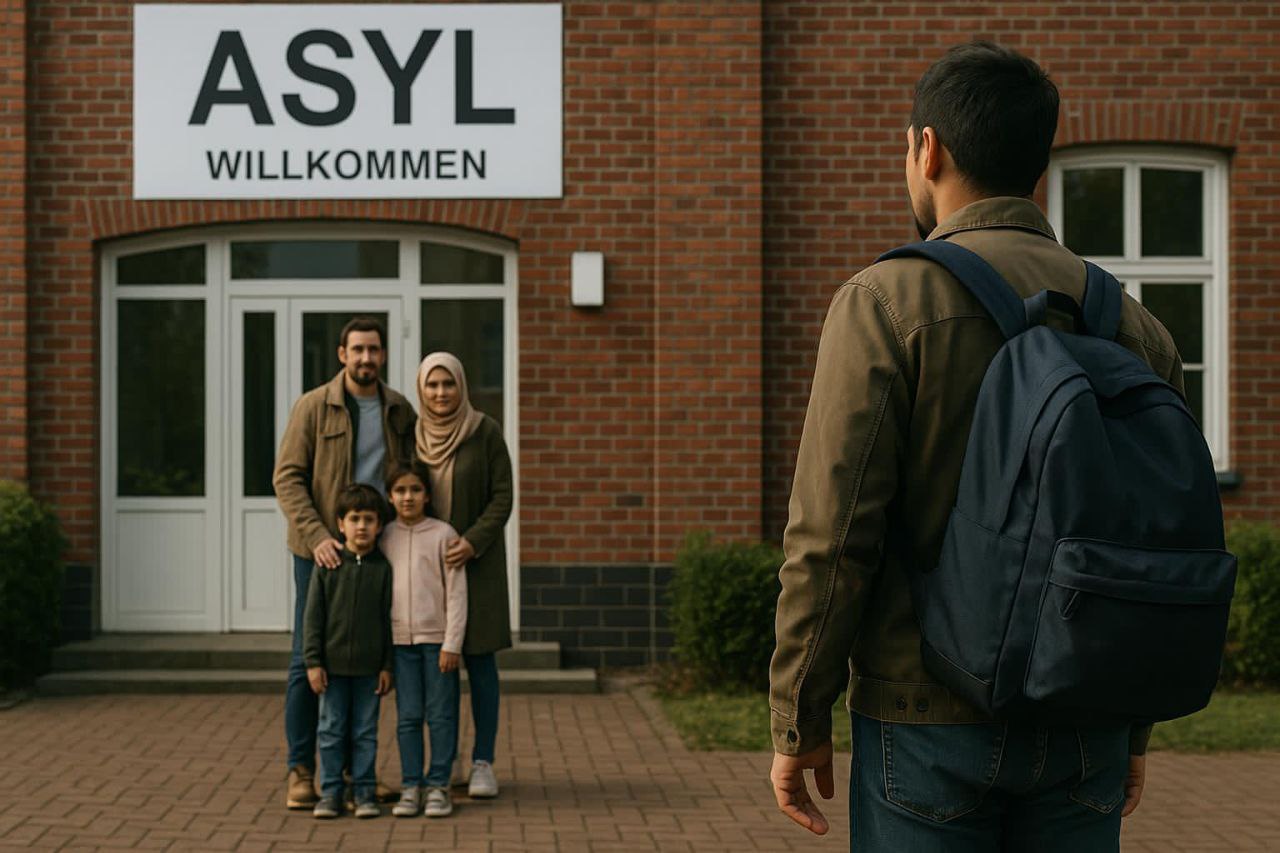
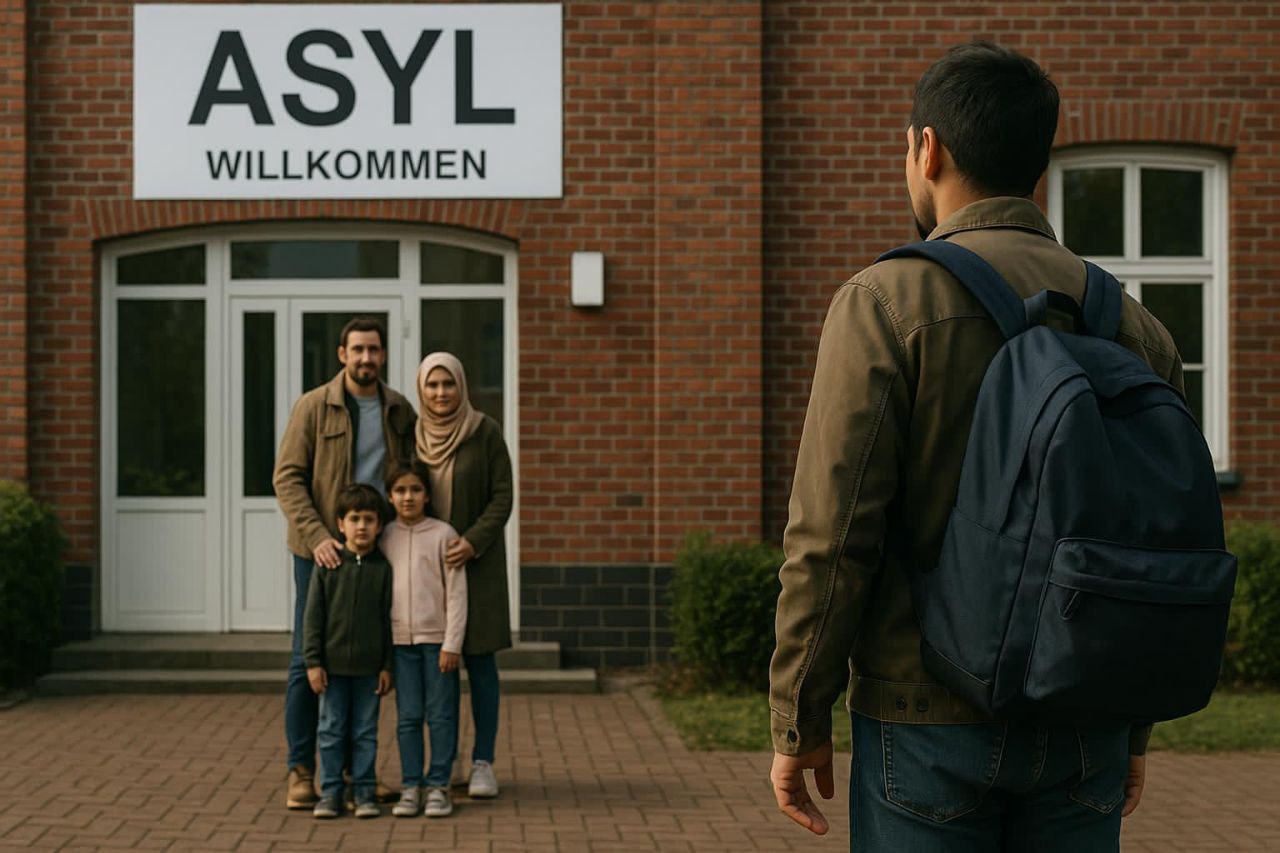
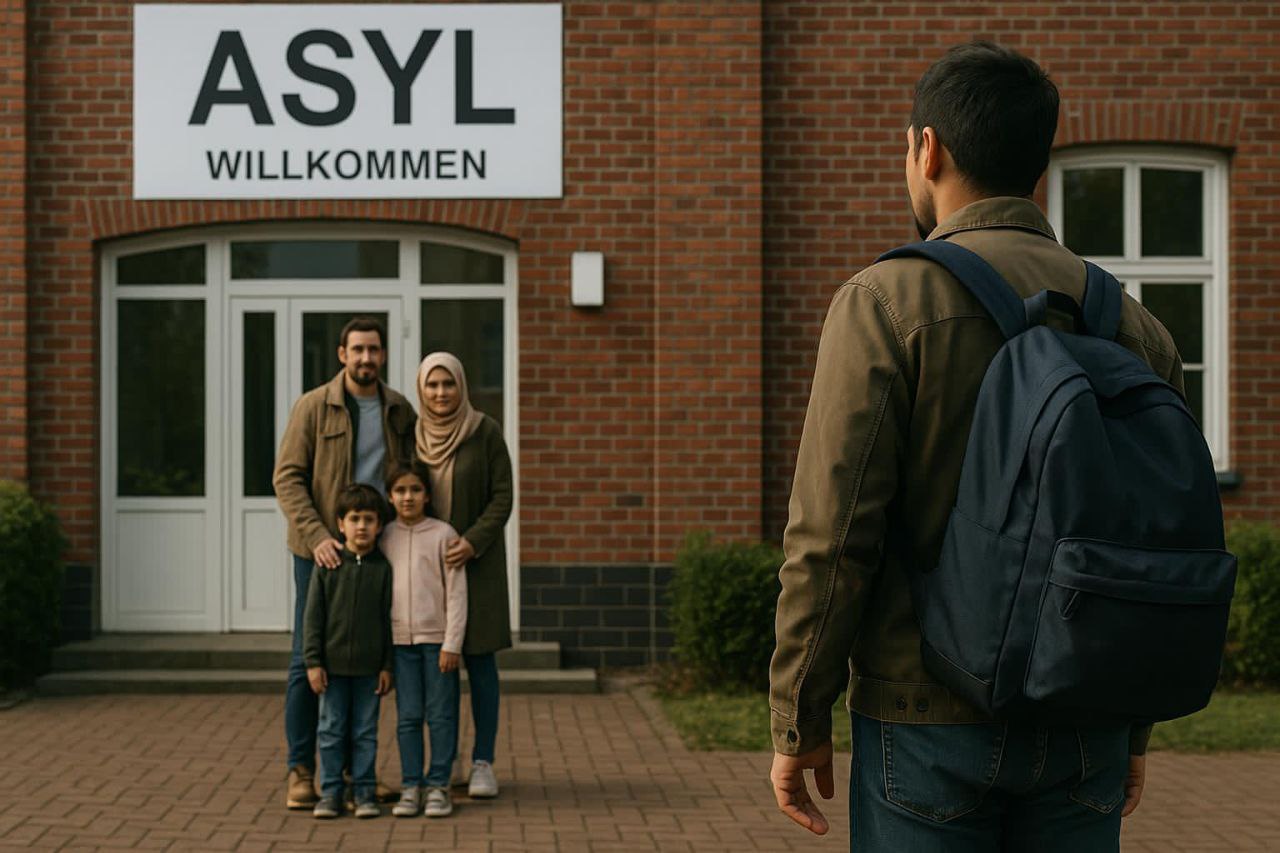
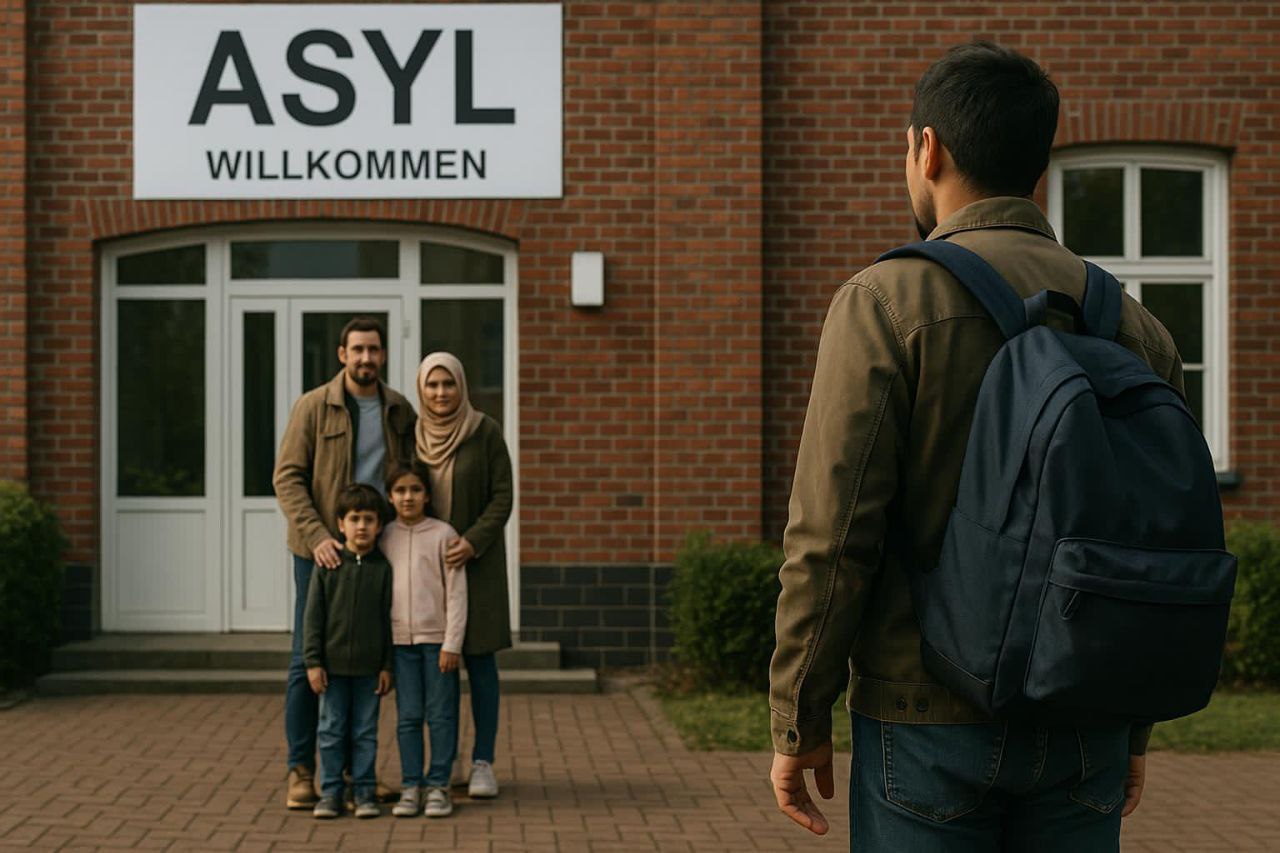
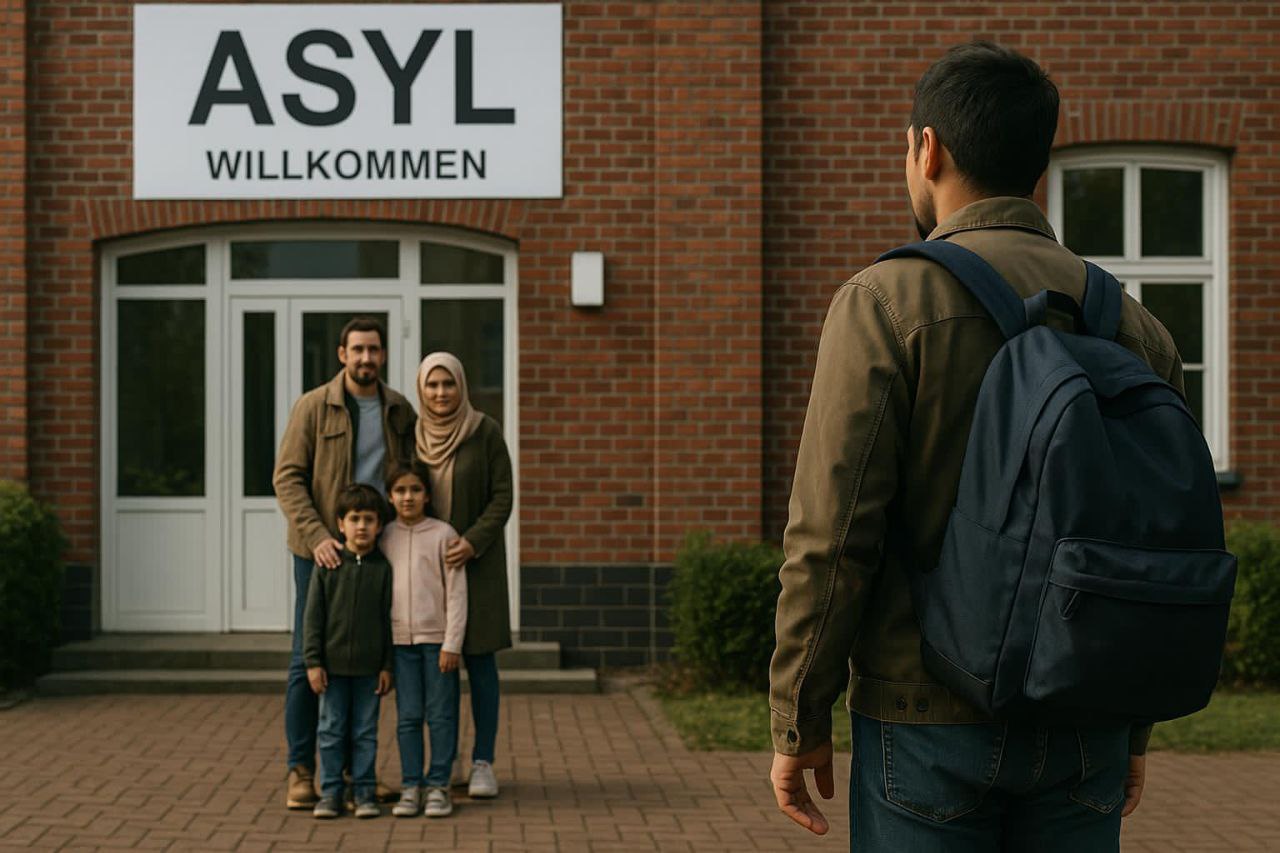
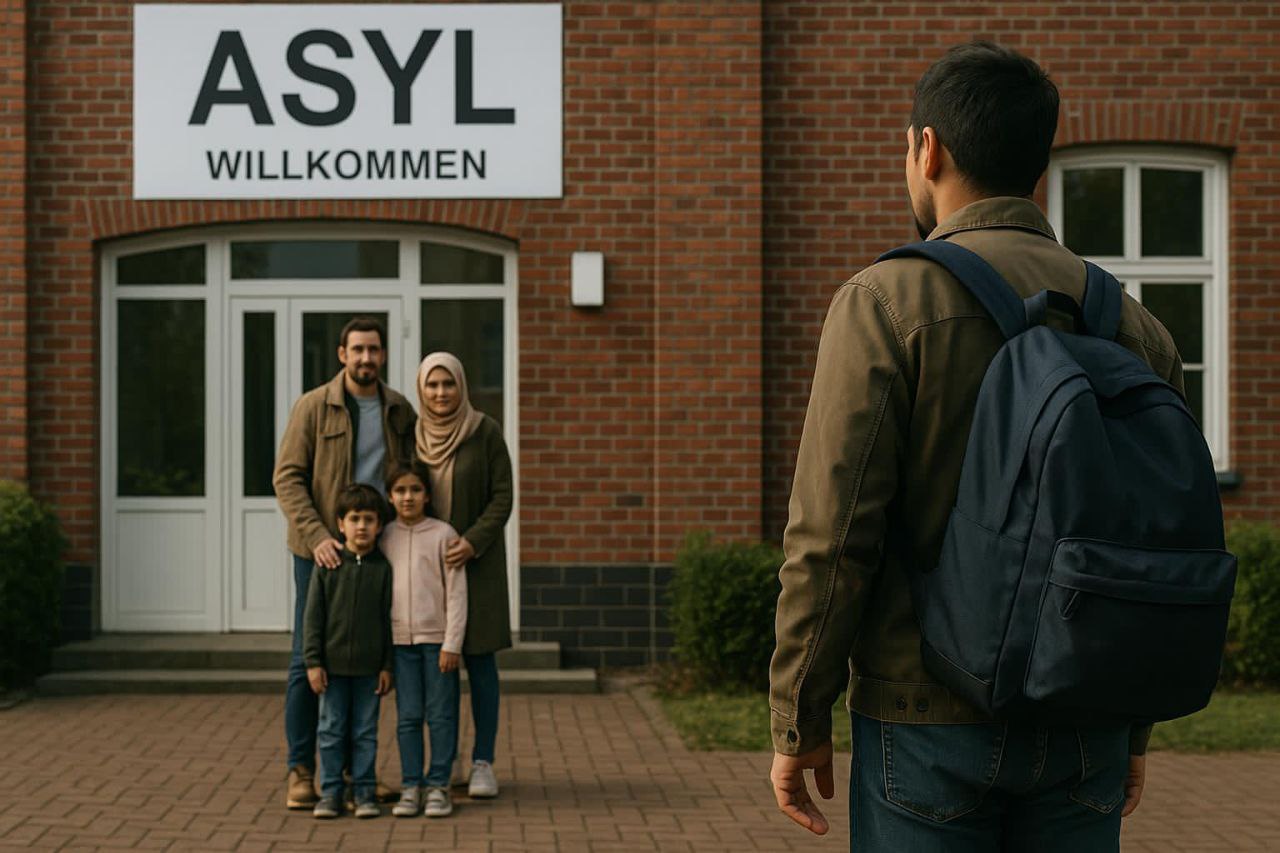
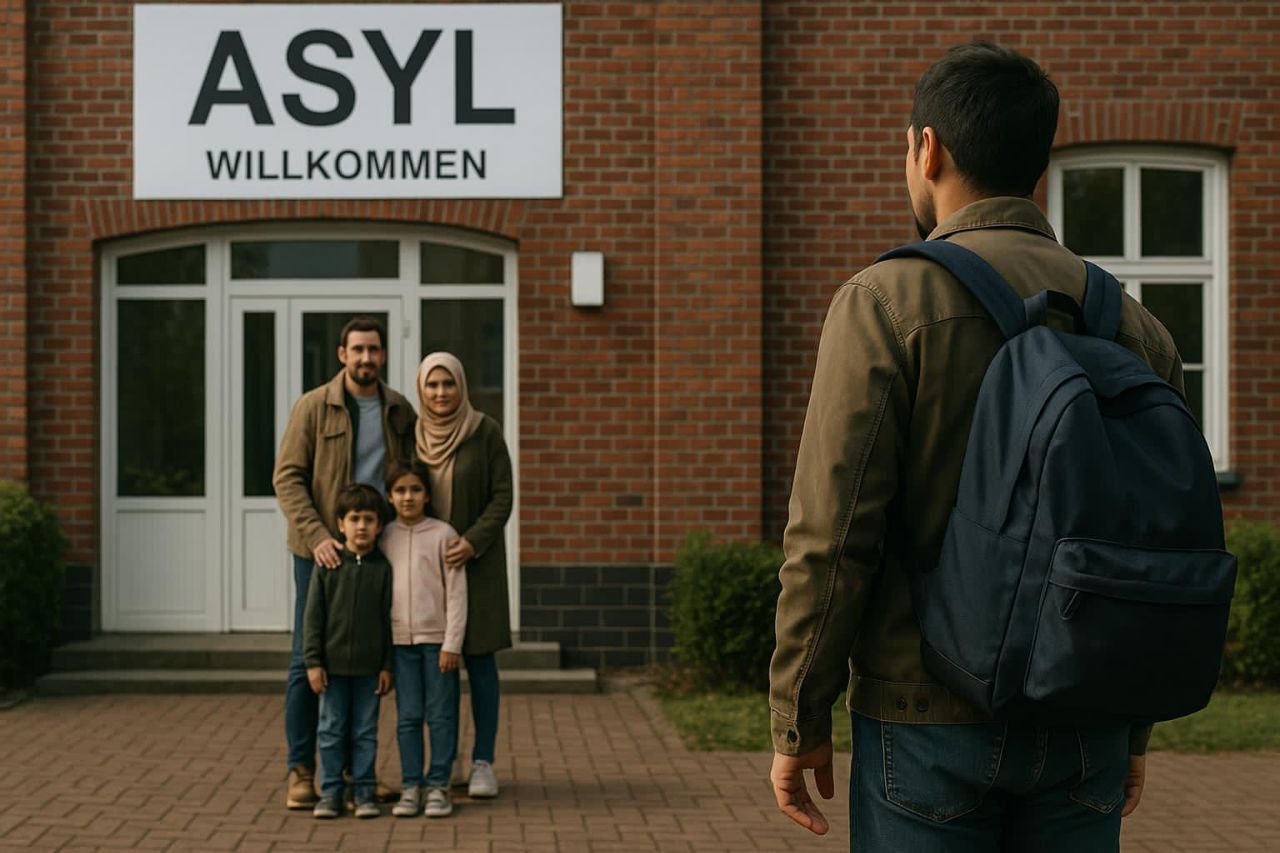
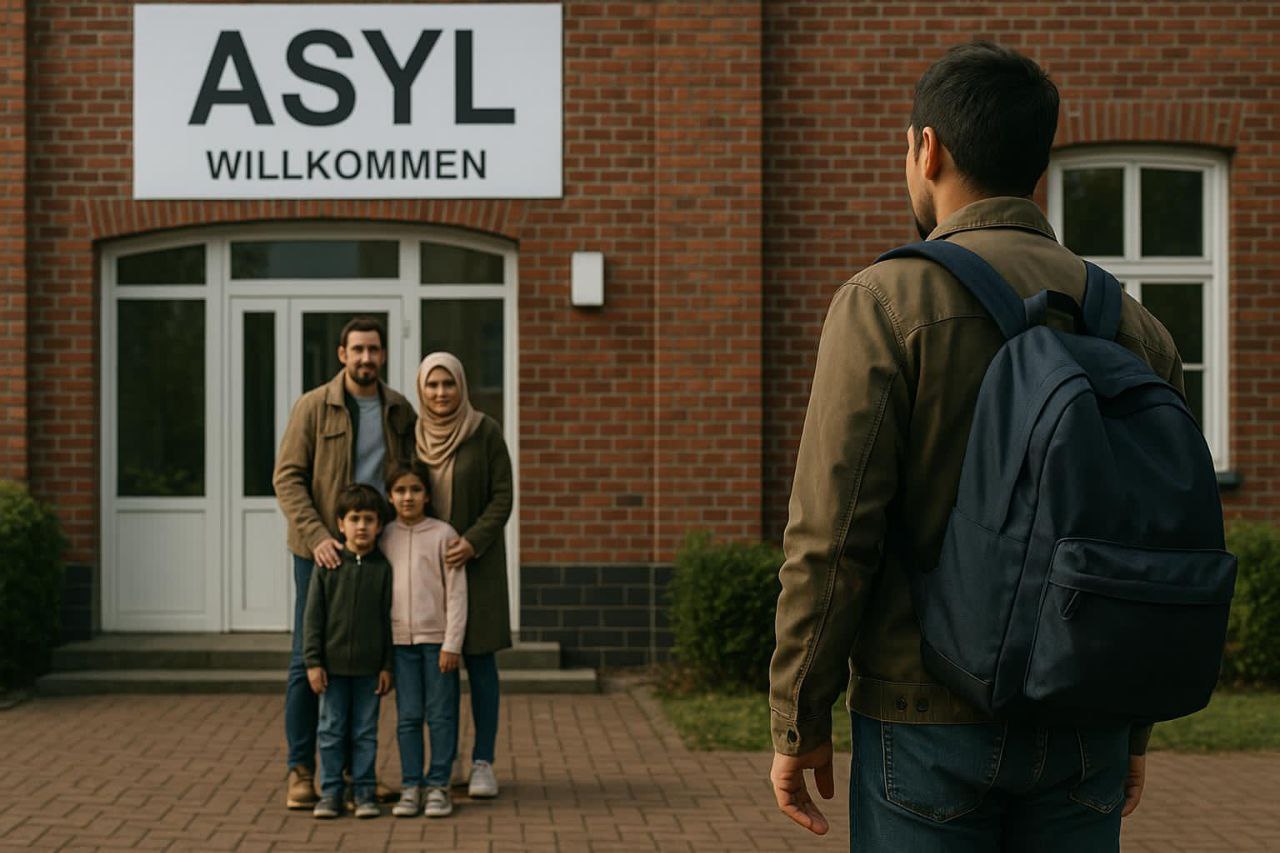
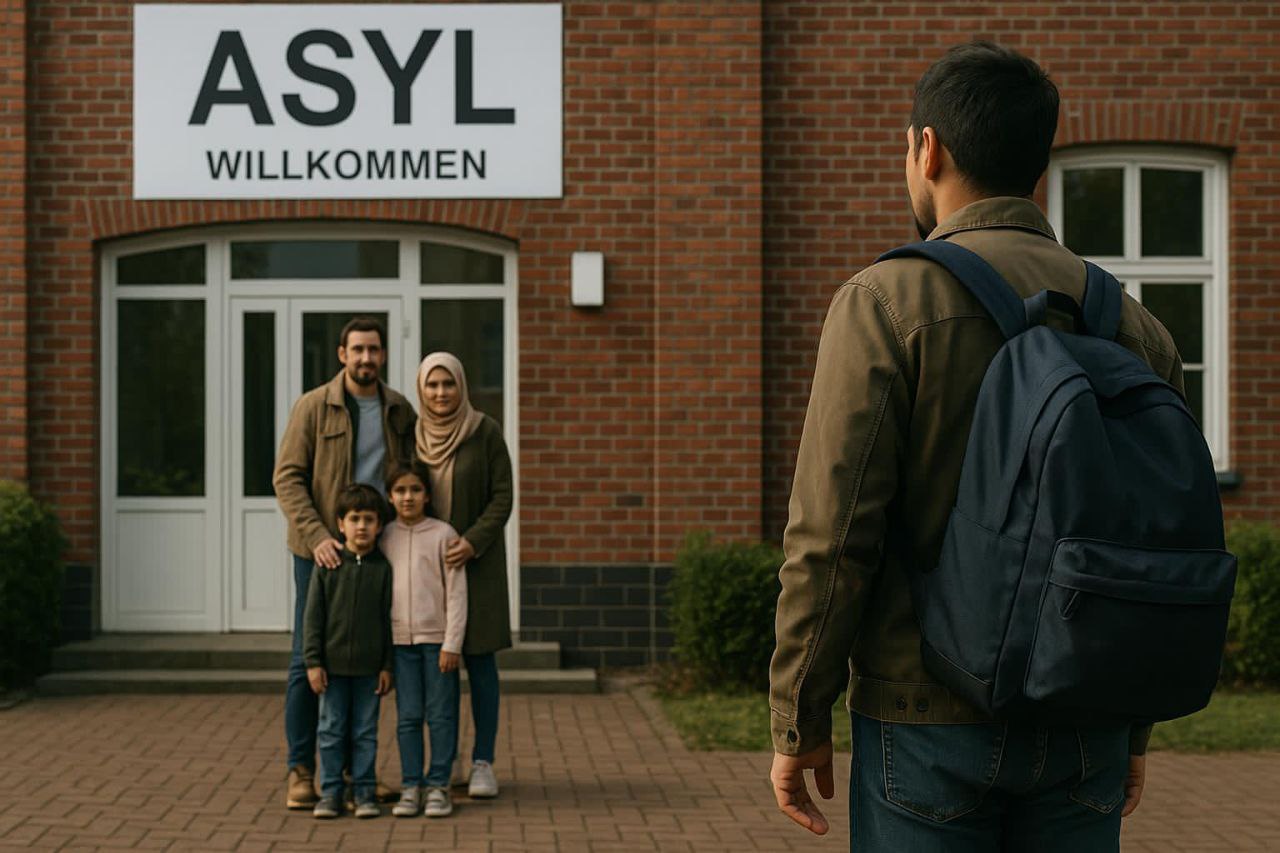
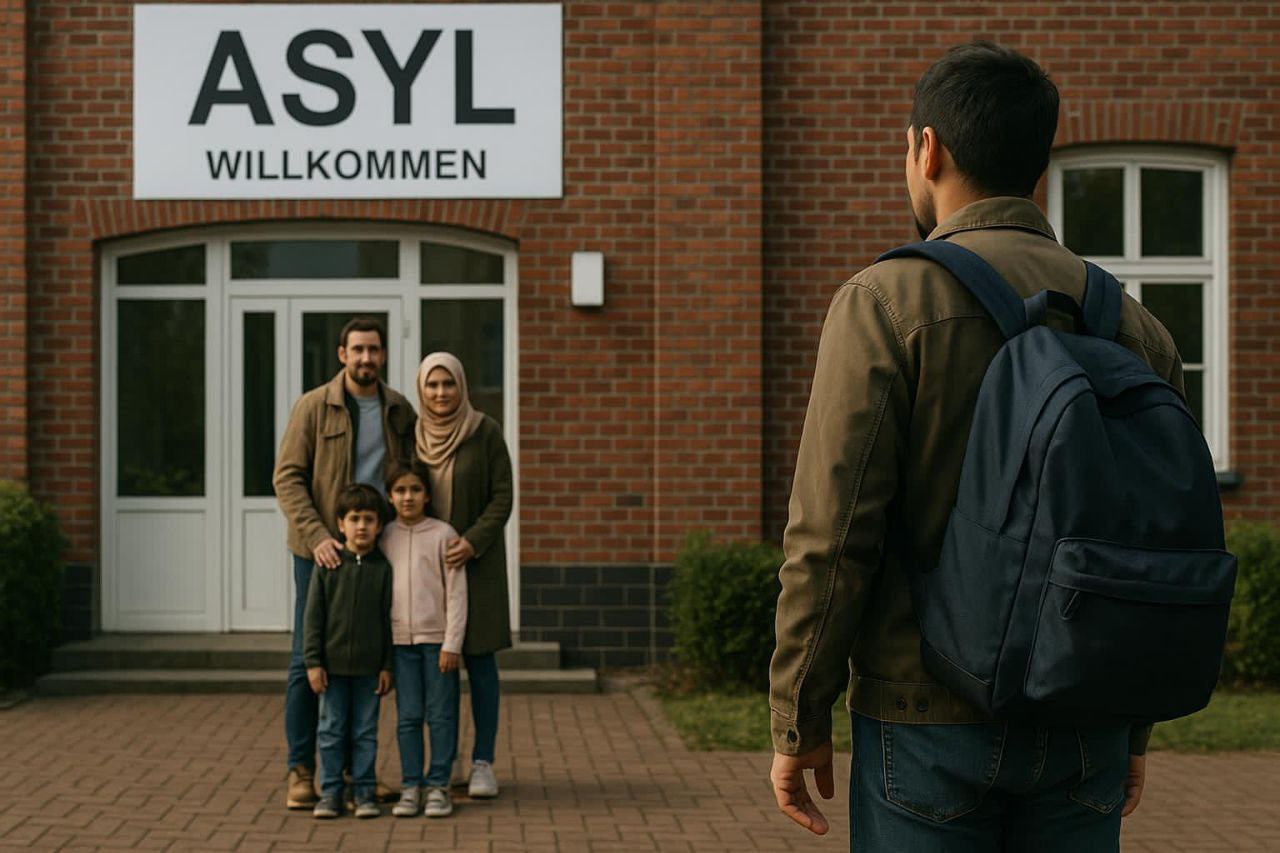
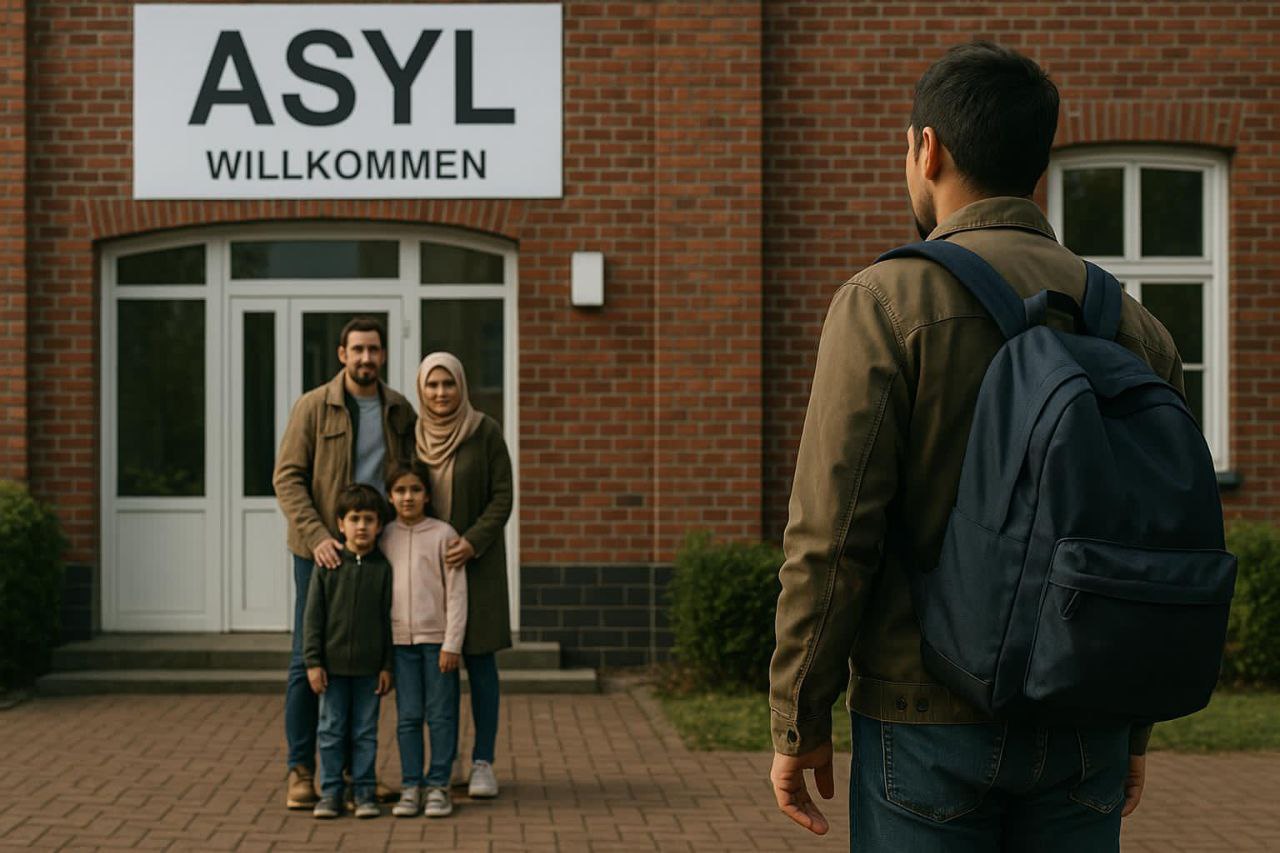
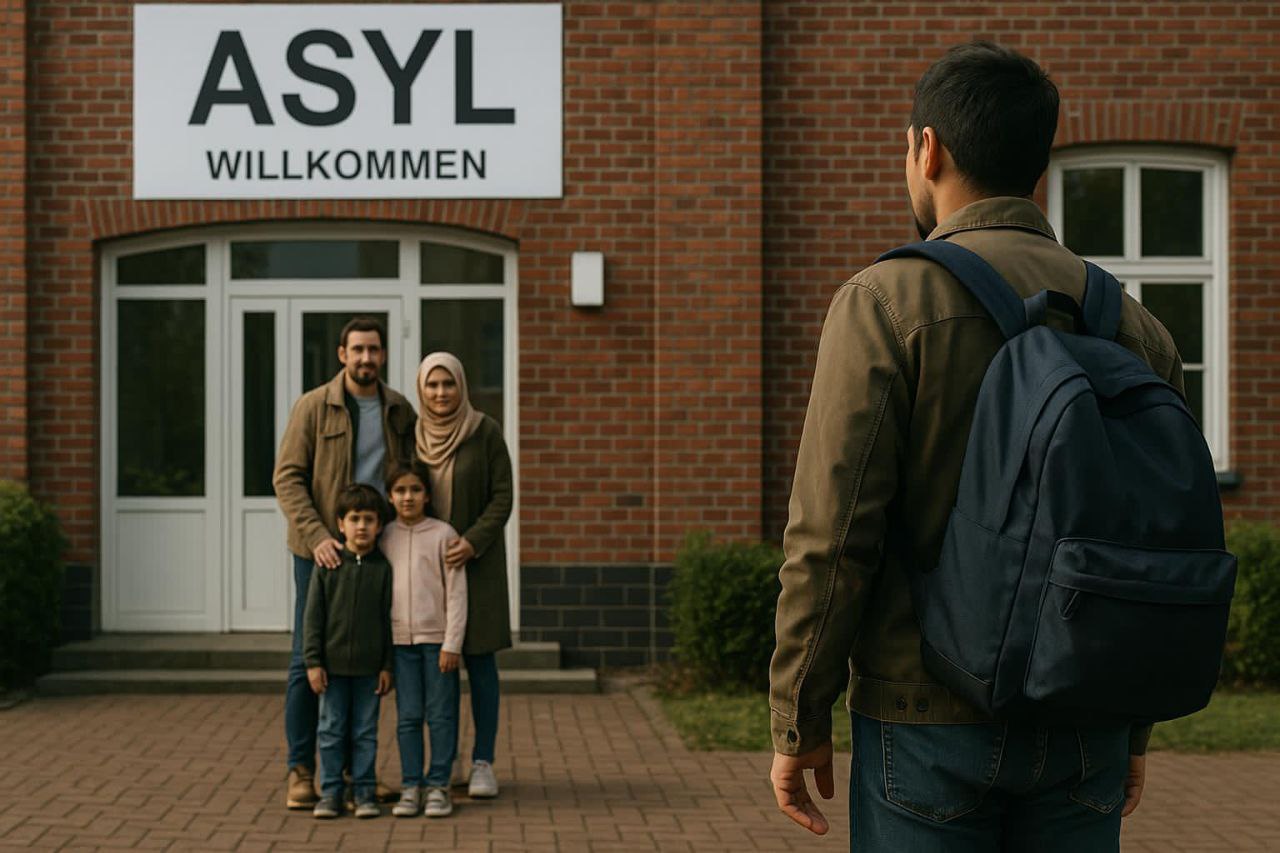
Germany recognizes protection for individuals who face persecution because of their religion or religious beliefs. This ground is one of the key bases for asylum and humanitarian residence claims. Case law is particularly influential in determining how German courts apply these rules, which in turn directly affects decisions by the Federal Office for Migration and Refugees (BAMF) and administrative courts.
Legal context of religious protection in Germany
-
Article 16a of the Basic Law (Grundgesetz) protects the right to asylum in cases of political persecution; religious persecution can be relevant where fundamental freedoms are at stake.
-
The Asylum Act (Asylgesetz) and the Residence Act (Aufenthaltsgesetz) recognize protection needs linked to religious persecution.
-
Germany’s approach is also shaped by international commitments, especially the 1951 Geneva Refugee Convention.
Key case-law patterns on residence due to religious persecution
-
Federal Administrative Court (2014 decision): Emphasized protection where a real risk of religious persecution exists in the country of origin, particularly if local authorities cannot provide effective protection. Courts must assess the individual situation and the nature of persecution carefully.
-
Conversion cases (new converts): In multiple cases, protection/residence was granted to people who adopted a new faith and faced threats from society or authorities due to the change of religion. Such risks may amount to serious interference with fundamental rights.
-
Persecution of religious minorities: German courts have recognized persecution risks affecting religious minorities as a legitimate basis for protection when the risk is concrete and substantiated.
-
Religious discrimination and internal relocation: Some claims were rejected where it was found that the person could live safely in another region of the home country, based on the concept of an internal protection alternative.
-
Humanitarian stay in cases of severe risk: In certain situations, courts have considered temporary humanitarian solutions such as Duldung where serious risks exist but strict asylum requirements are not fully met.
Factors that strongly influence court decisions
-
A clear, consistent, and credible personal account of persecution.
-
Reports by international human-rights organizations documenting conditions for religious groups in the country of origin.
-
Whether effective state protection is actually available.
-
Regional risk assessment to determine whether an internal alternative is realistic.
Why case law matters for lawyers and applicants
German courts use case law as guidance for interpreting statutes and applying them to individual cases. Understanding these patterns helps lawyers build stronger arguments and helps applicants prepare better-supported, more effective applications.
Conclusion
German case law reflects a commitment to protecting those persecuted for their religion, while still assessing each case individually. Documented evidence, a realistic risk, and the absence of effective protection in the country of origin are often decisive. Specialized legal support can be crucial to presenting a well-structured, evidence-based claim.
ـ* The editorial team aims to provide accurate information through extensive research; however, errors may occur or some information may be uncertain. Please treat this as initial guidance and consult competent authorities for confirmed information.