Login/Create Account


Title:
How Are Asylum Seekers Allocated in Germany?
Introduction
The process of allocating and processing asylum seekers (Asylverfahren) is a core element of the German asylum system. After arriving in Germany, asylum seekers must go through a structured procedure in which their status and future prospects are assessed step by step.
This system aims to organise the reception of refugees and to ensure that they receive the necessary support during the waiting period.
Allocation procedure
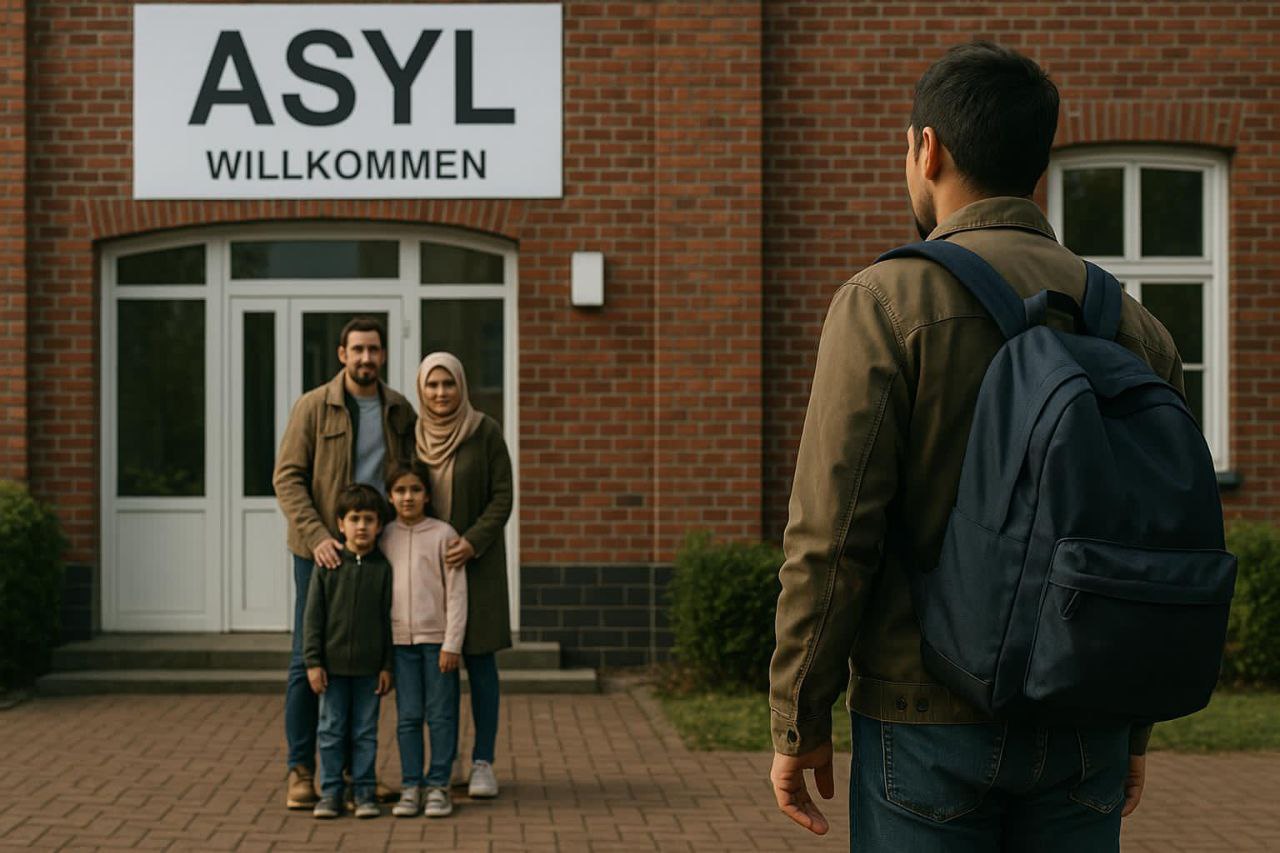
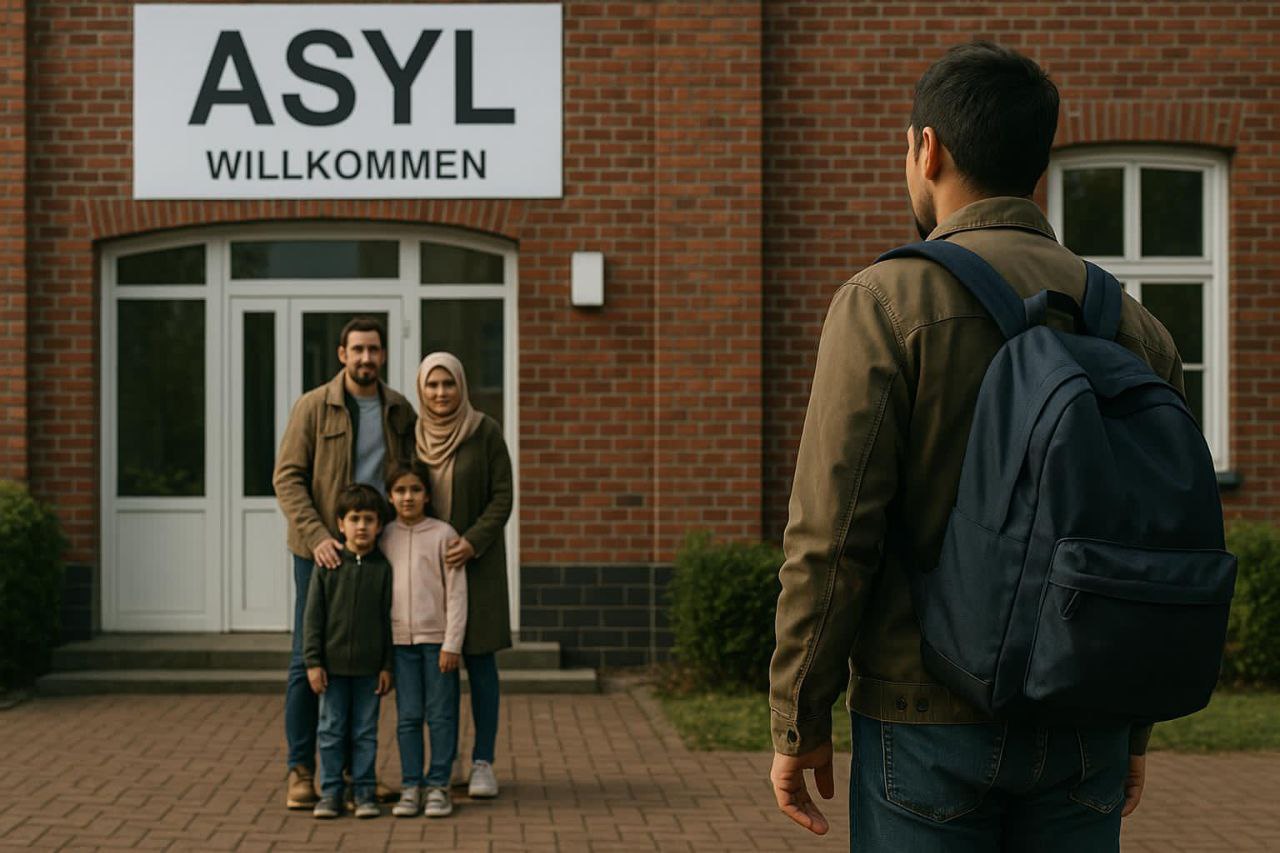
When asylum seekers arrive in Germany, they are usually transferred to the nearest initial reception centre (Aufnahmeeinrichtung) in the respective federal state.
The length of stay in these centres depends on several factors, including:
-
the stage of the asylum procedure,
-
the documents submitted,
-
and the individual situation of the applicant.
Asylum seekers may stay in reception centres for up to six months, or until a decision is taken on their application.
In certain cases, such as family reunification (Familiennachzug), they may be transferred to other centres or types of accommodation.
The EASY system
The distribution of asylum seekers across the different federal states and regions is managed through the EASY system.
The purpose of this system is to ensure a fair and balanced distribution of refugees throughout Germany.
-
EASY determines the percentage of asylum seekers that each federal state is required to take in.
-
These quotas are reviewed annually by a joint commission of the federal government and the federal states.
The system is designed to ensure that asylum seekers receive basic benefits and support so they can cover their daily needs.
Financial support
Financial support for asylum seekers is regulated by the Asylum Seekers’ Benefits Act (Asylbewerberleistungsgesetz). The benefits include:
-
Basic benefits:
Covering food (Nahrung), accommodation (Unterkunft) and heating (Heizung). -
Clothing and personal needs:
Funds are provided to cover the cost of clothing (Kleidung) and personal hygiene (Körperpflege). -
Health care:
Including medical examinations (Ärztliche Untersuchungen) and necessary treatment.
These benefits are paid out in subsequent accommodation, whether this is shared housing (a shared flat, WG) or a private apartment (eigene Wohnung).
Conclusion
The process of allocating asylum seekers is a vital step within the German asylum system. It helps to structure the reception of refugees and ensures that they receive the necessary financial and social support while their applications are being examined.
Understanding how this system works can help asylum seekers adapt more easily to their new situation in Germany.
The editorial team of our website strives to provide accurate information based on thorough research and multiple sources. However, errors may occur or some details may be incomplete. Please treat the information in this article as an initial guide and always contact the relevant authorities or specialist organisations for confirmed and up-to-date information.