

 Login/Create Account


Title:
What Is Political Asylum?
Introduction
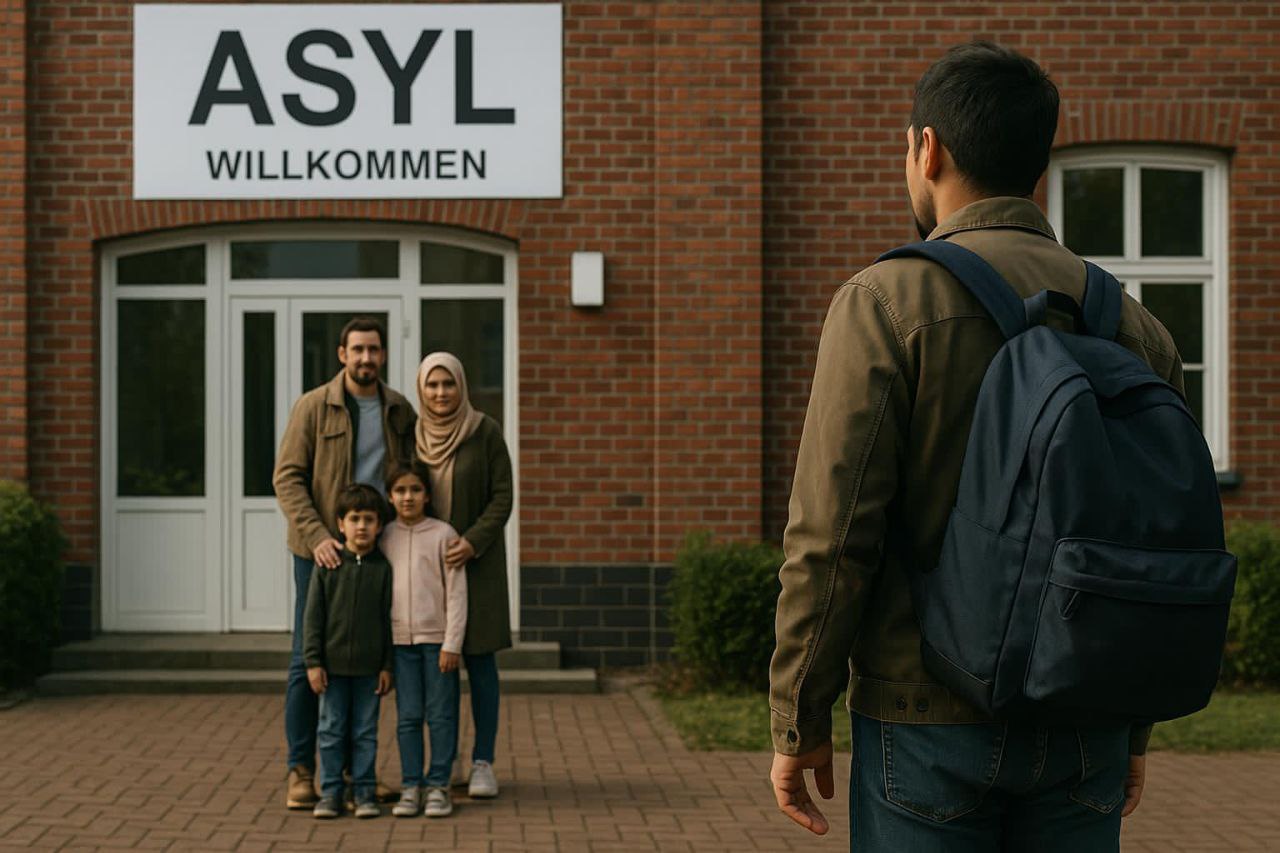
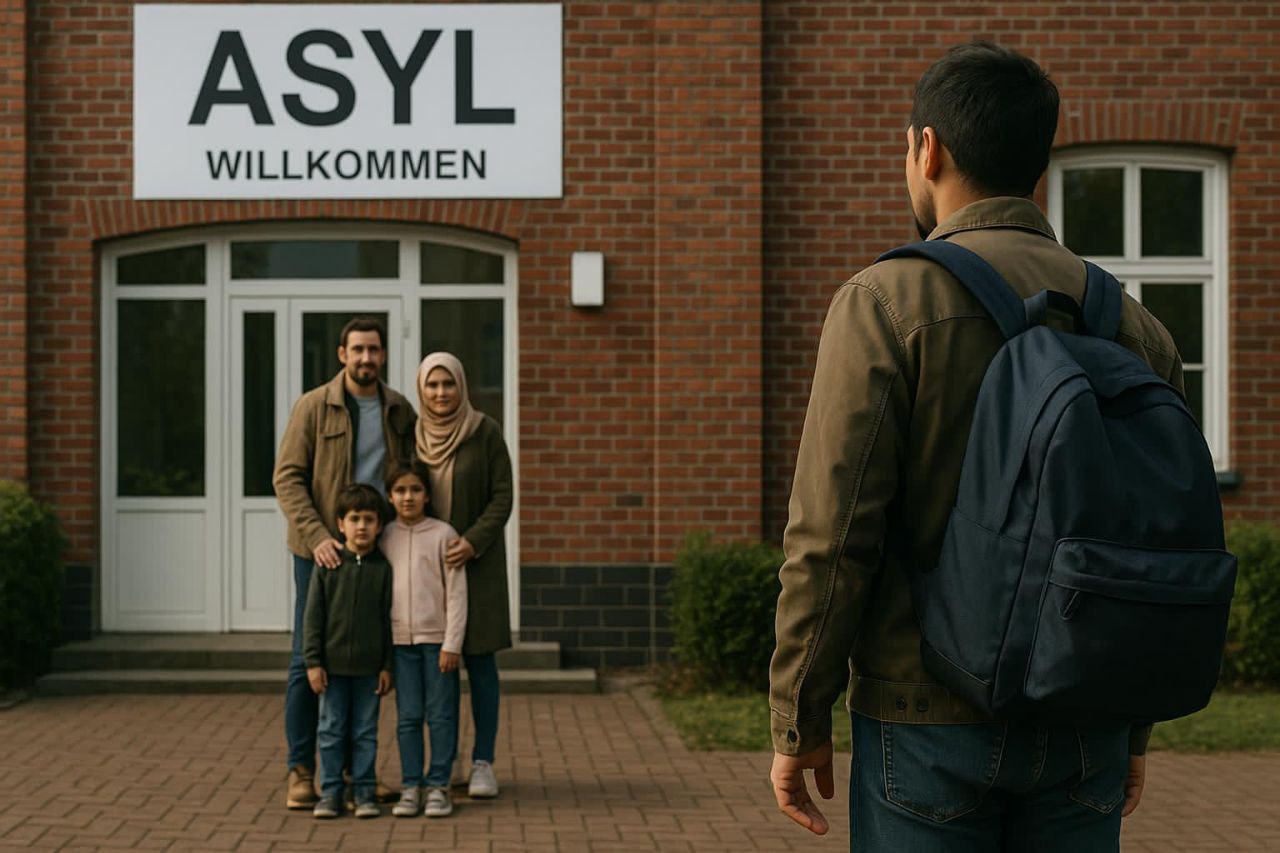
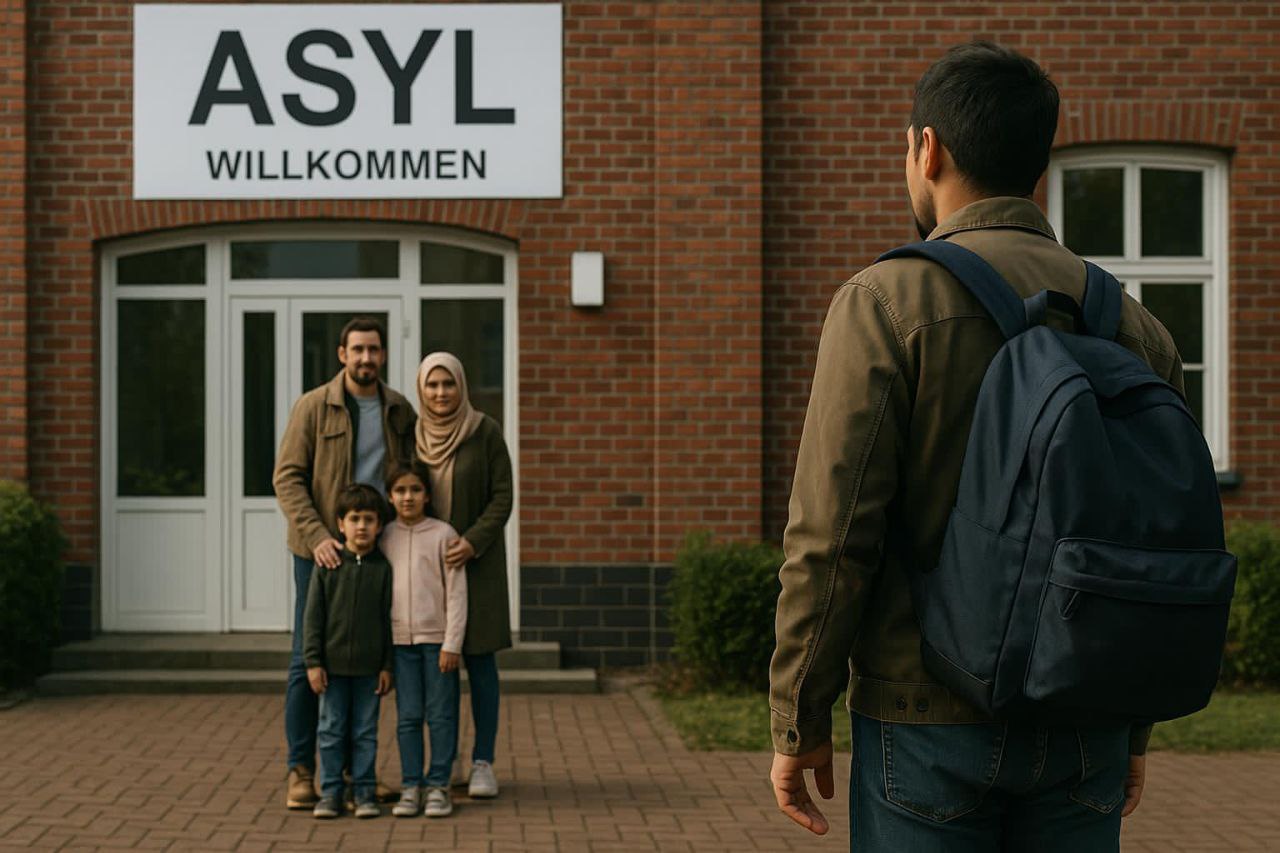
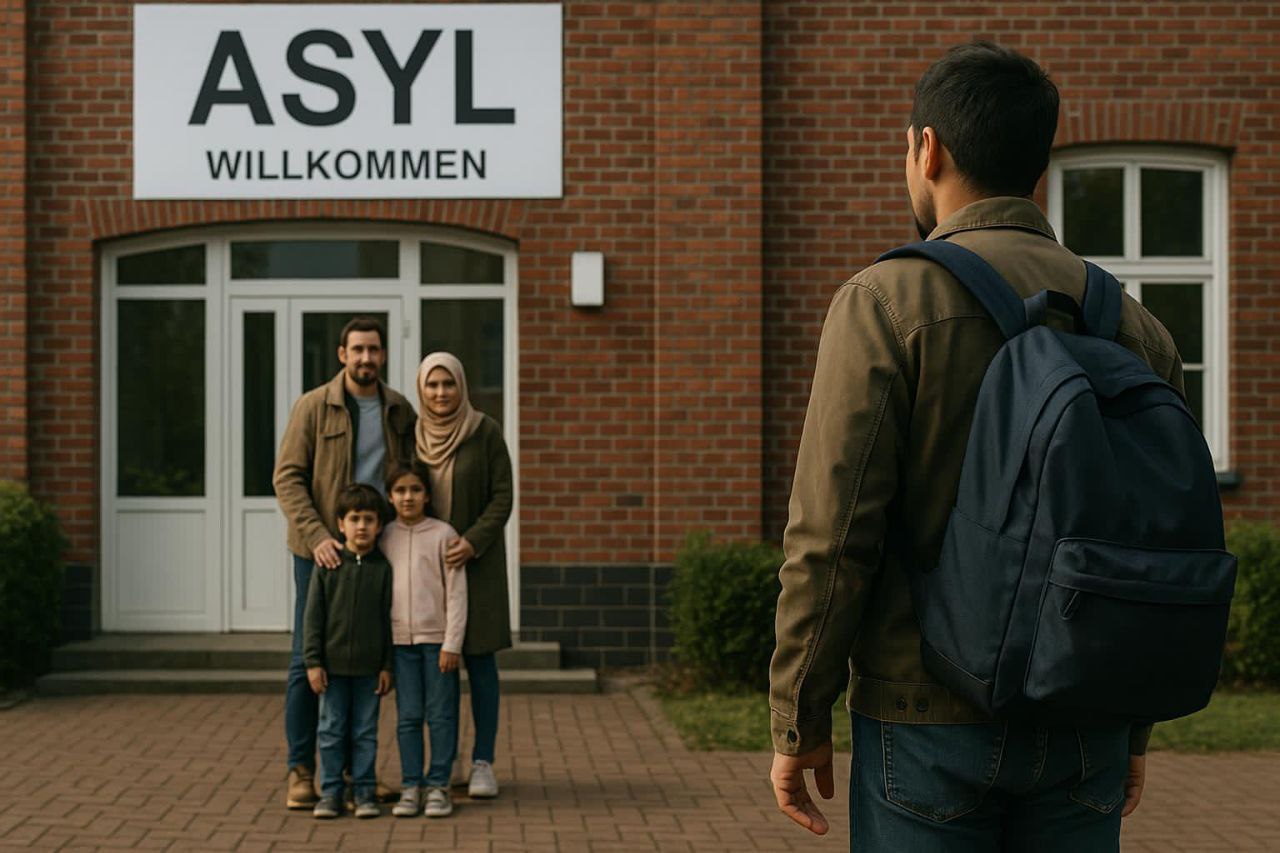
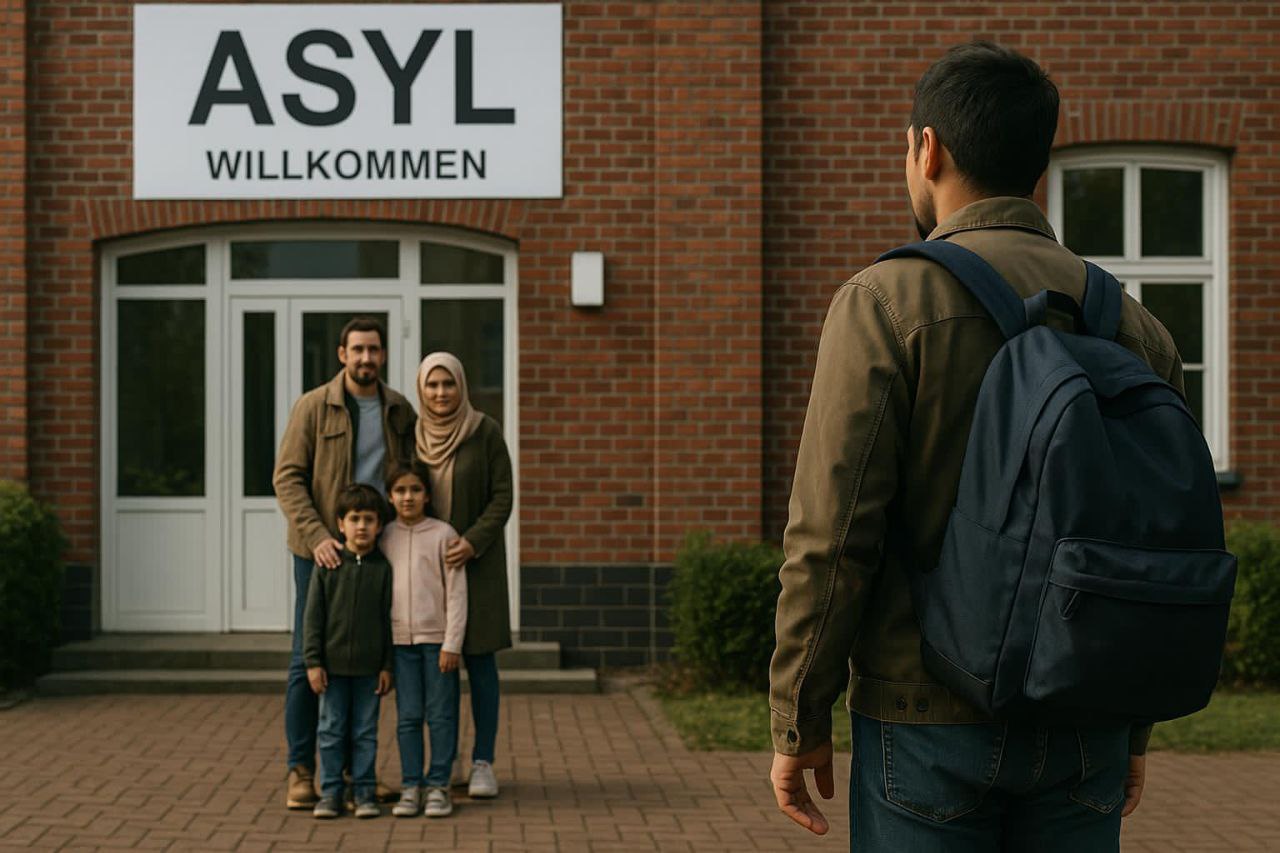
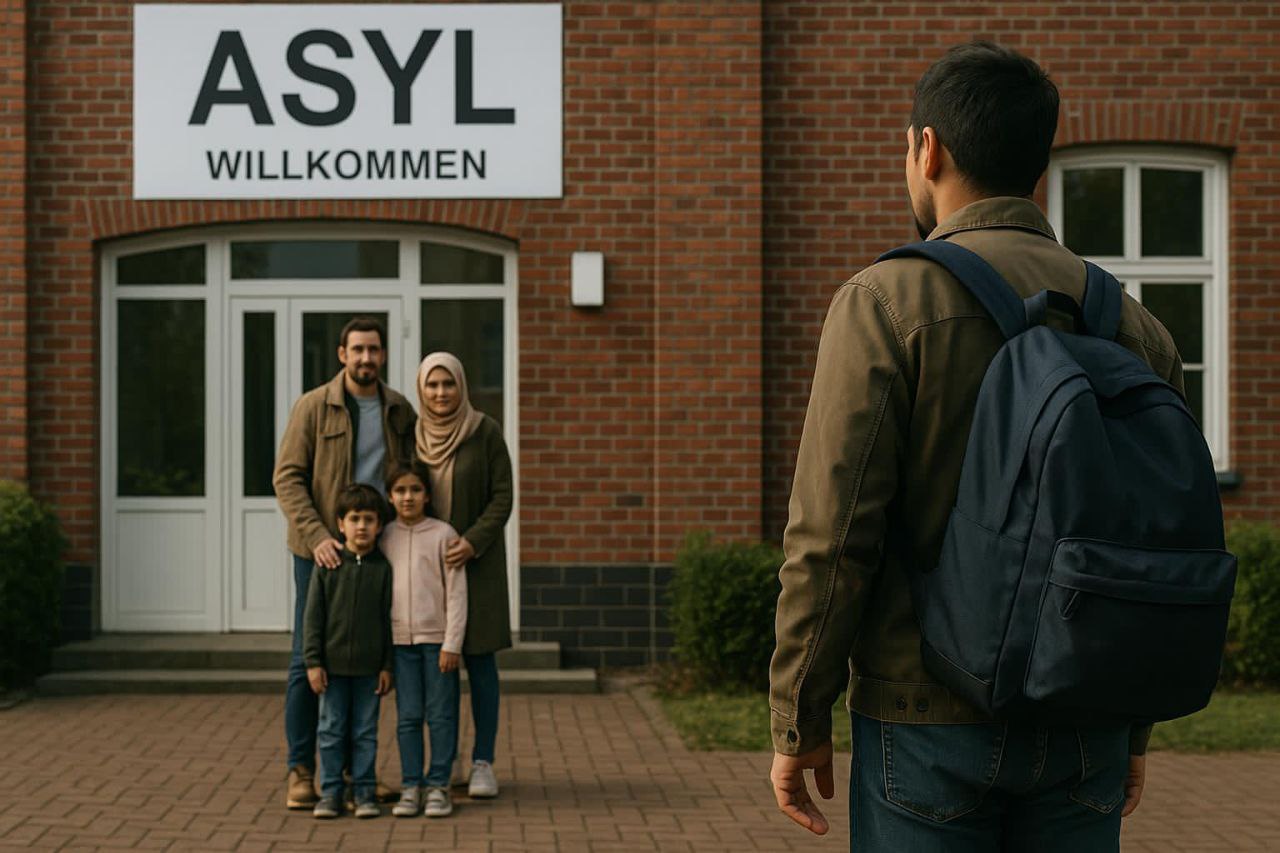
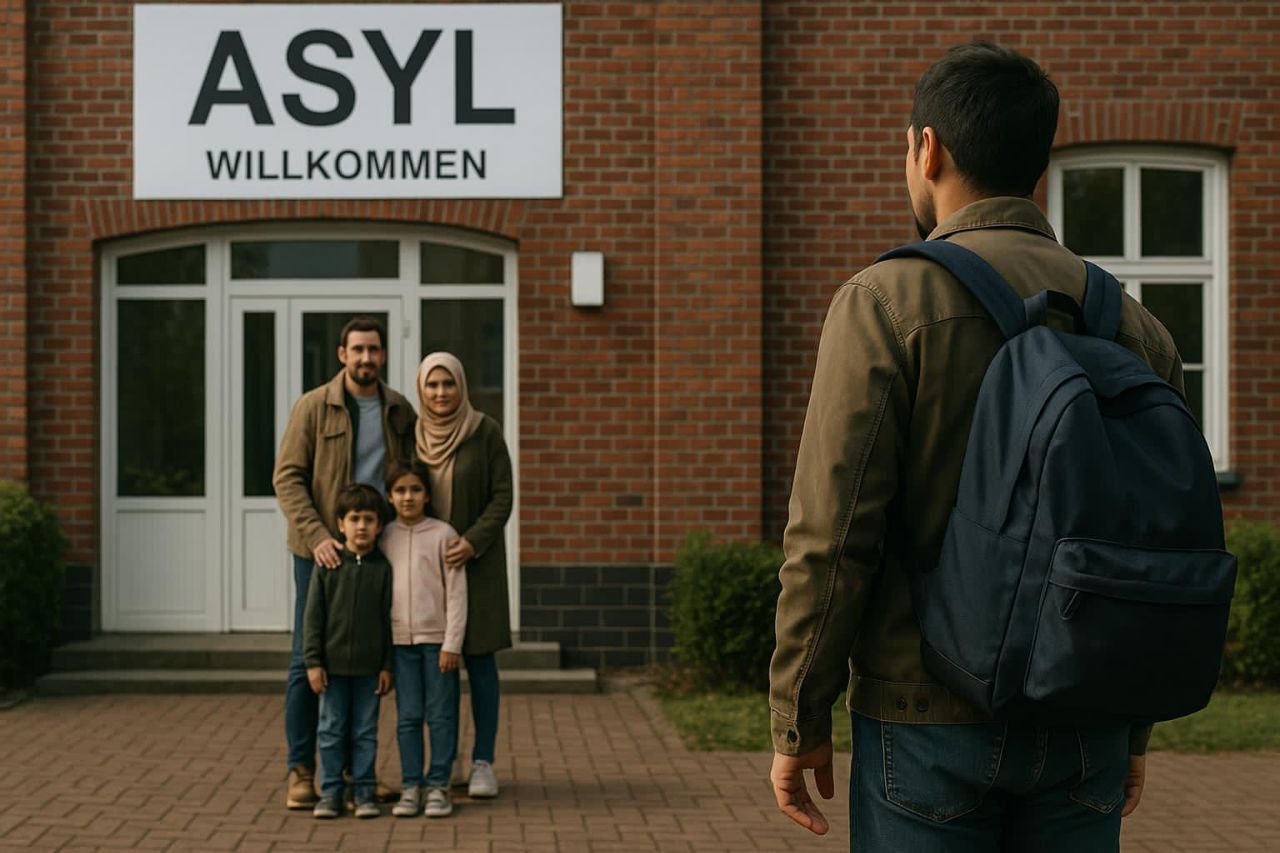
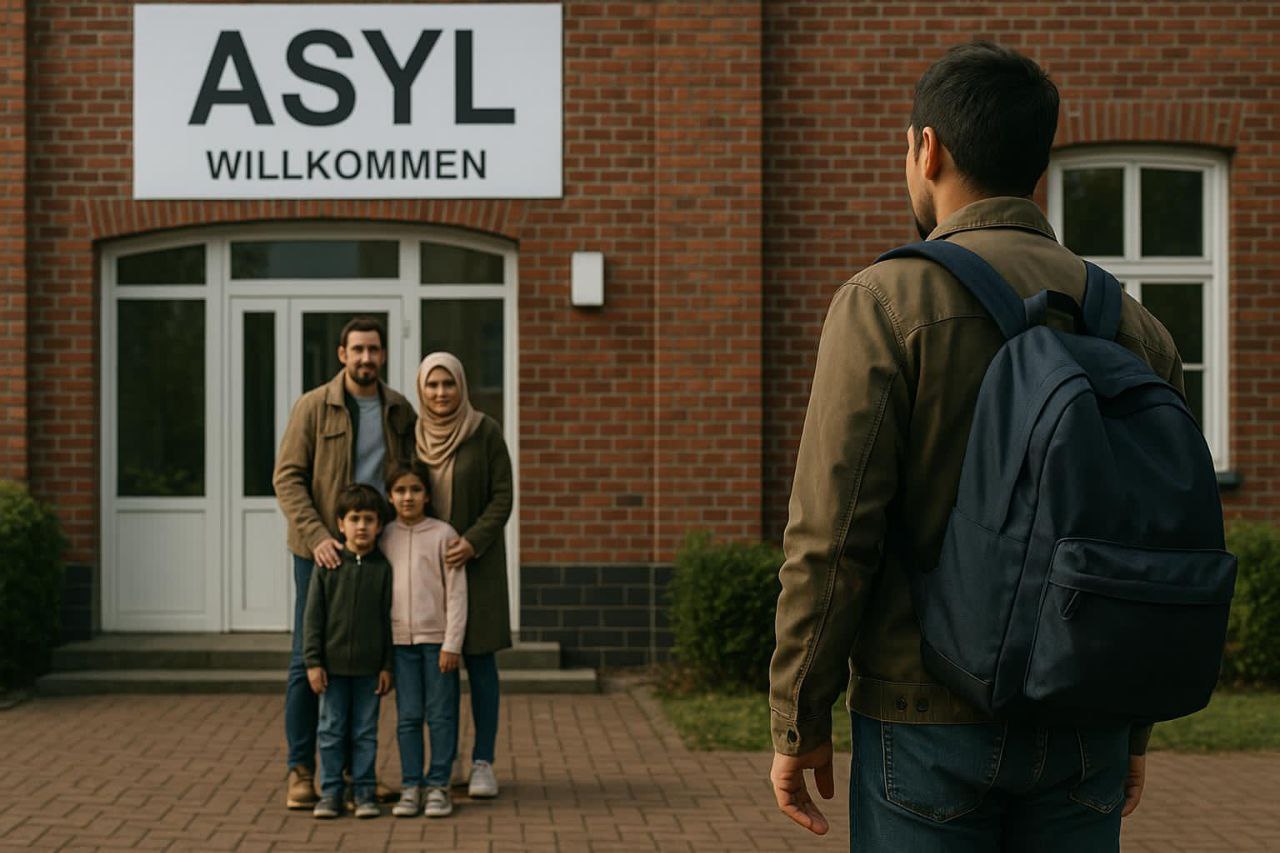
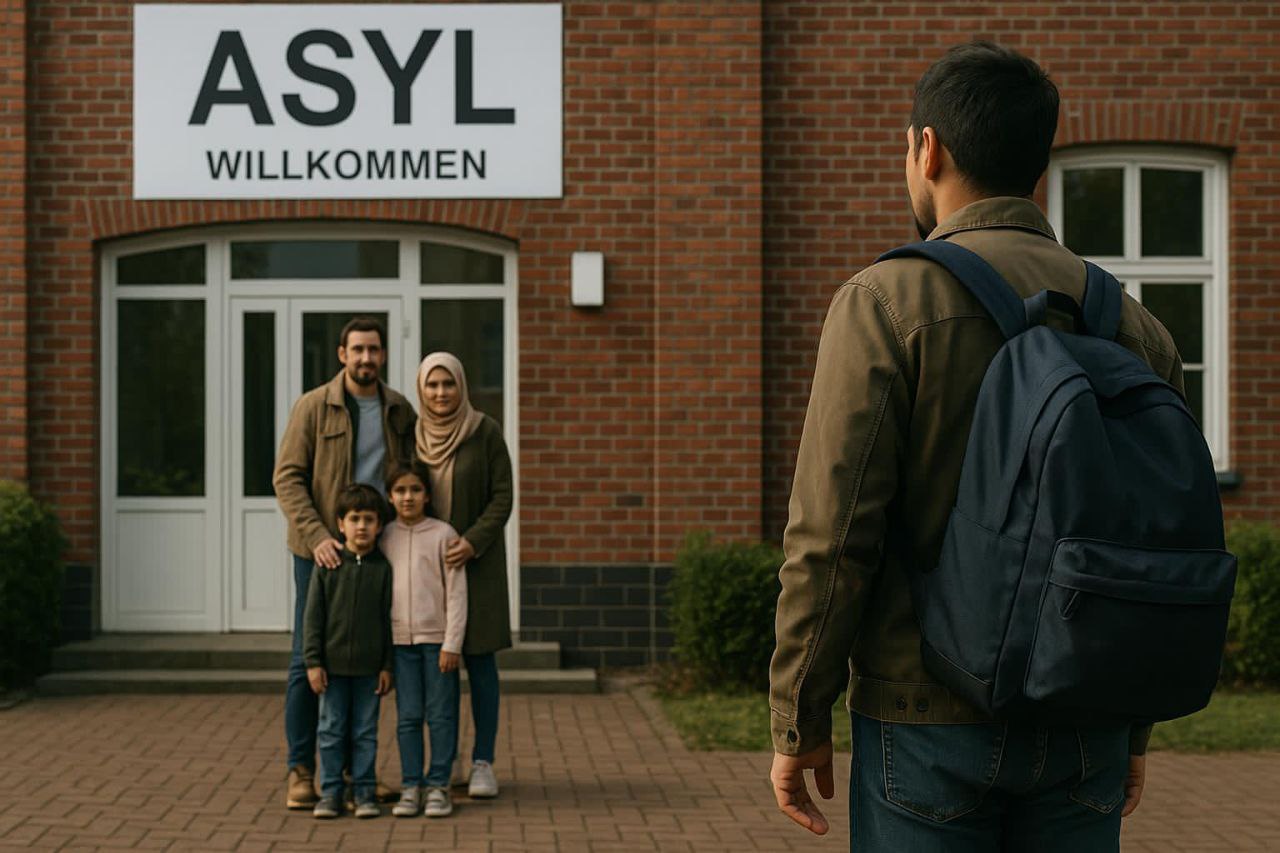
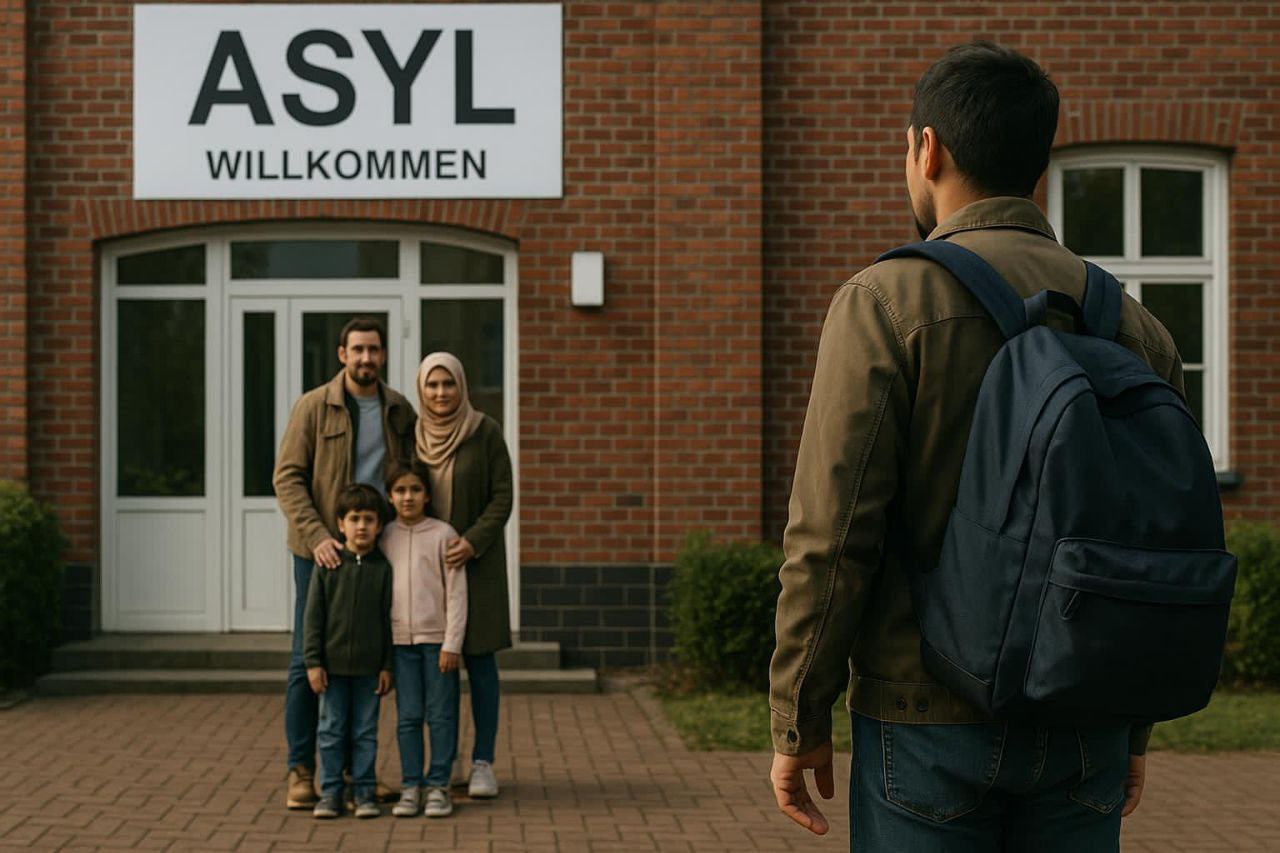
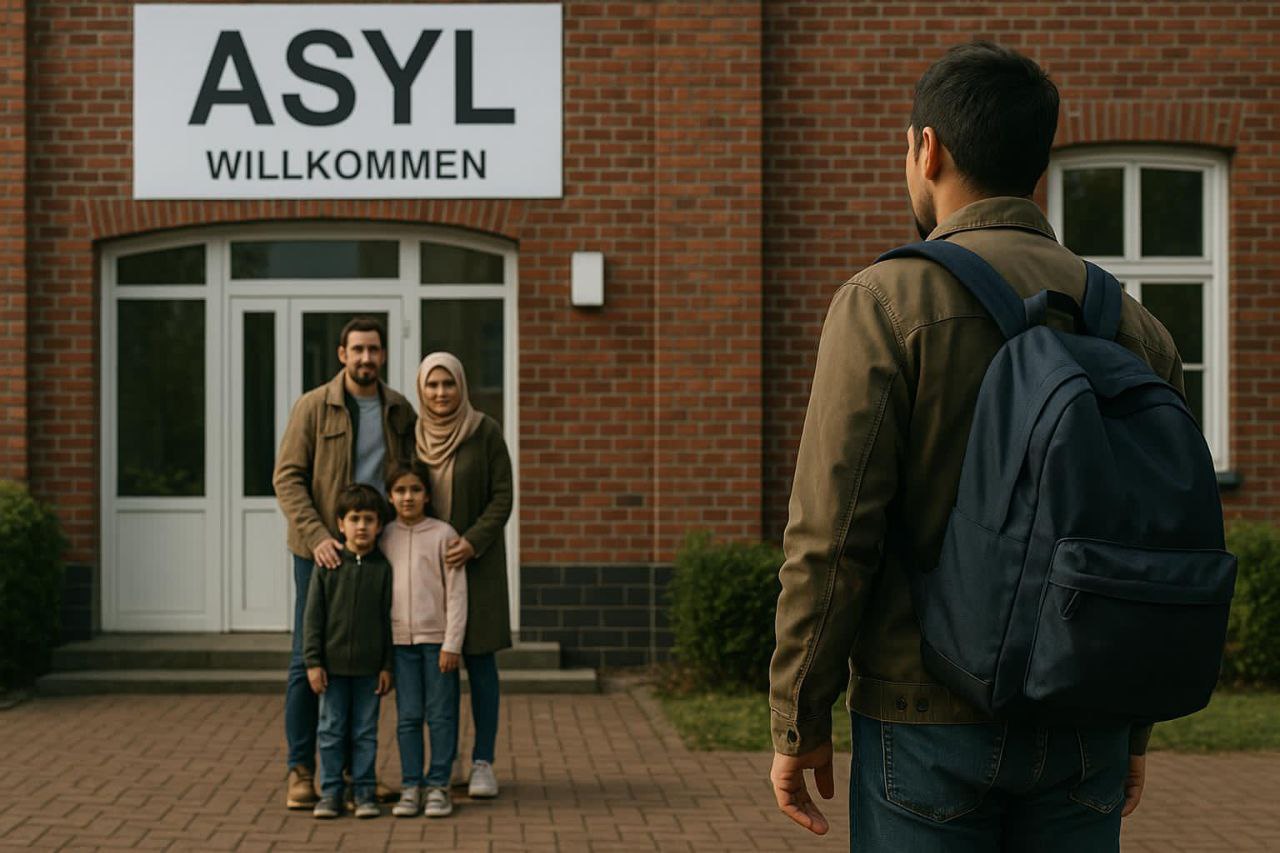
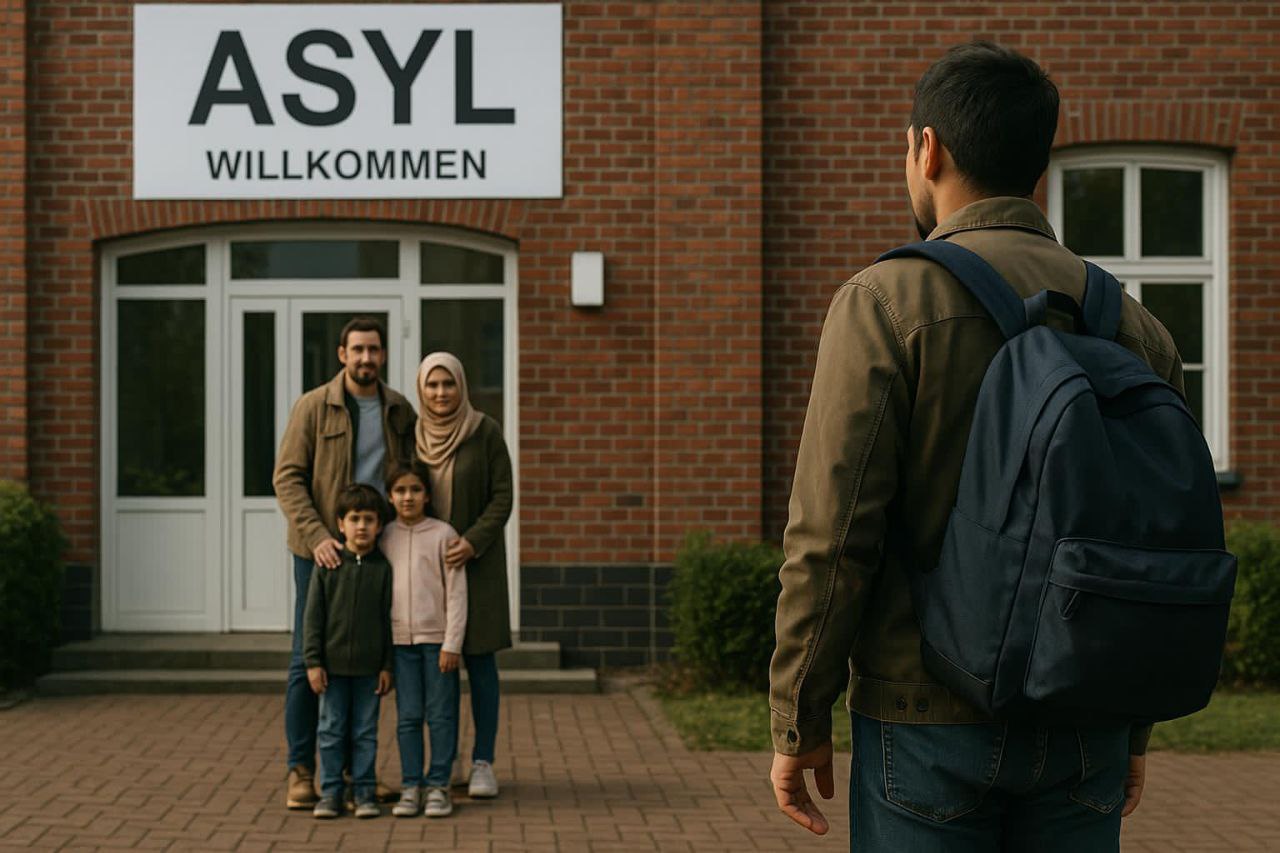
Political asylum (Asylberechtigung) is granted to individuals who are subjected to political persecution (politische Verfolgung) in their home countries by the state or by organisations connected to it. “Political persecution” refers to situations in which a person is exposed to danger, imprisonment or serious threats because of their race, religion, nationality, political beliefs, or membership in a particular social group.
Conditions for obtaining political asylum
1. Direct entry into Germany
Applicants for political asylum are generally required to enter Germany directly, and not via a safe third country. The European countries surrounding Germany are considered safe states, which is why travel should, as far as possible, be made directly to Germany, often by plane.
2. Residence permit
Recognised political refugees are granted a residence permit (Aufenthaltserlaubnis) for a period of three years. If the situation in the country of origin does not improve, this residence permit can be extended. After three years, it may be possible to apply for a permanent settlement permit (Niederlassungserlaubnis), provided certain conditions are met.
Groups benefiting from political asylum
-
Political activists:
Individuals who have fled because they were sentenced to imprisonment or death, or because they feared torture due to their political opinions. -
Members of political parties or religious communities:
People whose party, group or religious community is subjected to persecution (Verfolgung). -
Documenters of human rights violations:
Individuals who document human rights violations (Menschenrechtsverletzungen) and are threatened with torture or death. -
Journalists and writers:
People who write or report about political or social issues and are threatened as a result. -
Religious converts:
Individuals who convert from their original faith to another religion and receive threats of killing or violent reprisals (Bedrohungen). -
Defecting ministers or government officials:
People who break away from their governments, provided that they have not committed crimes against their own populations.
Important differences and key points
1. Right to protection
Politically recognised refugees are granted a special form of personal protection (persönlicher Schutz), which is considered a specific advantage of political asylum.
2. Financial support
Political refugees often receive higher financial support (finanzielle Unterstützung) compared to refugees who are admitted solely on humanitarian grounds.
3. Faster processing of applications
Applications for political asylum are generally processed more quickly, even though the overall stay and administrative procedures may still take a considerable amount of time.
4. Restrictions on return
Political refugees are usually not allowed to return to their home countries until they have acquired the citizenship of the country in which they have been granted asylum.
5. Travel restrictions
If a person has been granted political asylum in a European country, they typically need to obtain visas (Visum) for other countries they wish to visit.
Conclusion
Political asylum in Germany is an important mechanism for protecting individuals who are exposed to persecution. It offers safety, new opportunities and a path towards rebuilding their lives away from oppressive regimes. By granting protection and support, the system facilitates their rehabilitation and integration into German society.
The editorial team of our website strives to provide accurate information based on thorough research and multiple reliable sources. Nonetheless, errors may occur or certain details may be incomplete. Please regard this article as an initial guide and always contact the relevant authorities or specialised counselling services for binding and up-to-date information.