Login/Create Account


Title:
Subsidiary Protection for Refugees
Introduction
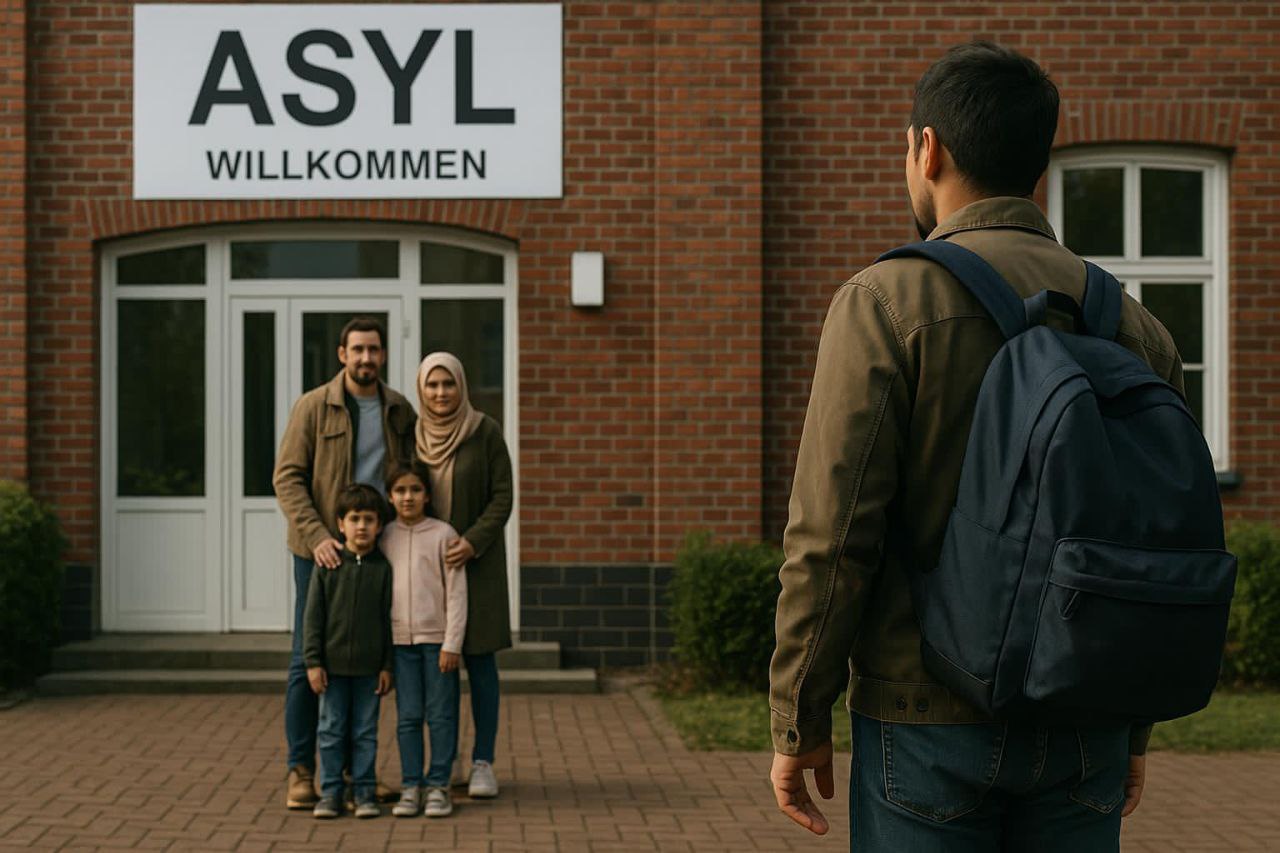
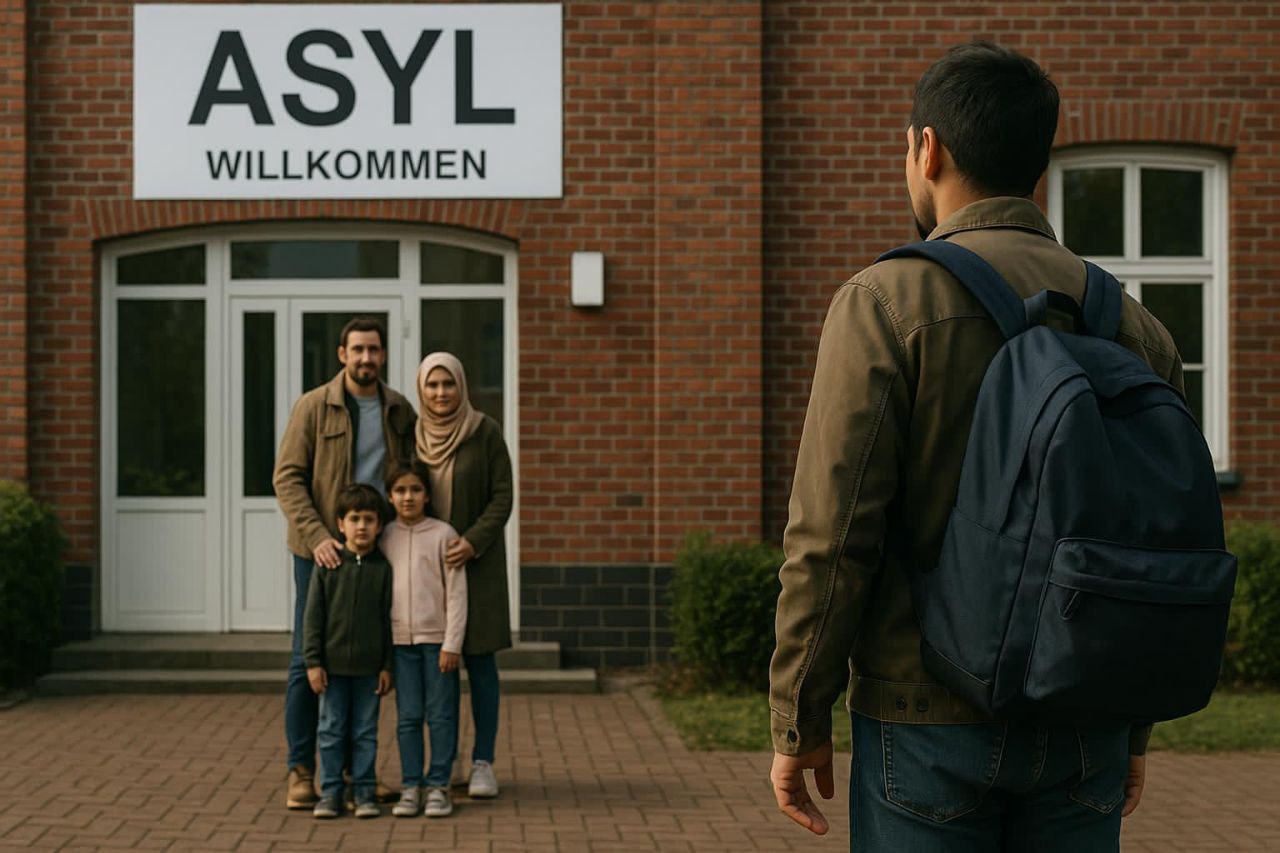
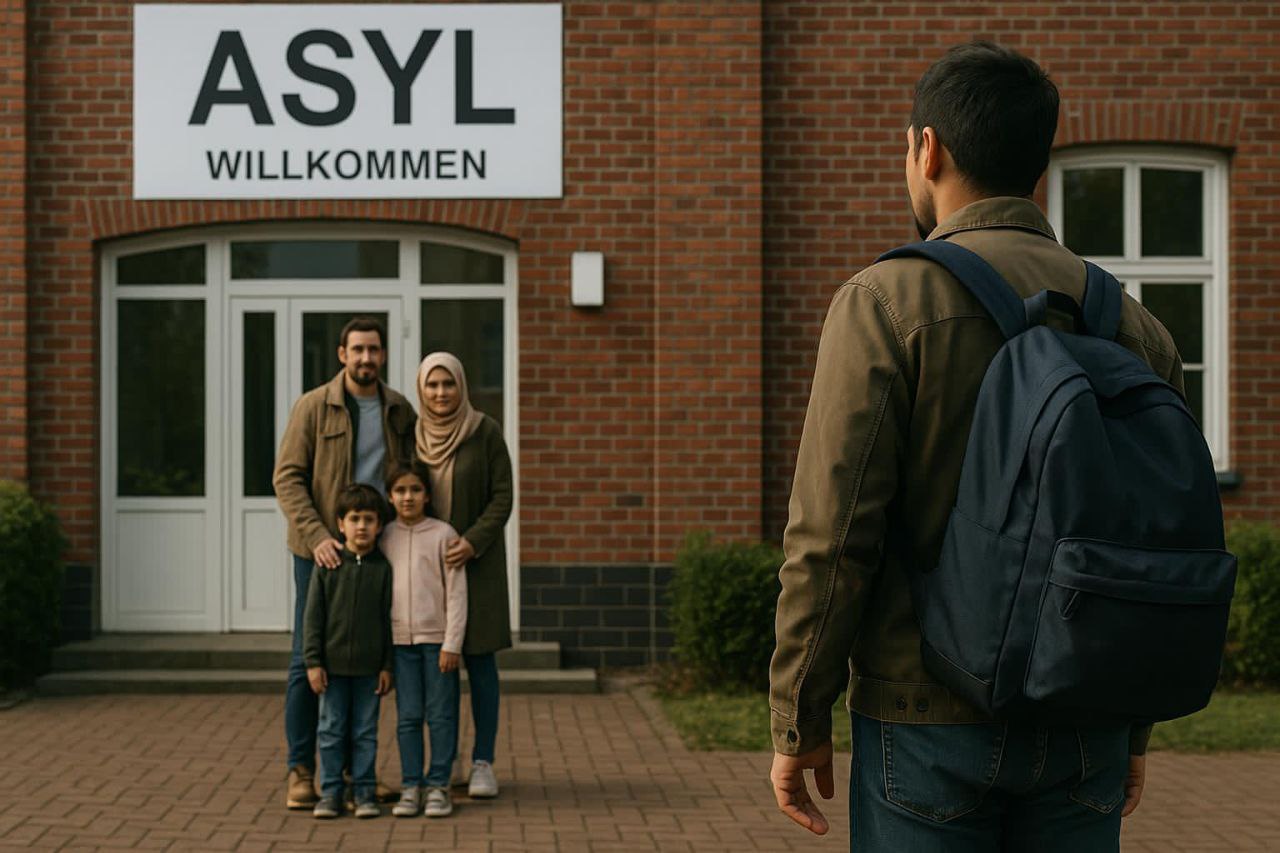
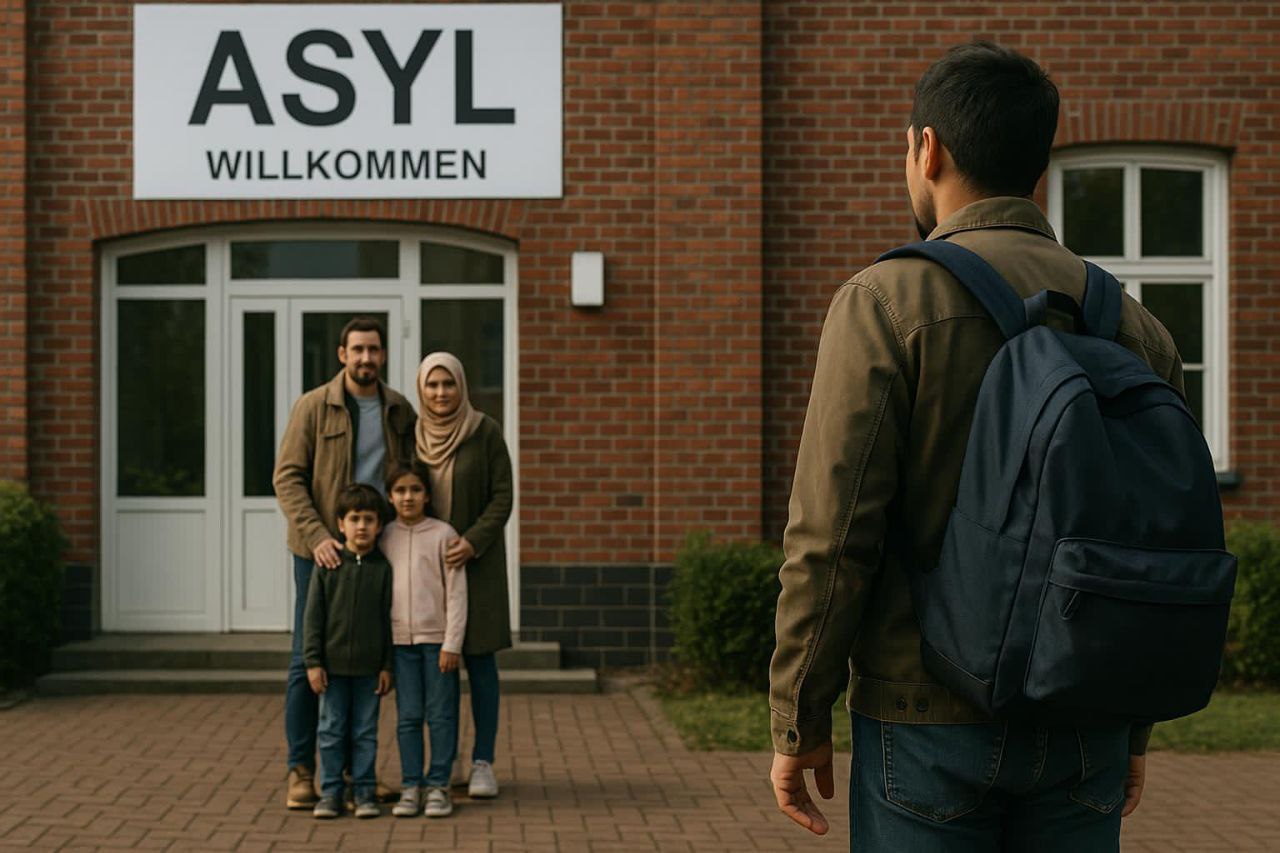
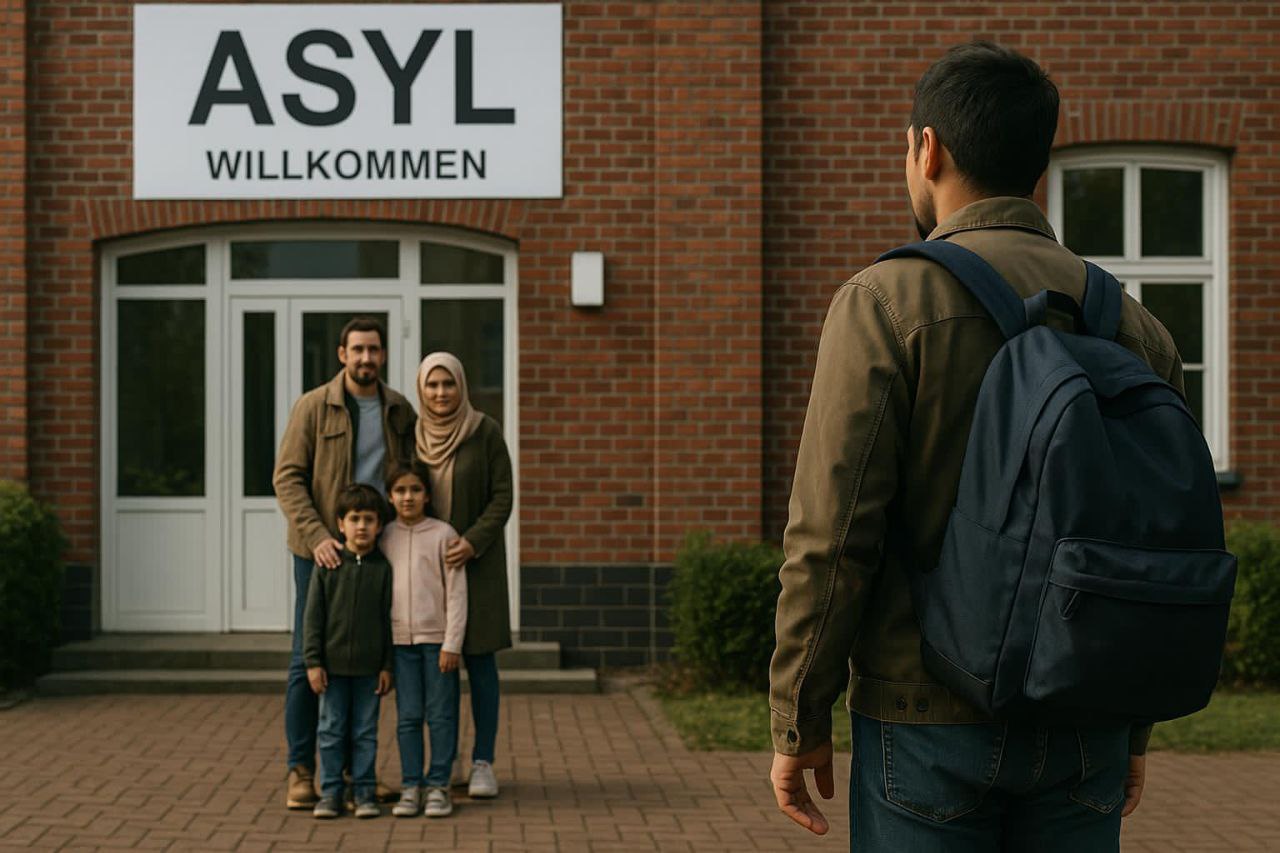
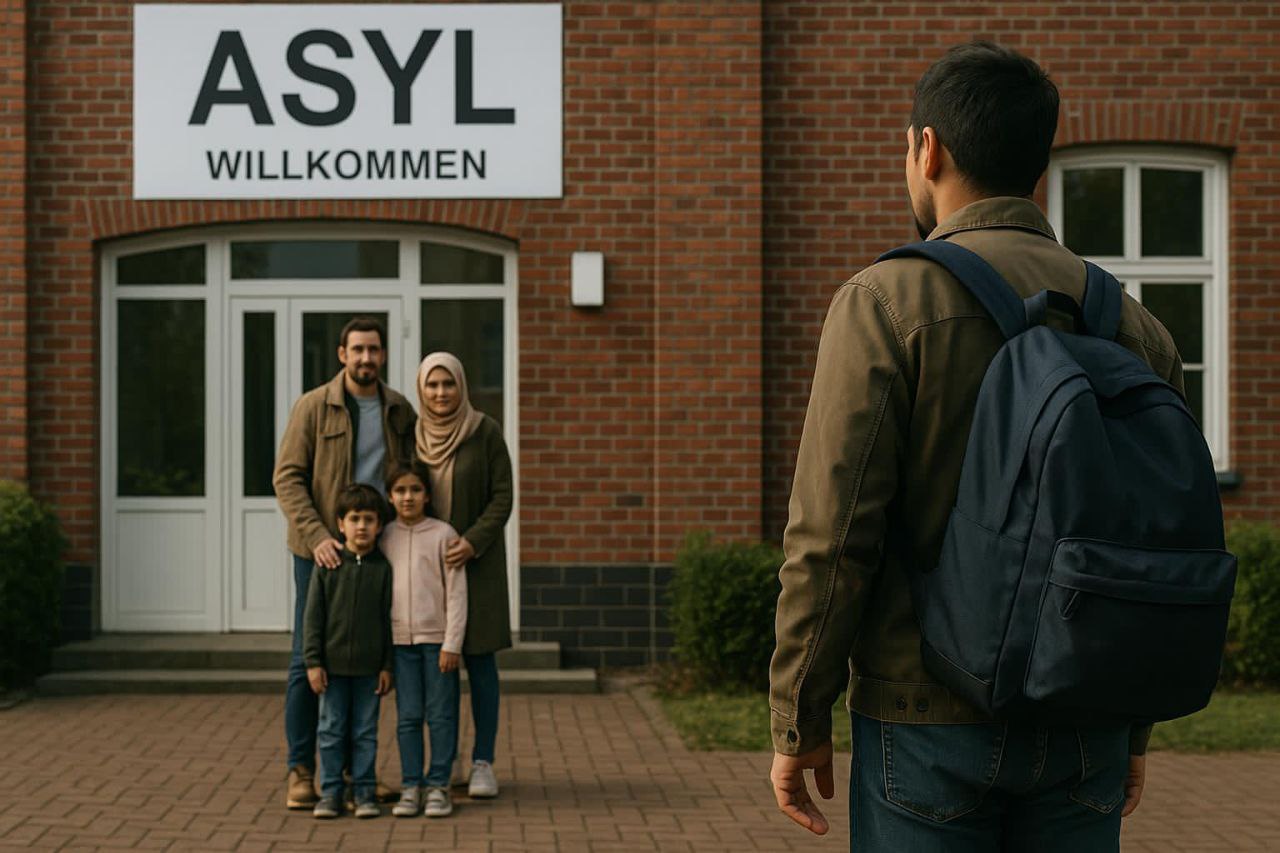
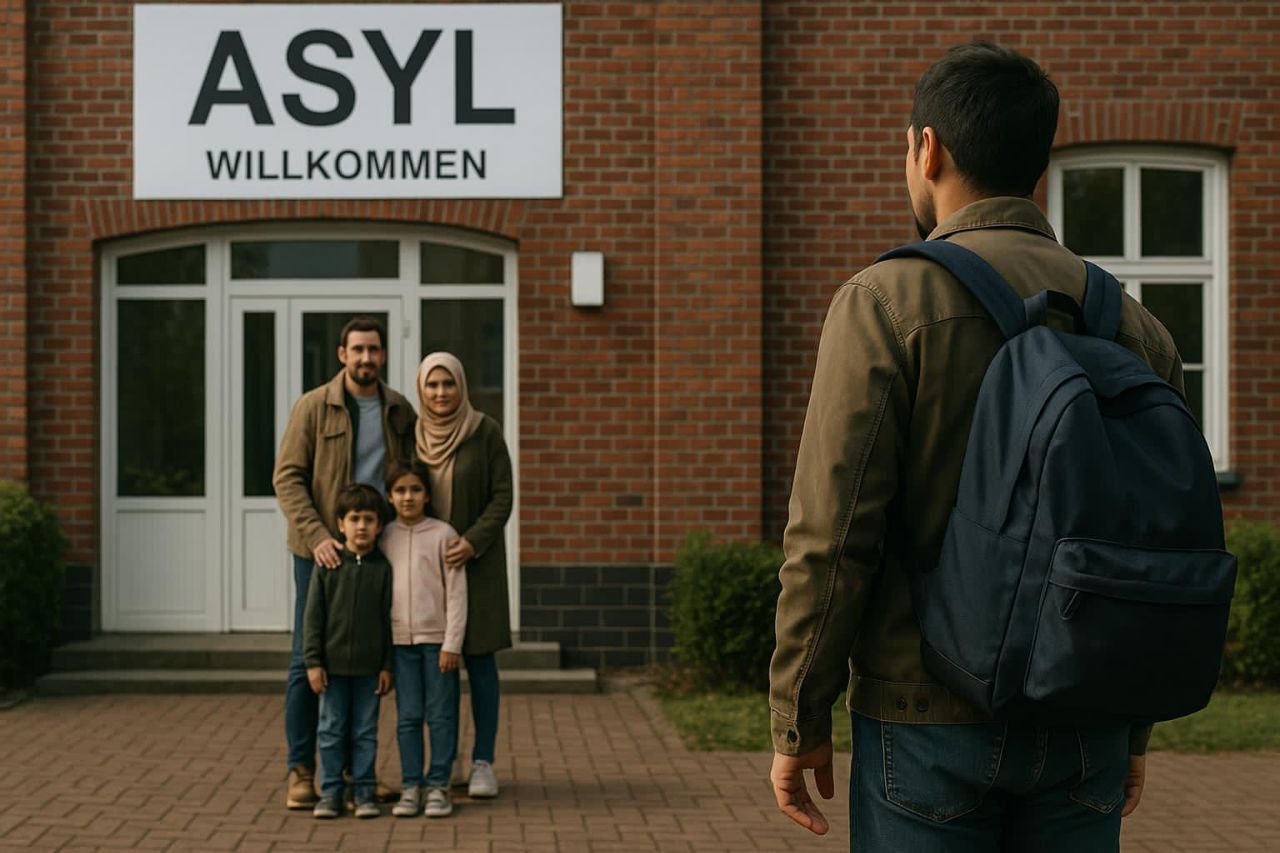
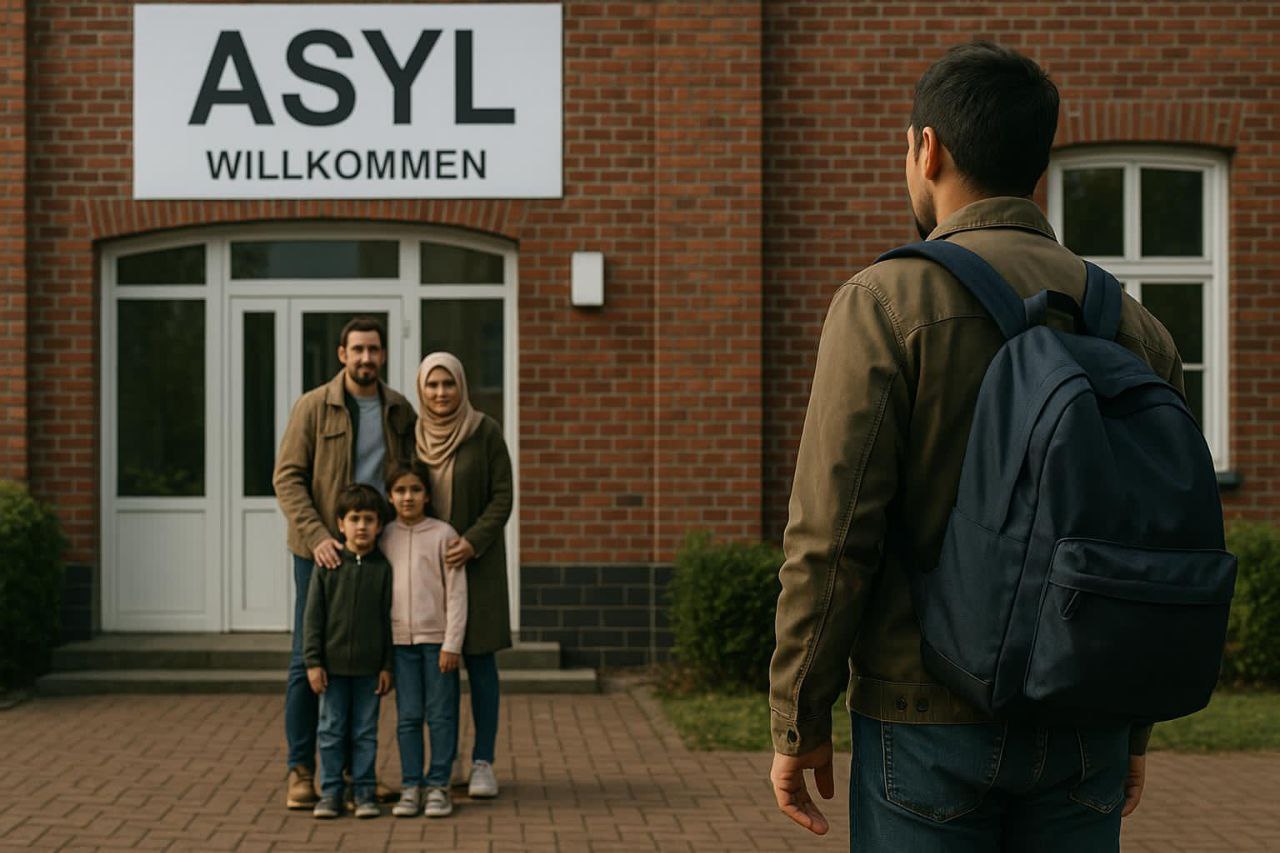
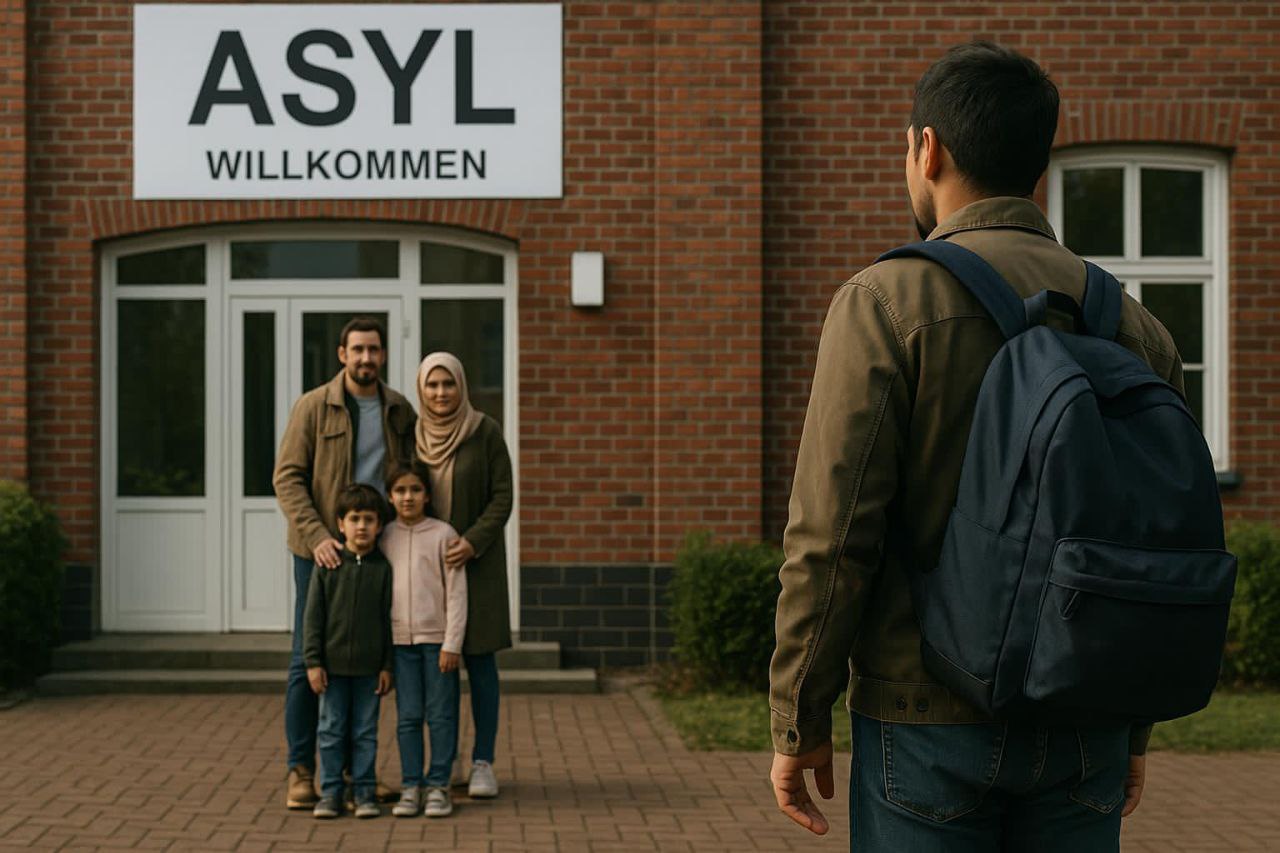
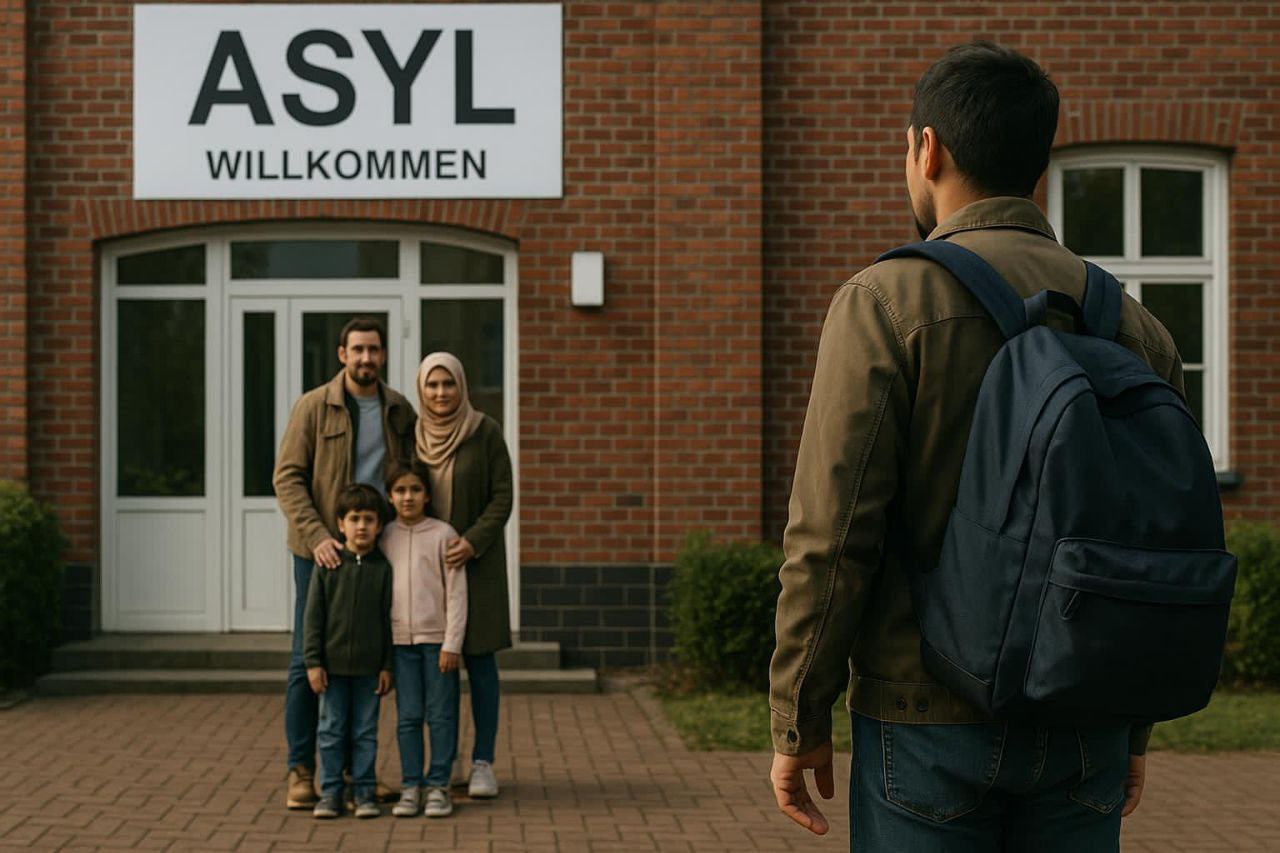
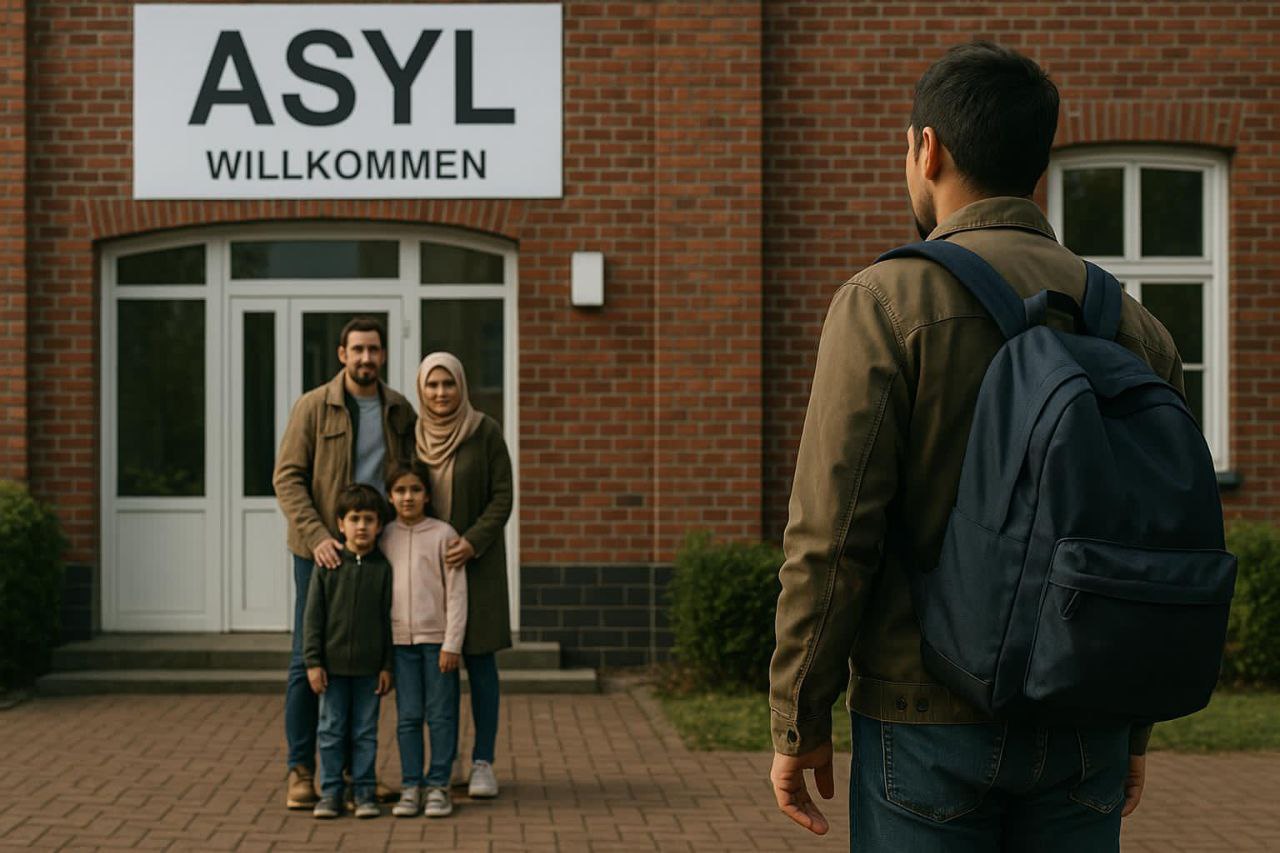
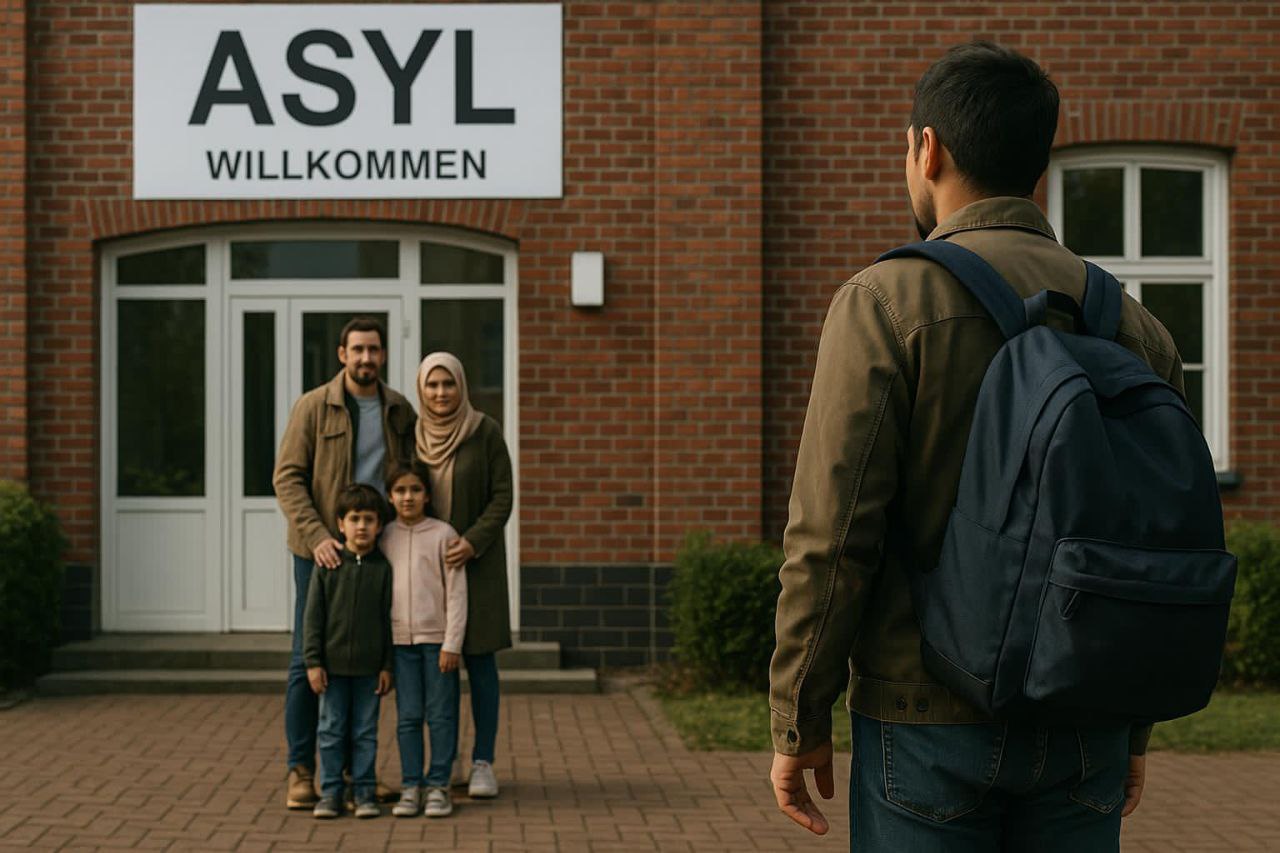
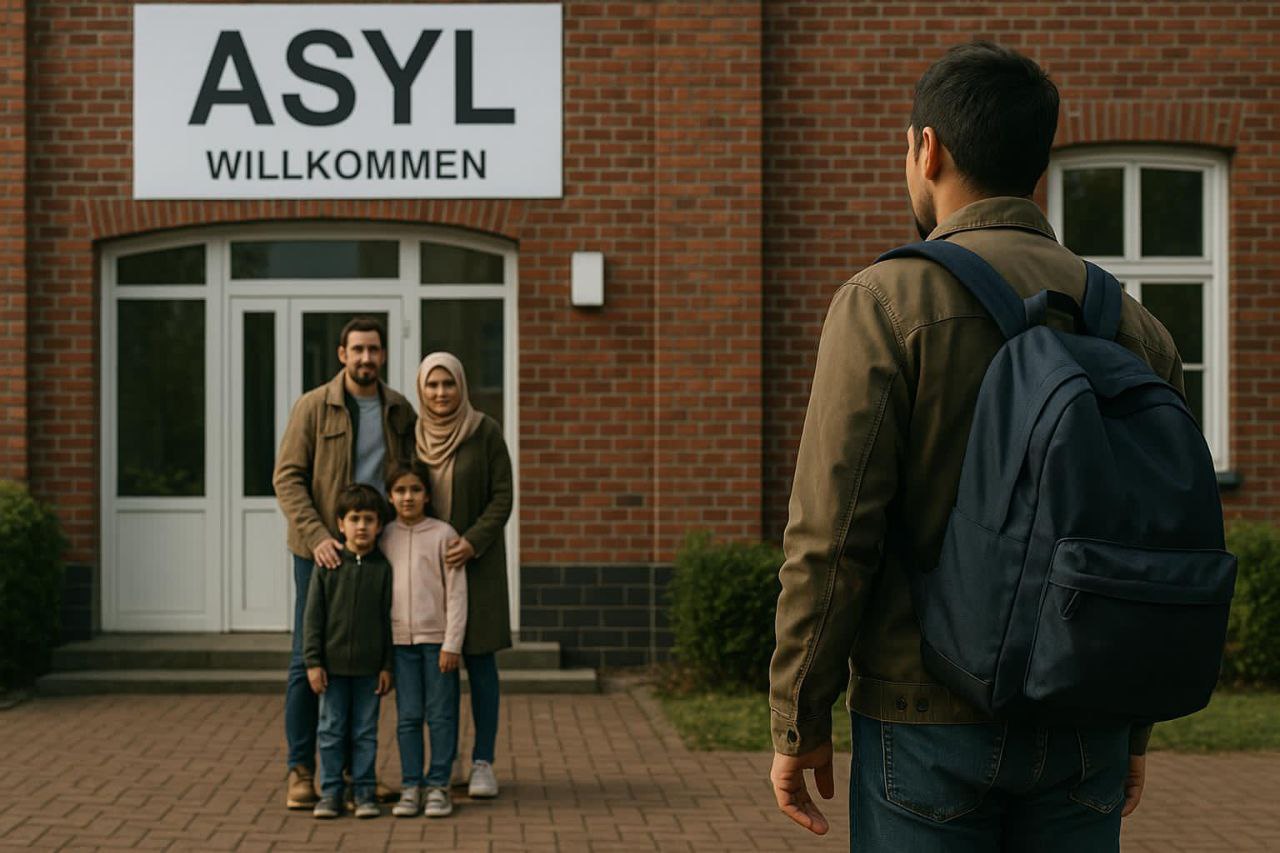
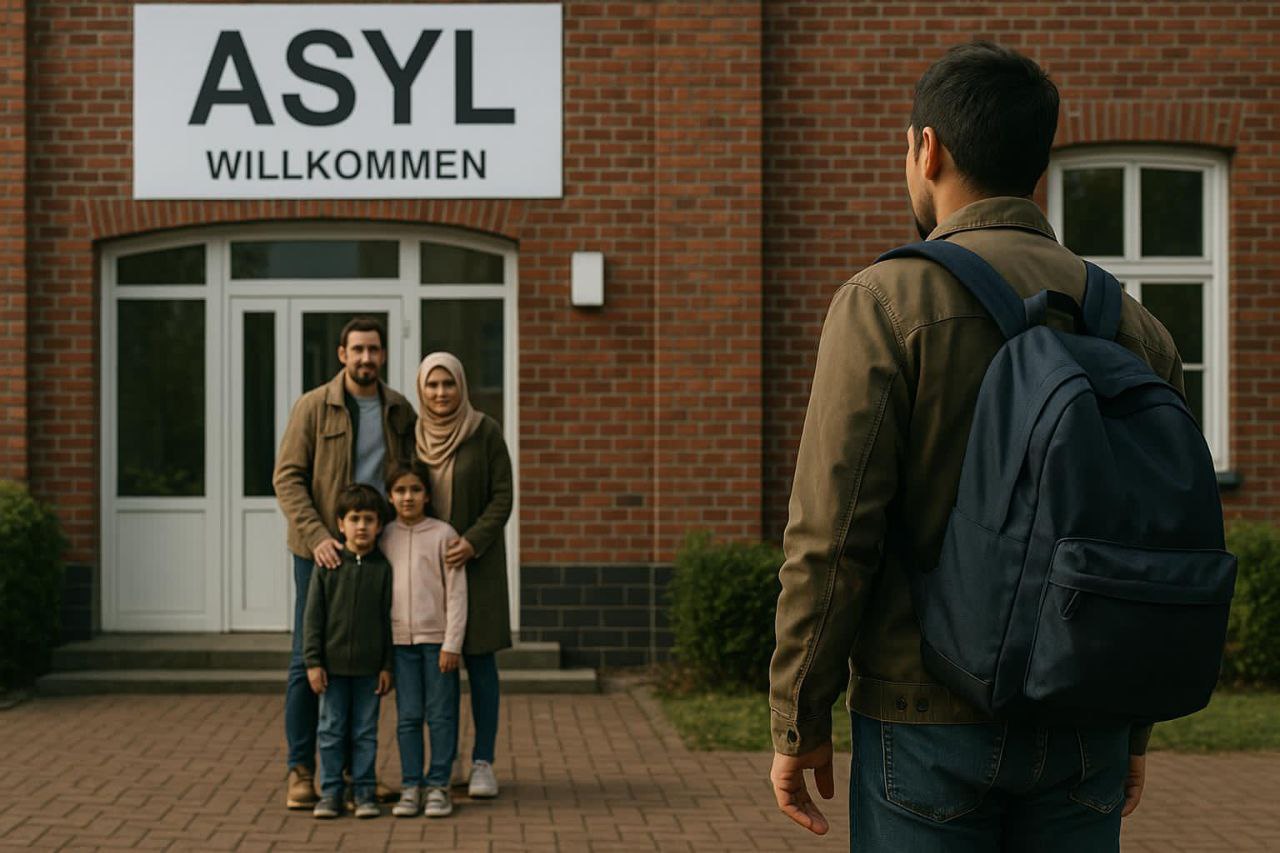
Subsidiary protection is a form of protection granted to individuals who cannot obtain refugee status or political asylum but who nevertheless face serious risks in their countries of origin. This protection aims to provide safety for people who are not personally persecuted, yet may be exposed to severe danger as a result of armed conflicts or grave human rights violations.
Conditions and requirements for subsidiary protection
Subsidiary protection is granted to individuals who are exposed to risks such as:
-
Wars and armed conflicts:
For example, armed conflicts that seriously endanger the lives of civilians. -
Serious human rights violations:
Such as torture, the death penalty, or inhuman and degrading treatment.
Duration of residence
Individuals who are recognised as beneficiaries of subsidiary protection receive a residence permit valid for one year.
If the situation in their country of origin does not improve, this permit can be extended for an additional two years. In some German federal states, an initial residence period of three years is granted, with the option of renewing it every three years depending on the circumstances.
Rights and entitlements
Beneficiaries of subsidiary protection enjoy a range of rights, including:
-
Access to work:
They are allowed to work. If they do not have a job, they may be entitled to unemployment benefits (Arbeitslosengeld II) or social assistance. -
Financial benefits:
They can receive child benefit (Kindergeld) and maternity-related benefits. -
Education:
They are allowed to attend German language and integration courses (Integrationskurse), which support their social and professional integration. -
Vocational training:
They may take part in educational and vocational training programmes (Berufsausbildung).
Important remarks
Although beneficiaries of subsidiary protection have extensive rights, their legal status is not equivalent to that of recognised refugees or individuals with full asylum rights.
They are also not eligible for the “refugee travel document” (GFP-Pass), which is reserved for persons recognised as refugees under the relevant conventions.
Conclusion
Subsidiary protection is an important option for people facing serious dangers in their countries of origin. It gives them the chance to live in safety and dignity in Germany. This form of protection can help stabilise those whose lives have been torn apart by war and severe human rights violations and reflects Germany’s commitment to upholding and protecting human rights.
The editorial team of our website strives to provide accurate information based on careful research and multiple sources. Nonetheless, errors may occur or some details may be incomplete. Please regard this article as an initial guide and always contact the competent authorities or specialised advisory services for binding and up-to-date information.