Login/Create Account


Title:
Resettlement in Germany
Introduction
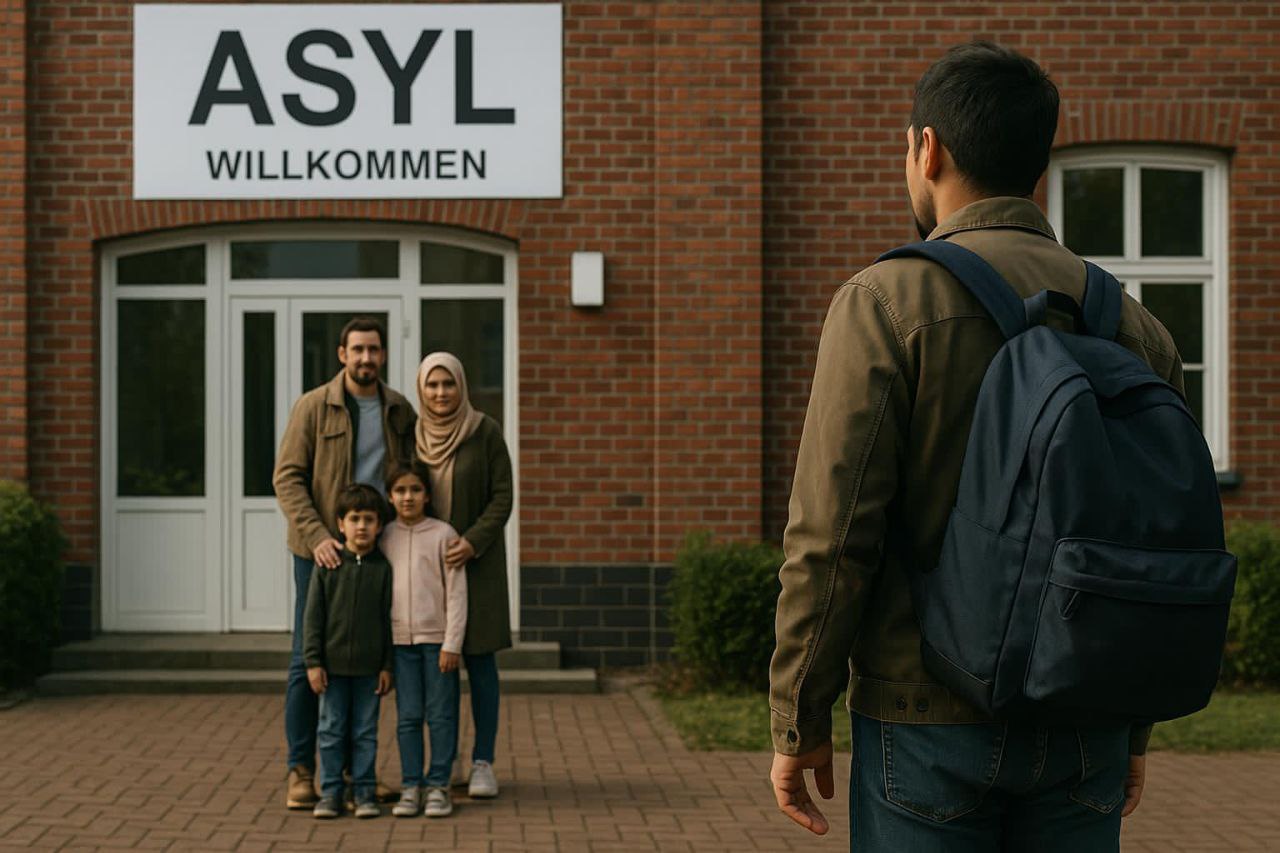
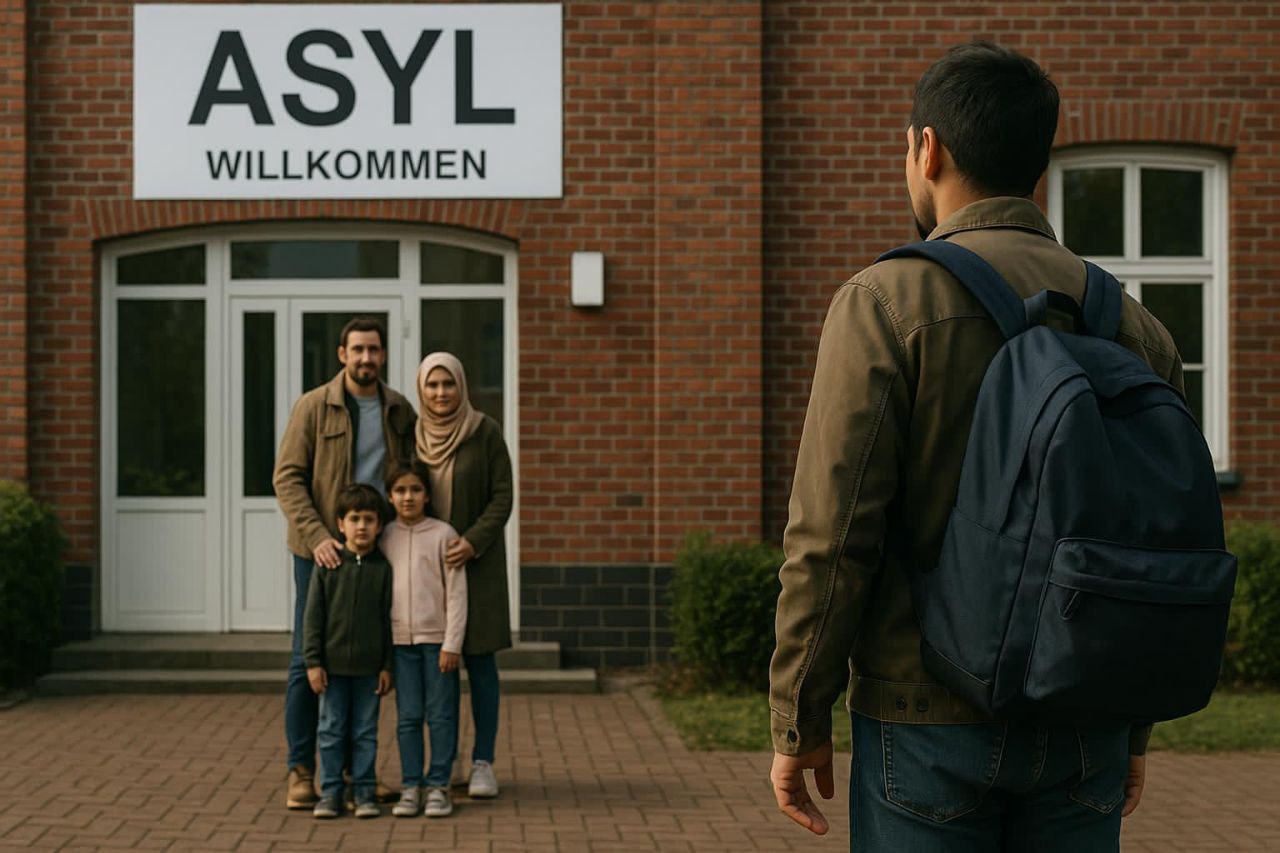
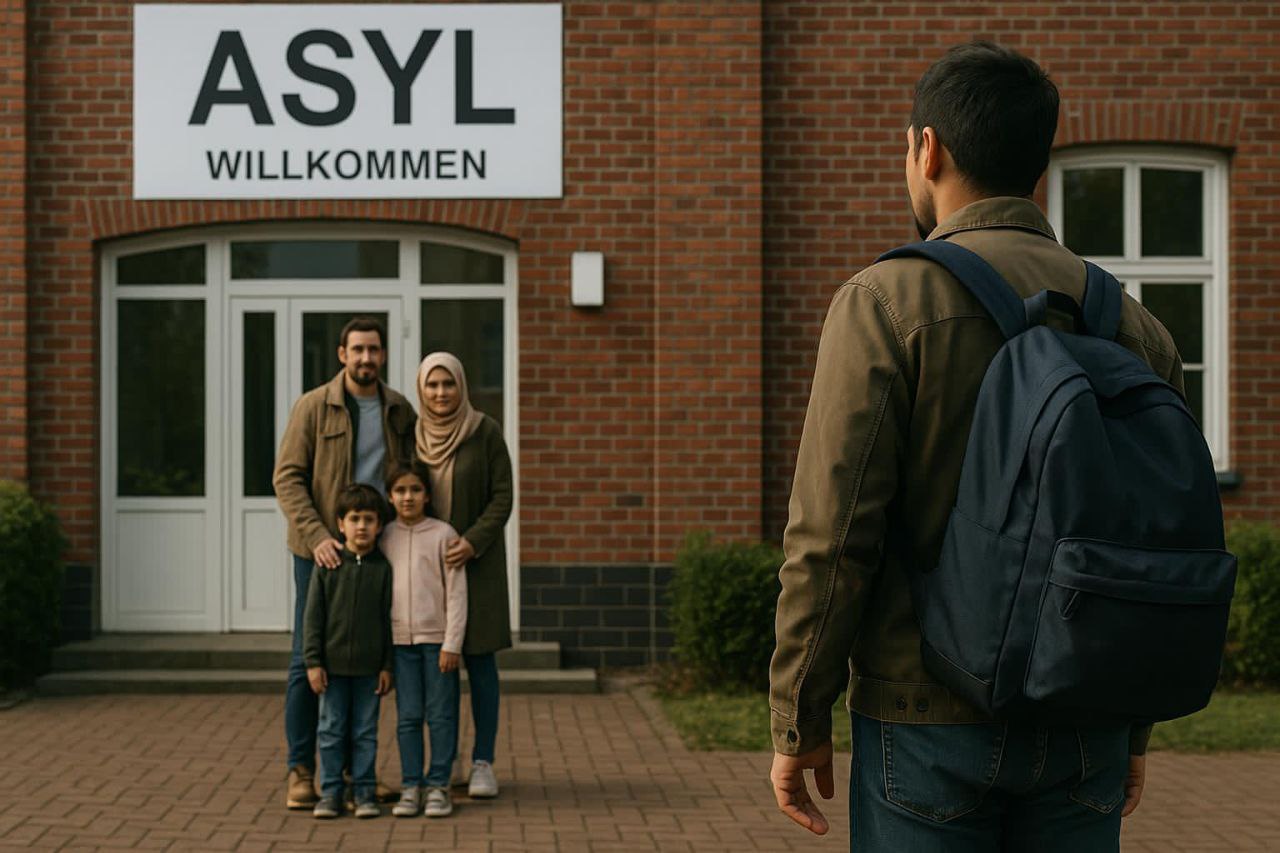
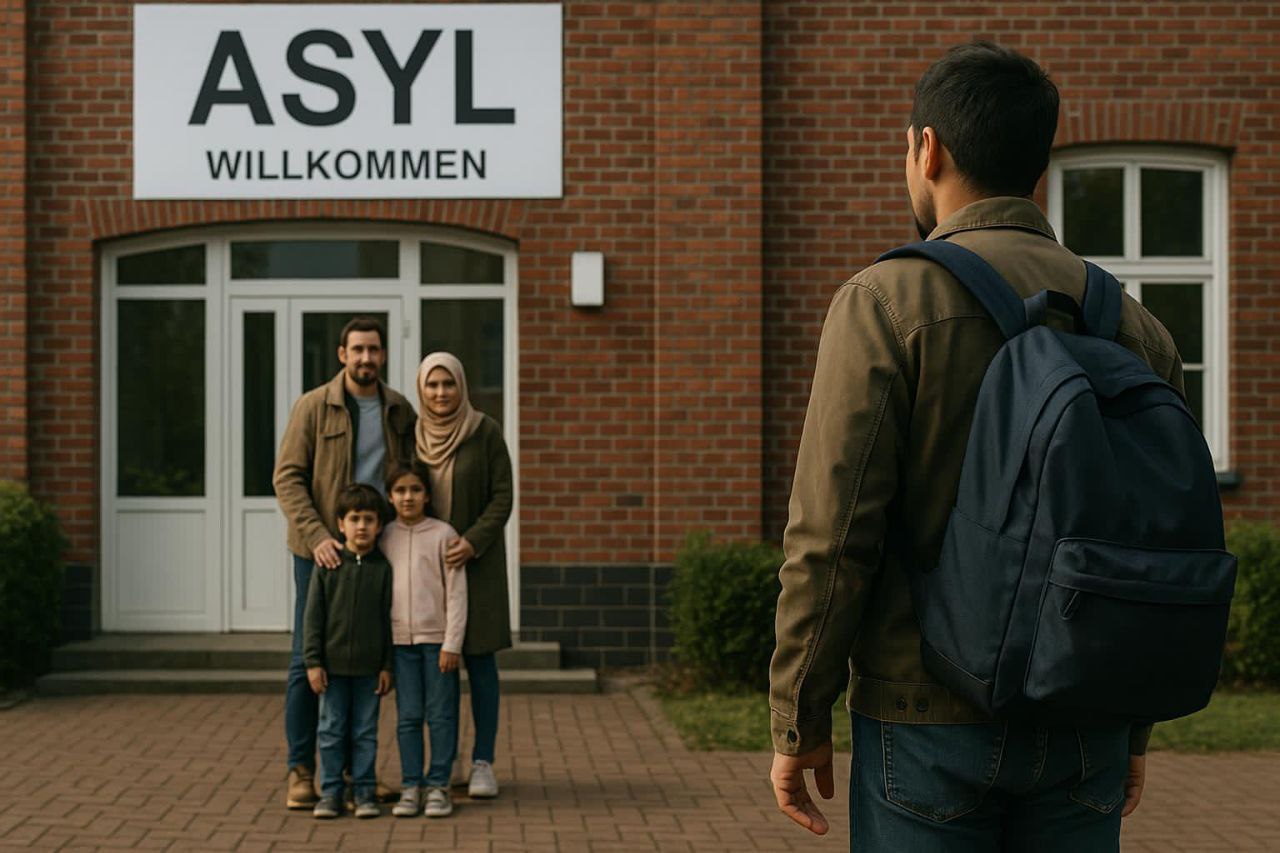
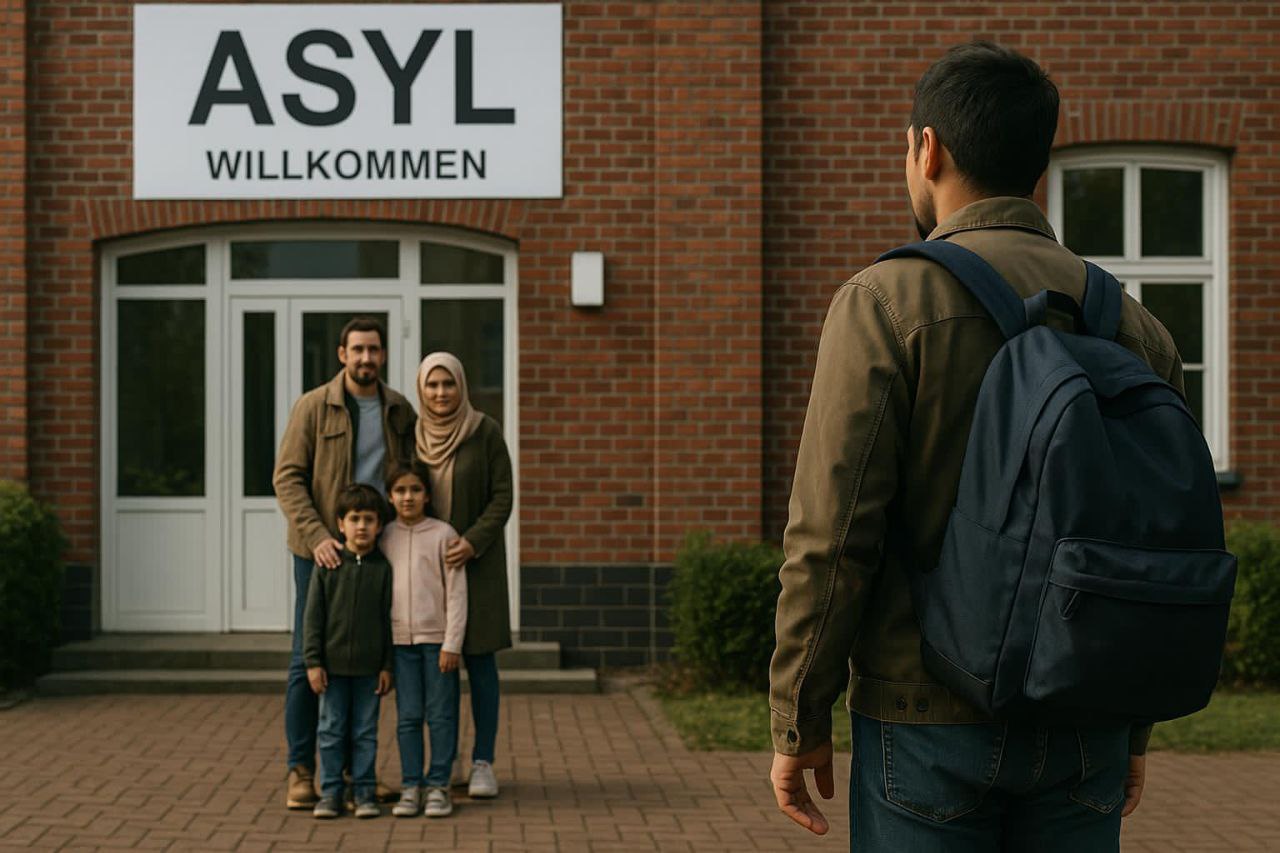
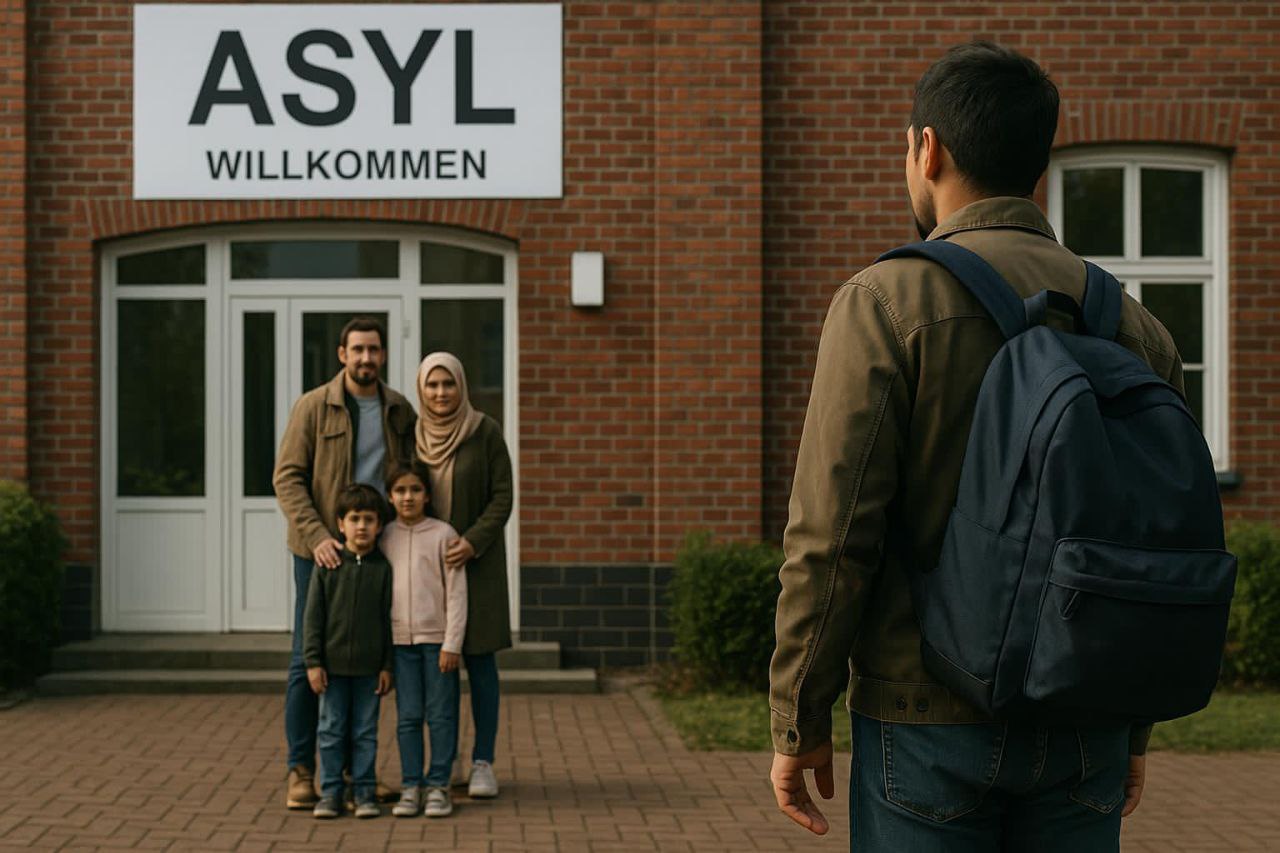
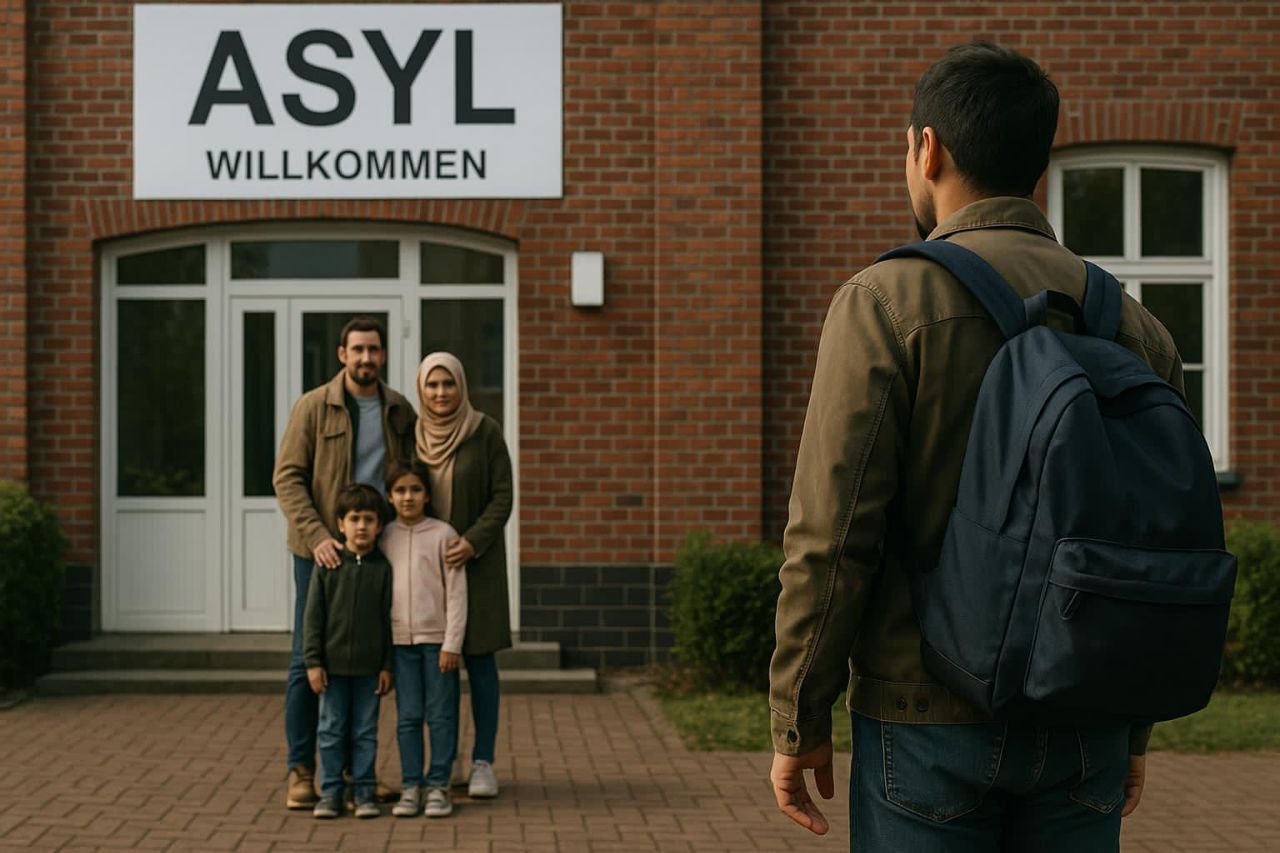
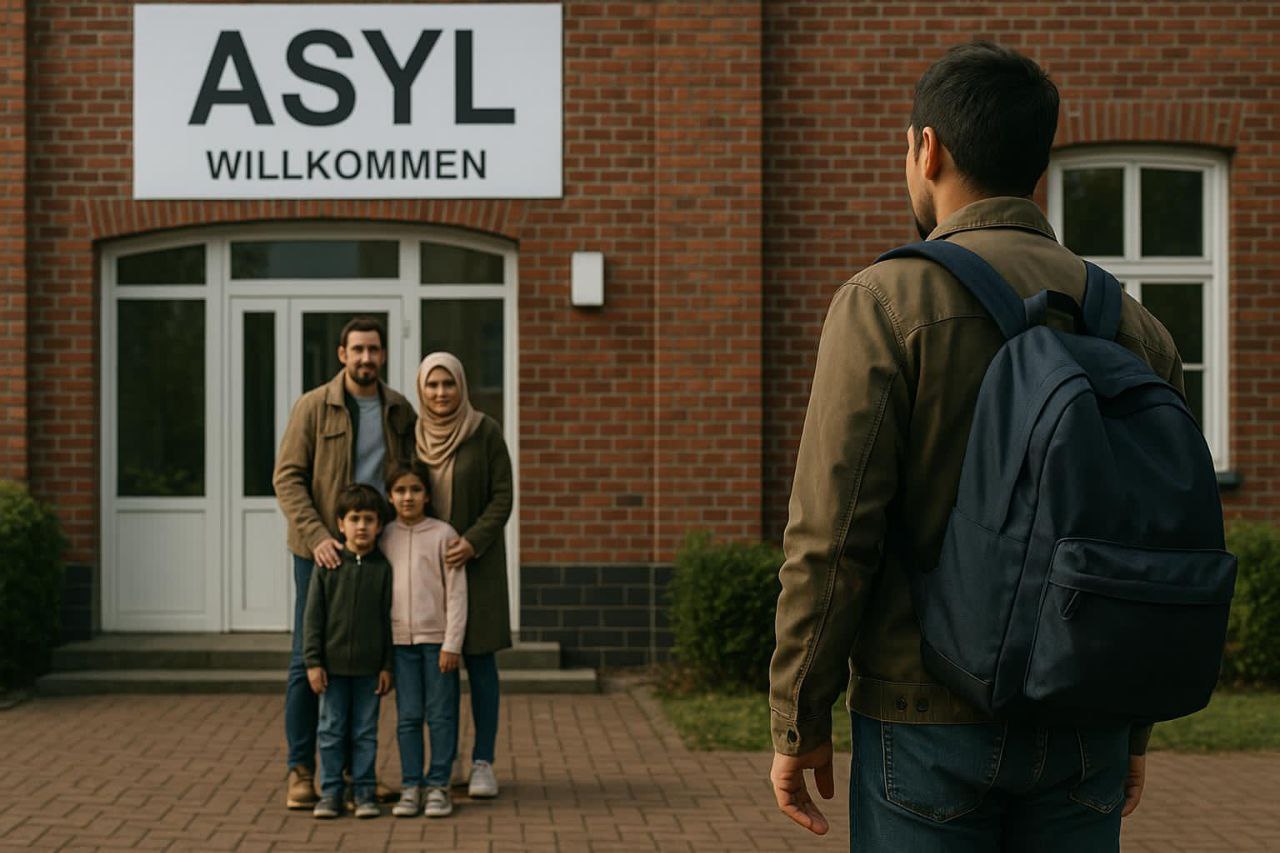
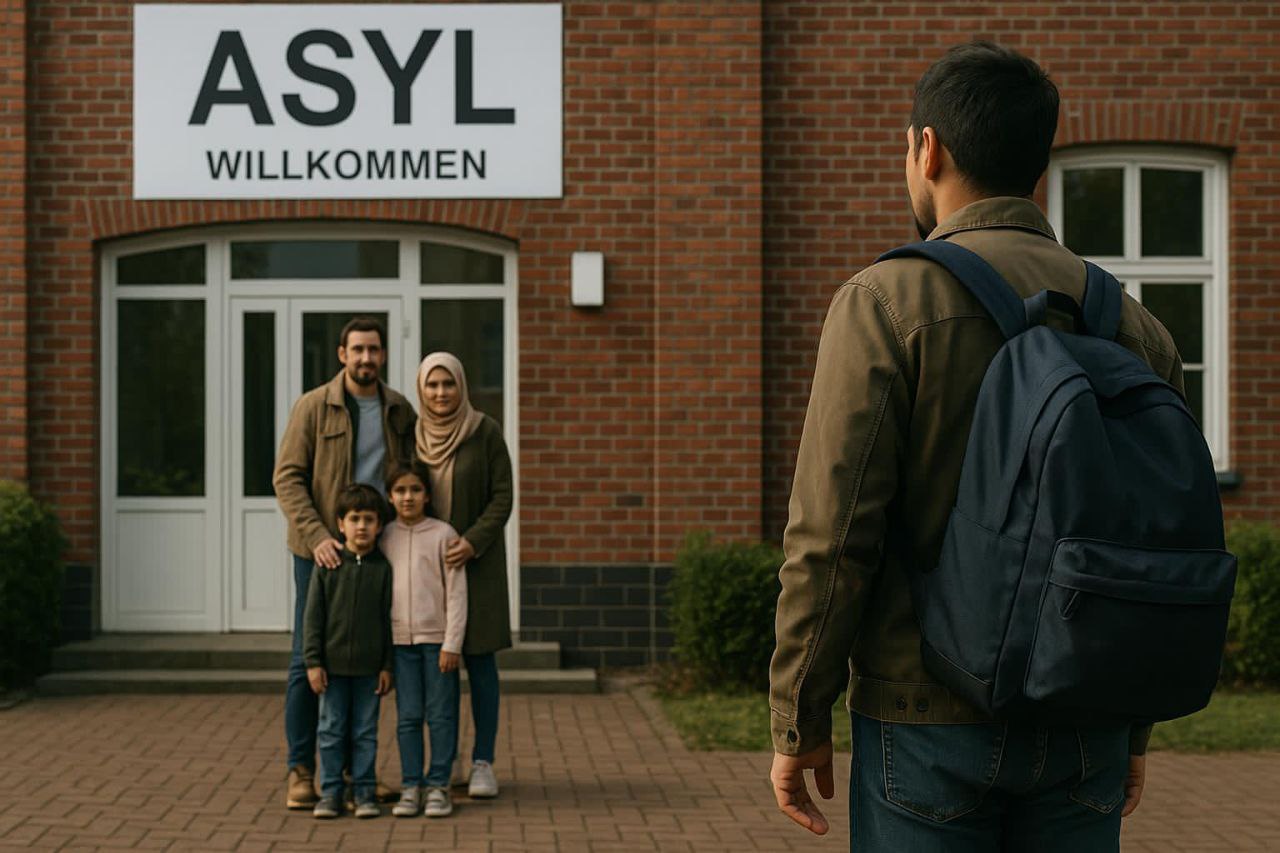
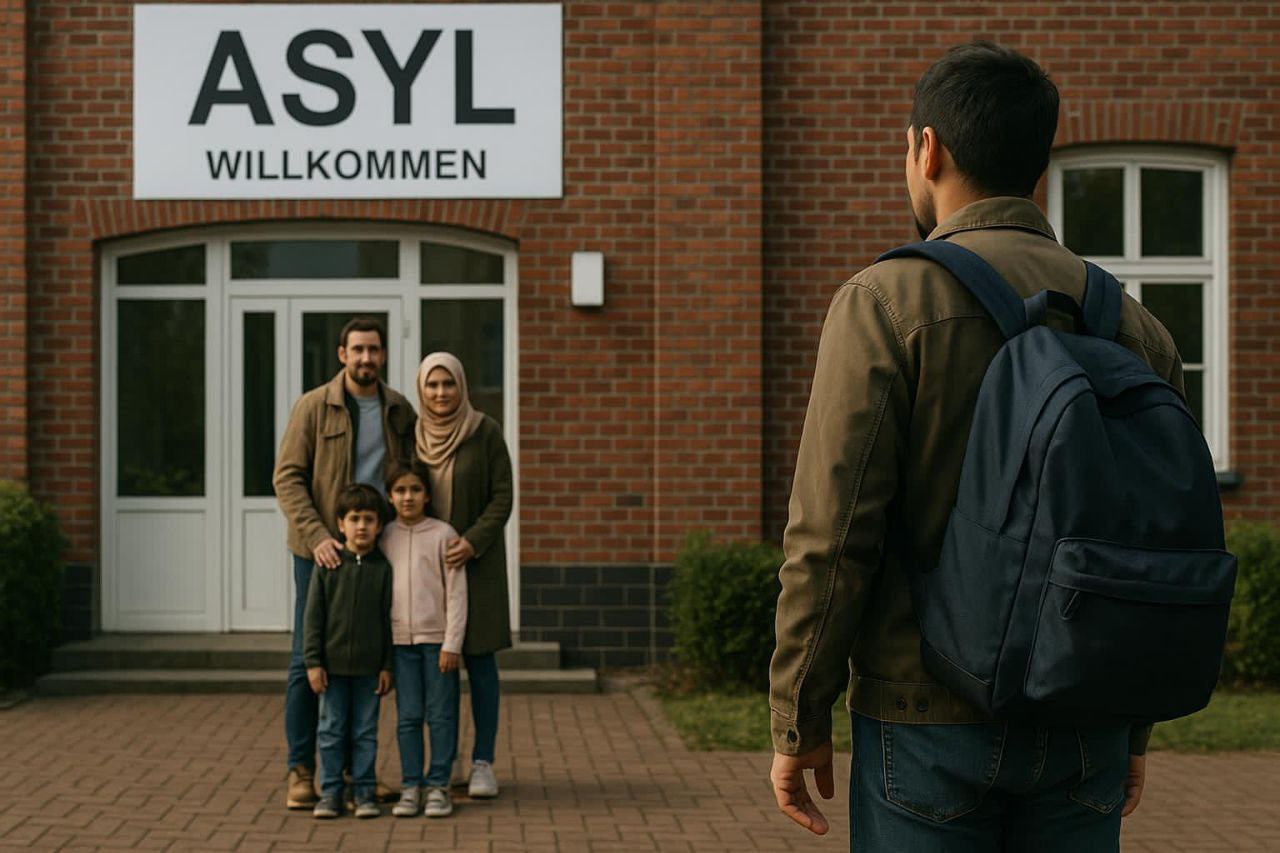
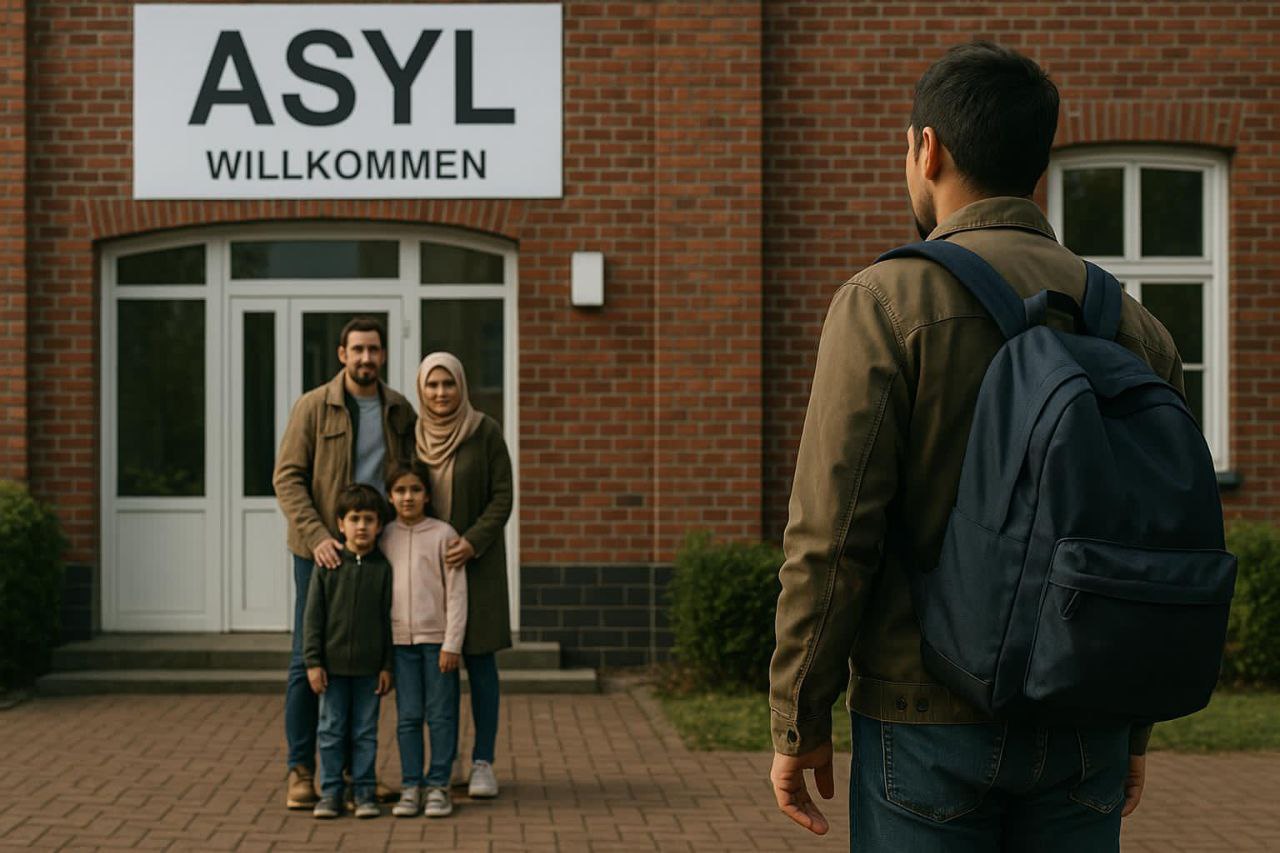
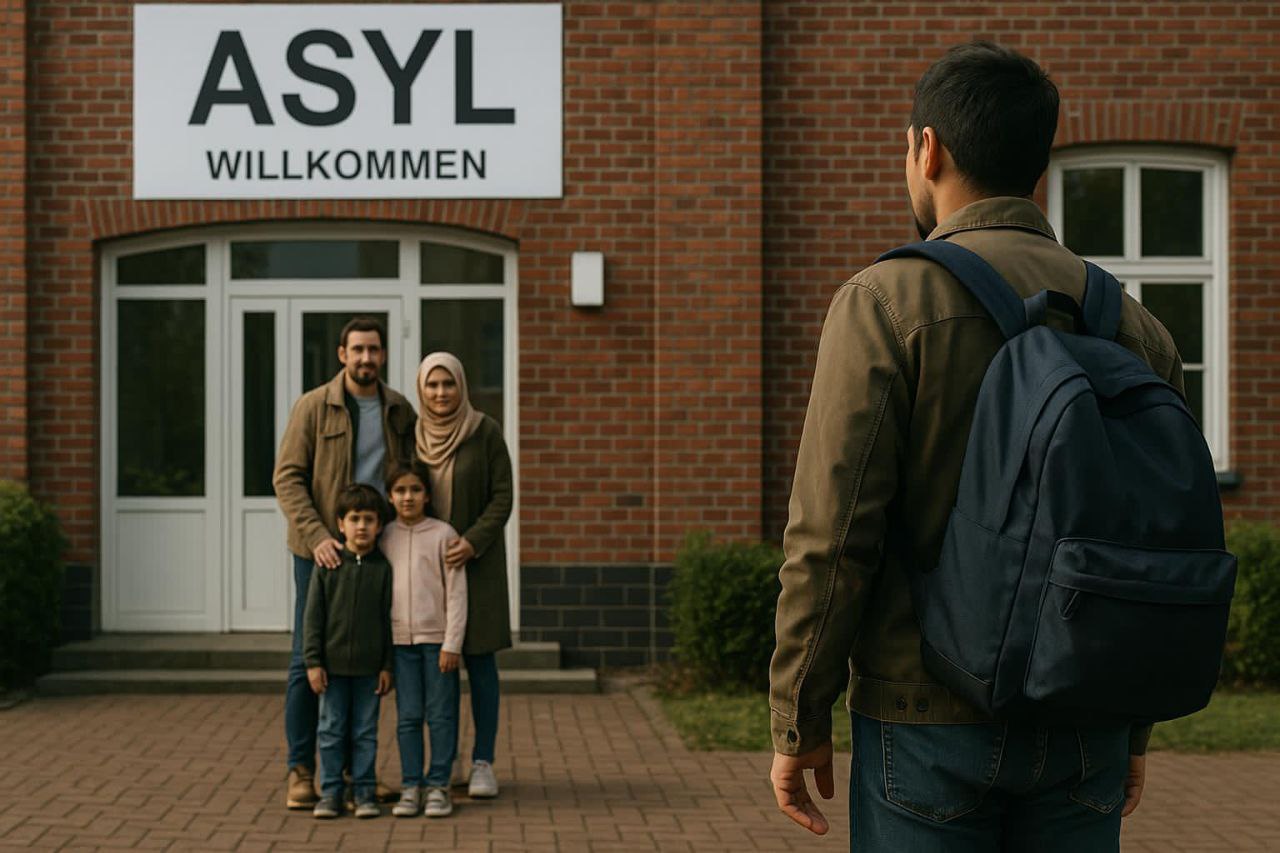
Resettlement (Neuansiedlung) is an essential mechanism for receiving refugees from third countries and offering them a new, permanent perspective on life. This process aims to support people who no longer have any realistic prospect of returning to their home country or integrating into the countries to which they initially fled. In light of the growing number of humanitarian crises worldwide, resettlement has become a crucial tool in international refugee protection.
Objectives of Resettlement
Germany, in cooperation with other countries, seeks to provide protection to refugees who are severely affected by crises such as war and violent conflict. The process is based on a careful assessment of protection needs, usually carried out by the United Nations High Commissioner for Refugees (UNHCR). The main goal is to offer a safe environment for people who face serious threats in their countries of origin or in their current host countries.
Procedure
Resettlement to Germany follows several defined steps:
1. Identification of need
UNHCR staff identify individuals whose humanitarian situation requires resettlement to a third country. This assessment takes into account both the conditions in the country of origin and the prospects in the current country of refuge.
2. Selection of individuals
After identifying those in need, UNHCR compiles lists of candidates suitable for resettlement. These lists are then sent to the Federal Office for Migration and Refugees (BAMF) in Germany for further examination.
3. Approval
BAMF reviews the cases submitted by UNHCR and evaluates whether the proposed individuals can be admitted to Germany. Legal requirements, security considerations and integration prospects are all taken into account. If the decision is positive, the resettlement process and the transfer to Germany are prepared.
Selection criteria
To ensure that resettlement is fair and effective, several criteria are used, including:
-
Family unity:
Priority is often given to family members who wish to be reunited. -
Social ties:
Family or social connections in Germany or other EU countries can facilitate integration and are therefore considered positively. -
Integration potential:
Educational background, professional experience and language skills play a role in assessing a person’s chances of successful integration. -
Need for protection:
Priority is generally given to particularly vulnerable groups such as women, children, elderly people, single parents and persons with disabilities.
Challenges
Resettlement programmes face a number of challenges. These include political and social debates in the receiving countries, as well as practical questions regarding housing, healthcare, education and long-term integration. States must strike a balance between providing international protection and maintaining security and stability within their own societies.
A coordinated and solidarity-based approach among European countries in sharing responsibility for refugees is crucial for the long-term success of resettlement schemes.
Conclusion
Resettlement is one of the key instruments for protecting individuals affected by serious humanitarian crises. By working closely with UNHCR, Germany helps to provide safety, support and a long-term perspective for particularly vulnerable refugees. In doing so, it offers them the opportunity to start a new life in a safe environment and to build a future as part of their new society.
The editorial team of our website strives to provide accurate information based on careful research and the evaluation of various sources. Nevertheless, errors may occur or some details may be incomplete. Please regard this article as an initial guide and always contact the competent authorities or specialised counselling centres for binding and up-to-date information.