Sprachförderung in Germany: Language Support for Children Who Do Not Speak German
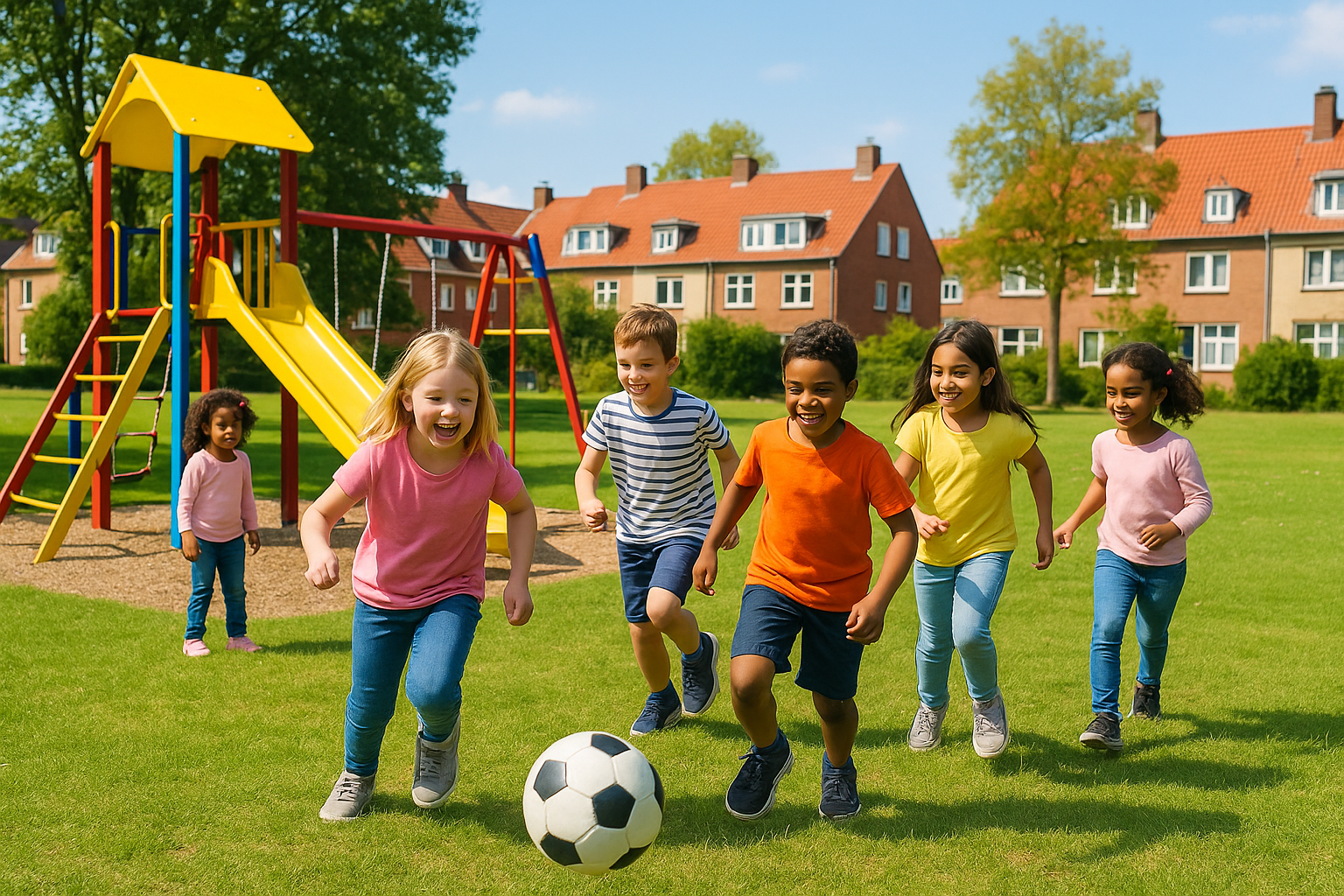
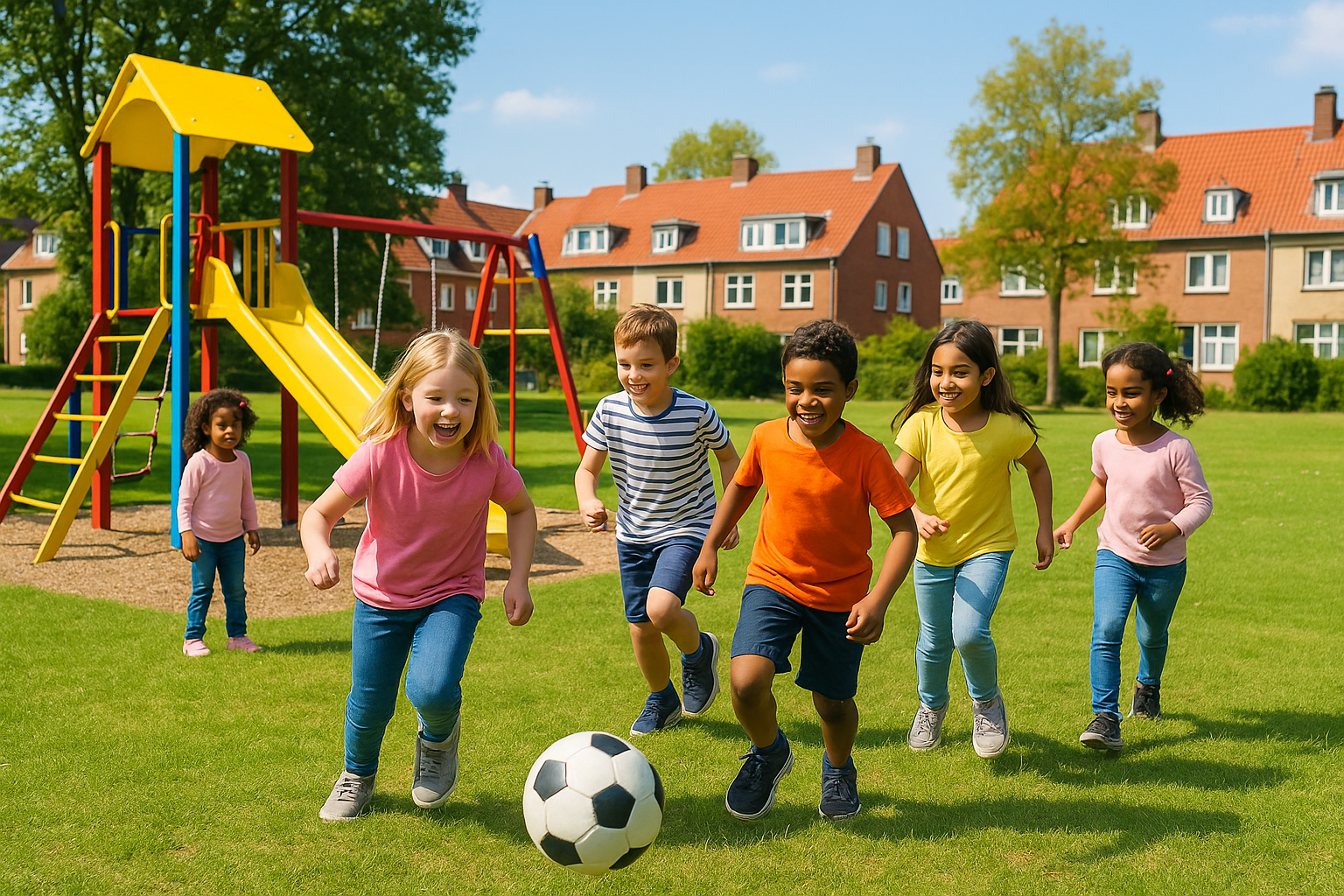
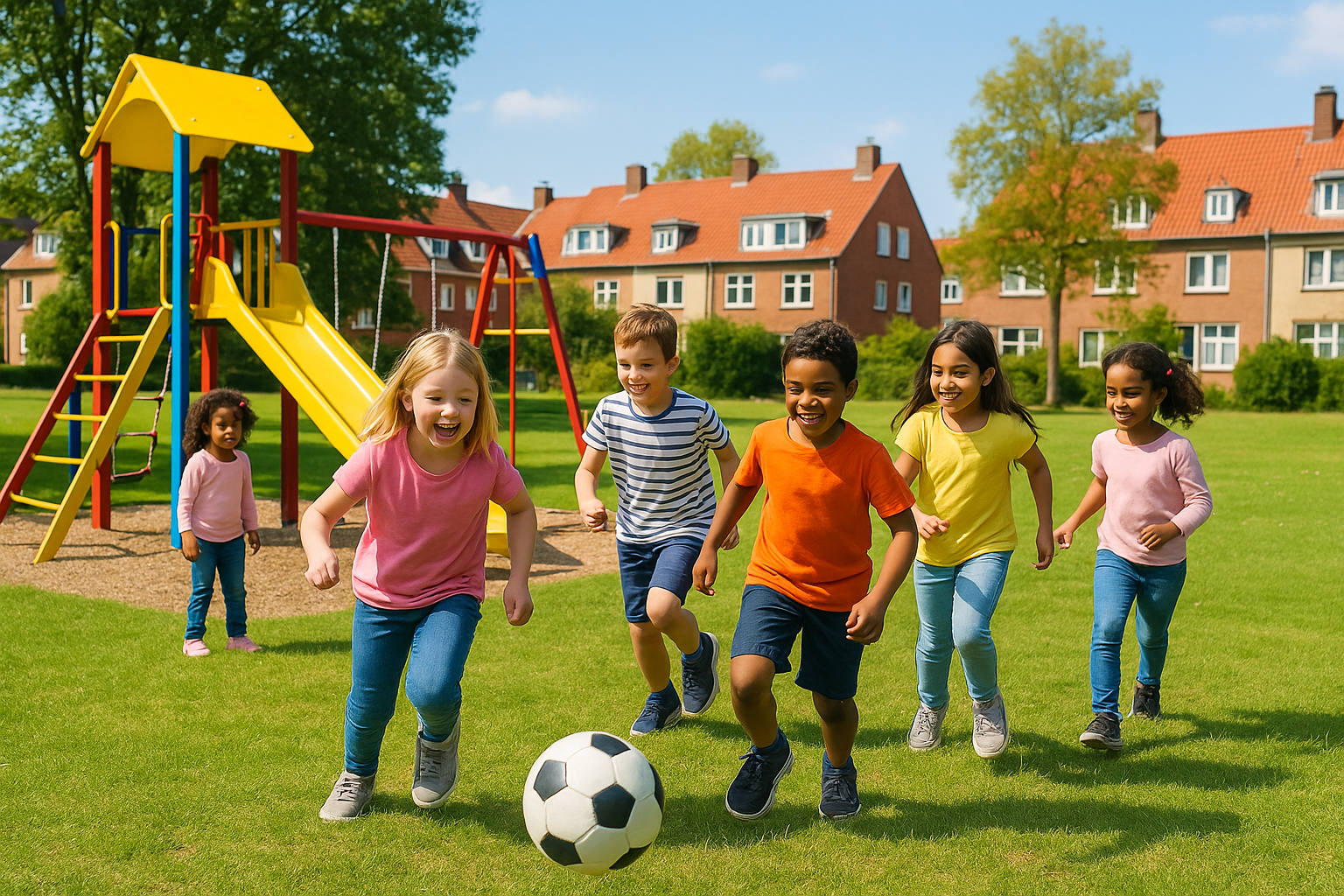
In Germany, children who do not (yet) speak German receive special language support known as “Sprachförderung” (language promotion).
The aim is to help them integrate into the educational system and social life, both before starting primary school (Grundschule) and during their school years.
Stage – Type of support
In kindergarten (Kita)
Early language support through play, songs, stories and everyday activities.
Pre-school stage (Vorschule)
More focused programmes such as Sprach-Vorkurse (pre-school language courses).
In primary school (Grundschule)
Additional language support lessons alongside the regular curriculum.
Yes. In most federal states, a mandatory language assessment is carried out before school entry, often called:
Sprachstandsfeststellung – assessment of the child’s German language level
It usually takes place around the age of four.
If the assessment shows a need for support, the child is usually obliged or strongly recommended to attend a pre-school language support programme for one to two years.
Example in Berlin or Hamburg:
Tests such as Seldak or LiSe-DaZ are used.
Afterwards, parents are asked to enrol their child in a Sprachförderkurs or in a Kita with a strong language support profile.
Form – Content
Language support in Kita
Language is promoted through play, storytelling, songs, group activities and daily conversations.
Sprachförderklassen (language support classes)
Special classes or groups at primary schools, especially for newly arrived children.
Vorkurse (pre-courses)
Preparatory language courses before school starts, often in the last year of kindergarten or in special pre-school groups.
DaZ-Unterricht (“Deutsch als Zweitsprache” – German as a second language)
Additional German lessons as part of the timetable, focusing on building up German as a second language.
Digital tools
Learning apps, interactive games and online programmes (sometimes multilingual) to make learning German more engaging.
Yes. Language support for children is fully free of charge, including:
participation in courses and special classes
learning materials and books
sometimes transportation costs as well, depending on the federal state and municipality.
A mandatory language assessment (Sprachstandstest) via the Kita or the Jugendamt (youth welfare office).
A recommendation or obligation to take part in early language support.
Enrolment in a suitable programme such as a Sprach-Kita, Vorschulgruppe or a dedicated Sprachkurs.
Continuation of support after transition to Grundschule, e.g. via DaZ lessons or extra language support sessions.
Easier transition into primary school (Grundschule).
Improved social and communication skills with peers and teachers.
Less embarrassment and stronger self-confidence.
Better long-term educational outcomes, especially in reading, writing and classroom participation.
Some federal states, such as Hamburg, Bavaria and Berlin, require children who do not speak German sufficiently to attend a Kita for at least one year before starting school, to ensure that they receive adequate language support beforehand.
The editorial team strives to provide accurate information based on thorough research and multiple sources. However, errors or incomplete information may still occur. The information in this article should therefore be considered a first point of orientation. For binding and up-to-date details, please always contact the relevant authorities (e.g. Jugendamt, school administration or municipality) or the educational institutions directly.