Login/Create Account


Residence Stamp D+C in Passport: Meaning and Validity in Schengen Area
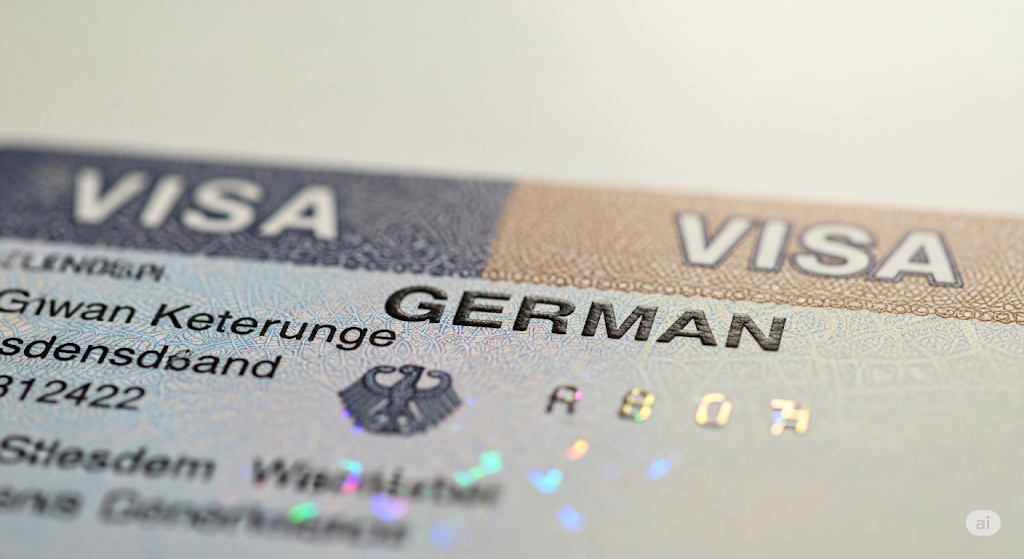
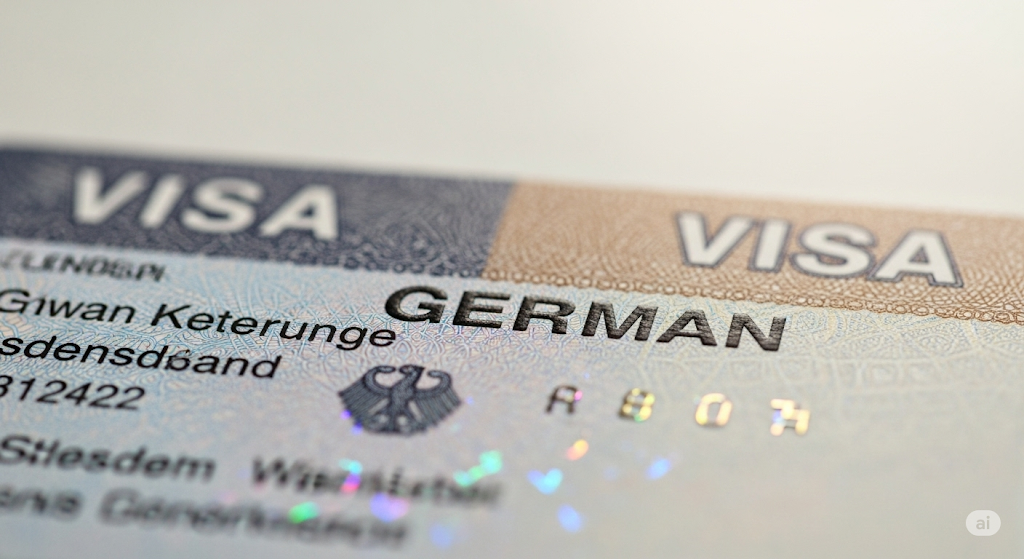
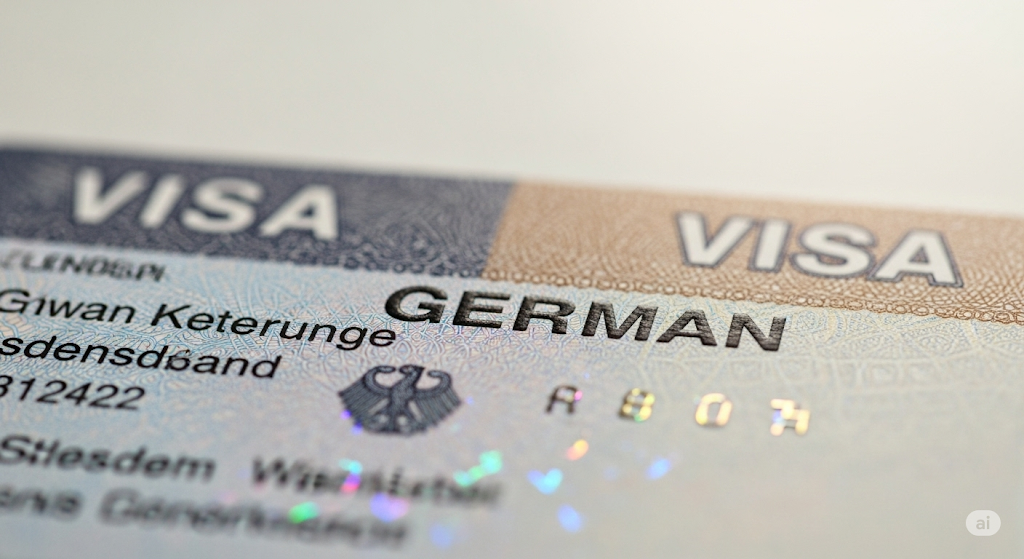
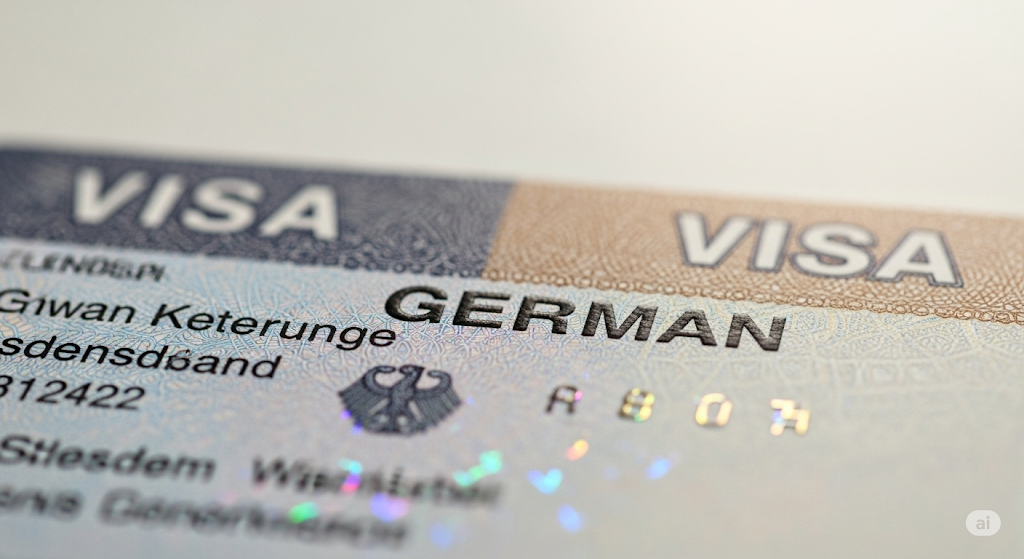
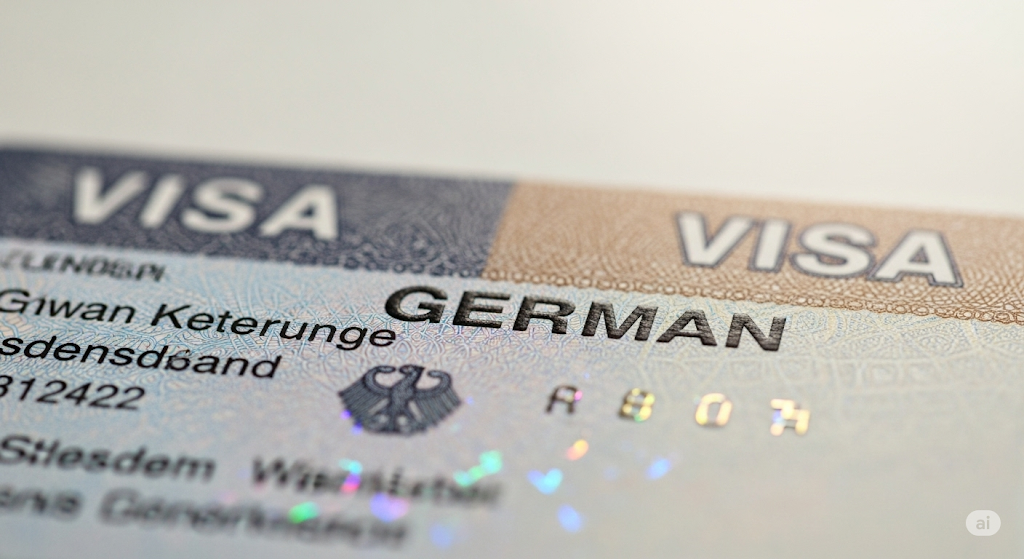
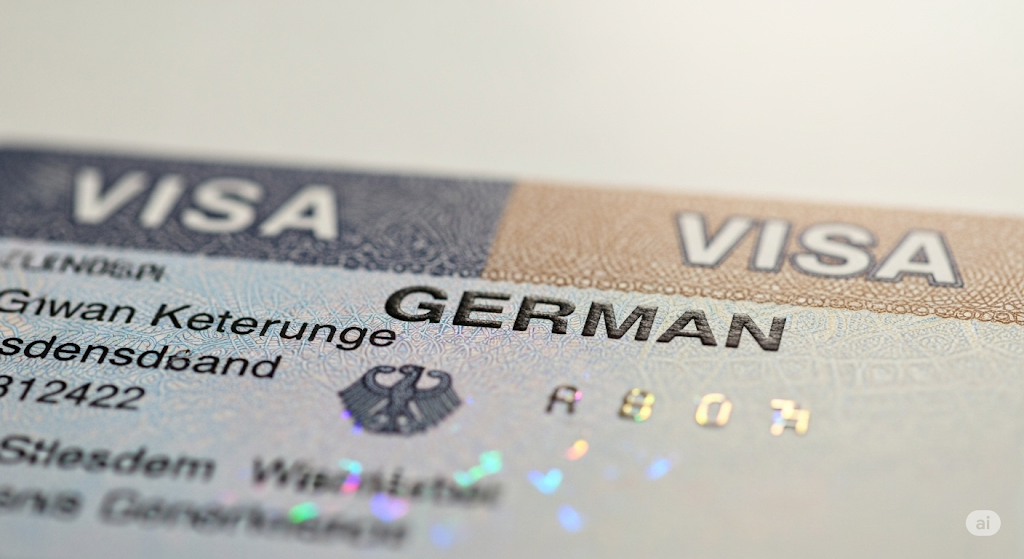
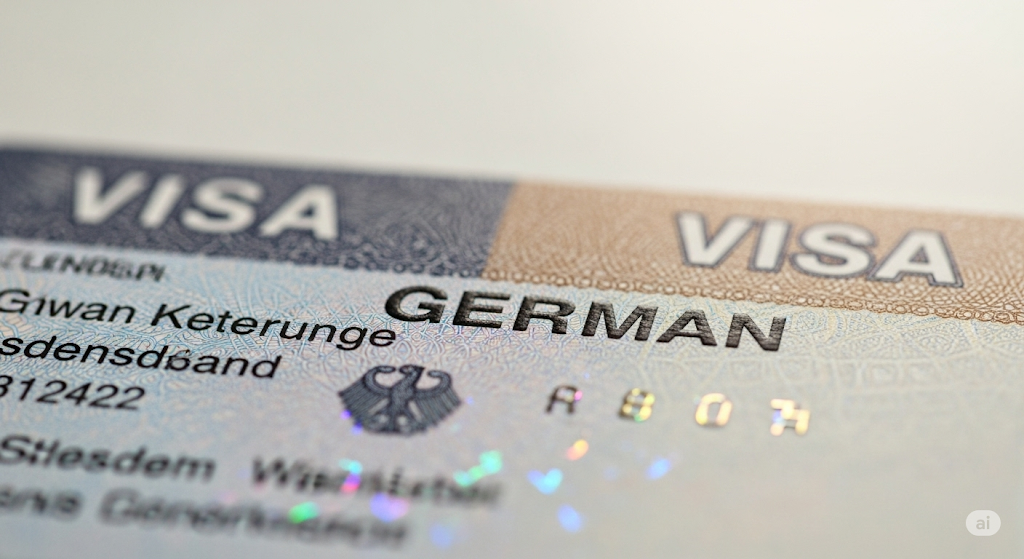
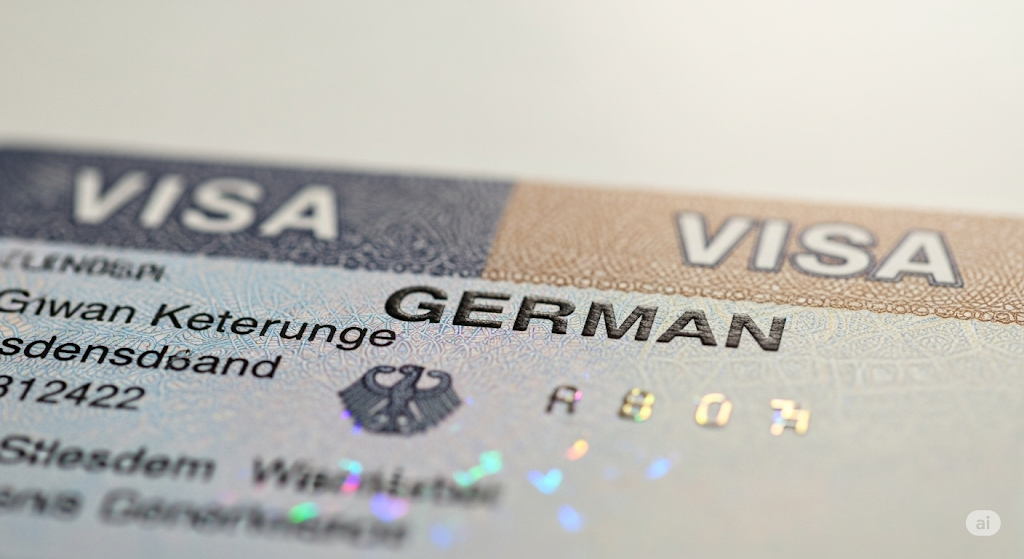
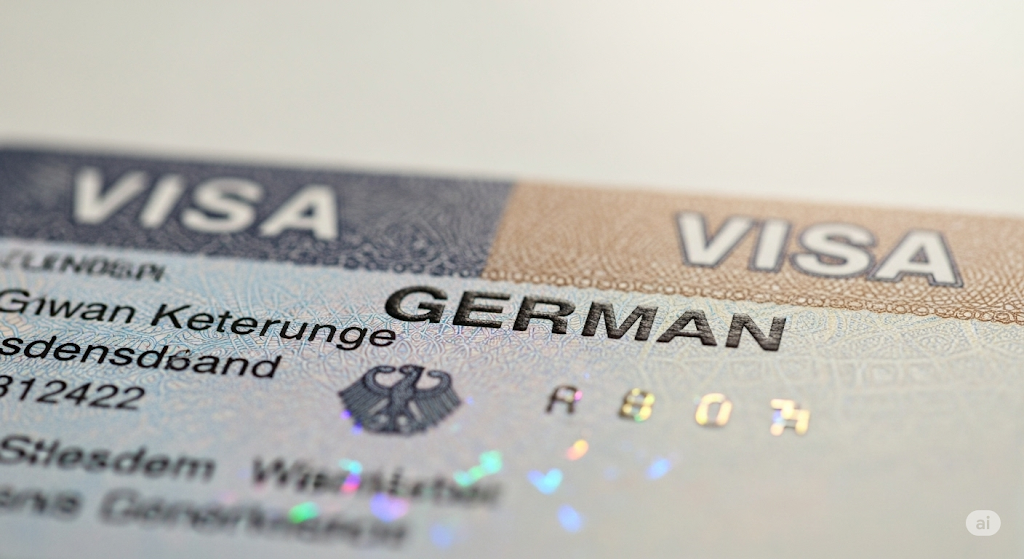
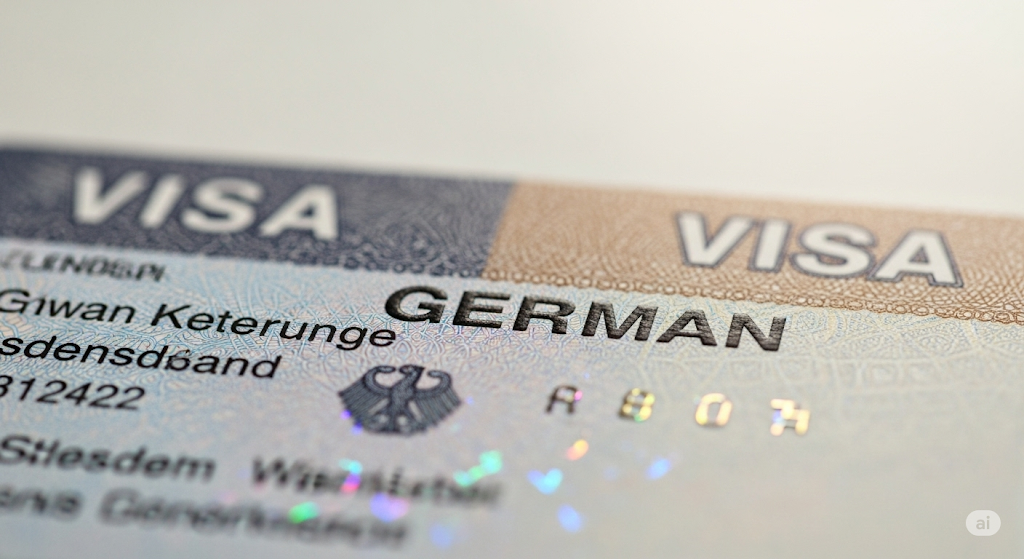
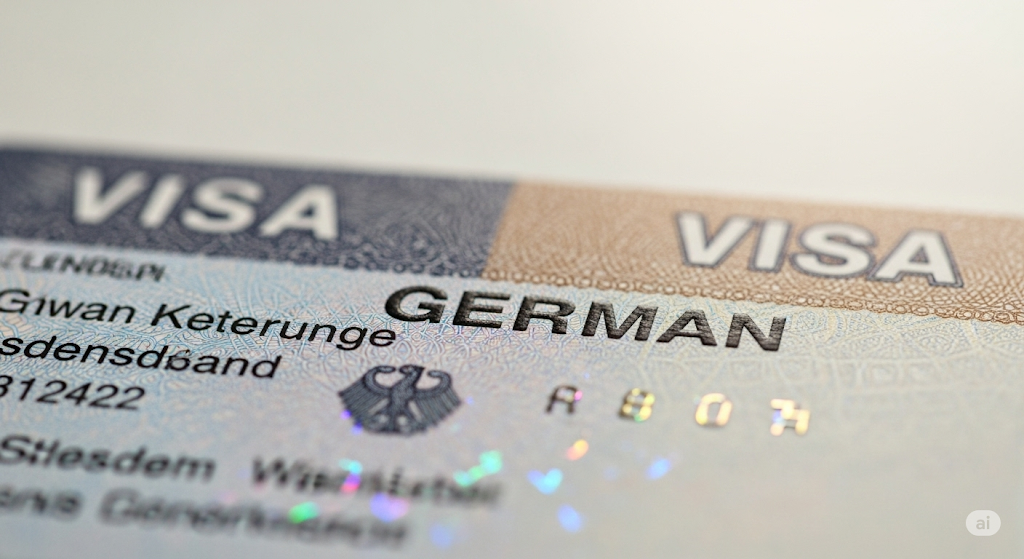
When you receive a German visa or residence permit, you may see a stamp marked D+C in your passport. This is not a routine mark but defines your freedom of movement in Schengen, different from standard C or D visas.
Meaning of D+C
-
D: National long-term visa (Type D), usually over 90 days, for study, work, or family reunification.
-
C: Additional right to short-term travel in other Schengen states – up to 90 days within 180 days.
D+C means: You can legally reside in Germany long-term and also travel freely to other Schengen states for up to 90 days in 180 days.
Schengen States
Currently 27 countries, including Germany, France, Italy, Spain, Austria, Belgium, Netherlands, Sweden, Denmark, Poland, etc. Switzerland, Norway, and Iceland are also included though not EU members.
Non-Schengen countries like UK, Ireland, or Romania are not covered by “C”.
Travel with D+C
-
No extra visa needed for France or Italy if residence permit is valid and 90-day rule respected.
-
Free travel between Schengen states; at checks, show passport and residence permit.
Restrictions
-
Exceeding 90 days in another Schengen country.
-
Traveling for purposes not covered (e.g., working in France without permit).
-
Expired residence card or passport.
-
Security alert in Schengen Information System (SIS).
Renewal Note
With a Fiktionsbescheinigung (temporary document during renewal), travel abroad is not allowed – valid only inside Germany.
Conclusion: The D+C stamp grants extended travel rights in Schengen, provided you respect the rules.