

 Login/Create Account


Electronic ID Card (eID) for Holders of Permanent Residence in Germany
The electronic ID card (Elektronischer Personalausweis – eID) represents a major step forward in Germany’s identity system. It is used as a modern digital tool for secure identification and for accessing government and online services easily and safely. For people who hold permanent residence (Niederlassungserlaubnis) in Germany, having access to electronic identity functions has become an important element in making everyday digital life more convenient.
What is the electronic ID card (eID)?
The electronic ID card is a plastic card in credit-card format, similar in size to the traditional ID card. It contains an embedded smart chip that securely stores the holder’s identity data.
Through this chip, the online ID function (Online-Ausweisfunktion / eID function) can be used. It allows secure online identification and enables access to various digital services, such as:
-
Applying for electronic government services (tax administration, health insurance, foreigners’ offices, etc.)
-
Using electronic signatures for documents
-
Secure login to online bank accounts and other digital services
-
Providing official proof of identity in digital procedures
Who can obtain and use the eID?
-
German citizens usually receive an ID card with eID function from the age of 16 onwards.
-
Holders of a permanent residence permit (Niederlassungserlaubnis) who possess a German electronic ID document can activate and use the eID function.
-
Non-German nationals who hold an electronic residence permit (elektronischer Aufenthaltstitel – eAT) or an electronic travel document may be able to use similar online identification functions, depending on the type and technical features of their document.
Electronic ID and electronic residence permit (eAT) for permanent residents
-
As a rule, holders of a permanent residence permit do not receive a German national ID card, unless they also have German citizenship.
-
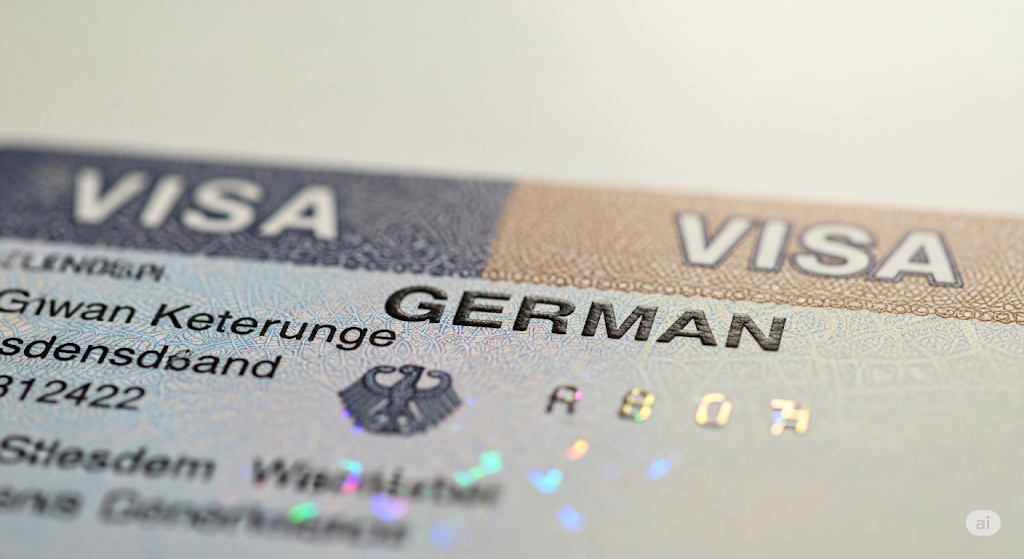
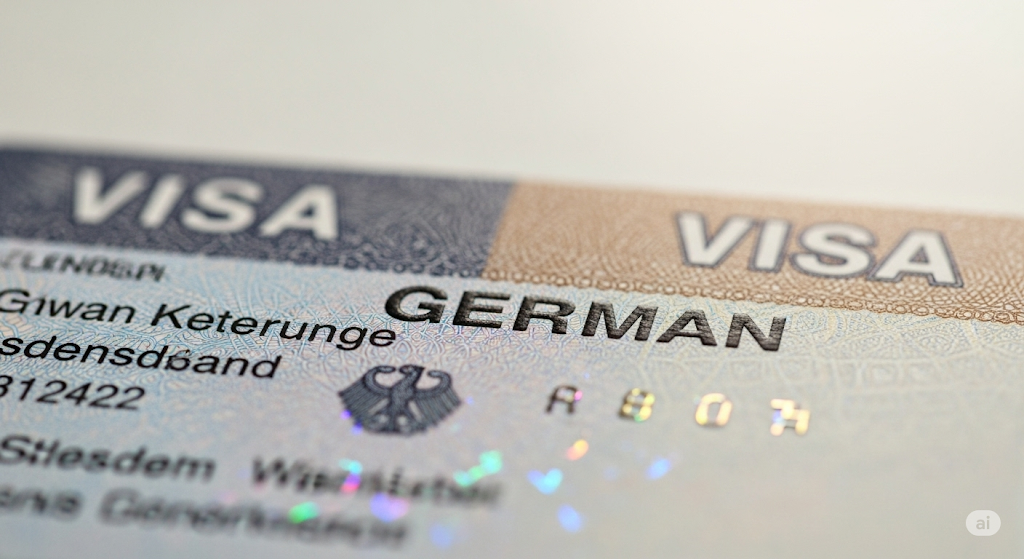
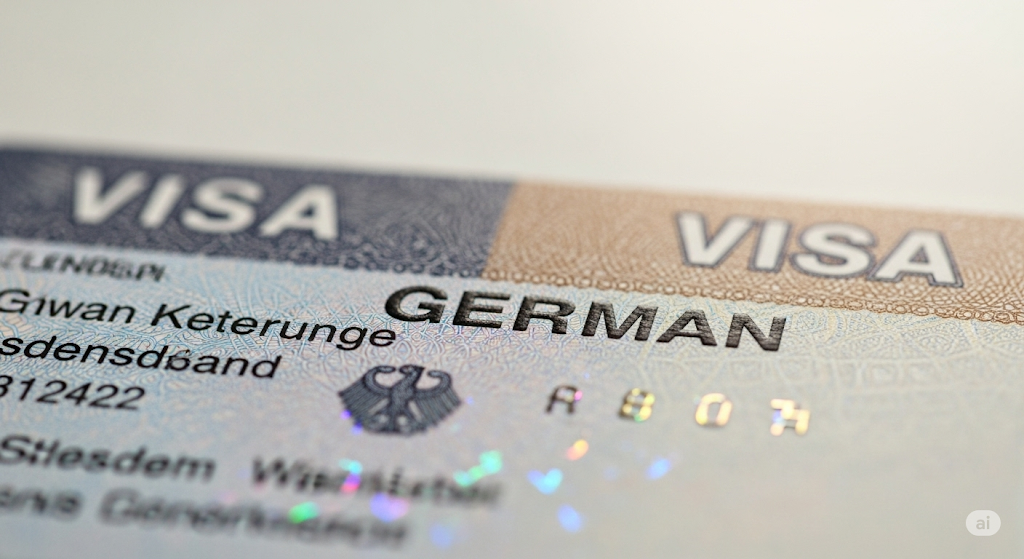
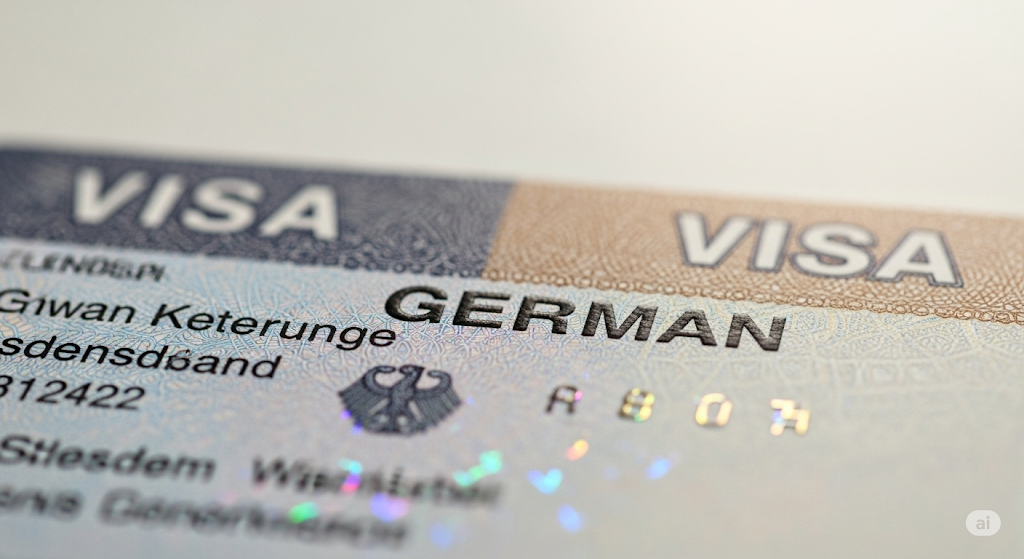
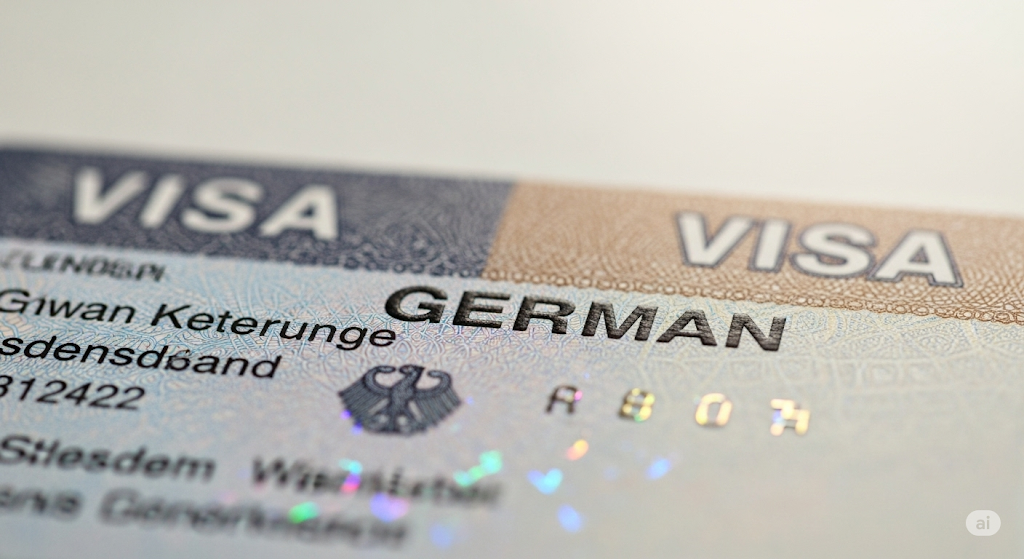
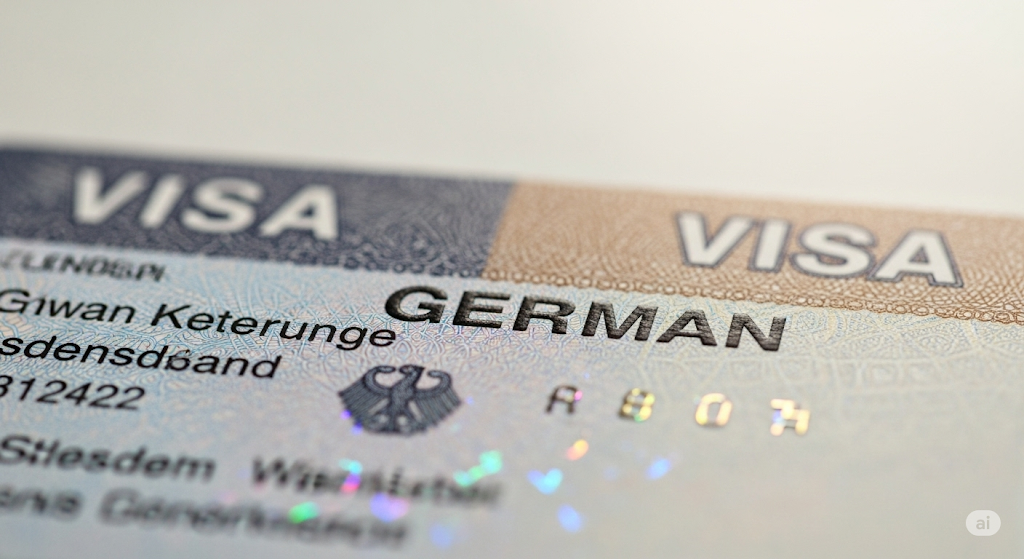
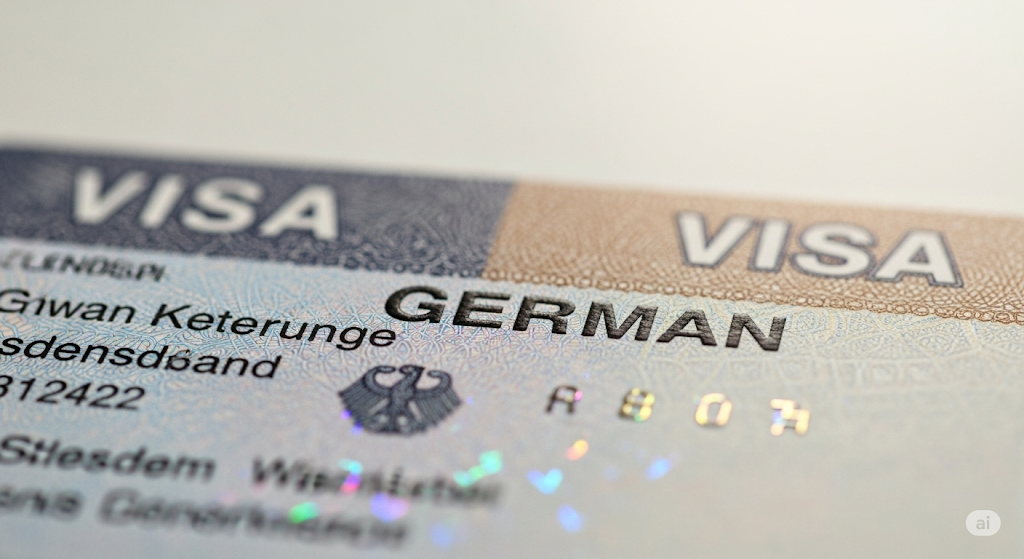
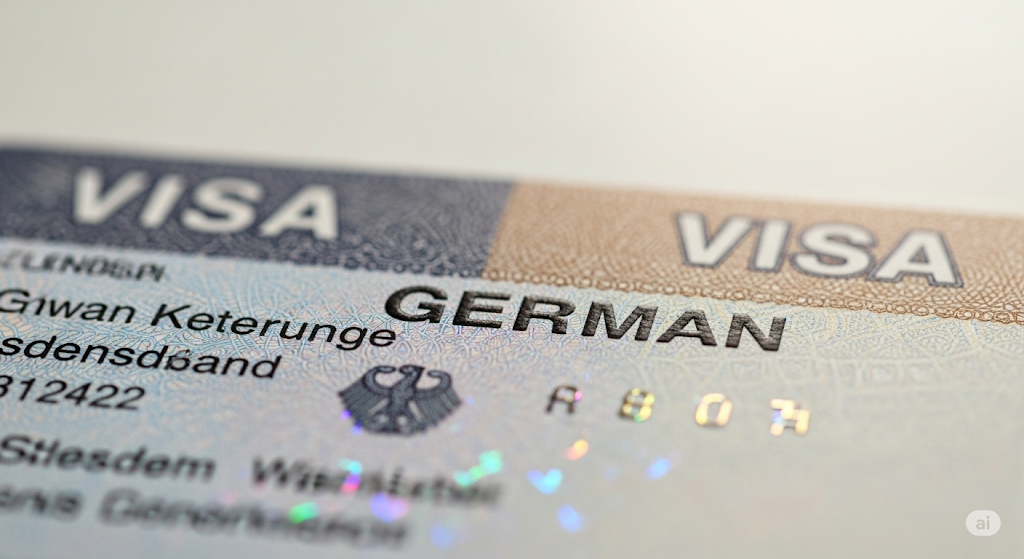
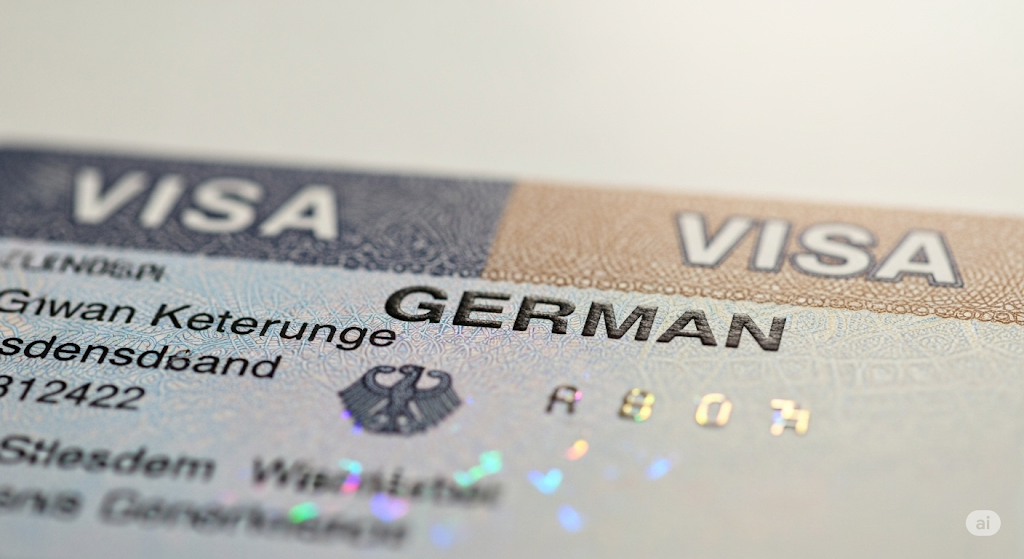
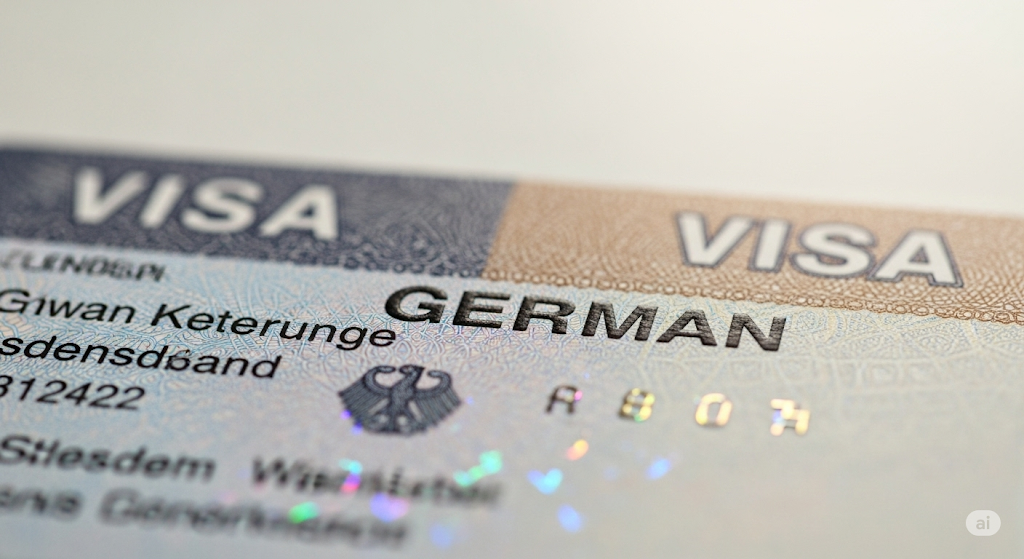
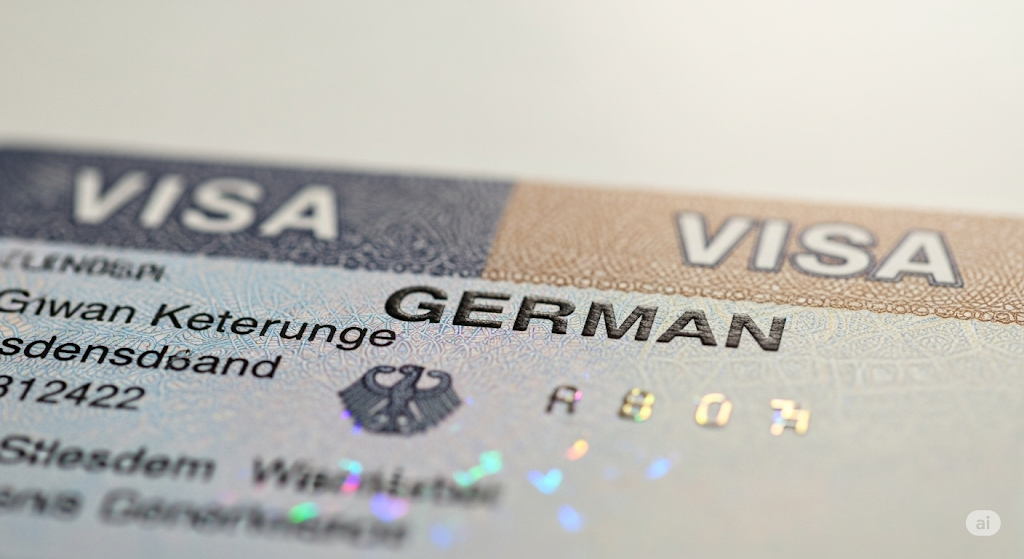
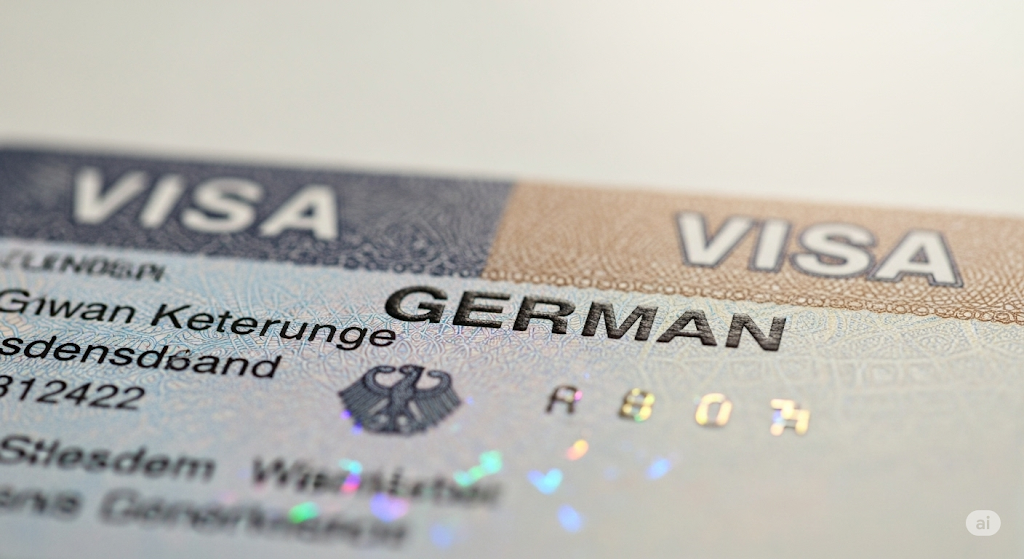
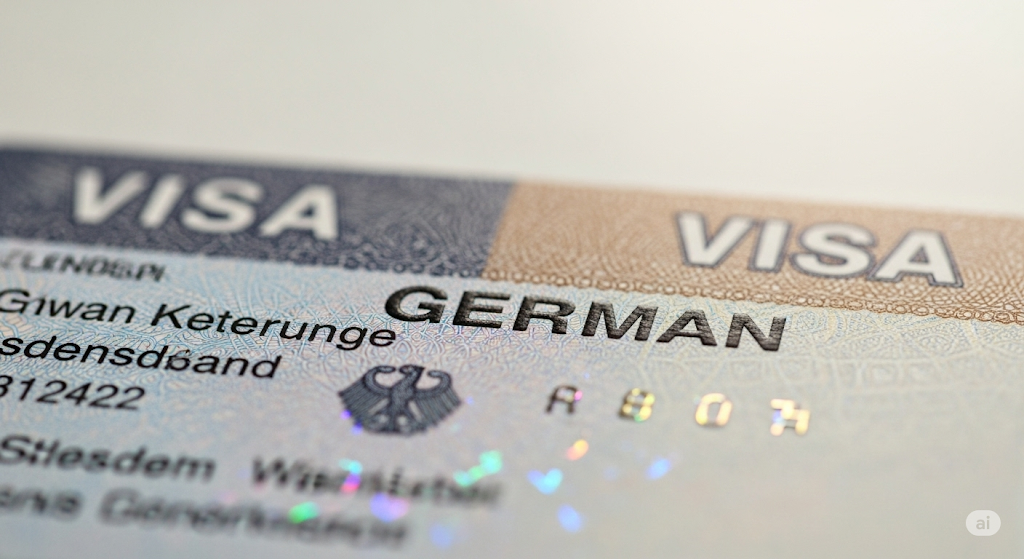
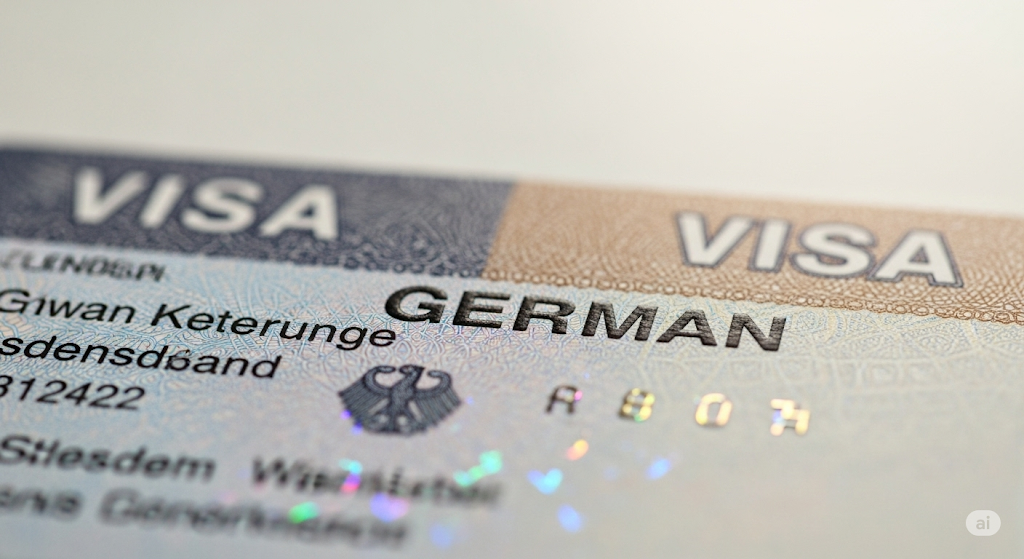
Instead, they are issued an electronic residence permit (eAT) by the foreigners’ authority. This card is also equipped with a chip, which can be used for identity verification and for certain online services.
-
The eAT typically contains information such as:
-
Name and date of birth
-
Type of residence permit and legal basis
-
Validity period
-
Additional personal and administrative details
-
-
The electronic residence permit serves as a legally valid identity and residence document within Germany.
Uses of the eID or electronic residence permit
-
Simplifying official procedures in Germany without always having to appear in person
-
Increased security and speed in identity verification
-
Easier access to digital government portals and e-government services
-
Use as a secure identification method in banks, insurance companies and other sectors
How to obtain an eID or electronic residence permit
-
For German citizens:
-
The electronic ID card is issued by the local registration office (Bürgeramt) when applying for an ID card. The eID function is integrated into the card and can be activated when the card is issued or at a later stage.
-
-
For holders of permanent residence:
-
When a permanent residence permit is issued or renewed, the foreigners’ authority (Ausländerbehörde) normally provides an electronic residence permit (eAT).
-
Depending on the technical configuration of the card, the online ID function can be activated and used for specific digital services.
-
In some federal states, activation or modification of the eID function may also be carried out at the Bürgeramt or via online procedures, depending on local regulations.
-
Important security tips
-
Always keep your card in a safe place and never share your PIN or access data with anyone.
-
Use only certified card readers or official apps when using your eID function online.
-
Check the validity period of your card regularly and apply for a renewal in good time before it expires.
Conclusion
The electronic ID (eID) stands for the digital future of identity verification in Germany. It makes everyday life easier for people with permanent residence by providing a secure and convenient way to access digital and official services.
Although permanent residents usually receive an electronic residence permit (eAT) rather than a full German ID card, both types of card are based on modern chip technology, which significantly improves efficiency and security in official transactions.
Disclaimer:
The editorial team of this website strives to provide accurate information based on thorough research and multiple sources. However, errors may occur or certain details may not be fully verified. Please therefore treat the contents of this article as an initial reference only and always contact the relevant authorities for confirmed and legally binding information.