Login/Create Account


Applying for a German passport without giving up your original nationality
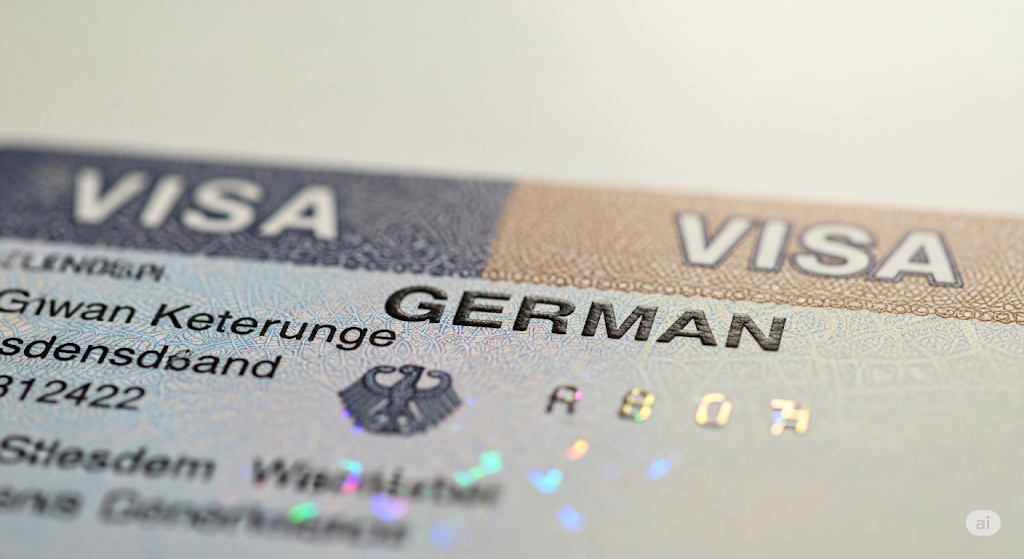
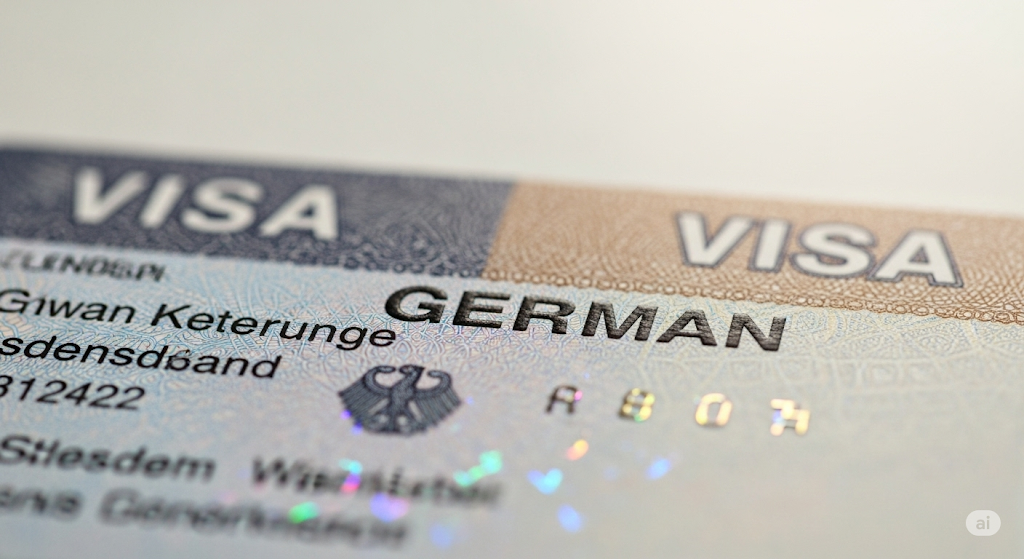
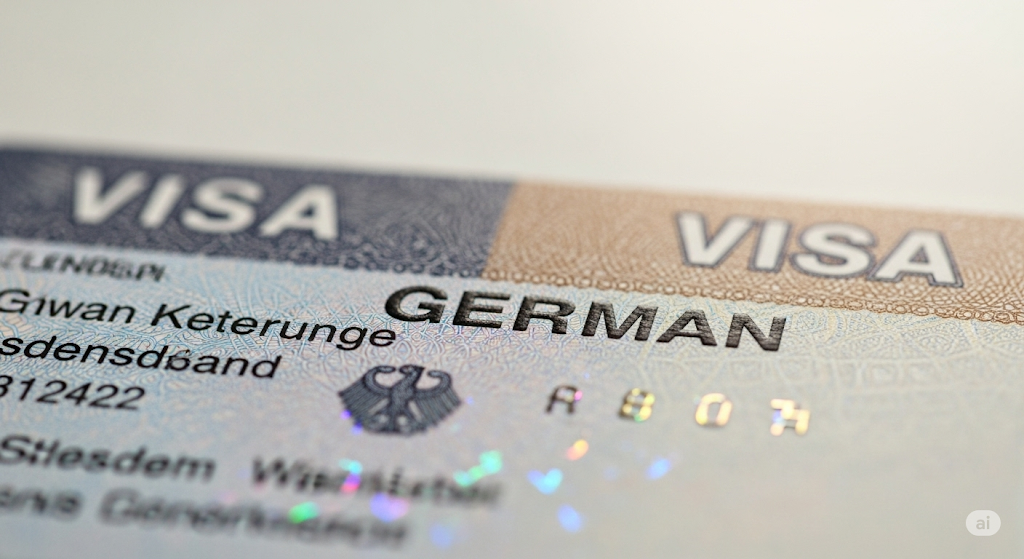
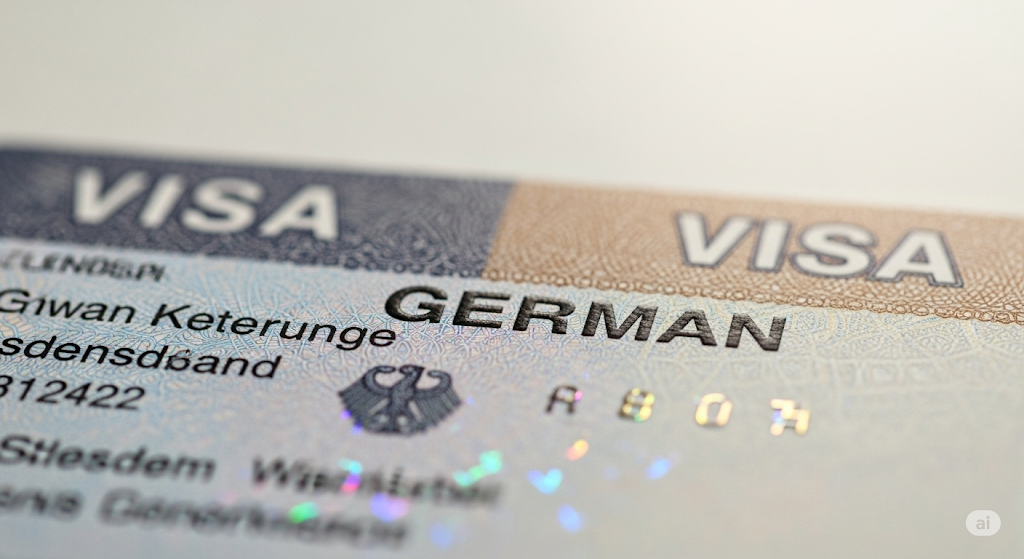
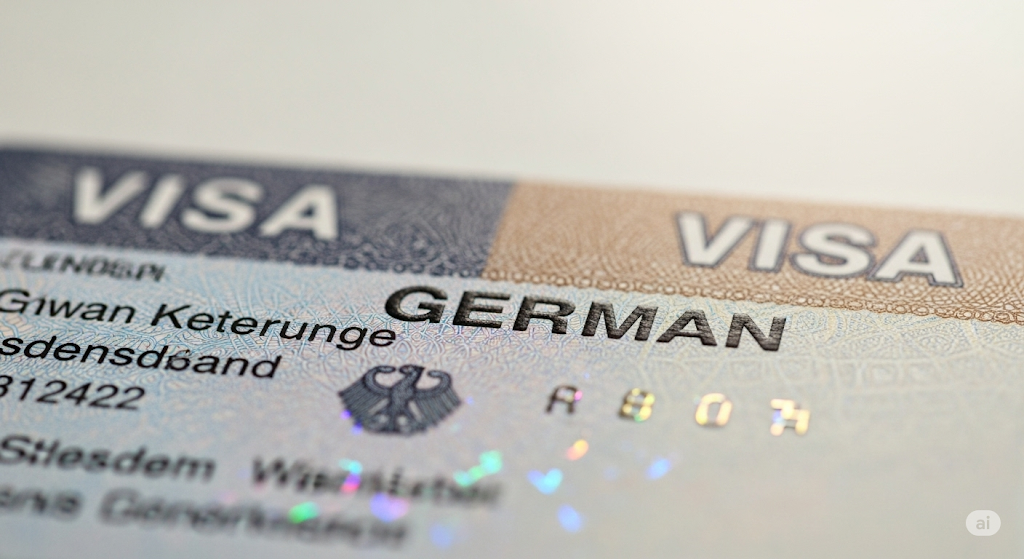
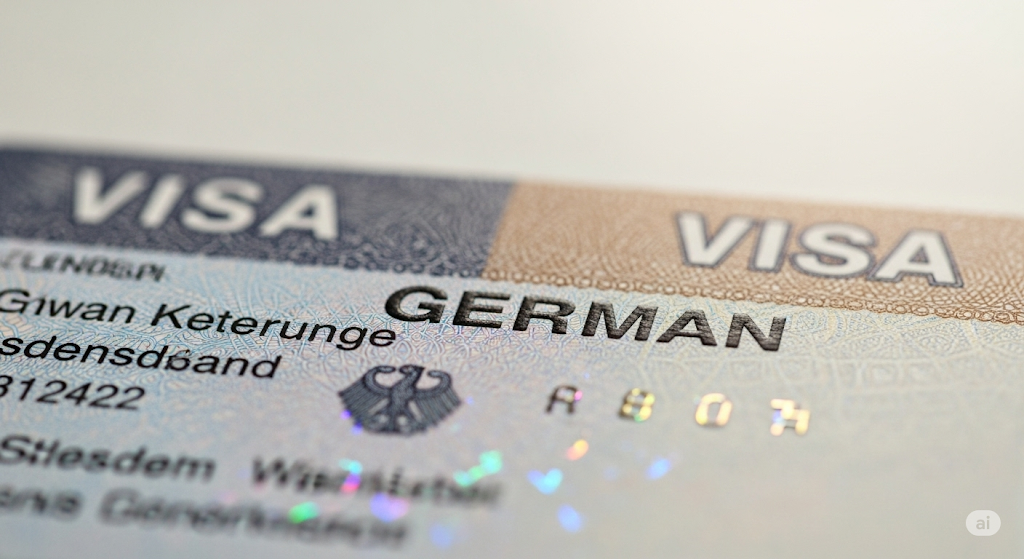
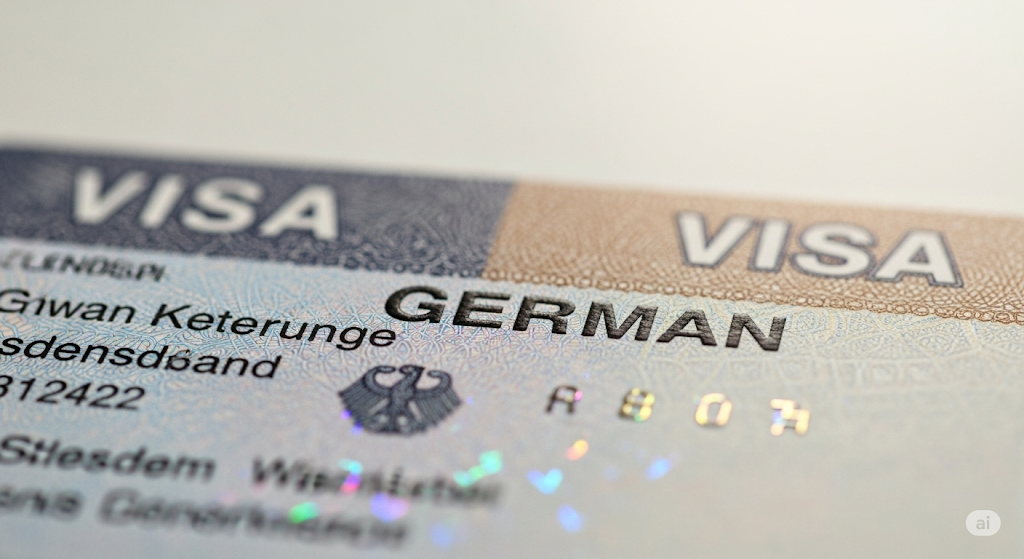
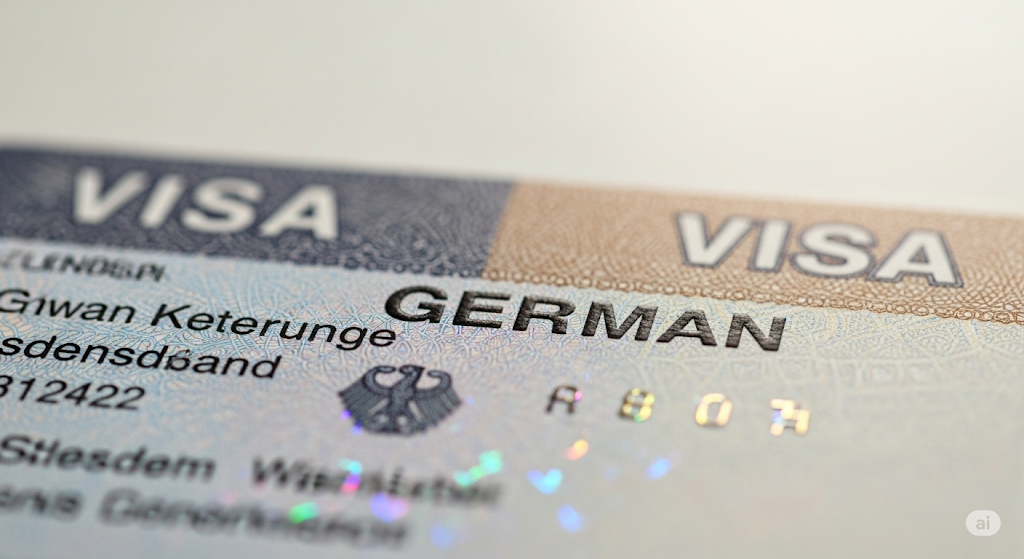
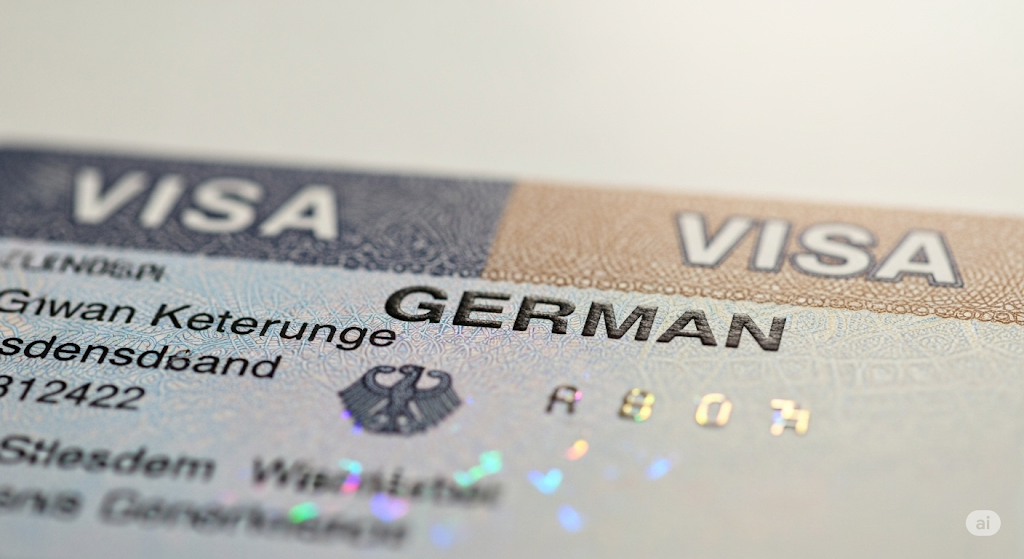
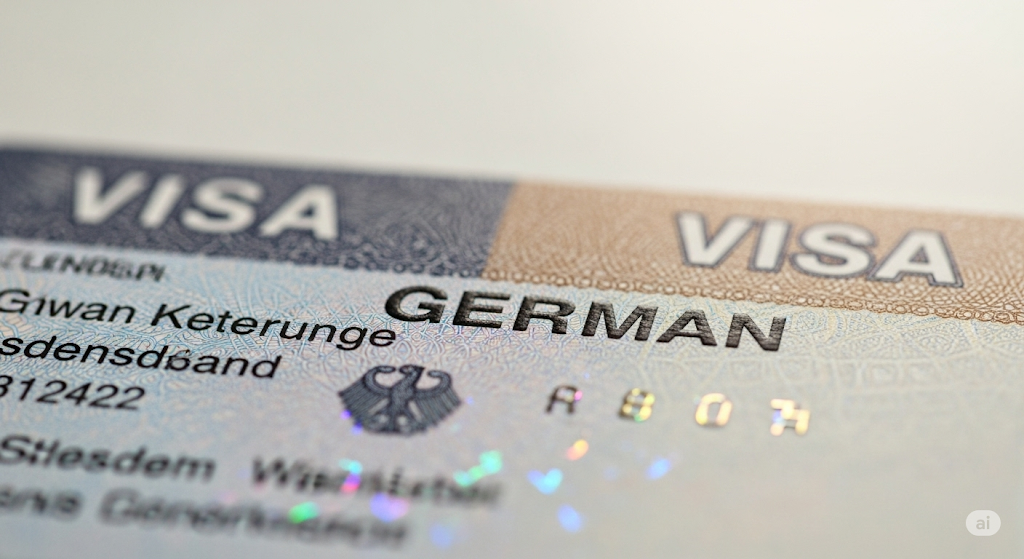
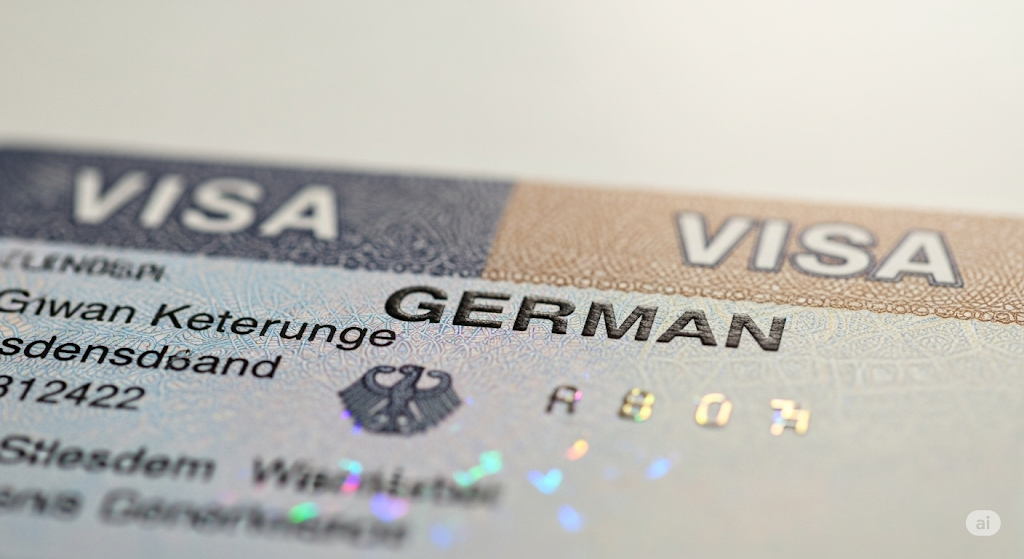
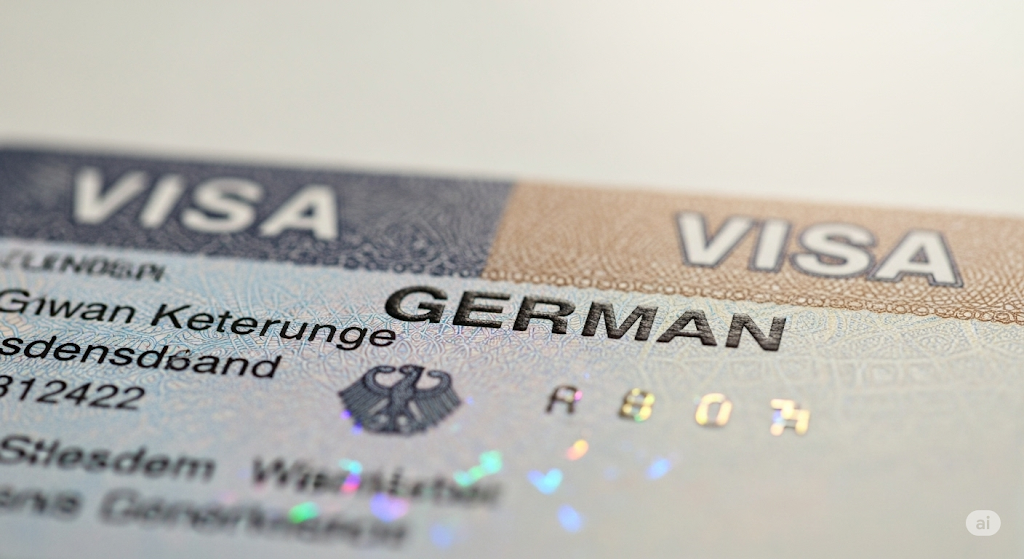
Many foreign nationals living in Germany dream of obtaining German citizenship, with all its legal and social advantages – including the right to hold a German passport.
One of the biggest concerns for many is whether they can become German without losing their original nationality, in other words: whether dual citizenship is possible.
Can you apply for a German passport without giving up your original nationality?
As a general rule, Germany only permits dual citizenship in limited, exceptional cases.
When you apply for naturalization, you are usually required to renounce your previous nationality, based on Section 12 of the German Nationality Act (Staatsangehörigkeitsgesetz – StAG).
Cases in which you may keep your original nationality (dual citizenship)
There are, however, certain situations in which you may be allowed to retain your original nationality and thus hold two passports:
-
If you are a citizen of an EU Member State or Switzerland
-
Nationals of other EU countries and of Switzerland are generally allowed to keep their original citizenship when naturalizing in Germany.
-
They can therefore be both German and EU/Swiss citizens at the same time.
-
If giving up your original nationality is impossible or an unreasonable burden
For example:
-
where your country of origin does not allow renunciation of citizenship at all, or only in very rare circumstances
-
where the renunciation process in your country is extremely complicated, time-consuming or prohibitively expensive
-
where losing your original nationality would lead to disproportionate disadvantages, for example under property, inheritance or family law
In such cases, the German authorities may accept that renouncing your previous nationality would be unreasonable (unzumutbar).
-
If you acquire German citizenship by birth
-
Under certain conditions, children can grow up with two nationalities, for example if one parent is German and the other holds a different nationality.
-
In these constellations, it is often possible to retain both the German and the foreign citizenship.
-
Special individual cases decided by the authorities
-
In individual, well-justified cases, the competent authority can grant a special permission to retain the original citizenship (Beibehaltungsgenehmigung).
-
Such decisions are usually complex and depend on a detailed justification and a case-by-case assessment.
Steps to apply for German citizenship while trying to keep your original nationality
-
Clarify whether you can legally retain or renounce your original citizenship
-
Contact the embassy or consulate of your country of origin and ask whether you can legally renounce your citizenship or keep it.
-
Find out whether your home country permits loss of citizenship and what the conditions, procedures and costs are.
-
Submit your naturalization application to the local citizenship authority
-
File your application with the Einbürgerungsbehörde (citizenship / naturalization office) responsible for your place of residence.
-
Clearly state in your application that you wish to keep your original nationality if possible.
-
Provide supporting documents and arguments showing that renouncing your previous citizenship would be extremely difficult, unreasonable or practically impossible.
-
Wait for the authorities’ decision
-
The process can be lengthy and may involve several rounds of correspondence.
-
Dual citizenship is not granted automatically – it is examined individually in each case.
-
Seek advice from a migration lawyer
-
A lawyer specialized in immigration and nationality law can help to:
-
prepare a well-structured legal argument,
-
reference the relevant provisions correctly,
-
and improve your chances of being allowed to keep your original nationality.
-
Important tips
-
Be honest and transparent in your application: clearly explain that you wish to keep your original citizenship and why.
-
Collect and prepare documents and evidence proving that renouncing your original nationality would be particularly difficult, costly or unreasonable (e.g. official letters, legal opinions, cost estimates).
-
Stay in regular contact with the authorities and respond promptly to any questions or requests for additional documents.
-
Do not start the formal renunciation of your original citizenship before your German naturalization has been finally approved; otherwise, you risk ending up without any nationality at all.
Summary
Obtaining a German passport without giving up your original nationality is possible, but only in limited and mostly exceptional circumstances.
This applies in particular to citizens of EU Member States and Switzerland, and to people for whom renouncing their original citizenship is legally or practically almost impossible.
The path to dual citizenship is often complex, requires patience, careful preparation and sometimes legal support. With solid documentation, clear reasoning and realistic expectations, it may still be possible to reach this goal within the framework of German nationality law.
The editorial team of this website strives to provide accurate information based on extensive research and multiple sources. Nevertheless, errors cannot be completely ruled out and some details may be uncertain or subject to change. Therefore, the contents of this article should be regarded as an initial point of reference; for binding and up-to-date information, please always consult the competent authorities and professional advisers.