

 Login/Create Account


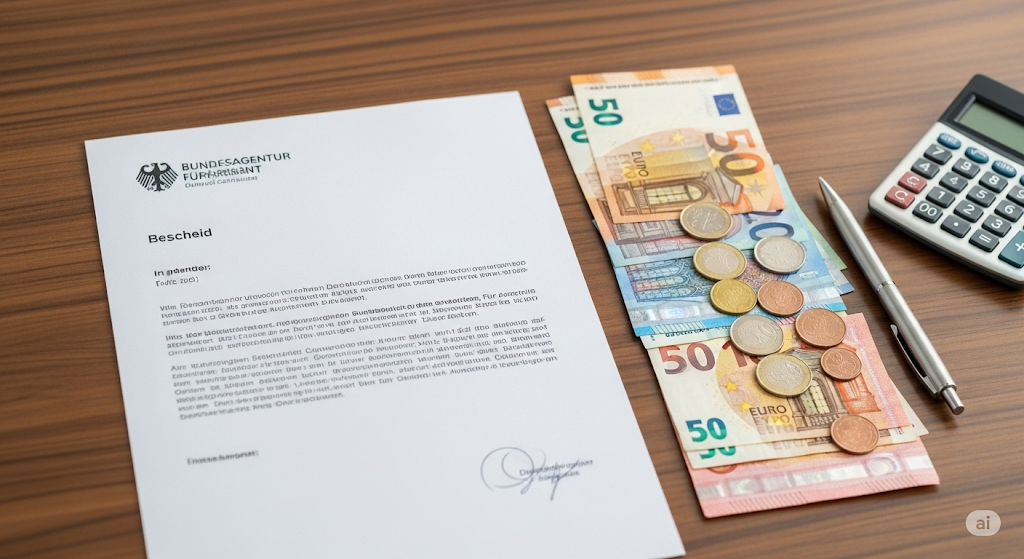
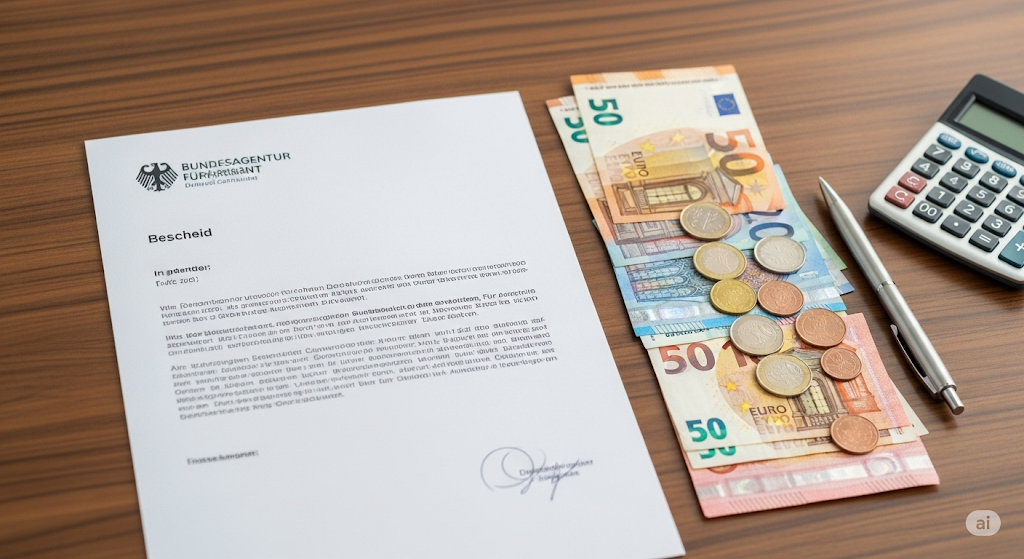
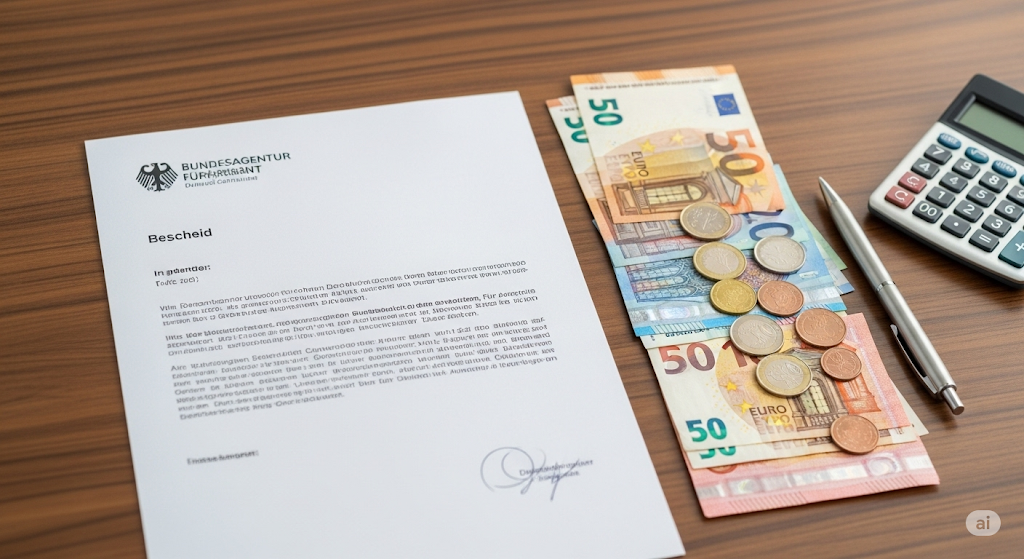
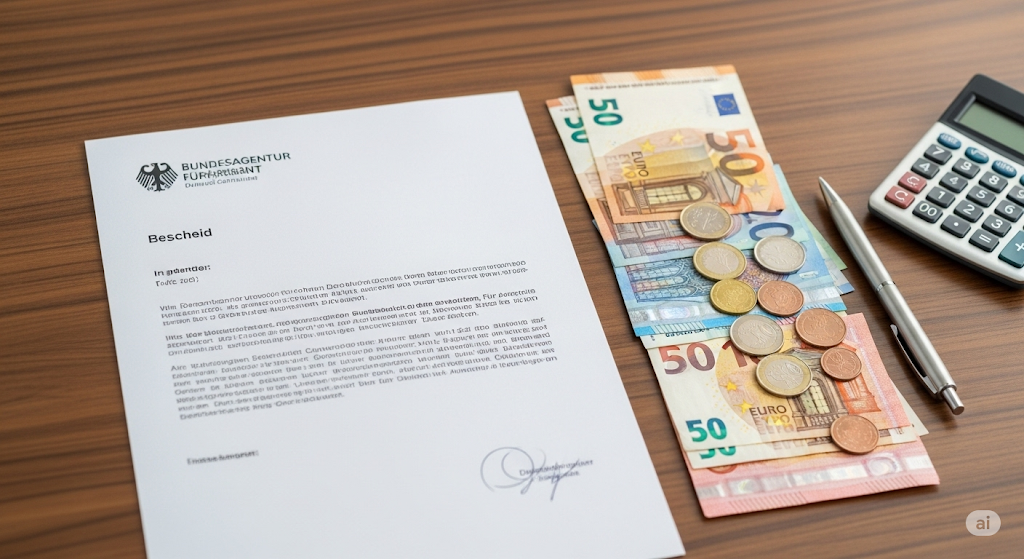
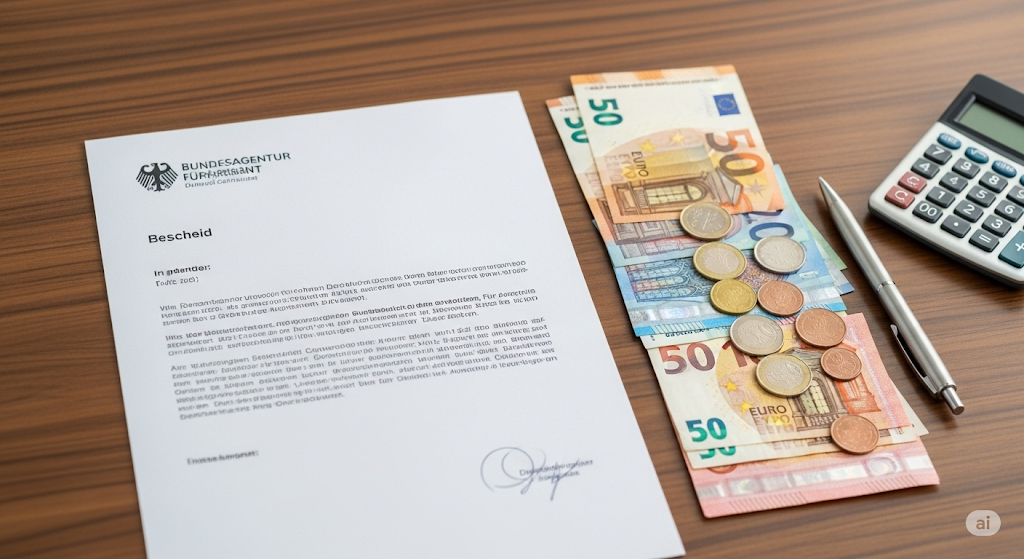
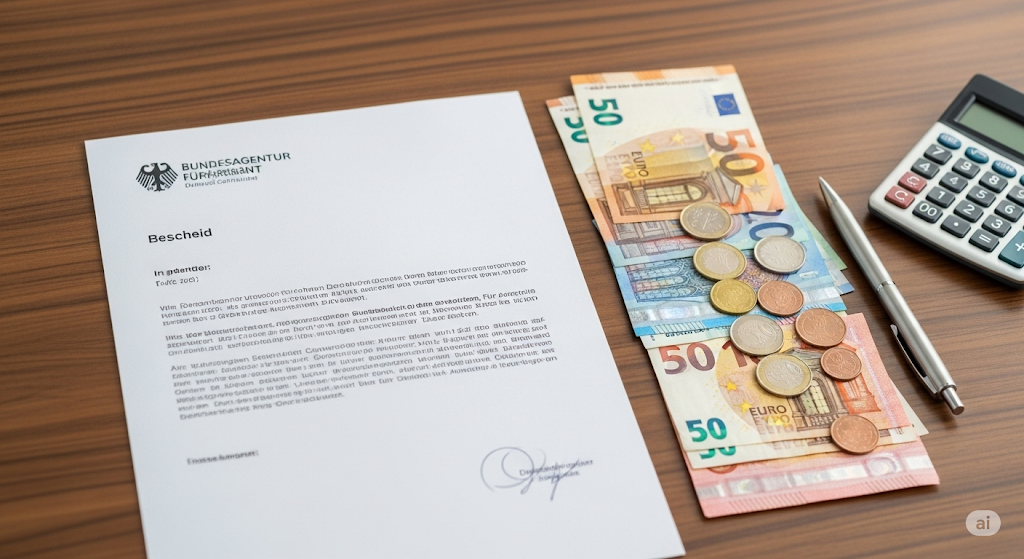
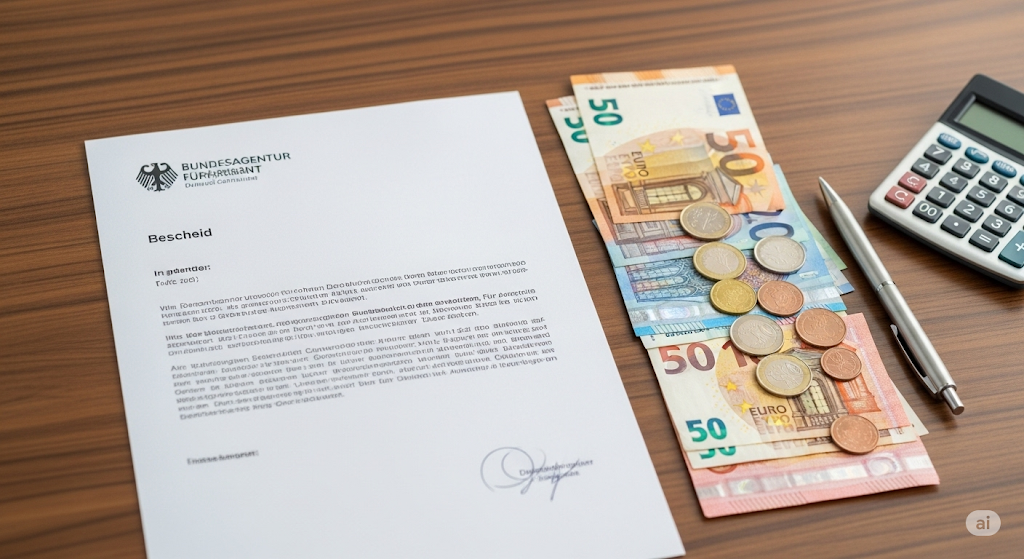
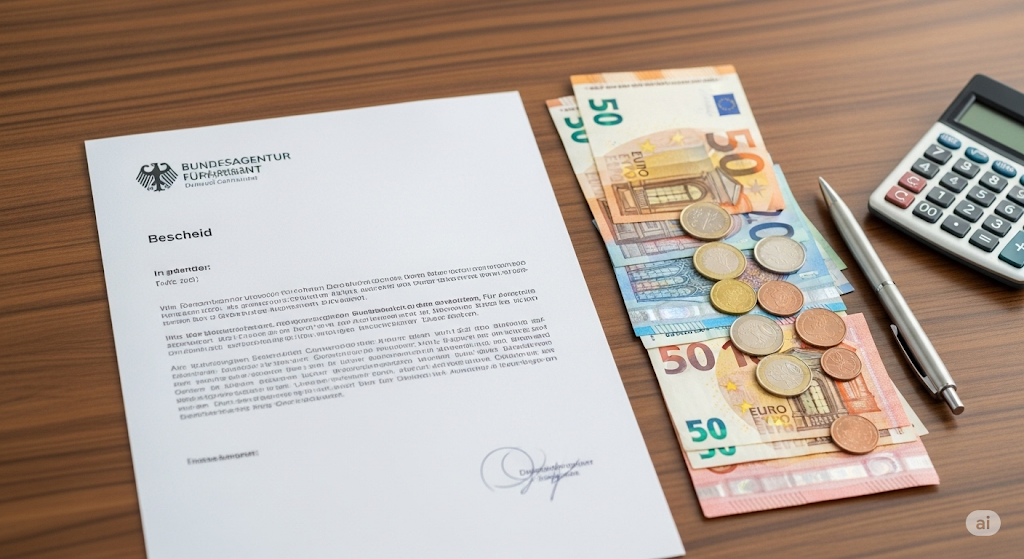
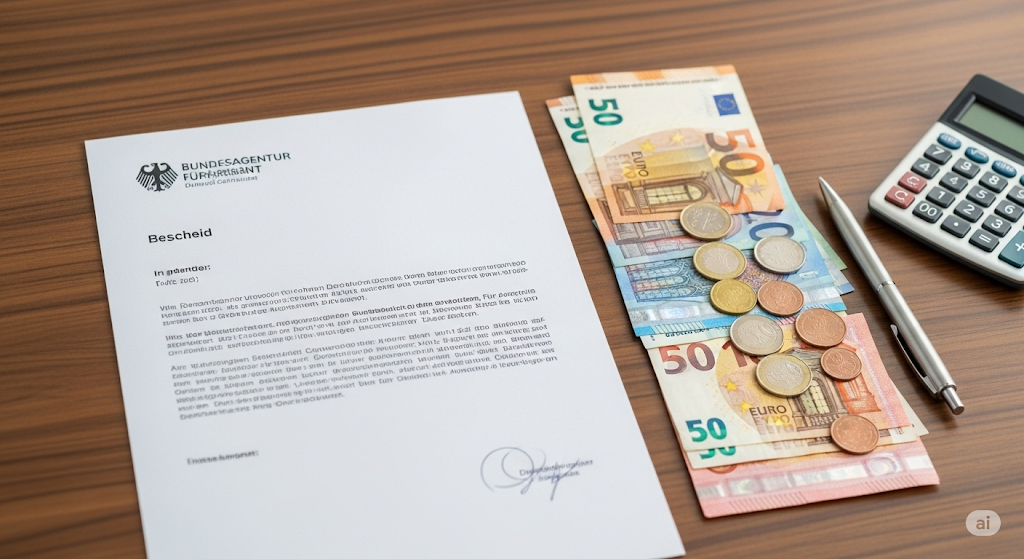
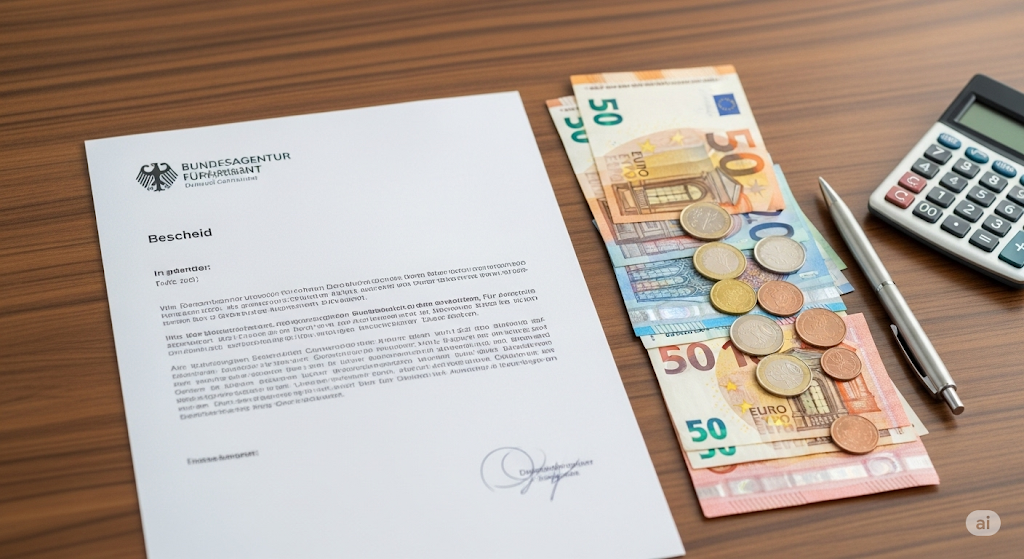
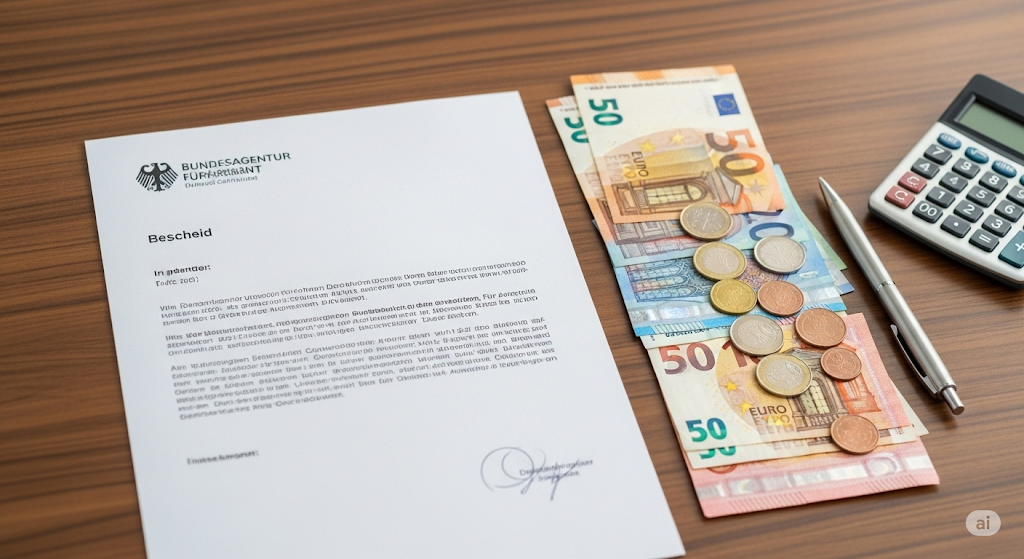
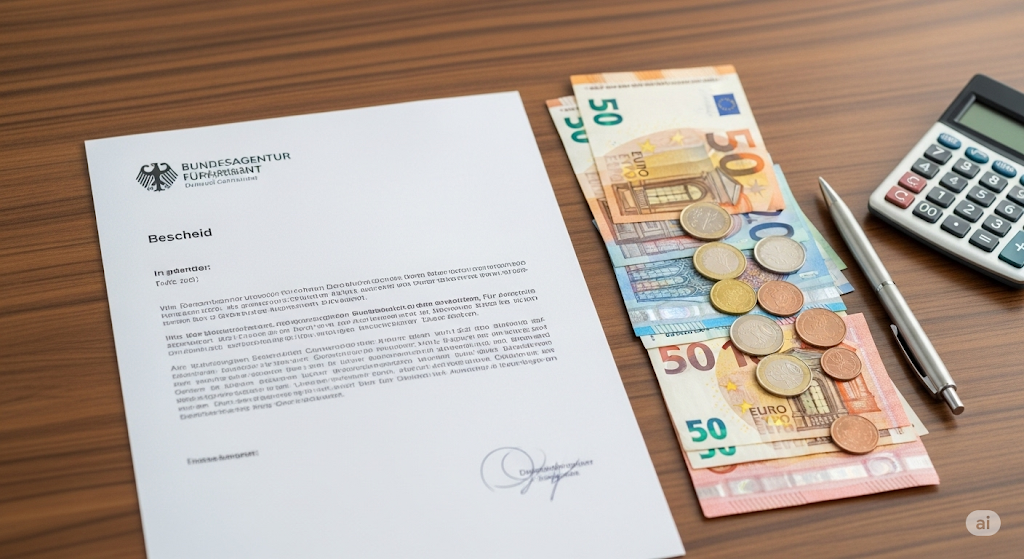
Carbon-neutral construction financing with almost zero interest: KfW Loan 261/262
1. What are these programs?
Kredit 261:
A subsidised loan within the category “Federal Funding for Efficient Buildings – Residential Buildings (BEG WG)”. It is designed for the renovation of existing residential property or the purchase of a building that meets the energy-efficient “Effizienzhaus” standards, including sustainable, low-carbon improvements (heizung.de, kfw.de).
Kredit 262:
A scheme for financing individual measures that improve heating efficiency and related components. However, it is no longer offered as a new product and is expected to be effectively replaced by Kredit 261 or corresponding support from BAFA.
2. Financial advantages
-
Very low interest rate: KfW largely waives the basic interest rate (practically around 0 %).
-
In addition, it grants a repayment subsidy (Tilgungszuschuss) of roughly 20–45 % of the original loan amount, depending on the energy efficiency level (Effizienzhaus level) (kfw.de).
The loan amount can reach up to 150,000 € per housing unit; for individual measures the maximum ceiling is usually lower.
3. Efficiency levels and available support
-
Effizienzhaus 40: Support of up to 25 % (up to 37,500 € on the maximum loan).
-
Effizienzhaus 55: Around 20 % – up to 30,000 €.
-
Effizienzhaus 70: Around 15 % – up to 22,500 €.
-
Effizienzhaus 85: Around 10 % – up to 15,000 €.
-
Denkmal (listed/historic building): Same percentages as Effizienzhaus 85, but with a maximum of 6,000 € (kfw.de).
Achieving a classification in the EE or NH class (renewable energy class / sustainability class) can increase the loan ceiling and the amount of the repayment subsidy.
4. Eligibility requirements
-
The building must have been licensed/constructed at least 5 years before the application is submitted.
-
A certified energy efficiency expert must be involved to assess the project and provide the required documentation and reports.
-
The application is submitted via your regular bank (Hausbank), which handles all dealings with KfW on your behalf (wegatech.de).
5. How to apply
-
Consult an energy efficiency expert (dena-Experte).
-
Choose the appropriate Effizienzhaus level to secure the highest possible subsidy.
-
Open/arrange a loan with your local bank and request KfW financing under program 261.
-
Implement the renovation or construction measures after approval.
-
Have the expert issue the post-completion confirmation (Bestätigung nach Durchführung).
-
Receive the Tilgungszuschuss based on the efficiency level actually achieved (wegatech.de, kfw.de).
6. Why is this an excellent option?
-
Due to the almost zero interest and the repayment subsidy, you achieve substantial savings – in practice, it can feel like “receiving money from the state while taking out a loan”.
-
It is usually far more attractive than a standard bank loan, especially when combined with renewable energy solutions.
-
Disbursement can be made as a single lump sum or in several instalments over a period of up to 36 months.
-
KfW also provides additional funding to help cover the costs of expert advice, planning and implementation of the project.
7. Short summary
Item
Details
Program
KfW 261 (261/262 – 262 no longer available as a new program)
Maximum funding
Up to 150,000 € per housing unit
Repayment subsidy (Tilgungszuschuss)
Approximately 5–45 %, depending on the efficiency level
Term
Repayment over roughly 4–30 years
Energy expert required
Yes
Interest rate
Very low, effectively close to 0 %
Eligibility conditions
Building at least 5 years old, expert report required, application via local bank
Disclaimer
The editorial team of this website endeavours to provide accurate information through extensive research and by consulting multiple sources. Nevertheless, errors may occur or some details may be incomplete or not fully verified. Therefore, please regard the information in this article as an initial point of reference and always consult the competent authorities and professional bodies for confirmed and up-to-date information.