Login/Create Account


Krankengeld: Protecting your income during long-term illness in Germany
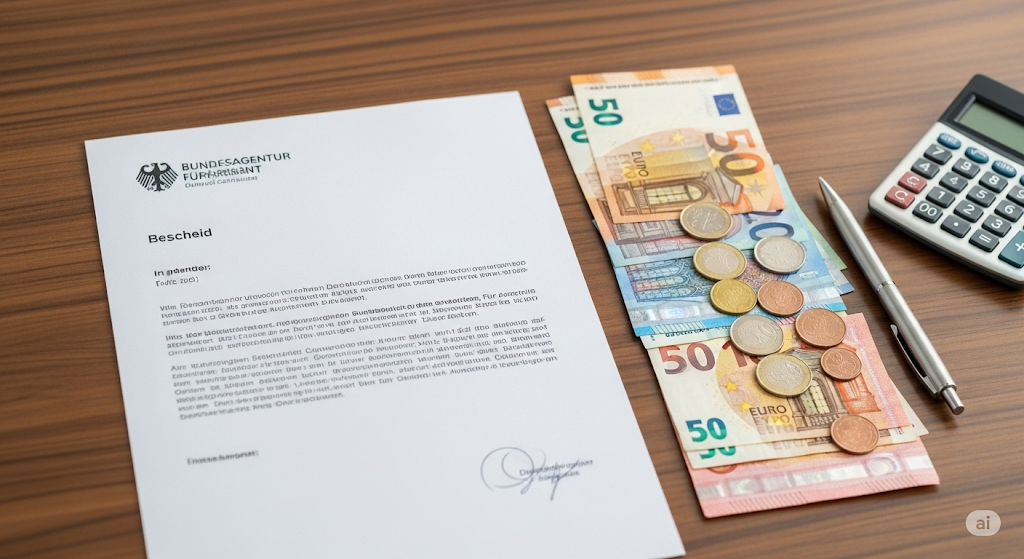
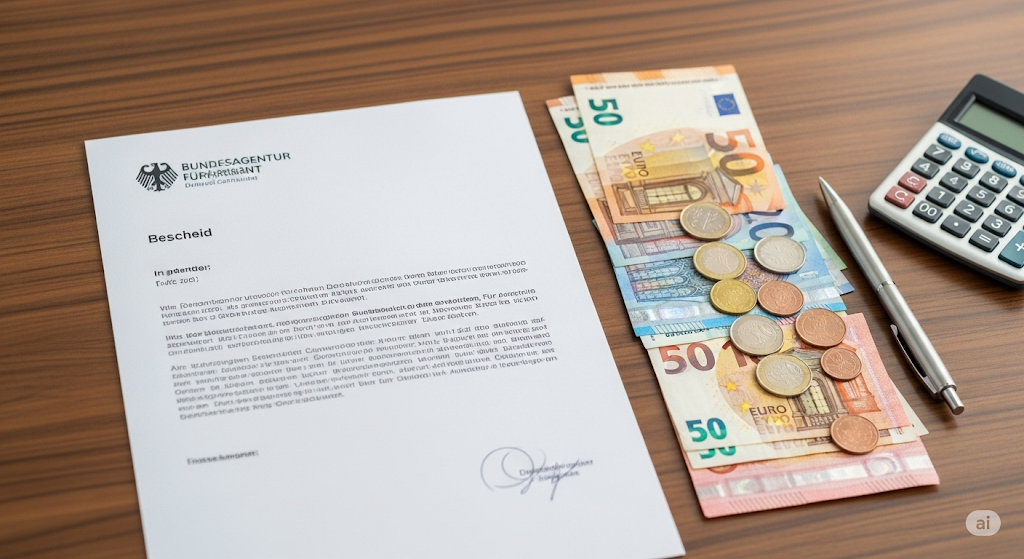
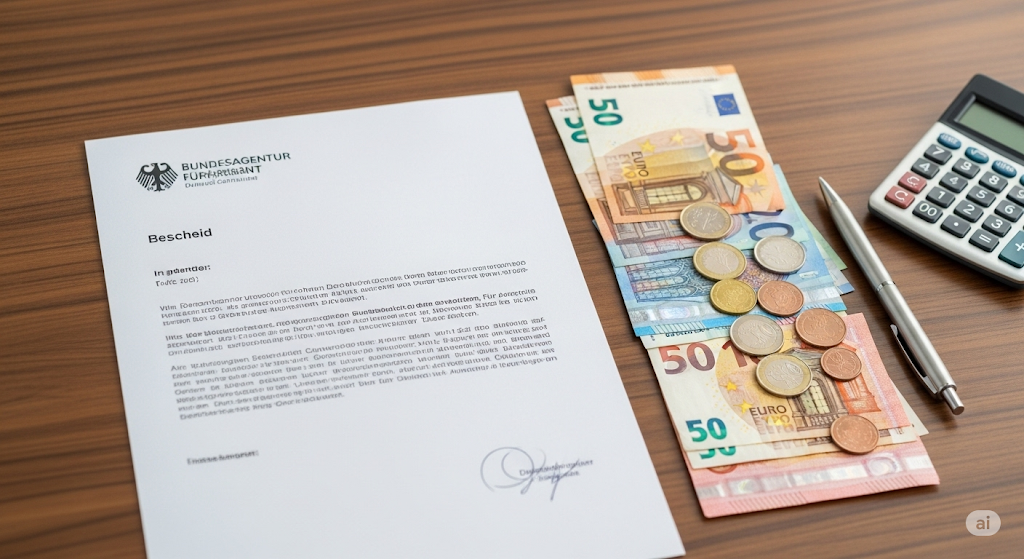
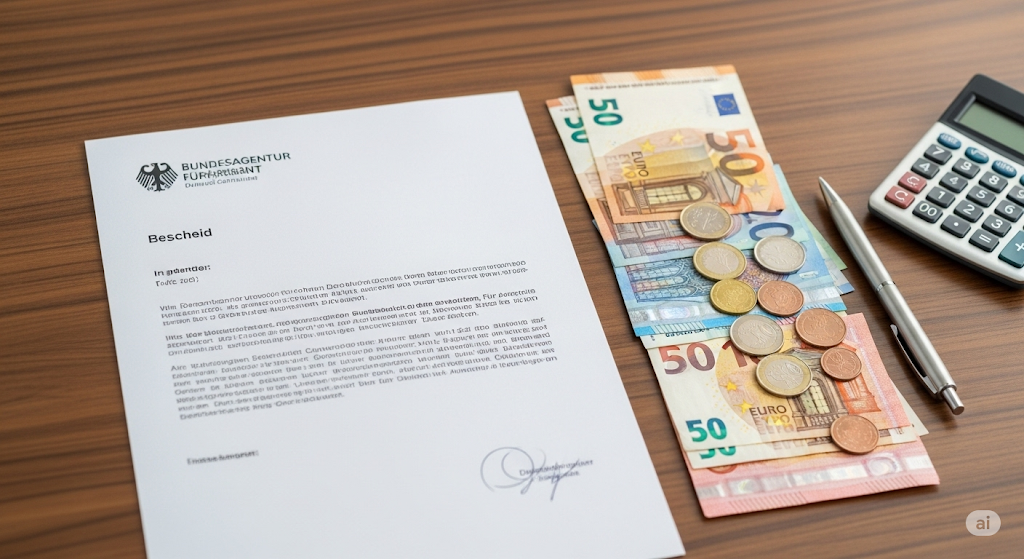
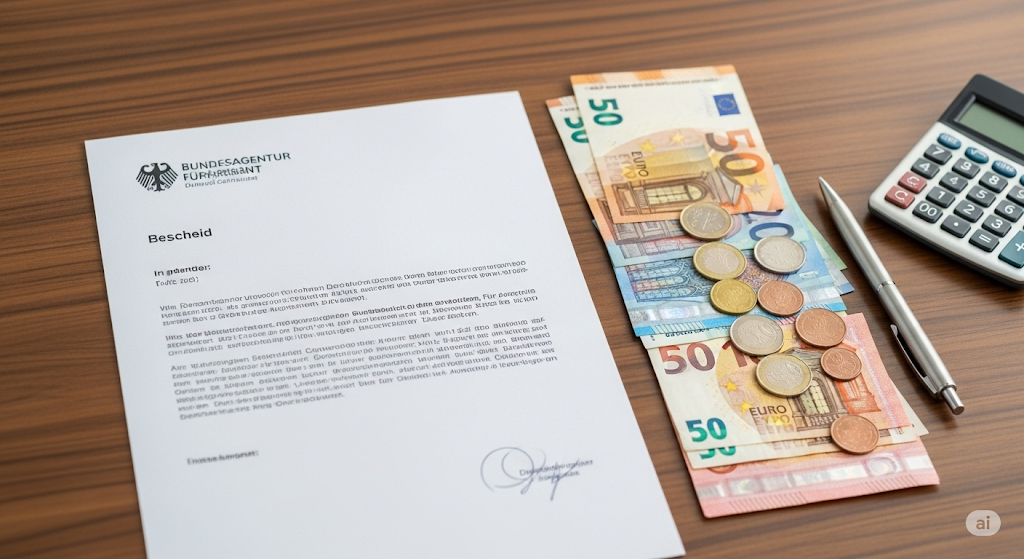
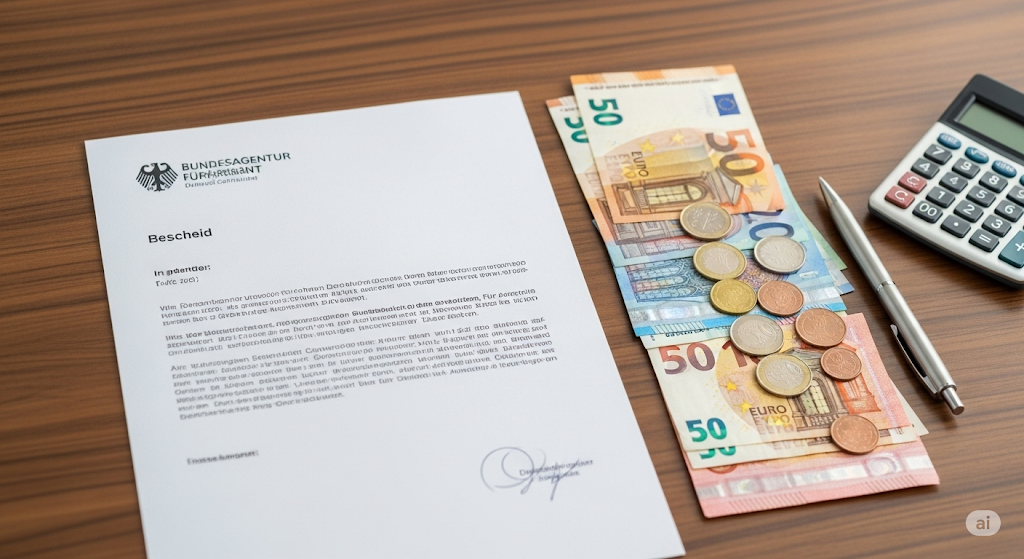
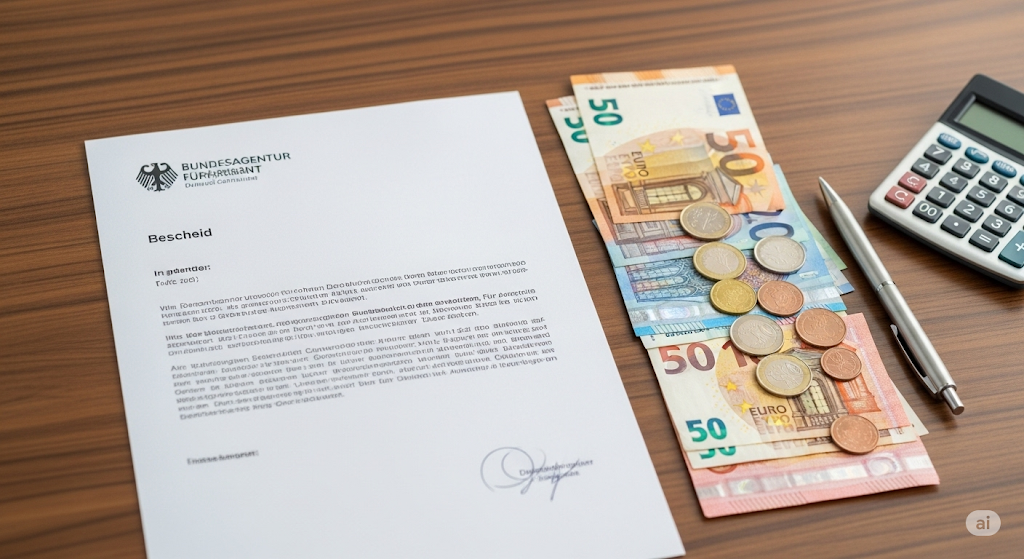
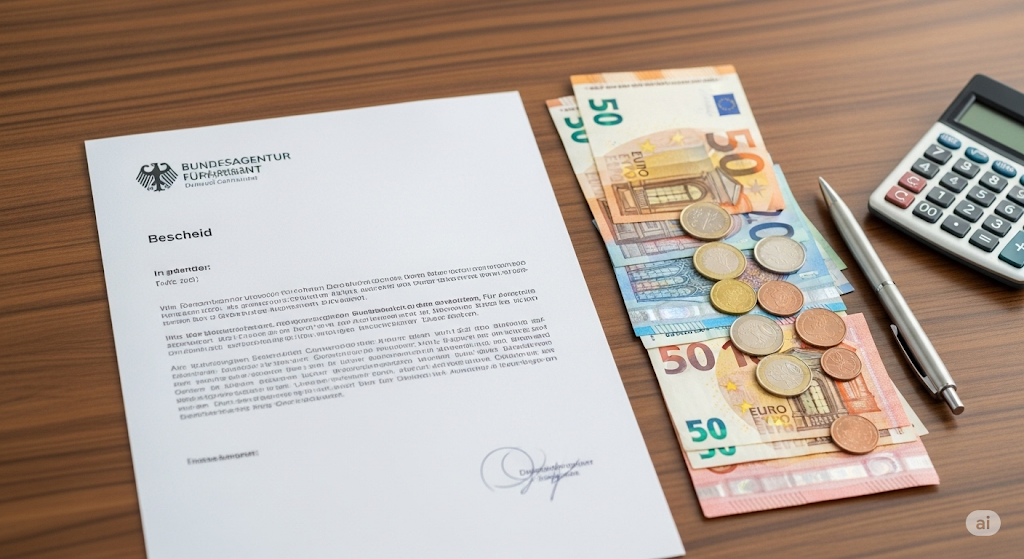
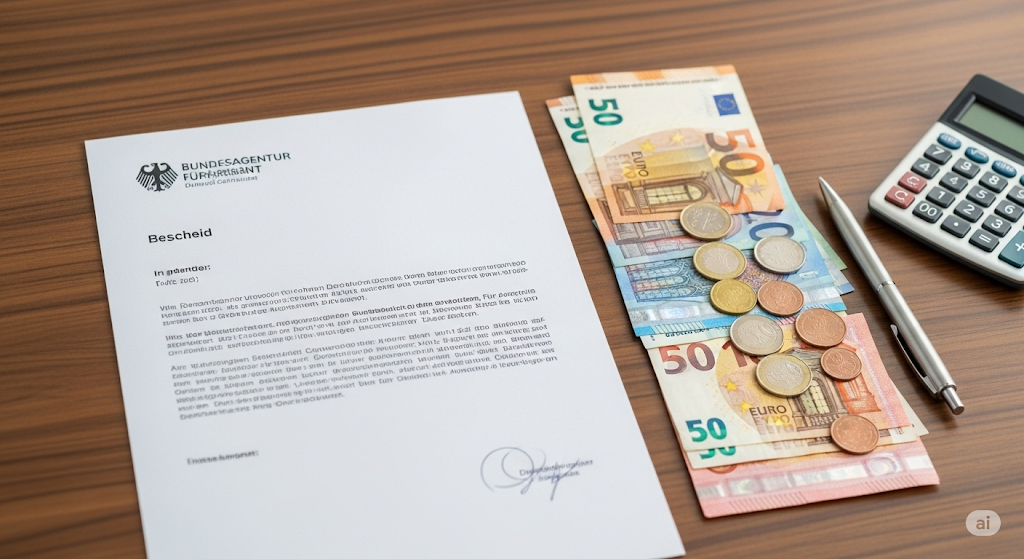
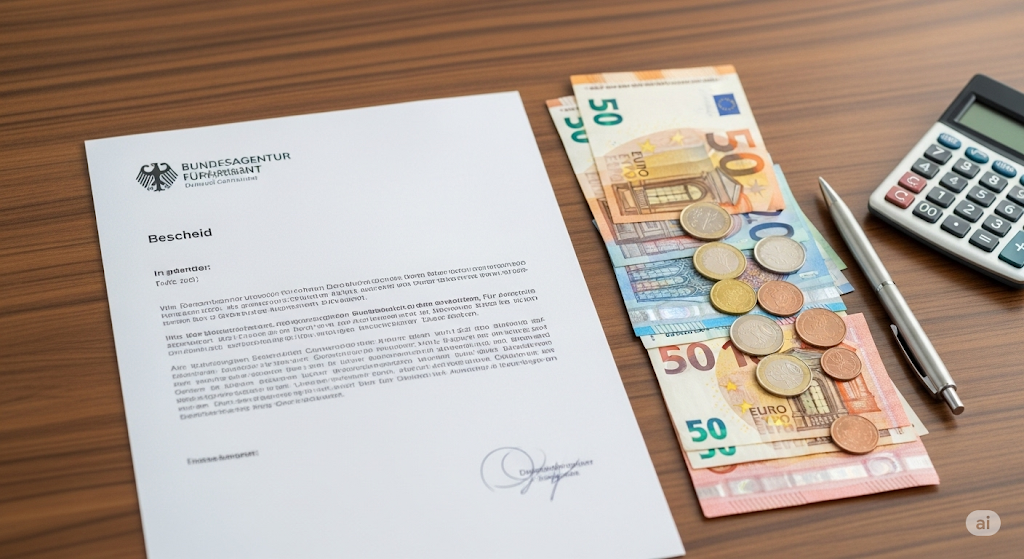
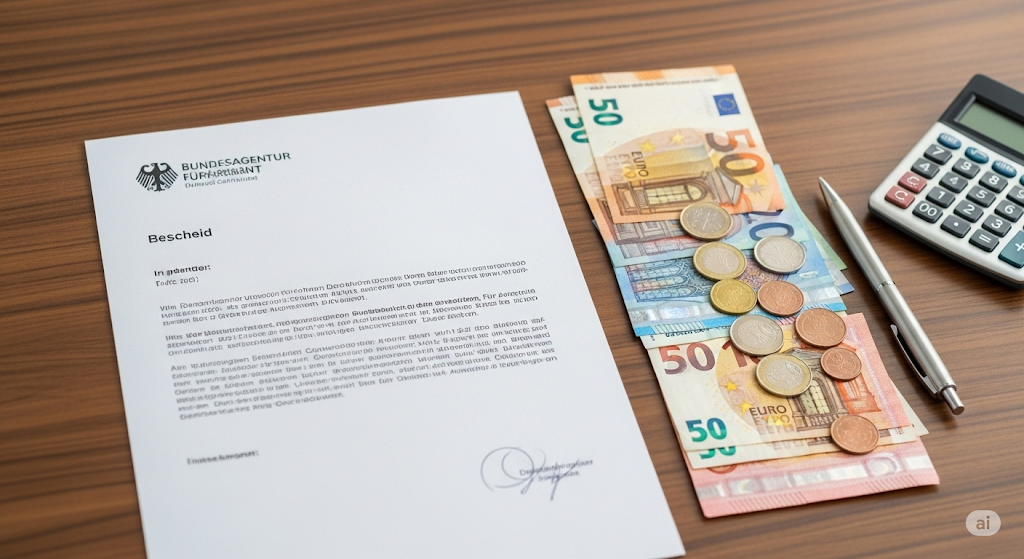
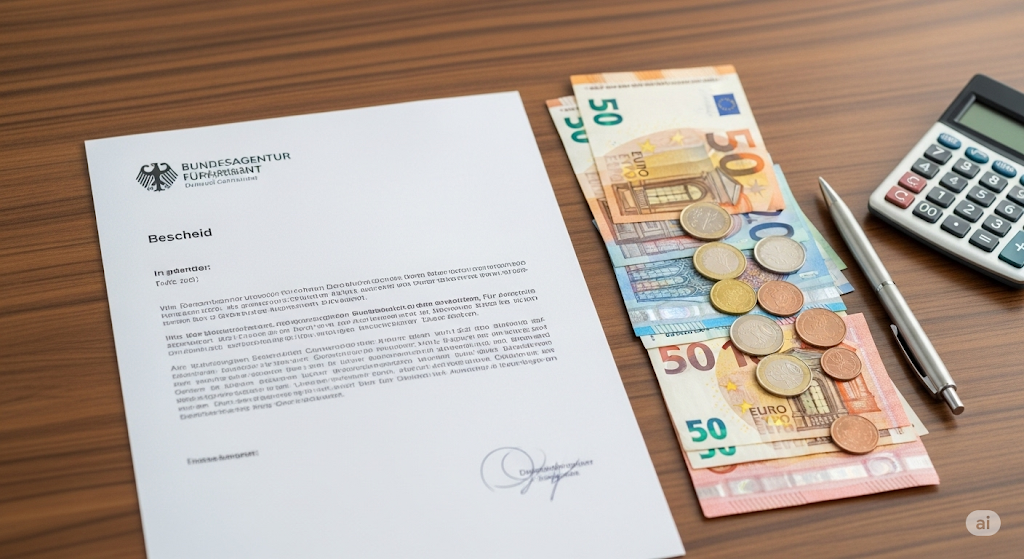
When your illness lasts for several months, the statutory system of Krankengeld provides legal protection. It ensures that you continue to receive part of your income once your regular salary payments from your employer (“continued wage payment”) have come to an end.
1. What is Krankengeld?
Krankengeld is a financial benefit paid by your statutory health insurance fund for each day on which you are unable to work due to illness, after the end of the employer’s continued wage payment period (usually 6 weeks) (de.wikipedia.org).
It covers working days, days of leave and public holidays – it is calculated based on a fixed number of days per month.
2. When does the benefit start and how is it paid?
-
Payments start after the 6-week period of continued wage payment by the employer has expired.
-
The benefit is paid retrospectively based on the periods of sick leave certified and extended by your doctor.
-
Krankengeld can be paid for up to 78 weeks within a three-year period for the same illness (which means roughly 72 weeks after the initial 6 weeks of wage continuation) (de.wikipedia.org).
3. How much is Krankengeld?
-
It amounts to 70% of your gross income, but may not exceed 90% of your net income (test.de).
-
Income is only taken into account up to the statutory health insurance contribution ceiling (2025: 5,512.50 € per month); any income above this level is ignored for the calculation (test.de).
-
The maximum daily amount is approximately 128.63 €, or about 3,858.90 € per month (tk.de).
4. What is the difference between Krankengeld and Krankentagegeld?
| Type | Provider / Source | Covers full income? | Duration of coverage |
|---|---|---|---|
| Krankengeld | Statutory health insurance (GKV) | No (around 70–90%) | Up to 78 weeks for the same condition |
| Krankentagegeld | Optional private daily sickness insurance | Yes, up to 100% of net income | According to your individual policy |
Krankentagegeld is an additional private insurance policy that closes the gap between statutory Krankengeld and your actual daily living costs. It is particularly recommended for higher earners and for self-employed people (finanztip.de, gegen-hartz.de, huk.de, huk.de).
5. Who is entitled to receive Krankengeld?
-
Employees insured in the statutory health insurance system (GKV) after completing 6 weeks of illness and wage continuation.
-
Unemployed persons receiving Bürgergeld, if their incapacity for work continues.
-
Generally not covered: students, pensioners, and employees with very short-term contracts of less than 4 weeks without a sufficiently insured employment period (de.wikipedia.org).
-
People insured under private health insurance (PKV) do not receive statutory Krankengeld automatically, but they can take out a private Krankentagegeld policy.
6. How to secure your full income
-
Use an online Krankengeld calculator to estimate the amount you will receive (randstad.de).
-
Consider taking out a Krankentagegeld policy to close the gap to your full net income, especially if you earn more than the statutory contribution ceiling (vkb.de).
-
Make sure you understand when your cover starts: for employees, Krankengeld usually begins after 6 weeks, while self-employed individuals can agree on an earlier start date (e.g. from the 4th day) in their contract.
-
Always submit your sick notes (medical certificates) to your doctor, employer and health insurance fund promptly so that payments are not interrupted.
7. Obligations of doctors and employers
-
The medical certificate of incapacity for work (Arbeitsunfähigkeitsbescheinigung) must generally be issued and submitted within 3 days of the onset of illness and provided to both the employer and the health insurer (de.wikipedia.org).
-
The employer must continue paying your salary until the end of the 6th week of illness.
-
After that, the statutory health insurance fund takes over payments in the form of Krankengeld.
Summary
-
Krankengeld replaces roughly 70–90% of your income after the first 6 weeks of illness, for up to 78 weeks for the same medical condition.
-
From 2025 onwards, the maximum daily amount is around 128.63 € (about 3,858.90 € per month).
-
Krankentagegeld is an optional private insurance product that can cover the remaining gap to your full income.
-
By planning ahead and combining statutory and private insurance wisely, you can protect your income even in the event of long-term illness.
Disclaimer
The editorial team of this website strives to provide accurate information through thorough research and consultation of multiple sources. However, errors may occur or some information may be incomplete or not fully verified. Therefore, please treat the information in this article as a preliminary point of reference and always refer to the competent authorities and professional institutions for confirmed and up-to-date details.