Login/Create Account


What is BAföG?
BAföG stands for “Bundesausbildungsförderungsgesetz” (Federal Education and Training Assistance Act). Its goal is to ensure that no one is prevented from pursuing higher or vocational education due to a lack of money.
The grant is intended to support:
-
University students (Universität, Hochschule)
-
Students at universities of applied sciences (Fachhochschule)
-
Vocational trainees (Ausbildung)
-
Students at vocational schools and higher-level schools (Berufsschulen)
BAföG is paid as monthly financial support: usually half as a non-repayable grant and half as an interest-free loan that is repaid later in a partial and manageable way.
Which refugees are eligible for BAföG?
1. Recognised refugees (Anerkannte Flüchtlinge)
Those holding a residence permit under § 25 (1) or (2) AufenthG can apply for BAföG immediately, with no waiting period.
2. People with subsidiary protection (§ 25 Abs. 2 Satz 1, 2. Alt)
They can apply for BAföG without additional restrictions.
3. People with residence on humanitarian grounds (§ 25 Abs. 3 or Abs. 5)
They may apply, provided other requirements are met (such as length of residence or employment).
4. People with Duldung (tolerated stay)
They are not eligible immediately. However, if someone has lived in Germany continuously for at least 15 months, they may apply if they have a “prospect of a right to remain” (Perspektive auf Bleiberecht).
5. Refugees during the asylum procedure (Asylverfahren)
They are not eligible for BAföG while the procedure is ongoing, but they may receive support from the Sozialamt instead.
Children of refugees and protected persons
If a parent holds a protection-based residence status (asylum/refugee protection – subsidiary protection – humanitarian residence), their children generally have the right to:
-
enroll in schools and universities
-
apply for BAföG once they start vocational training or university studies
If the children do not have a direct protection status, they may need five years of legal residence in Germany.
Children born in Germany or who completed much of their schooling there often meet the requirements more easily.
How much is BAföG?
The amount depends on the family’s financial situation and the place of study. The maximum is:
-
up to €934 per month (as of 2024)
Additional amounts may apply if:
-
you have children
-
you do not live with your parents
-
you pay for your own health insurance
In some cases, BAföG also includes allowances for books, transport, and housing.
Do you have to repay it later?
Yes, but only the part classified as a loan. Repayment rules include:
-
a maximum repayment of €10,000
-
starting 5 years after finishing your studies/training
-
paid in small instalments (often €130 every 3 months)
-
some cases may be partially or fully exempt from repayment
How do I apply for BAföG?
-
Enrol in a recognised study or training programme
-
Register at www.bafoeg-digital.de and create an account
-
Complete the application and upload required documents, such as:
-
residence permit
-
enrolment certificate
-
parents’ income proof (if applicable)
-
rental contract (if applicable)
-
-
Send the application to the BAföG office in your city or at your university
It is recommended to apply before your studies start to ensure payments begin on time.
Practical tip
If you are unsure about your entitlement, contact:
-
the student services office (Studierendenwerk)
-
your university’s refugee support centre (Welcome Center)
-
organisations such as Caritas or AWO
Summary
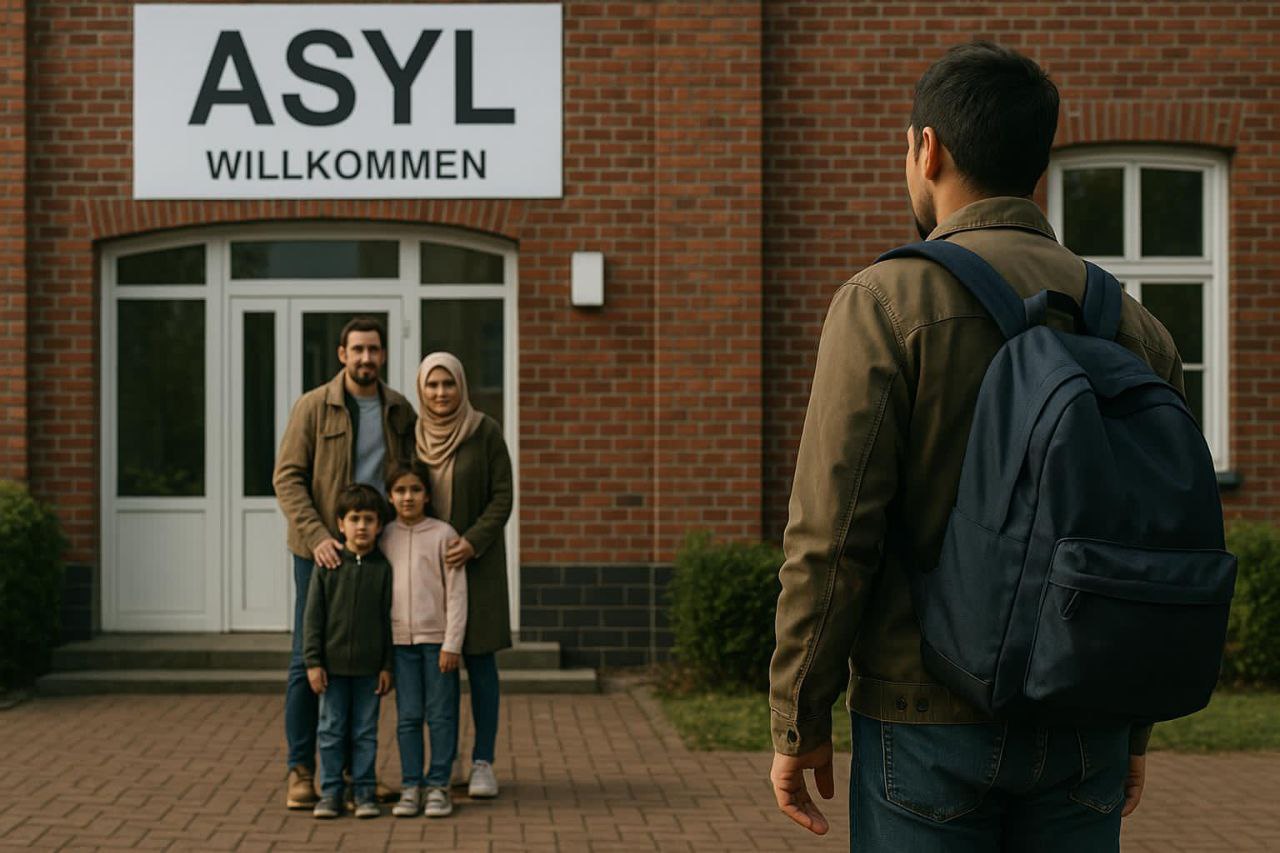
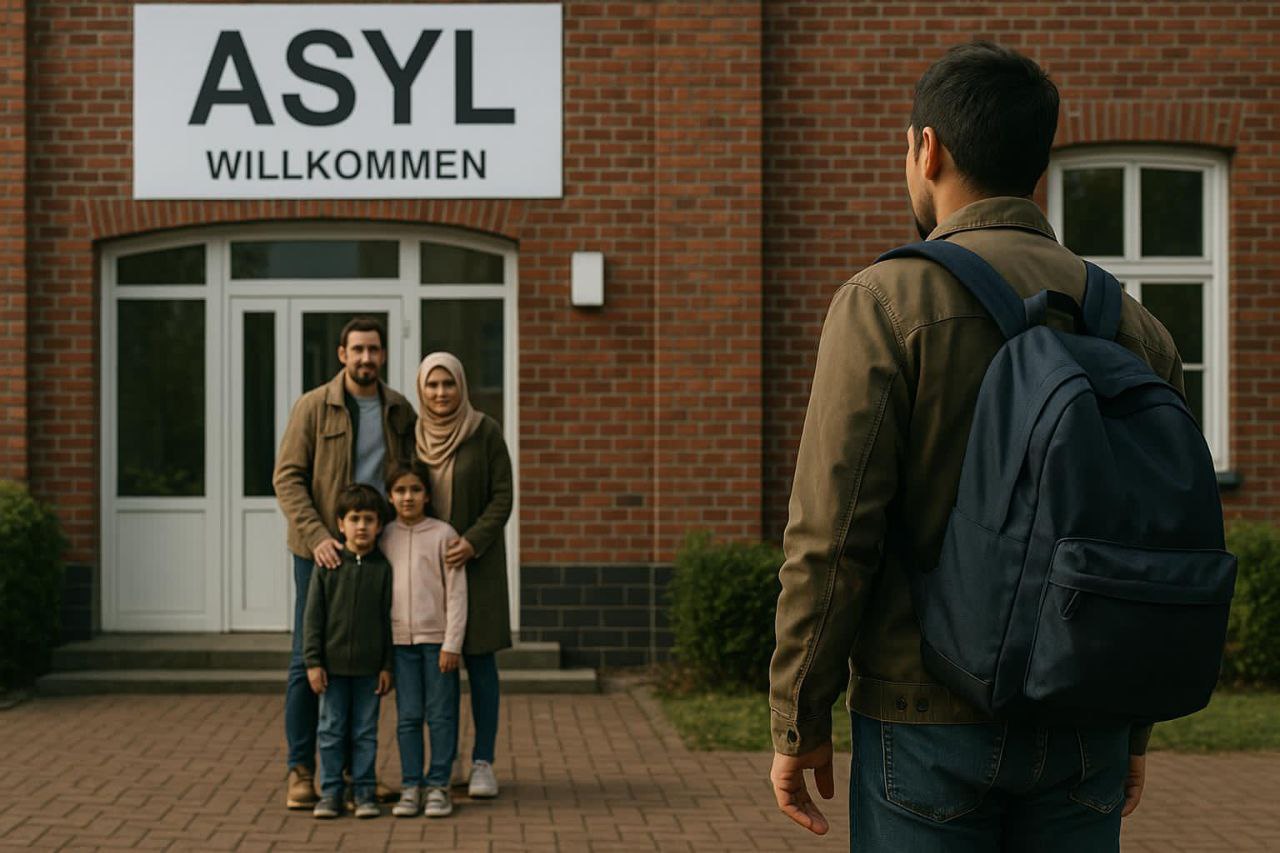
BAföG is a major opportunity for refugees and their children in Germany to pursue education without heavy financial burdens. Recognised protection often opens access immediately, while other cases may require additional conditions or patience.
— The site’s authors and editors strive to provide accurate information through extensive research and by consulting multiple sources when writing articles. However, some errors may occur or certain details may remain unconfirmed. Therefore, please treat the information in these articles as an initial reference and always consult the competent authorities for confirmed information.