Login/Create Account


Asylum for Unaccompanied Minors in Germany (UMF): A Comprehensive Overview of Procedures and the Role of the Jugendamt
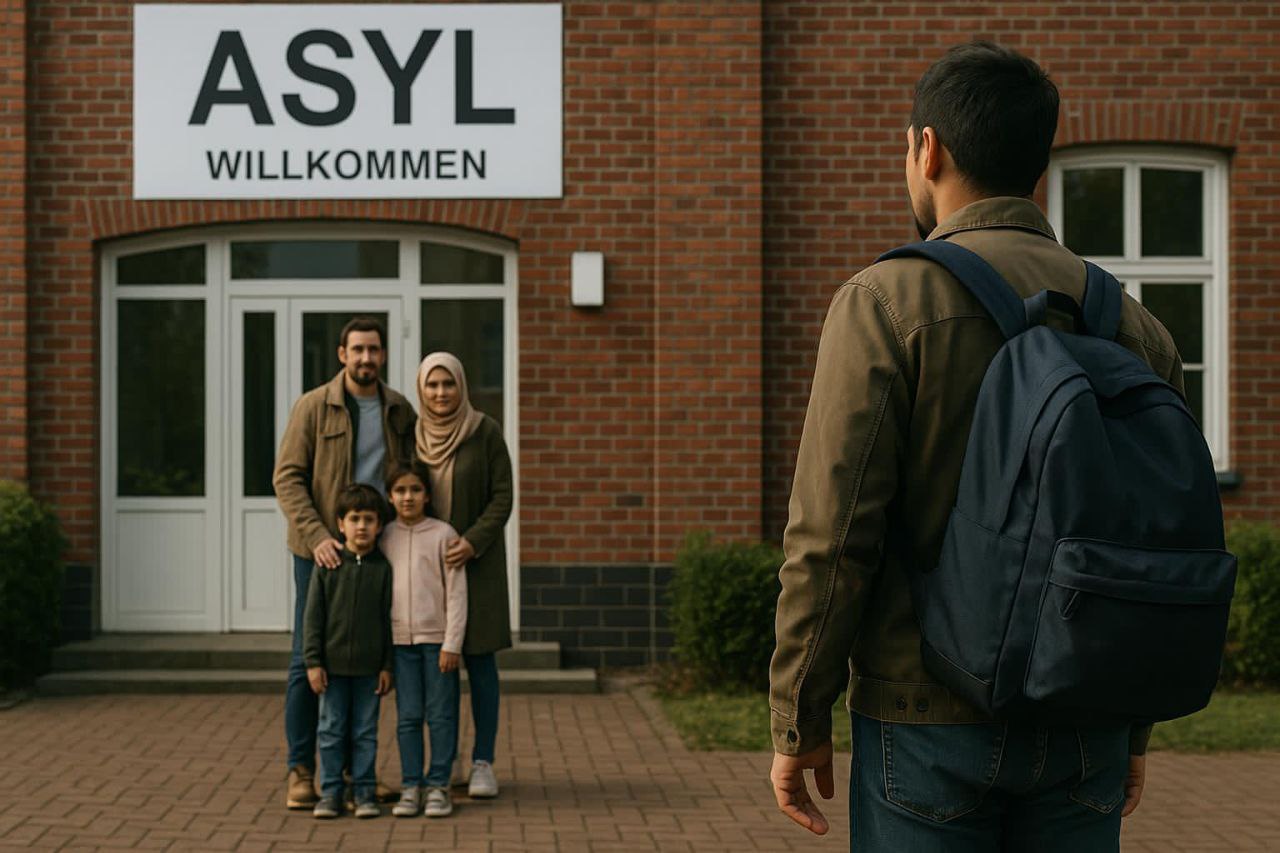
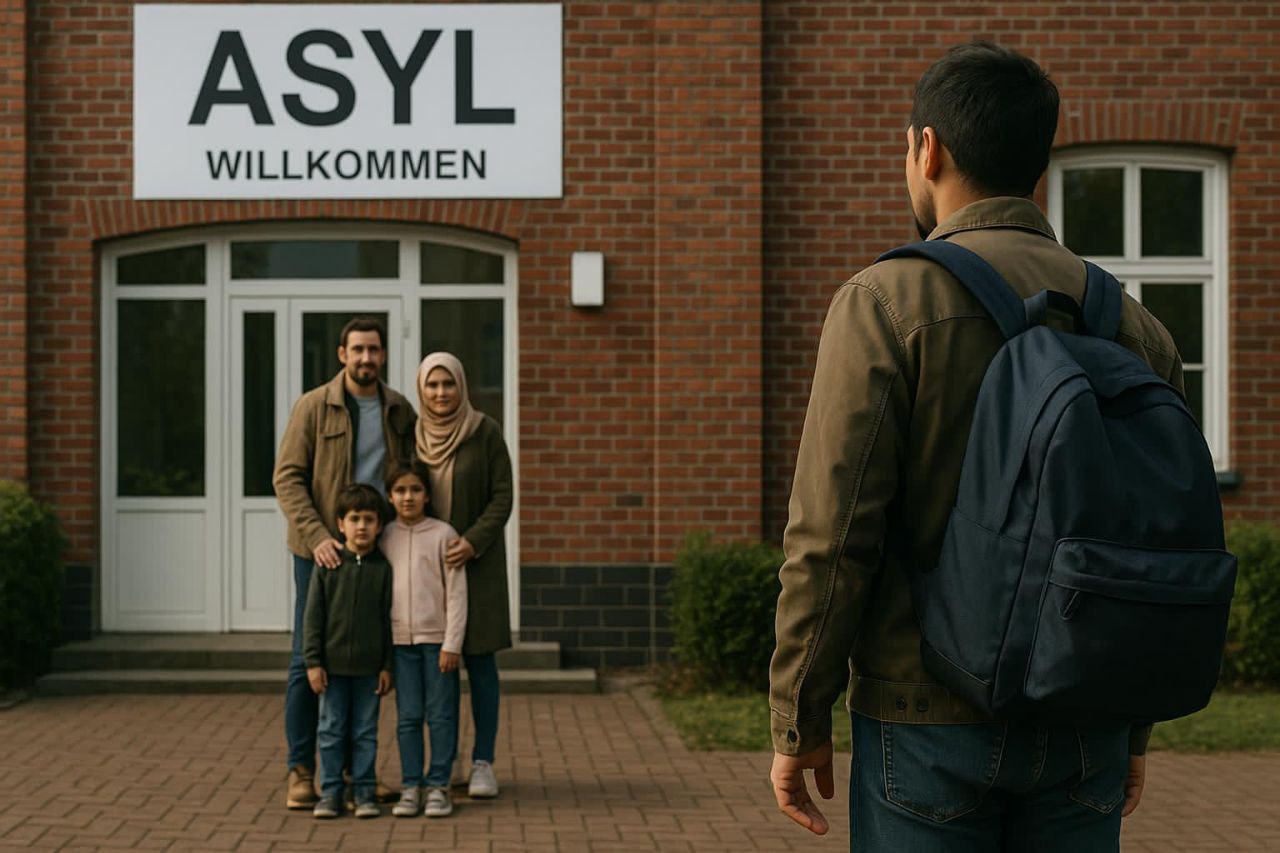
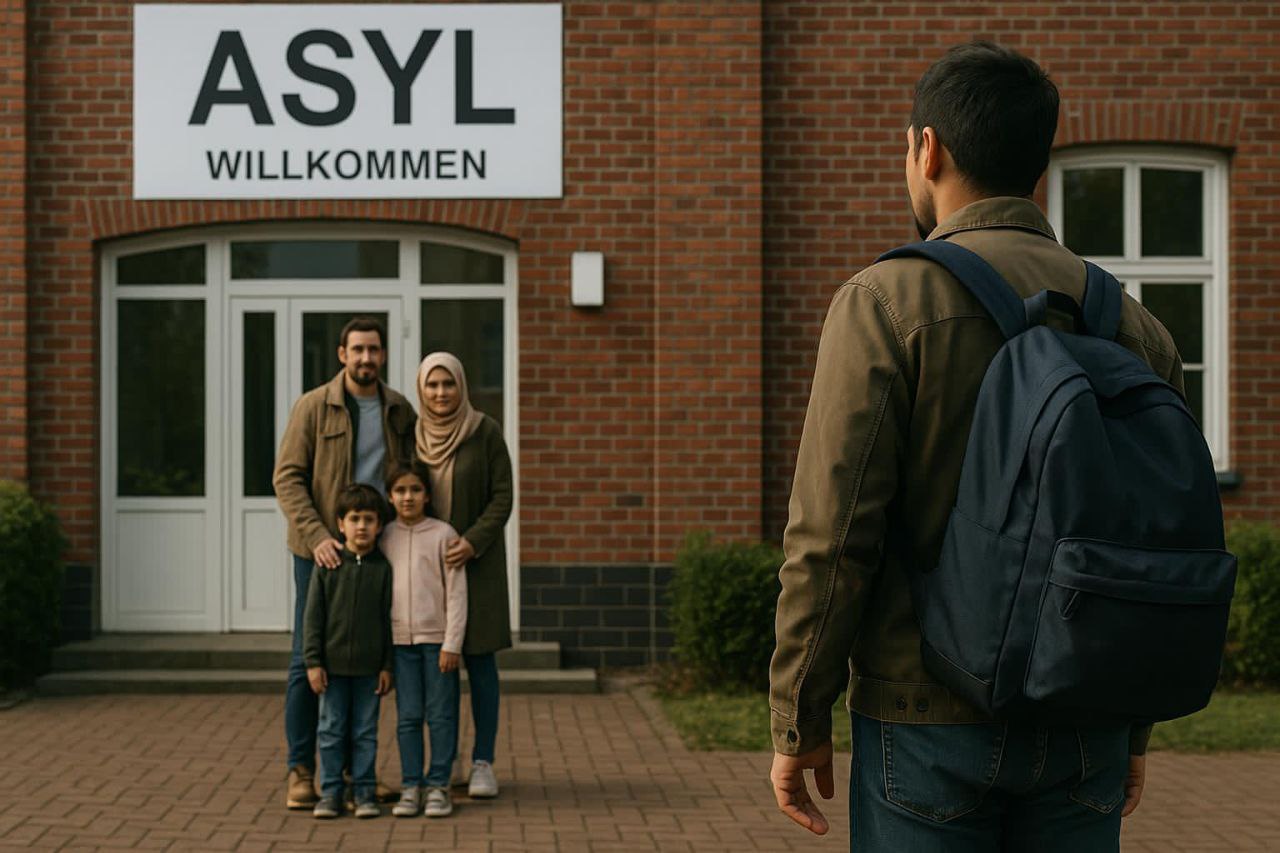
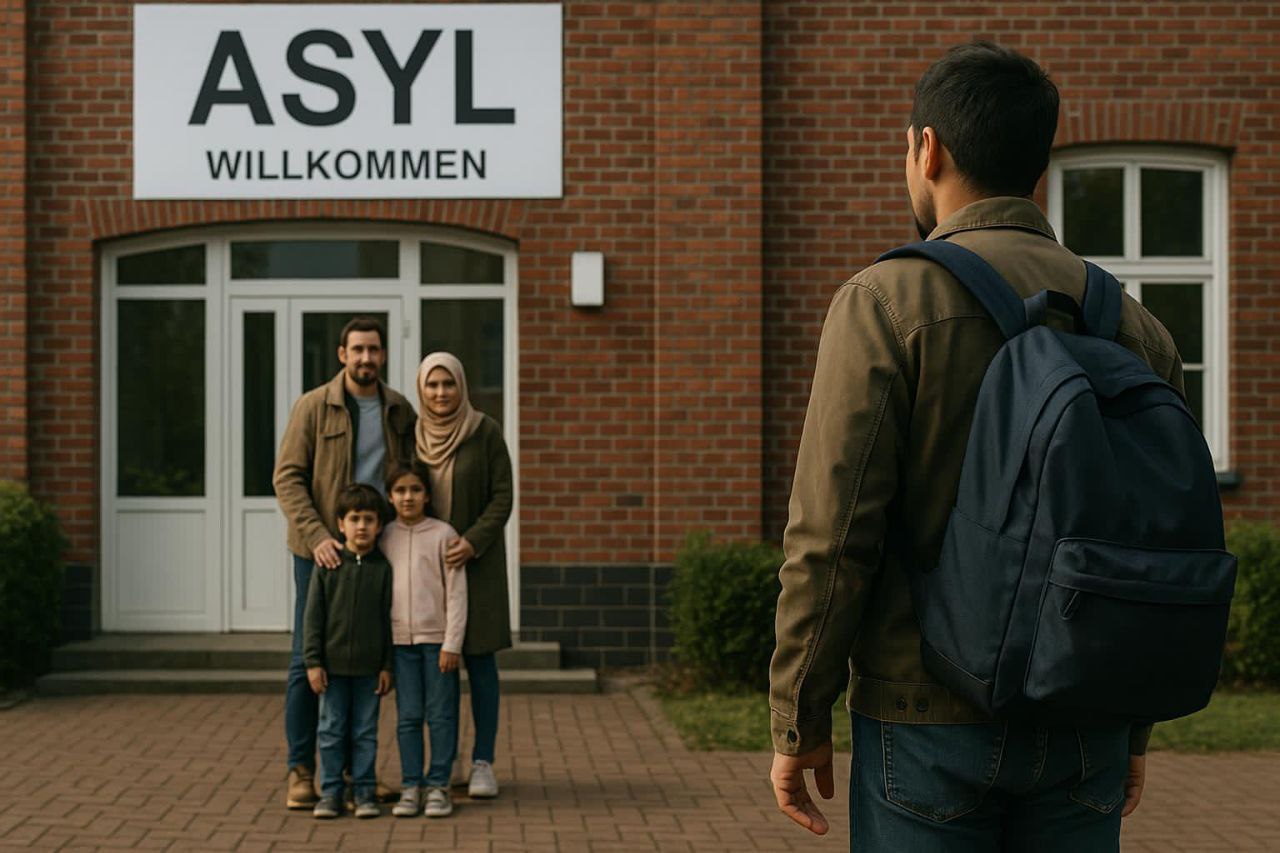
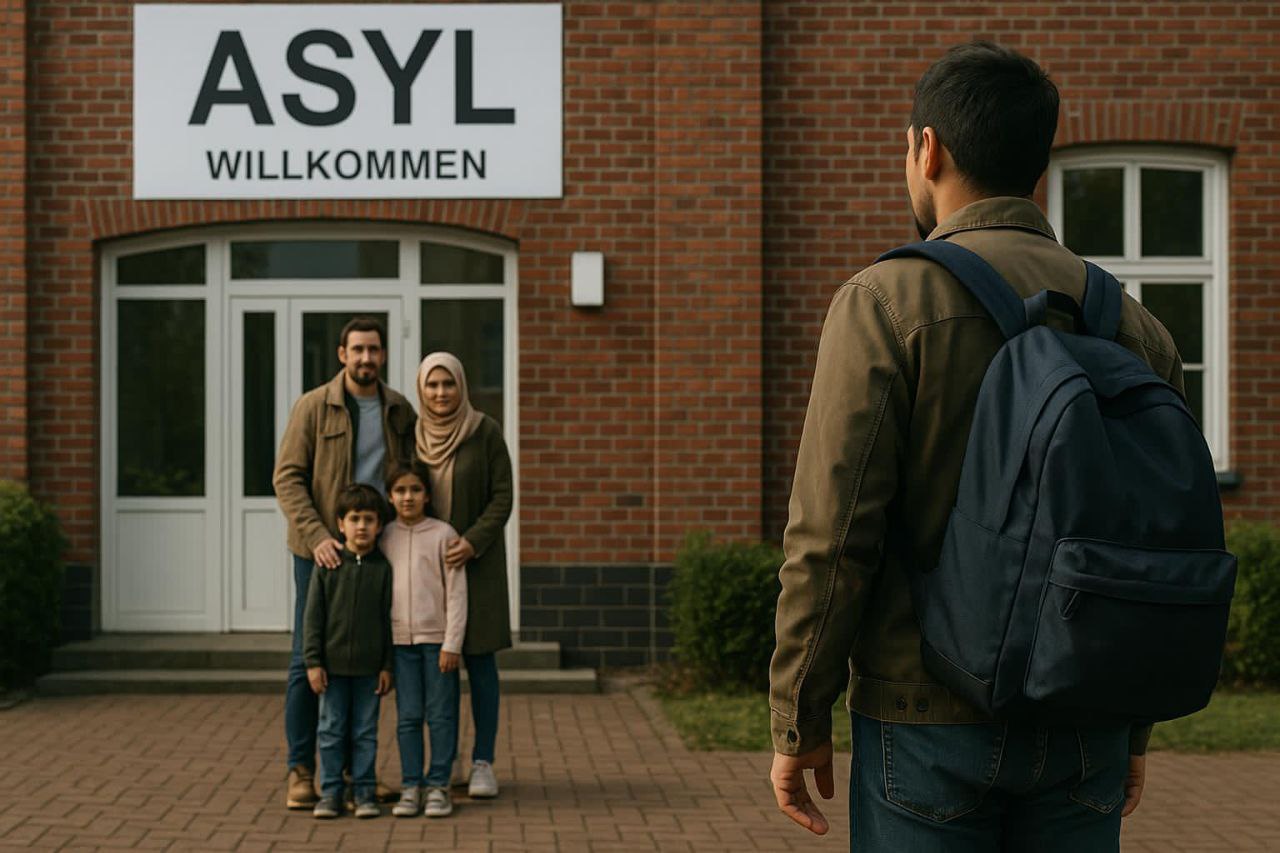
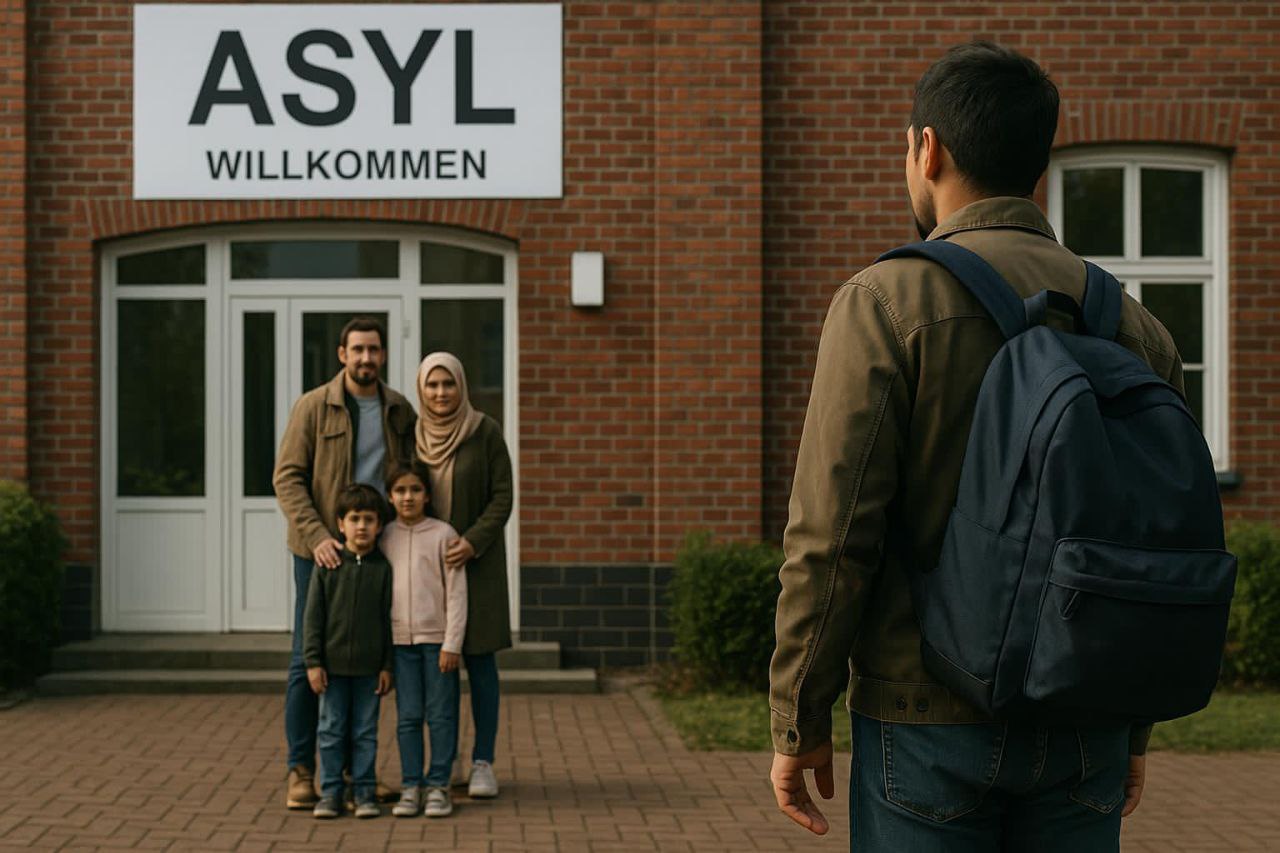
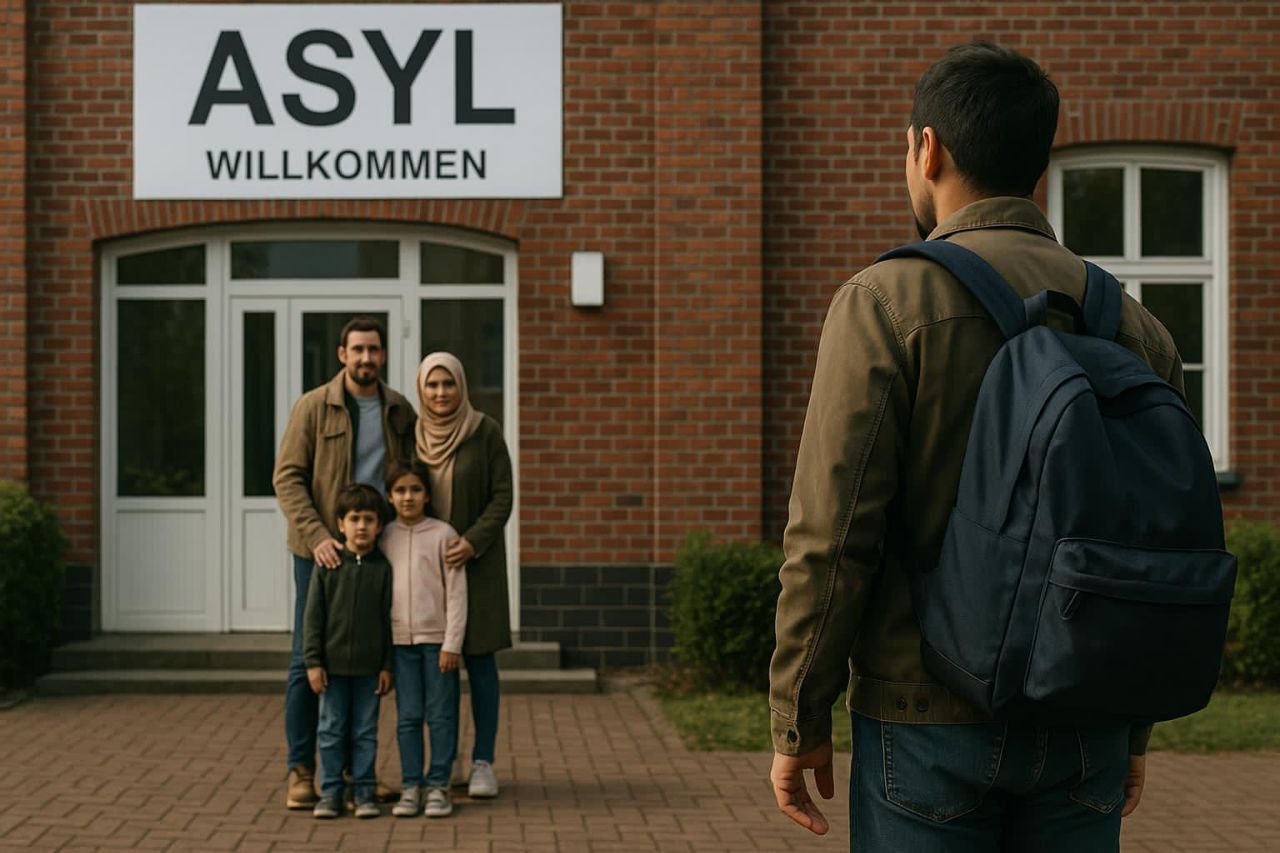
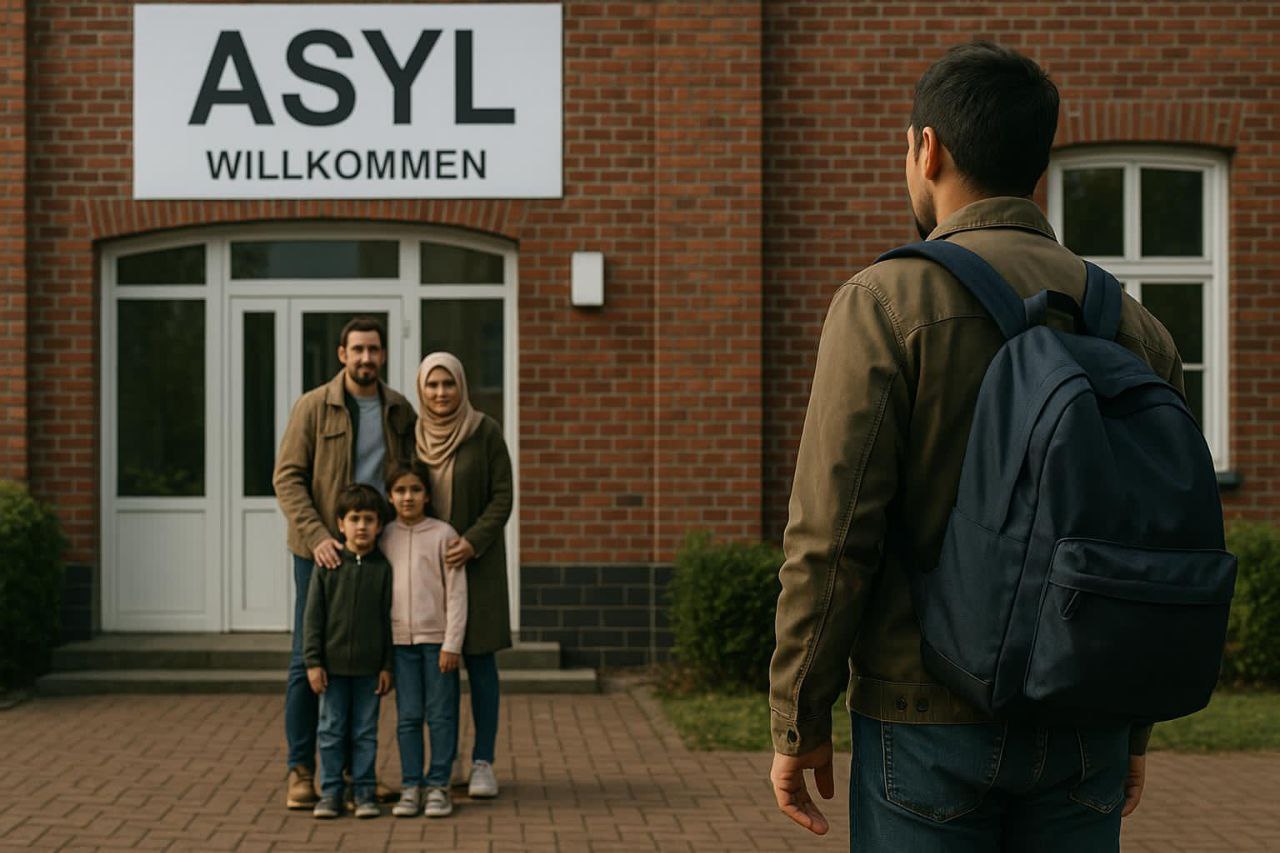
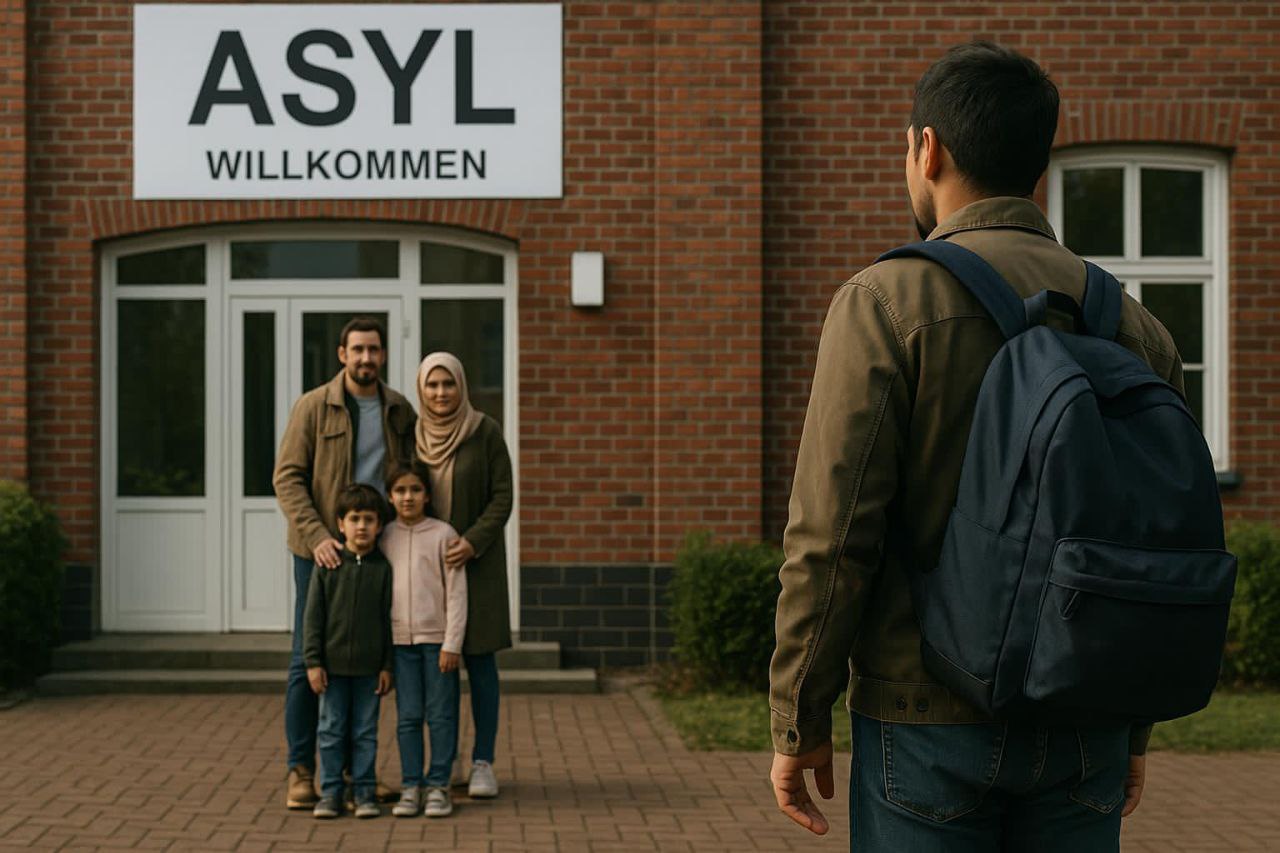
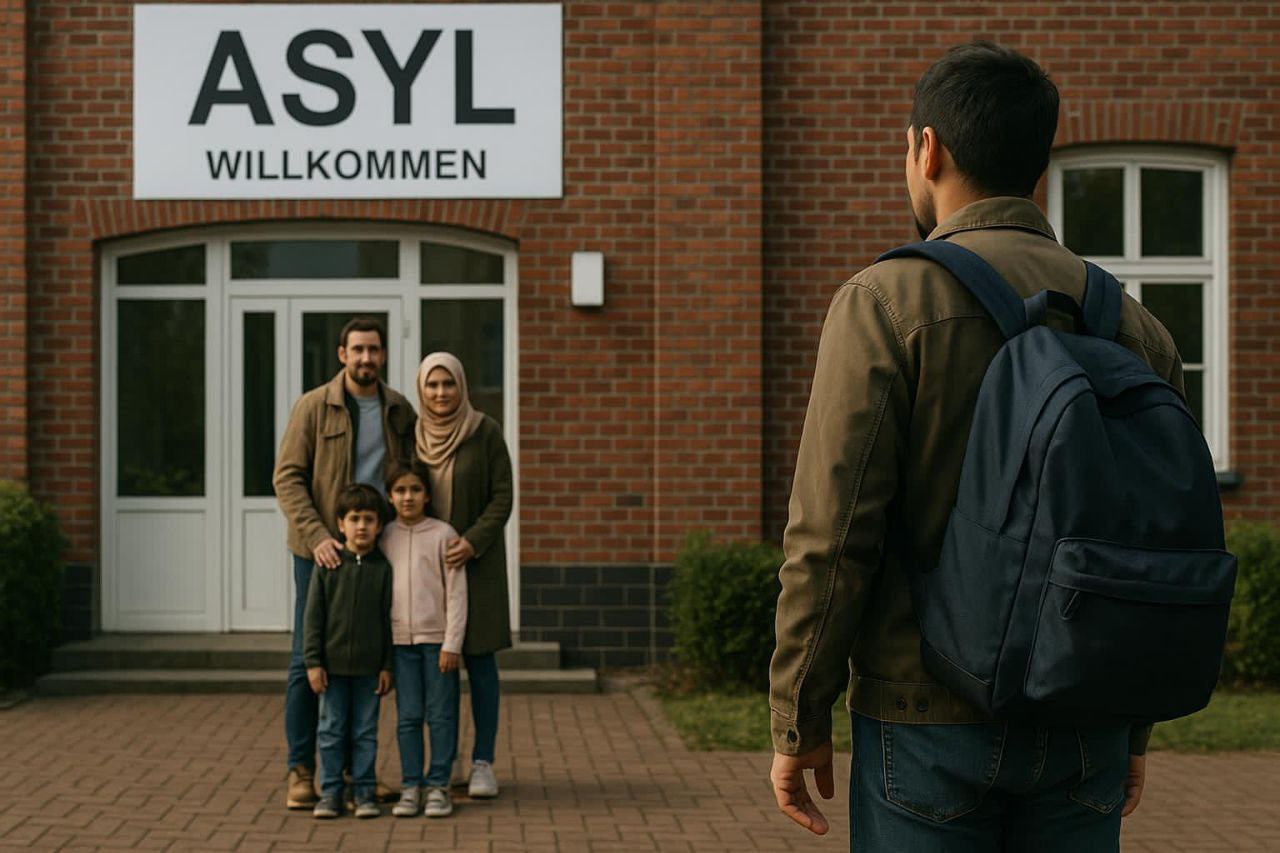
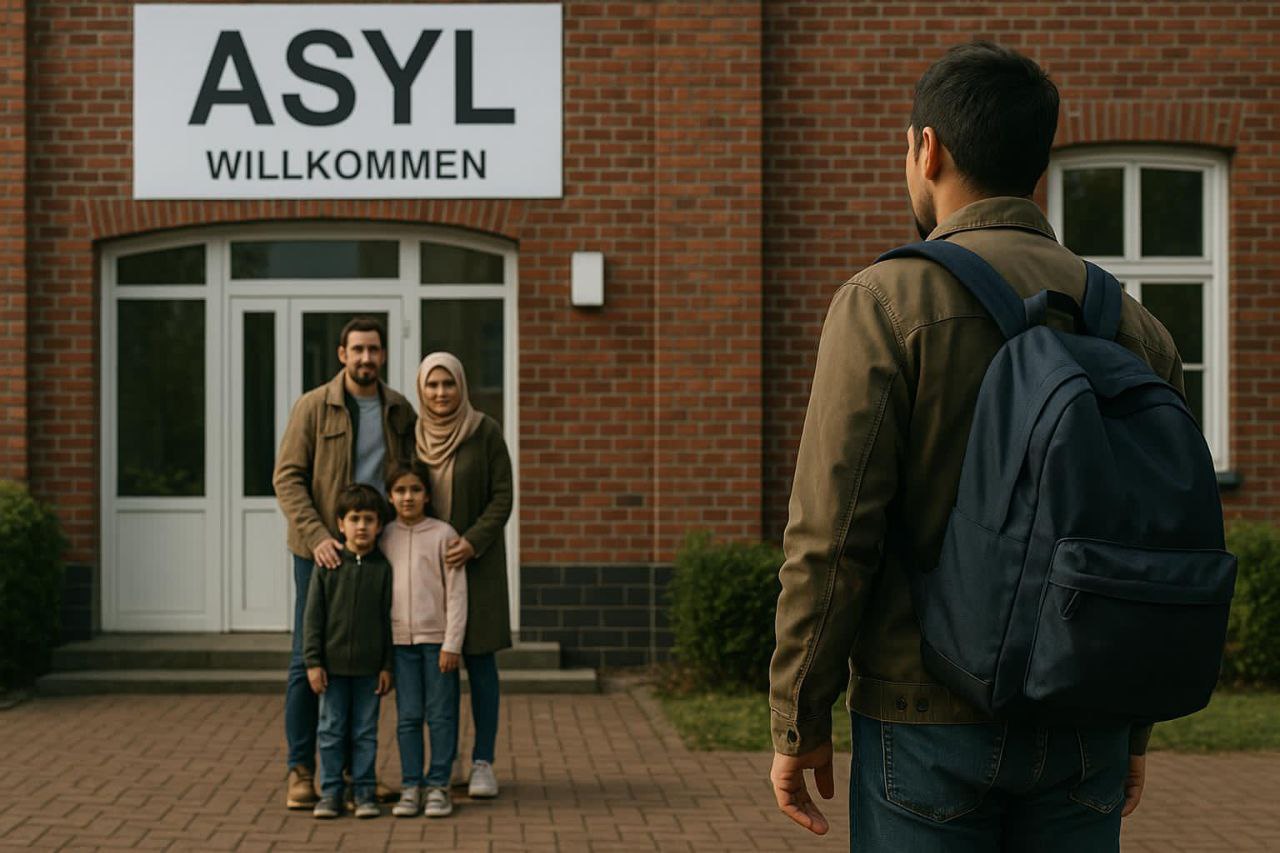
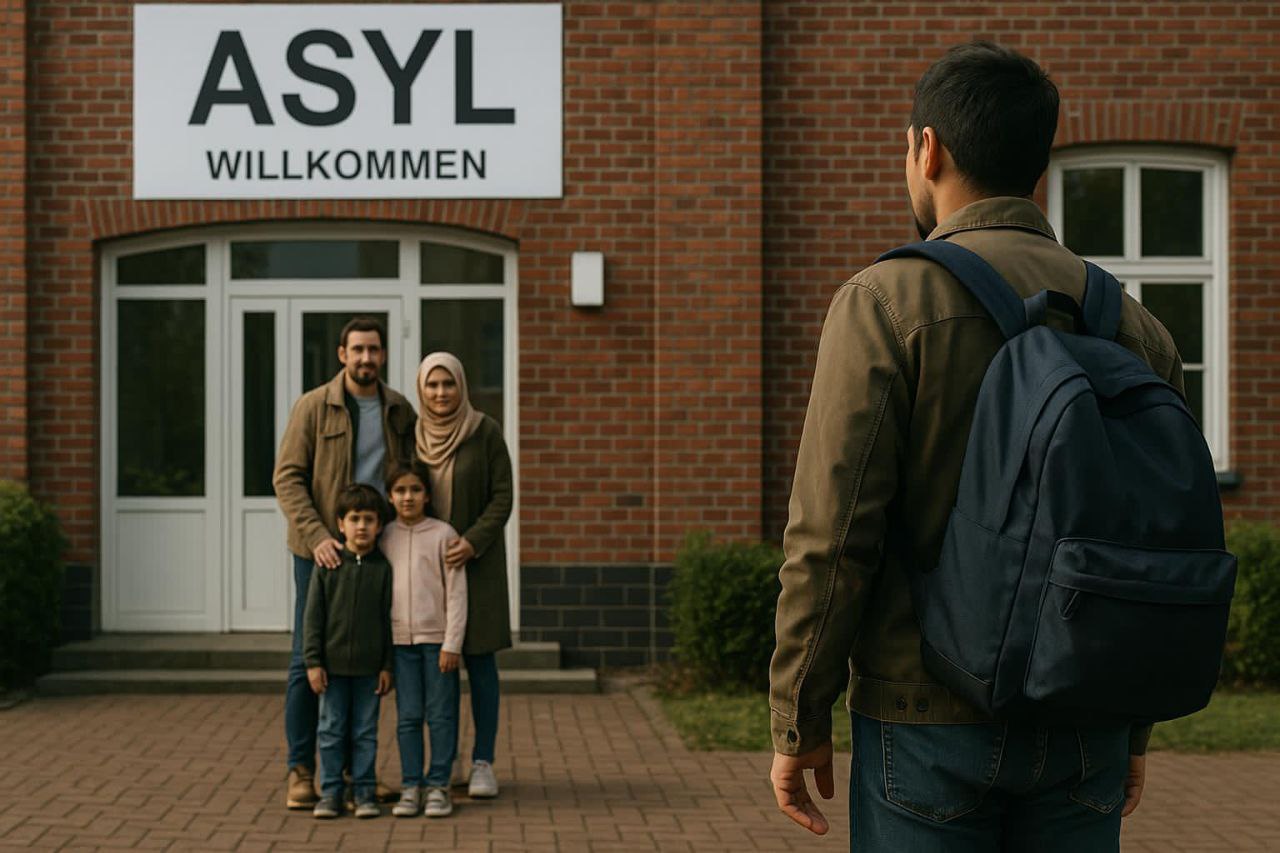
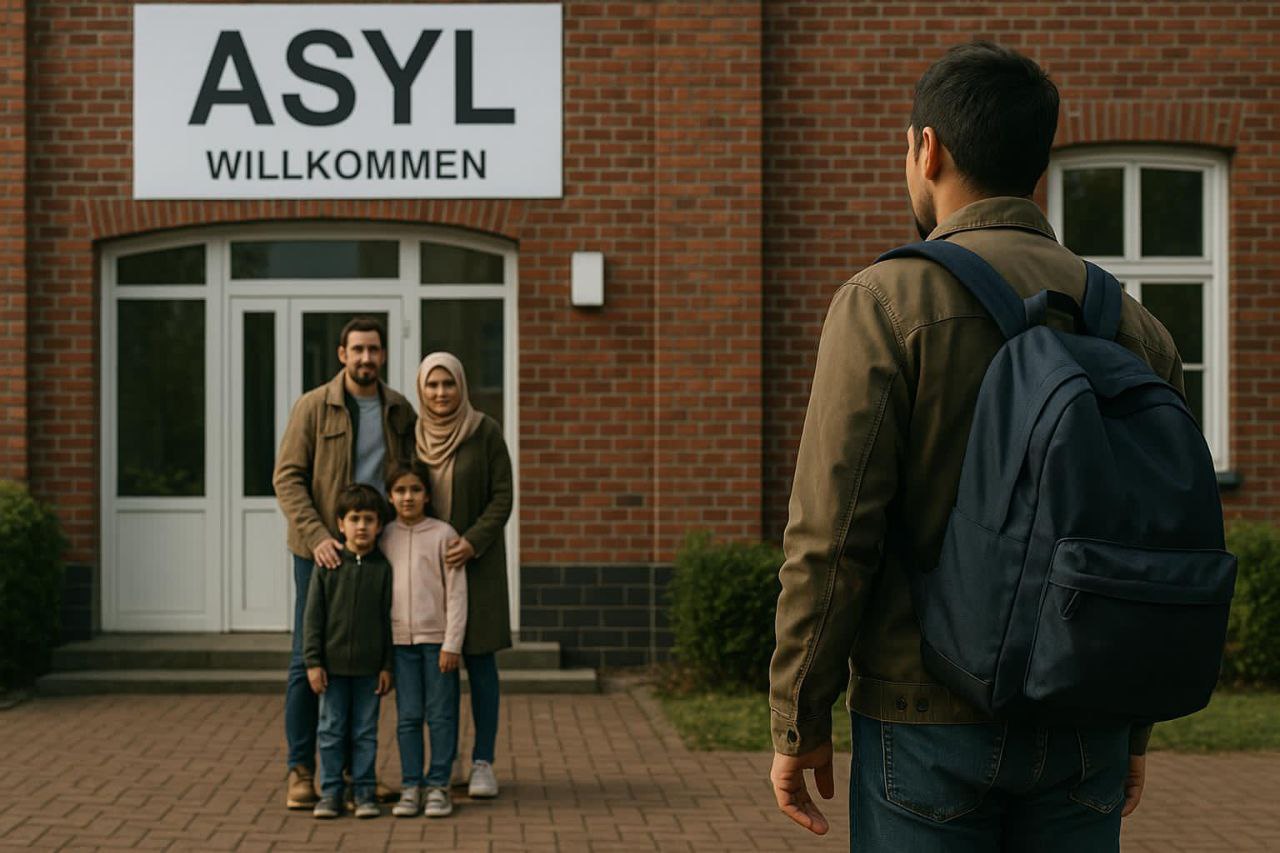
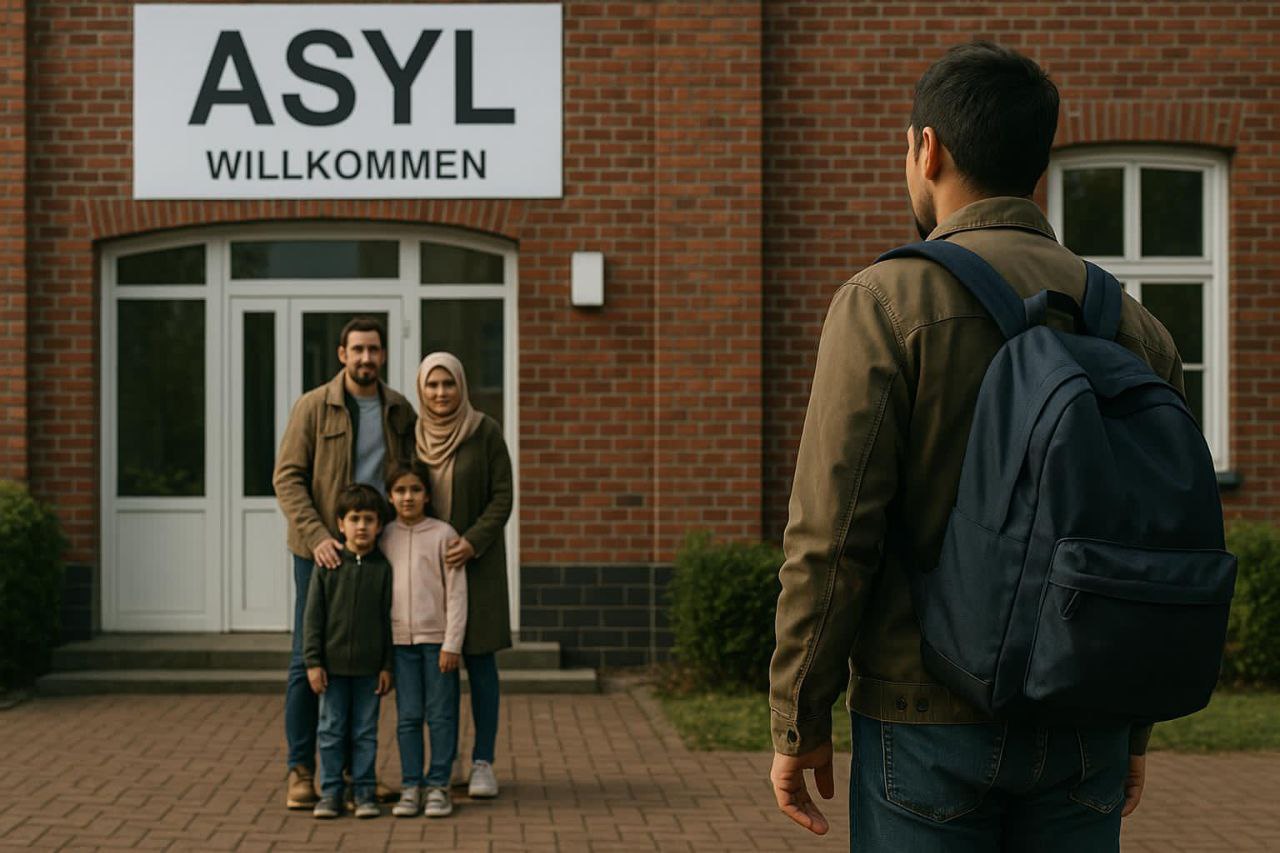
At the heart of Germany’s humanitarian policy, the issue of unaccompanied minor refugees (Unbegleitete minderjährige Flüchtlinge – UMF) holds a special place that goes beyond legal rules and reaches into the state’s moral and social responsibility. These children, who arrive in Germany alone, have often survived war, persecution, extreme poverty, or family tragedies—and they begin a new chapter in a completely unfamiliar environment. How does Germany receive them? Which procedures do they go through? And what central role does the youth welfare office (Jugendamt) play?
Who are unaccompanied minors?
Under the German legal definition, an unaccompanied minor is any person under 18 who arrives in Germany without a legal guardian (father, mother, or legally appointed guardian) and applies for asylum or needs protection. These minors have a special legal status under German asylum and social welfare rules.
First step: arrival and initial registration
When a child arrives in Germany—whether at the border or by presenting themselves to the police—the first step is registration by the authorities. The Jugendamt is informed immediately, and an emergency initial distribution procedure begins.
Unaccompanied minors are not placed in general asylum reception centers; instead, they are transferred directly to specialized youth welfare care.
Initial assessment by the Jugendamt
After taking the child into care, the Jugendamt carries out the Klärung des Hilfebedarfs—an assessment of what support is needed. This includes:
-
establishing the child’s identity (name, country of origin, approximate age)
-
assessing physical and psychological health
-
checking whether the child is truly unaccompanied or has relatives in Germany
-
evaluating the most suitable social and educational setting
If the child has no documents proving their age, a medical age assessment may be requested—an issue that is often legally and ethically controversial.
Temporary guardianship (Vorläufige Vormundschaft)
Because the child has no legal guardian, the Jugendamt applies to the competent court to appoint a temporary guardian (vorläufiger Vormund). This legal representative (often from the Jugendamt or a specialized organization) is responsible for:
-
representing the child in all legal procedures
-
filing the asylum application on the child’s behalf
-
making decisions regarding health care, accommodation, and education
Later, a permanent guardian (Vormund) may be appointed once the child’s situation becomes stable.
Submitting the asylum application
A minor is not allowed to submit an asylum application alone; a guardian must be present. After the temporary guardian is appointed, the formal application is filed with the Federal Office for Migration and Refugees (BAMF). These cases are handled with special sensitivity, and unaccompanied minors often receive priority.
During the BAMF interview, the presence of a guardian and an interpreter is taken into account, and the child’s psychological condition is handled carefully—especially if there has been trauma.
Accommodation and care
Unaccompanied minors are not placed in regular refugee reception centers. Instead, they are accommodated in:
-
specialized youth welfare facilities (Jugendhilfeeinrichtungen)
-
supervised group homes (Wohngruppen)
-
in special cases, foster families (Pflegefamilien)
They receive psychological, social, and educational support and are enrolled in schools or in language and vocational preparation programs.
Right to education and health care
Under German law, minors have a right to education without discrimination. After the initial assessment, they are enrolled in public schools. They also receive health insurance coverage, including medical and psychological treatment—especially vital in cases of trauma, sexual violence, or the loss of family members.
Family reunification
If close relatives (first-degree family members) are proven to live in another EU member state, family reunification can be requested under Dublin III. In these cases, the child’s well-being and stability are the priority. In some situations, Germany may decide, on humanitarian grounds, to keep the case if reunification would not be in the child’s best interest.
Turning 18—what happens next?
Once the child turns 18, their legal status changes from “unaccompanied minor” to “adult asylum seeker.” However, support does not end abruptly. In some cases, youth welfare support can continue until the age of 21—especially if the young person is still in education or faces special hardship.
At this stage, the asylum case may be reassessed as an adult case, and the chances of recognition or continued protection may change.
Challenges faced by unaccompanied minors
Despite an advanced legal framework, unaccompanied minors face several challenges, including:
-
difficulties proving real age without documents
-
long waiting times for guardianship appointments or asylum decisions
-
shortages of places in youth welfare facilities in some federal states
-
deep psychological trauma requiring long-term therapy
-
fear of losing protection upon turning 18
Conclusion
The way Germany handles unaccompanied minors reflects its commitment to protecting the most vulnerable groups—yet the path is not always easy. Understanding the legal framework, procedures, and the decisive role of the Jugendamt is essential to ensure these children receive a safe and dignified new life.
These children are not only looking for shelter, but for a chance to rebuild a childhood that was taken from them under harsh conditions. With its legal and institutional structures, Germany remains one of the few countries that offers them a genuine opportunity.
ـ The site’s writers and editors aim to provide accurate information through extensive research and multiple sources. However, errors may occur or some information may be unconfirmed. Please treat the content as initial guidance and always consult the competent authorities for verified information.