Login/Create Account


Introduction
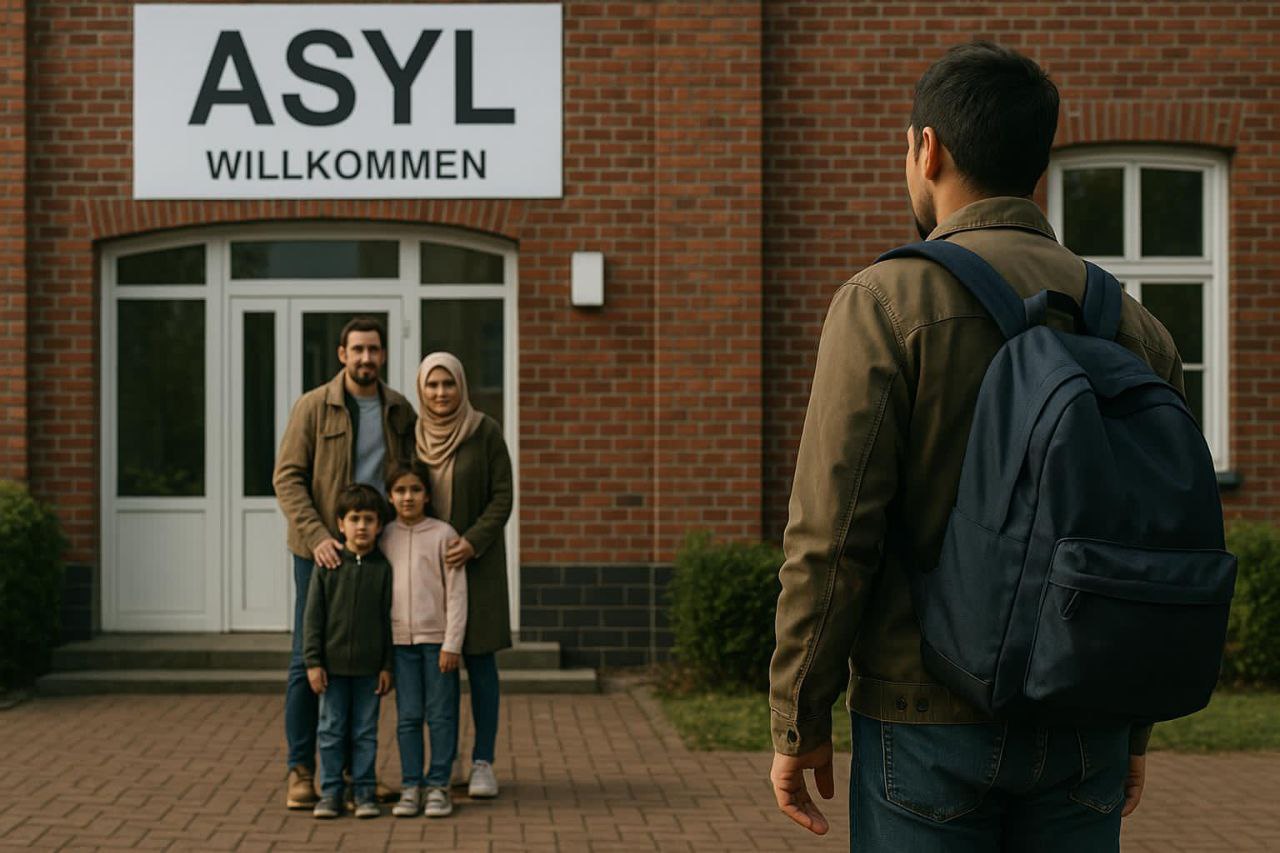
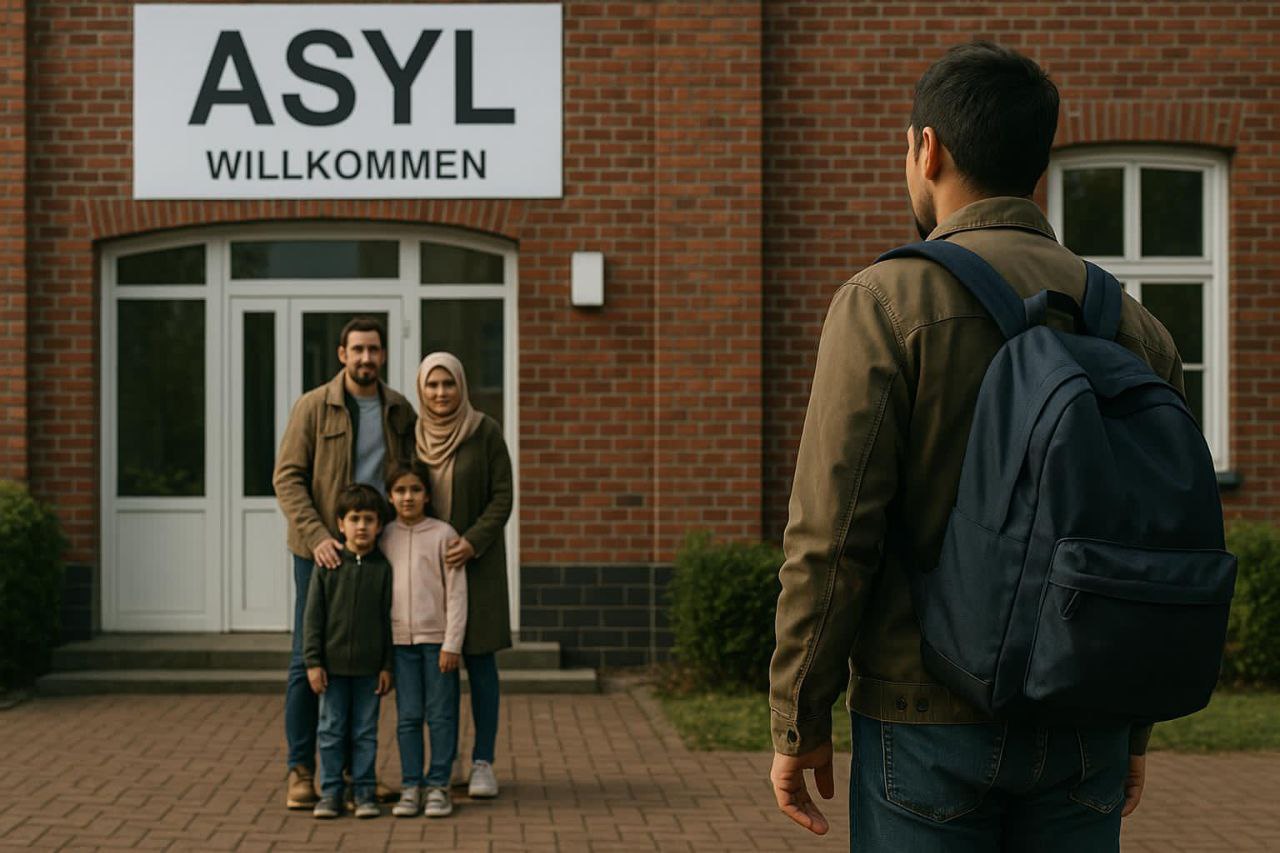
As technology is increasingly used to manage asylum applications, protecting asylum seekers’ personal data has become a core pillar of the work of Germany’s Federal Office for Migration and Refugees (BAMF). BAMF manages thousands of digital files containing sensitive information, including interviews, personal documents, fingerprints, and even health and psychological data.
For this reason, BAMF’s digital security policy (IT security / IT-Sicherheit) is critically important to safeguard privacy and prevent leaks or misuse of data.
What is stored digitally at BAMF?
BAMF digitizes most stages of asylum processing, including:
-
Identity data (name, date of birth, nationality, personal photos)
-
Fingerprints (EURODAC)
-
The asylum interview (Anhörung) and its written transcript
-
Travel or identity documents
-
Case notes by researchers or staff
-
Asylum decisions and outcomes of court appeals
-
Forensic or psychological reports (if available)
How is this data protected?
BAMF relies on a strict information-security framework, including:
1) Internal storage within a closed government infrastructure
Data is not stored on public cloud servers.
Servers are operated in fully secured federal data centers (Rechenzentren des Bundes).
2) Multi-level access permissions
No employee can access all files.
Each employee has defined permissions depending on department or case (e.g., interview teams vs. decision units).
3) End-to-end encryption for sensitive data
Information is encrypted during transfer and at rest.
Security protocols such as TLS and AES are used.
4) Logging and tracking of every access action
Every file opening or modification is recorded.
Detailed logs are retained for oversight and security audits.
5) Regular security checks (penetration tests & audits)
Systems are continuously tested against cyberattacks.
Resistance to hacking and intrusion attempts is regularly assessed.
6) Mandatory training for BAMF staff
Employees undergo mandatory training on data protection (Datenschutz) and the EU General Data Protection Regulation (GDPR/DSGVO).
How does this relate to asylum and privacy?
Privacy is a legal right protected by:
-
Germany’s Federal Data Protection Act (BDSG)
-
the EU General Data Protection Regulation (GDPR/DSGVO)
Asylum seekers have the right to:
-
request access to their file (Article 15 GDPR)
-
object to certain processing if it is not justified
-
request correction or deletion of incorrect or excessive data (Article 17 GDPR)
What happens in case of a breach or leak?
If a security incident occurs, BAMF must:
-
notify the relevant data protection authority within 72 hours
-
inform the affected person if the leaked data poses a serious risk
-
carry out an urgent security review to identify the cause and prevent recurrence
Can an asylum seeker obtain a copy of the BAMF file?
Yes. The asylum seeker or their lawyer can:
-
request a copy under the legal right of access
-
receive it electronically or by post (often as a PDF)
-
it typically includes: the asylum application, interview record, documents, and decision
However, some documents may be withheld if they contain sensitive information related to public security or third parties.
Conclusion
BAMF uses an advanced information-security framework governed by German and European law to protect the confidentiality of asylum seekers’ data. Because these records can sometimes determine protection or deportation outcomes, digital security is not a technical luxury—it is a first-rate humanitarian and legal obligation.
ـ The site’s writers and editors aim to provide accurate information through extensive research and multiple sources. However, errors may occur or some information may be unconfirmed. Please treat the content as initial guidance and always consult the competent authorities for verified information.