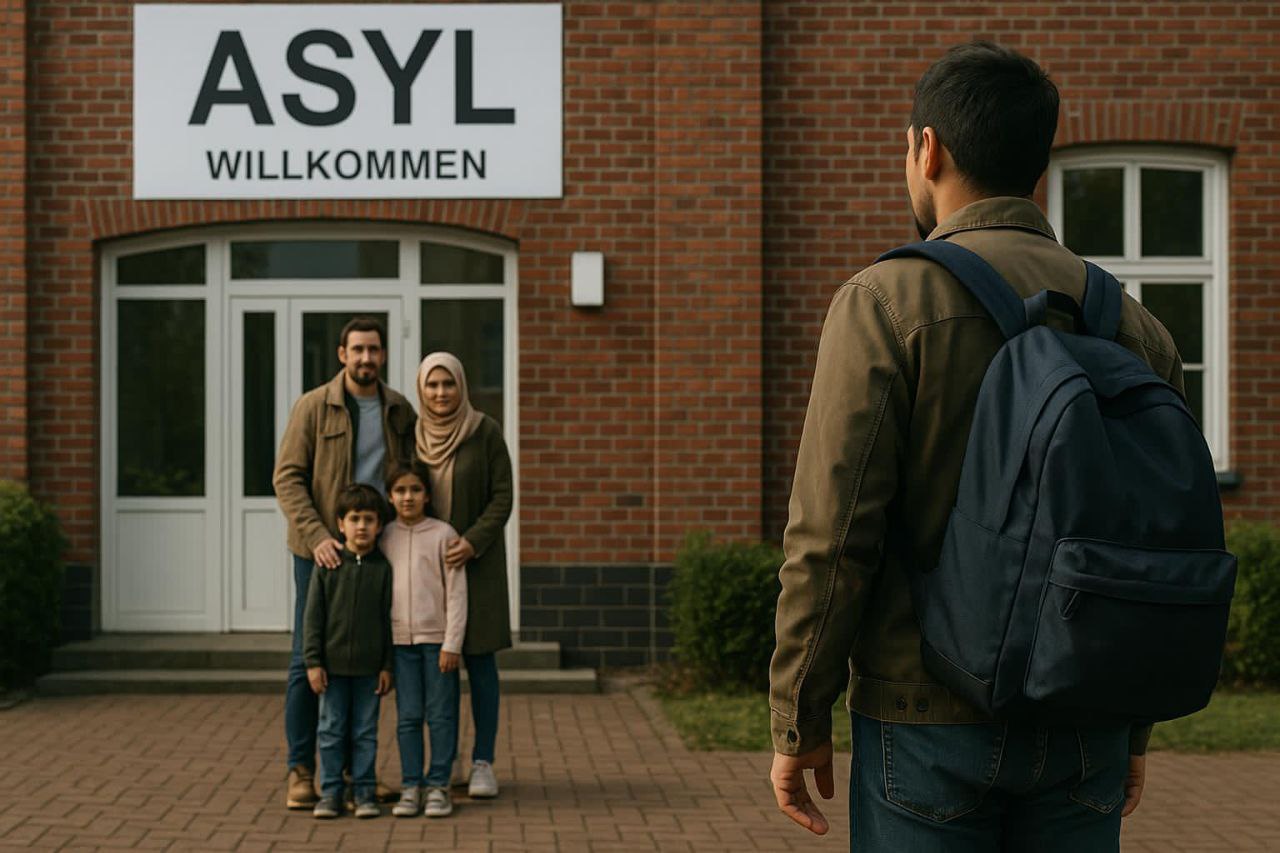
Steps to apply for asylum in Germany: from arrival to the BAMF decision
Germany is among the European countries that receive the largest number of asylum seekers. It offers a comprehensive legal system that guarantees every person the right to apply for protection if they face a threat to their life or freedom in their country of origin. However, the path to official recognition as a refugee goes through several precise stages that should be clearly understood.
Arrival in Germany
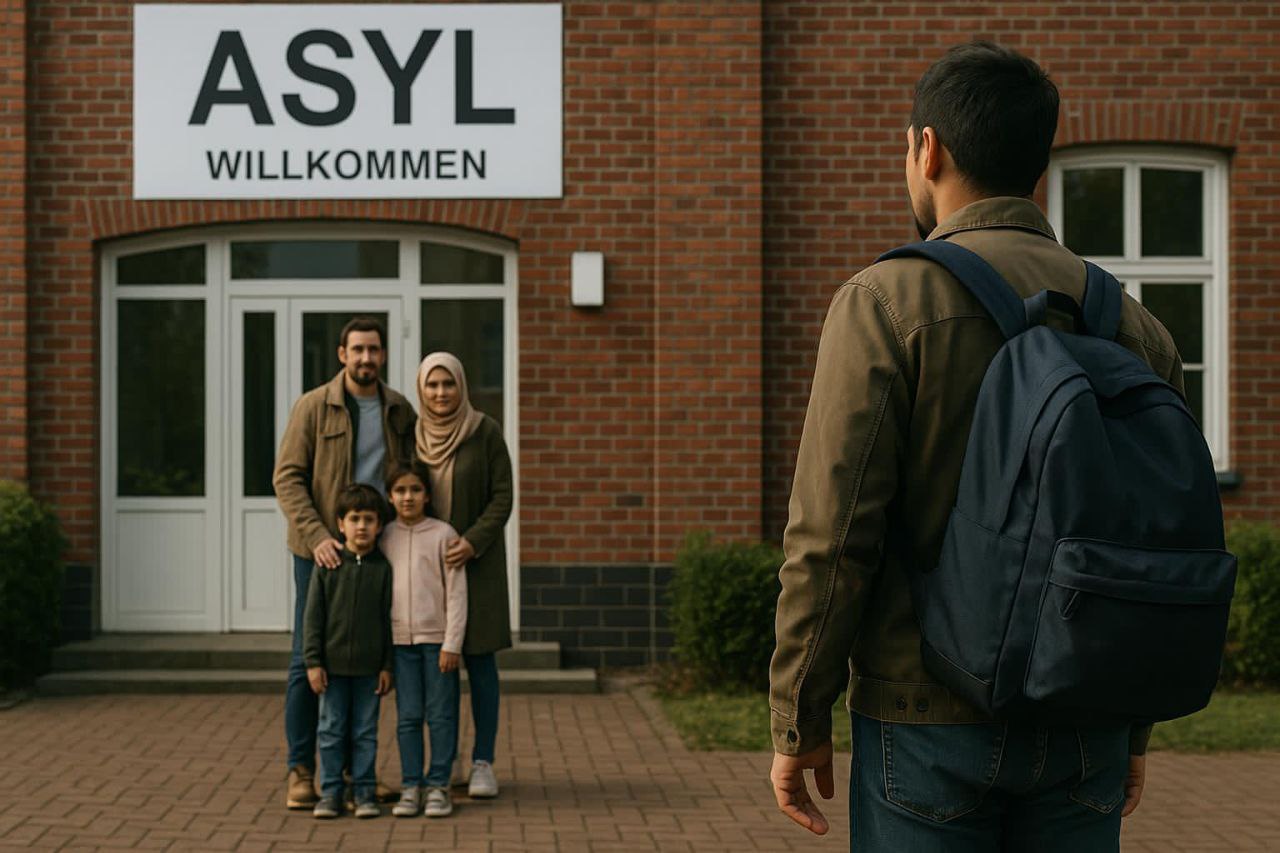
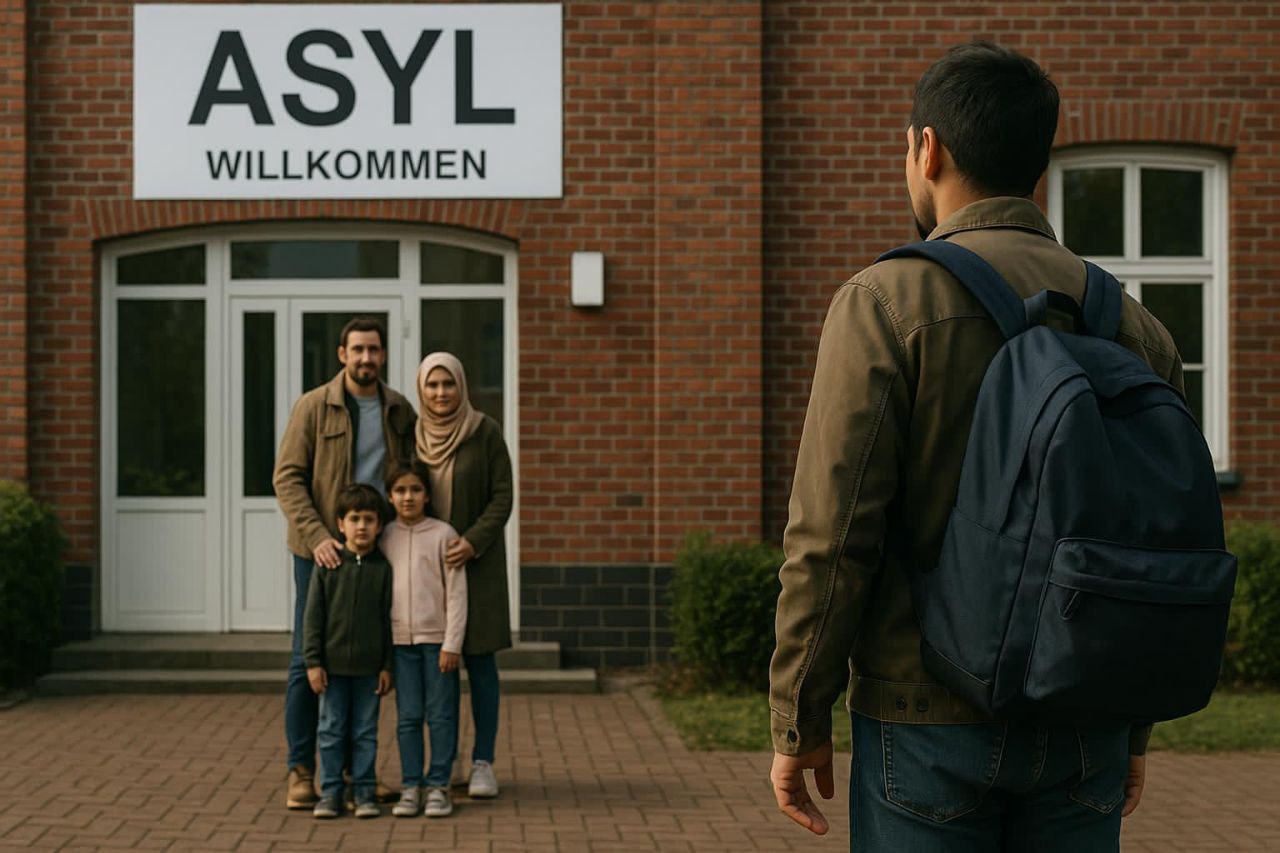
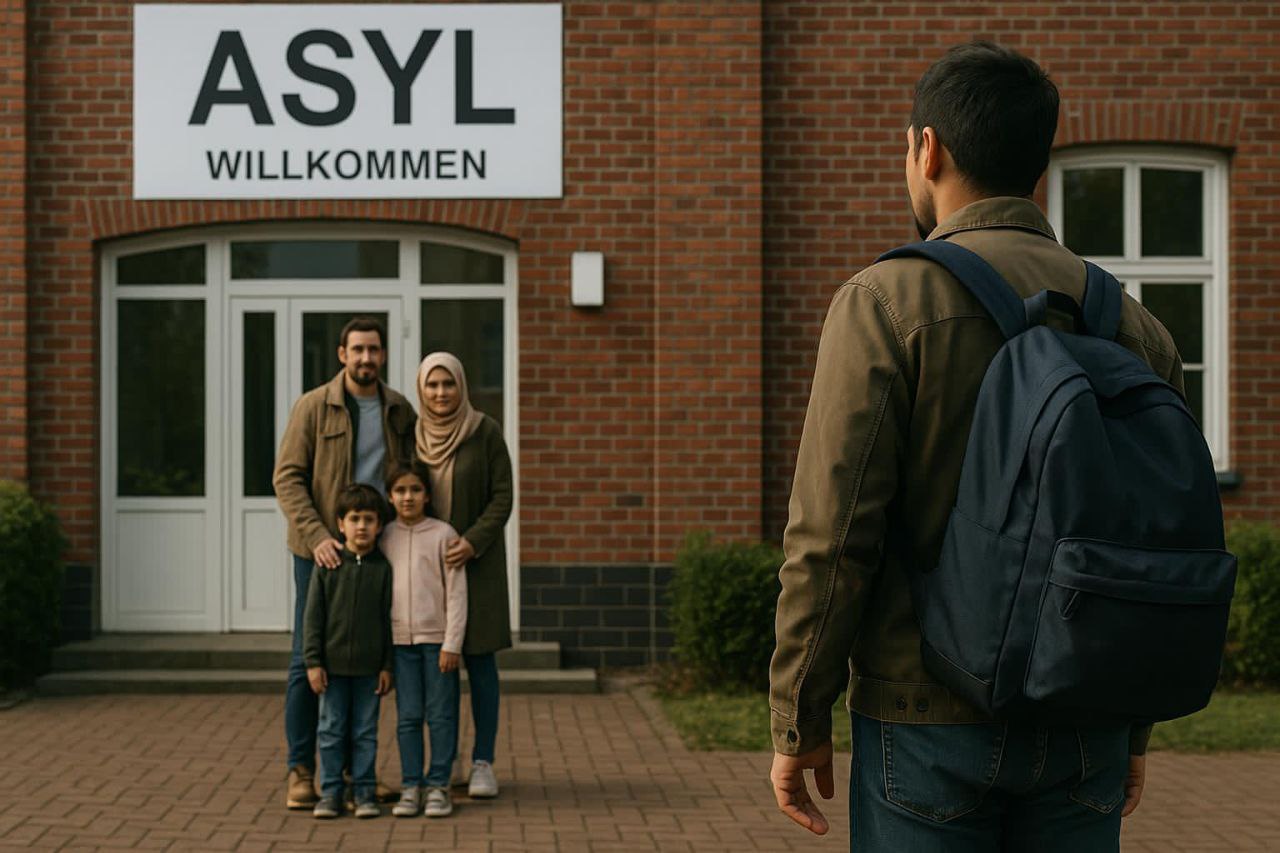
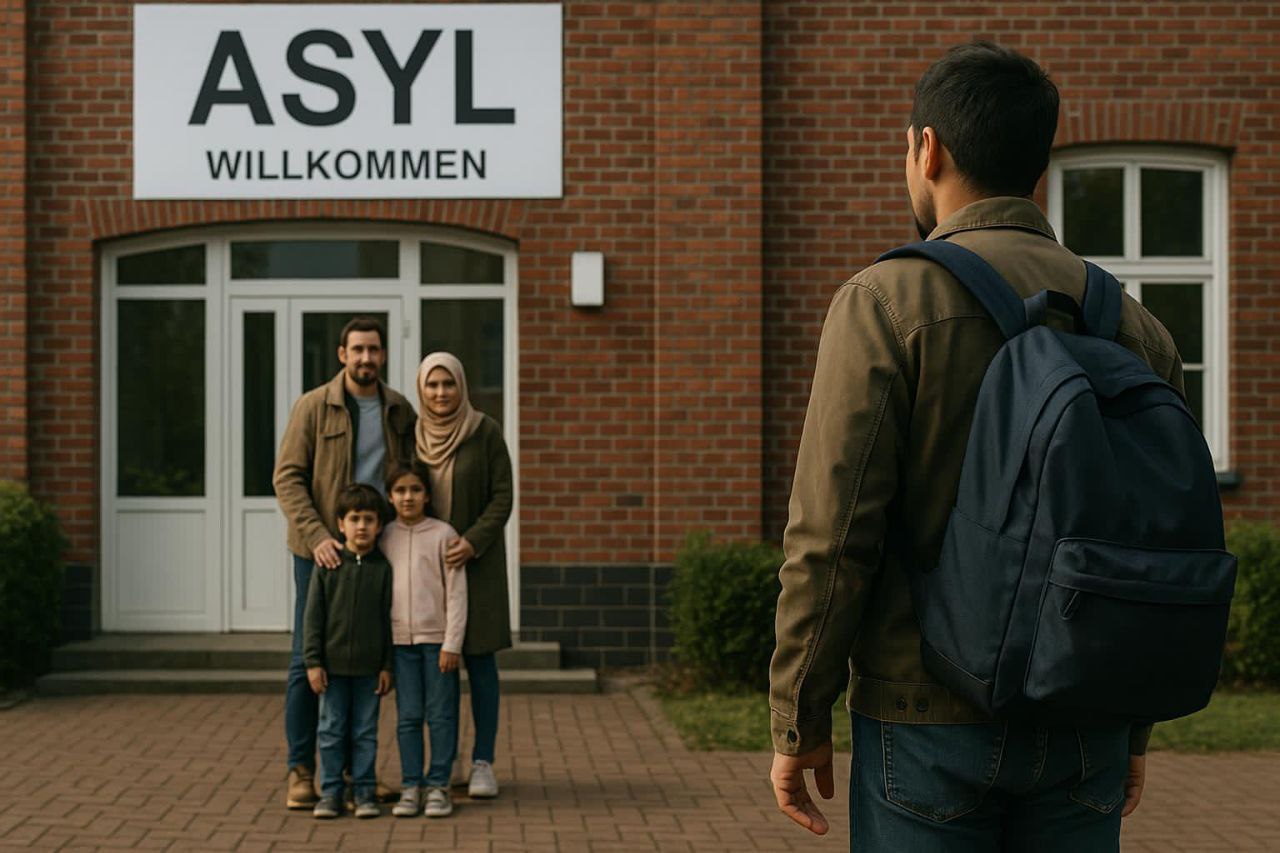
An asylum seeker can reach Germany in several ways: by land, sea, or air, often without a regular visa. Under German law, you do not need to have entered the country legally in order to apply for asylum, but it is advisable to go immediately after entry to the nearest police station or an asylum authority and declare your intention to apply for asylum.
Registering the intention to apply (Erstmeldung)
The first official step is the “initial registration,” carried out at an initial reception center (Erstaufnahmeeinrichtung) or at border police. Personal data is recorded, fingerprints are taken, and the person is photographed. It is also checked whether the person has previously applied for asylum in another European country under the so-called Dublin Regulation.
Important note: If a prior registration is found in another Dublin state, the person may be transferred back there to continue the asylum procedure.
Referral to an initial reception center
After registration, the asylum seeker is referred to an initial reception center according to the geographic distribution system known as the “EASY system,” which aims to distribute asylum seekers across the German federal states in a balanced way. At this stage, the person receives accommodation, food, and basic healthcare.
Filing the asylum application formally with BAMF
After the referral, an official appointment is scheduled to file the asylum application with the Federal Office for Migration and Refugees (BAMF). At this appointment, the person completes a detailed form, re-states their personal data and nationality, and explains the reasons for seeking asylum.
Personal interview (Anhörung)
The interview with a BAMF officer is the most important part of the asylum process, as decisions are largely based on what is said there. The interview may last several hours, during which the applicant must explain in detail the reasons for seeking protection—such as a risk of political, ethnic, or religious persecution, or persecution due to membership in a particular social group.
Important tip: Honesty and accuracy, and focusing on concrete details, strengthen the chances of a positive decision. You can request an interpreter if you do not speak German.
Waiting for the decision
After the interview, BAMF begins examining the file and assessing the reasons provided. A decision may take several months, sometimes more than a year, depending on the complexity of the case and the applicant’s nationality. During this period, the person receives a temporary legal status called “Aufenthaltsgestattung,” allowing legal stay in Germany.
BAMF decision: possible outcomes
BAMF may issue one of the following outcomes:
Recognition of full constitutional asylum (Asylberechtigung): granted under the German constitution for direct political persecution by state authorities.
Refugee status under the Geneva Convention (Flüchtlingseigenschaft): granted for persecution due to race, religion, nationality, political opinion, or membership in a particular social group.
Subsidiary protection (Subsidiärer Schutz): for those who do not meet asylum/refugee criteria but would face a real risk upon return, such as torture or armed conflict.
Ban on deportation (Abschiebungsverbot): granted in exceptional humanitarian cases (for example, serious illness), preventing deportation without full refugee recognition.
Rejection (Ablehnung): if BAMF finds no sufficient grounds for protection. In this case, the applicant may challenge the decision before the competent administrative court within a set deadline.
Appeal and legal challenge in case of rejection
If the application is rejected, the applicant may file a legal challenge. The deadline varies depending on the type of rejection and is typically between one week and one month. It is recommended to obtain legal advice from a lawyer specialized in asylum law to ensure correct procedures.
After the decision: rights and obligations
After receiving a form of protection, the person is usually granted a residence permit valid for one to three years, renewable. During this period, they may:
attend language and integration courses,
look for work or study,
apply for family reunification in some cases.
If the rejection becomes final, the person must leave Germany, and deportation may be carried out if they do not depart voluntarily within the specified time limit.
Conclusion
The asylum journey in Germany begins with a simple step: expressing the wish to seek protection. It then follows a precise legal path that requires understanding, preparation, and clear presentation. Knowing each stage in detail is key to strengthening success chances and ensuring the applicant’s legal rights are respected.
ـ The site’s writers and editors aim to provide accurate information through extensive research and multiple sources. However, errors may occur or some information may be unconfirmed. Please treat the content as initial guidance and always consult the competent authorities for verified information.