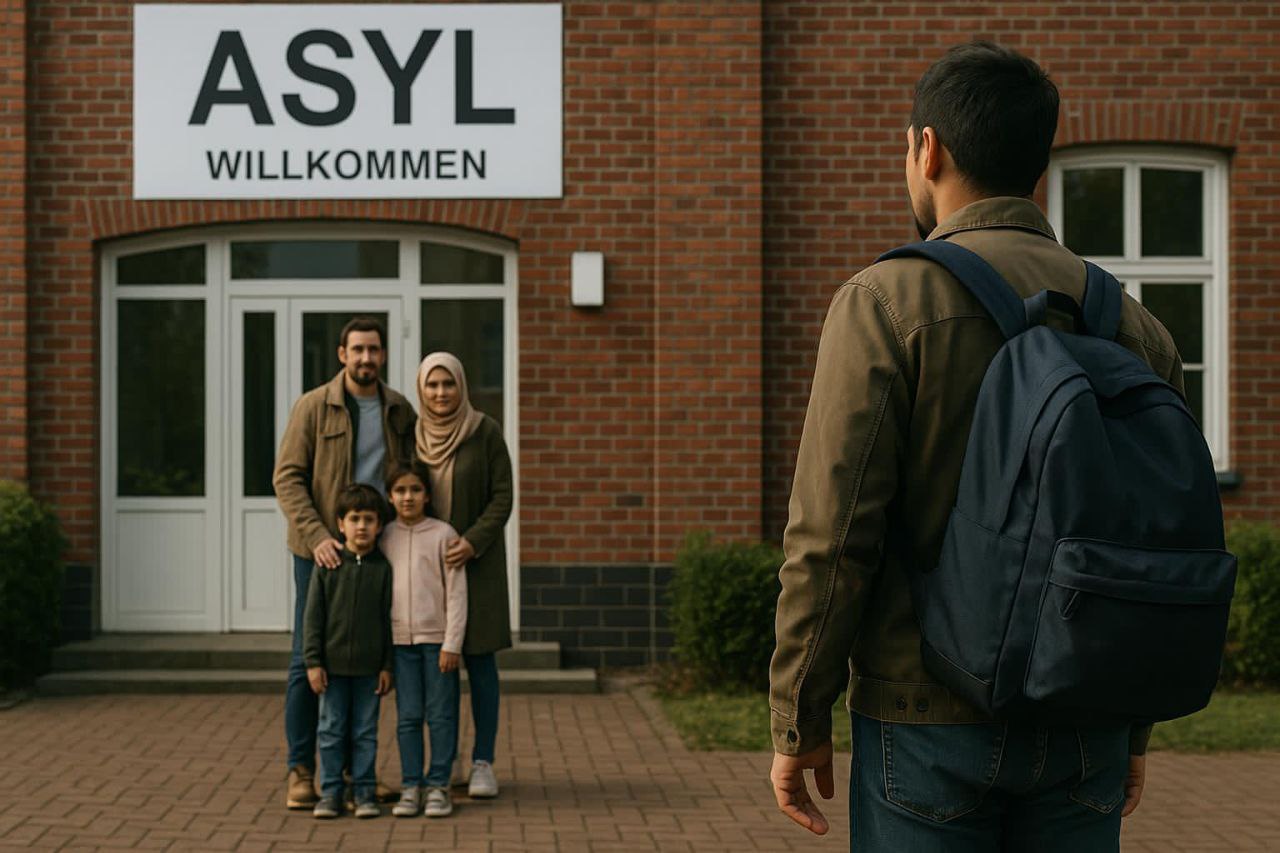
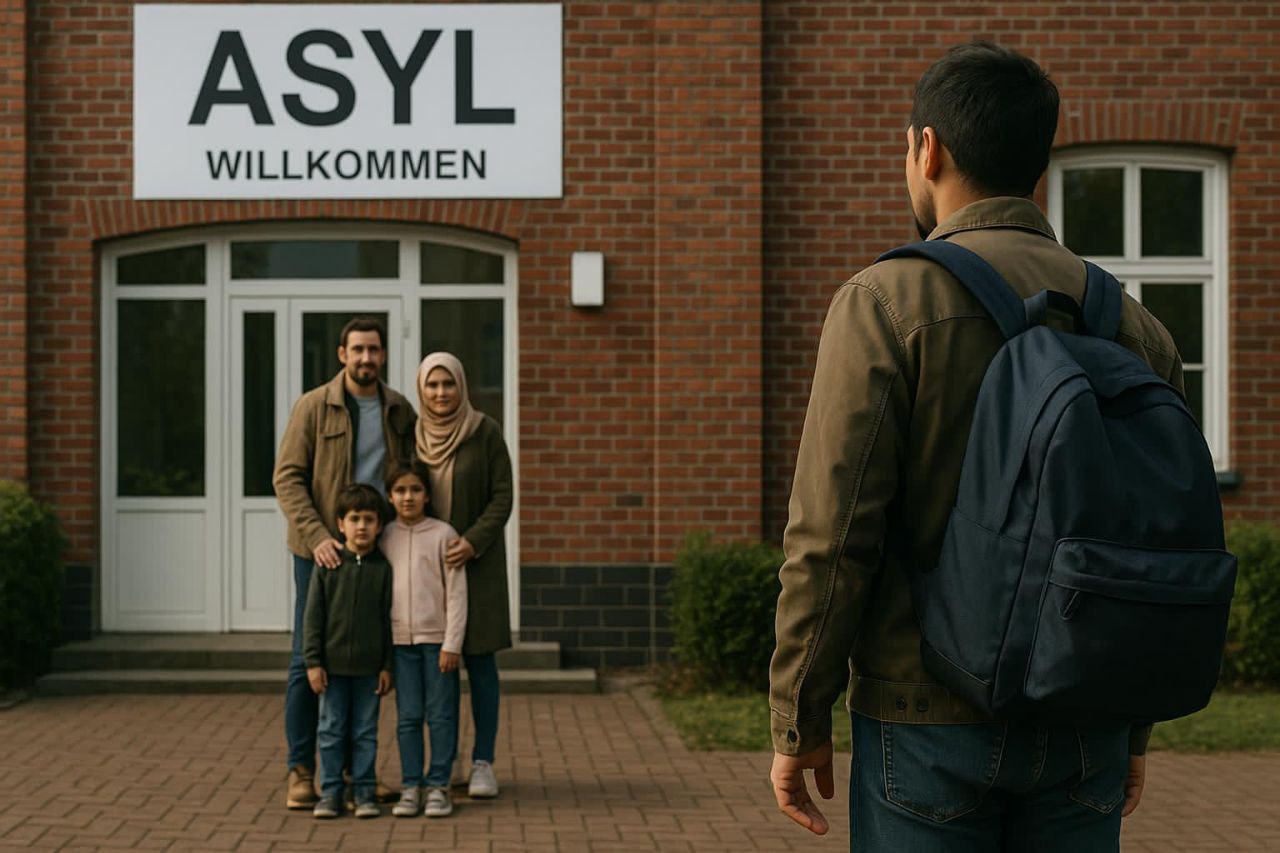
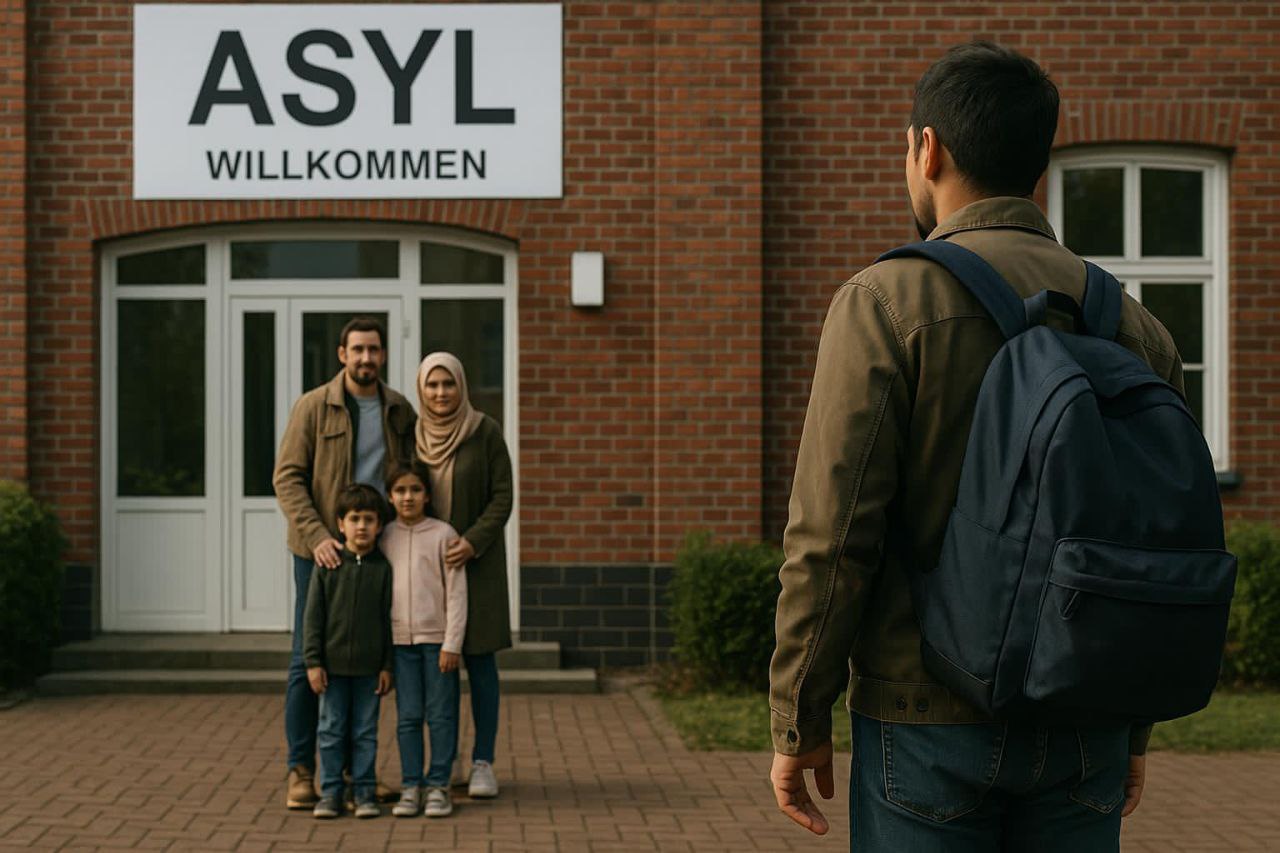
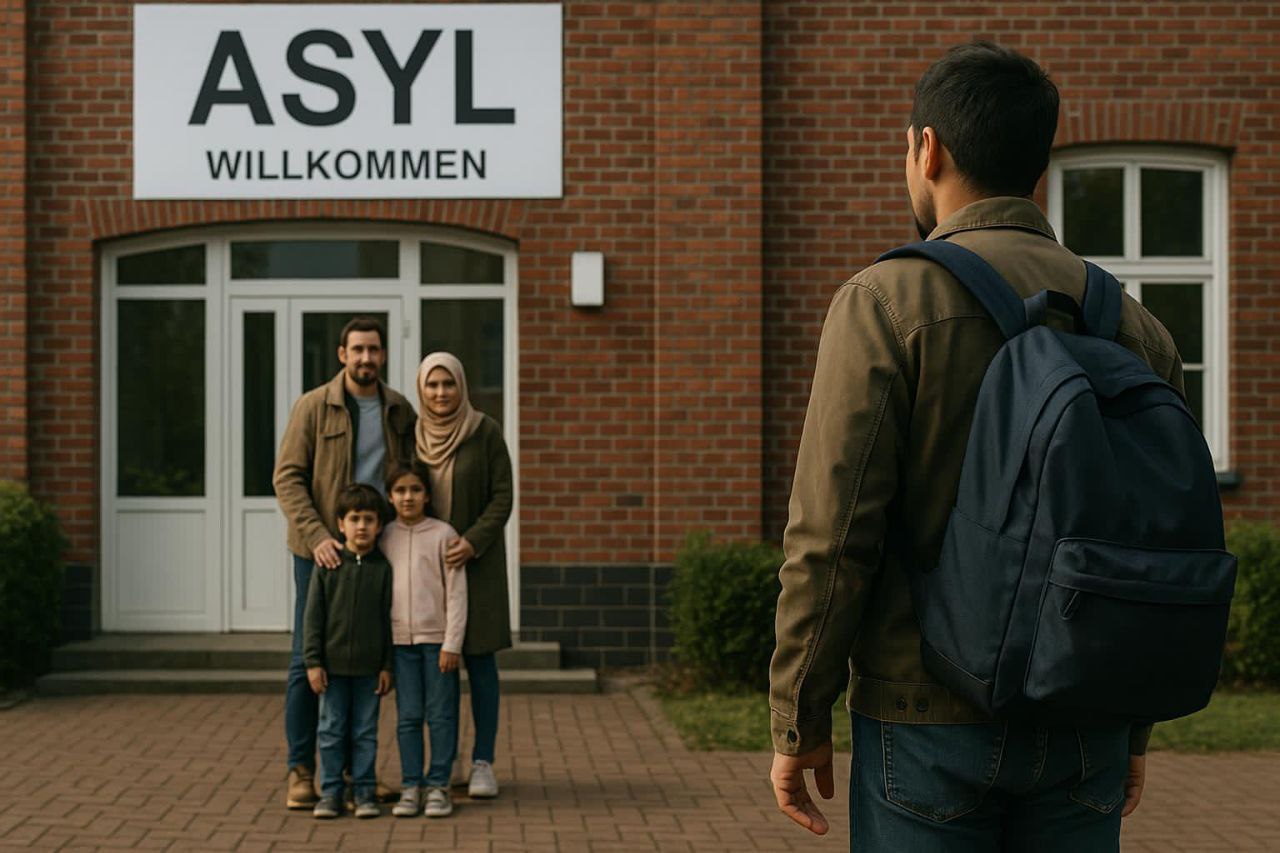
أولًا: ما المقصود بإثبات الهوية عبر السفارة؟
هو الإجراء الذي تقوم به السلطات الألمانية (عادةً Ausländerbehörde أو BAMF) بطلب من الشخص مراجعة سفارة بلده الأصلي للحصول على:
جواز سفر أو بديل عنه (Reiseersatzpapier)
شهادة ميلاد أو جنسية
وثيقة شخصية تُثبت الهوية لغرض الترحيل أو الإقامة
ثانيًا: متى يُطلب ذلك رسميًا؟
1. بعد رفض طلب اللجوء نهائيًا
إذا تم رفض طلبك وصدّق القرار قضائيًا، تُطالبك Ausländerbehörde بـ:
إثبات الهوية
التعاون مع إجراءات المغادرة، ومنها مراجعة السفارة
في حال رفضت، يمكن احتجازك مؤقتًا أو اعتبارك "غير متعاون"، مما يُفقدك الحق في بعض الإقامات الإنسانية.
2. عند تقديم طلب للحصول على إقامة بديلة (§25 Abs. 5 أو §23a)
في هذه الحالة، تُطالبك السلطات:
إما بإثبات سبب عدم إمكانية مراجعة السفارة
أو بإثبات أنك حاولت التعاون ولكن السفارة رفضت
إذا لم تُثبت، يُرفض الطلب بحجة عدم إثبات الهوية وعدم التعاون.
3. لمن يطلب تغيير نوع الإقامة (من لجوء إلى عمل أو دراسة)
مثلاً عند طلب تحويل إقامة الحماية إلى إقامة عمل، تطلب الدائرة:
جوازًا ساريًا أو
ورقة صادرة من السفارة الأصلية
وإذا رفض الشخص مراجعة سفارته، قد يُرفض الطلب لعدم تحقيق شرط "إثبات الهوية".
4. عند تقديم طلب لمّ شمل العائلة
يُشترط في أغلب الحالات:
وجود جواز سفر ساري لك ولأفراد العائلة
في حال غياب الجواز، يُطلب مراجعة السفارة لاستخراج البديل.
5. أثناء إجراءات الترحيل
إذا قررت الدولة ترحيلك:
ستطلب منك مراجعة سفارة بلدك لاستخراج وثيقة سفر
إذا رفضت، قد تدخل في حجز الترحيل (Abschiebungshaft) باعتبارك غير متعاون.
ثالثًا: كيف يؤثر التعاون مع السفارة على وضعك؟
إذا كنت رافضًا للجوء أو لا تملك حماية
↪ التعاون مع السفارة غالبًا لا يضرك، بل قد يُسرّع حصولك على إقامة إنسانية مؤقتة أو Duldung قانوني.
إذا كنت حاصلًا على حماية (لجوء أو حماية فرعية)
↪ مراجعة السفارة قد تُفسّر على أنك:
لم تعد مهددًا من سلطات بلدك
على اتصال طوعي مع الدولة التي ادّعيت الهرب منها
هذا يؤدي إلى:
سحب الحماية أو فتح مراجعة للملف (§73 AsylG)
إلغاء تصريح الإقامة
رفض طلب الجنسية لاحقًا
رابعًا: هل يمكن رفض مراجعة السفارة؟
نعم، في بعض الحالات:
إذا كان لديك سبب موضوعي ومُقنع (مثلاً: ملاحقة سياسية مثبتة)
إذا أكدت السفارة مسبقًا أنها لا تمنح لك وثائق
إذا كنت تحت حماية دولية (اللجوء أو الحماية الفرعية)
لكن: الرفض غير المبرر يفسَّر كعدم تعاون، ويمنعك من الحصول على إقامة إنسانية أو يمنح سلطات الأجانب حق التقييد.
خامسًا: هل يمكن توكيل محامٍ لشرح الموقف؟
نعم. من الأفضل دائمًا في الحالات المعقدة:
توكيل محامٍ مختص بقانون الأجانب
إرسال رد قانوني مكتوب إلى Ausländerbehörde يشرح أسباب رفض مراجعة السفارة
مثال: “بسبب الخوف من الملاحقة، موكلي لا يستطيع مراجعة السفارة لأنه لا يشعر بالأمان…”
خلاصة
إثبات الهوية عبر سفارة بلدك هو سلاح ذو حدّين في ألمانيا:
قد يكون مفتاحًا لإقامة قانونية إذا تم بحذر وضمن شروط معينة،
وقد يكون قنبلة قانونية إذا تم خلال فترة حماية لجوء، أو قُدِّم بشكل يُضعف ملفك.
ـ يحرص فريق الكتاب والمحررين في الموقع على تقديم معلومات دقيقة من خلال بحث مكثف واطلاع على عدة مصادر عند كتابة المقالات، ومع ذلك قد تظهر بعض الأخطاء أو ترد معلومات غير مؤكدة. لذلك، يُرجى اعتبار المعلومات الواردة في المقالات مرجعية أولية والرجوع دائماً إلى الجهات المختصة للحصول على المعلومات المؤكدة.