تسجيل الدخول / إنشاء حساب


لجوء القاصرين في ألمانيا
مقدمة
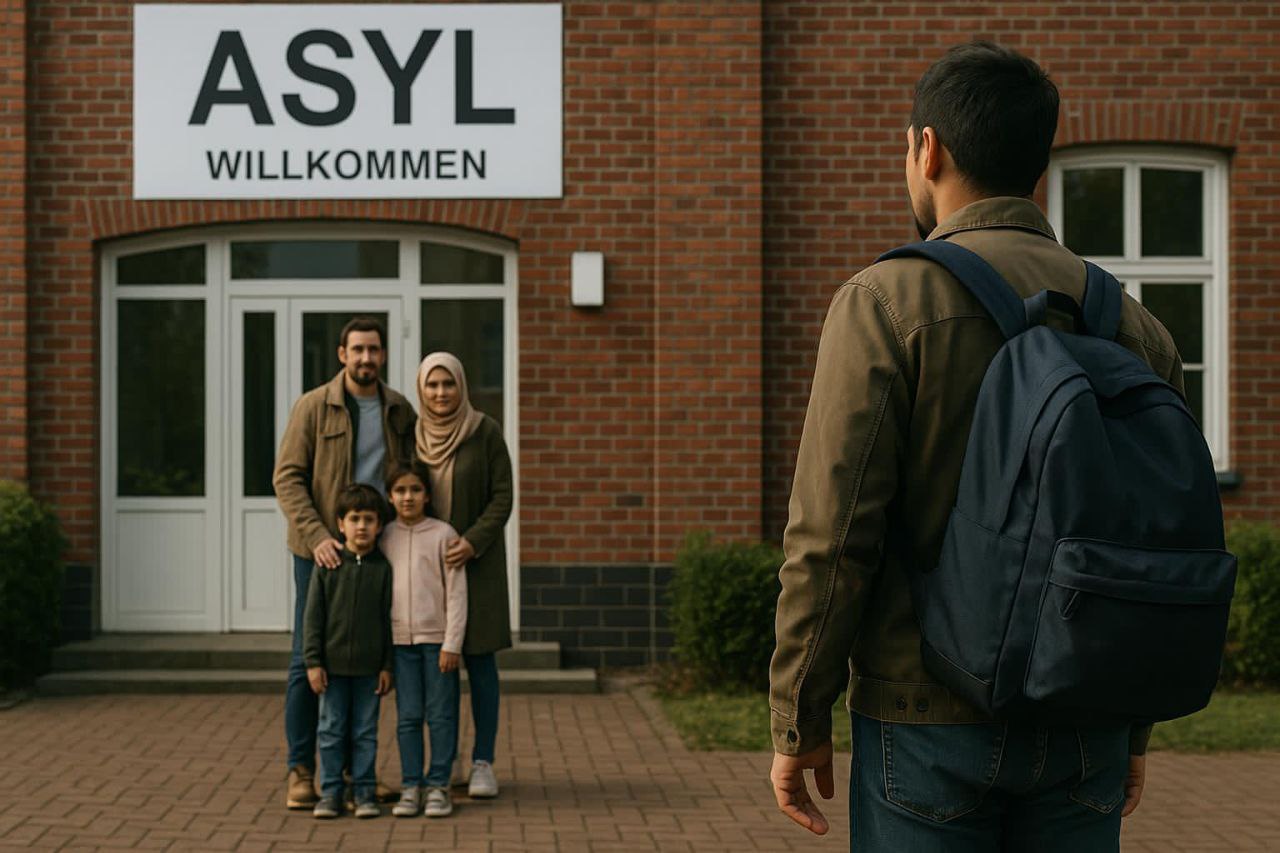
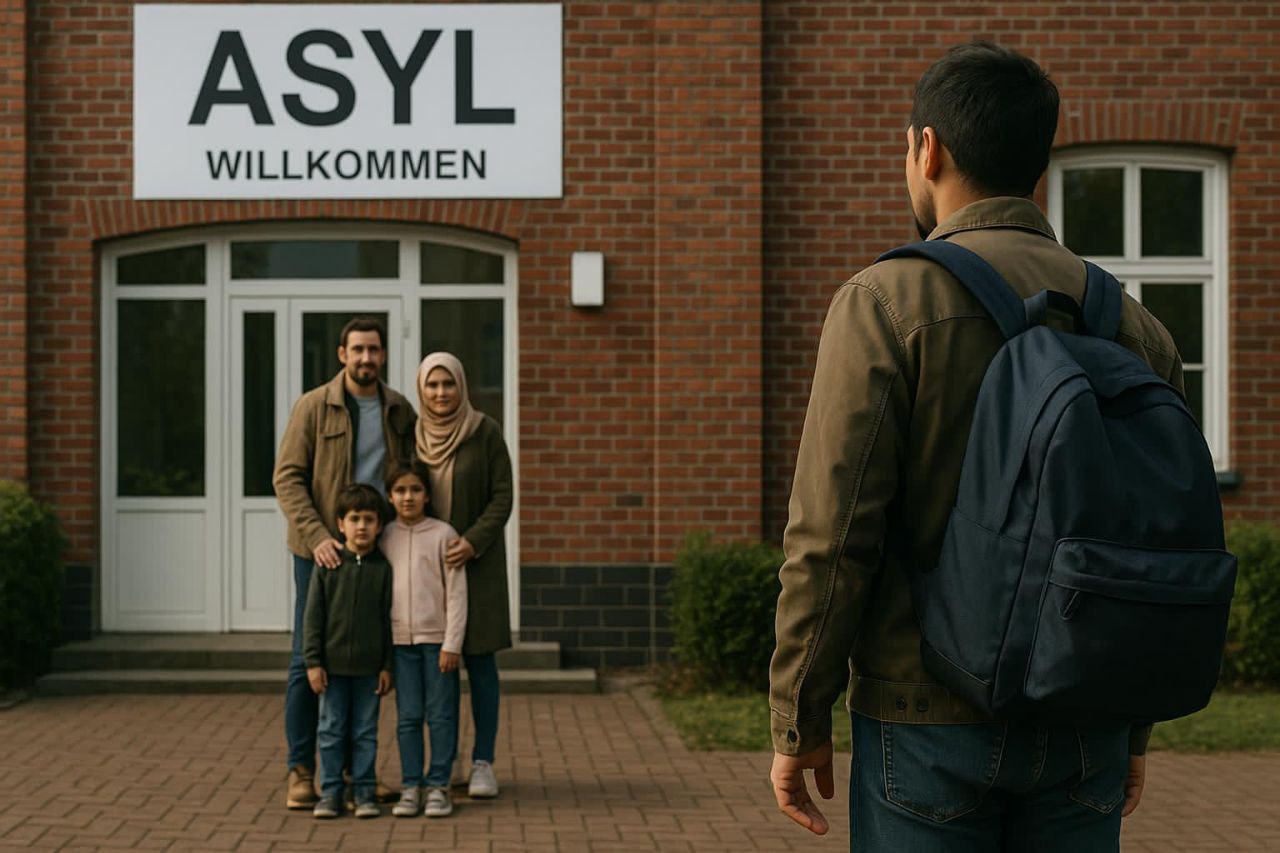
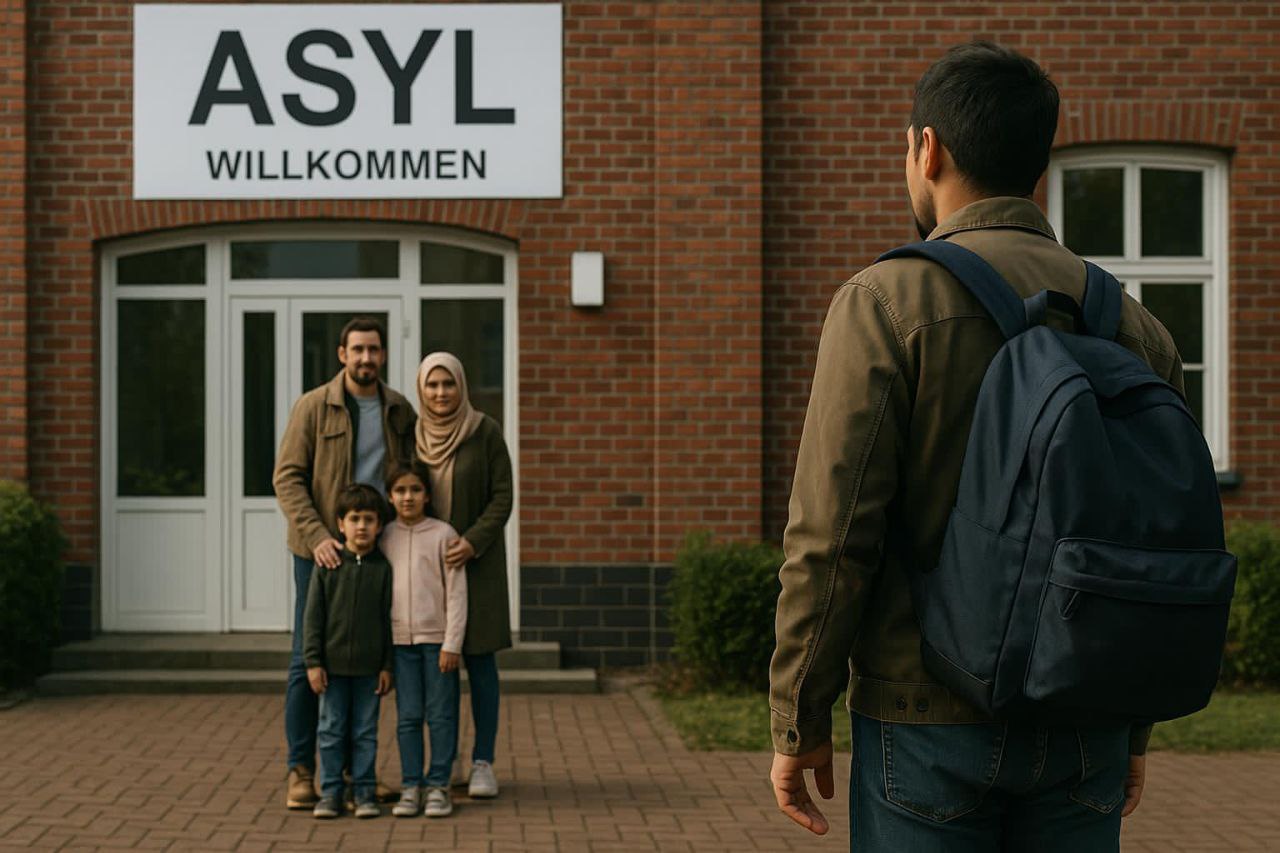
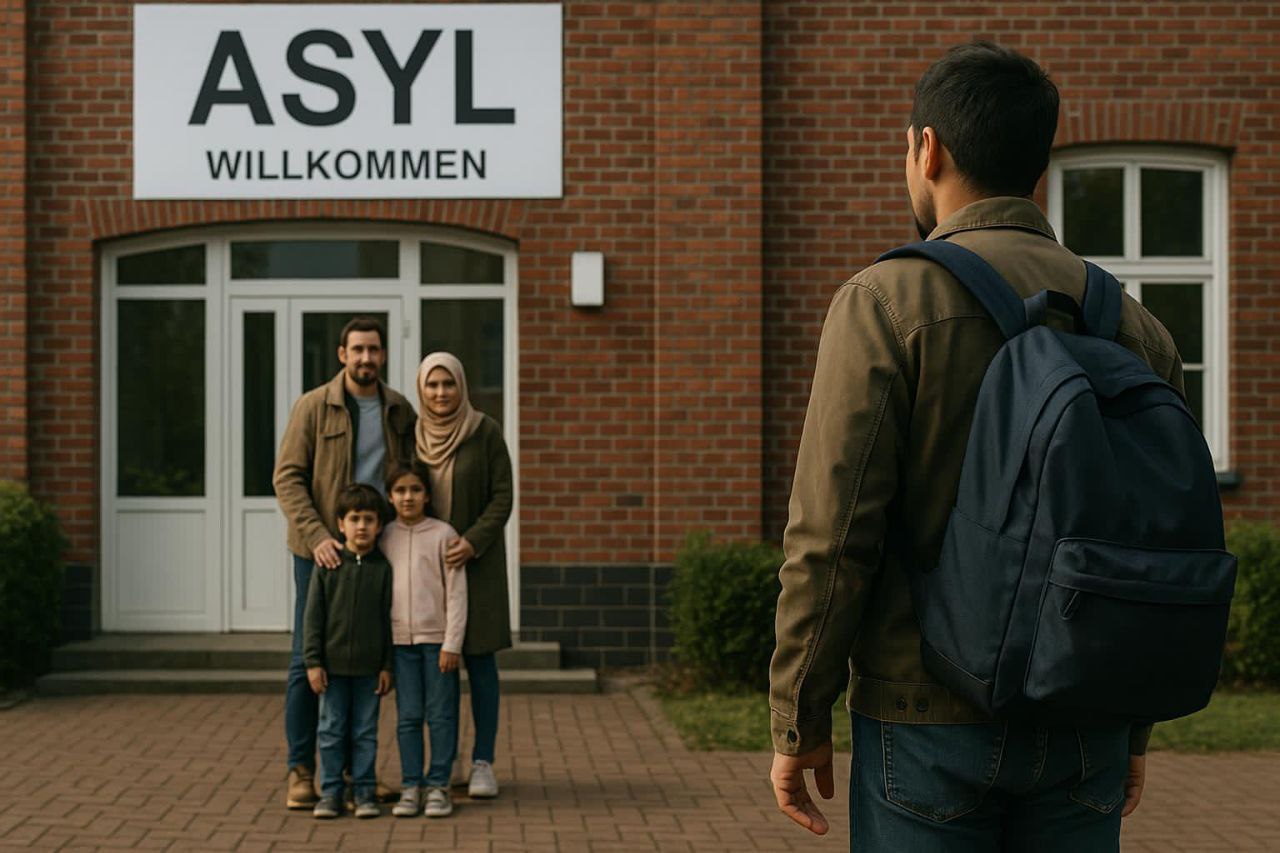
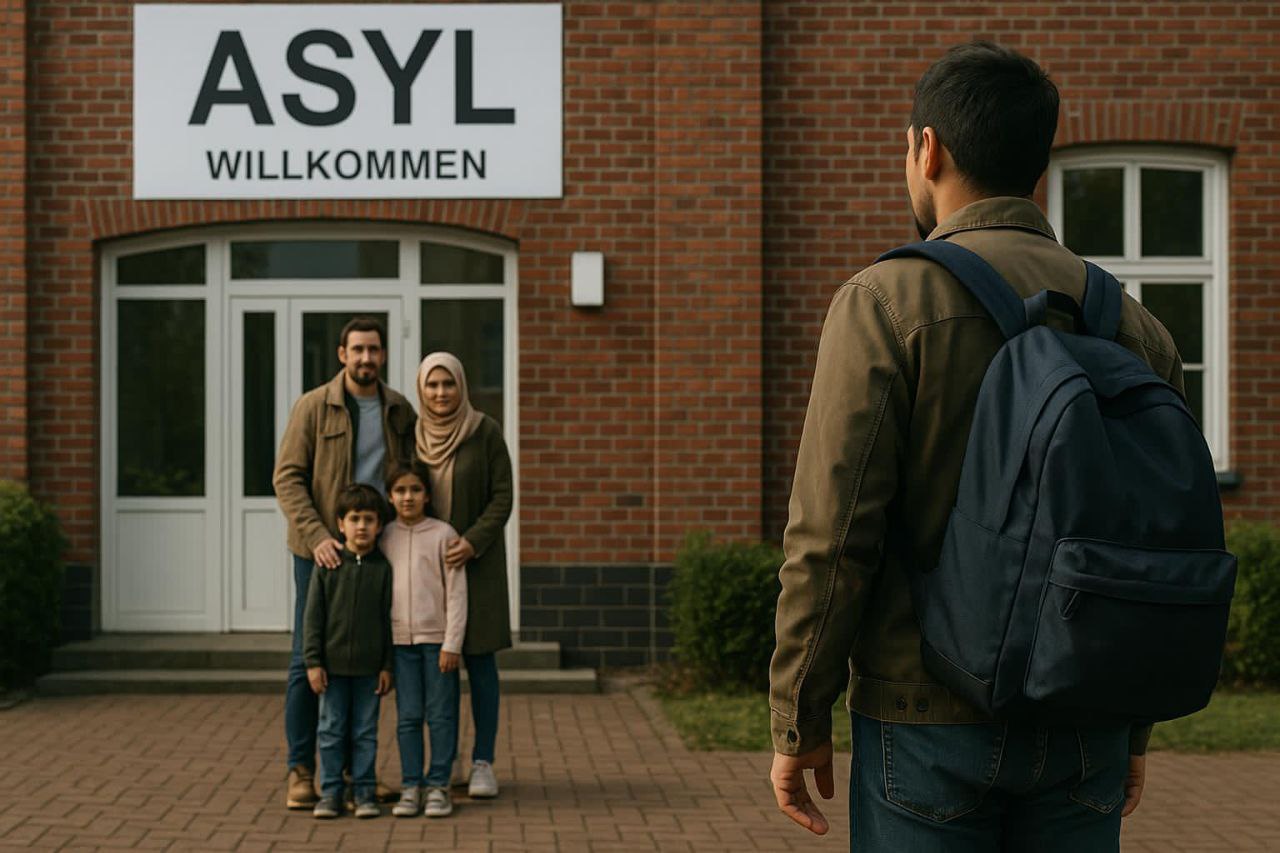
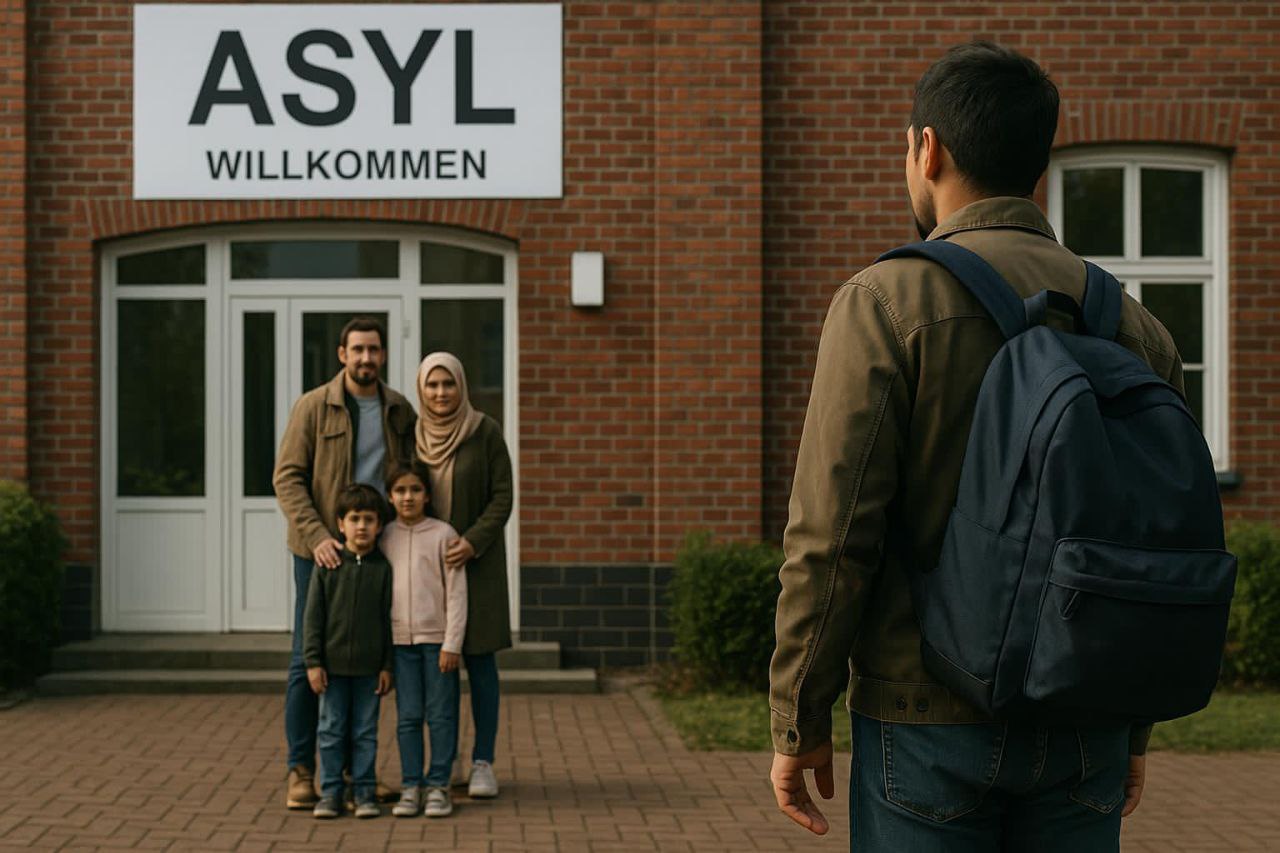
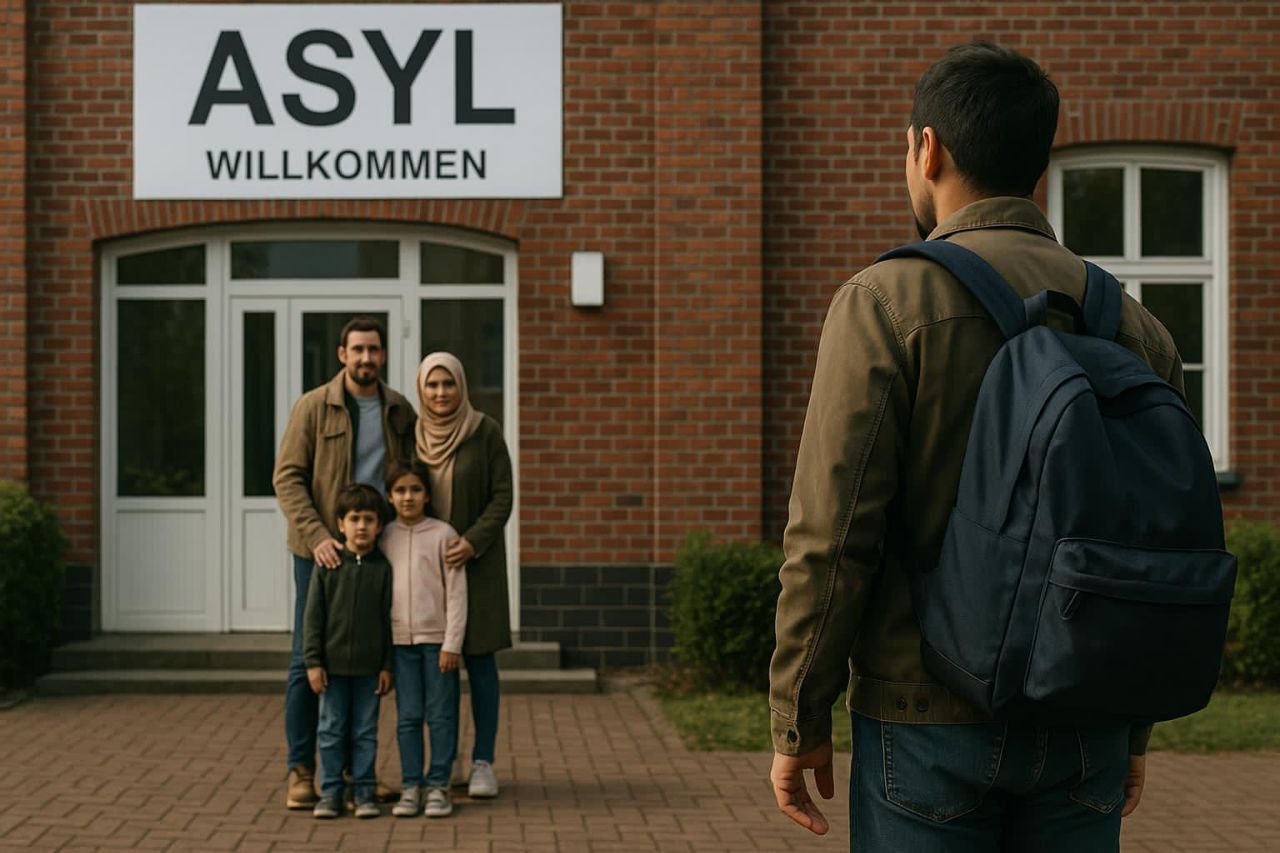
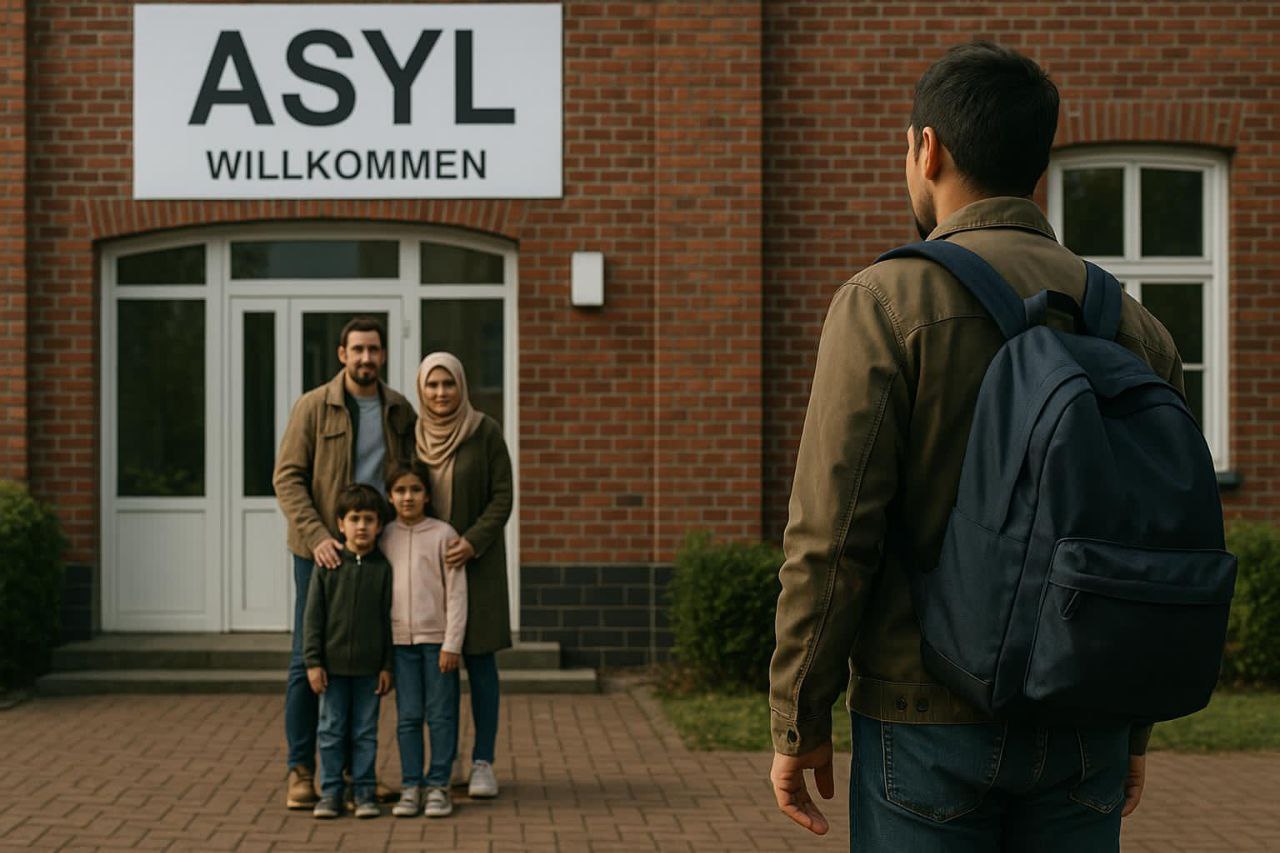
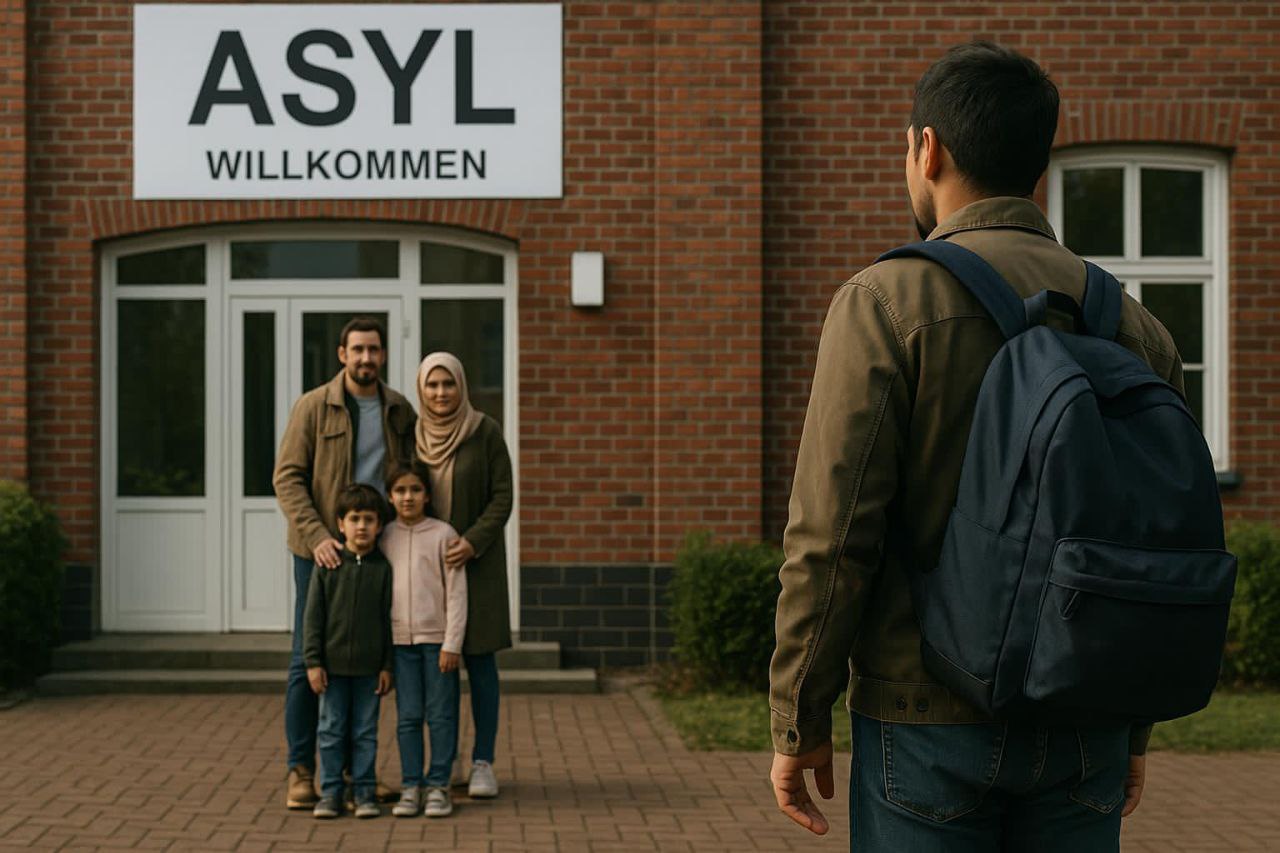
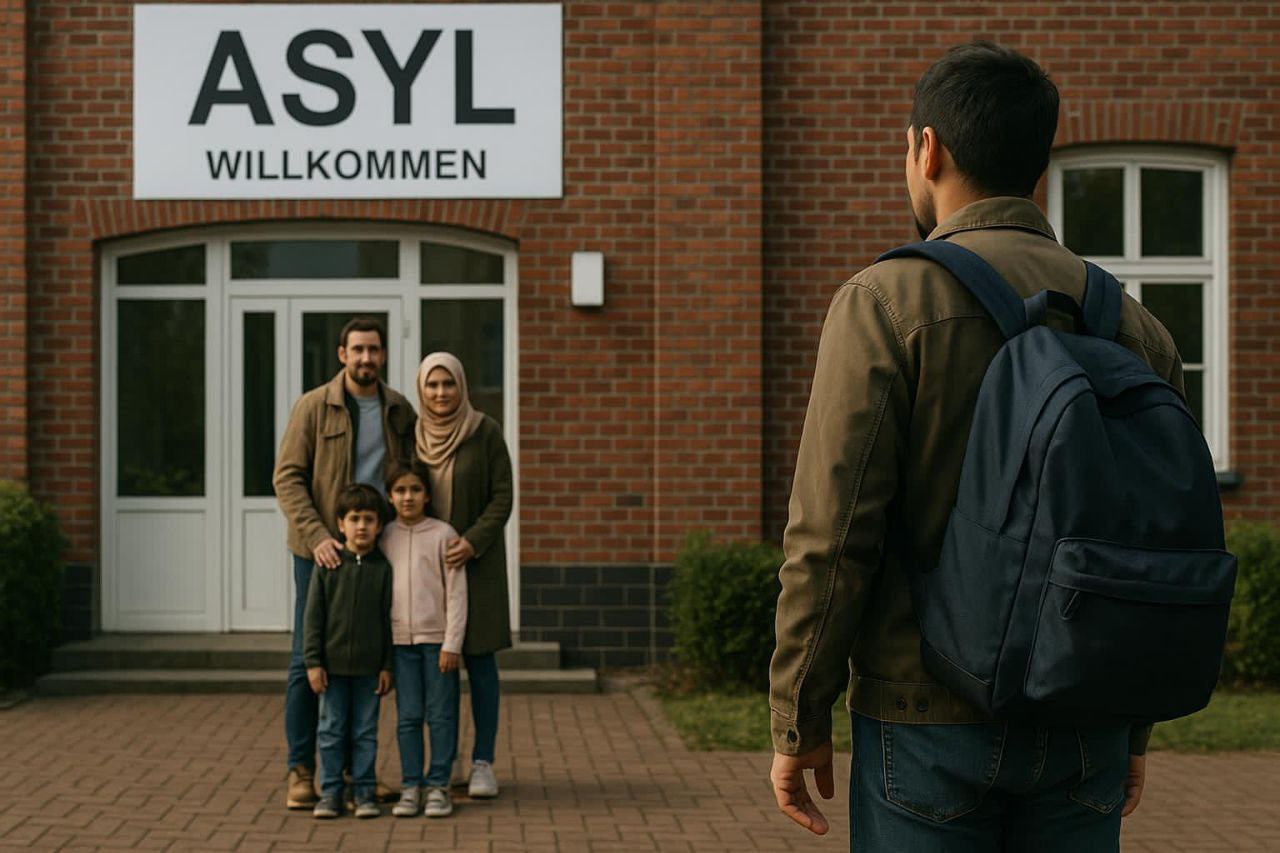
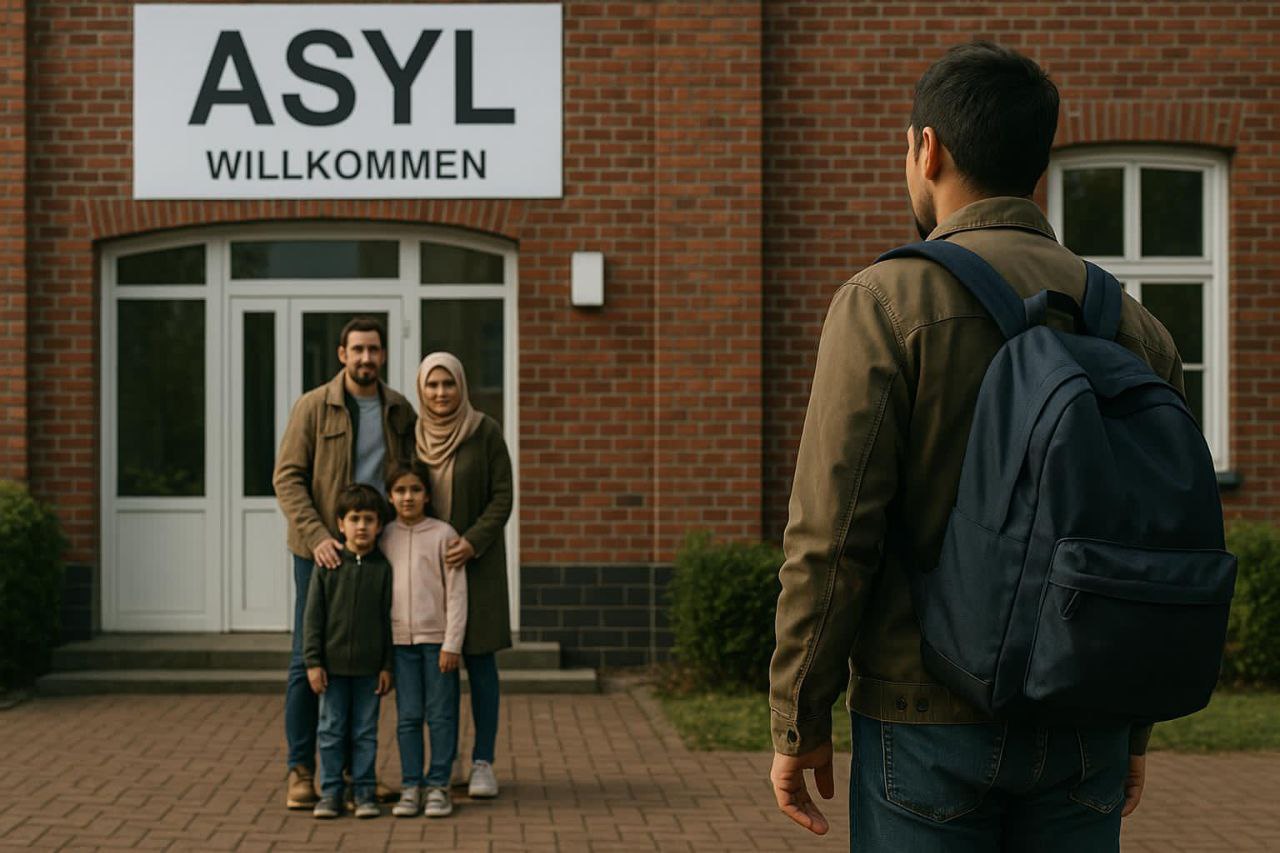
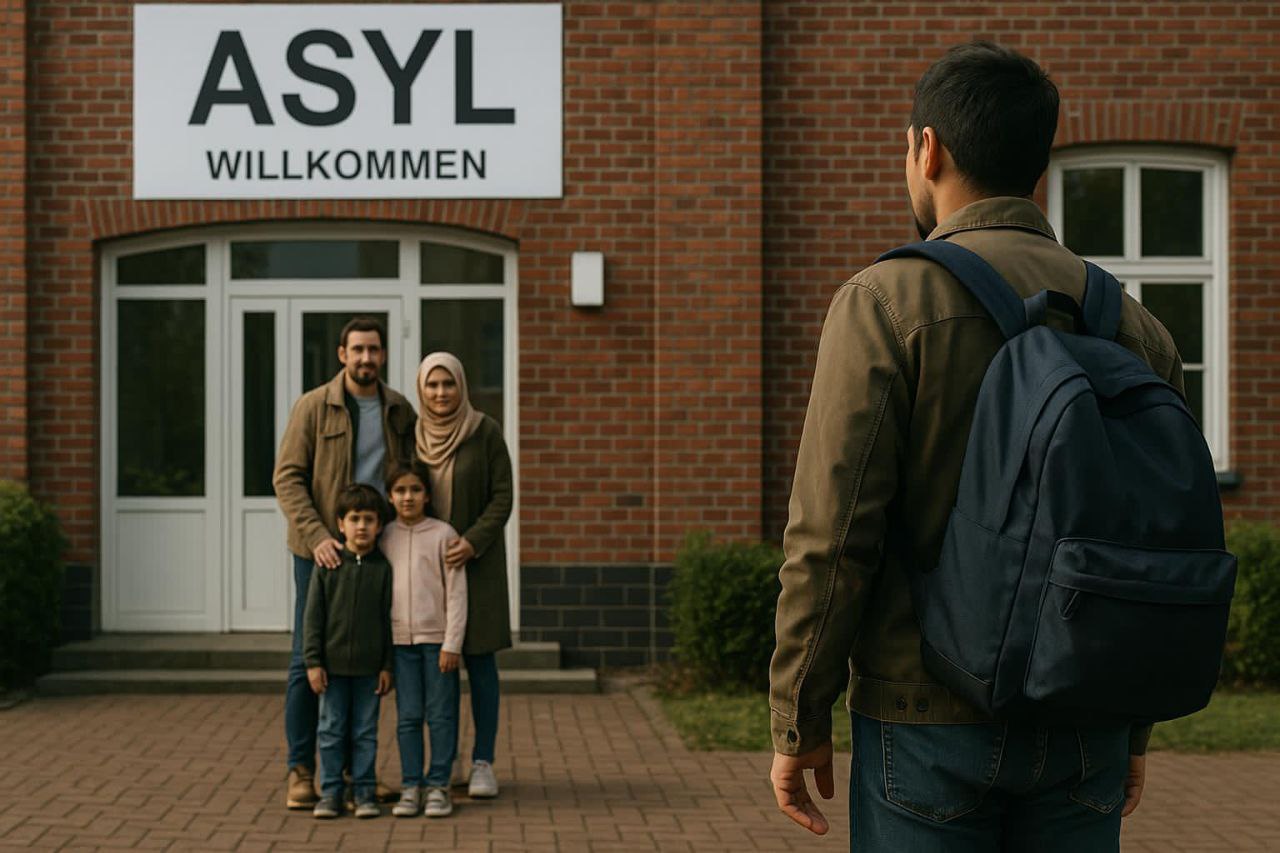
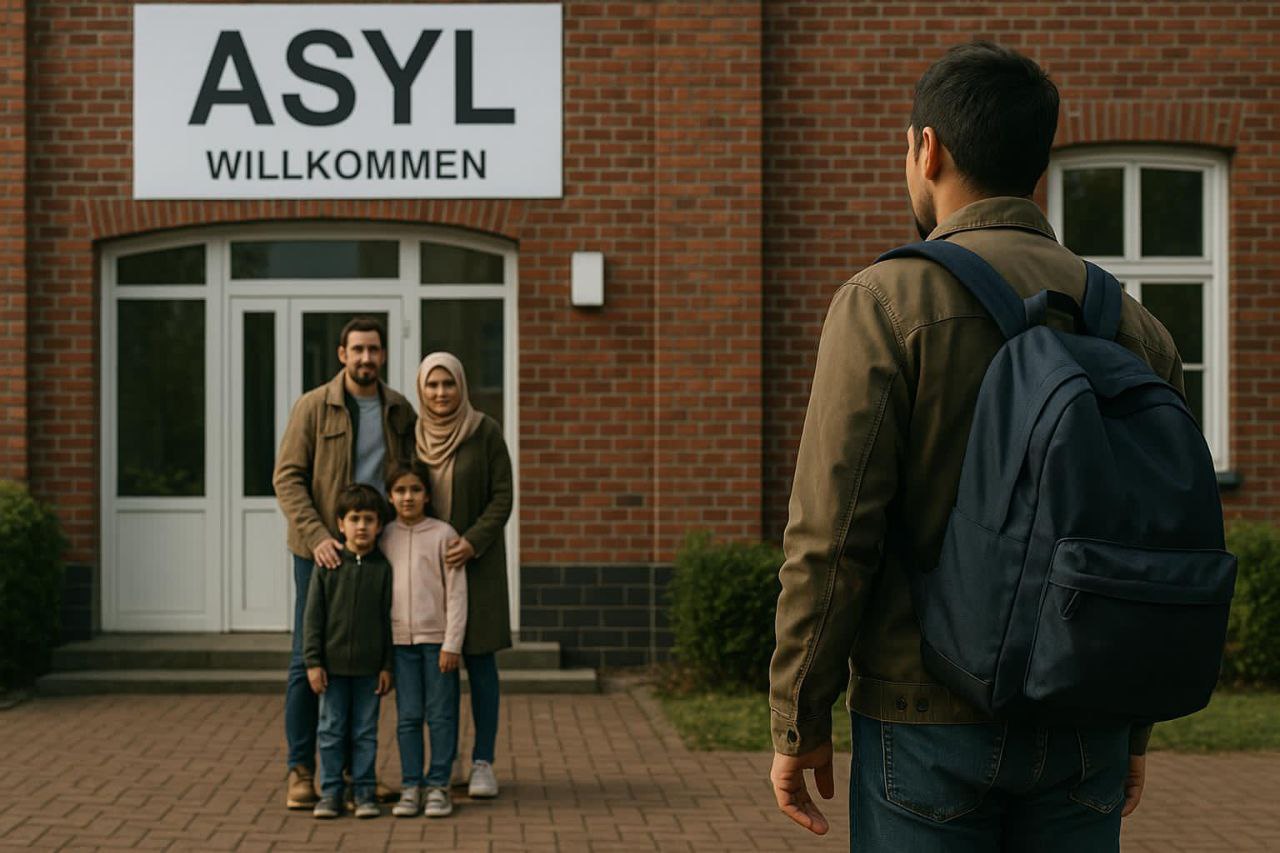
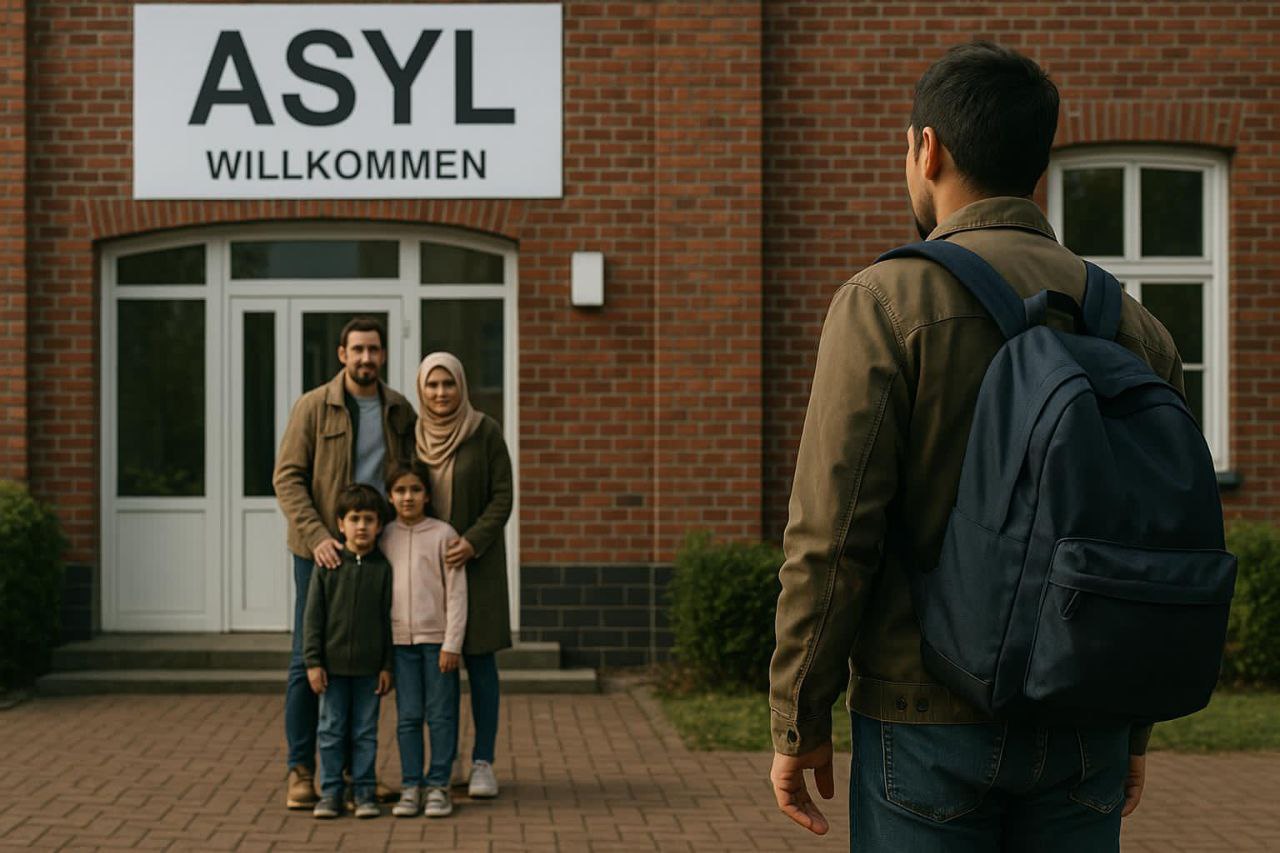
تعتبر ألمانيا وجهة هامة للعديد من القاصرين اللاجئين، خاصةً أولئك الذين يأتون دون مرافقين. يُعنى هذا النص بتسليط الضوء على حقوقهم وإجراءات اللجوء الخاصة بهم، وكيف يتم التعامل مع احتياجاتهم الخاصة.
الرعاية الأولية والفحص المبدئي
عند دخول القاصرين غير المصحوبين إلى ألمانيا، يتم إيواؤهم تحت رعاية مكتب رعاية الأطفال والشباب (Jugendamt) الذي يتولى مسؤولية توفير الحماية والرعاية الأساسية لهم. تشمل الرعاية الأولية توفير مكان للإقامة، والملابس، والرعاية الصحية.
خلال هذه المرحلة، يتم إجراء فحص مبدئي للتأكد من الحالة الصحية والنفسية للقاصر، وتحديد عمره بدقة. تتضمن هذه الإجراءات الفحص الجسدي والفحوصات بالأشعة إذا لزم الأمر. كما يسعى مكتب رعاية الأطفال والقاصرين إلى تقييم ملاءمة إعادة توزيع الطفل إلى منطقة أخرى أو لم شمله مع أفراد عائلته المقيمين في ألمانيا.
إعادة التوزيع والرعاية اللاحقة
يتم تنفيذ نظام توزيع موحد لضمان توفير سكن مناسب ورعاية للأطفال القاصرين. يتم إعادة توزيعهم عادةً خلال 14 يومًا، حيث يتم نقلهم إلى مكتب رعاية الأطفال والشباب المختص في المنطقة الجديدة. يتولى هذا المكتب مسؤولية الرعاية اللاحقة للقاصرين، سواء من خلال أسر حاضنة أو منشآت متخصصة.
تحديد الوصي
يجب تعيين وصي (Betreuer) للقاصرين غير المصحوبين، حيث تُحدد محكمة الأسرة هذا الوصي. تستمر الوصاية حتى بلوغ القاصر سن الرشد، والذي يُحدد بناءً على قانون الدولة الأصلية، وليس وفقًا للقوانين الألمانية. إذا كان القاصر لا يزال تحت سن البلوغ وفقًا لقانون بلده، ستظل الوصاية قائمة.
تقديم طلب اللجوء
عندما يصل القاصر إلى ألمانيا، يجب أن يتم تقديم طلب اللجوء من خلال الوصي. يُعتبر القاصر قانونيًا غير قادر على التصرف، مما يعني أن الوصي أو مكتب رعاية الأطفال والقاصرين هو من يتولى تقديم الطلب. ينبغي أن يتضمن الطلب معلومات هامة مثل الاسم، تاريخ الميلاد، الجنسية، ومهارات اللغة.
مزايا خاصة للقاصرين
يحظى القاصرون غير المصحوبين بمعاملة خاصة، حيث يُعين لهم وصي يجب أن يكون حاضرًا في جميع جلسات الاستماع. كما يُسمح لهم بإحضار مشرف أو مشرفة للمساعدة في الإجابة عن الأسئلة المهمة المتعلقة بطلب اللجوء.
تُعتبر الظروف الخاصة التي أدت إلى فرارهم مثل العنف المنزلي، أو الزواج القسري، أو الاتجار بالبشر، عوامل مهمة يتم أخذها بعين الاعتبار أثناء تقييم طلباتهم.
خلاصة
القاصرين غير المصحوبين في ألمانيا يتمتعون بحماية خاصة وضمانات تجعل من إجراءات لجوئهم أكثر أمانًا. يجب أن يتلقى هؤلاء الأطفال الرعاية اللازمة والدعم، مما يسهل عليهم الاندماج في المجتمع الألماني.
------------------------------------------------------------------------------------
ـ* يحرص فريق الكتاب والمحررين في موقع على تقديم معلومات دقيقة من خلال بحث مكثف واطلاع على عدة مصادر عند كتابة المقالات، ومع ذلك قد تظهر بعض الأخطاء أو ترد معلومات غير مؤكدة. لذلك، يُرجى اعتبار المعلومات الواردة في المقالات مرجعية أولية والرجوع دائماً إلى الجهات المختصة للحصول على المعلومات المؤكدة.