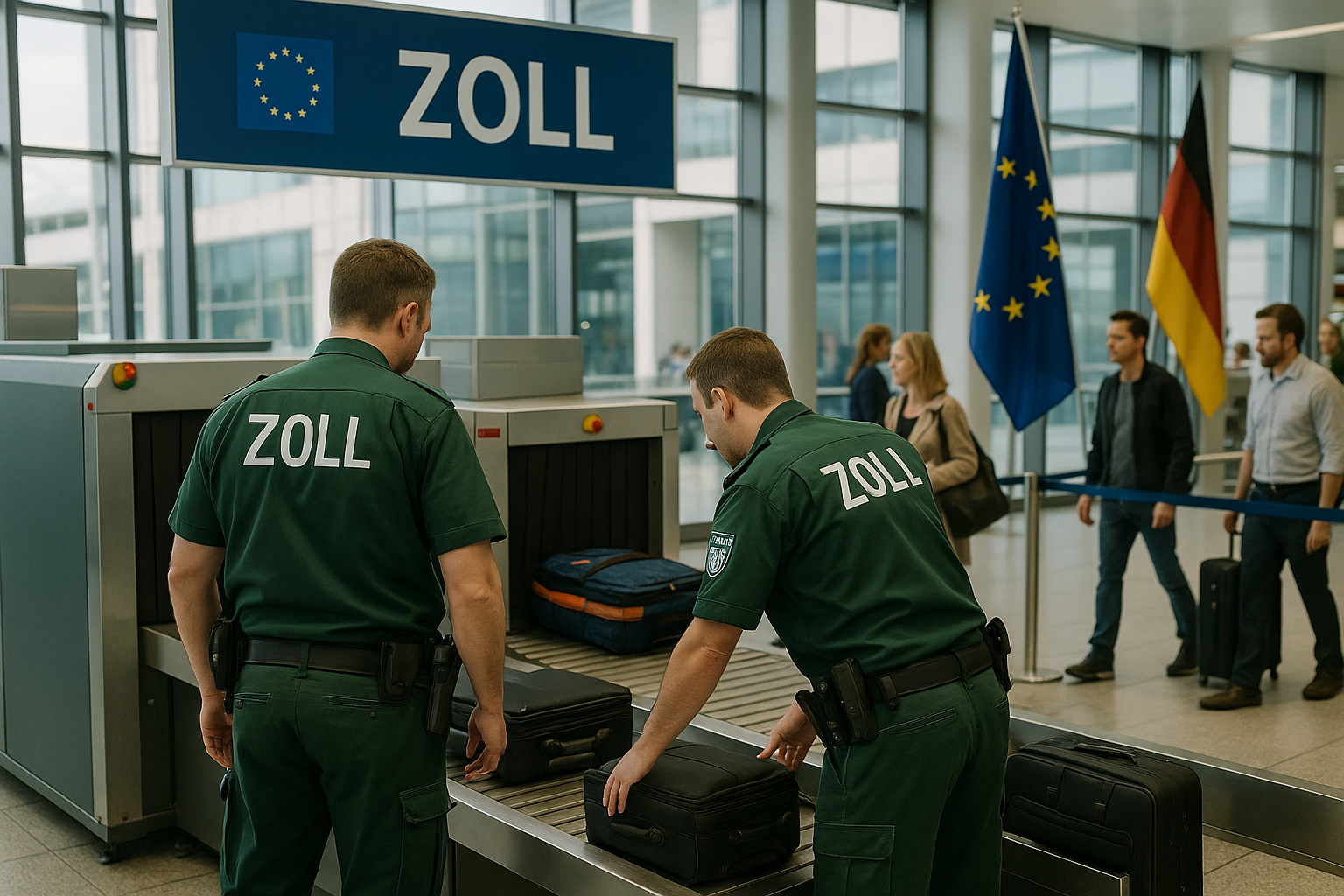
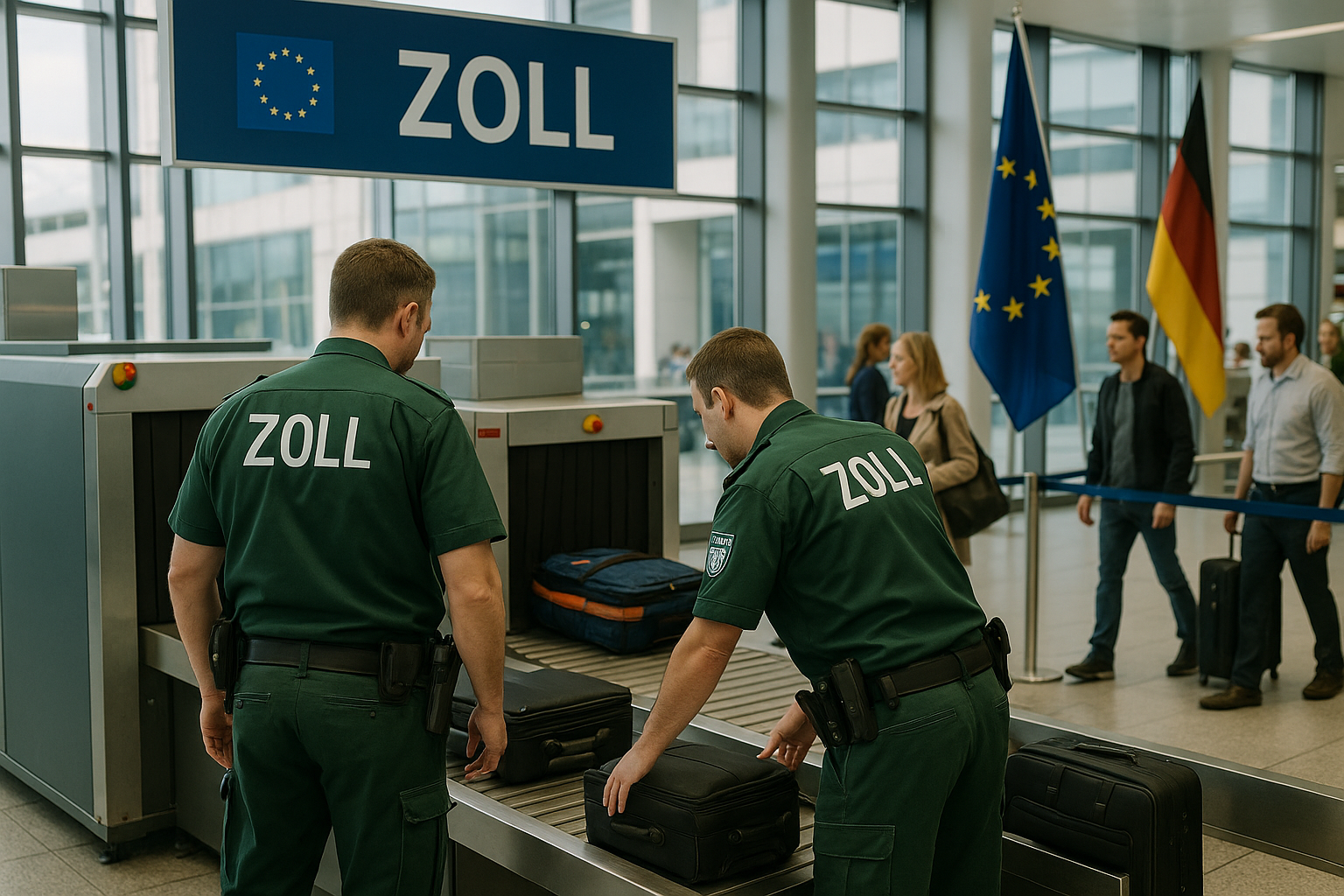
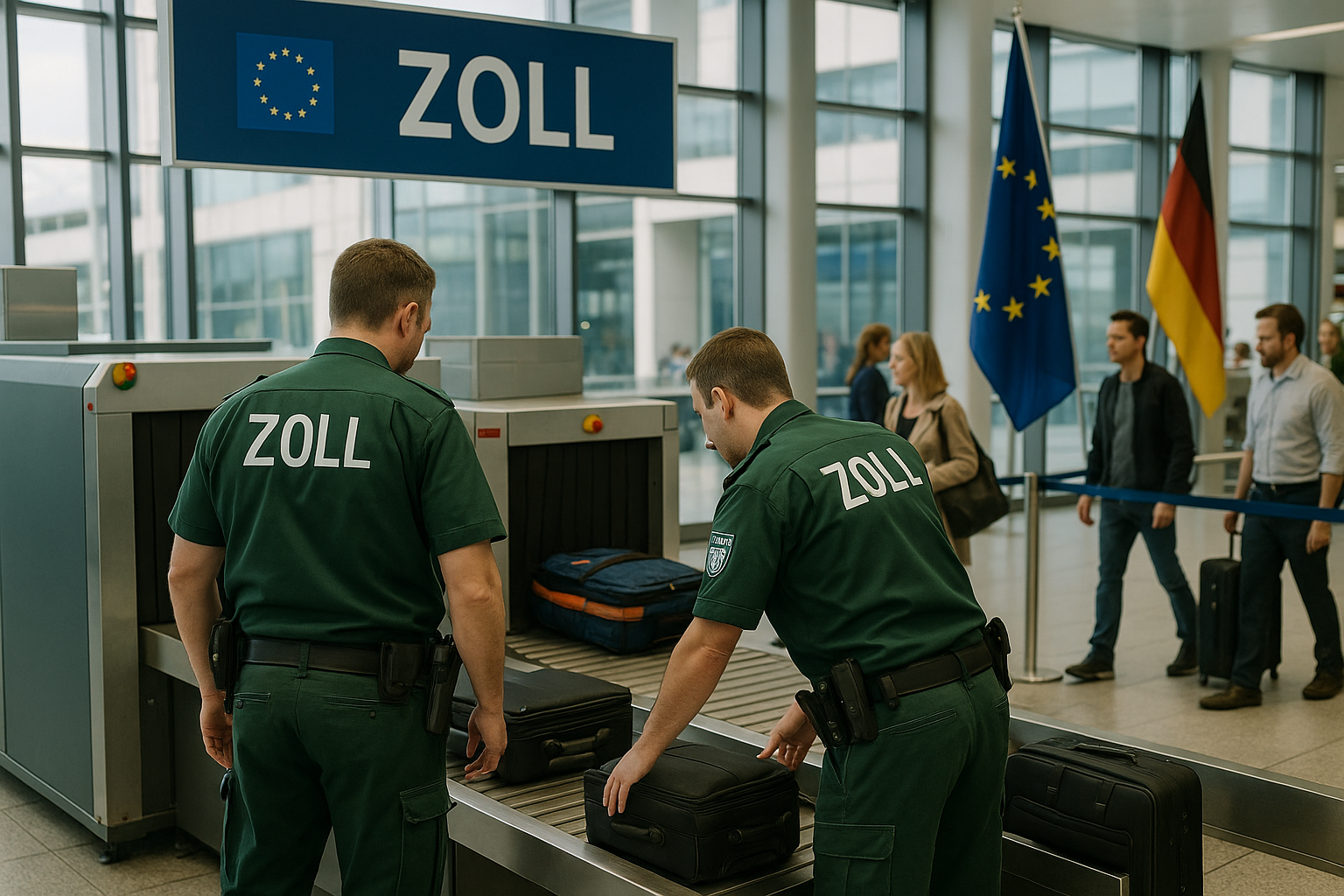
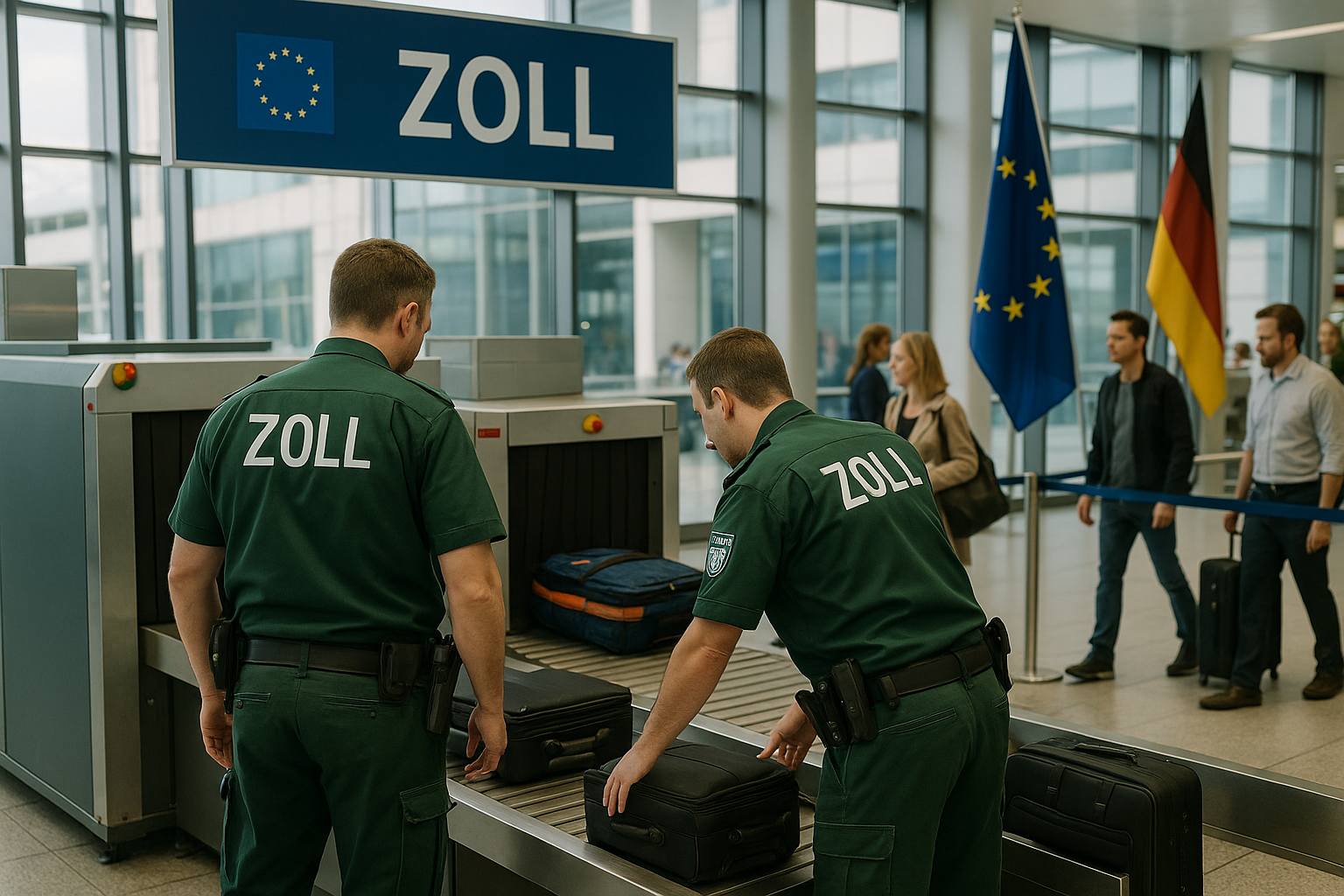
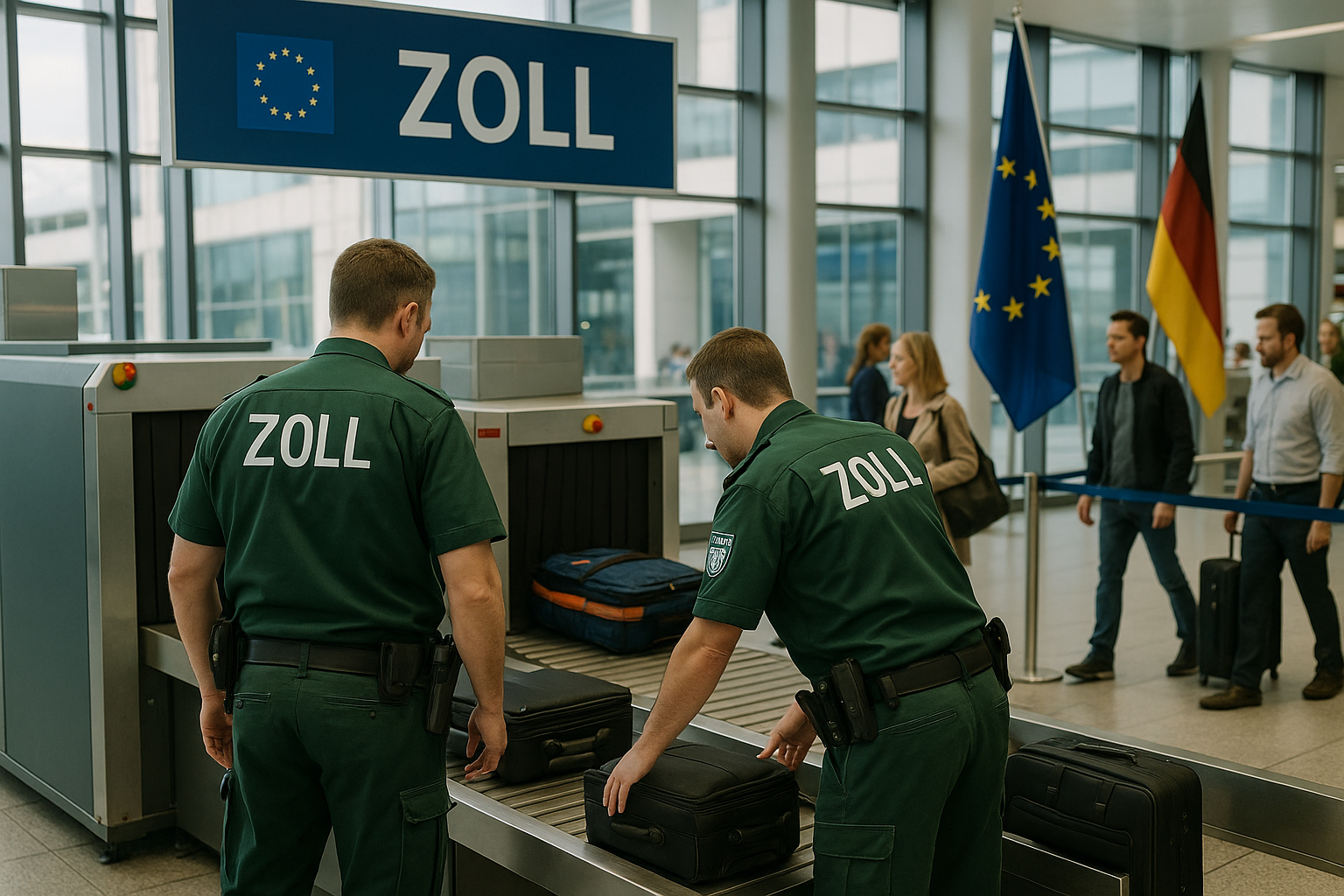
Shipping traditional clothing (Jalabiya, Abaya) to Germany: When do customs ask for a “Nachweis Eigenbesitz”?
The shipment of traditional clothing, such as Jalabiyas and Abayas, from Arab countries to Germany is becoming increasingly common, whether for personal use or as family gifts. However, German customs sometimes ask for a document called “Nachweis Eigenbesitz” (proof of personal ownership), which can lead to delays or the imposition of customs duties and taxes.
In this article, we explain when and why customs request this document and how to prepare it properly.
1. What is the “Nachweis Eigenbesitz”?
The “Nachweis Eigenbesitz” is a document or proof submitted to customs to confirm that the shipped clothing:
belongs to you personally and is not intended for commercial sale,
has been previously used or was originally purchased for personal or family use, and is not new stock in commercial quantities,
is a personal shipment, not a commercial consignment.
2. When do customs request this document?
German customs may request a Nachweis Eigenbesitz in situations such as:
When larger quantities of traditional clothing are imported that raise doubts about commercial rather than personal use (for example, many similar pieces in one parcel).
When shipping by mail or courier and the value of the parcel exceeds the duty-free allowance (usually around €430 by air or €300 by land).
When the clothing appears brand-new and unused, increasing the likelihood that customs will classify it as commercial goods.
When frequent shipments of large quantities of similar clothing are sent to the same recipient.
3. How can you prove “Nachweis Eigenbesitz”?
You can provide one or more of the following types of evidence:
Photos showing you or your family wearing the clothing at home, on trips, or at events.
Old purchase receipts or invoices showing the date of purchase and indicating that the items were bought for personal use.
A written statement from you explaining the purpose of the clothing, for example:
– “Traditional clothing for personal and family use, not for sale.”
– “Personal gifts for relatives in Germany.”
A letter from a charity or organisation if the clothing is intended for donation purposes.
4. What happens if you do not provide this document?
If you fail to provide a requested Nachweis Eigenbesitz, or the proof is not convincing, customs may:
Delay the release of the shipment, sometimes for several weeks,
Charge customs duties and import VAT on the entire shipment,
In some cases, seize the shipment or return it to the sender, treating it as an undeclared commercial import.
5. Tips to avoid being asked for a “Nachweis Eigenbesitz”
Send only small, reasonable quantities that clearly look like personal or family belongings.
Avoid combining large numbers of identical items in one parcel, especially if they are new.
Clearly state the purpose in the contents description on the parcel, for example:
– “Personal traditional clothing for family use, no commercial intent.”
Keep copies of invoices, receipts, or usage photos so you can provide them quickly if customs ask.
6. Summary
| Situation | Do customs request a Nachweis Eigenbesitz? | Recommendation |
|---|---|---|
| Small quantity for personal use | Generally no | No special documentation usually required |
| Large quantity or entirely new items | Often yes | Prepare proof of personal ownership or intended use |
| Repeated shipments of large volumes | Very likely yes | Keep documents ready and clearly explain the purpose |
By following these guidelines, you can minimise delays, costs and misunderstandings with customs and help ensure that your traditional garments reach Germany smoothly and without major problems.
The editorial team strives to provide accurate information based on careful research and multiple sources. However, errors or incomplete information cannot be completely ruled out. The contents of this article are therefore intended as initial guidance only; for binding information, always contact the competent customs and government authorities.