Login/Create Account


Everything You Need to Know About Kindergeld in Germany
Introduction
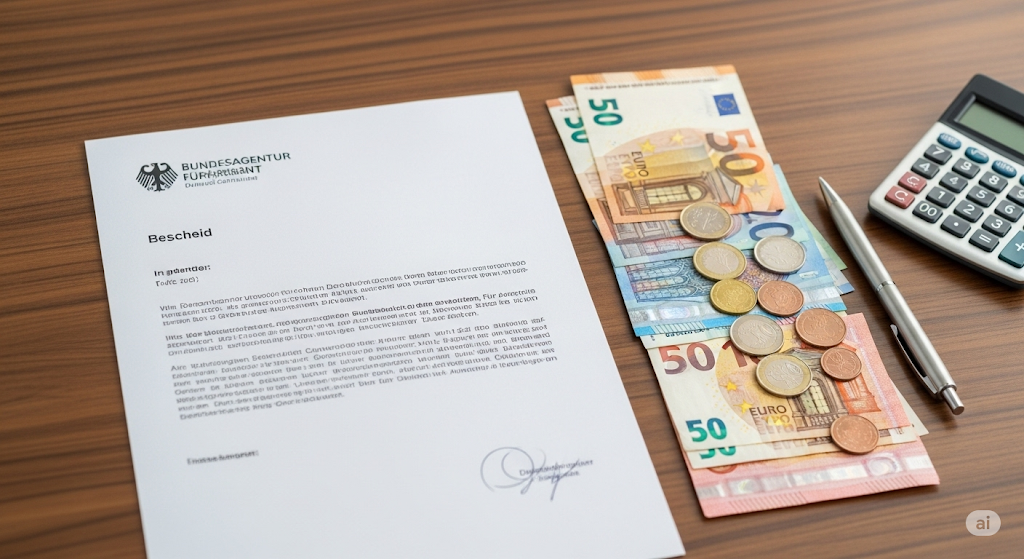
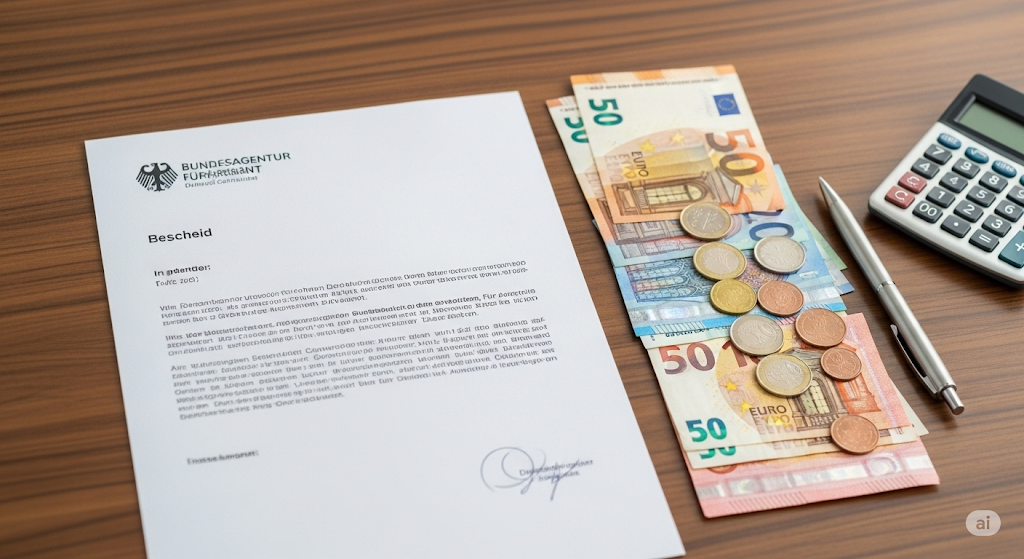
Kindergeld is a monthly financial benefit granted by the German government to help families cover the costs of raising children and providing for their basic needs. It is an important part of the German social welfare system and is paid to all families, regardless of their income level, making it a fundamental form of support for anyone with children in Germany.
Eligibility Requirements for Kindergeld
Kindergeld is generally available for children who live in Germany, as well as for children who live abroad if their parents are taxpayers in Germany.
The benefit is paid to the person who is legally responsible for the child. This may include:
-
biological parents,
-
legal guardians,
-
grandparents, if they are financially supporting and caring for their grandchildren.
Adopted children and children living in foster families are also considered eligible for Kindergeld, as long as the legal requirements are met.
For children over the age of 18, entitlement to Kindergeld can be extended if they are still in education or vocational training, typically up to the age of 25.
In the case of children with disabilities who are unable to support themselves financially, Kindergeld can be paid on a long-term, ongoing basis.
Amount of Kindergeld
The amount of Kindergeld is determined by law.
As of 2025, the monthly Kindergeld is 255 euros per child.
This amount is standardised and does not depend on the child’s position in the sibling order; it is the same for the first, second, third child, and so on.
How to Apply for Kindergeld
To receive Kindergeld, an application must be submitted. Specific application forms are available on the websites of the Familienkasse (Family Benefits Office).
The application can be:
-
submitted online, or
-
completed on paper and sent by post to the Familienkasse.
The necessary documents usually include:
-
the child’s birth certificate,
-
the tax identification number and/or social security number,
-
and any additional documents required to prove eligibility (such as registration certificates or proof of residence).
For adult children, additional documents are required, such as:
-
school or university enrolment certificates,
-
confirmation of vocational training,
-
proof of participation in recognised voluntary service programmes.
If the child stops studying or training, starts working full time, or changes their situation in a way that affects eligibility, the parents are obliged to inform the relevant authorities to avoid receiving Kindergeld unlawfully.
Retroactive Entitlement
It is possible to apply for Kindergeld retroactively for up to six months before the date on which the application is submitted.
This is especially useful for families who applied late or were initially unaware of their entitlement.
Kindergeld for Adult Children
If a child has turned 18 but continues in school education, university studies or vocational training, the entitlement to Kindergeld generally continues until the age of 25.
For children with disabilities who cannot support themselves, Kindergeld can be paid indefinitely, regardless of their age.
To ensure continued payment, it is necessary to submit medical and official documents proving the disability and the inability to earn a living.
How Kindergeld Is Paid
Kindergeld is usually paid at the beginning of each month.
The benefit is transferred directly to the bank account of the parent or legal guardian who is registered as the recipient.
The exact payment date depends on the Kindergeld number assigned to the recipient. Payments are spread over several days in the month to distribute the workload of the Familienkasse.
Other Benefits Related to Kindergeld
In addition to Kindergeld, low-income families may be entitled to other forms of support, such as:
-
Kinderzuschlag (child supplement),
-
Wohngeld (housing benefit).
These additional benefits are designed to reduce the financial burden on families who struggle to cover their daily living expenses.
Conclusion
Kindergeld is a key element of the German social system. It ensures that families receive financial support to raise their children, from infancy all the way through to young adulthood – and in some cases even beyond.
Thanks to a relatively straightforward application process and flexible regulations, families can secure this important benefit, which contributes significantly to family stability and to the wellbeing and development of children in Germany.
* The team of authors and editors on this website strives to provide accurate information based on extensive research and consultation of multiple sources. However, errors may occur or some details may not be fully confirmed. Therefore, please treat the information provided in these articles as an initial reference only and always contact the relevant authorities to obtain final and officially verified information.