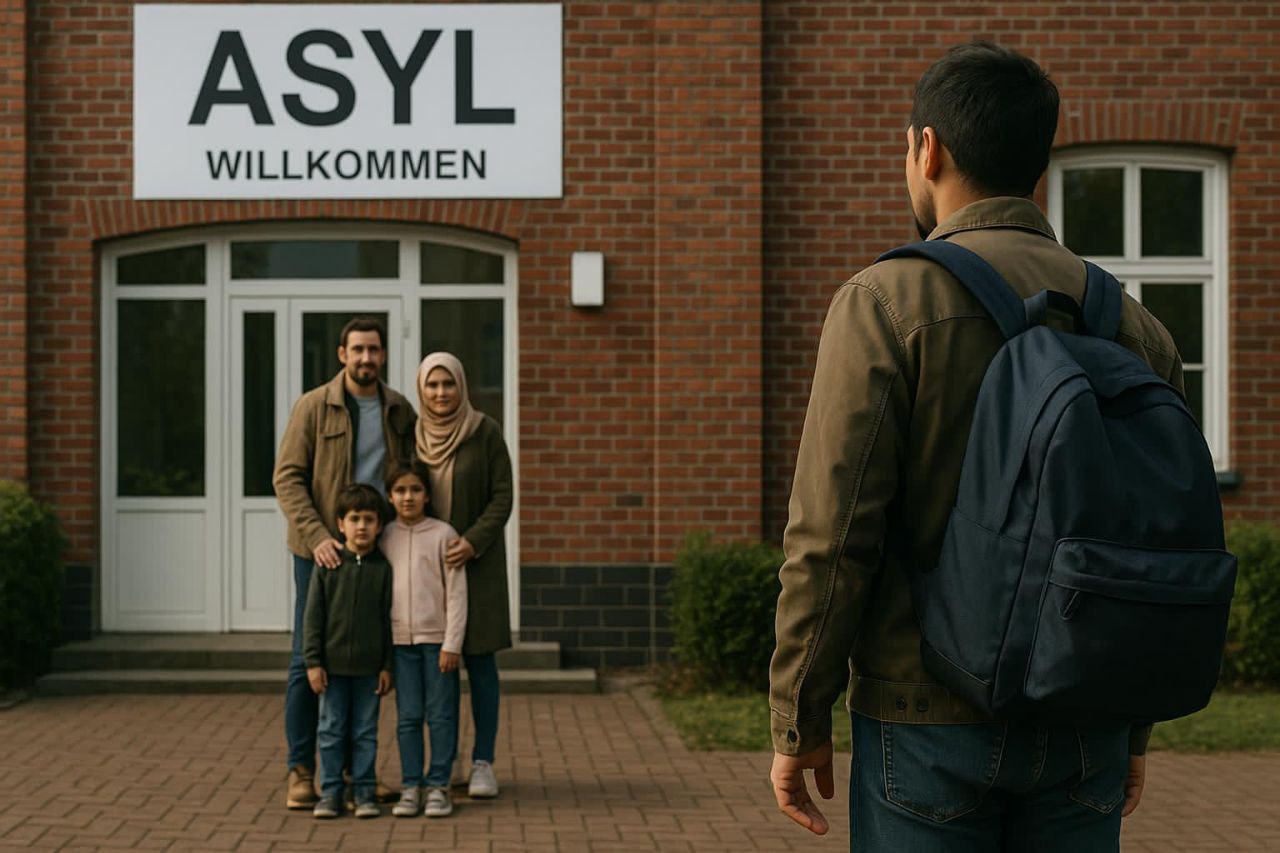
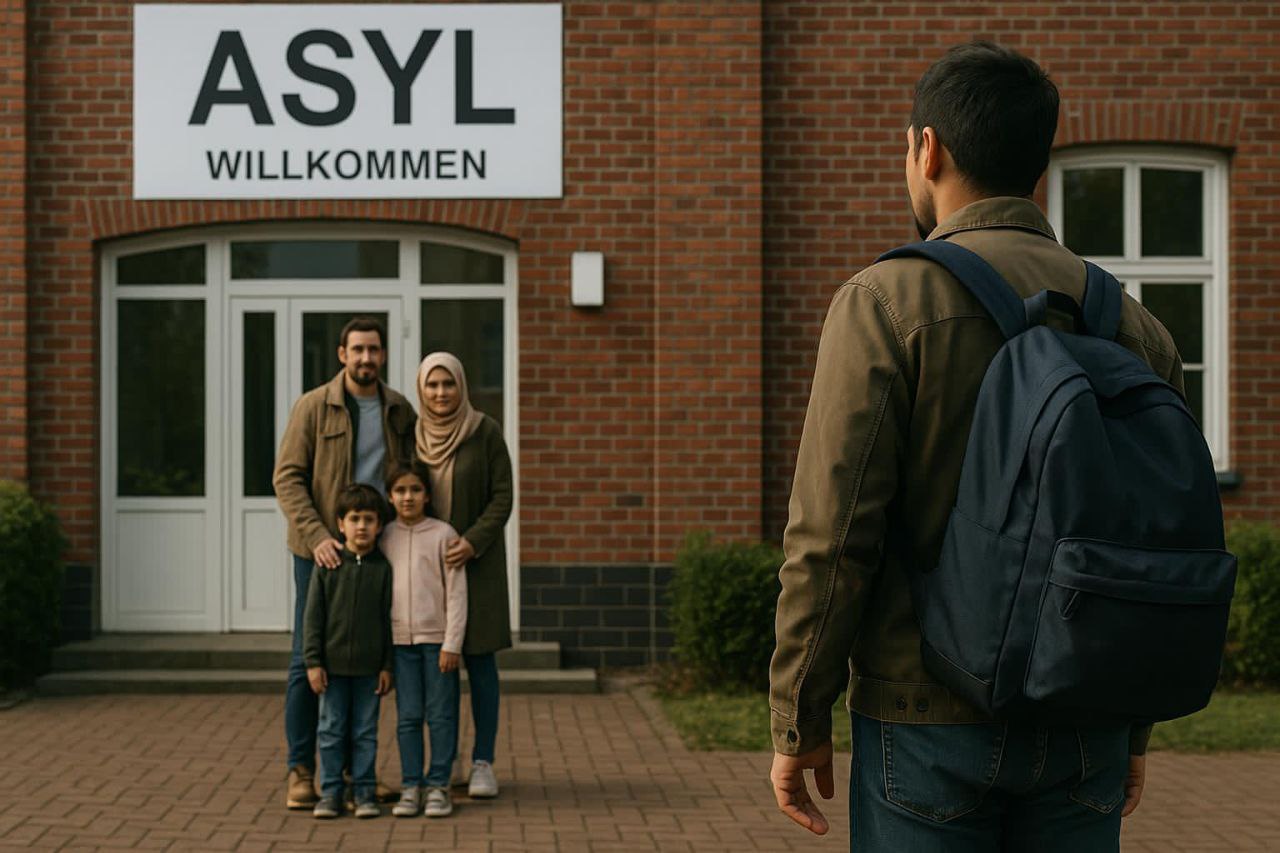
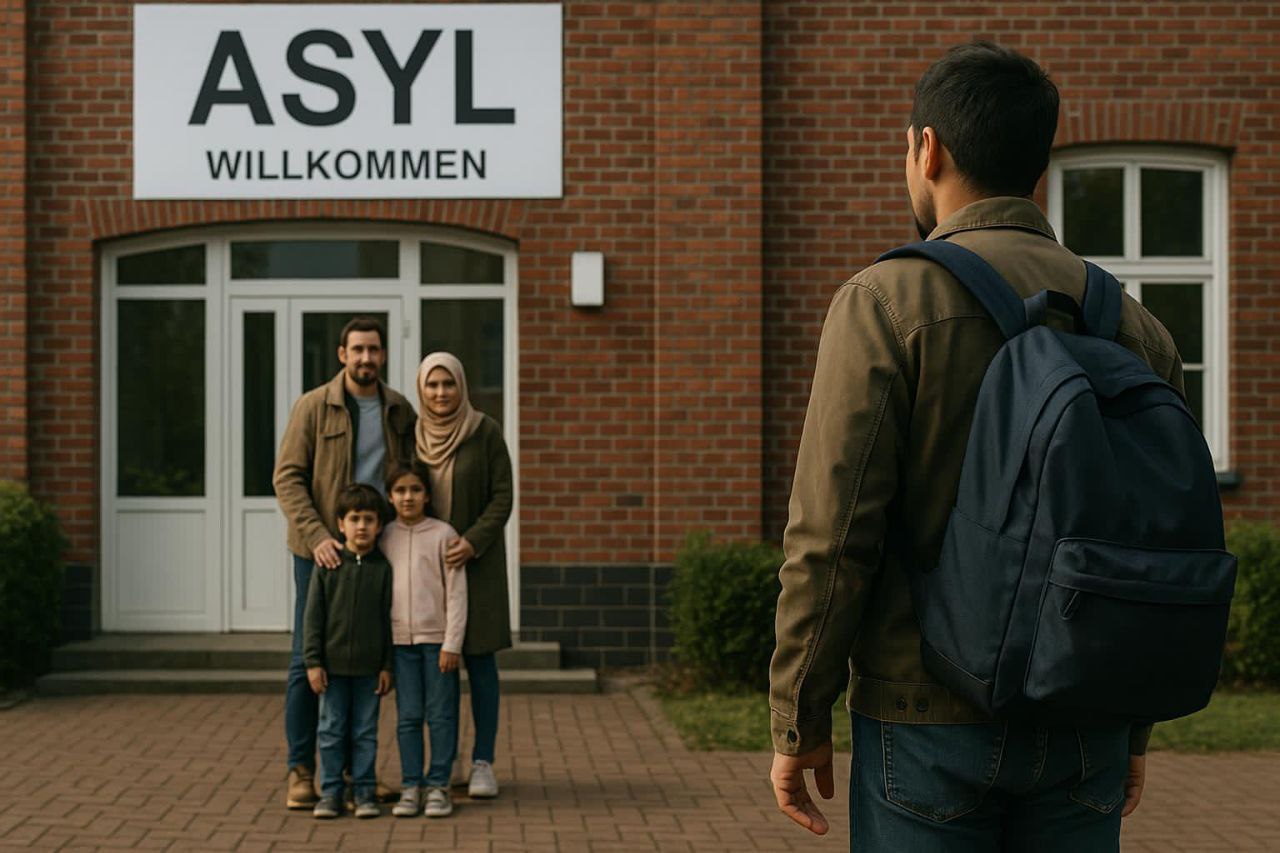
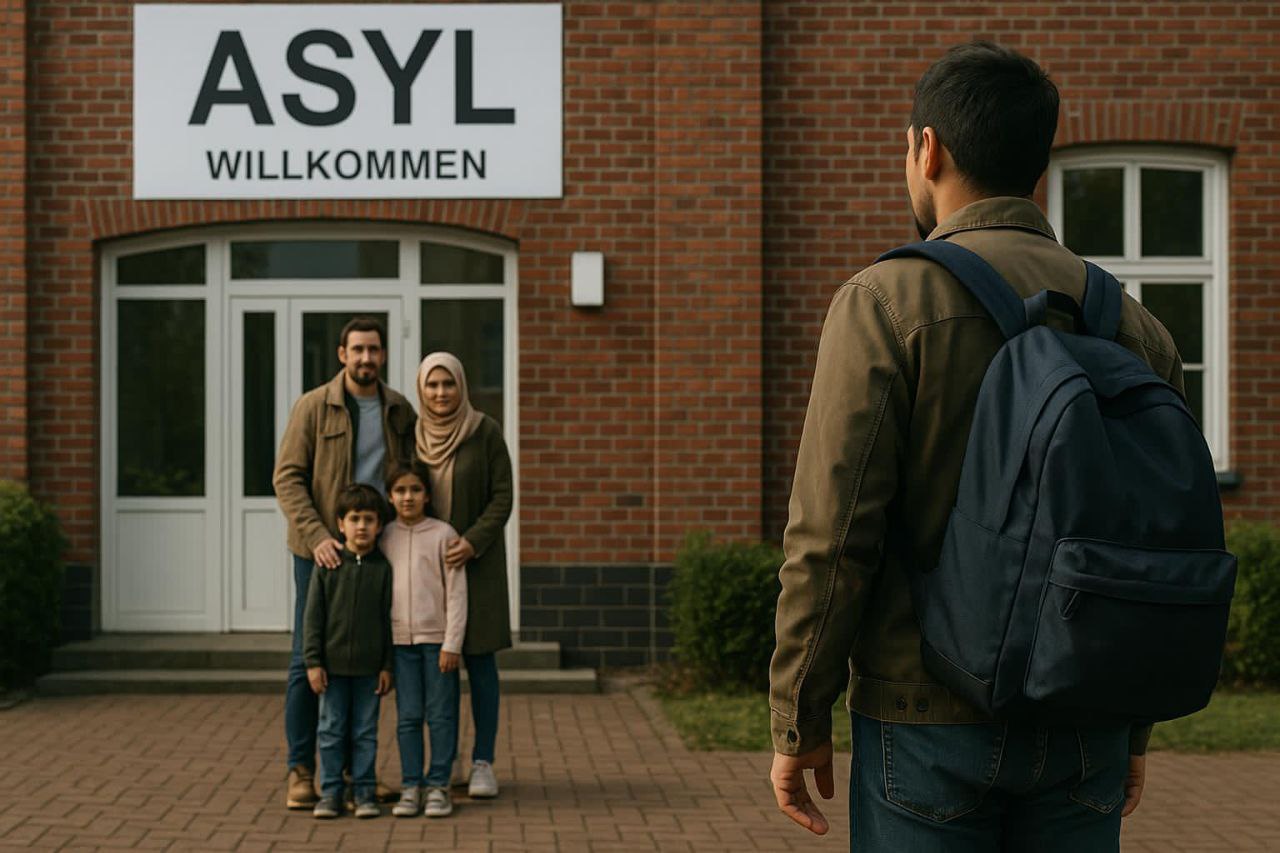
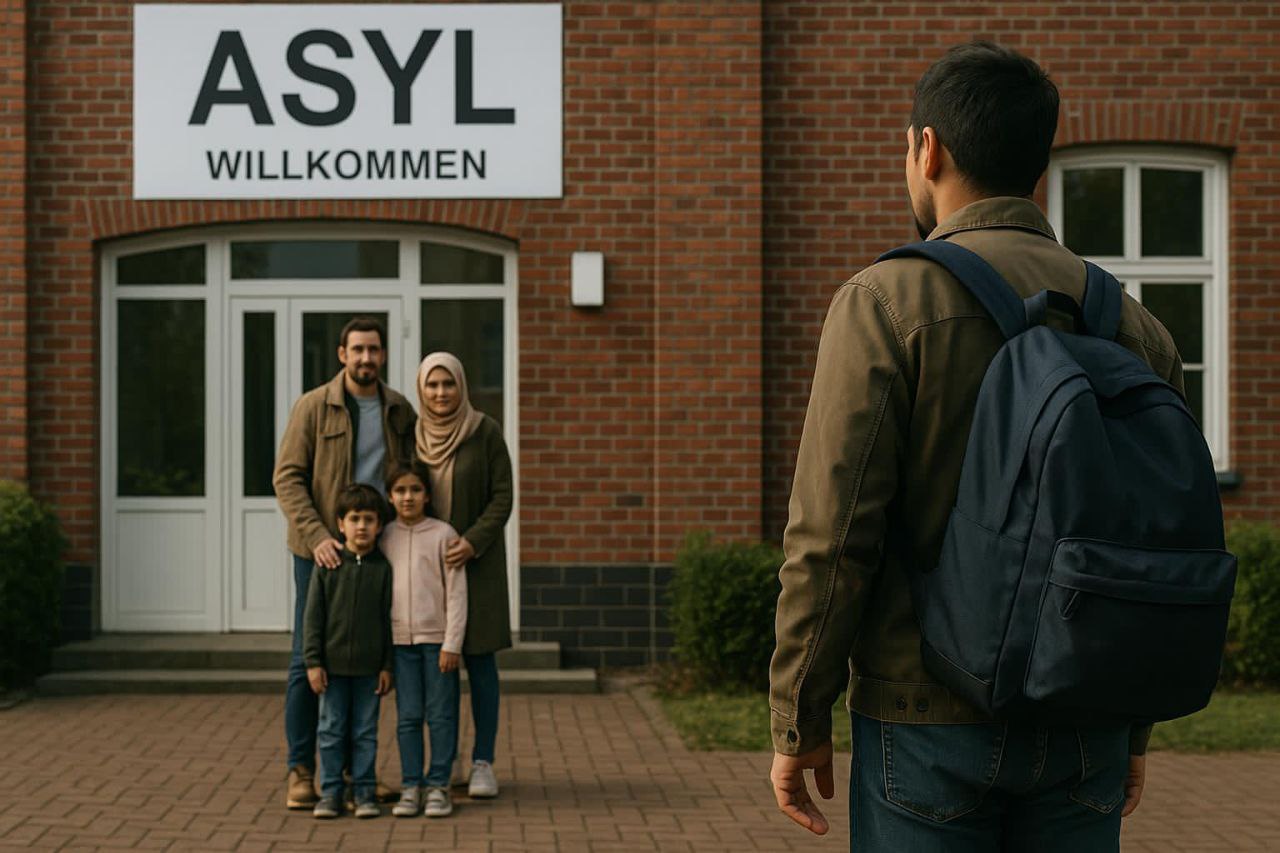
Asylum in Germany vs Asylum in Denmark
Application procedures │ Financial support │ Work │ Family reunification │ Permanent residence and citizenship
| Aspect | Germany | Denmark |
|---|---|---|
| Registration of the claim and average decision time | ANKER centre → BAMF interview; average decision time in 2023 was 6.8 months | Application with the police or at the national reception centre; official average decision time 8 months |
| Asylum seeker allowance | €441 per month per person from 1 January 2025 | 10.10–35.31 DKK/day (≈ €64–189/month), depending on the stage of the case and whether food is provided in the centre |
| Work during the procedure | After 3 months (or 6 in the reception centre) with approval from the foreigners’ authority; the priority check has been abolished | Work permission can be requested after turning 18; issued for one year and renewable; work may not start before the contract is approved by the immigration authorities |
| Residence after recognition | Refugee status: 3-year residence permit, extendable; full public health insurance | Refugee permit: 3 years; subsidiary protection: one year, then two-year renewals |
| Family reunification | Refugee: spouse/children exempt from income requirement if the application is filed within 3 months; subsidiary protection capped at 1,000 visas/month | Application within 6 months exempts from income requirement; holders of temporary § 7(3) status must wait for the 2-year extension before applying |
| Permanent residence | After 5 years + B1 language level + independent income (auswaertiges-amt.de) | After 8 years (or 4 if all specific conditions are met) |
| Citizenship | Law of 27 June 2024: naturalisation after 5 years (or 3 with exceptional integration) with dual citizenship allowed (bmi.bund.de) | From October 2024: 8 years of continuous residence (5 years for some groups) + language and society test |
1 │ Ease of application and speed of decision
Despite the creation of ANKER centres to streamline steps, the average decision time in Germany remained 6.8 months in 2023, with potential extensions up to 15 months in complex cases.
Denmark advertises a median of eight months for most files, but “ordinary track” cases may last longer if appeals are lodged before the Refugee Appeals Board.
2 │ Financial support and reception conditions
Germany provides one of the highest cash allowances in Europe (around €441), partly paid through shopping/payment cards in some federal states.
Denmark pays a graded daily allowance (10–35 kroner) with supplements for children and relies more on accommodation in reception centres where food and basic services are provided.
3 │ Access to the labour market
After three months outside the initial reception centre, an asylum seeker in Germany may apply for a work permit, which facilitates early entry into vocational training and the labour market.
In Denmark, a work contract and the approval of the immigration authority are required; the permit is issued for one year and renewed. Working before receiving this permit can lead to sanctions for both the refugee and the employer.
4 │ Residence after recognition and integration programmes
Germany: 3-year residence card with extension options, combined with a mandatory integration course (typically 700 hours of language + 100 hours of civic orientation), generally free of charge.
Denmark: a “temporary” residence title that can be renewed and is linked to a municipal integration contract, including language classes, labour-market activation and sometimes voluntary work.
5 │ Family reunification
Germany’s “golden rule”: notification within 3 months protects the family from income and housing requirements for recognised refugees; for subsidiary protection, family reunification remains tied to a monthly cap of 1,000 visas.
Denmark has no numerical cap, but beneficiaries of temporary protection under § 7(3) have no right to family reunification until their permit has been extended after two years; other categories are subject to income and housing requirements after the first six months.
6 │ Permanent residence and citizenship
Germany has shortened the path to a permanent residence permit to five years and to naturalisation to five (or three) years, allowing dual citizenship since 2024 (auswaertiges-amt.de, bmi.bund.de).
Denmark maintains the 8-year requirement for a permanent residence permit (four years in exceptional cases) and eight years for citizenship (five for some groups), with Danish language tests and economic integration conditions.
Practical summary
| If your main priority is … | More suitable country |
|---|---|
| Higher cash allowance and full health insurance from day one | Germany |
| Possibility to work with formal approval, with stricter step-by-step control | Denmark |
| Fast family reunification without income requirement for Convention refugees | Germany |
| No numerical cap on family reunification, but income requirement after 6 months | Denmark |
| Faster permanent residence and citizenship with dual nationality | Germany |
| Stricter return-to-home policy and tighter rules after temporary protection | Denmark |
Before choosing your destination, think about language, job market, where your family lives, and your willingness to meet income or language conditions in the long run. Both countries offer real protection, but the path to long-term stability is very different between Germany’s intensive “integration model” and Denmark’s model based on economic incentives and time-limited status.
The editorial and writing team at lak24 strives to provide accurate information based on thorough research and multiple sources. However, errors or not-yet-fully-verified details may still occur. Please treat the information in this article as an initial guideline and always consult the competent authorities for binding, up-to-date advice in individual cases.