Login/Create Account


Emergency loan for flood victims: Conditions for obtaining the KfW state bank Notfallkredit
When natural disasters hit entire residential areas – as in the case of severe floods (Hochwasser) – the human and economic damage can be enormous. Within a short time, homes, shops, farms and infrastructure can be destroyed or badly damaged.
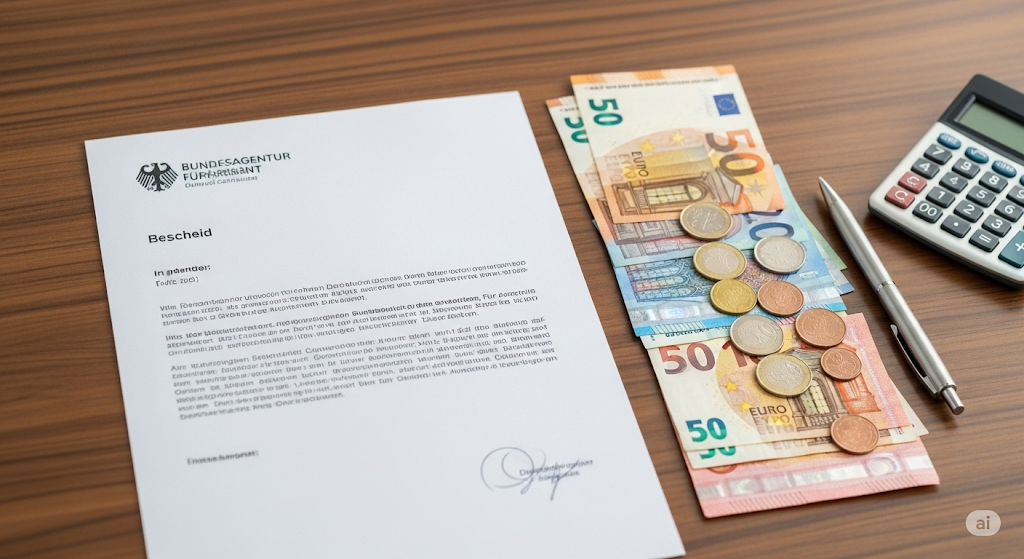
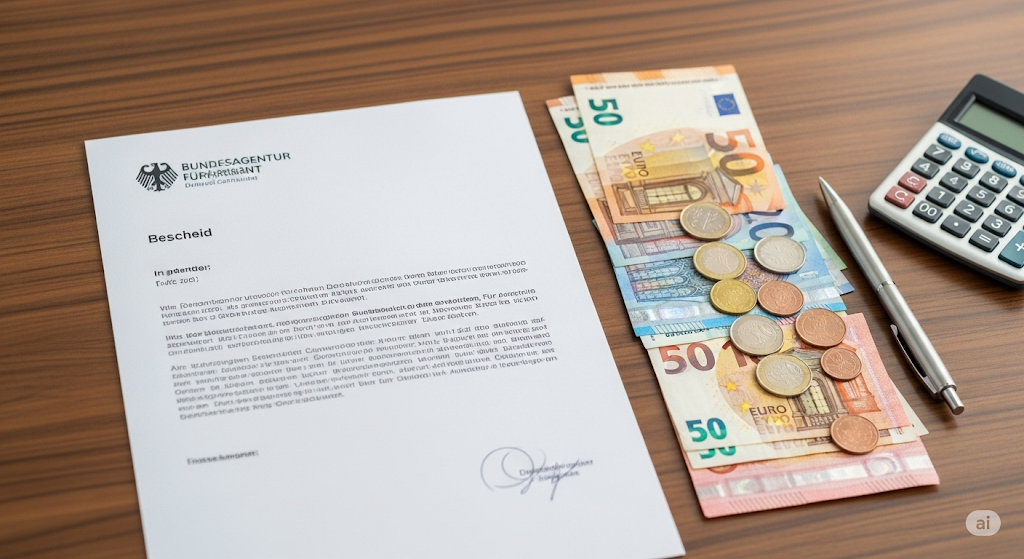
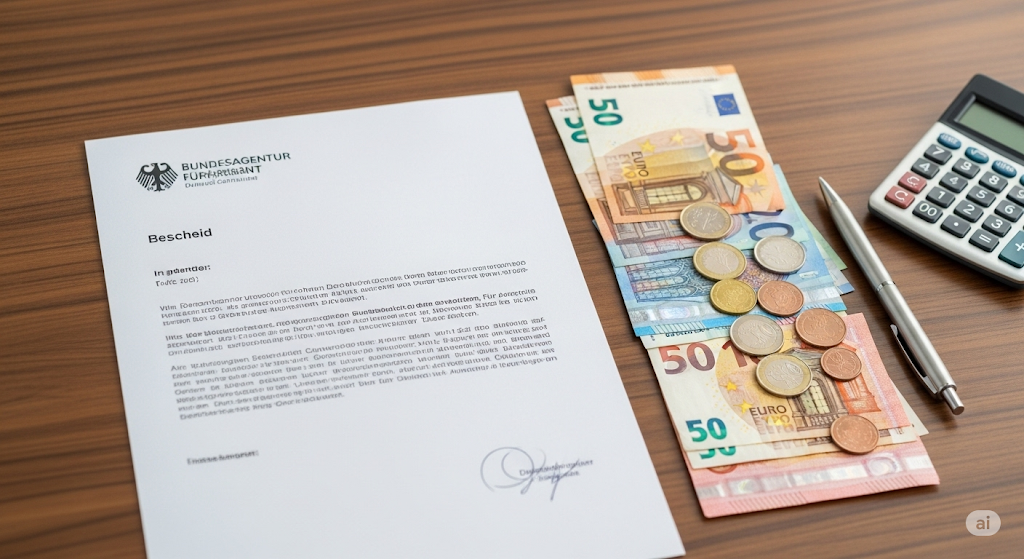
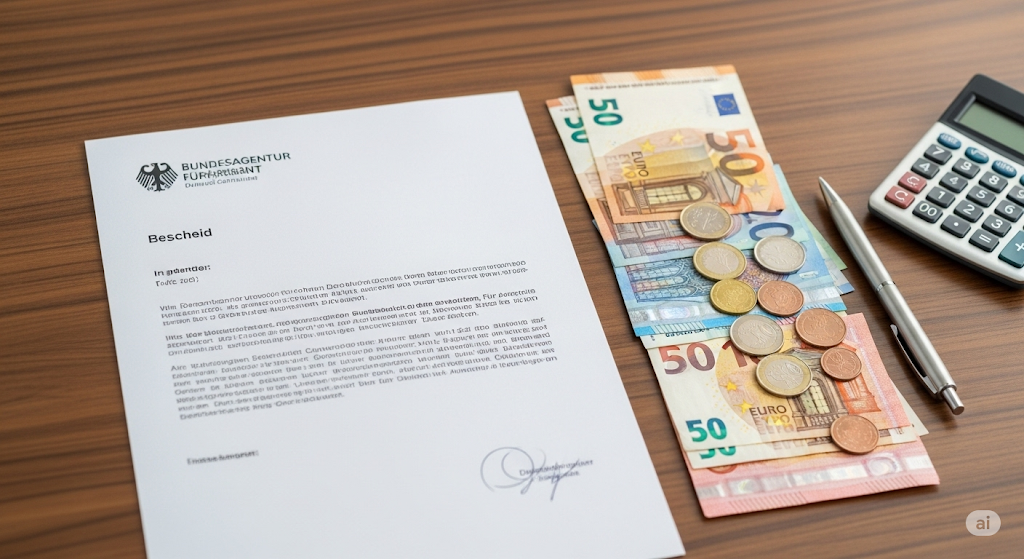
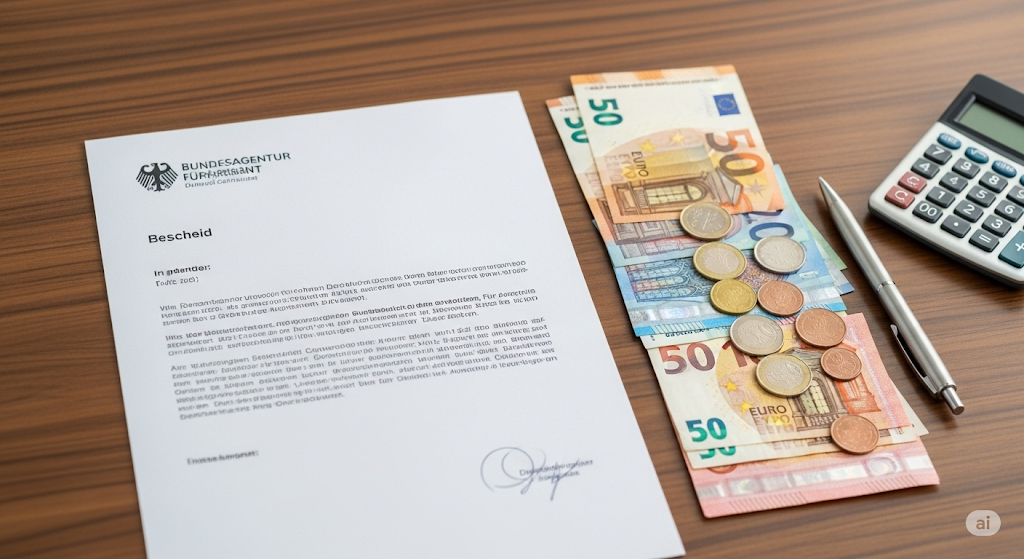
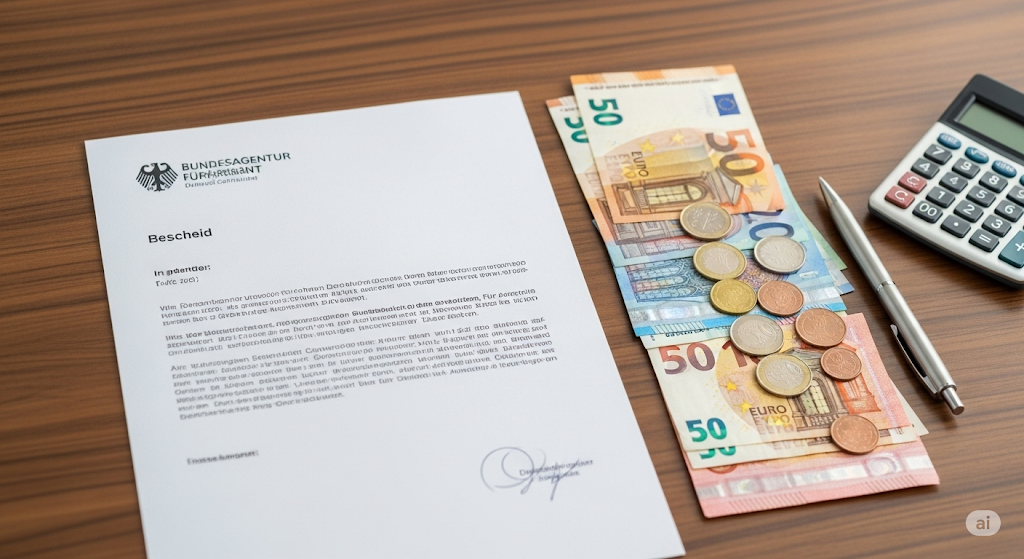
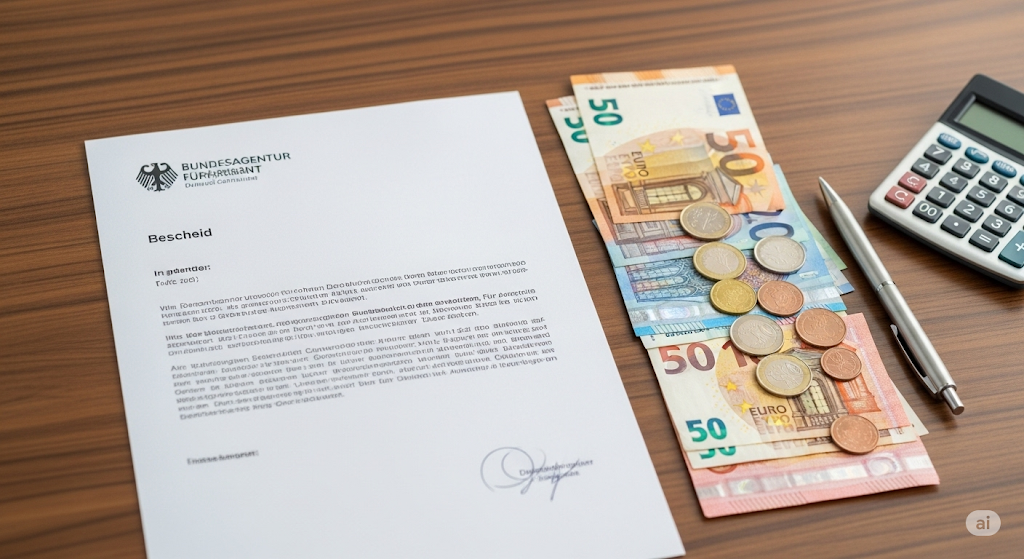
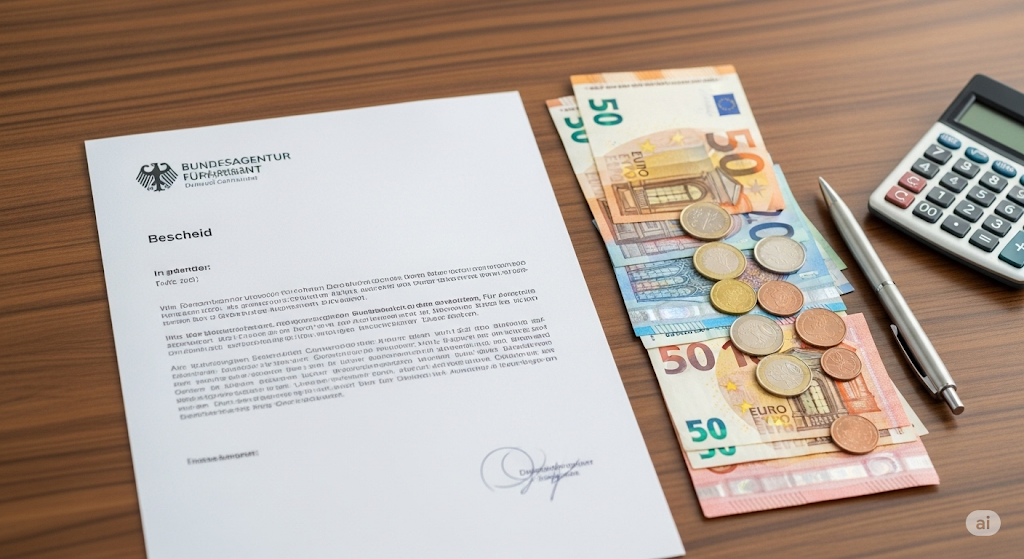
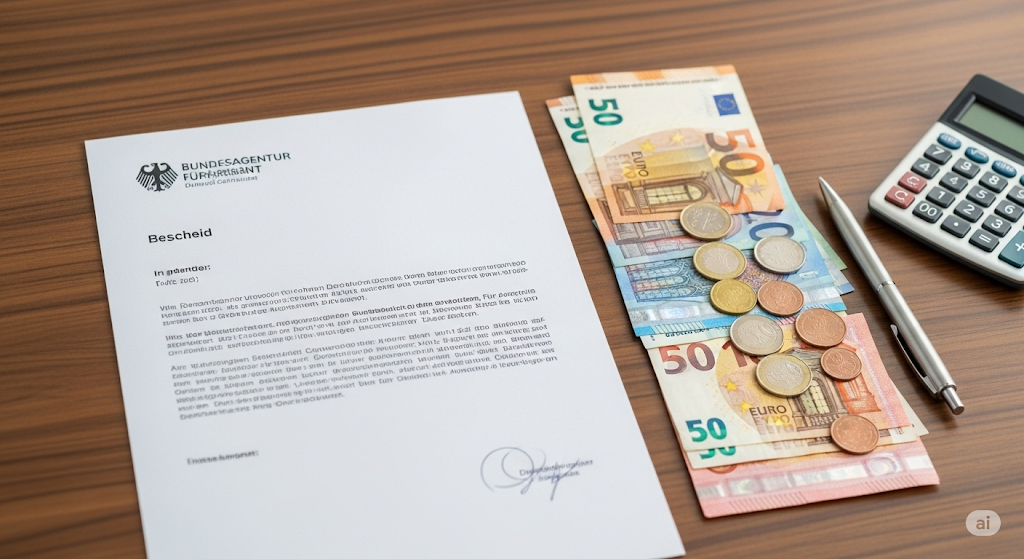
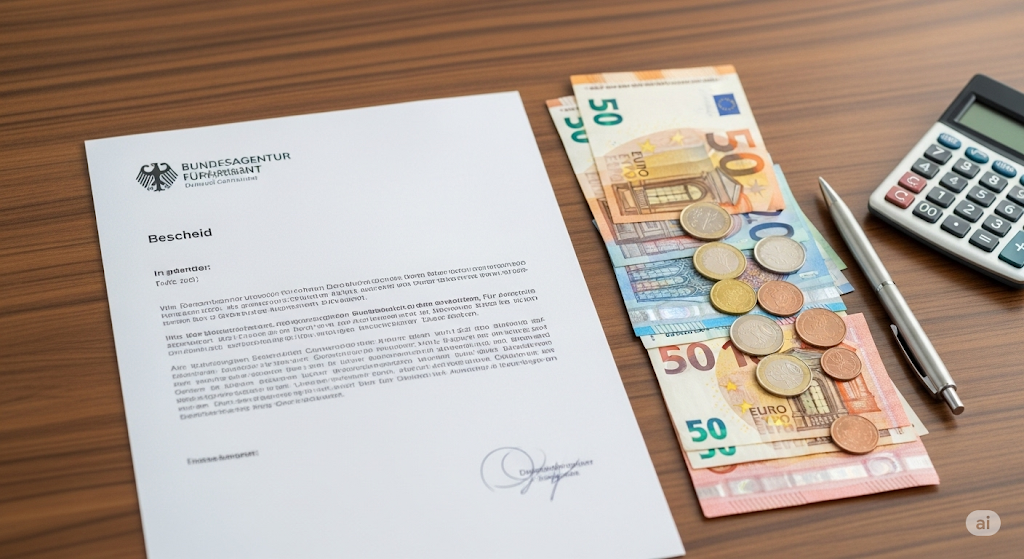
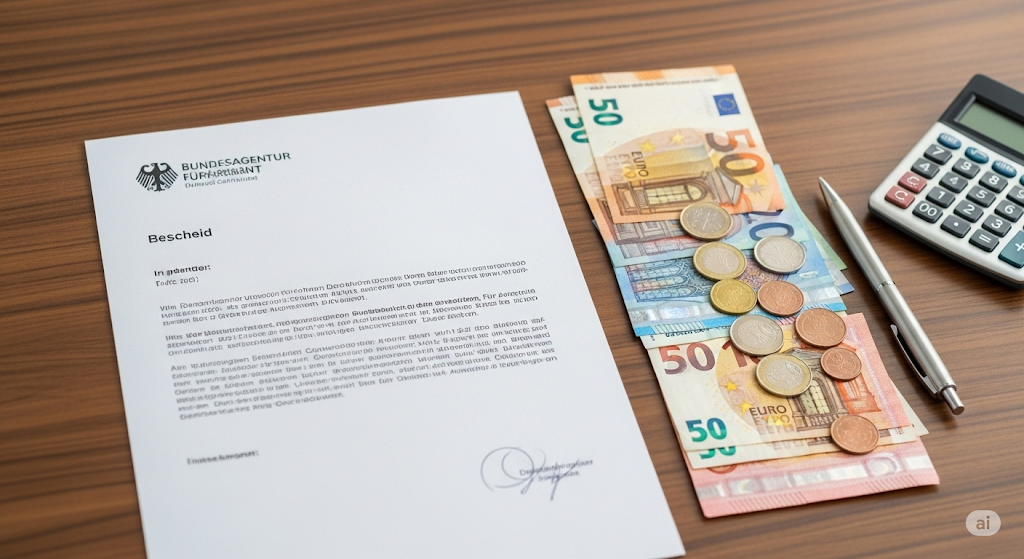
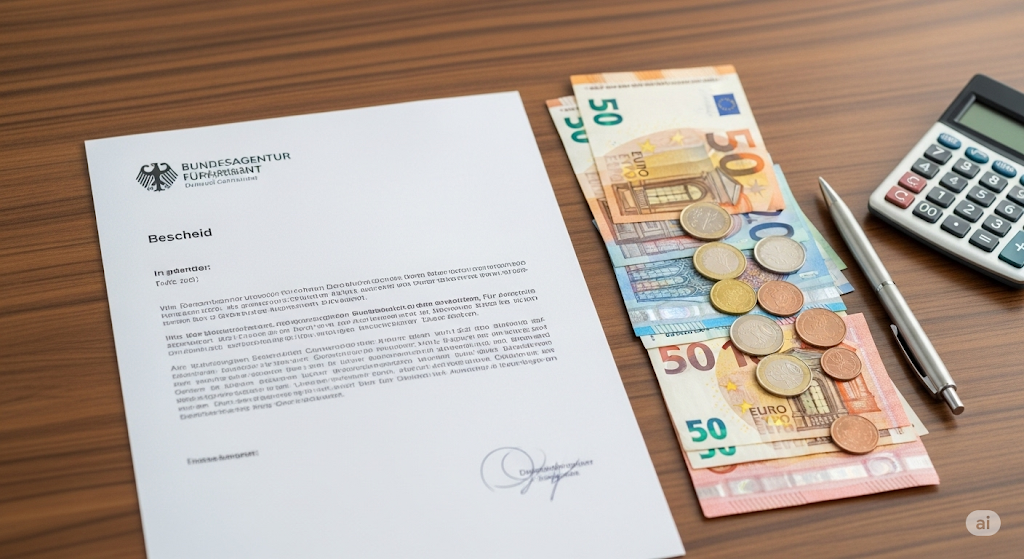
To help people rebuild quickly and avoid excessive financial burdens, the German state development bank KfW (Kreditanstalt für Wiederaufbau) offers a special programme called Notfallkredit für Flutopfer – an emergency loan for flood victims. Its purpose is to support reconstruction as quickly as possible and on particularly favourable terms.
What is the KfW Notfallkredit?
The Notfallkredit is an emergency loan with low interest rates – and in some special schemes even interest-free – aimed at:
-
affected households and private individuals,
-
small and medium-sized enterprises (SMEs),
-
farmers,
-
municipalities and non-profit organisations.
The loan can be used to finance, for example:
-
repairs and structural restoration,
-
reconstruction of damaged buildings,
-
replacement furniture and household equipment,
-
restoration of infrastructure and production facilities.
In which situations is the loan granted?
The emergency loan is granted only in cases of natural disasters that have been officially recognised as a damage event by the federal government or the respective federal states, such as:
-
large-scale floods,
-
devastating storms,
-
landslides caused by extreme weather conditions.
The damage must be officially documented by competent bodies, for example:
-
certificates from the municipality or local authority,
-
reports from the fire brigade, civil protection or technical relief services,
-
documents and damage reports from insurance companies.
Who is eligible to apply?
The exact eligibility criteria vary depending on the target group. In general, three main groups are distinguished:
1. Private individuals and households
-
The damaged property must usually be owner-occupied or owned by the applicant,
-
it may not simply be rented accommodation,
-
household income must not exceed certain thresholds, which may differ from state to state,
-
it must be clearly proven that the damage was directly caused by the disaster.
2. Businesses
-
The company must be registered and operating in the affected region,
-
it must qualify as a small or medium-sized enterprise (SME),
-
there must be evidence of commercial damage or interruption of production,
-
in most cases, a realistic rehabilitation and reconstruction plan must be submitted.
3. Farmers
-
Damage can affect farm machinery and equipment,
-
barns, stables and farm buildings,
-
fields and pasture land,
-
or other parts of the agricultural infrastructure and livestock.
In many cases, the loan can also be used to finance seeds, feed and other inputs in order to restart production.
Loan amount and conditions
The maximum loan amount depends on the type of borrower and the extent of the losses. Typical benchmarks are:
-
Private individuals / households:
-
up to 50,000 € per damaged dwelling.
-
-
Enterprises:
-
up to 200,000 €,
-
in justified exceptional cases, even higher amounts may be possible.
-
Interest rate and repayment period:
-
interest rates are typically very low (around 1%),
-
in special support schemes, the loan may even be interest-free (0%),
-
the repayment period can be up to 10 years,
-
often there is a grace period of up to two years (tilgungsfreie Anlaufzeit) during which no repayments – or only interest payments – are required before normal instalments start.
How to apply – step by step
-
Document the damage
-
Take photos and videos of the damage,
-
obtain official damage certificates from the municipality, fire brigade or civil protection authorities,
-
collect insurance documents, cost estimates and repair quotations.
-
-
Contact your local bank or Sparkasse
-
You do not apply directly to KfW. Instead, you file the application through your house bank, local bank or Sparkasse,
-
this bank acts as an intermediary, checks your creditworthiness and verifies the formal criteria.
-
-
Complete the KfW emergency loan application
-
Together with your bank, you fill in the KfW Notfallkredit application form,
-
you attach all relevant documents about your situation, the damage and – in the case of businesses – the economic impact.
-
-
Bank review and forwarding to KfW
-
The bank performs a preliminary check of all documents,
-
then forwards the application to KfW for final approval.
-
-
Approval and disbursement
-
If the loan is approved, the funds can be paid out either
-
in a single lump sum or
-
in several instalments,
-
-
depending on the nature of the project and the rebuilding schedule.
-
Is there additional support besides the loan?
Yes. In many cases, federal states and local municipalities also provide non-repayable grants, such as:
-
reconstruction grants for damaged buildings and infrastructure,
-
support for energy-efficient refurbishment (energetische Sanierung) if rebuilding is combined with improving energy performance,
-
local aid programmes and support from relief organisations, charities and foundations.
A combination of the KfW emergency loan and public grants is often possible and can significantly reduce the financial burden on those affected.
Conclusion
The Notfallkredit für Flutopfer from KfW is a crucial lifeline for many people hit by natural disasters. Confronted with sudden and substantial losses, households, businesses and farmers can use this instrument to:
-
secure liquidity on favourable terms,
-
finance repair and reconstruction,
-
and gradually rebuild their livelihoods.
It is essential to act quickly after the disaster, document all damage thoroughly and contact your local bank or Sparkasse as soon as possible. This increases the chances of receiving support promptly and starting reconstruction without unnecessary delay.
The editorial team of this website strives to provide accurate information based on in-depth research and multiple sources. Nevertheless, errors may occur or certain details may be incomplete or not yet definitively confirmed. Please therefore regard the information in this article as an initial point of reference and always contact the competent authorities for binding and up-to-date advice.