Login/Create Account


Maternity benefit (Mutterschaftsgeld): Your financial rights during the protection period
1. What is Mutterschaftsgeld?
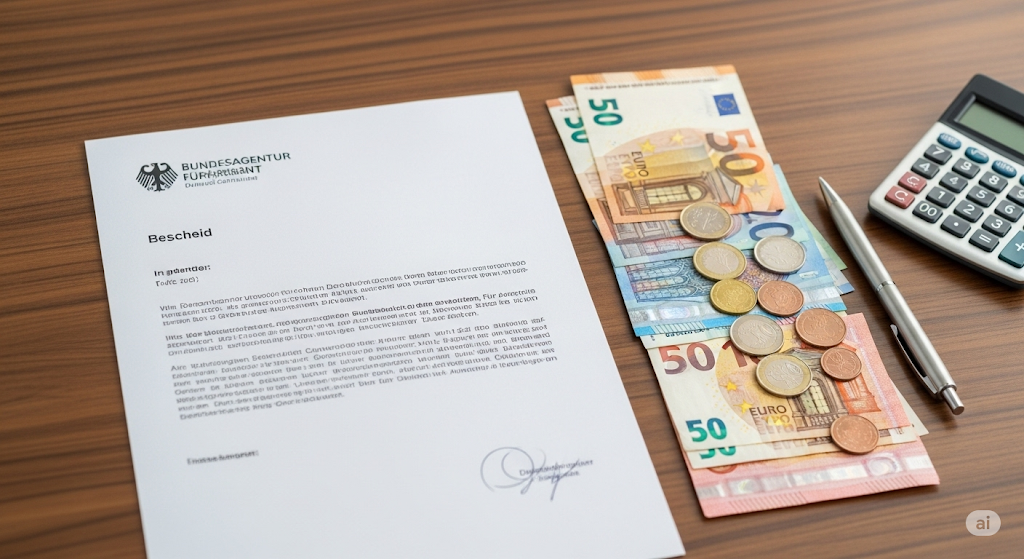
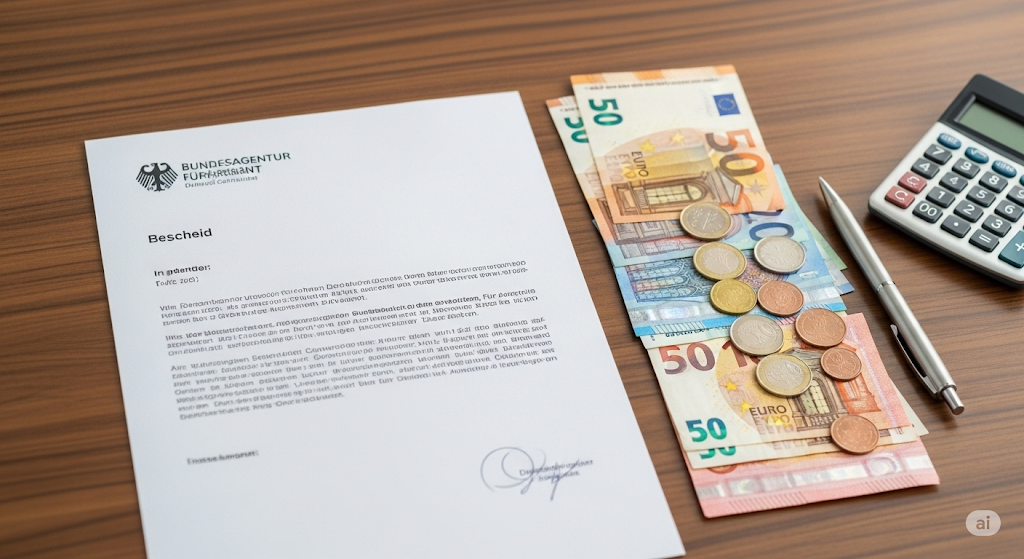
Mutterschaftsgeld (maternity benefit) is a financial allowance paid either by the statutory health insurance fund or by the state to employed women during the maternity protection period. Its purpose is to secure the woman’s income while she is prohibited from working in the weeks before and after childbirth (betanet.de).
2. Who is entitled to receive it?
-
Women with statutory health insurance (GKV) in paid employment:
They are entitled to Mutterschaftsgeld if they are in a job subject to compulsory health insurance and have been insured at least six weeks before the expected date of delivery. -
Women with private or family insurance (e.g. Minijob or private health insurance):
If they are not themselves statutory members but are covered via family insurance or privately insured, they can receive a one-off lump sum of 210 € from the state through the competent federal authority (Bundesamt), provided certain conditions are met (howtogermany.com). -
Self-employed women:
Self-employed women who are voluntarily insured under the statutory health insurance scheme with entitlement to sickness benefit (Krankengeld) can also receive Mutterschaftsgeld or an equivalent payment from the state (de.wikipedia.org).
3. When is it paid and how long does the benefit last?
Length of the maternity protection period:
-
6 weeks before the expected date of birth,
-
8 weeks after the birth.
This postnatal period is extended to 12 weeks in the case of:
-
premature birth,
-
multiple births, or
-
if the child has a recognised disability (tk.de, tk.de).
Amounts:
-
The statutory health insurance fund pays up to 13 € per calendar day (liveingermany.de).
-
The employer pays a top-up to cover the difference between this amount and the woman’s average net daily wage,
-
so that, overall, the woman’s income during the protection period is kept as close as possible to her usual net pay.
4. How is the amount calculated?
The calculation is based on the average monthly net income during the last three months before the start of the maternity protection period.
-
The total net pay for those three months is divided by the number of calendar days in that period,
-
which gives the average net income per day,
-
but the health insurance fund pays no more than 13 € per day (howtogermany.com).
If the calculated average net daily income is higher than 13 €, the employer pays the remaining difference as an employer’s supplement to Mutterschaftsgeld.
5. When is it paid and how do you apply?
You should usually apply for Mutterschaftsgeld around 6–7 weeks before the expected date of birth.
Steps:
-
Obtain a medical certificate:
-
Your gynaecologist or midwife issues a certificate confirming the expected date of delivery.
-
-
Apply to your health insurance fund:
-
Send this certificate to your statutory health insurance fund to apply for Mutterschaftsgeld.
-
-
Inform your employer:
-
At the same time, you should inform your employer of the start of the maternity protection period and provide the certificate so that they can pay the employer’s supplement (Zuschuss zum Mutterschaftsgeld) (kietzee.com).
-
-
After the birth:
-
Once the baby is born, you must submit the birth certificate (or official confirmation) to the health insurance fund,
-
so that the payment of Mutterschaftsgeld for the postnatal period is continued correctly (betanet.de).
-
6. Is Mutterschaftsgeld taxable?
Mutterschaftsgeld itself is exempt from direct income tax.
However, it is included under the “Progressionsvorbehalt” (progression clause):
-
The benefit is not taxed directly,
-
but it is taken into account when determining the applicable tax rate on your other taxable income, which can increase your overall tax rate (germantaxes.de).
7. Additional medical and legal rights
In addition to the financial benefit, you are also protected by several legal provisions during the maternity protection period:
-
Protection against dismissal:
From the start of the maternity protection regulations until four months after the birth, you are generally protected against dismissal. -
Work ban during the protection period:
In the last 6 weeks before delivery, you may work only if you expressly agree;
in the 8 weeks after the birth (or 12 weeks in the case of premature or multiple births or if the child has a disability), work is generally prohibited. -
Continuous social insurance coverage:
Your-
health insurance,
-
pension insurance, and
-
unemployment insurance
remain in force without interruption throughout the maternity protection period.
-
8. Summary of periods and amounts
| Period | Before birth | After birth (standard) | After premature/multiple birth |
|---|---|---|---|
| Duration | 6 weeks | 8 weeks | 12 weeks |
| Daily benefit (health fund) | up to 13 € + employer’s top-up | up to 13 € + employer’s top-up | up to 13 € + employer’s top-up |
Additionally:
-
A one-off payment of 210 € is available for women who
-
are insured via family insurance,
-
are privately insured, or
-
are not themselves in compulsory employment,
provided the relevant conditions are met (betanet.de, howtogermany.com).
-
What should you do now?
Submit your Mutterschaftsgeld application early – ideally 6–7 weeks before your expected due date – together with the medical certificate to your health insurance fund and your employer.
Keep copies of all documents and, after the child is born, send the birth certificate to your health insurance fund so that the payments for the postnatal period continue smoothly.
In this way, you ensure that your income is protected and that your social insurance and legal rights remain fully safeguarded during this crucial phase of your life.
The editorial team of this website aims to provide accurate information based on thorough research and multiple sources. Nevertheless, errors may occur or some details may be incomplete or not yet fully confirmed. Please regard the information in this article as an initial point of reference and always contact the competent authorities for binding and up-to-date information.