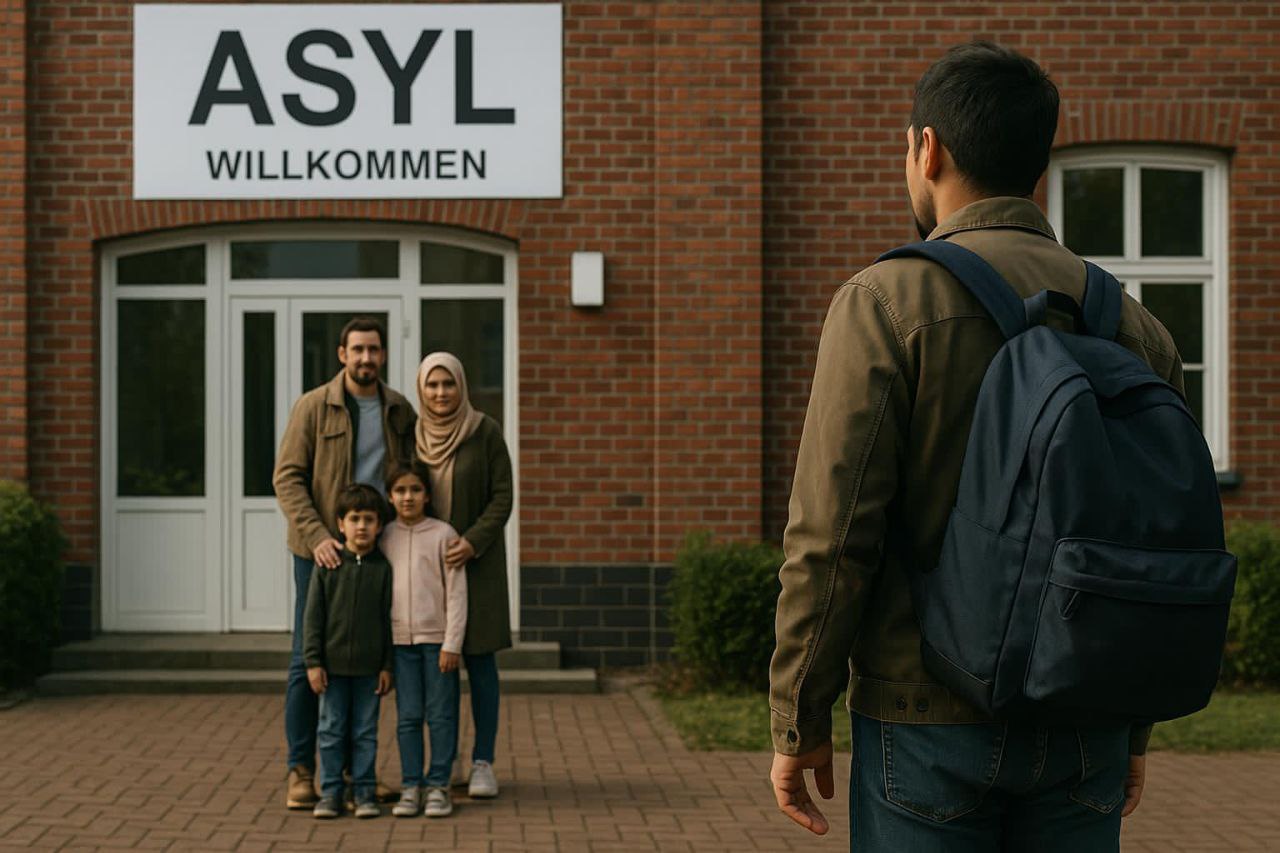
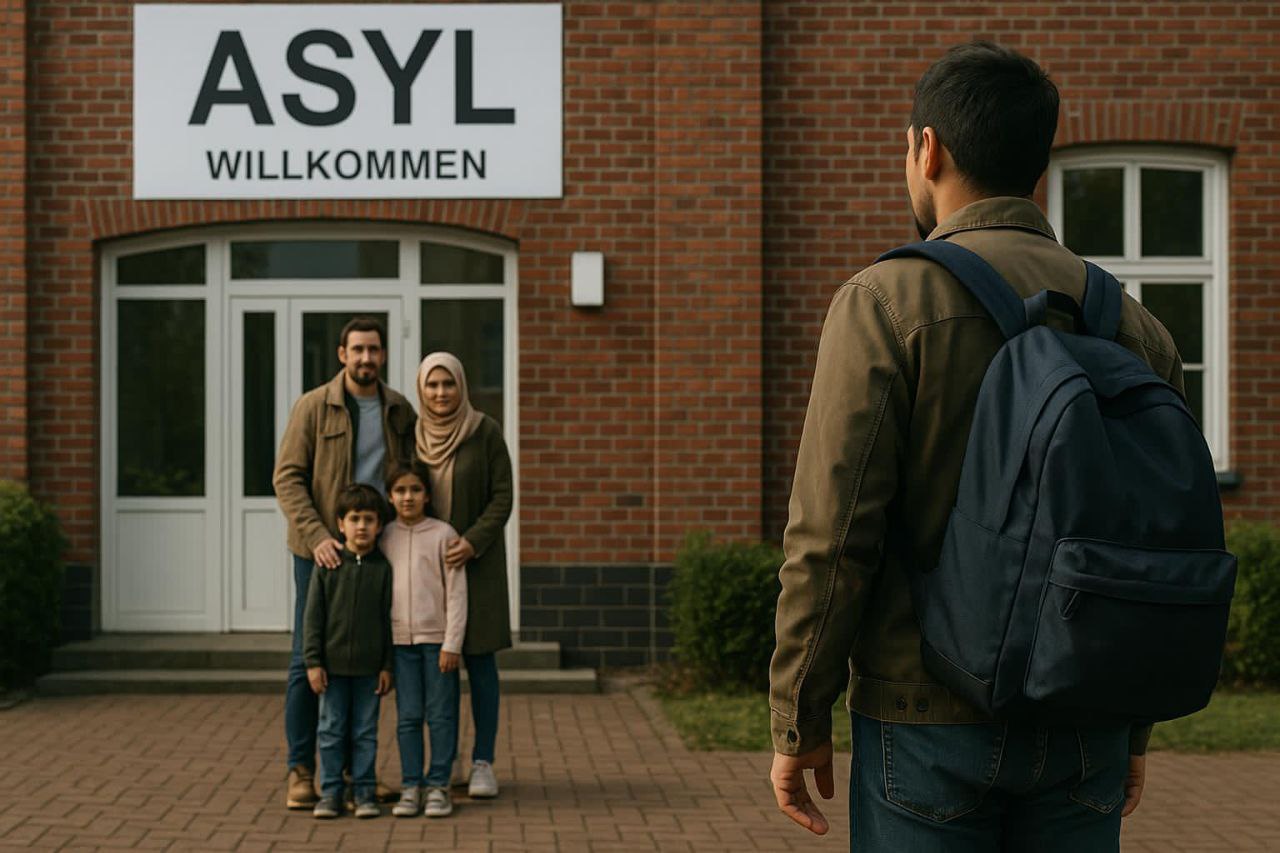
Who is eligible to apply for family reunification?
If you have:
Asylberechtigung (full political asylum) or
Refugee protection under the Geneva Convention (Flüchtlingsschutz)
you generally have a legal right to apply for family reunification within the first 3 months after receiving the recognition decision, without additional requirements.
If you have subsidiary protection (subsidiärer Schutz), family reunification is not automatic. It is handled through quotas and humanitarian approval, and it requires strong reasons (such as minor children, serious illness, extreme vulnerability, etc.).
Who can be brought through family reunification?
Husband or wife (the marriage must have existed before entry to Germany)
Minor children (under 18) – if they are abroad, or if they are in Germany without one parent
In exceptional cases: one parent of a minor refugee child living in Germany
Siblings, grandparents, and second-degree relatives are generally not eligible, except in rare humanitarian cases.
What is the legal deadline for submitting the application?
The application should be submitted within 3 months from the date of recognition.
The application is submitted at the German embassy/consulate in the country where the family members live.
If the deadline is missed, additional requirements usually apply: sufficient income, adequate housing, and health insurance.
Practical steps for family reunification
1. Register an appointment at the German embassy
Via the embassy website in the family’s country of residence.
It is recommended to register immediately after receiving the asylum decision, even if the documents are not fully complete yet.
2. Submit the application online (where available)
In some embassies, the application is submitted online first, and then an appointment is scheduled.
3. Prepare the required documents
Key documents include:
Passports for all family members
Marriage and birth certificates, translated and legalized/officially certified
Recognition decision or residence permit of the sponsor in Germany
Proof of registration in Germany (Anmeldung)
Copy of the rental contract (if needed)
Biometric photos
Signed visa application form
An explanatory letter when necessary (especially for exceptional cases)
Is income and housing required?
If you apply within the first 3 months after recognition:
income and specific housing size are generally not required
costs are often covered initially through the existing support system
If you apply after the deadline:
you usually must prove:
stable income sufficient for the family
adequate housing suitable for the number of people
health insurance coverage for the family
How long does the procedure take?
From several months to more than a year, depending on the country and embassy workload.
In heavily booked embassies (such as Beirut or Istanbul), the first appointment may be delayed for months.
After the interview, the file is typically sent to the foreigners authority in Germany for approval, then the visa is issued.
Can urgent cases be accelerated?
Yes, for example through:
an urgent request (Eilantrag)
medical/psychological documentation
support from a lawyer or aid organizations (such as Pro Asyl, Diakonie, Caritas)
After the family arrives in Germany
local registration (Anmeldung)
applying for a residence permit under family reunification
health insurance enrollment
school registration for children
Conclusion
Family reunification is a key right for recognized refugees in Germany, but it is tied to strict deadlines and administrative requirements. The most important factor is applying quickly after recognition and preparing documents carefully. If obstacles or delays occur, legal advice or support from specialized organizations is strongly recommended.
ـ Disclaimer: The writers and editors aim to provide accurate information through extensive research and multiple sources. However, errors may occur or some information may be unconfirmed. Please treat this as initial guidance and consult the competent authorities for verified information.