

 ورود / ایجاد حساب


Residenzpflicht دقیقاً چیست؟
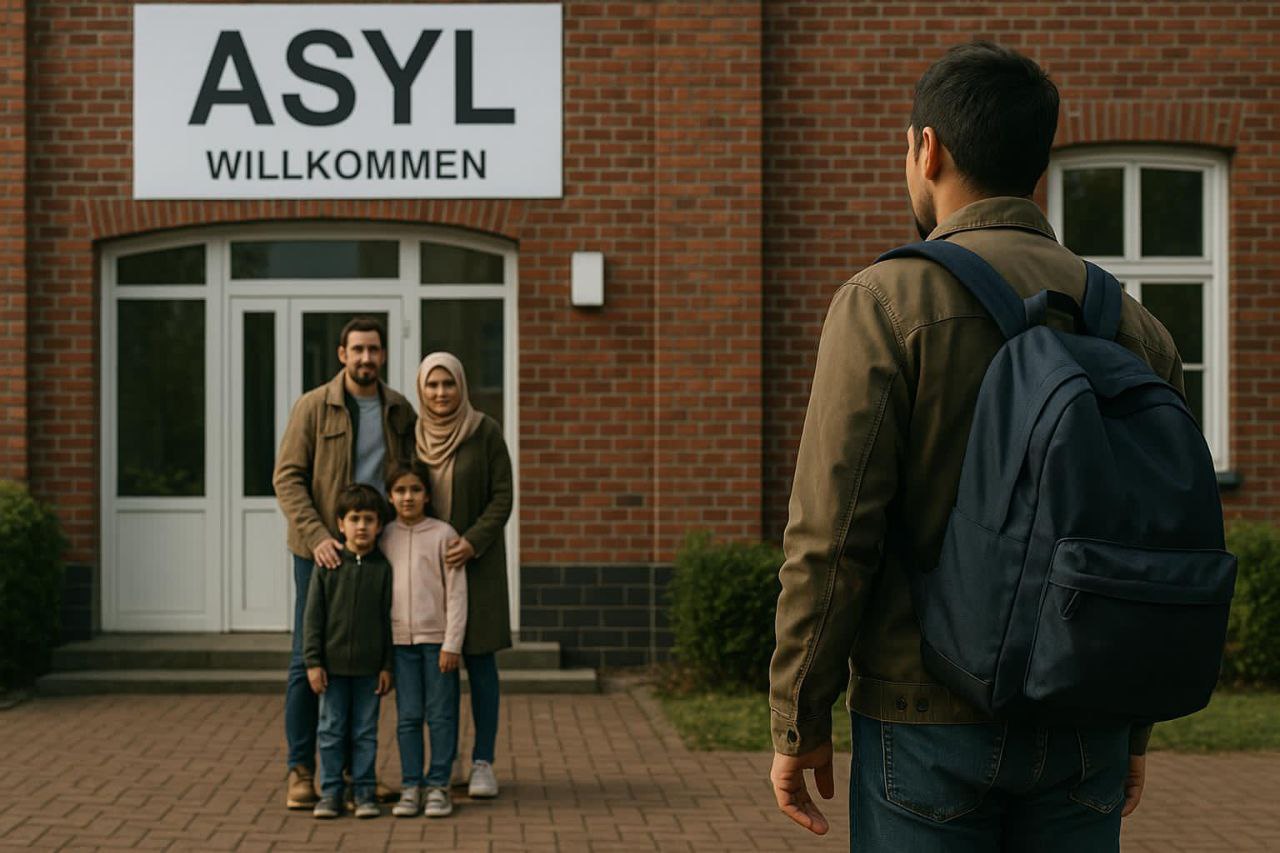
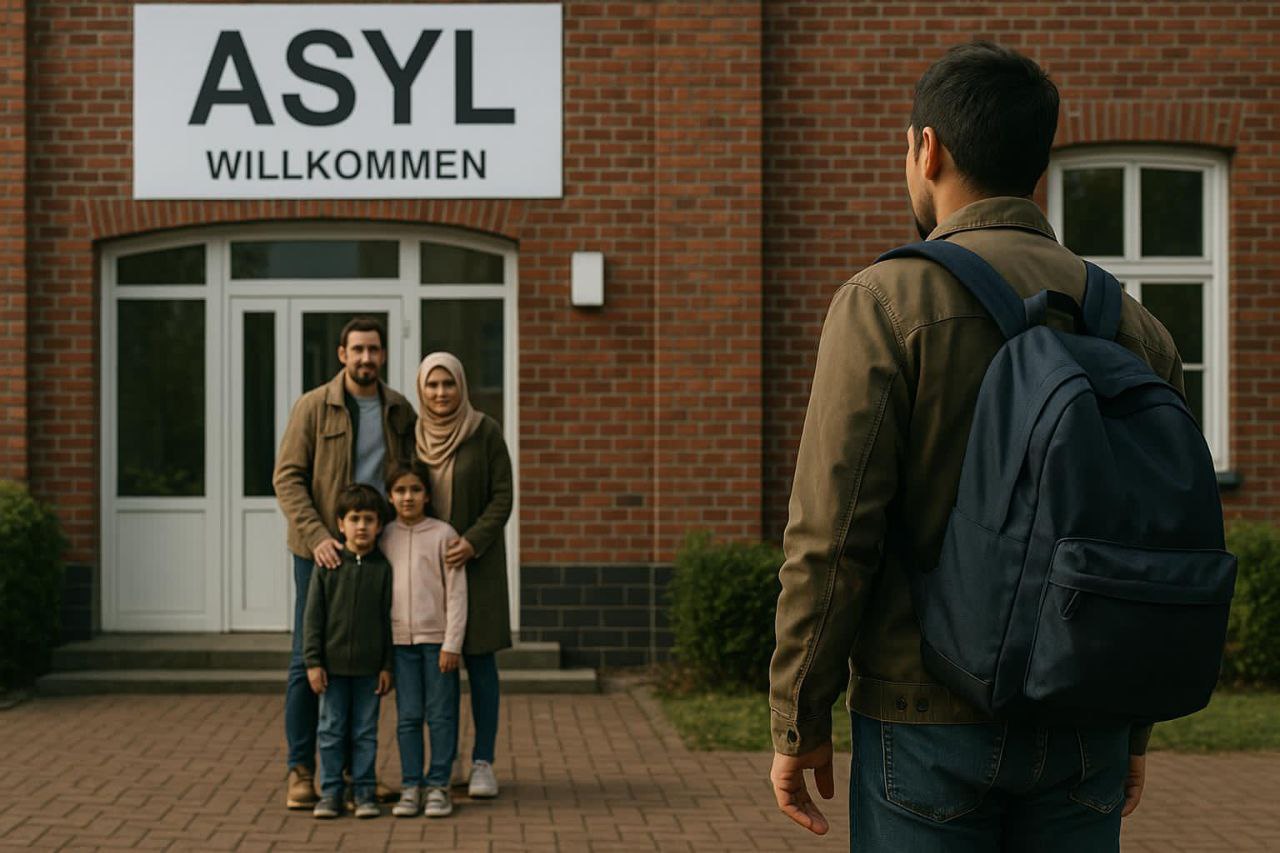
Residenzpflicht یک محدودیت قانونی است که از پناهجویان (و گاهی از افرادی که اخراج آنها موقتاً متوقف شده است) میخواهد در یک ایالت مشخص یا حتی در محدوده کوچکتری مانند شهر یا شهرستان بمانند.
طبق این قید، فرد باید در همان مرزهای جغرافیایی باقی بماند و بدون دریافت مجوز از Ausländerbehörde (اداره امور اتباع خارجی) حق سفر یا رفتوآمد به خارج از آن محدوده را ندارد.
چه کسانی مشمول Residenzpflicht هستند؟
-
همه پناهجویان در مرحله اولیه پس از ورود.
-
دارندگان Aufenthaltsgestattung (اجازه اقامت موقت در زمان رسیدگی به پرونده).
-
دارندگان Duldung (تعلیق اخراج) در برخی موارد.
-
افرادی که درخواستشان رد شده اما همچنان بهطور موقت در آلمان حضور دارند.
این قید چه زمانی اعمال میشود؟
-
بلافاصله پس از ورود پناهجو به مرکز پذیرش اولیه (Erstaufnahmeeinrichtung).
-
وقتی اخراج ممکن نباشد و به فرد Duldung داده شود؛ معمولاً همراه با قید اقامت/محدوده.
-
زمانی که مقامها برای امنیت عمومی یا سازماندهی اداری لازم بدانند رفتوآمد کنترل شود.
هدف Residenzpflicht چیست؟
-
توزیع منصفانه پناهجویان میان ایالتها.
-
آسانتر شدن مدیریت و پیگیری روند پرونده پناهندگی.
-
جلوگیری از «گردش پناهندگی» بین ایالتها برای استفاده از خدمات متفاوت.
Residenzpflicht چه زمانی بهطور خودکار برداشته میشود؟
-
پس از ۳ ماه از ارائه درخواست پناهندگی
اگر فرد از مرکز پذیرش اولیه به اقامتگاه شهرداری (Gemeinschaftsunterkunft) یا مسکن خصوصی منتقل شود.
در این حالت، Residenzpflicht معمولاً از یک محدودیت سختِ رفتوآمد به Wohnsitzauflage تبدیل میشود؛ یعنی فقط محل سکونت رسمی تعیین میگردد و سفر بهطور کلی ممنوع نیست. -
با شناسایی بهعنوان پناهنده یا دریافت حمایت فرعی
به محض صدور تصمیم مثبت از سوی BAMF (حق پناهندگی، وضعیت پناهندگی، حمایت فرعی)، Residenzpflicht کاملاً برداشته میشود.
در این صورت فرد میتواند در سراسر آلمان آزادانه سفر و کار کند.
آیا میتوان زودتر آن را برداشت؟ بله، در موارد استثنایی:
-
دلایل انسانی یا پزشکی
-
وقتهای فوری پزشکی خارج از ایالت
-
دیدار با اعضای درجه یک خانواده در ایالت دیگر
-
امور حقوقی که حضور در دادگاه یا نزد وکیل خارج از محدوده را لازم کند
باید به Ausländerbehörde درخواست داده و مدارک ارائه شود؛ ممکن است مجوز موقت سفر (Reiseerlaubnis) صادر گردد.
-
تحصیل یا آموزش حرفهای
اگر پناهجو فرصت Ausbildung (آموزش حرفهای) یا تحصیل دانشگاهی خارج از محدوده خود دریافت کند، میتواند درخواست لغو این محدودیت را ارائه دهد. -
پس از ۱۸ ماه بدون تصمیمگیری
در برخی موارد، اگر تا ۱۸ ماه تصمیمی از سوی BAMF صادر نشود و فرد تخلفی نداشته باشد، محدودیتها ممکن است خودکار یا با درخواست، برداشته/کاهش یابد.
تفاوت Residenzpflicht و Wohnsitzauflage چیست؟
| معیار | Residenzpflicht | Wohnsitzauflage |
|---|---|---|
| ماهیت محدودیت | منع خروج از محدوده/ایالت | فقط تعیین محل سکونت رسمی |
| نیاز به مجوز برای سفر | بله | خیر |
| برای چه کسانی | پناهجویان تازهوارد | گاهی برای افرادِ بهرسمیتشناختهشده نیز |
| چه زمانی برداشته میشود | پس از ۳ ماه یا پذیرش پناهندگی | اغلب پس از دریافت اقامت پایدارتر |
خلاصه
Residenzpflicht یک اقدام اداری موقتی برای اهداف سازماندهی است و دائمی نیست. در بیشتر موارد پس از مدت کوتاهی، بهویژه با پیشرفت پرونده یا دریافت حمایت، برداشته میشود. با این حال، رعایت آن در مرحله نخست بسیار مهم است؛ زیرا نقض آن میتواند بر پرونده اثر منفی بگذارد یا موجب جریمهها و پیامدهای اداری شود.
ـ تیم نویسندگان و سردبیران سایت تلاش میکند با پژوهش گسترده و بررسی چندین منبع، اطلاعات دقیق ارائه دهد. با این حال ممکن است برخی خطاها رخ دهد یا بعضی اطلاعات قطعی نباشد. بنابراین اطلاعات را مرجع اولیه بدانید و برای دریافت اطلاعات تأییدشده، همواره به مراجع ذیصلاح مراجعه کنید.