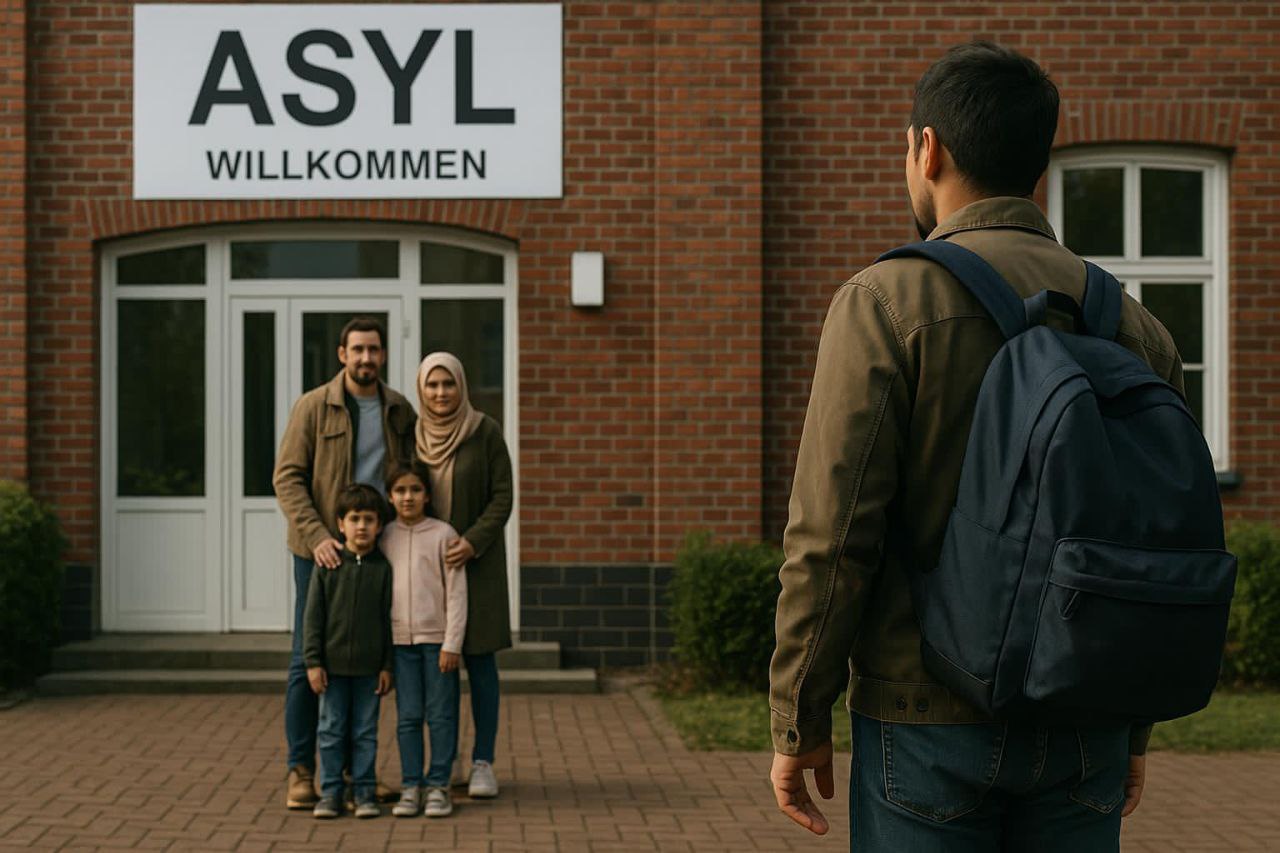
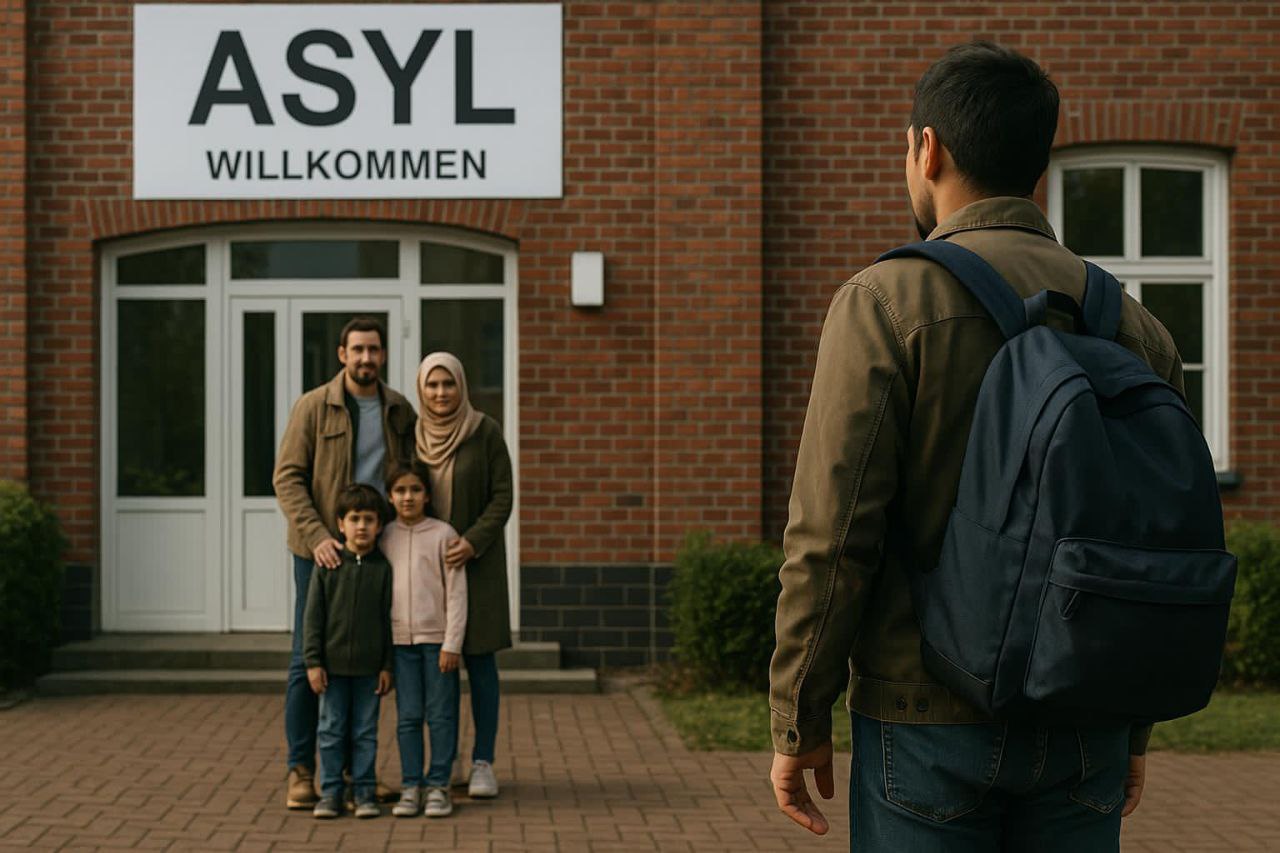
Was ist der Aufenthalt nach § 23a AufenthG?
§ 23a des deutschen Aufenthaltsgesetzes sieht vor, dass die Bundesländer eine kollektive oder individuelle Entscheidung treffen können, um Personen, die sich in ihrem Hoheitsgebiet aufhalten, aus humanitären Gründen oder aus besonderen Integrationsgründen einen Aufenthalt zu gewähren – selbst dann, wenn die üblichen rechtlichen Voraussetzungen für einen Aufenthalt nicht erfüllt sind.
Die Kerngedanke: Das Bundesland greift politisch und humanitär ein, um der betroffenen Person eine neue Chance zu geben, trotz Ablehnung oder fehlender regulärer Voraussetzungen in Deutschland zu bleiben.
Wer kann einen Aufenthalt nach § 23a erhalten?
Personen, die:
deren Asylantrag abgelehnt wurde oder deren legaler Aufenthaltsstatus abgelaufen ist.
eine tatsächliche Integration in die Gesellschaft nachweisen (Studium, Arbeit, Sprache, gesellschaftliches Engagement).
eine besondere humanitäre Situation haben (z. B. schwere Krankheit, Familie in Deutschland, Kinder in der Schule, Opfer häuslicher oder kommerzieller Gewalt).
praktisch nicht abgeschoben werden können, jedoch ohne ein dauerhaftes rechtliches Abschiebungshindernis.
Reale Beispiele, in denen § 23a angewendet wird
Eine Familie, deren Anträge abgelehnt wurden, deren Kinder jedoch fortgeschrittene Schulstufen abgeschlossen haben und fließend Deutsch sprechen.
Eine Person mit einer chronischen Erkrankung, die eine Behandlung benötigt, die im Herkunftsland nicht verfügbar ist.
Ein Opfer häuslicher Gewalt oder einer Zwangsheirat, das nun in einer sicheren Unterkunft lebt.
Eine Person, die seit Jahren arbeitet, Steuern zahlt und keine Straftaten begangen hat.
Wer entscheidet – und welche Rolle spielt das Bundesland?
Die endgültige Entscheidung trifft das Innenministerium des jeweiligen Bundeslandes.
Häufig wird der Antrag über die Ausländerbehörde gestellt; diese prüft den Fall, kommuniziert mit dem Ministerium und spricht ggf. eine Empfehlung aus.
Manche Bundesländer treffen kollektive Entscheidungen (z. B. für bestimmte Gruppen von Syrer:innen oder Afghan:innen) oder Einzelfallentscheidungen auf Basis einer klaren humanitären Ausnahme.
Welche Voraussetzungen werden üblicherweise verlangt?
Es gibt keine einheitliche Liste, aber viele Bundesländer verlangen wiederkehrende Kriterien:
Lange Aufenthaltsdauer: häufig mindestens 2 bis 6 Jahre
Integration: Nachweis von Sprachkenntnissen (A2 oder höher), Arbeit oder Ausbildung/Studium
Eigenständige Lebensunterhaltssicherung: ohne staatliche Leistungen
Keine Vorstrafen: ein sauberes Führungszeugnis ist wichtig
Nachweis der humanitären Lage: ärztliche Berichte, Schulbescheinigungen, Nachweise über Engagement
Hinweis: In besonderen Fällen (Kinder, Krankheit, Opfer von Gewalt) können einzelne Voraussetzungen teilweise übergangen werden.
Darf man mit § 23a arbeiten und ist Familiennachzug möglich?
Ja, in den meisten Fällen:
Arbeit: in der Regel ist Arbeit sofort erlaubt, sofern keine Einschränkungen festgelegt werden.
Familiennachzug: möglich, jedoch nach den allgemeinen Voraussetzungen (ausreichendes Einkommen, angemessener Wohnraum, Krankenversicherung).
Niederlassungserlaubnis: kann nach mehreren Jahren möglich sein, wenn die Voraussetzungen für einen langfristigen Aufenthalt erfüllt sind (z. B. nach § 25 Abs. 5 oder § 26 AufenthG).
Schritte zur Antragstellung
Schriftlichen Antrag bei der Ausländerbehörde stellen und die humanitären oder integrationsbezogenen Gründe darlegen.
Nachweise beifügen (Zertifikate, Berichte, Arbeits- oder Studiennachweise).
Auf die Prüfung durch die Behörde und die Weiterleitung an das Innenministerium warten.
Bei Zustimmung wird eine Aufenthaltserlaubnis für ein Jahr oder länger ausgestellt, die verlängerbar ist.
Zusammenfassung
Der Aufenthalt nach § 23a AufenthG ist kein automatisches Recht, sondern ein flexibles rechtliches Instrument, mit dem Bundesländer Menschen eine Chance geben können, die sich als Teil der deutschen Gesellschaft erwiesen haben oder sich in einer akuten humanitären Notlage befinden. Dieses Instrument spiegelt die humanitäre Seite des Verwaltungssystems wider und gibt Hoffnung für Personen, die trotz Integration oder Schutzbedürftigkeit von Abschiebung bedroht waren.
Das Autor:innen- und Redaktionsteam der Website bemüht sich, durch intensive Recherche und den Rückgriff auf mehrere Quellen genaue Informationen bereitzustellen. Dennoch können Fehler auftreten oder Informationen enthalten sein, die nicht abschließend gesichert sind. Bitte betrachten Sie die Inhalte als erste Orientierung und wenden Sie sich stets an die zuständigen Stellen, um verbindliche Auskünfte zu erhalten.