Login/Create Account


Storing Arab goods in a free “Zolllager” at the Port of Hamburg before distribution to shops
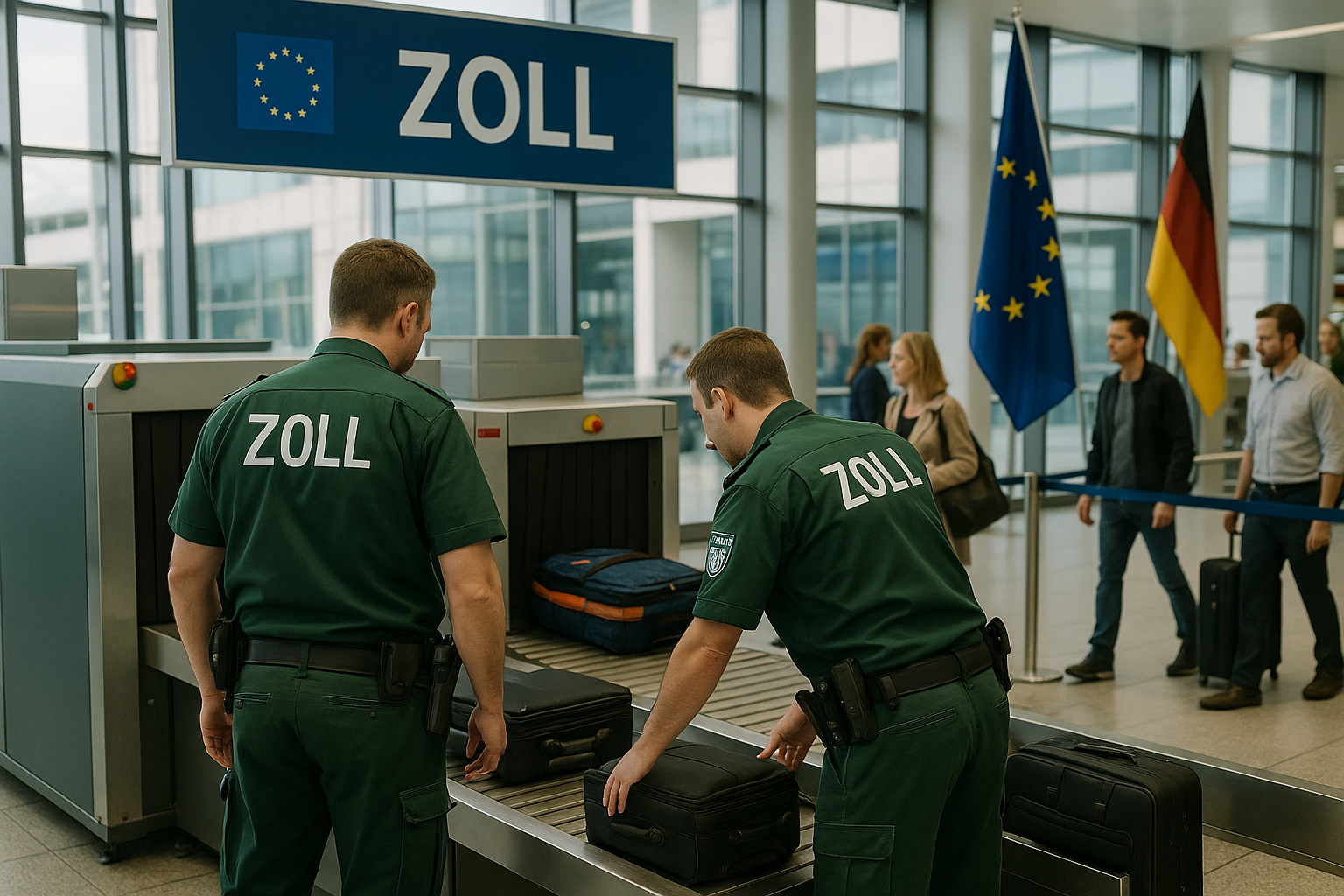
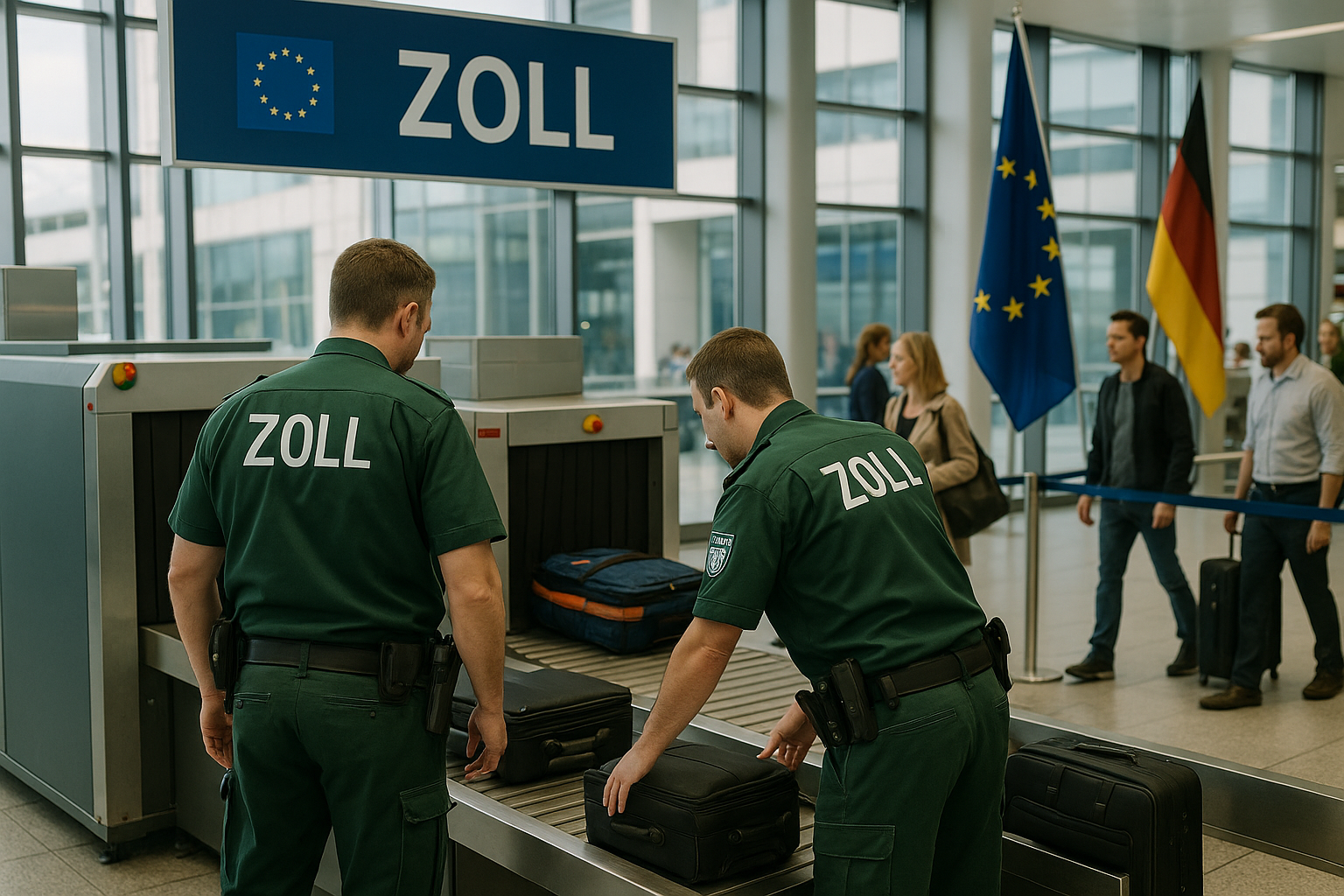
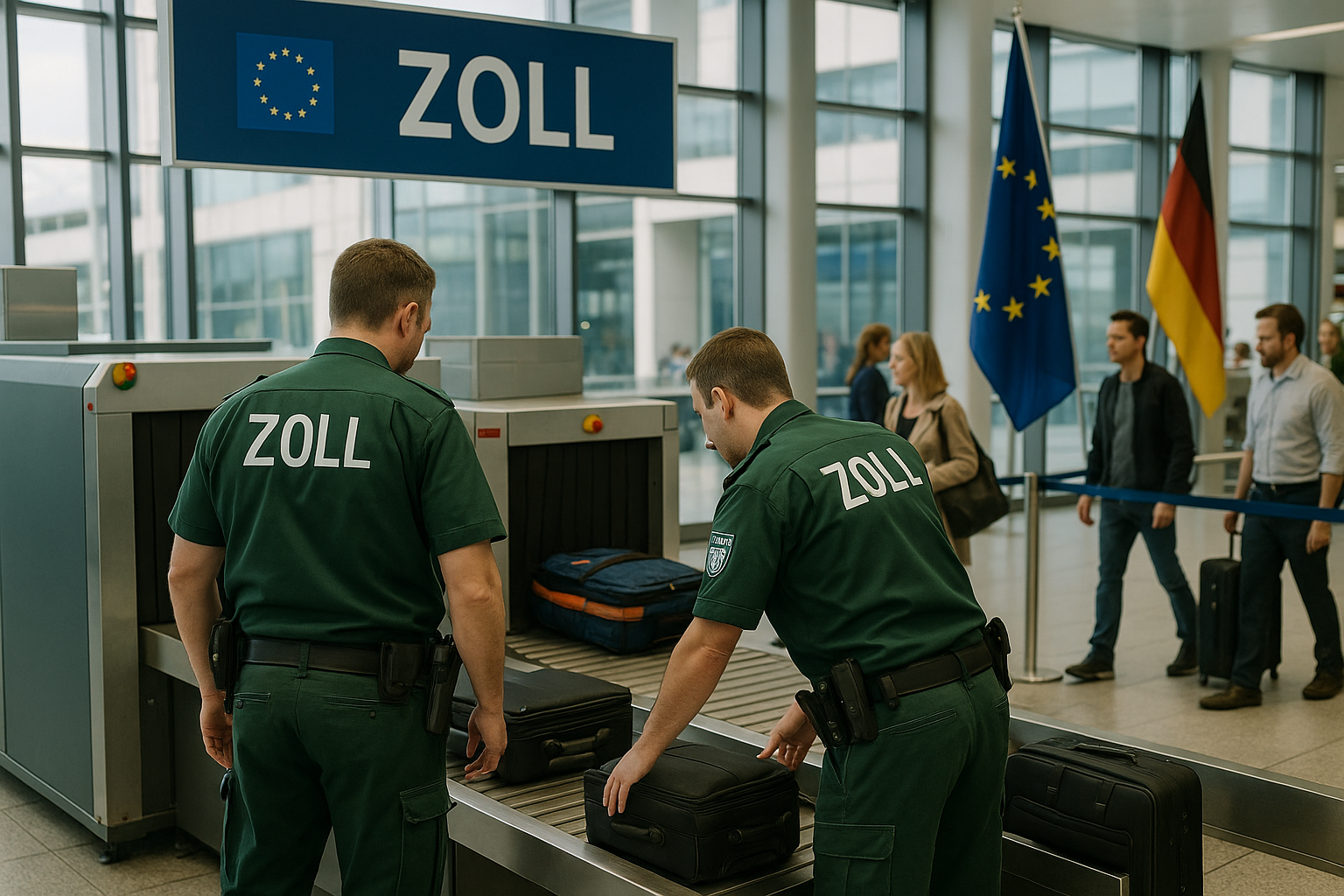
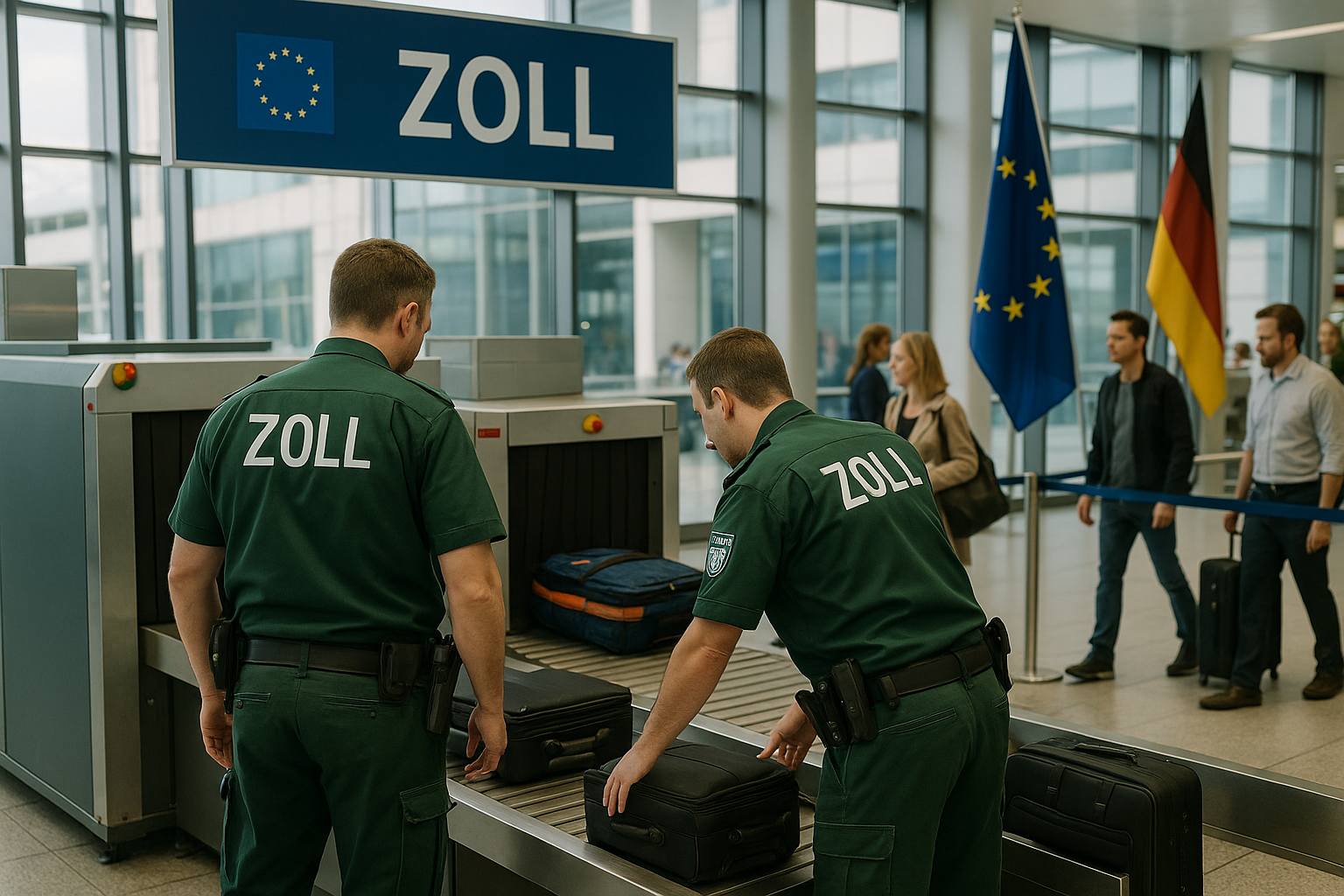
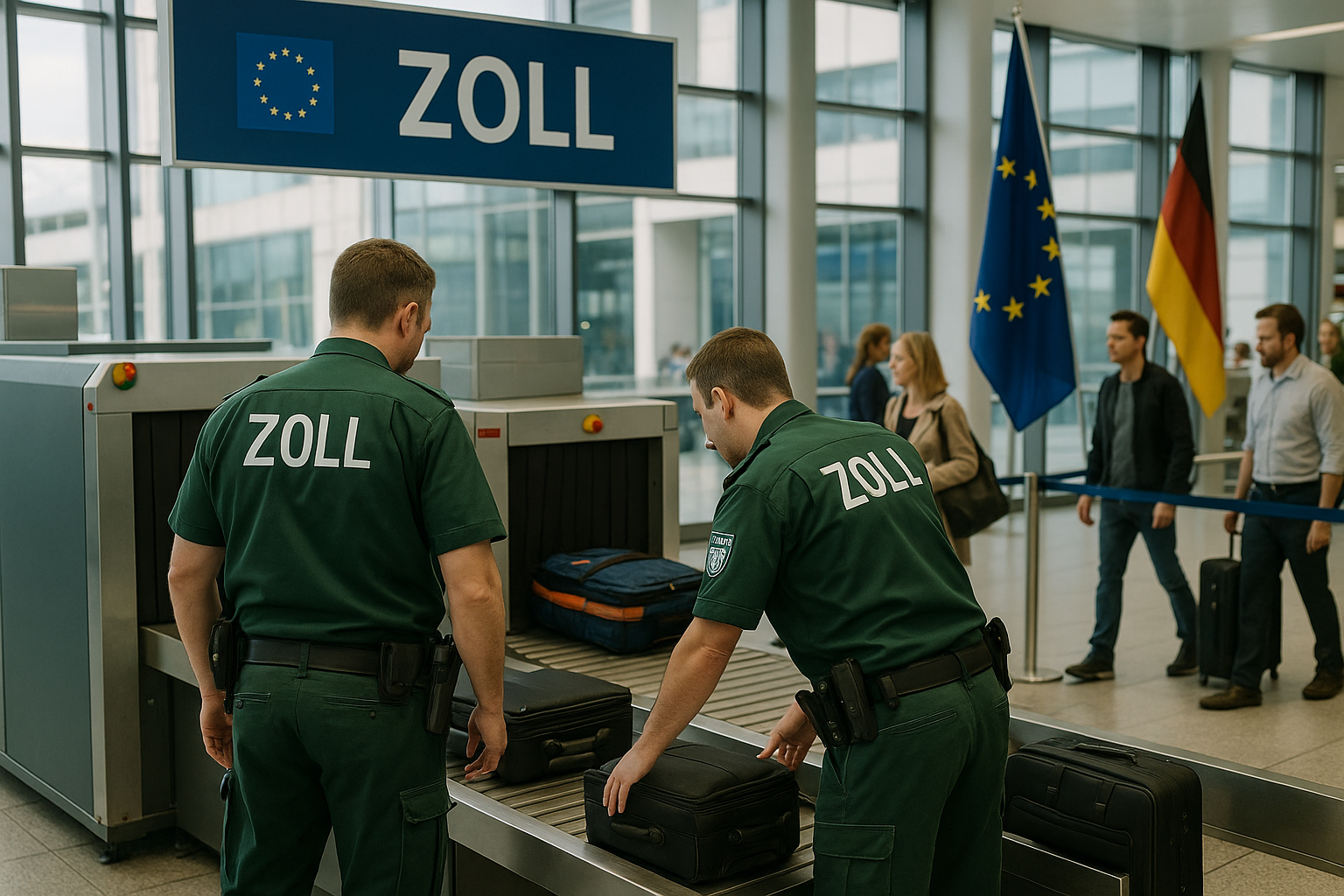
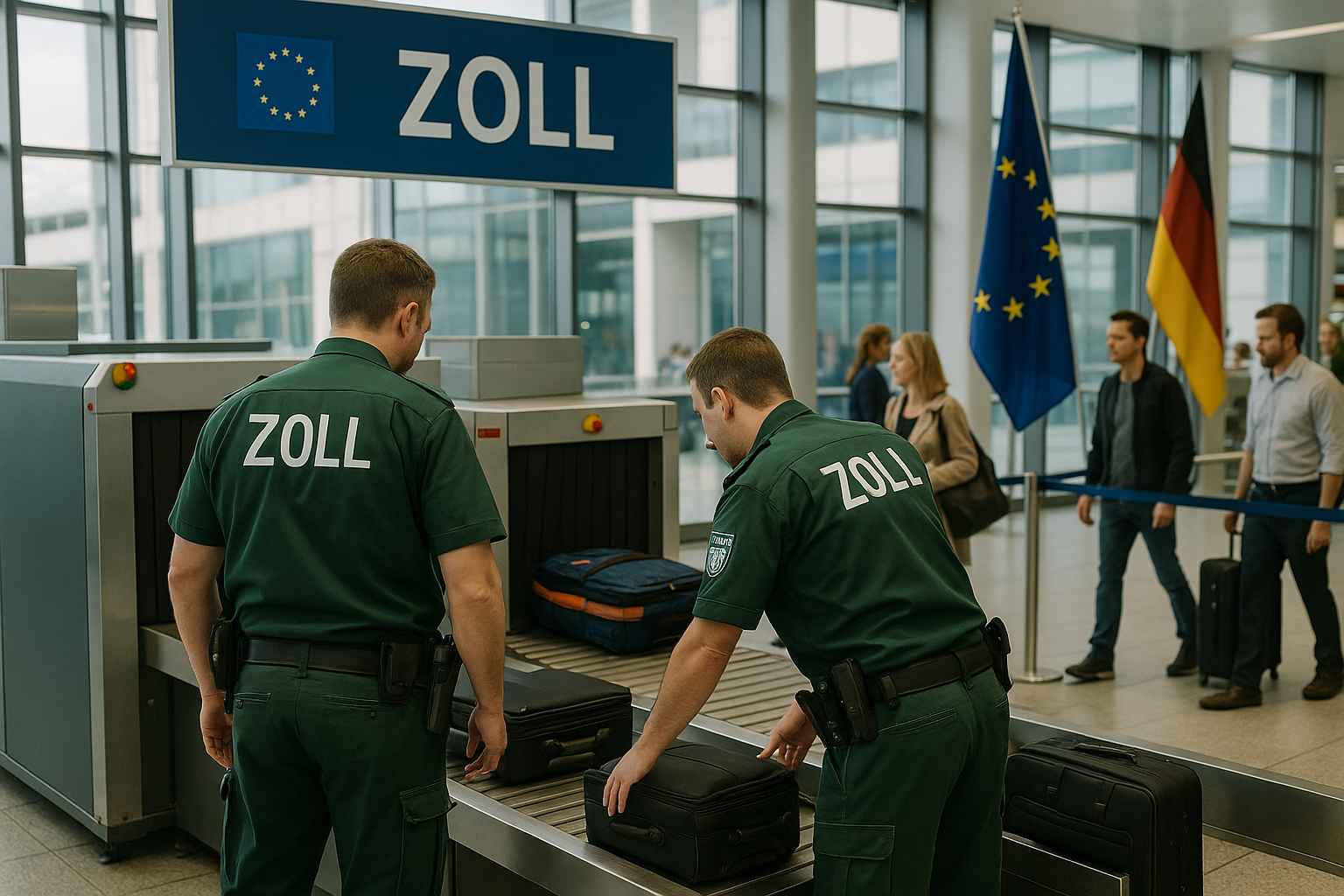
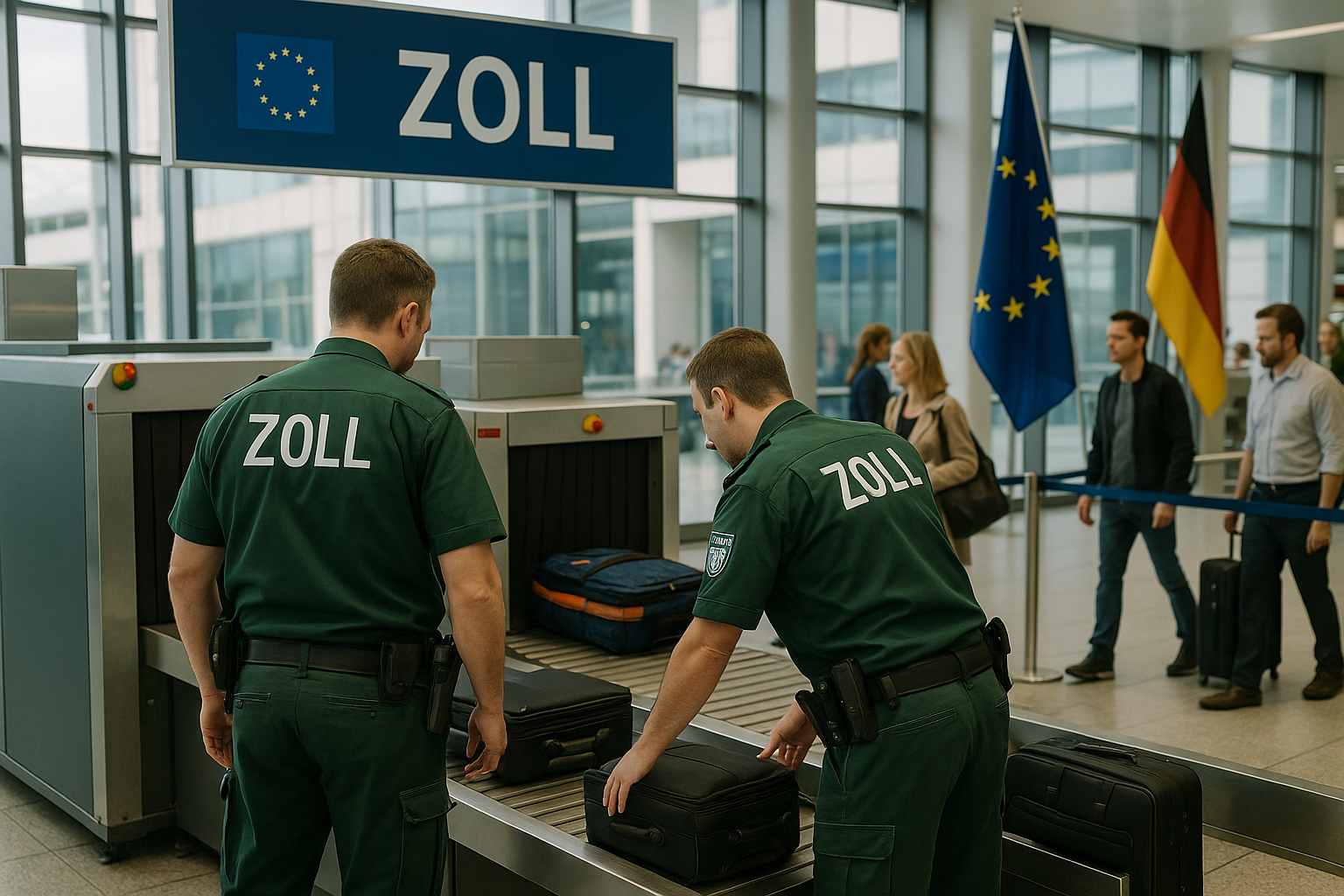
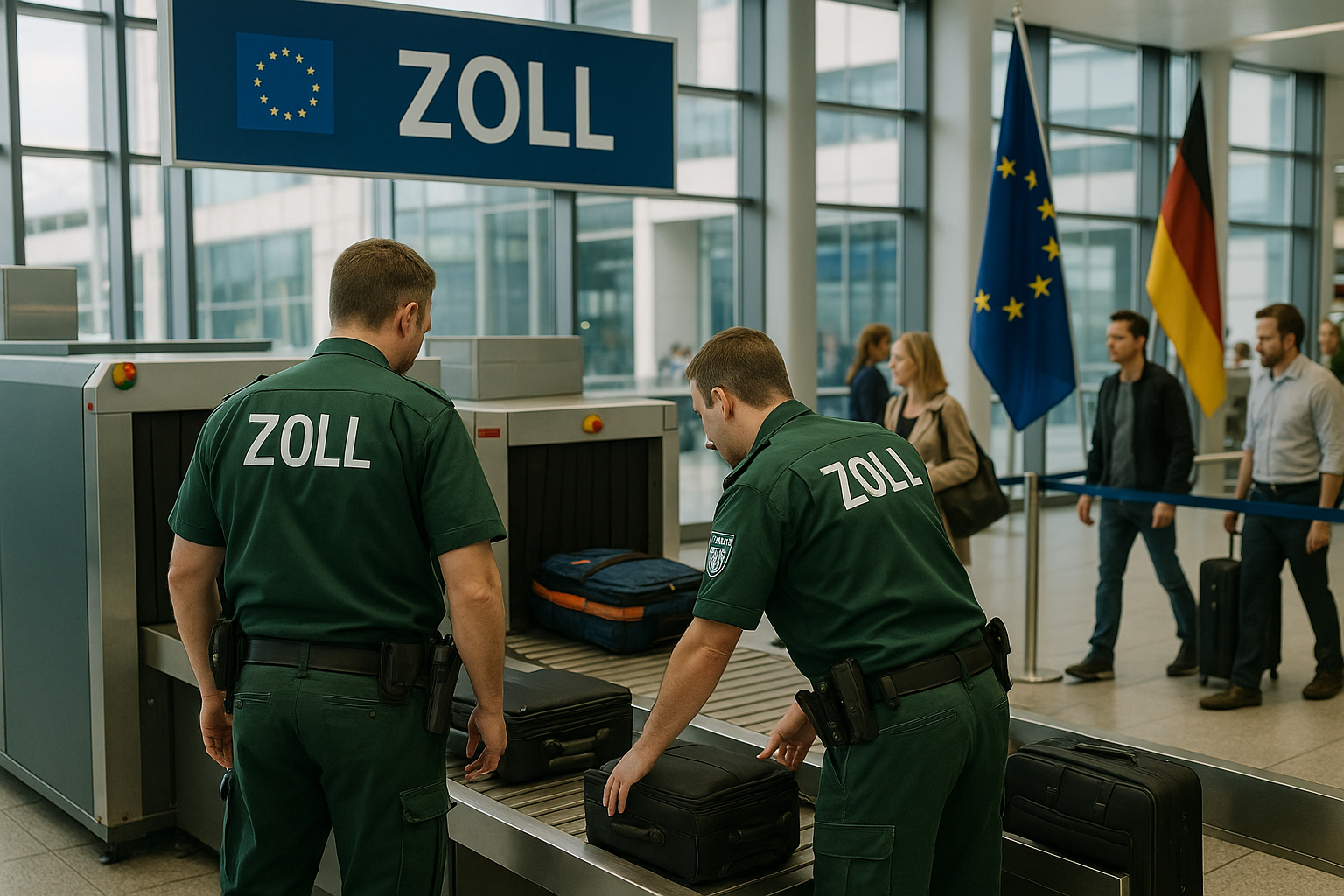
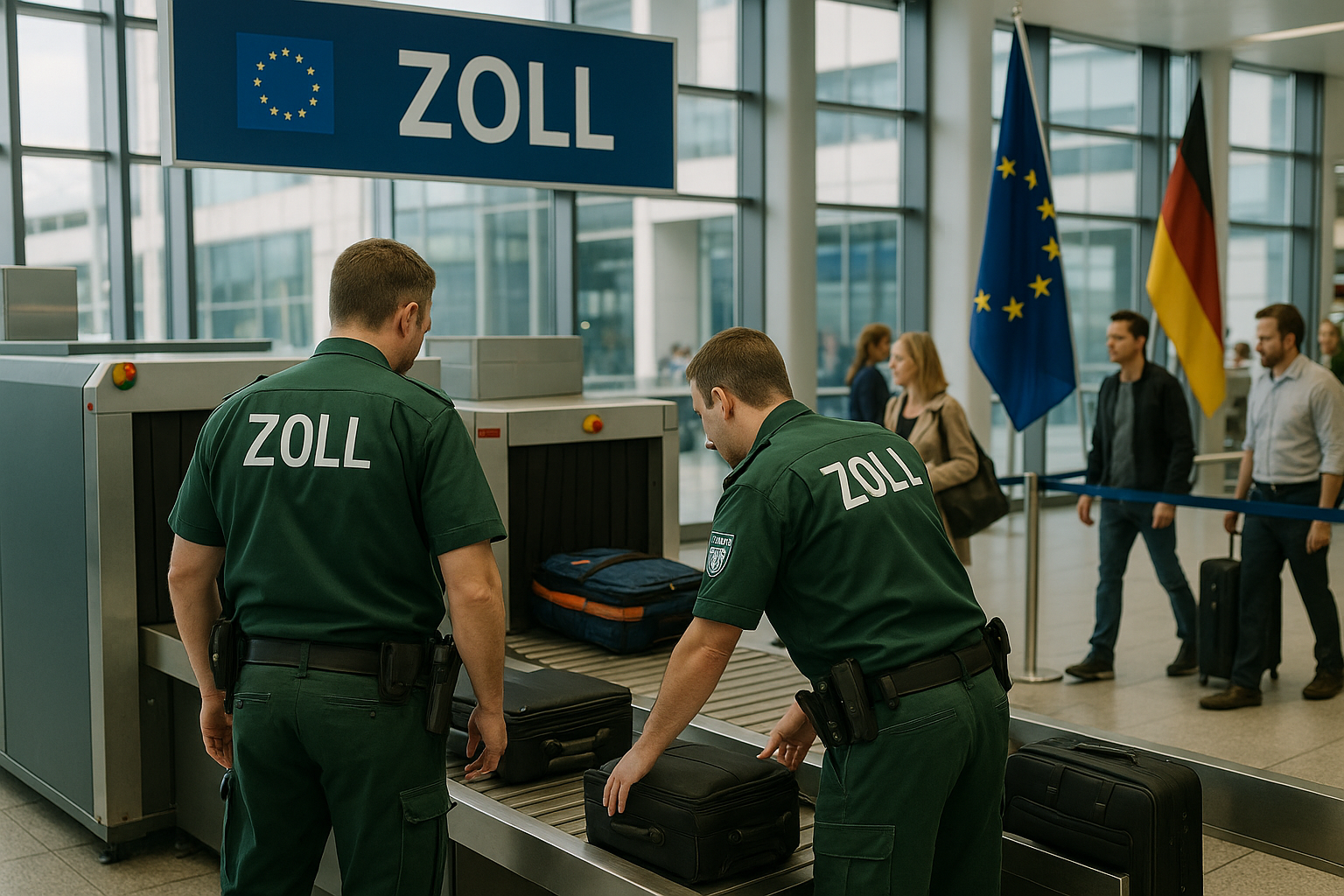
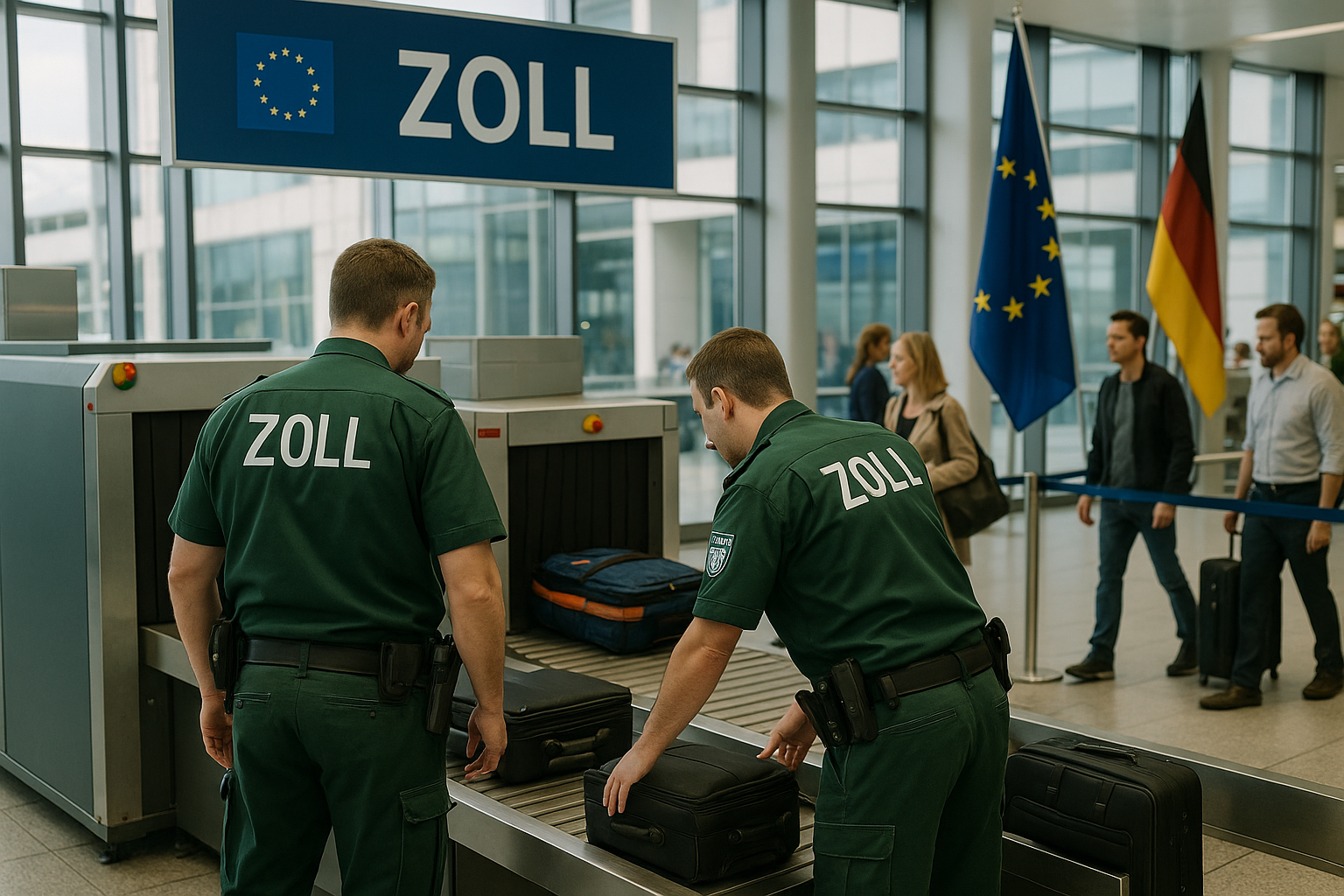
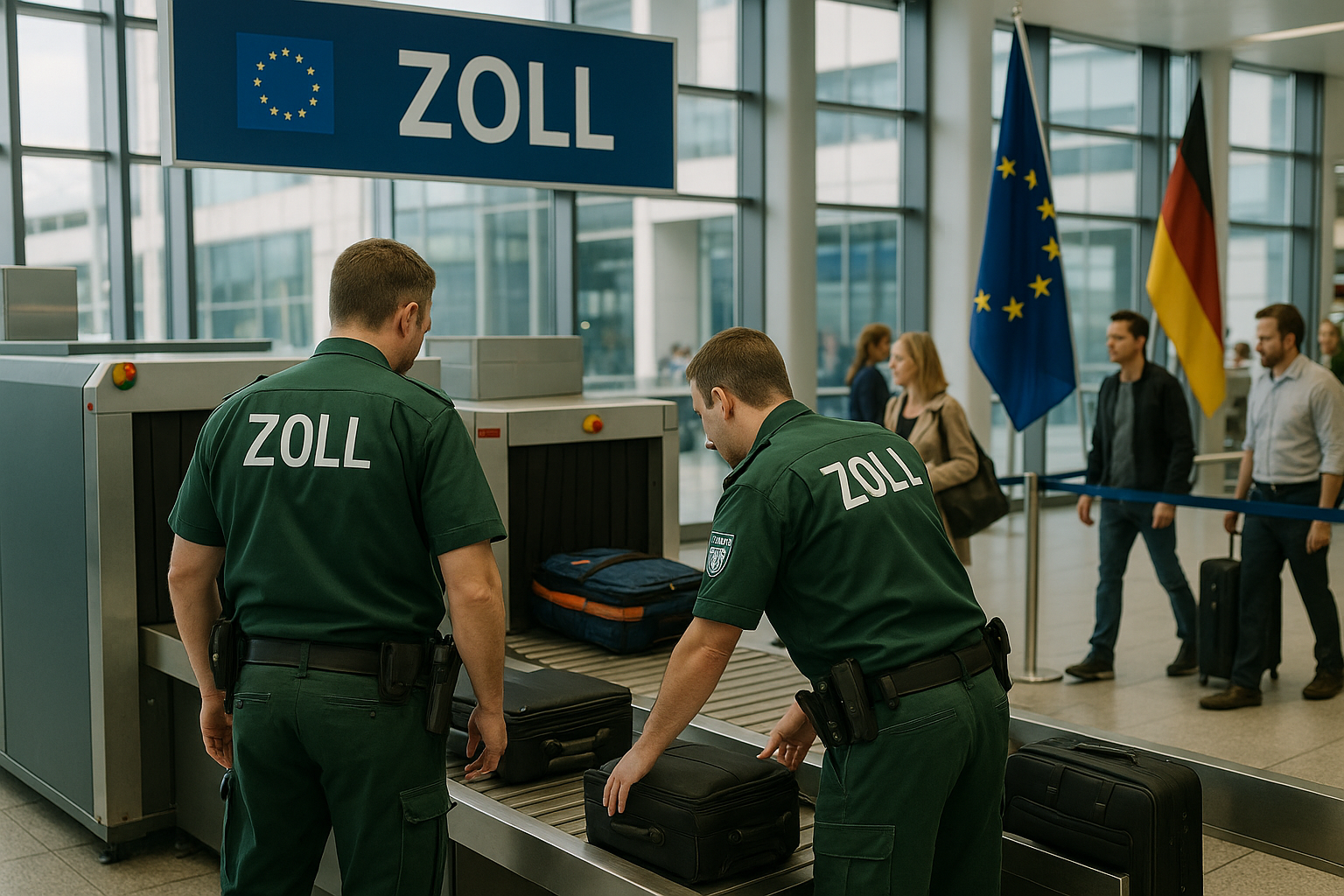
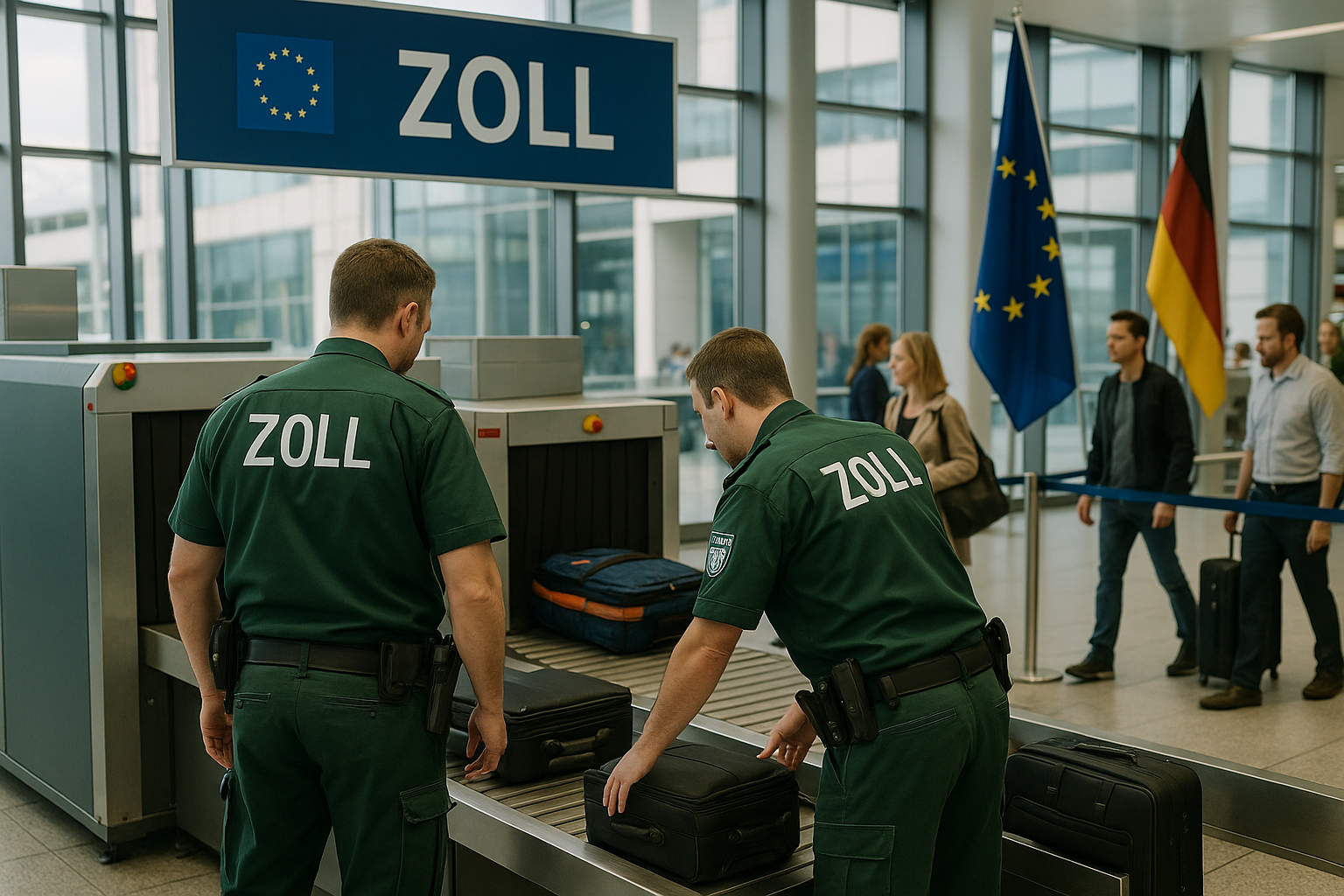
With the growing volume of imports from Arab countries to Germany, many traders and importers face challenges in storing goods efficiently before distributing them to retail shops. Using a free customs warehouse (“Zolllager”) at the Port of Hamburg is one of the most effective solutions, as it offers customs and administrative advantages that significantly simplify logistics operations.
1. What is a free “Zolllager”?
-
It is an authorized customs warehouse that allows imported goods to be stored without paying customs duties and taxes until a decision is made regarding their final use (sale, re-export, processing/manufacturing).
-
Goods stored in a Zolllager are considered temporarily outside the customs territory of the Union from a customs law perspective.
-
They can be stored for legally defined periods, with the possibility of extending the storage period if needed.
2. Benefits of storing goods in a Zolllager at the Port of Hamburg
-
Postponement of customs duties and taxes until the time of sale or final customs clearance.
-
Flexibility in inventory management according to market demand.
-
The option to re-export unsold goods without paying customs duties in Germany.
-
Facilitation of customs inspections and logistics operations at the Port of Hamburg, one of Europe’s largest seaports.
3. Procedures for storing goods in a Zolllager
-
Concluding a contract with a licensed storage company that holds a Zolllager authorization.
-
Submitting a detailed list of goods and all relevant import documents to customs.
-
Registering the goods in the customs IT system and monitoring them electronically.
-
Complying with all laws and regulations relating to storage, transport, and safety.
4. Requirements for the stored Arab goods
-
Goods must be accompanied by correct shipping documents and invoices.
-
Compliance with German and EU safety and quality standards is mandatory.
-
For food or medical products, all relevant health and veterinary requirements must be fulfilled.
-
Goods may be subject to periodic customs or health inspections.
5. Tips for traders and importers
-
Choose approved warehouses with a good reputation in Hamburg.
-
Coordinate with a professional customs broker to simplify the procedures.
-
Continuously monitor updates in customs regulations to ensure full compliance.
-
Plan storage periods carefully to avoid unnecessary additional costs.
Summary
| Aspect | Benefits and requirements |
|---|---|
| Free Zolllager | Deferred duties, flexible storage, re-export options |
| Hamburg location | Major port facilitating transport and distribution |
| Documentation | Shipping documents, invoices, customs registration |
| Legal compliance | Safety and quality standards, health and customs checks |
By using a free Zolllager at the Port of Hamburg, you can manage your Arab goods efficiently, reduce costs, and speed up distribution to retail shops in Germany.
The editorial team of the website strives to provide accurate information based on thorough research and consultation of multiple sources. Nevertheless, errors may occur, or some details may not be fully verified. Therefore, the information in these articles should be regarded as an initial reference, and you should always contact the competent authorities for definitive and officially confirmed information.