

 Login/Create Account


Importing frozen dates for Ramadan sweets: requirements for the cold chain (Kühlkette)
Frozen dates are a key ingredient in many traditional Ramadan sweets such as ma’amoul, cakes and filled pastries. They play an important role in maintaining the flavour, texture and overall quality of the final product. However, importing frozen dates into Germany requires strict compliance with cold chain (Kühlkette) requirements to ensure food safety and product quality from the country of origin to the point of sale.
1. Importance of the cold chain (Kühlkette) when importing frozen dates
-
The cold chain means maintaining a specific, stable temperature for frozen dates during all stages of:
-
transport,
-
handling,
-
and storage.
-
-
A properly maintained cold chain:
-
prevents spoilage,
-
inhibits bacterial and microbial growth,
-
helps preserve nutritional value, aroma and texture.
-
-
Any break in the cold chain – for example, the product warming above the permitted range – can lead to:
-
loss of quality,
-
reduced shelf life,
-
and, in serious cases, the product no longer being fit for sale or consumption.
-
2. Cold chain requirements during import
-
Frozen dates must be transported in:
-
refrigerated containers (reefer containers) or
-
thermally insulated boxes,
which can maintain a constant temperature throughout the journey.
-
-
The recommended temperature is typically –18 °C or lower for the entire duration of transport and intermediate storage.
-
There must be continuous temperature monitoring devices, such as:
-
data loggers or
-
electronic temperature recorders,
to document any deviations and, if necessary, prove that the cold chain has been respected.
-
-
Once in Germany, storage must be in refrigerated or deep-freeze warehouses capable of maintaining the same temperature level (–18 °C or below) without interruption.
3. Packaging and documentation requirements
-
From a packaging perspective, frozen dates should:
-
be pre-frozen before loading,
-
be packed in food-safe, sealed packaging,
-
be protected against moisture, air and contamination during transport and storage.
-
-
In terms of documentation, importers should obtain:
-
a Quality and Food Safety Certificate from an official or accredited laboratory in the country of origin,
-
Health Certificates confirming compliance with European food safety standards,
-
cold chain documentation, such as:
-
temperature logs,
-
or transport reports from the shipping company showing temperature conditions during transit.
-
-
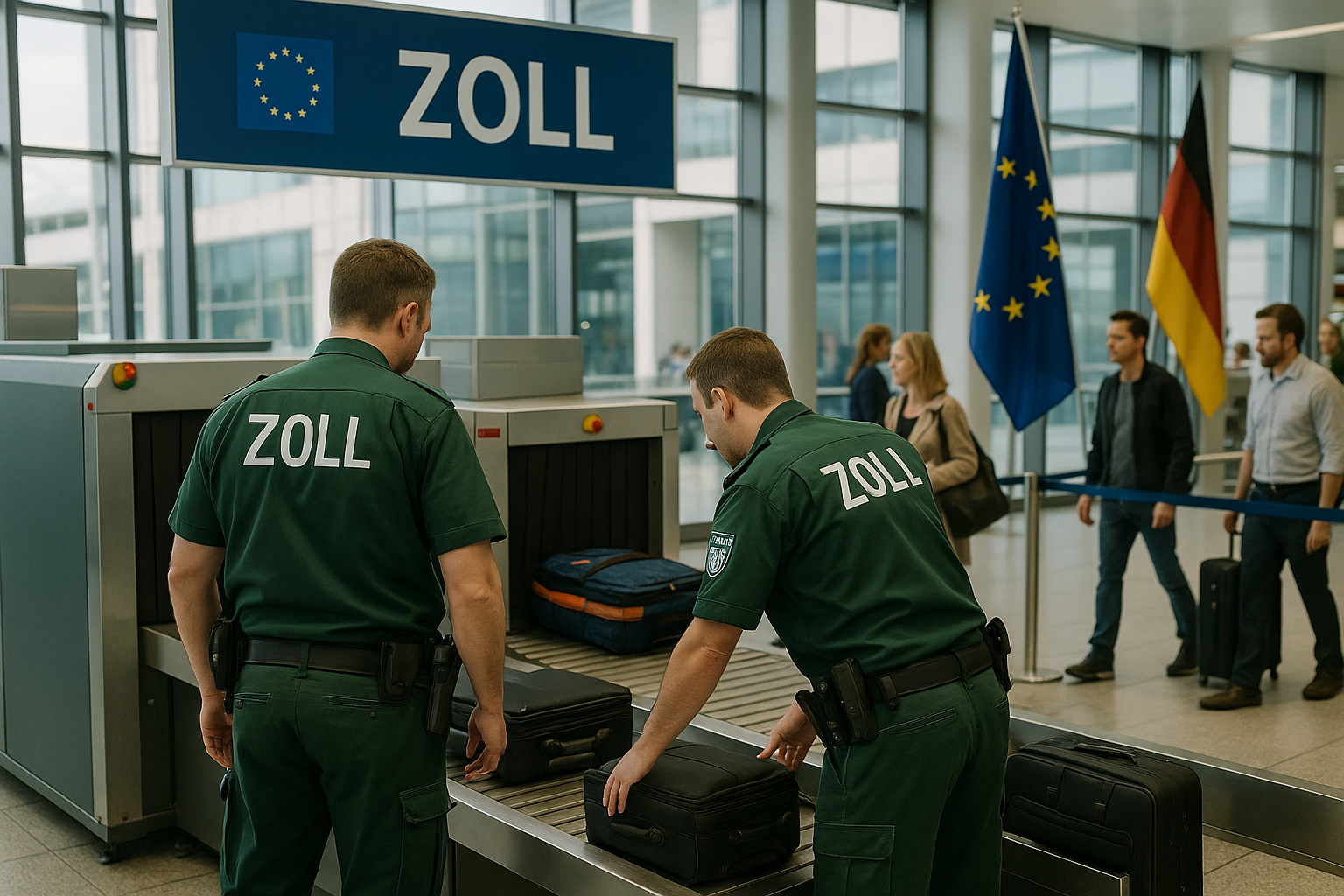
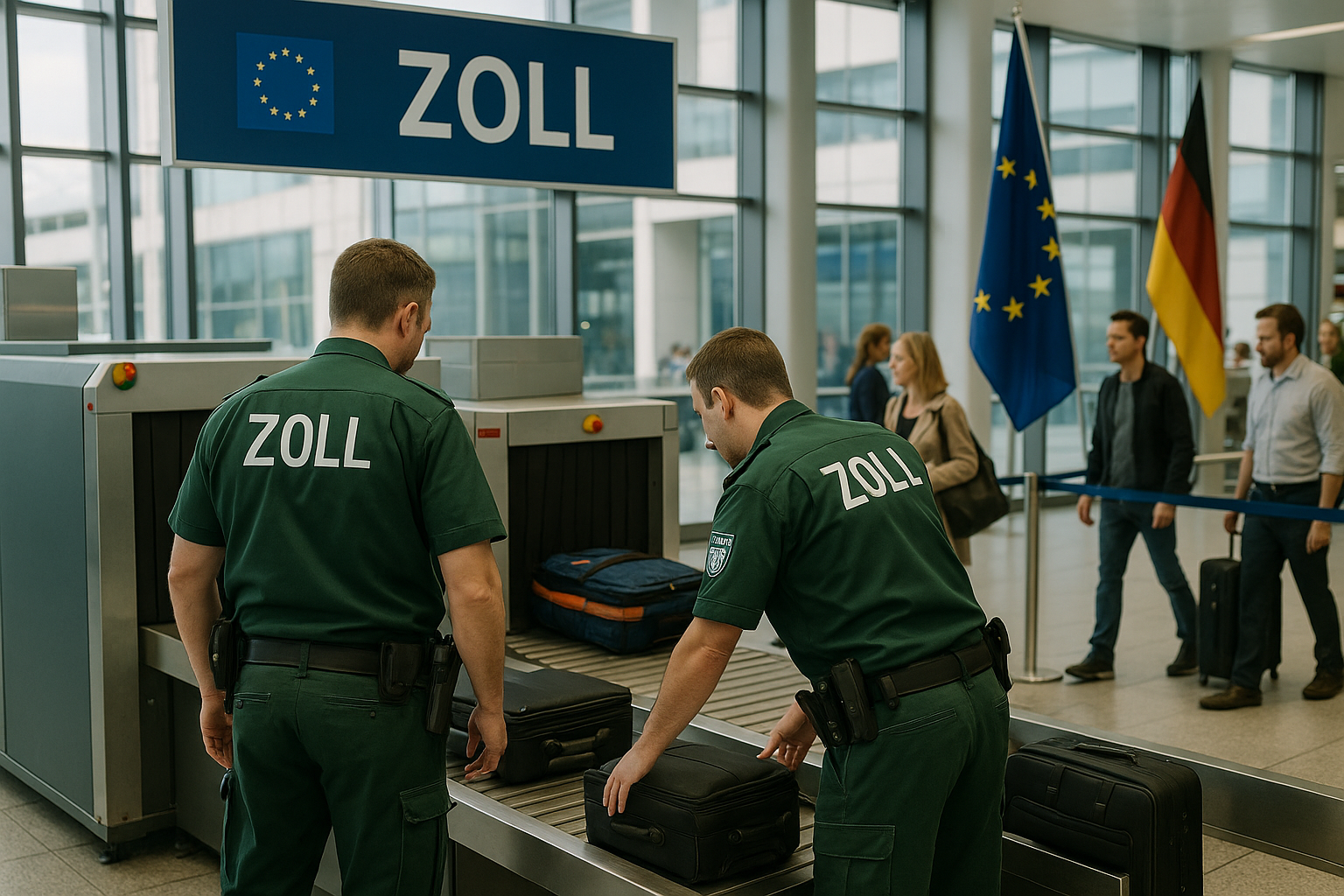
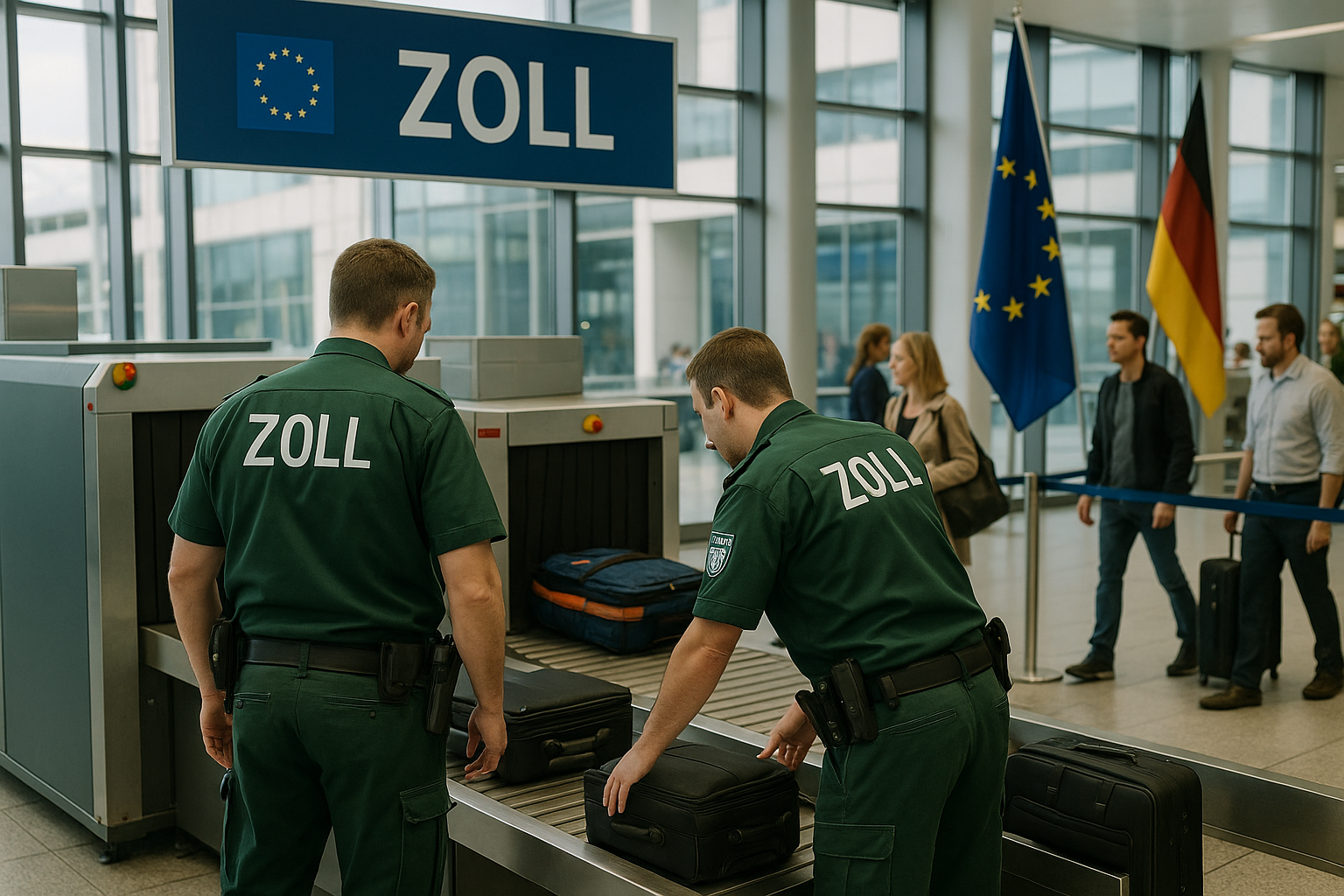
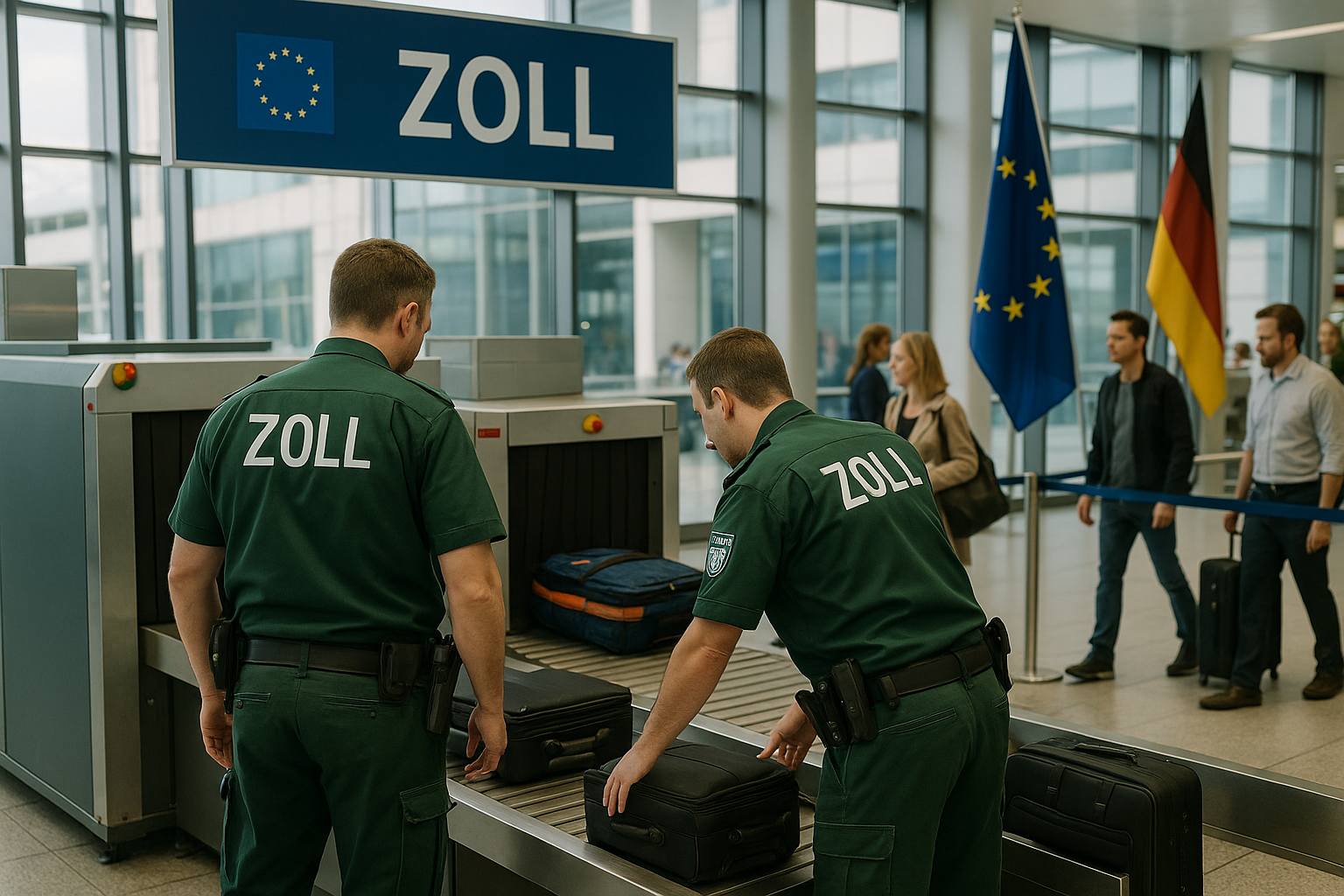
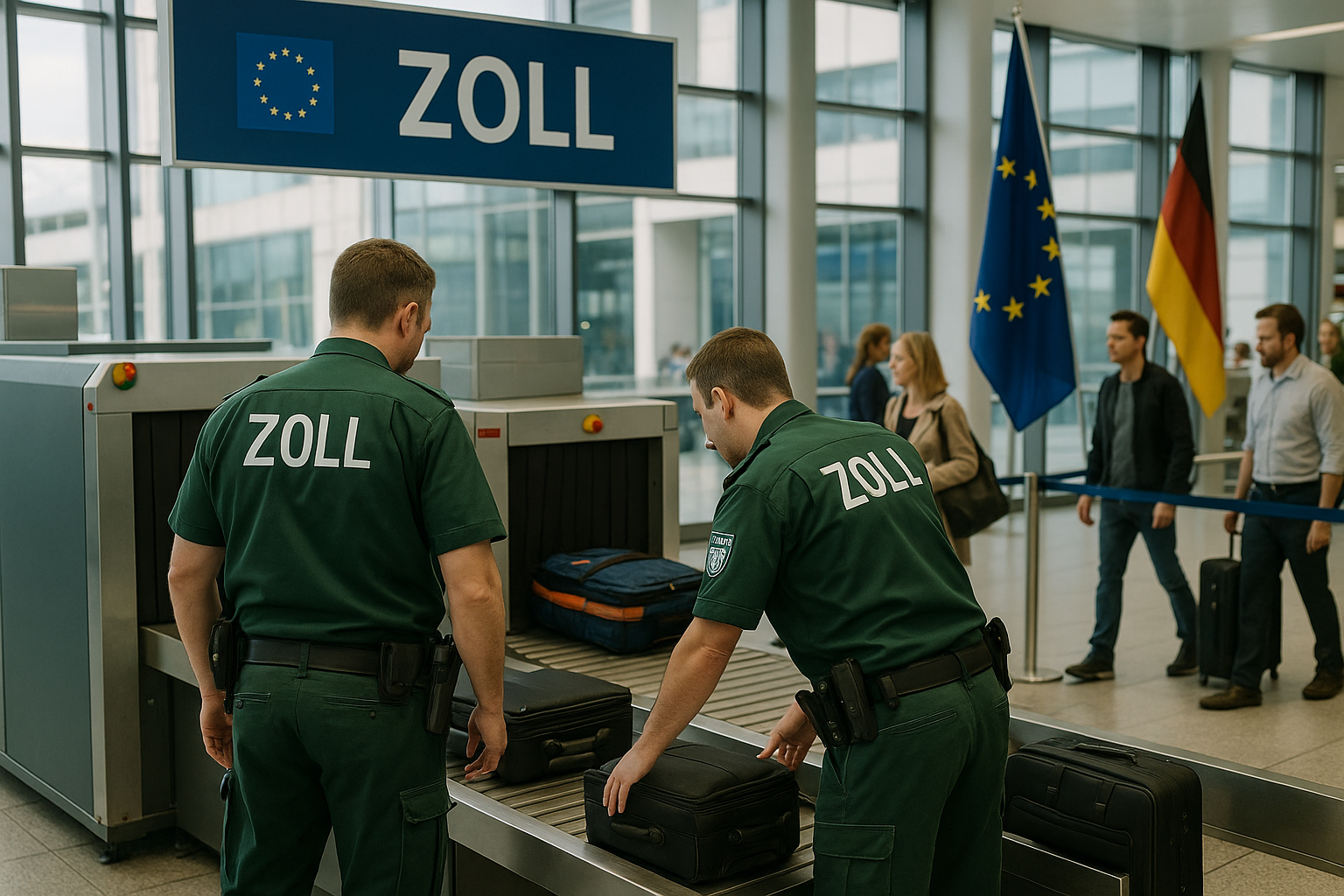
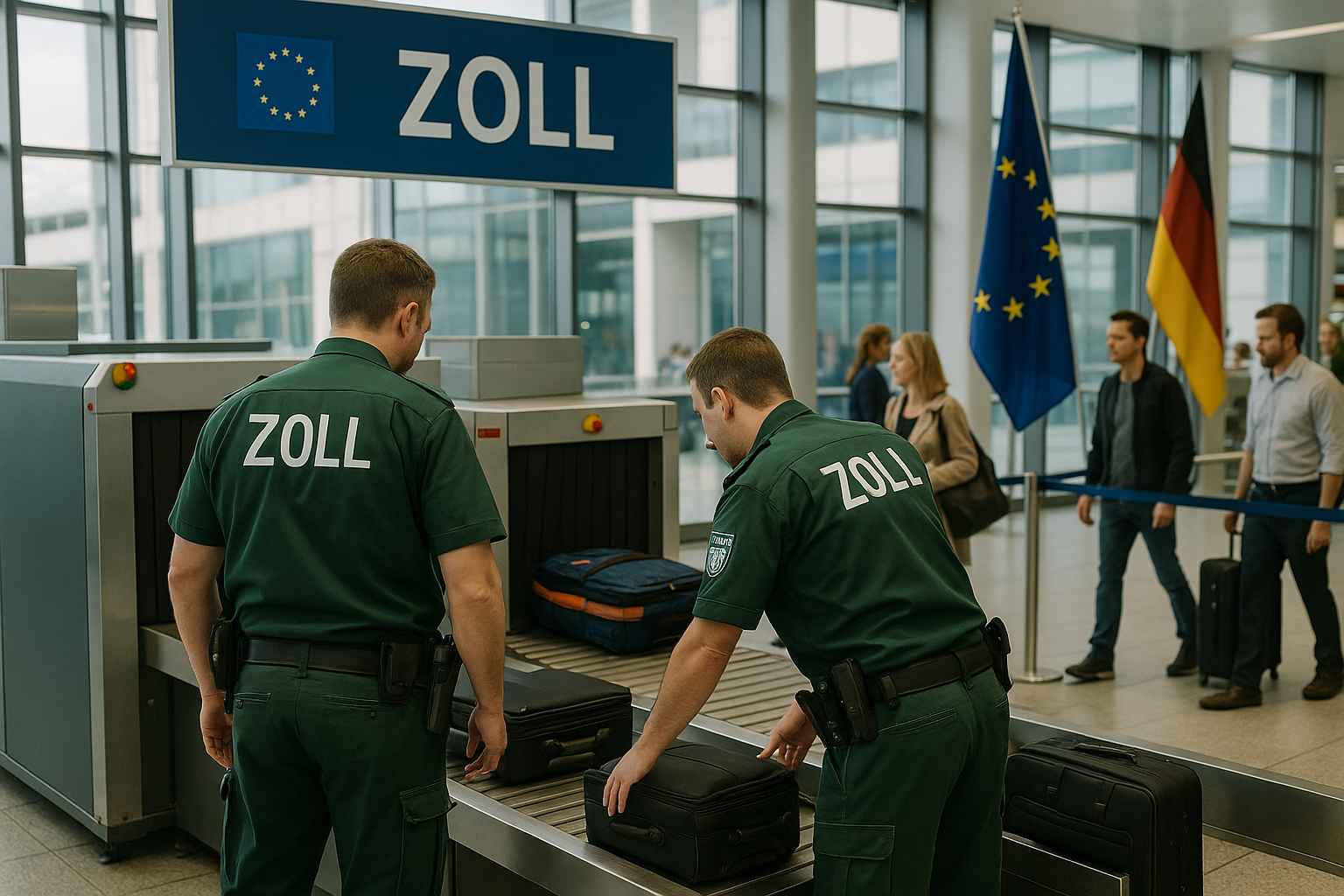
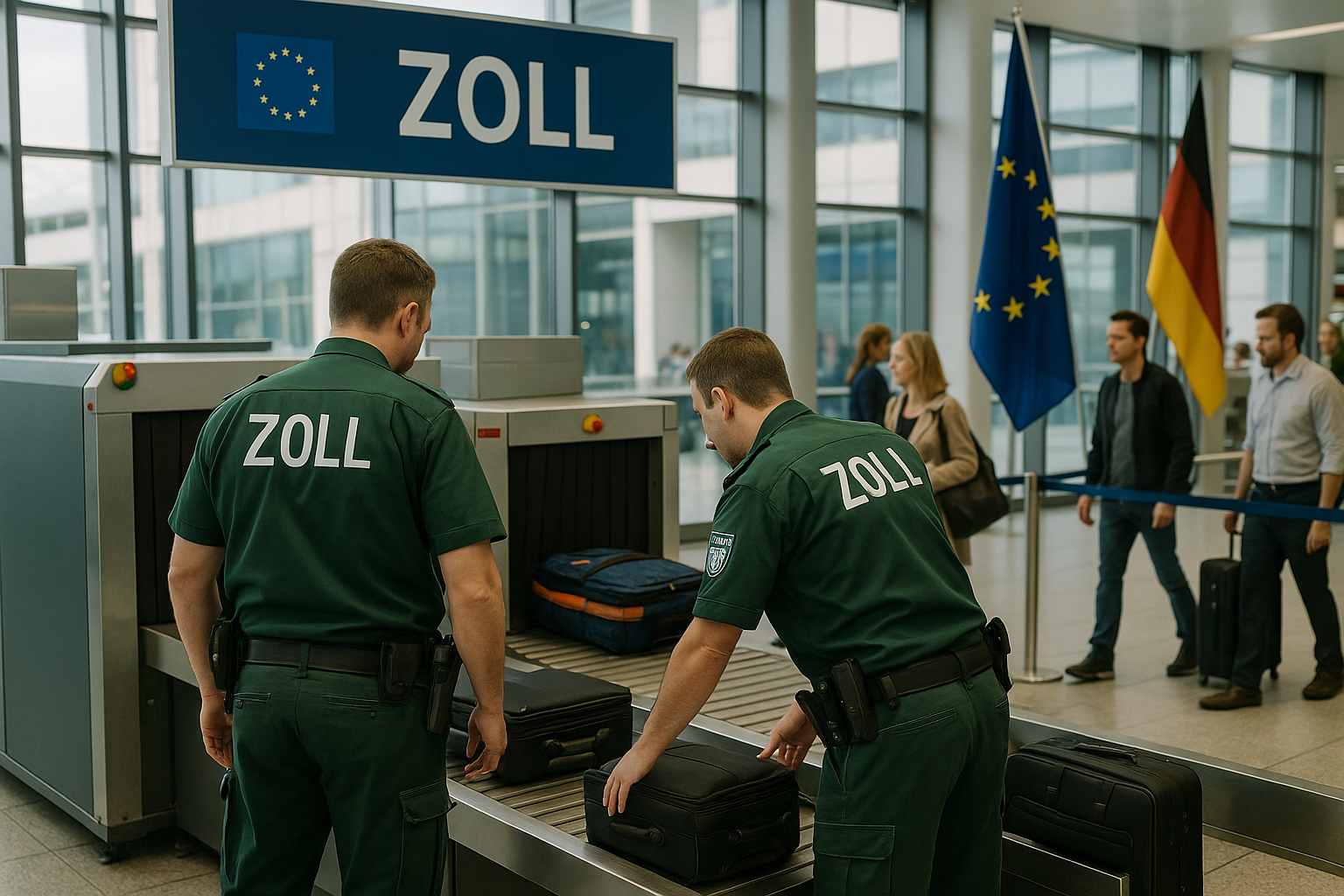
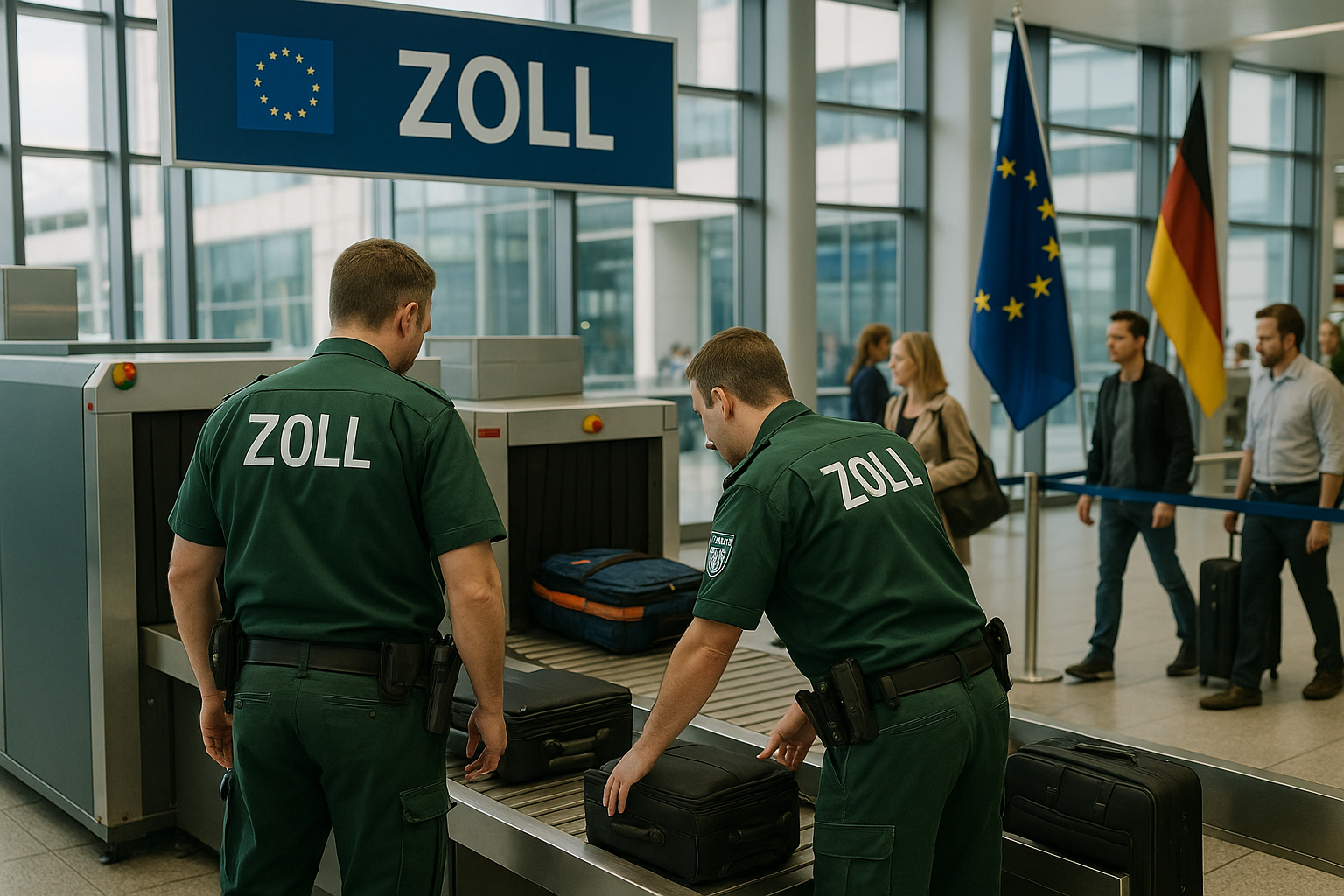
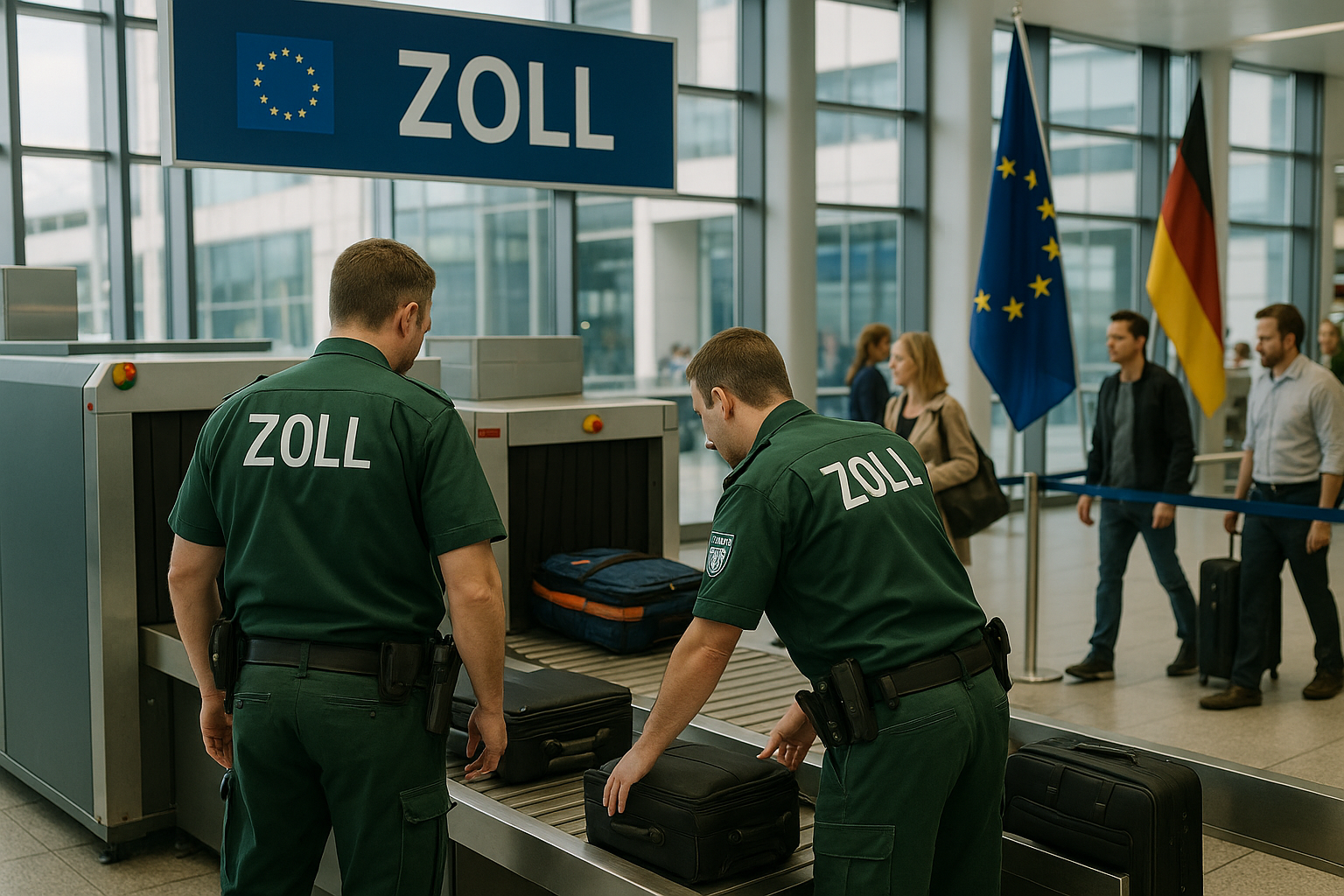
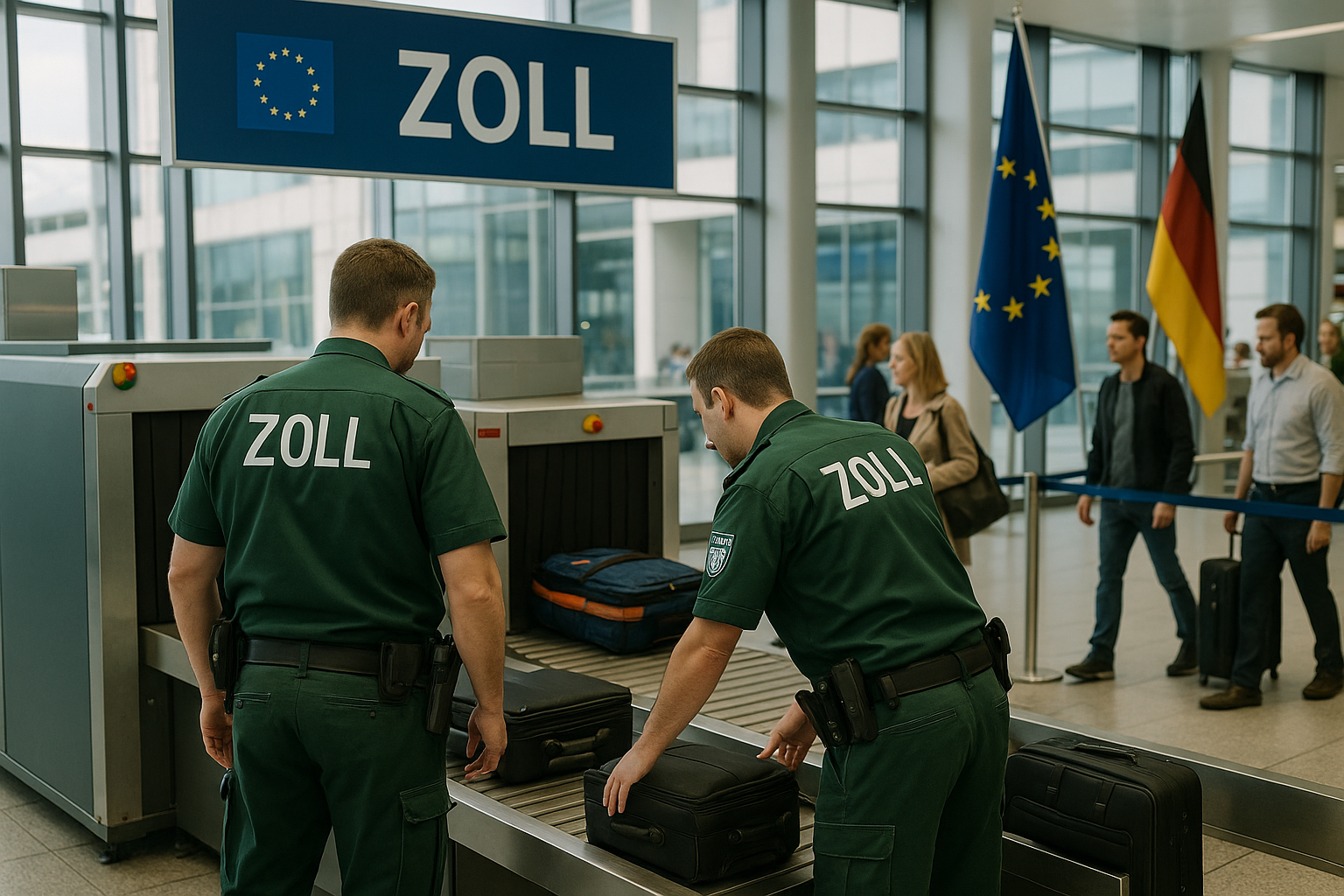
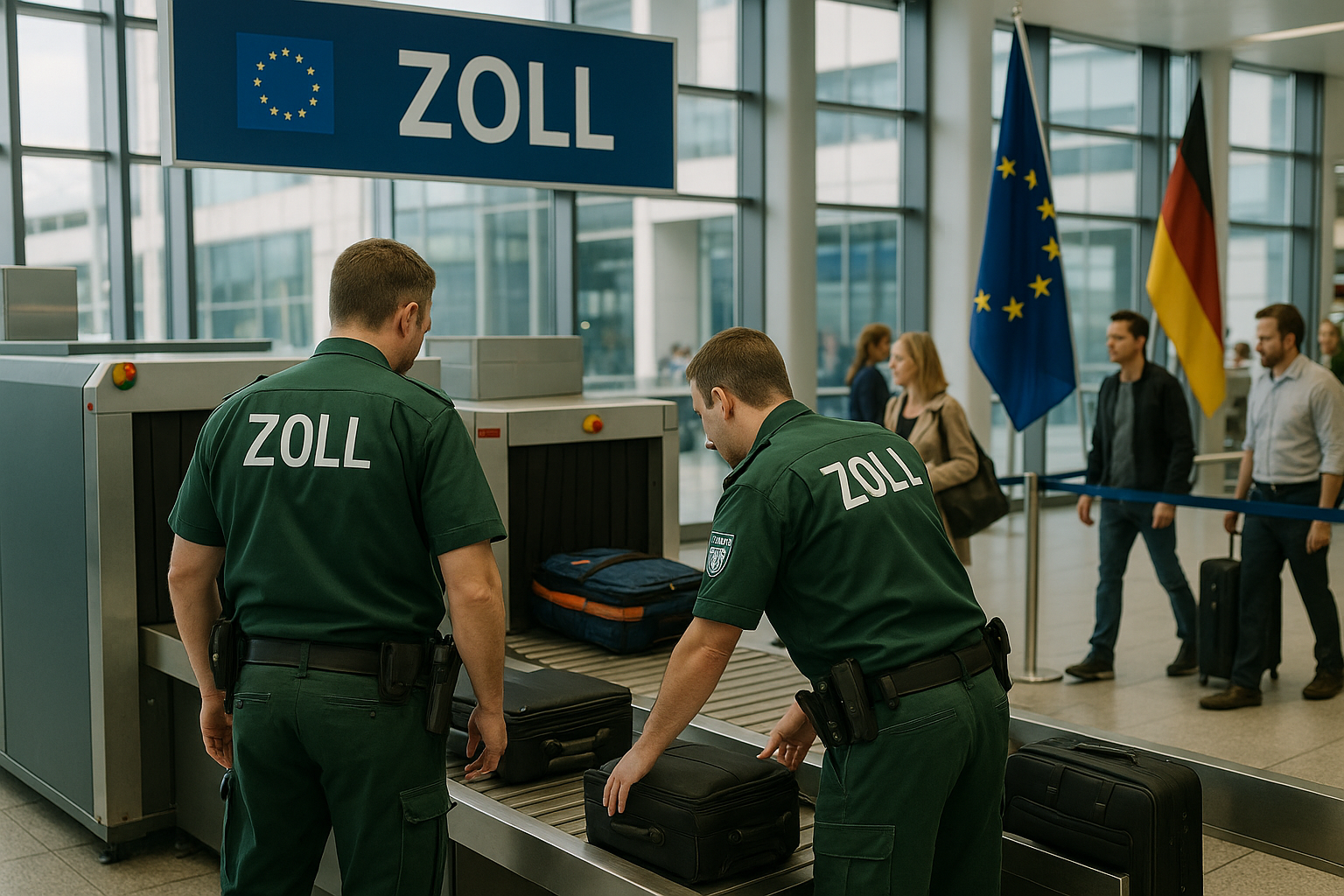
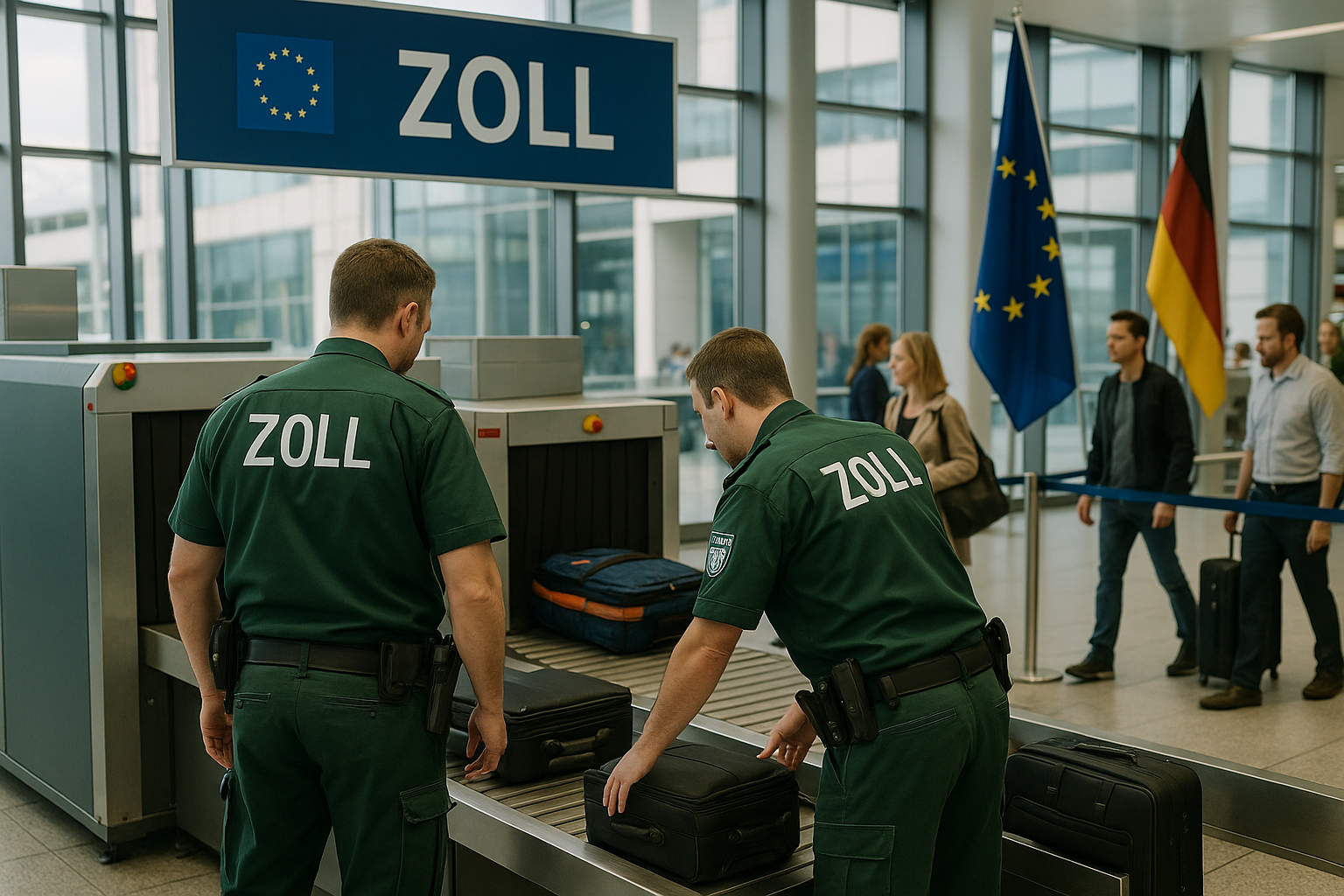
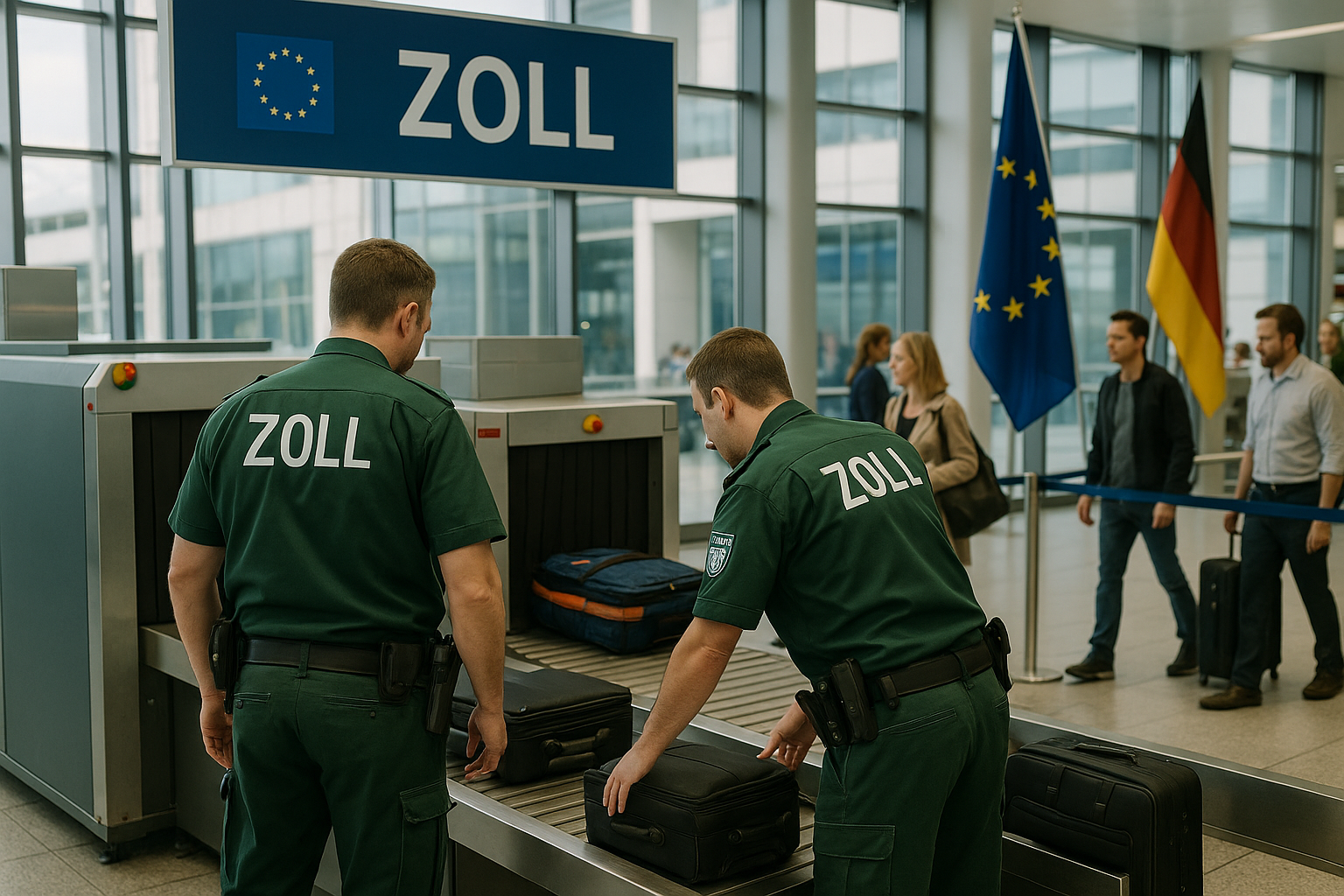
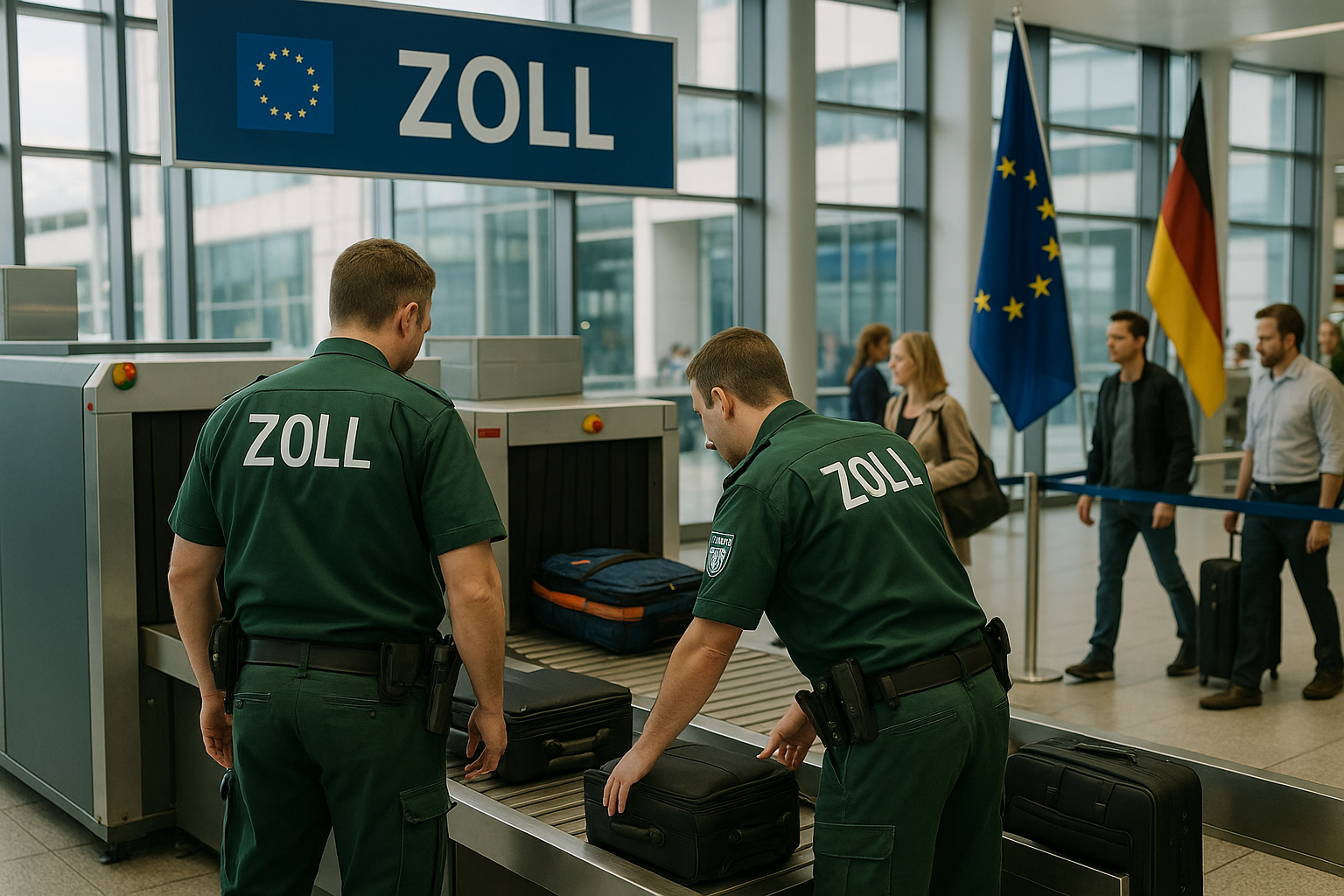
4. Customs clearance procedures
When a shipment of frozen dates arrives at a German port or airport, the following steps typically occur:
-
Submission of a detailed commercial invoice, including:
-
product description,
-
quantity,
-
price,
-
country of origin.
-
-
Attachment of:
-
Certificate of Origin,
-
Health or sanitary certificate.
-
-
Provision of a Temperature Log or cold chain report if requested by the authorities.
-
Payment of:
-
customs duties,
-
and import VAT (Einfuhrumsatzsteuer),
calculated according to the tariff code, customs value and origin of the goods.
-
5. Practical tips for importers
-
Work with trusted suppliers who have proven experience in:
-
preparing and freezing dates,
-
maintaining a reliable cold chain.
-
-
Use specialized logistics companies that focus on:
-
chilled and frozen food products,
-
and that offer modern refrigerated equipment and temperature monitoring systems.
-
-
Regularly review and verify temperature records, both during transport and upon arrival at your cold store.
-
Develop an emergency plan for cold chain failures, including:
-
alternative storage options,
-
criteria for rejecting or segregating compromised lots,
-
and clear decision-making procedures.
-
Summary
| Condition | Requirements |
|---|---|
| Transport temperature | –18 °C or lower throughout transport and storage |
| Packaging | Insulated, sealed, and protected against contamination |
| Documentation | Quality and health certificates, cold chain temperature logs |
| Customs clearance | Invoice, certificate of origin, health certificates, payment of duties and taxes |
Strict adherence to cold chain requirements ensures that frozen dates arrive in excellent condition, supporting the production of high-quality Ramadan sweets in the German market and protecting consumer health and confidence.
The editorial and writing team of this website strives to provide accurate information based on thorough research and multiple sources. However, errors may occur or certain details may be incomplete or not yet fully verified. Therefore, the information presented here should be regarded as an initial reference only. For binding and up-to-date guidance, always consult the relevant authorities and official bodies, particularly customs and food safety agencies.