Title:
What Is Church Asylum?
Introduction
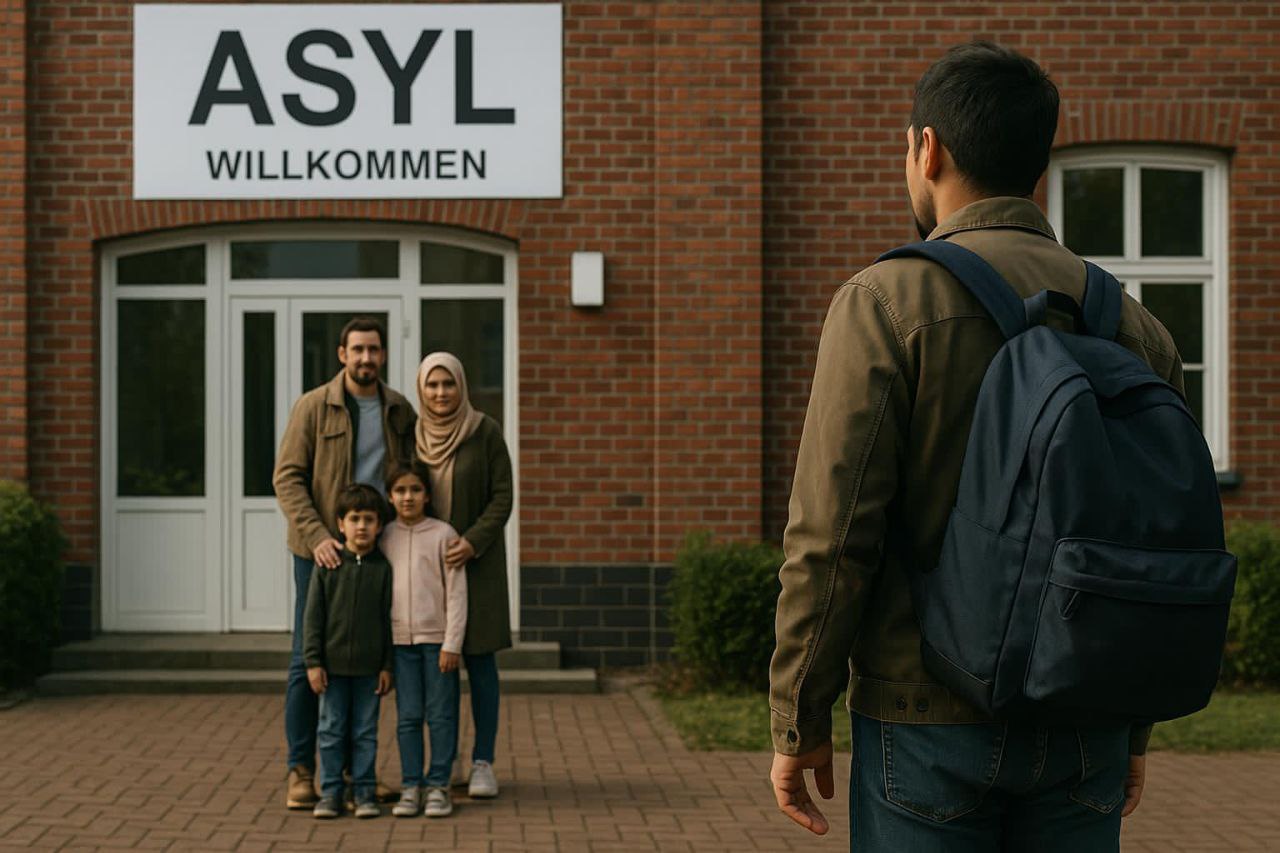
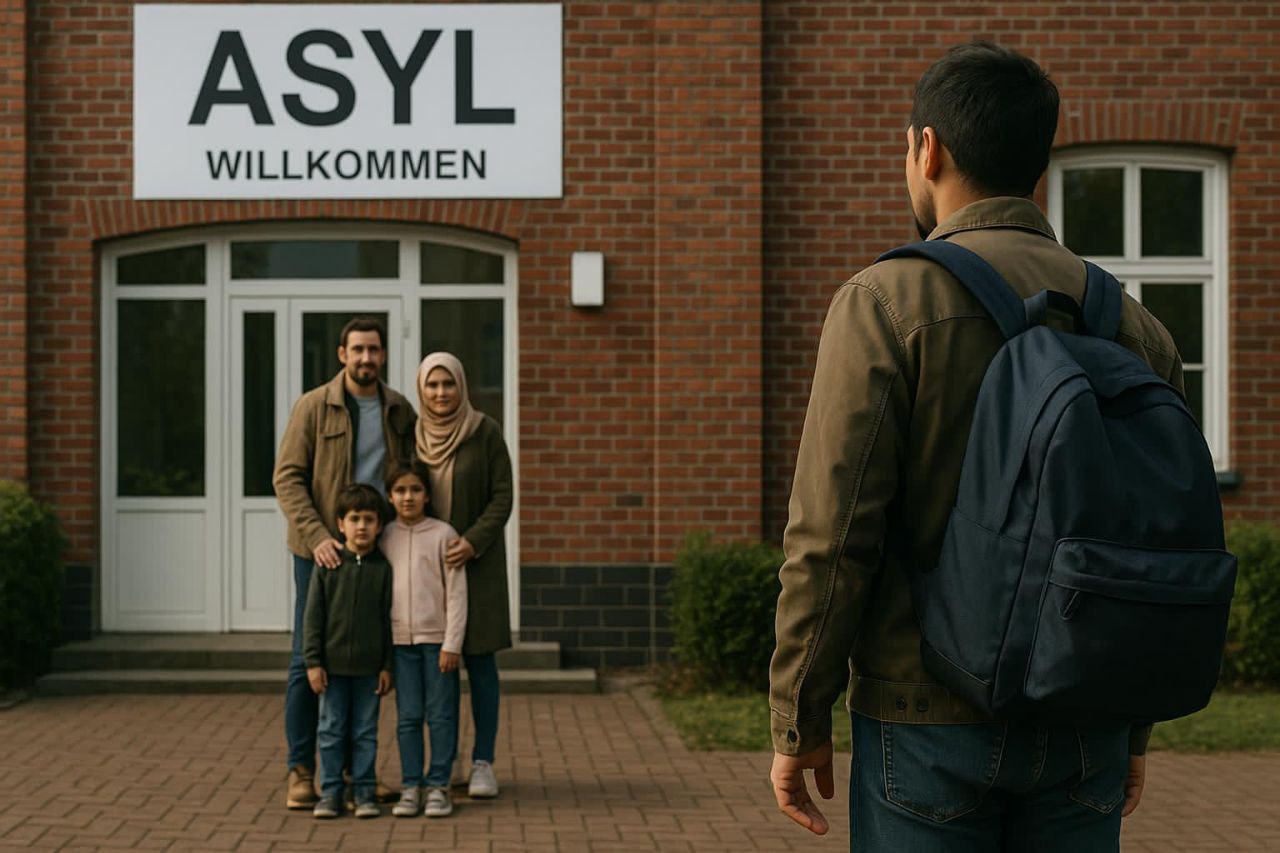
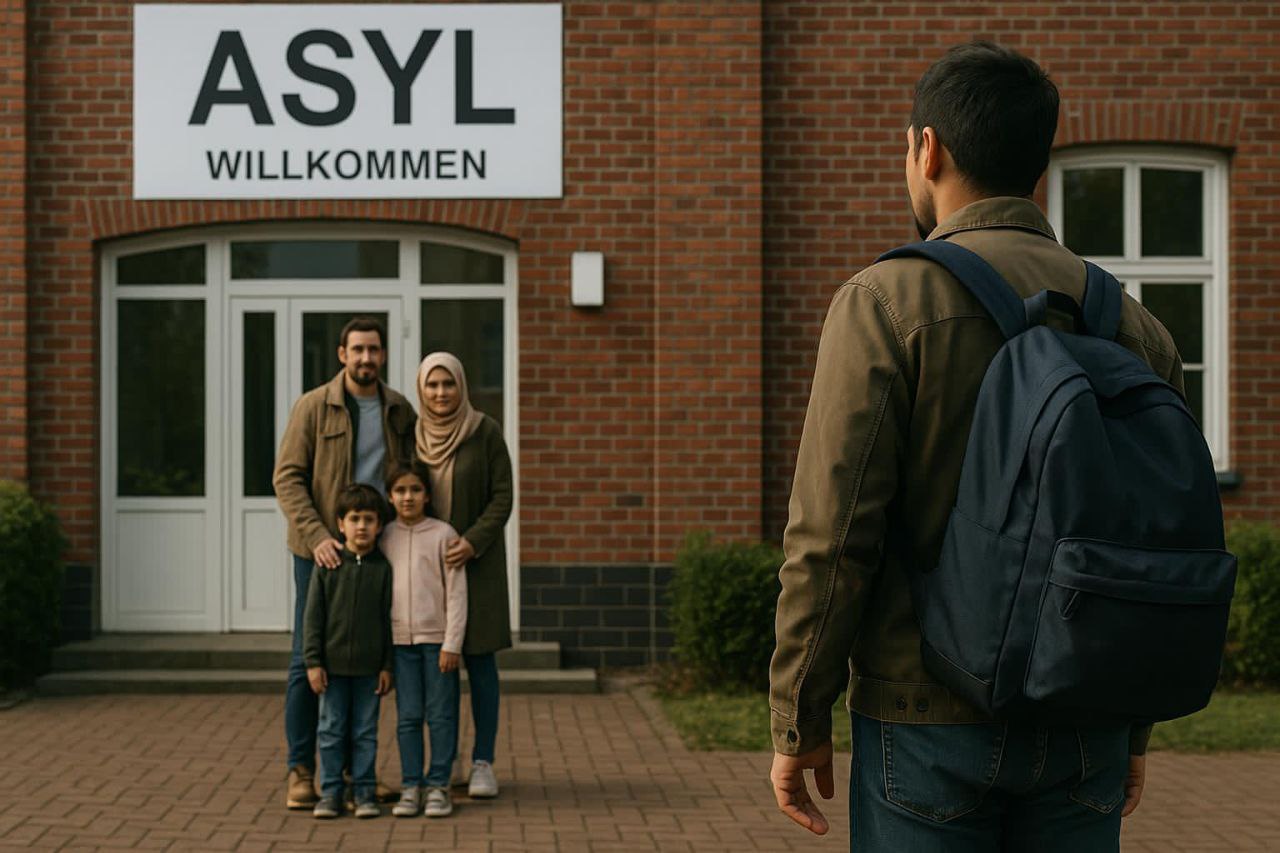
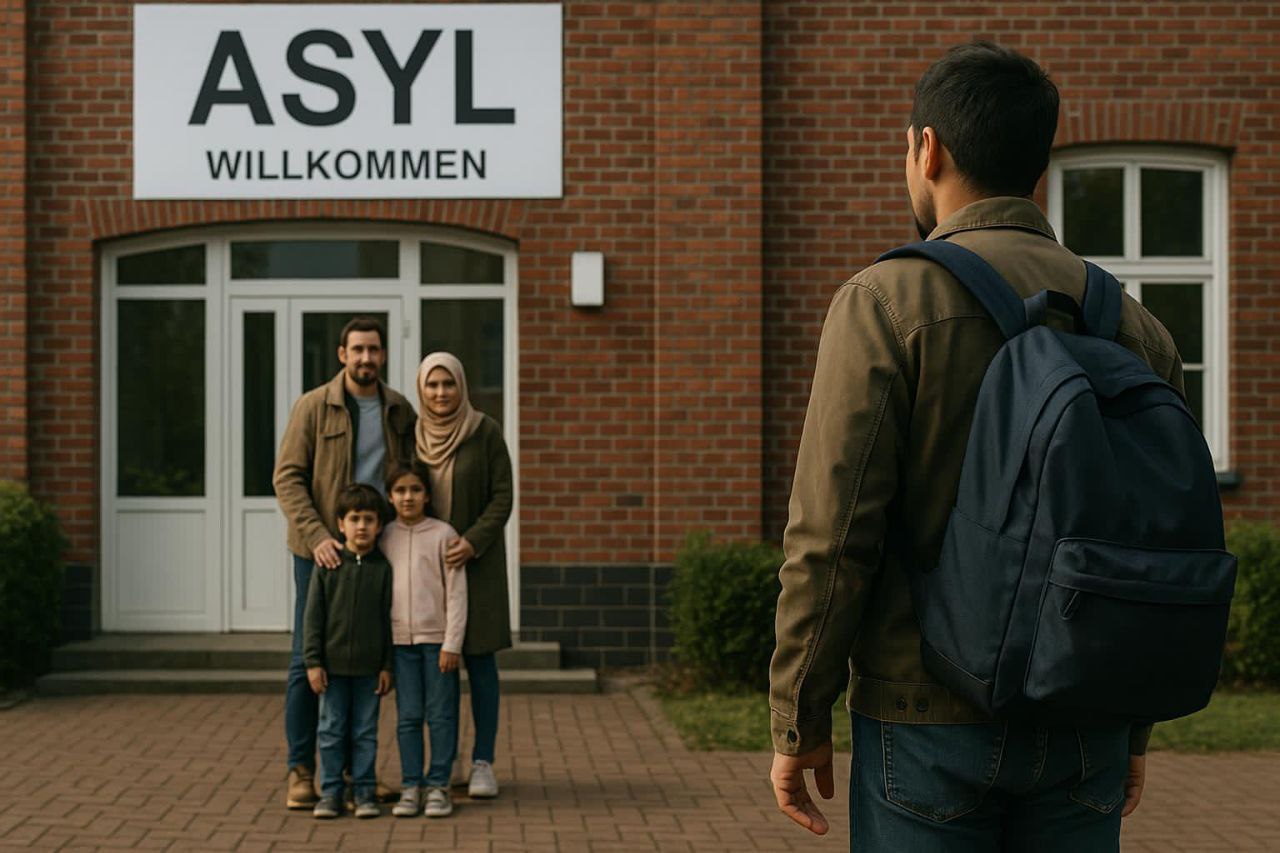
Church asylum (Kirchenasyl) is a form of protection offered to refugees who do not have a legal residence status. In this arrangement, they are temporarily accommodated by church parishes. The main purpose is to protect these individuals from immediate deportation to countries where their lives may be at risk or where they might face unacceptable or inhumane living conditions.
1. Protection from deportation
Church asylum provides shelter for refugees so that their cases can be reviewed and legally challenged, especially when there is an imminent threat of deportation and serious humanitarian concerns are involved.
2. Re-examination of cases
Another aim is to give the authorities an opportunity to re-examine the individual cases of refugees. Churches act as institutions that advocate for human dignity and human rights and seek to draw attention to situations where protection may have been insufficient.
Under the Dublin Regulation, refugees are generally to be returned to the first European country they entered, which is often states such as Greece or Italy. This creates a significant challenge for churches, as many parishes criticise the existing system for making it more difficult to provide humanitarian assistance.
At present, there are around 410 church asylum places in Germany. Regions such as North Rhine–Westphalia and Bavaria are among those that receive particularly high numbers of refugees under church asylum.
If a parish wishes to prevent a deportation even after the Federal Office for Migration and Refugees (BAMF) has rejected the case, the refugee may need to live within the church premises for up to 18 months until the legal deadline for deportation expires.
Church asylum is sometimes considered unnecessary or problematic by state authorities. Martin Dutzmann, the Representative of the Protestant Church in Germany (EKD) in Berlin, has stated that the Federal Office should respect and carefully review the cases presented by the churches, and reassess its decisions on the basis of the churches’ submissions, instead of dismissing church asylum as superfluous.
Church asylum in Germany is an important protective mechanism that can shield particularly vulnerable refugees from deportation and offer them temporary safety. At the same time, it faces considerable legal and administrative challenges, which call for greater support, understanding and cooperation between churches and the competent authorities.
The editorial team of our website strives to provide accurate information based on extensive research and various reliable sources. Nevertheless, errors may occur or certain details may be incomplete. Please regard this article as an initial guide and always contact the relevant authorities or specialised counselling services for binding and up-to-date information.