Login/Create Account


Bringing halal-slaughtered meat into Germany: veterinary and customs regulations
As Muslim communities in Germany continue to grow, the demand for halal-slaughtered meat is rising. Nevertheless, the import of meat products from outside the European Union – whether halal or not – is subject to strict veterinary and customs regulations. These rules are designed to protect consumers and prevent the introduction of animal diseases.
Below is a detailed overview of the main rules and procedures for bringing halal meat into Germany:
1. Basic rule: No meat imports without official veterinary control
Under EU and German law, the import of meat and meat products from non-EU countries is generally prohibited if they have not undergone official veterinary control. This applies in particular to:
-
fresh or frozen meat,
-
processed meat products (e.g. sausages, canned meat),
-
dairy products,
-
meat slaughtered outside slaughterhouses that are approved and supervised within the EU.
Whether the meat is halal or not does not override these basic health and safety requirements.
2. Veterinary regulations (Veterinärrechtliche Vorschriften)
a) Official veterinary health certificate (Veterinärbescheinigung)
A valid official veterinary health certificate from the country of origin is essential. It must confirm that:
-
the meat comes from healthy animals free from notifiable diseases,
-
slaughter took place under controlled and hygienic conditions,
-
handling, storage and transport complied with strict sanitary requirements up to the point of entry into Germany.
b) Additional certificates
Depending on the purpose and target group, further documents are often requested, such as:
-
a Halal certificate, confirming that slaughter was carried out according to Islamic rules,
-
laboratory analyses proving that the meat is free from disease, parasites or harmful residues.
3. Customs procedures
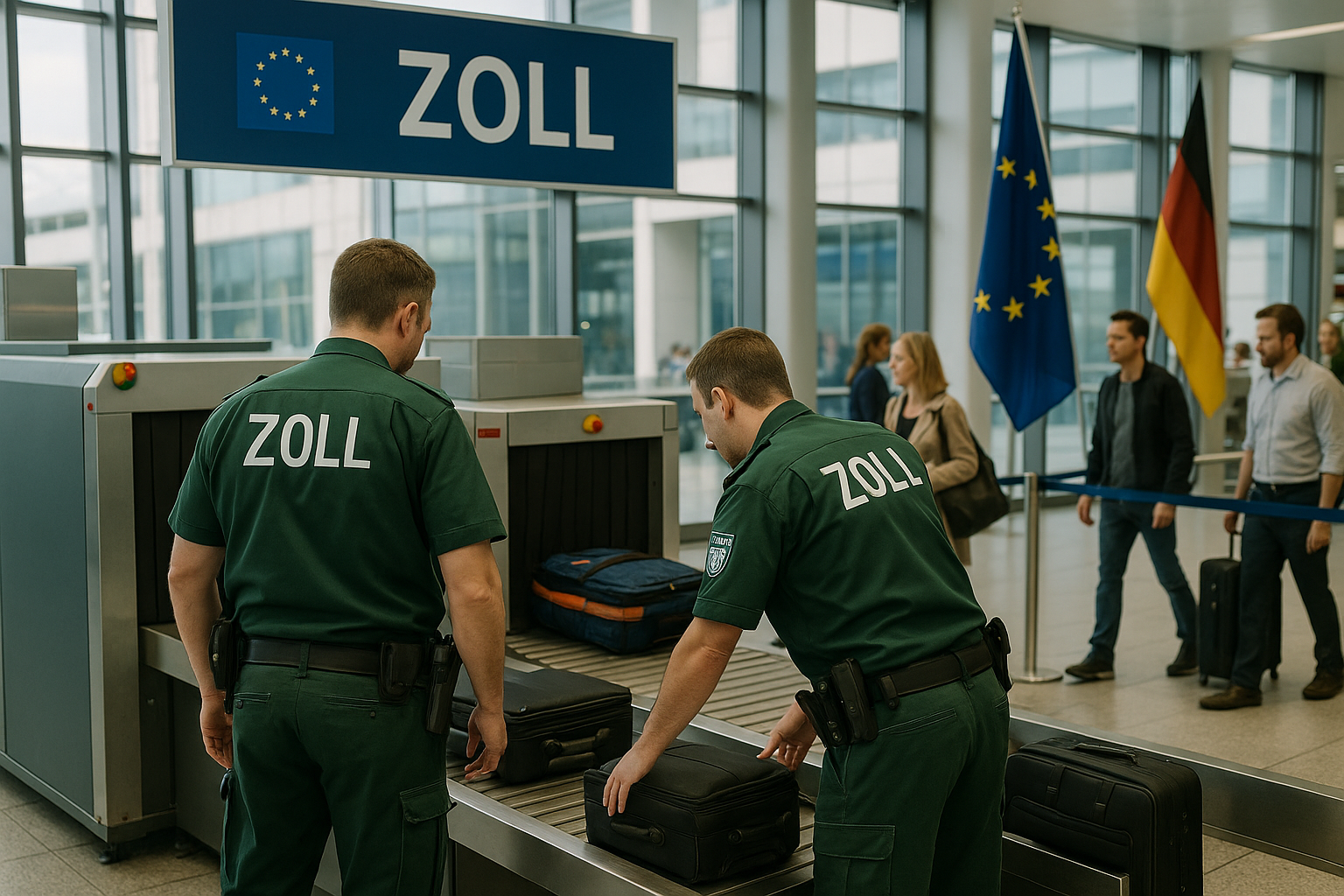
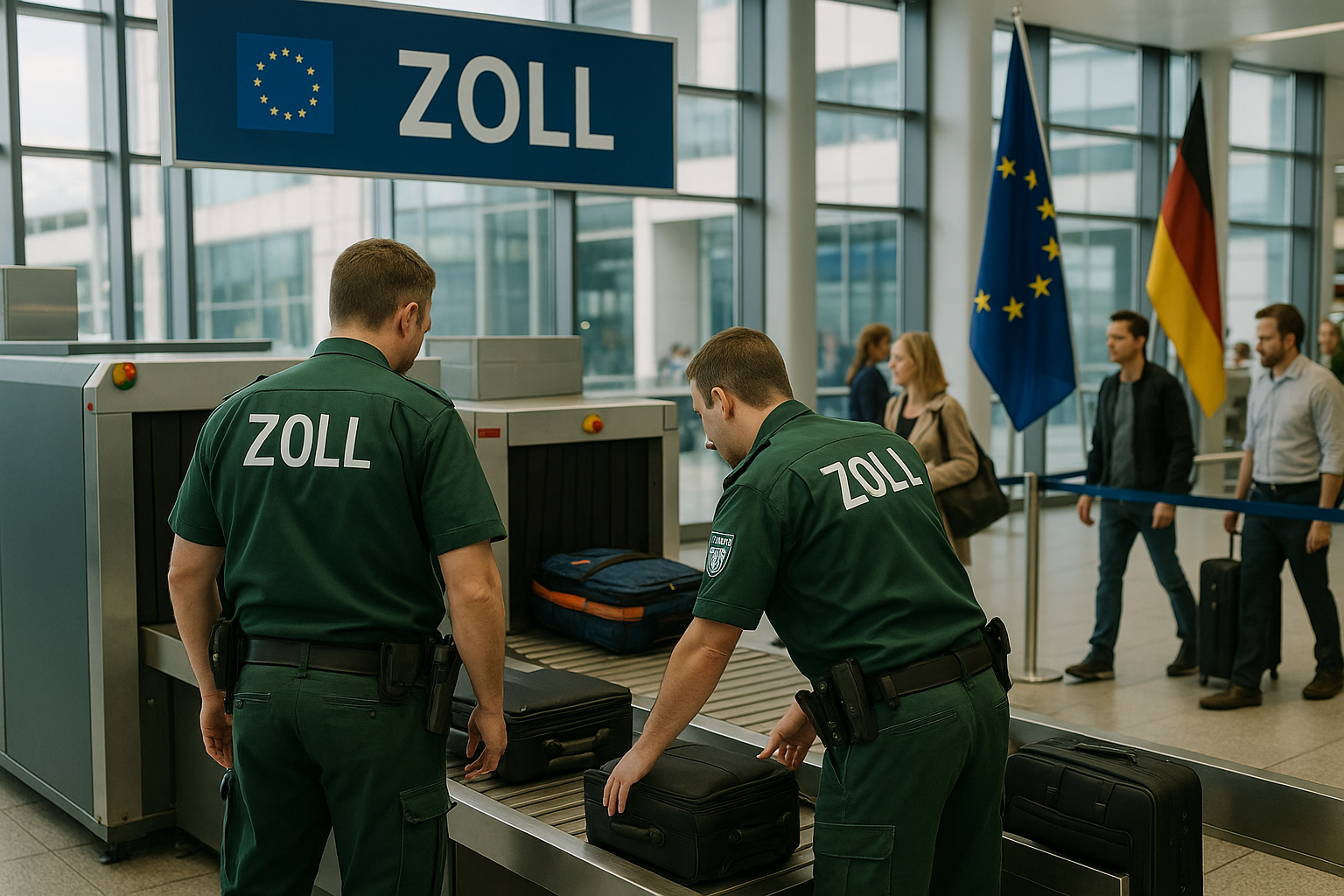
Upon arrival in Germany
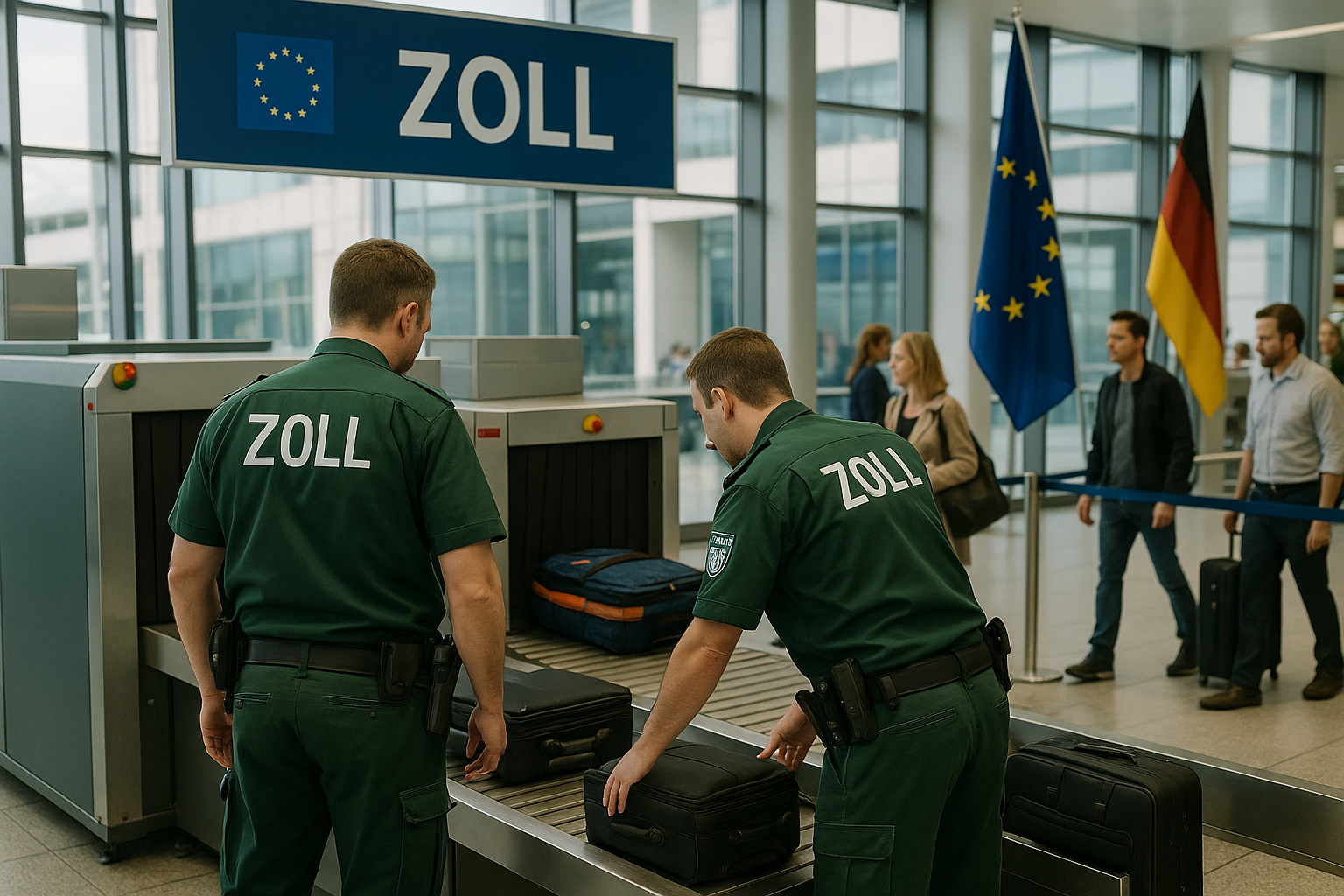
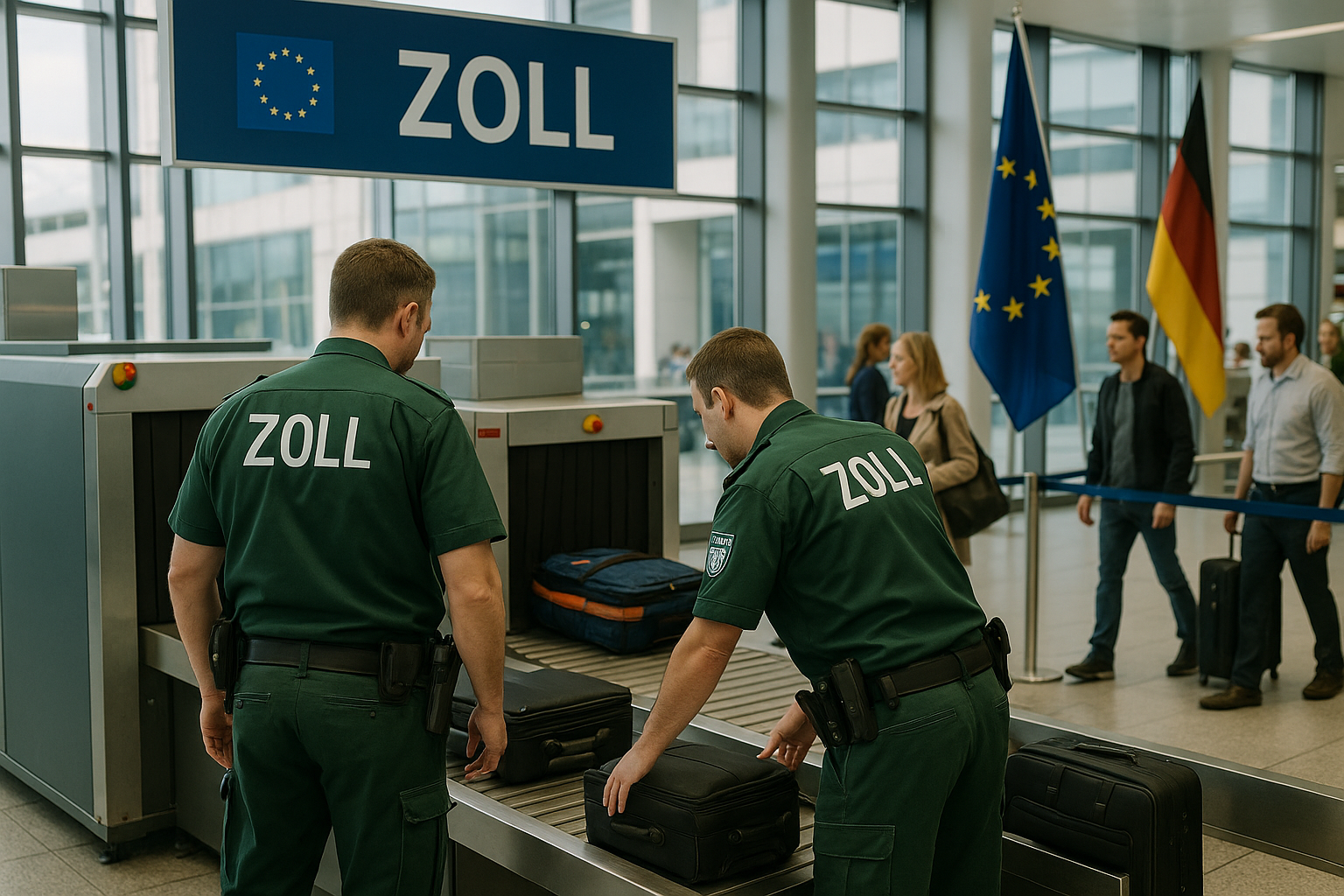
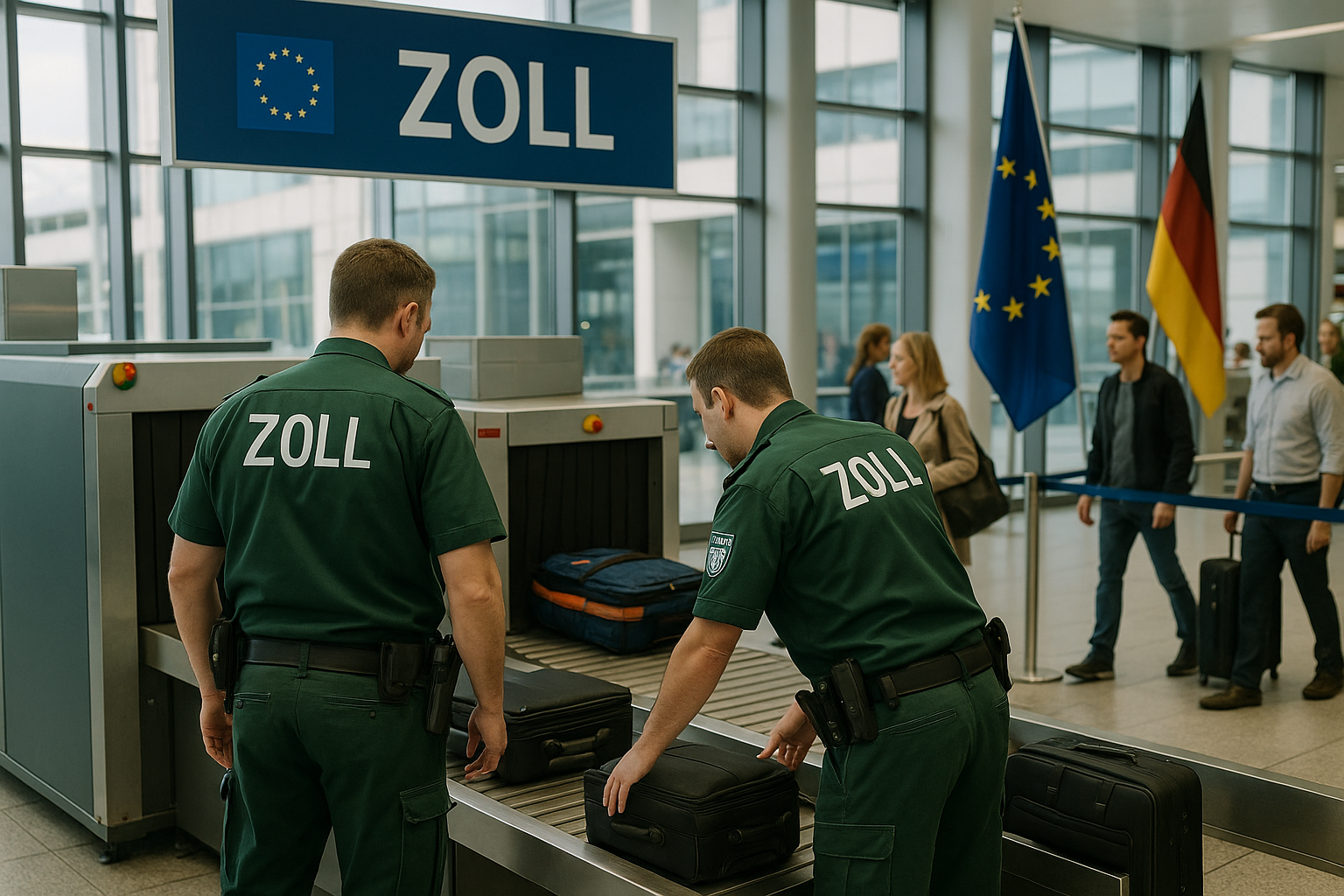
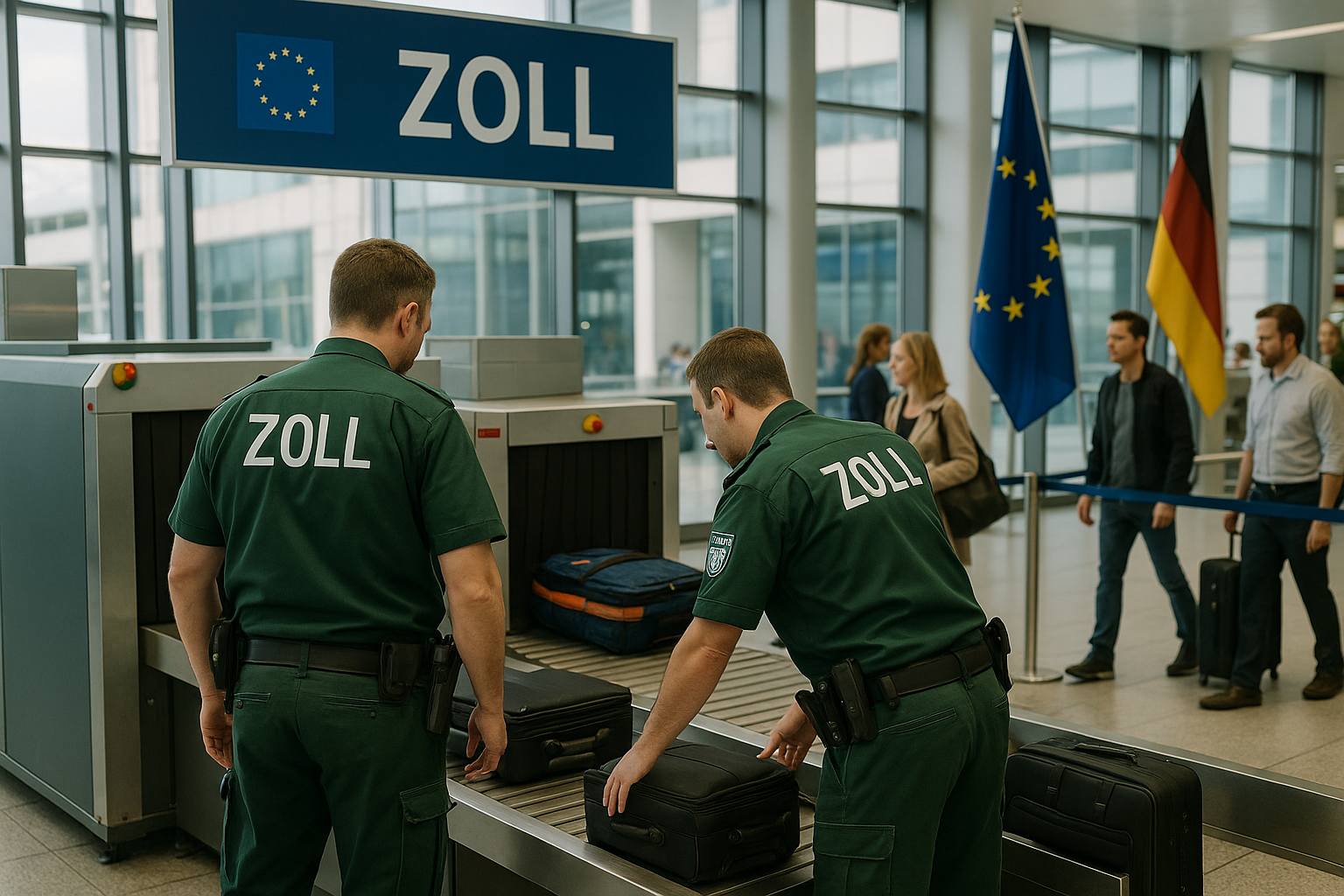
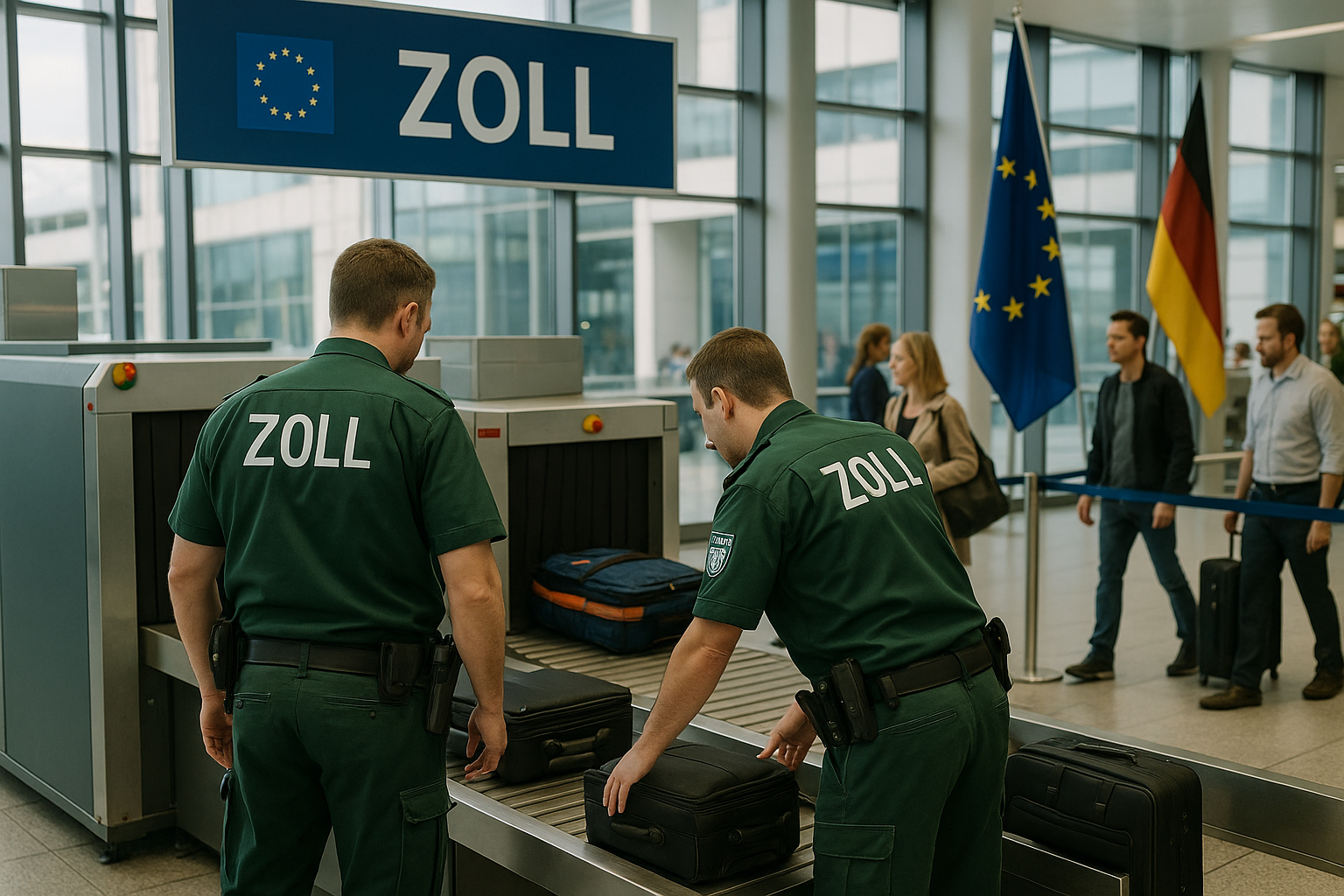
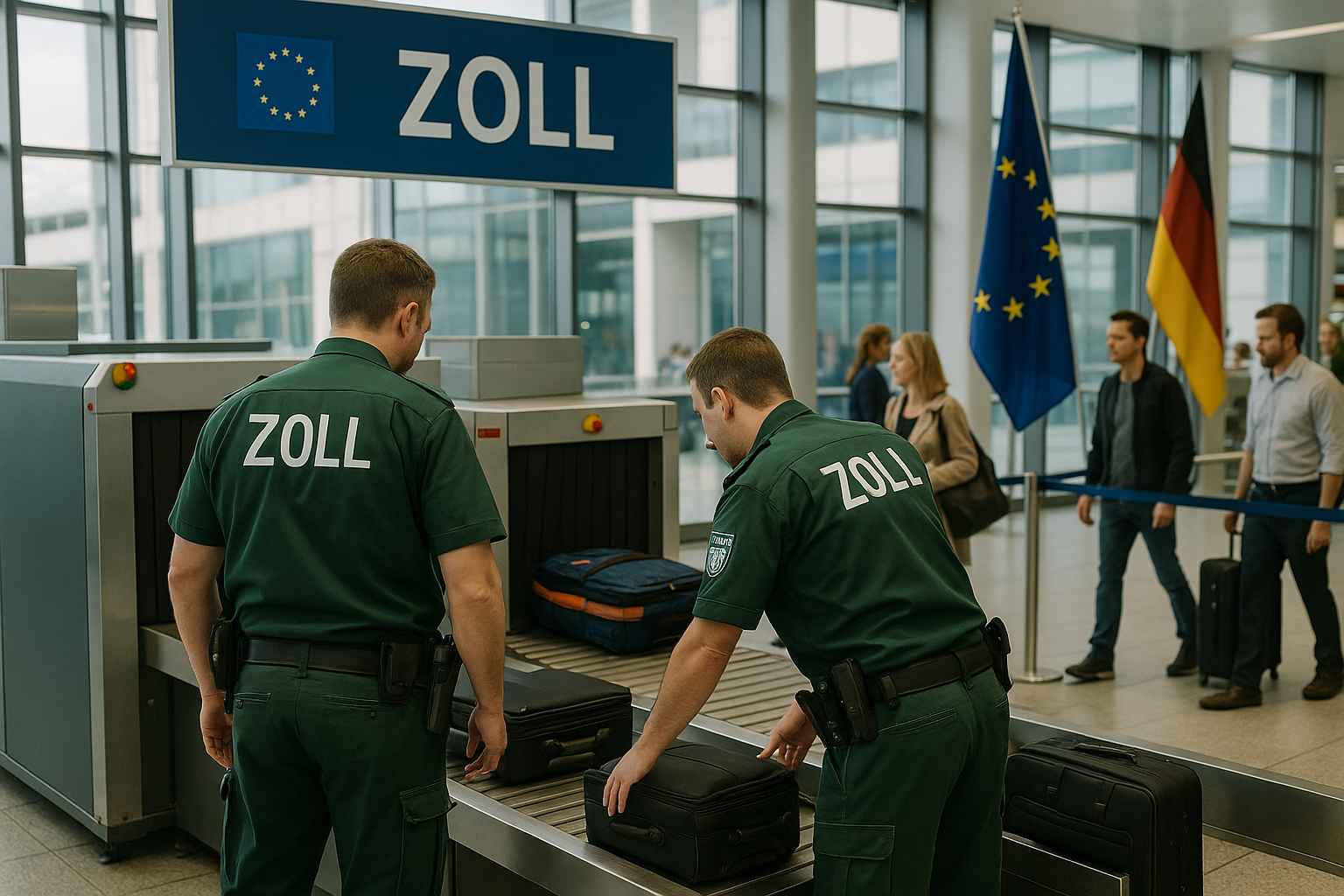
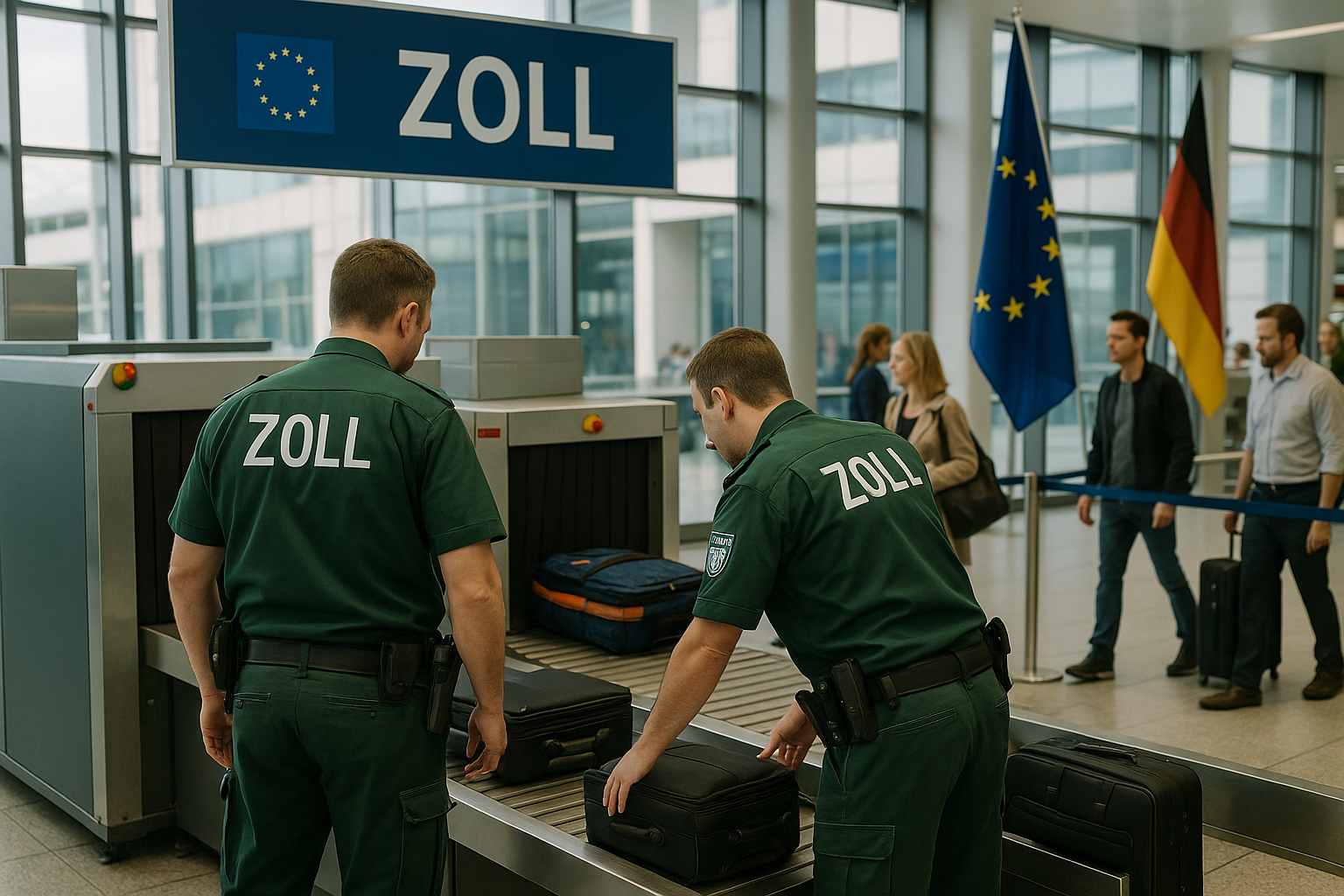
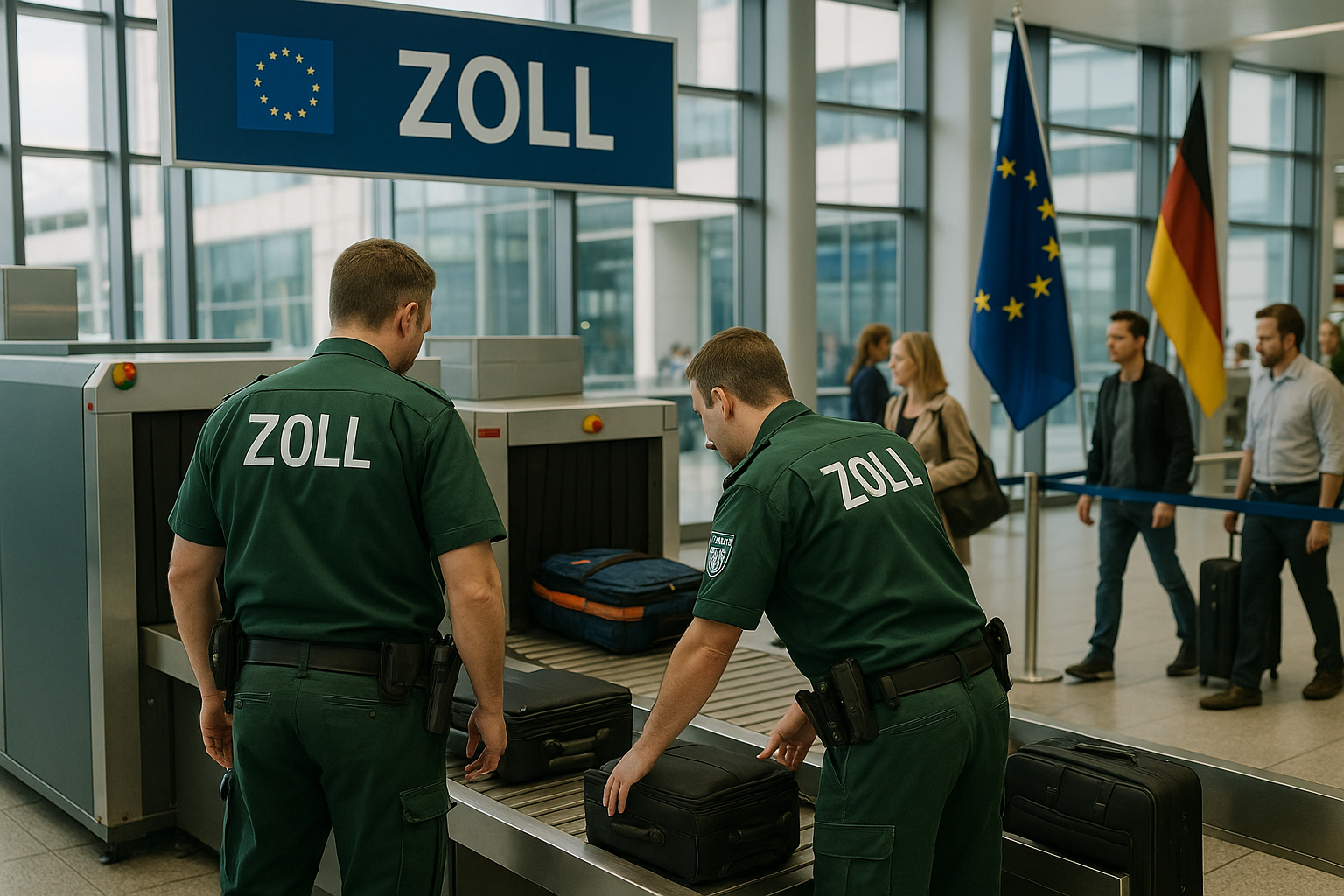
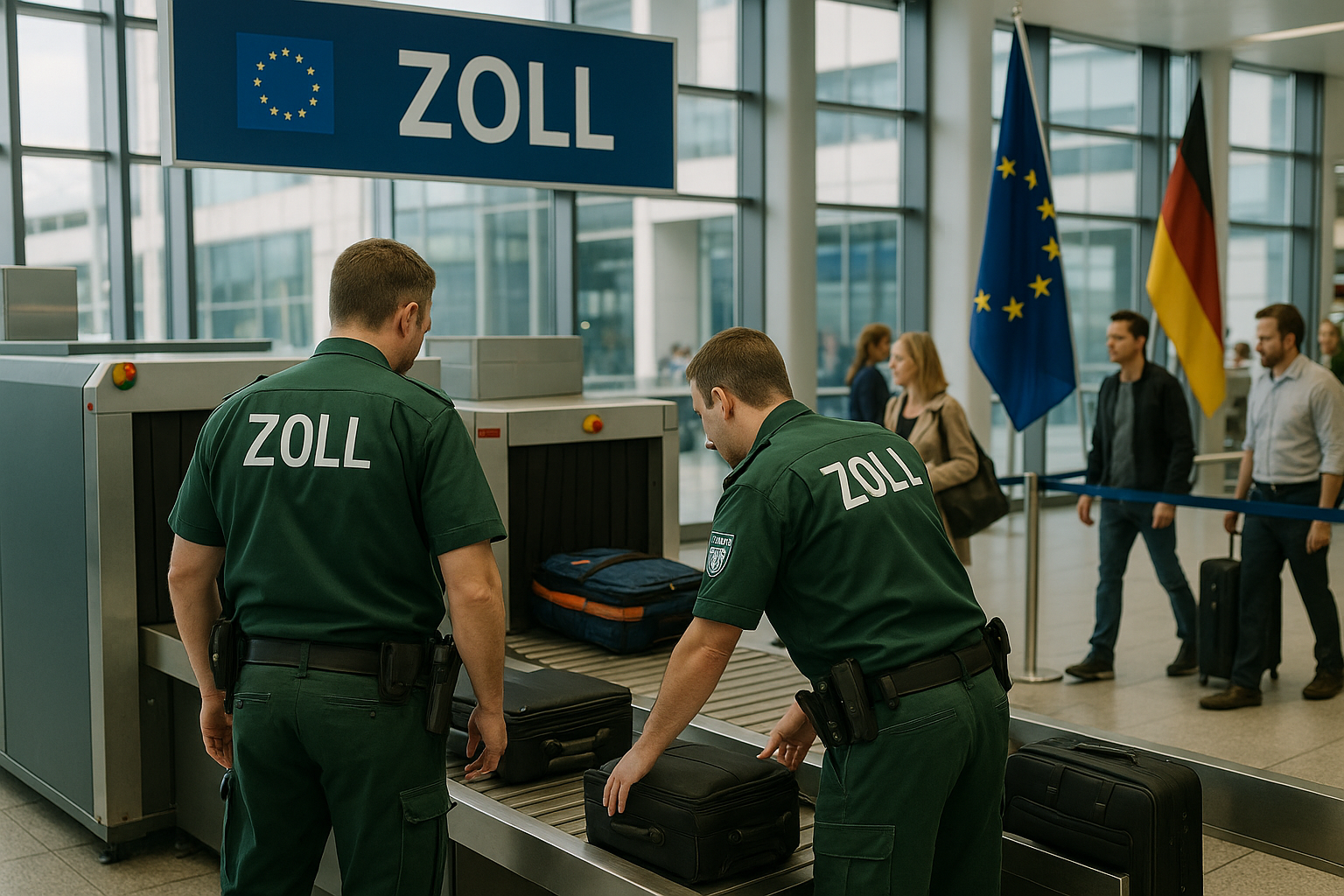
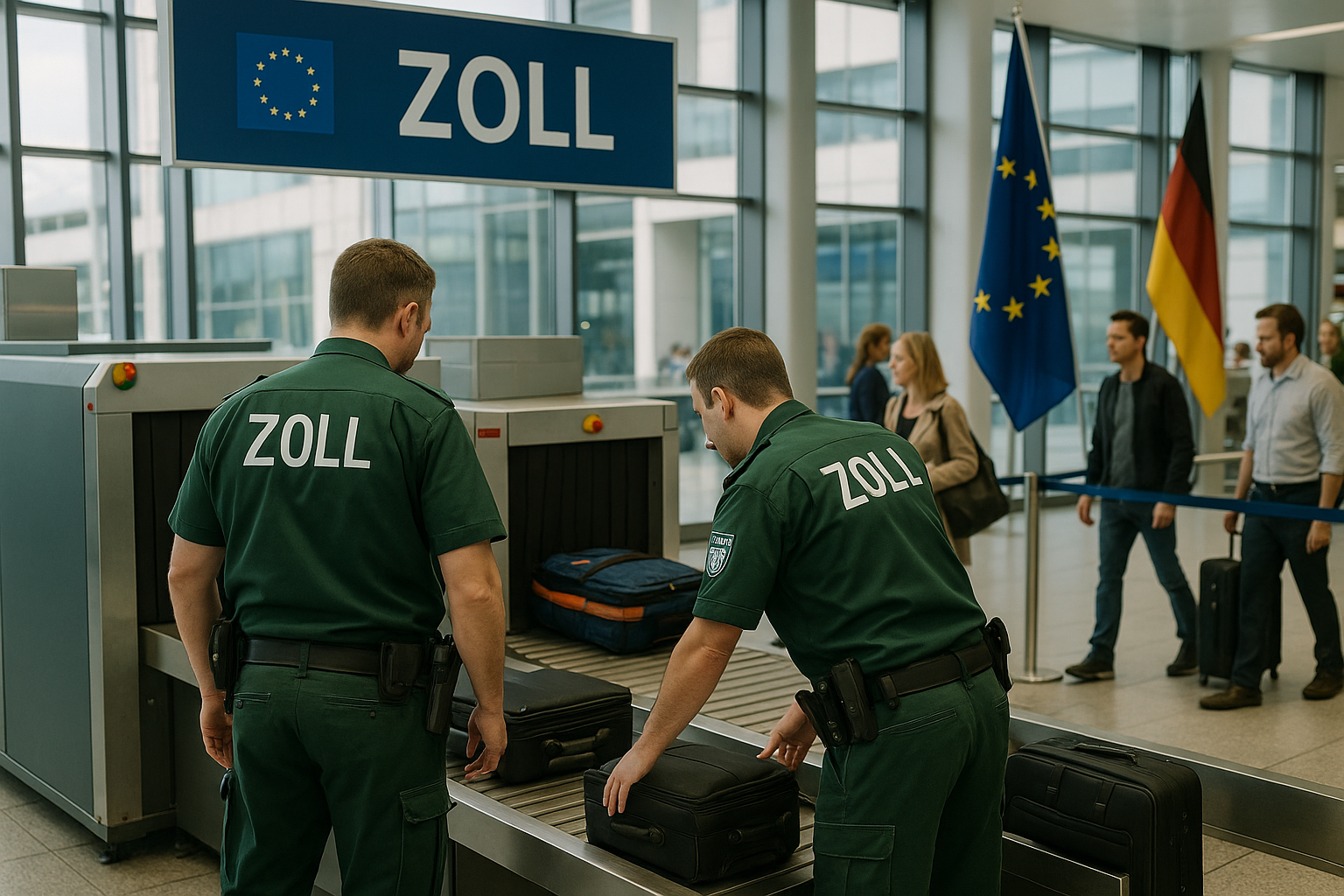
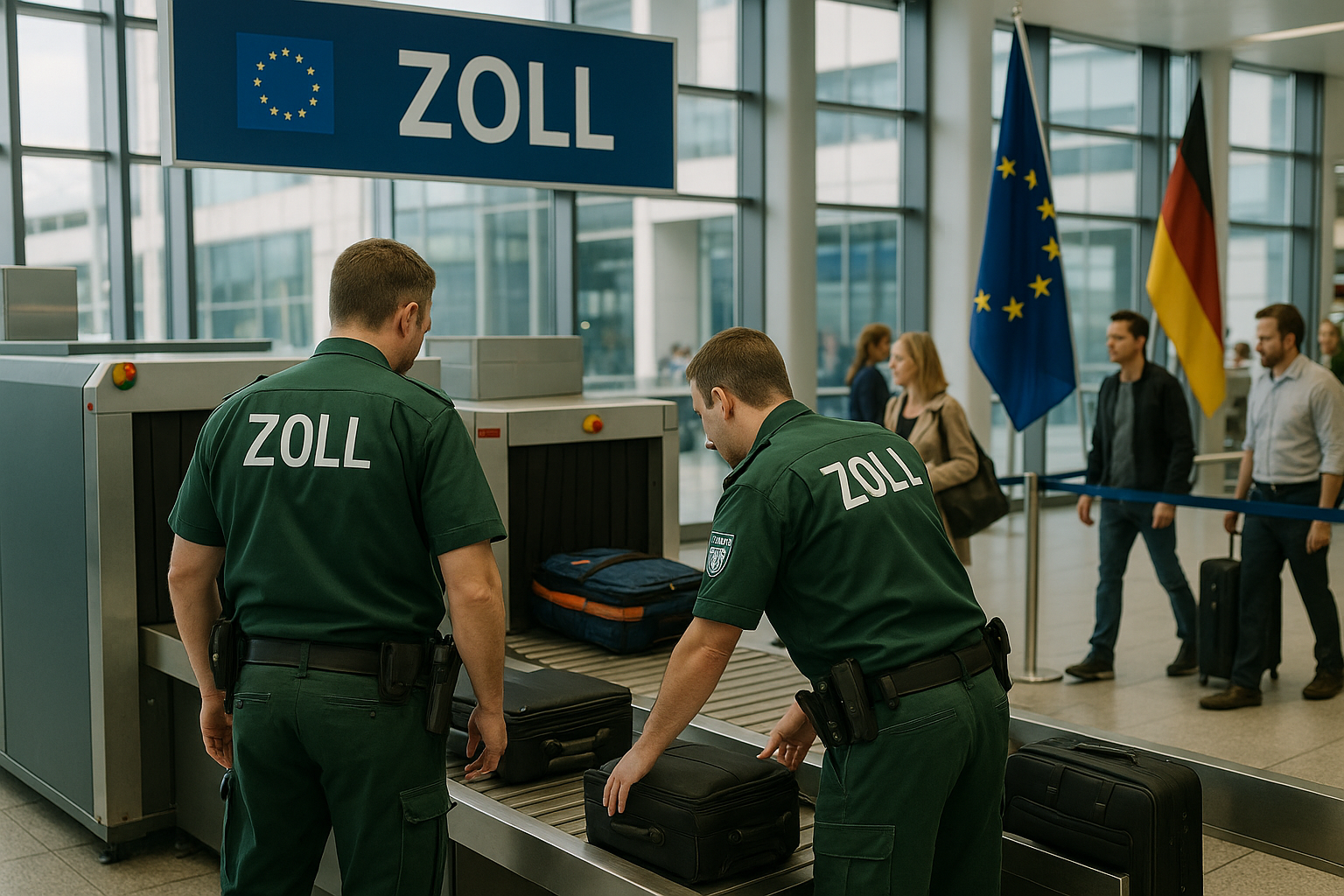
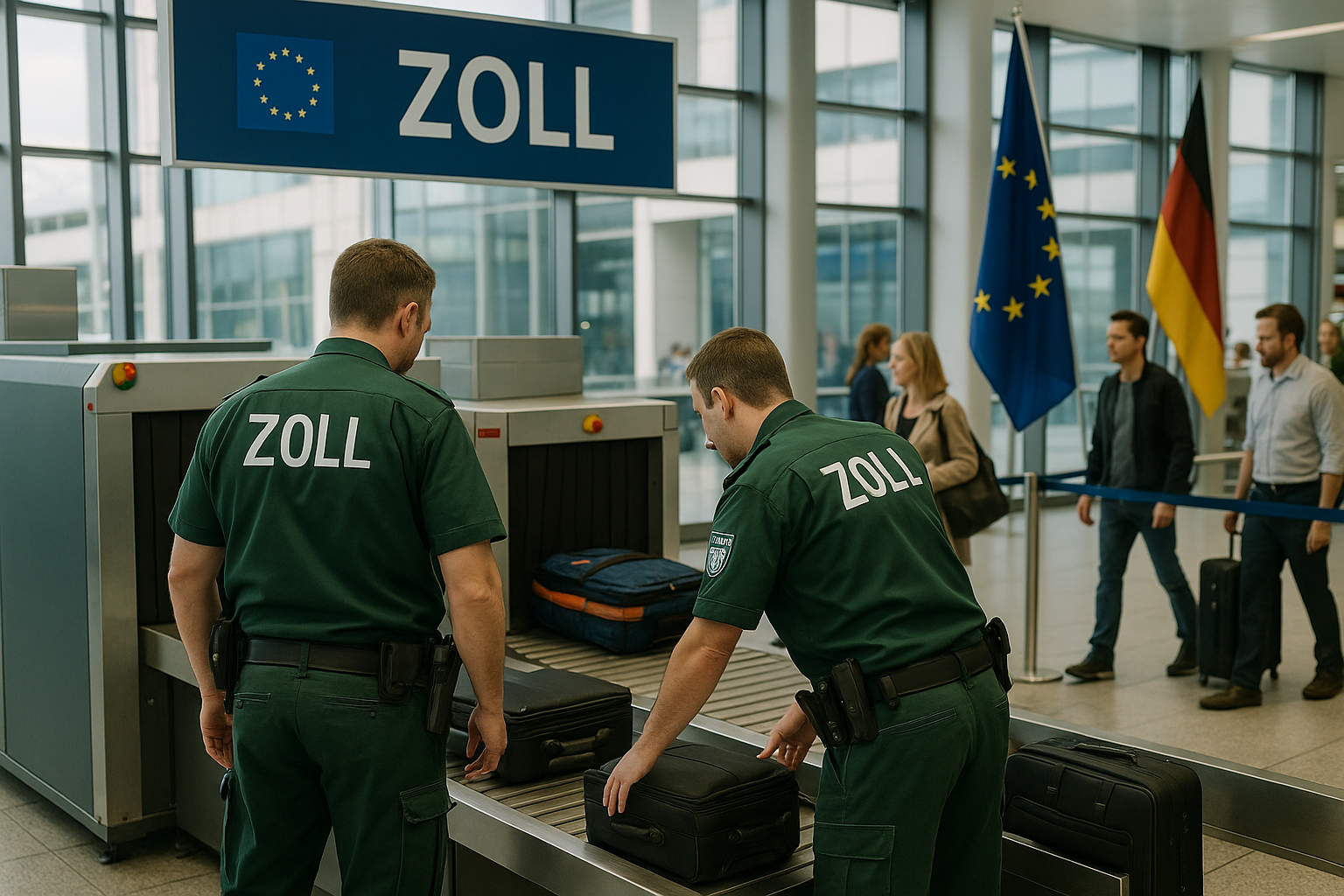
Halal meat is legally treated as an animal food product and is subject to:
-
customs control, and
-
veterinary inspection
at designated border inspection posts (airports, seaports or land borders). At this stage:
-
all documents and certificates are checked,
-
consignments may be physically inspected,
-
samples may be taken for laboratory testing if required.
If the shipment does not meet the legal requirements:
-
entry is refused,
-
the goods are either returned to the country of origin or destroyed at the importer’s expense.
Customs declaration
The importer must submit a detailed customs declaration, including:
-
the type of meat (beef, lamb, poultry, etc.) and its form (fresh, frozen, processed),
-
the total quantity and packaging,
-
the country of origin and any transit countries,
-
copies of all veterinary and health certificates,
-
details of the carrier / freight forwarder.
4. Limited exceptions for personal use
In some cases, narrow exceptions are mentioned that allow small quantities of halal meat to be brought in for personal consumption, under very strict supervision. Typical conditions include:
-
a maximum quantity of around 3 kg,
-
proper, sealed packaging that meets hygiene standards,
-
an official health certificate from the country of origin.
In practice, however, such exceptions are rarely granted, and attempts to bring meat in personal luggage – even in small amounts – are increasingly rejected by the authorities.
5. Penalties for violations
Anyone who attempts to bring meat or meat products into Germany in breach of veterinary and customs regulations may face:
-
immediate seizure and destruction of the meat,
-
substantial fines, possibly amounting to several thousand euros,
-
legal proceedings in cases of smuggling or forged documents,
-
temporary or permanent bans on importing animal products for companies involved.
6. Practical advice for importers and travellers
-
Make sure that any meat you intend to import is accompanied by clear, EU-recognised health and veterinary certificates.
-
Work only with reputable, approved slaughterhouses and exporters that have experience exporting to the EU.
-
As a private traveller, do not try to bring meat – even halal meat – in your luggage without proper documentation. In most situations, this is simply illegal.
-
Regularly check the latest rules on the websites of German Customs (Zoll) and the Federal Ministry of Food and Agriculture.
Conclusion
Bringing halal-slaughtered meat into Germany is only possible if strict veterinary, sanitary and customs rules are fully observed. Importing meat from non-EU countries without recognised veterinary certificates and clear documentation is generally prohibited – regardless of whether the meat is halal.
To avoid confiscation, fines and legal consequences, importers and travellers should comply with all requirements and seek advice from the competent authorities in cases of doubt.
The editorial team strives to provide accurate information based on extensive research and a variety of sources. However, errors or incomplete details cannot be ruled out entirely. For binding and up-to-date information, always consult the competent authorities.