Login/Create Account


A Reading of Power, Politics and History
Introduction
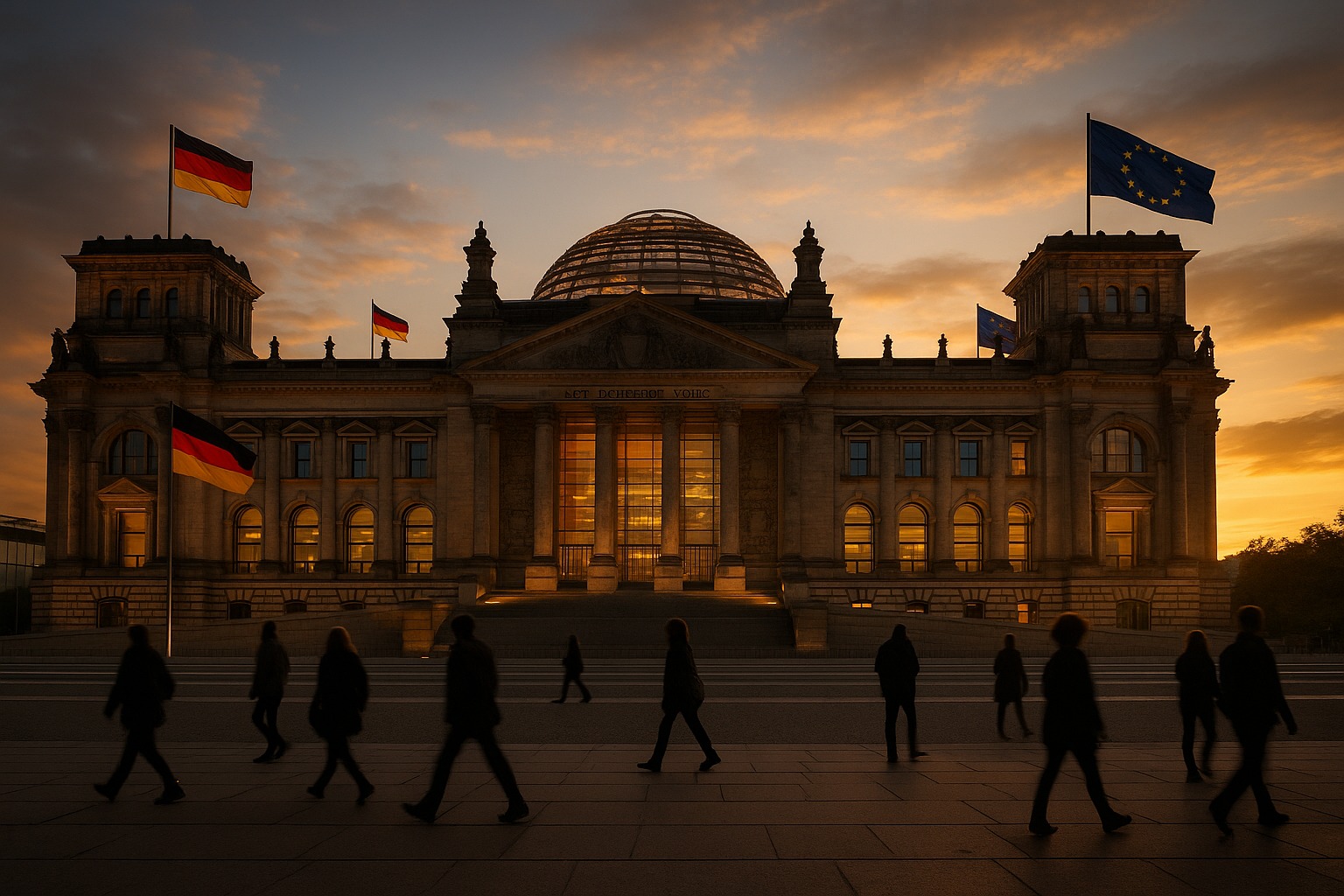
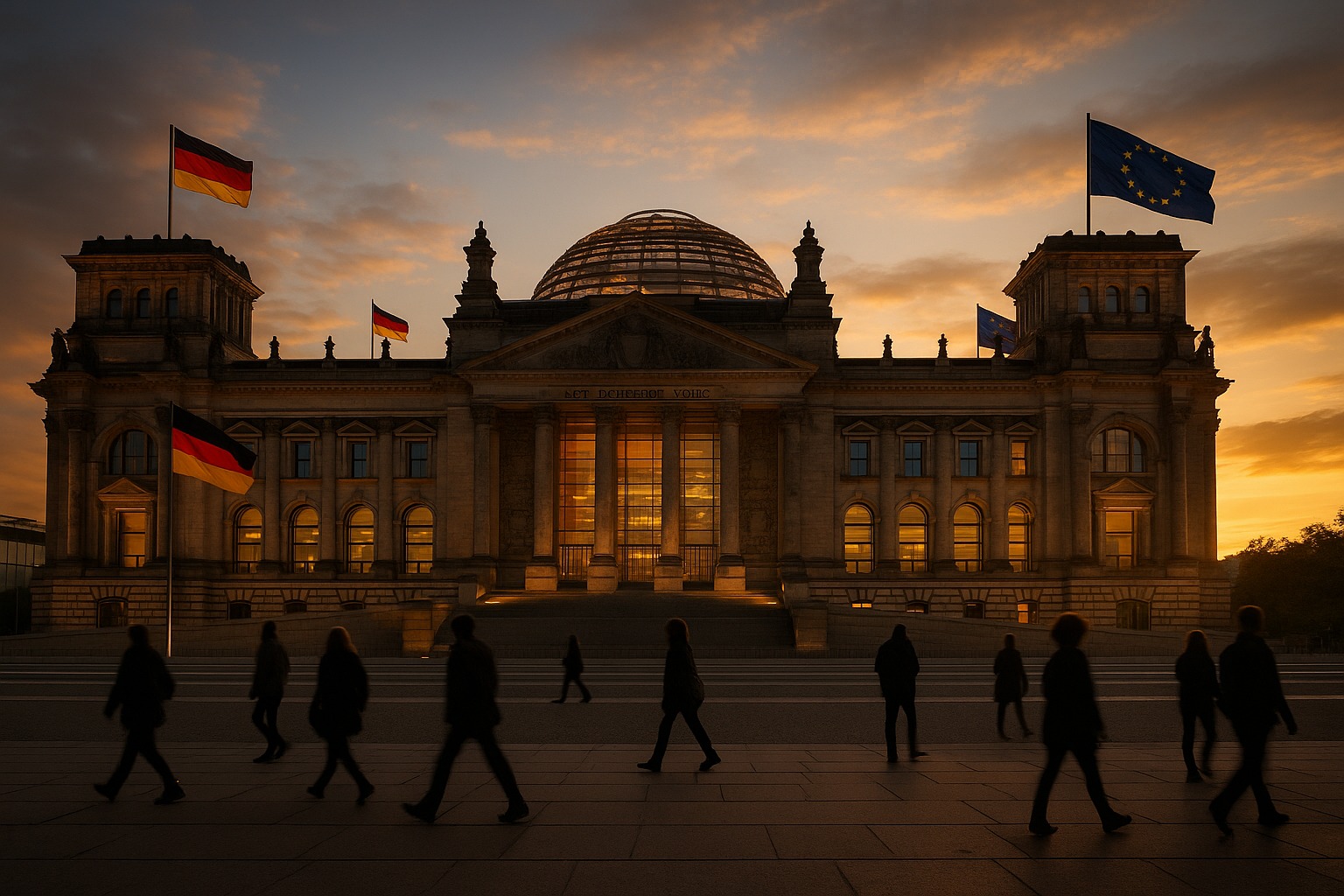
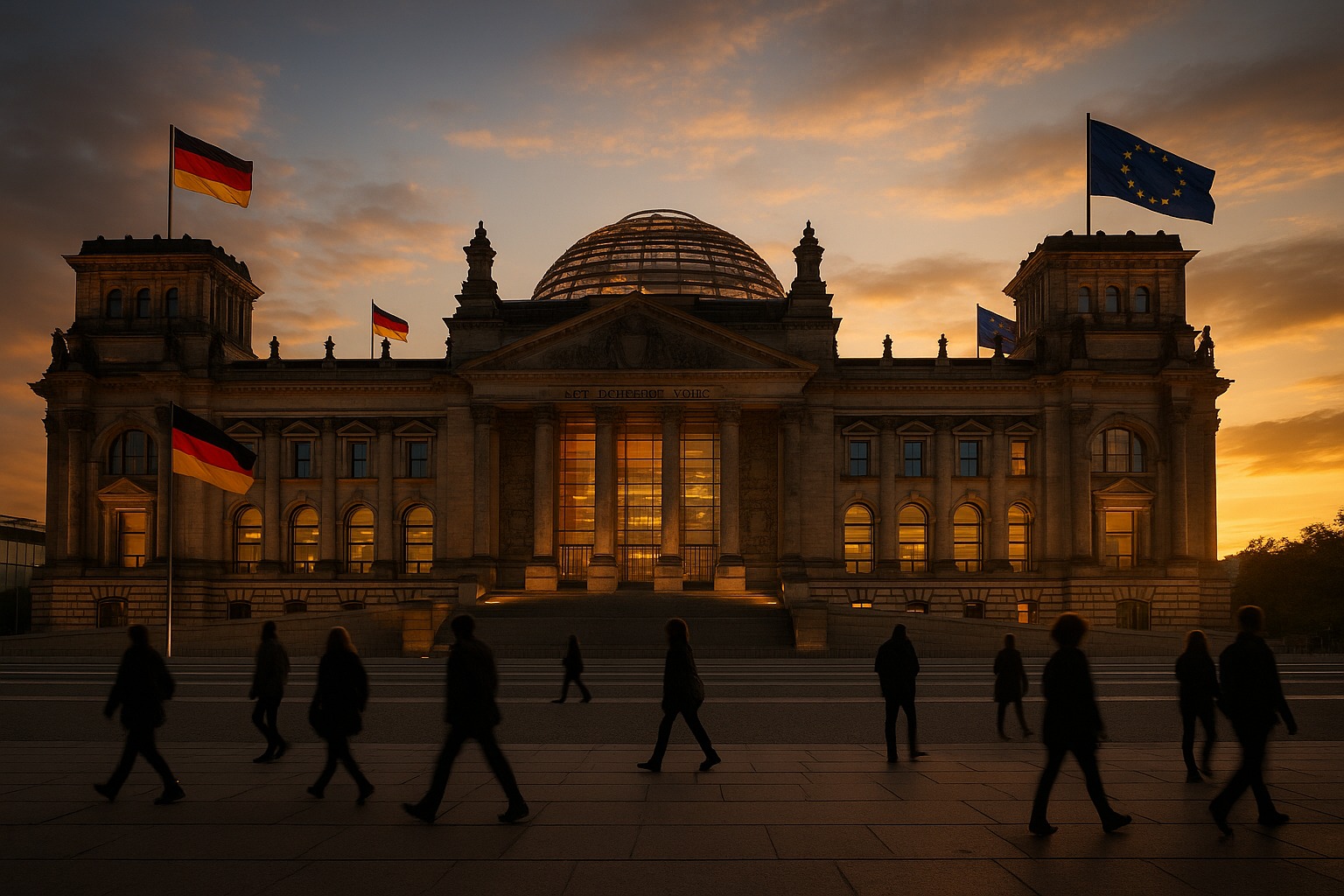
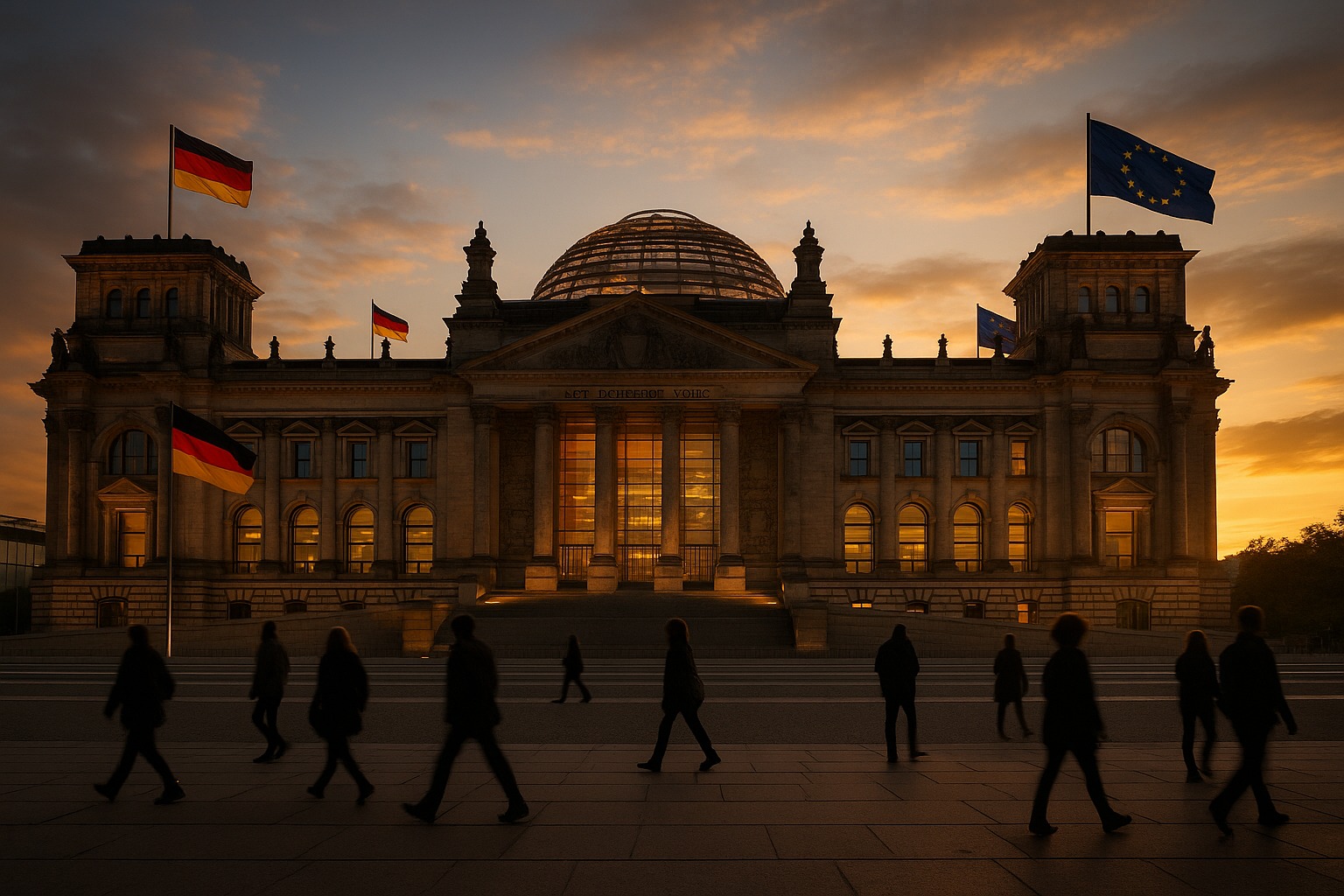
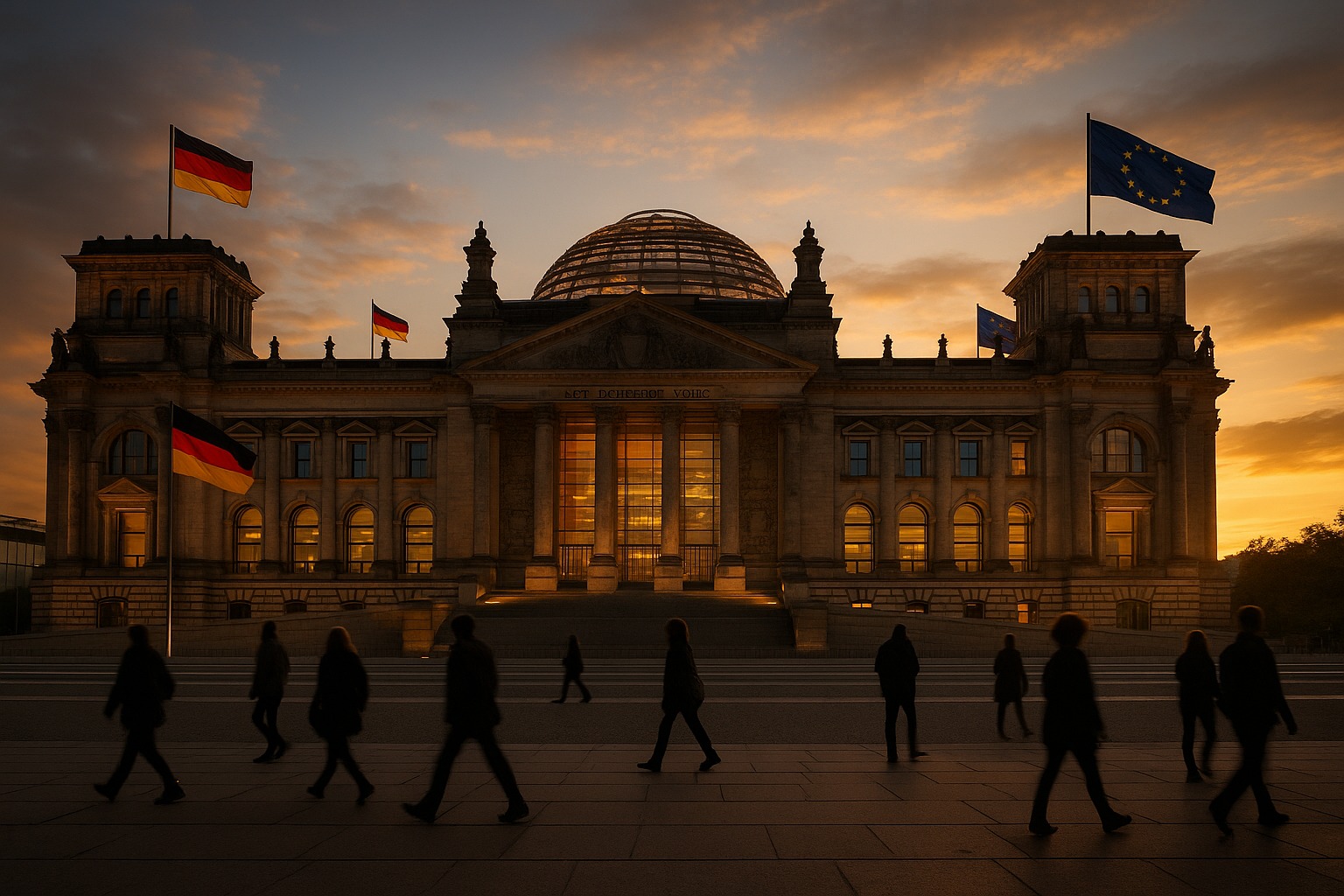
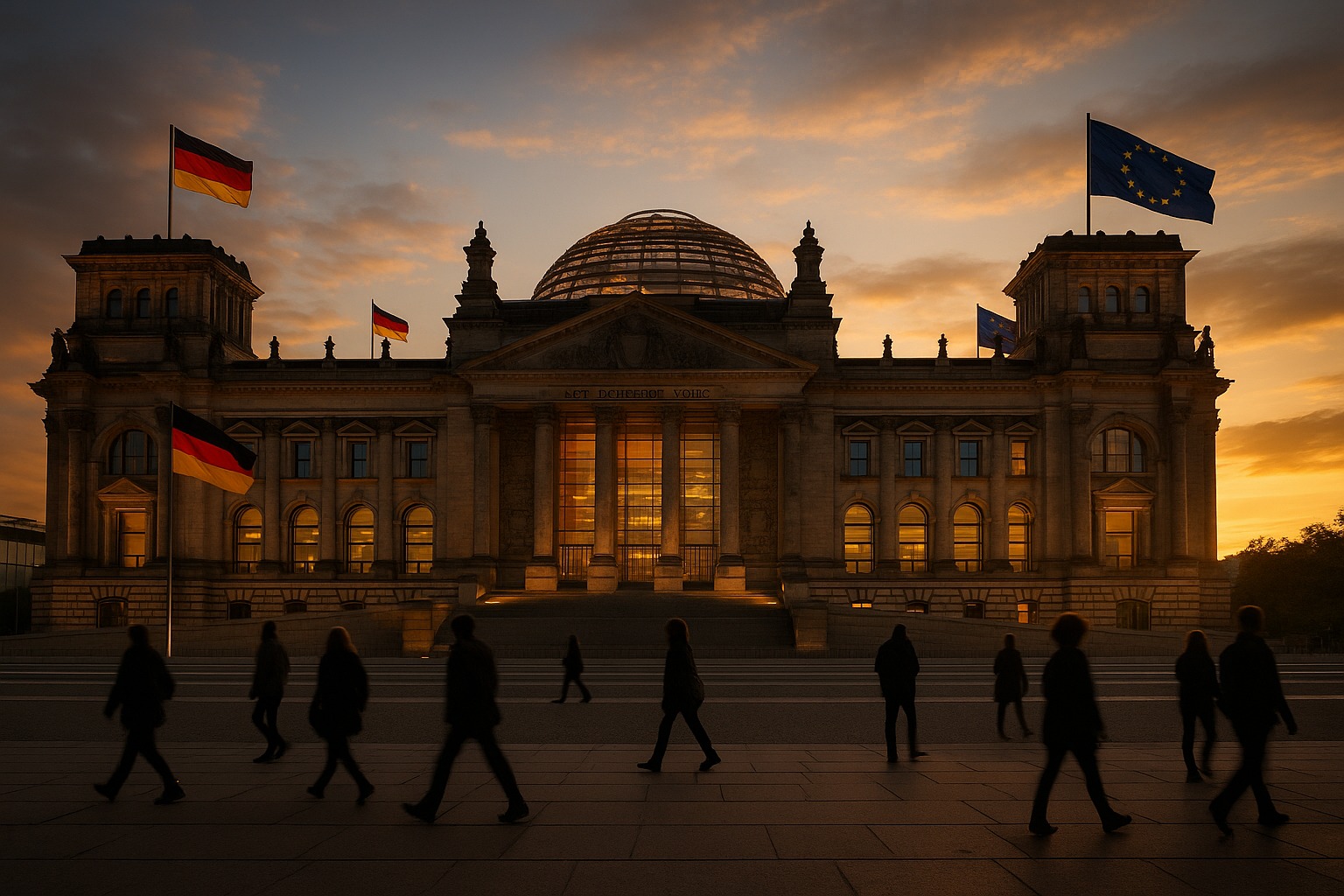
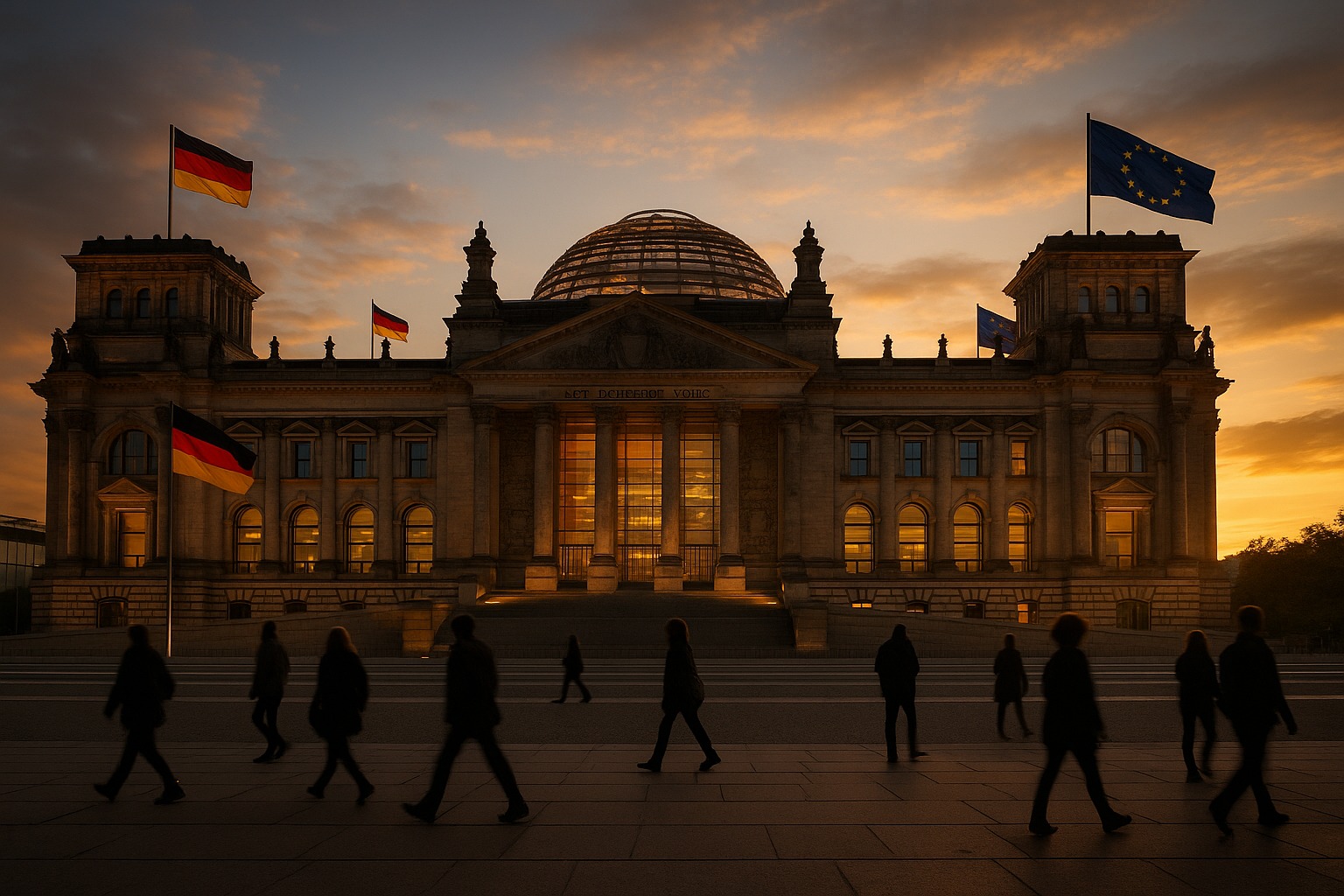
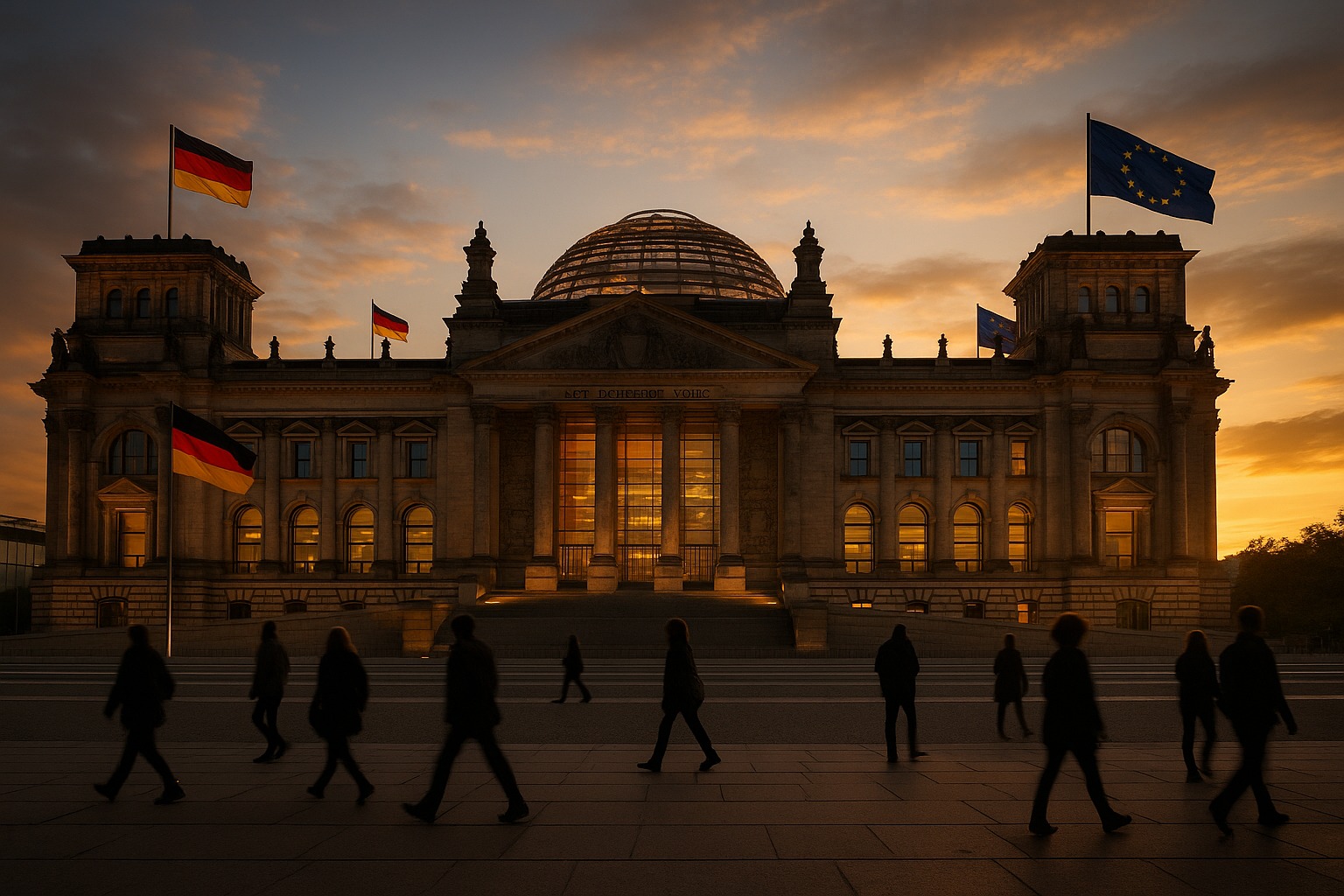
Whenever the European Union is discussed, the name Germany immediately stands out as the strongest and most influential country in the bloc.
But what exactly makes Germany so often described as the “leader of the European Union”?
Is it the economy? History? Political weight?
In this article, we analyse the different factors that have turned Germany into the driving power of a united Europe, and explore its vital role in shaping the EU’s internal and external policies.
1. The strongest economy on the continent
Germany has the largest economy in the European Union and ranks fourth worldwide.
Its gross domestic product exceeds €4.5 trillion (2024) – outstripping France, Italy and Spain combined.
Germany is Europe’s leading industrial power, especially in:
-
the automotive industry
-
machinery and engineering
-
chemicals and pharmaceuticals
Major German companies are key players in European and global trade and form the backbone of Europe’s supply chains.
In short:
Germany drives the European economy, finances a large share of it and significantly underpins its stability.
2. Political clout and negotiating power
Germany plays an active and often decisive role in drafting EU policies and is widely seen as a builder of consensus in complex negotiations.
Within the EU, Germany is commonly associated with:
-
pragmatic, rational decision-making
-
a preference for compromise and consensus
-
strong skills in coalition-building
Successive German chancellors – from Helmut Kohl and Angela Merkel to Olaf Scholz – have played crucial roles in managing major European crises.
Examples:
-
During the eurozone crisis (2009–2015), Germany was the driving force behind financial rescue packages for Greece and other Southern European countries.
-
In the Ukraine crisis, Germany took the lead in diplomatic mediation between Russia and Europe and was central to reshaping Europe’s defence and security policy.
3. The largest contributor to the EU budget
Germany is the single largest net contributor to the European Union’s budget.
In recent years, it has provided over 25% of the total EU budget – a fact that naturally increases its leverage on financial and budgetary decisions within the Union.
4. Historical role in building the Union
After the Second World War, West Germany was among the founding members of the European Coal and Steel Community (ECSC) in 1951 – the forerunner of today’s EU.
Germany later played a central role in integrating Eastern Europe into the Union after the fall of communism.
Under long-serving chancellor Angela Merkel, Germany came to be seen as Europe’s anchor of stability throughout a series of crises – the refugee crisis, the euro crisis, the coronavirus pandemic and the war in Ukraine.
5. Central geographic position
Germany lies at the geographical heart of Europe, sharing borders with nine countries.
This makes it:
-
a logistical hub for trade and transport
-
a political and economic bridge between East and West, North and South
Its location naturally supports Germany’s role as a permanent strategic and political centre within Europe.
6. Influence in Parliament and the Commission
Germany holds the largest number of seats in the European Parliament – currently 96 MEPs – giving it substantial weight in EU law-making.
It also wields strong influence over:
-
the appointment of European Commissioners
-
the selection of the President of the European Commission
In many policy areas, the German position is seen as a reference point around which European compromises are built.
7. German political culture: leadership without domination
Despite its considerable power, Germany does not seek to dominate Europe. Instead, its approach is to lead without overwhelming others.
German leadership is based on:
-
consensus-building rather than coercion
-
relatively quiet diplomacy instead of loud self-promotion
-
consistent support for European institutions, rather than attempts to weaken them
Precisely this style of leadership explains why Germany is widely accepted as a legitimate leader – unlike other powers that are sometimes viewed with greater suspicion.
Conclusion
Germany is not the leader of the European Union only because it is the largest country.
Its special status stems from:
-
its economic strength,
-
its political stability,
-
its ability to negotiate and compromise,
-
and its deep commitment to European integration.
Thanks to these factors, Germany has become the locomotive of Europe – pulling the continent forward and helping to maintain its unity even in times of deep crisis and division.
German leadership is not imposed by force;
it is earned through trust, prudence and a sense of responsibility.
The editorial team of this website strives to provide accurate information based on extensive research and multiple sources. Nevertheless, errors or outdated details cannot be entirely ruled out. Please treat the contents of this article as an initial reference and always consult the competent authorities and official sources for binding and up-to-date information.