Login/Create Account


The journey of the three colours from the Weimar Republic to a symbol of unity after division
Introduction
On 3 October 1990, the two parts of Germany were reunified after four decades of division.
Among the major symbolic decisions that accompanied this historic event was the choice of the national flag of the unified state.
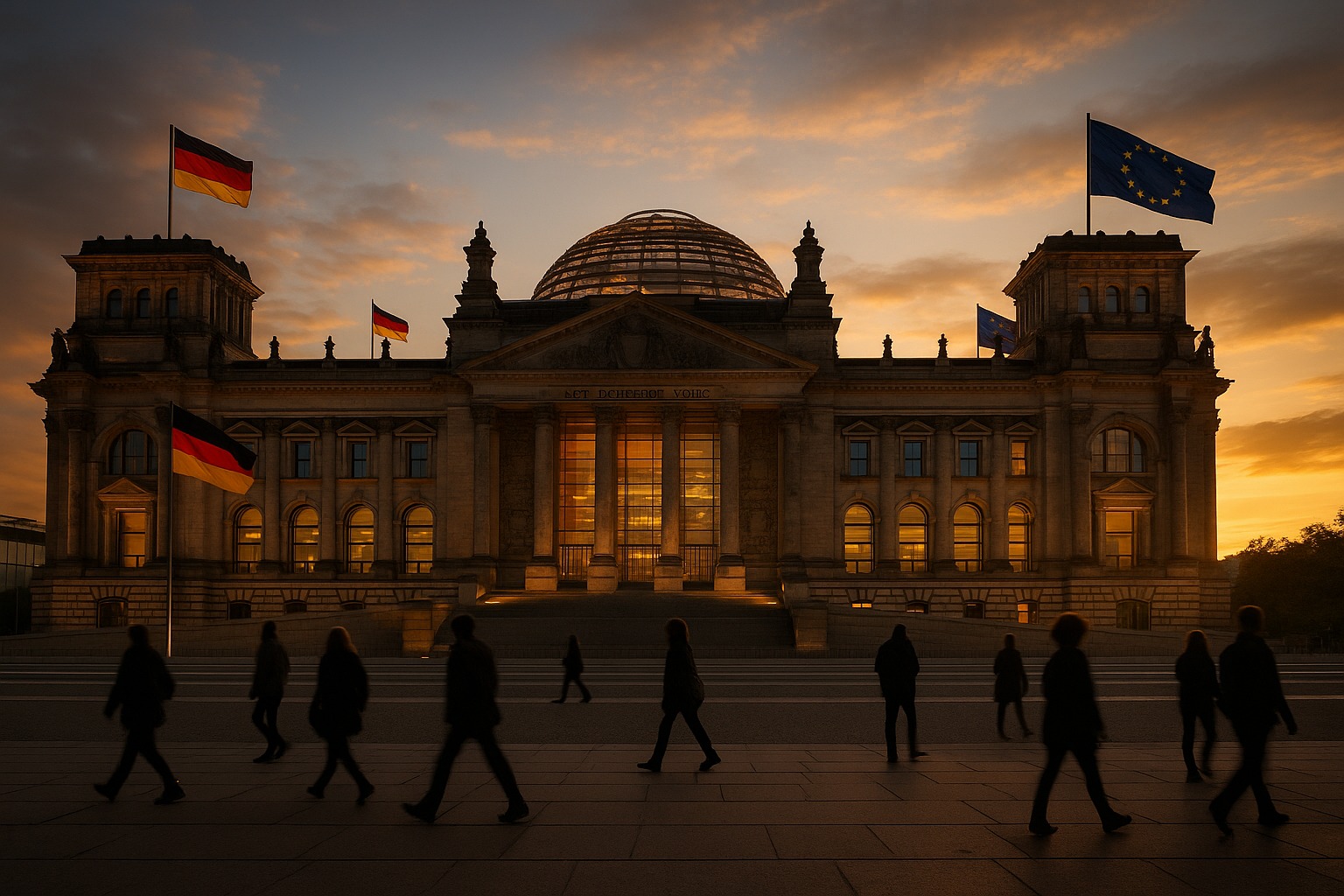
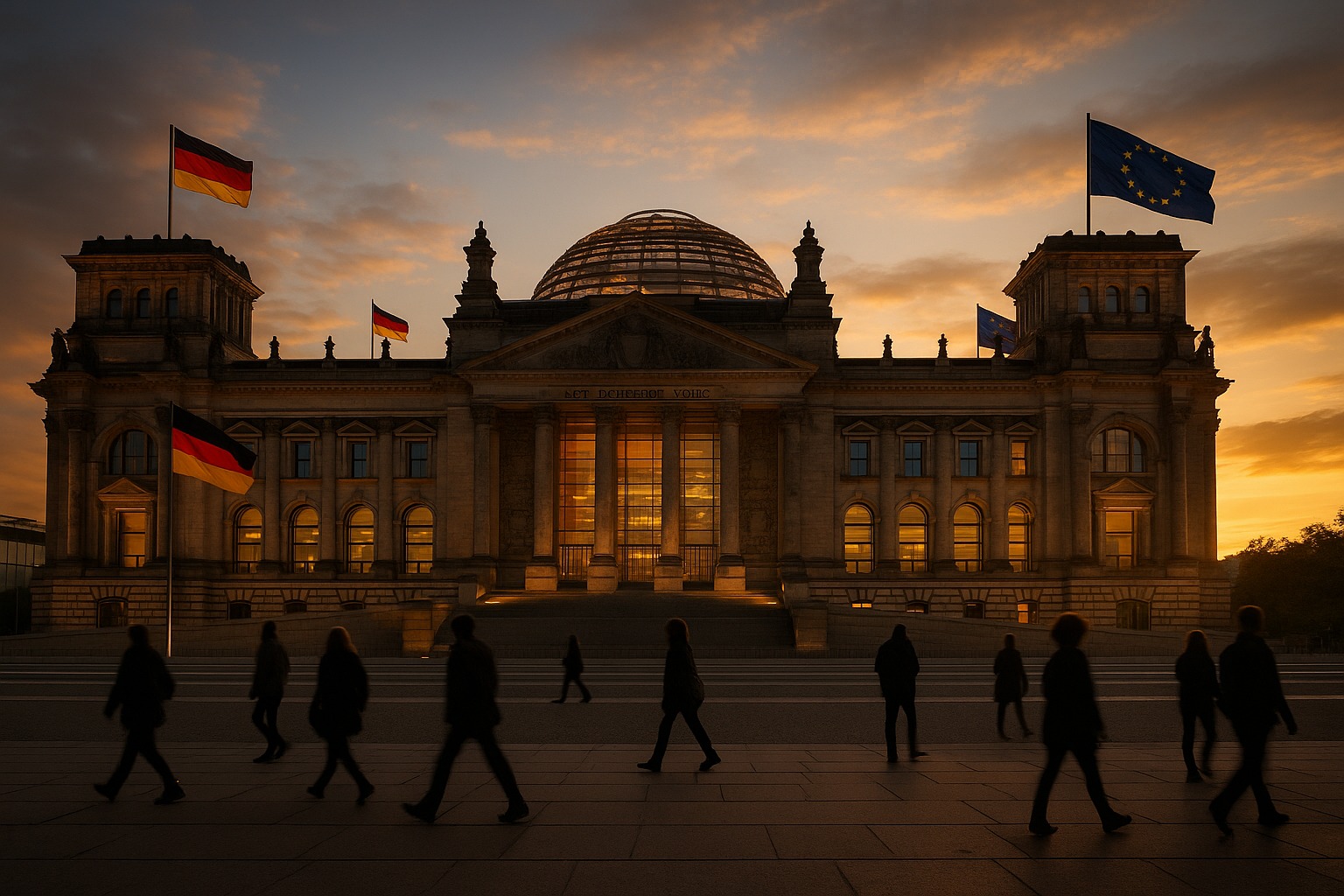
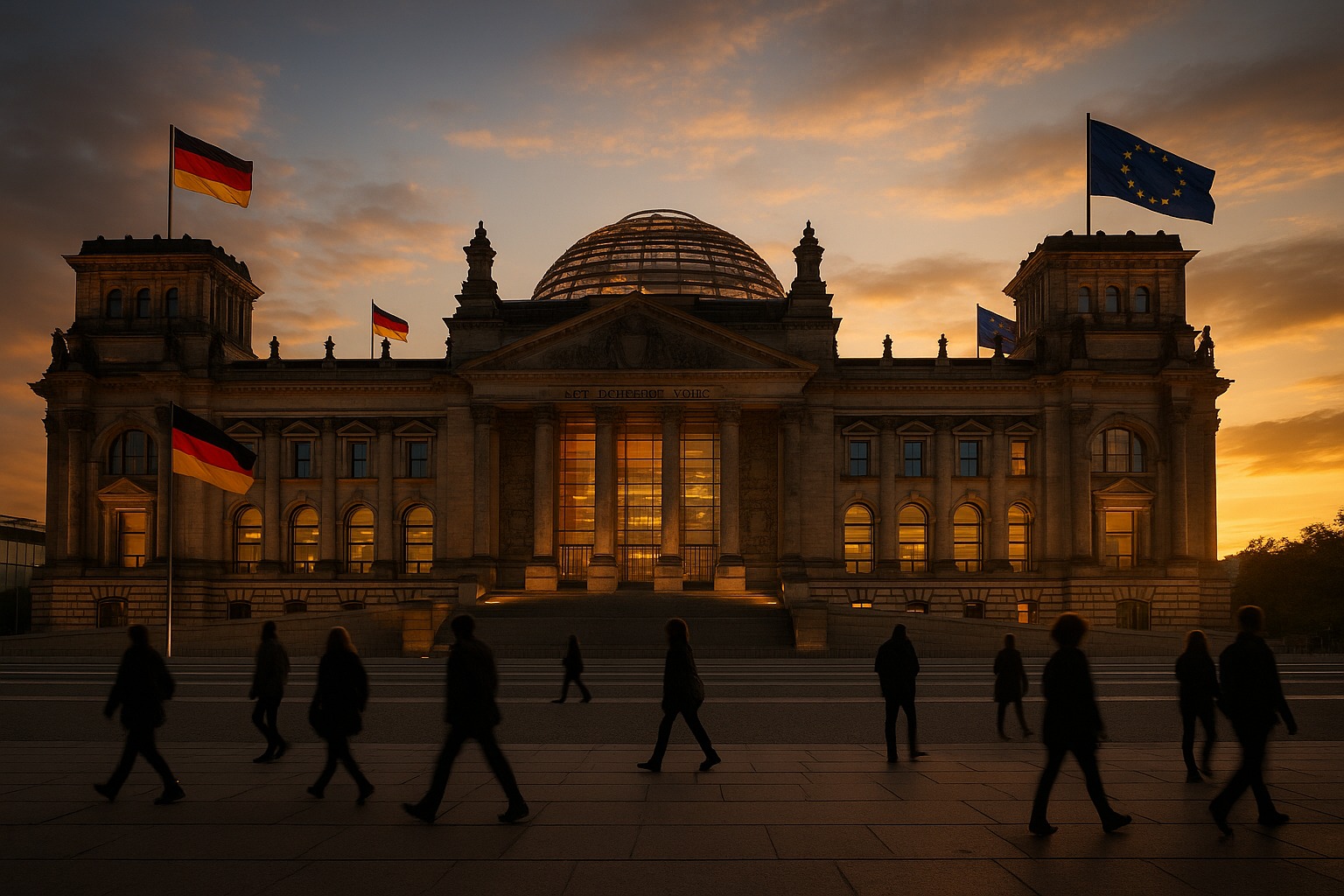
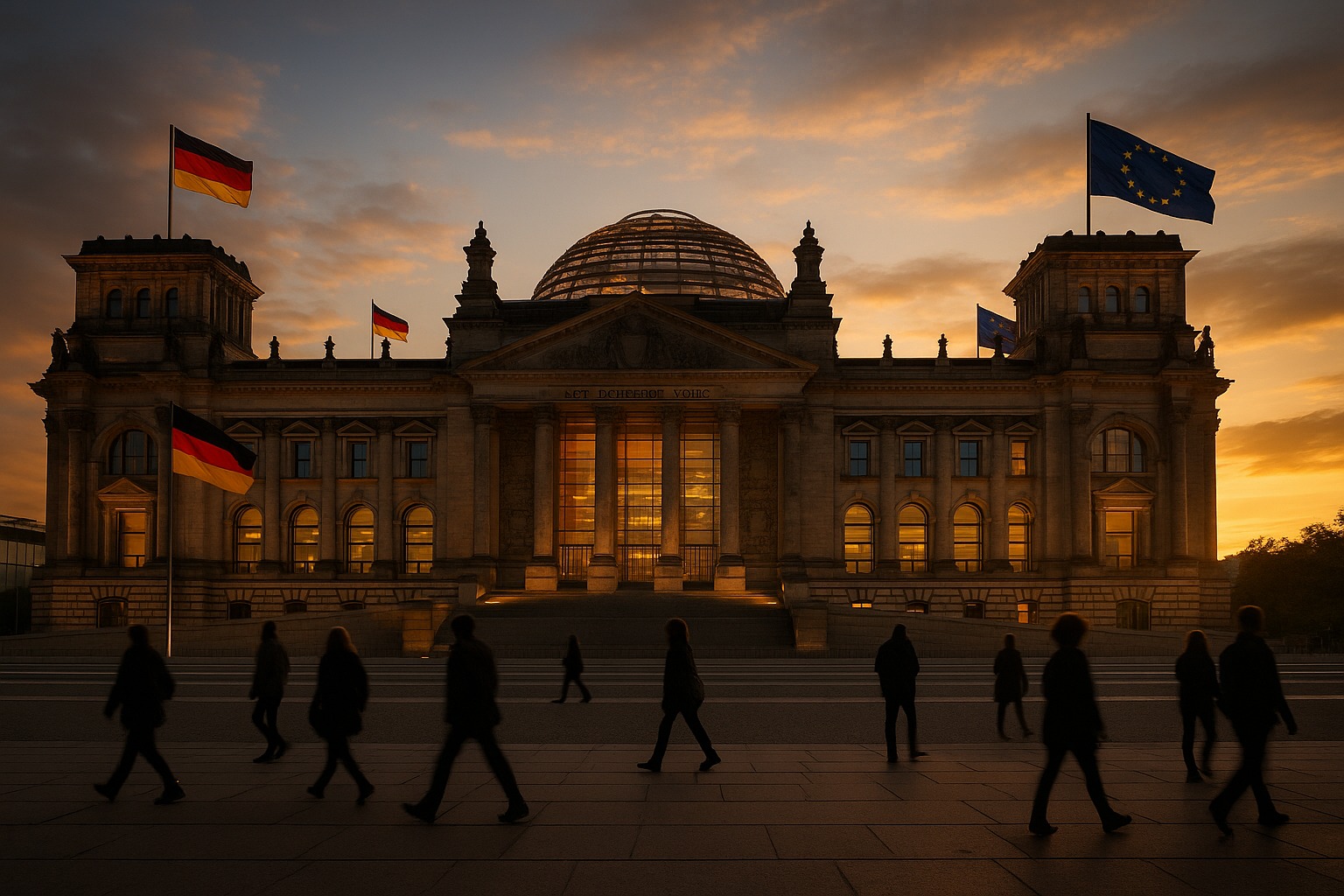
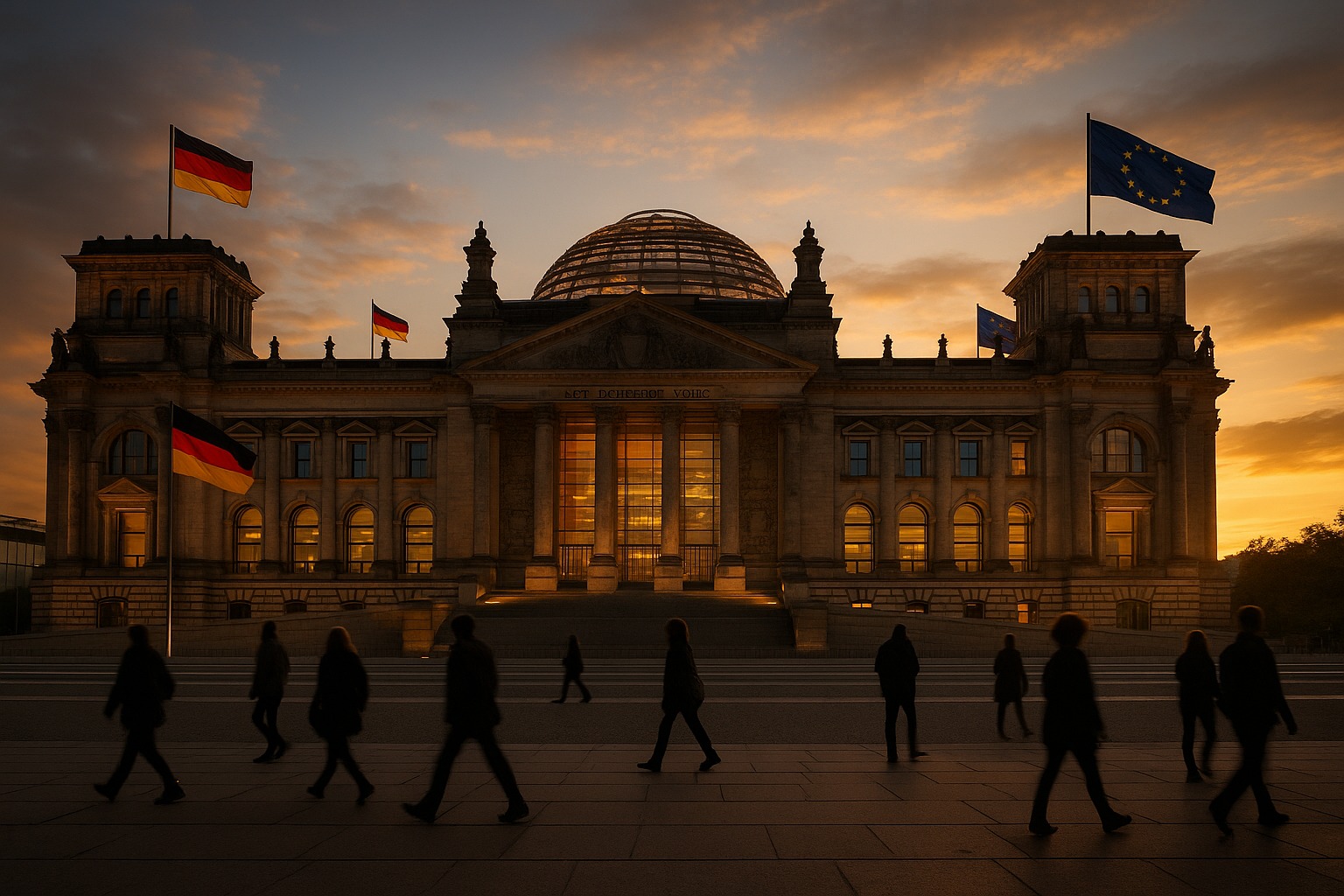
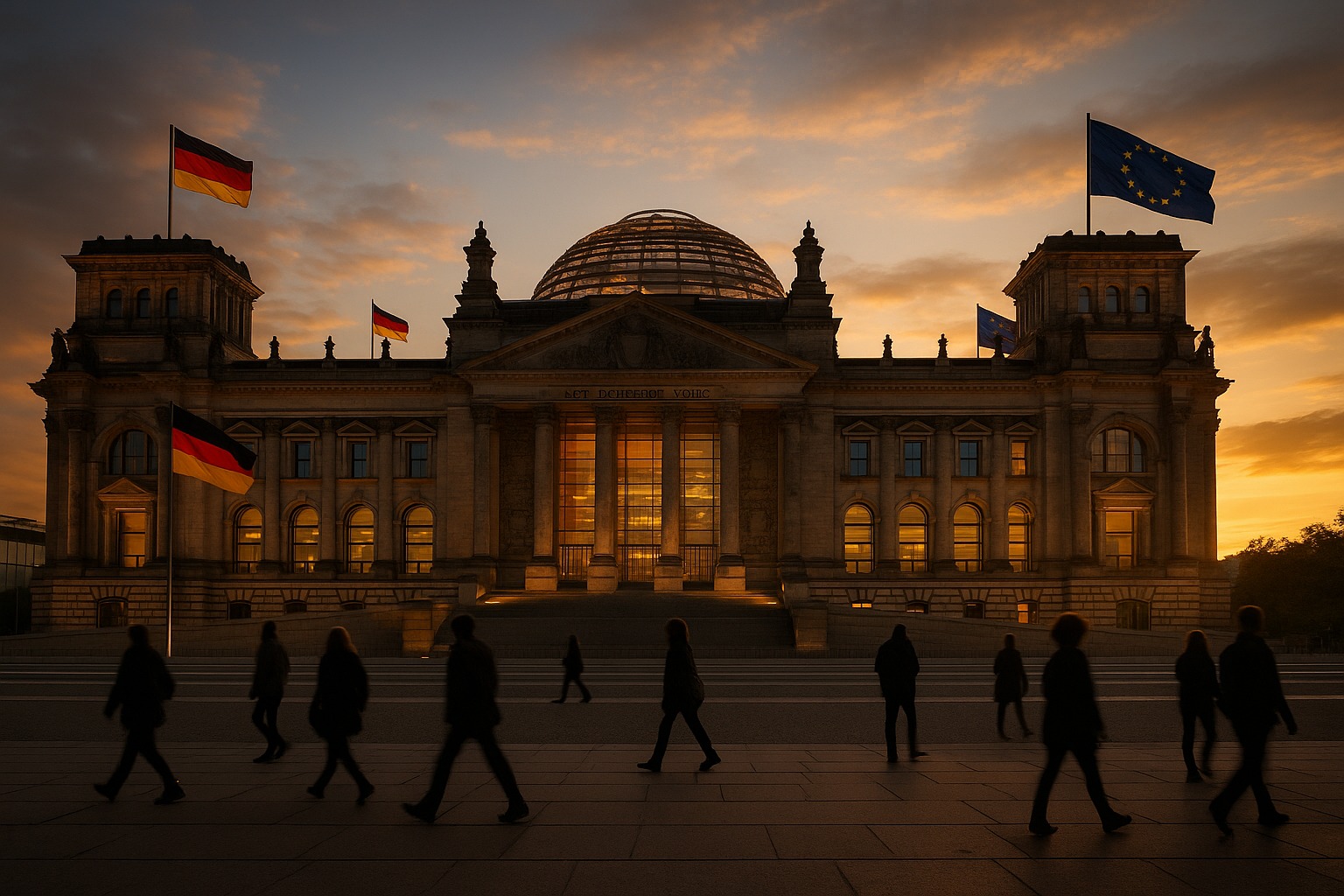
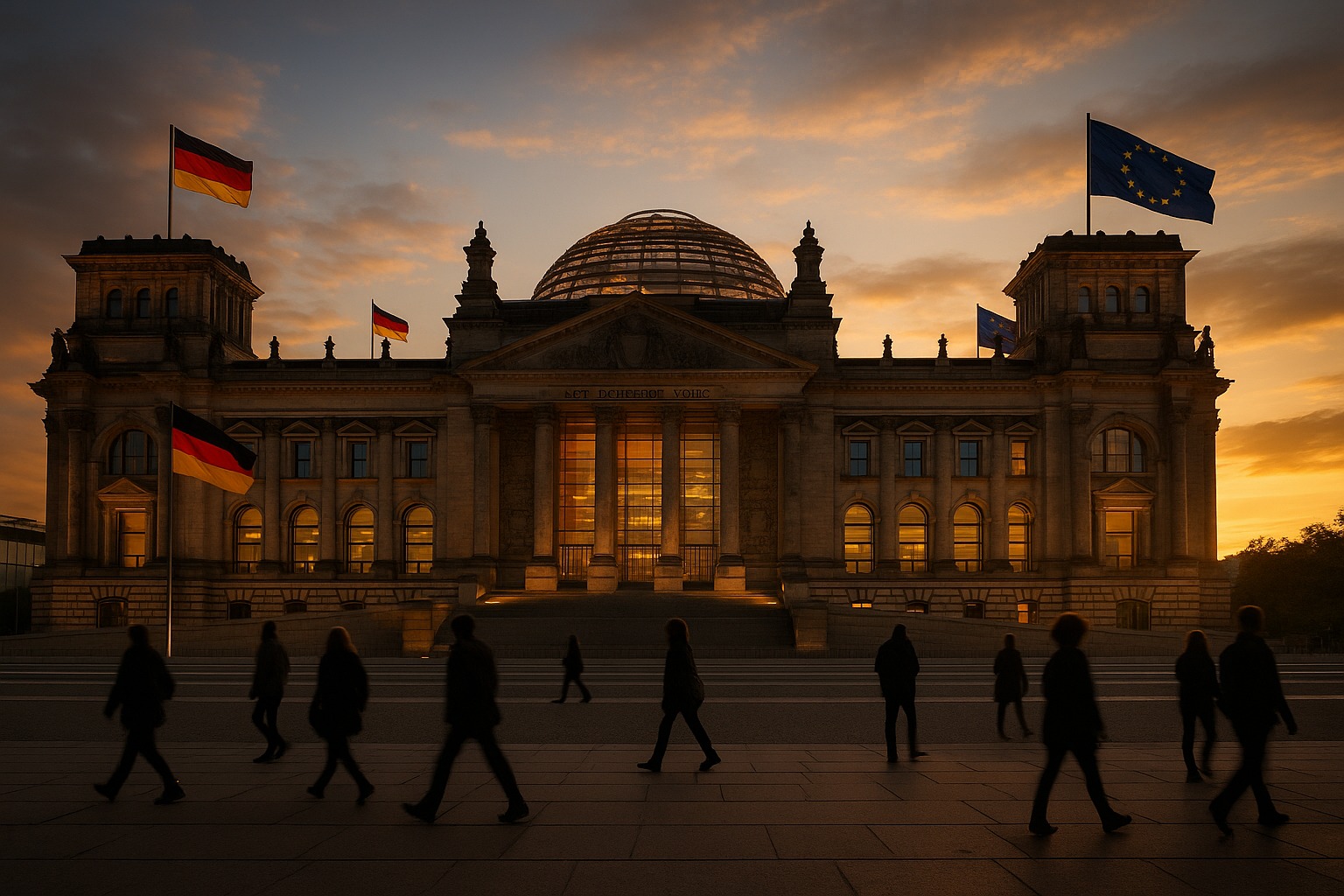
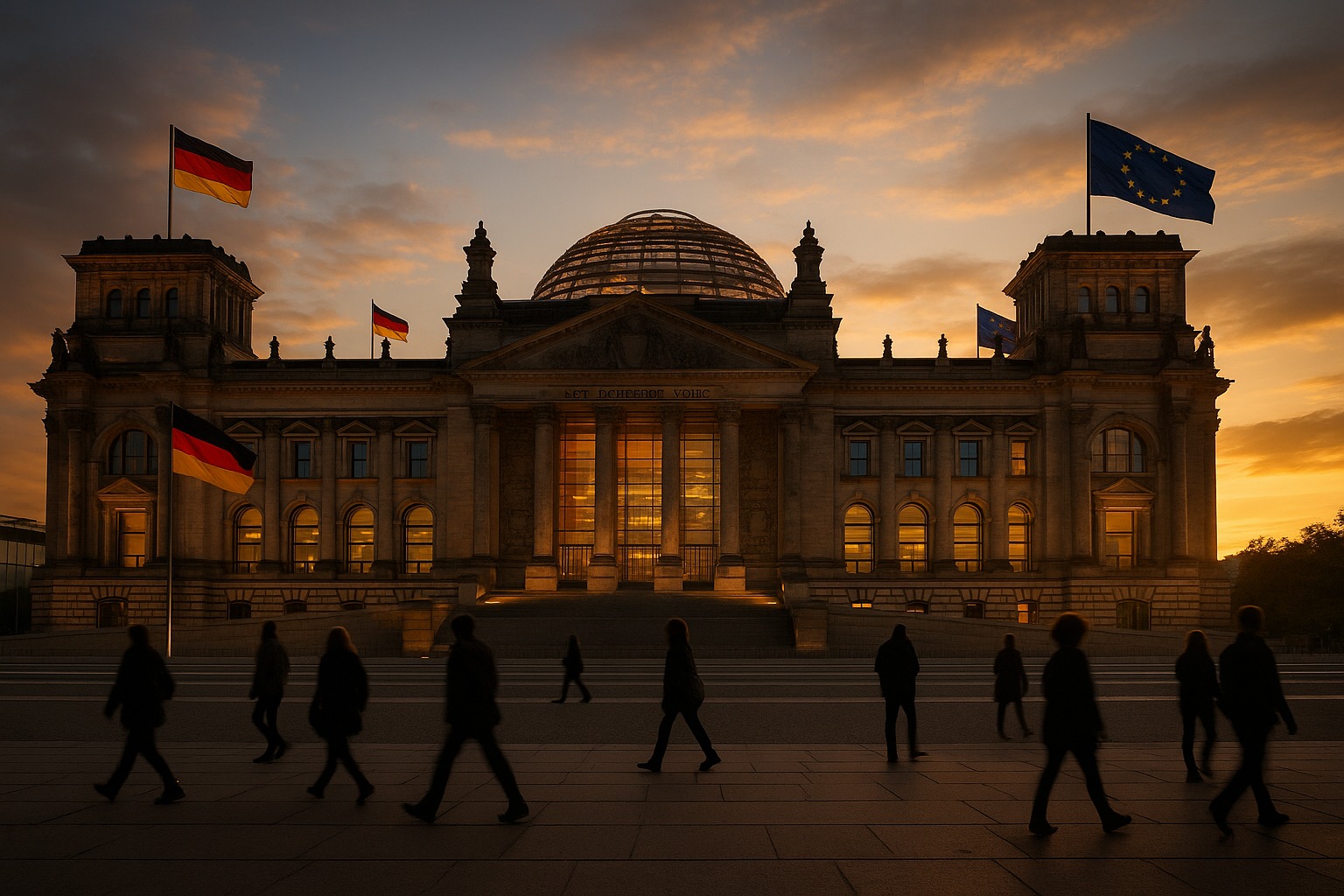
The flag of the Federal Republic of Germany (black – red – gold) was adopted as the official flag of united Germany.
But why was no new flag designed to express the union? And why was the flag of East Germany not taken into account?
In this article, we explain the political, historical and legal background that led to this decision and what this flag symbolises in German collective memory.
First: What did the flags of West and East Germany look like?
The flag of West Germany (Federal Republic of Germany – FRG/BRD)
It consists of three equal horizontal stripes in black, red and gold, without any additional symbols.
The flag of East Germany (German Democratic Republic – GDR/DDR)
It used the same three colours, but bore socialist emblems in the centre: a hammer, a compass and a wreath of grain – symbolising workers, intellectuals and farmers.
Second: The origins of the three colours – why black, red and gold?
The three colours go back to:
-
the uniforms of the Lützow Free Corps, which fought against Napoleon in 1813. Their uniforms were black with red facings and golden brass buttons.
-
Later, these colours became a symbol of democracy and popular revolution in 1848 and subsequently the flag of the democratic Weimar Republic (1919–1933).
Thus, the colours of West Germany’s flag represented the democratic and liberal traditions of Germany – in contrast to the symbolism of the Empire, National Socialism or state socialism.
Third: Why was the West German flag preferred at reunification?
-
Legal and constitutional continuity
The Federal Republic of Germany (FRG) was not founded as a new state after reunification; instead, it remained the continuing state in terms of international and constitutional law, integrating the GDR into its existing order.
Therefore, its Basic Law (Grundgesetz), its flag and its coat of arms were retained as they were, as symbols of the legitimate state that continued to exist.
-
Rejection of the symbolic legacy of the socialist system
The flag of East Germany carried the emblem of a communist state system that had collapsed as a result of a peaceful popular revolution.
Many Germans – especially in the East – wanted a clear break with the political symbols of the defunct regime.
-
Avoiding divisive or controversial symbols
Had the two flags been combined or a completely new flag created, this could have triggered intense political and identity-related debates.
Choosing the West German flag was seen as a consensual solution: it enjoyed international recognition and expressed unity under the banner of democracy.
Fourth: How did East Germans view this decision?
At first, some East Germans voiced concern about being “absorbed” rather than genuinely integrated.
However, the black-red-gold flag soon became a symbol of unity and freedom, especially because it was already raised on 9 November 1989, the day the Berlin Wall fell, in central squares in Berlin.
Today, the flag is viewed as a symbol of a break with both Nazism and state socialism, and as an expression of belonging to democratic Europe.
Fifth: Why was no new flag designed for unified Germany?
Although there were some proposals in the early 1990s (for example to add a star or additional symbolic stripes),
the overwhelming majority of political parties and social forces agreed that:
-
Germany was not starting from scratch but continuing its democratic project;
-
national symbols should be simple, stable and internationally recognisable;
-
retaining the existing flag was part of the legal and political stability needed after reunification.
Conclusion
The decision to adopt the West German flag after reunification was not a mere formality; it reflected deep historical and intellectual choices.
Over time, this flag has become associated with freedom, unity and democratic identity in opposition to oppression and division.
For this reason, it remained unchanged: black – red – gold, flying over a unified state and representing a nation that has chosen to move beyond its past and look towards the future with confidence.
* The writing and editorial team of the website strives to provide accurate information based on thorough research and consultation of multiple sources. Nevertheless, errors may occur or information may be presented that is not entirely verified. Therefore, the information in these articles should be regarded as an initial point of reference, and you should always turn to the competent authorities for definitive and legally binding information.