Login/Create Account


Elections in Germany
Introduction
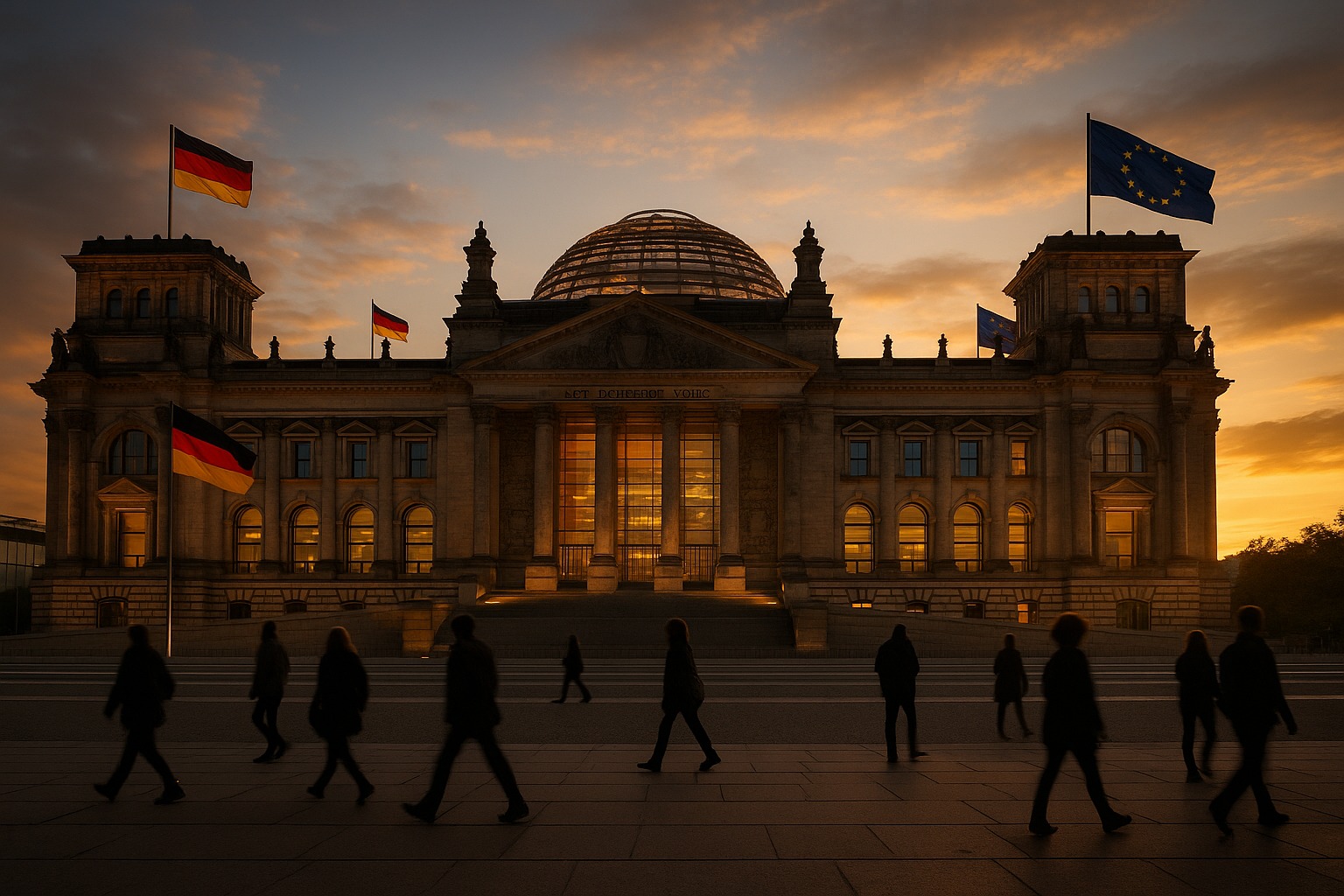
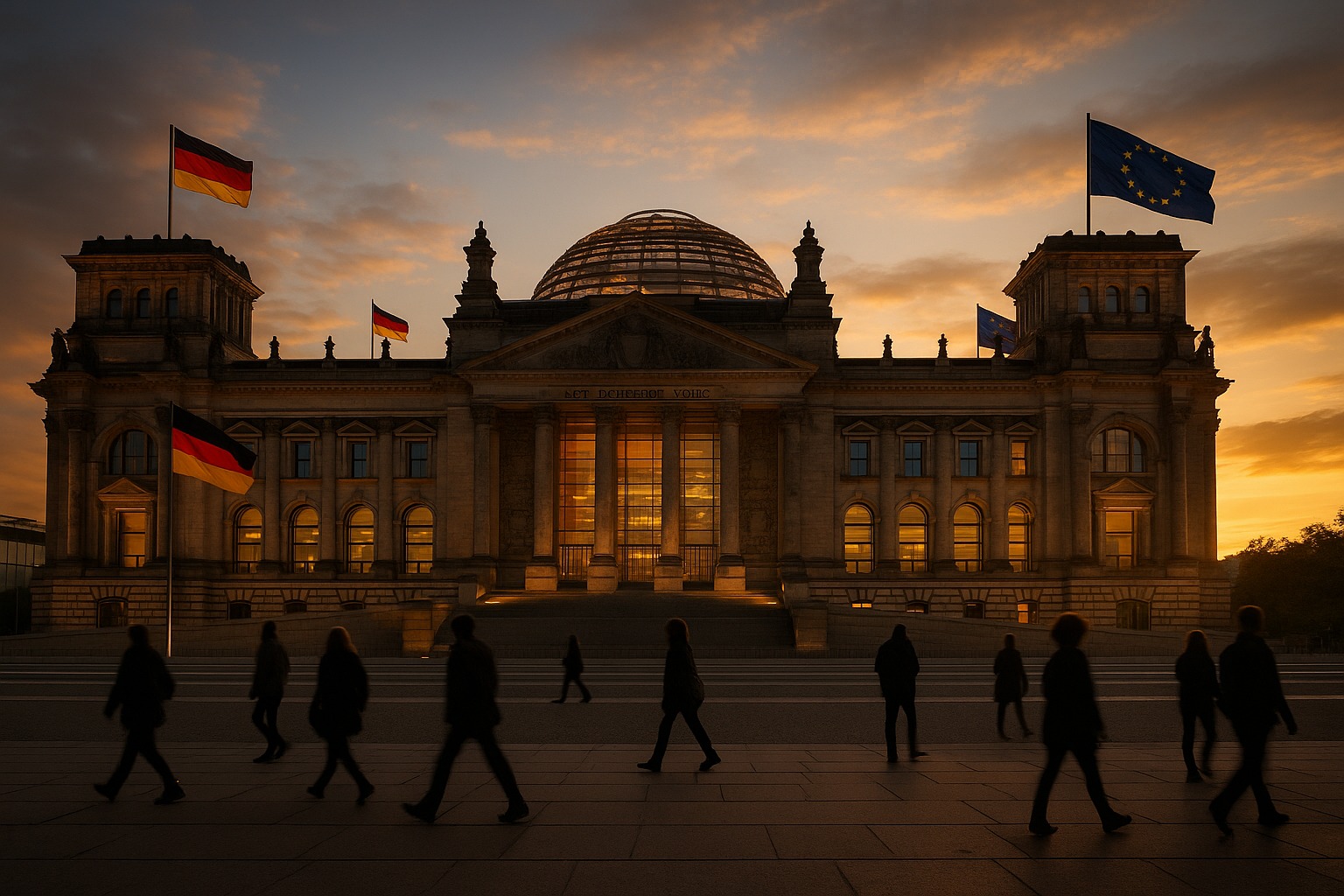
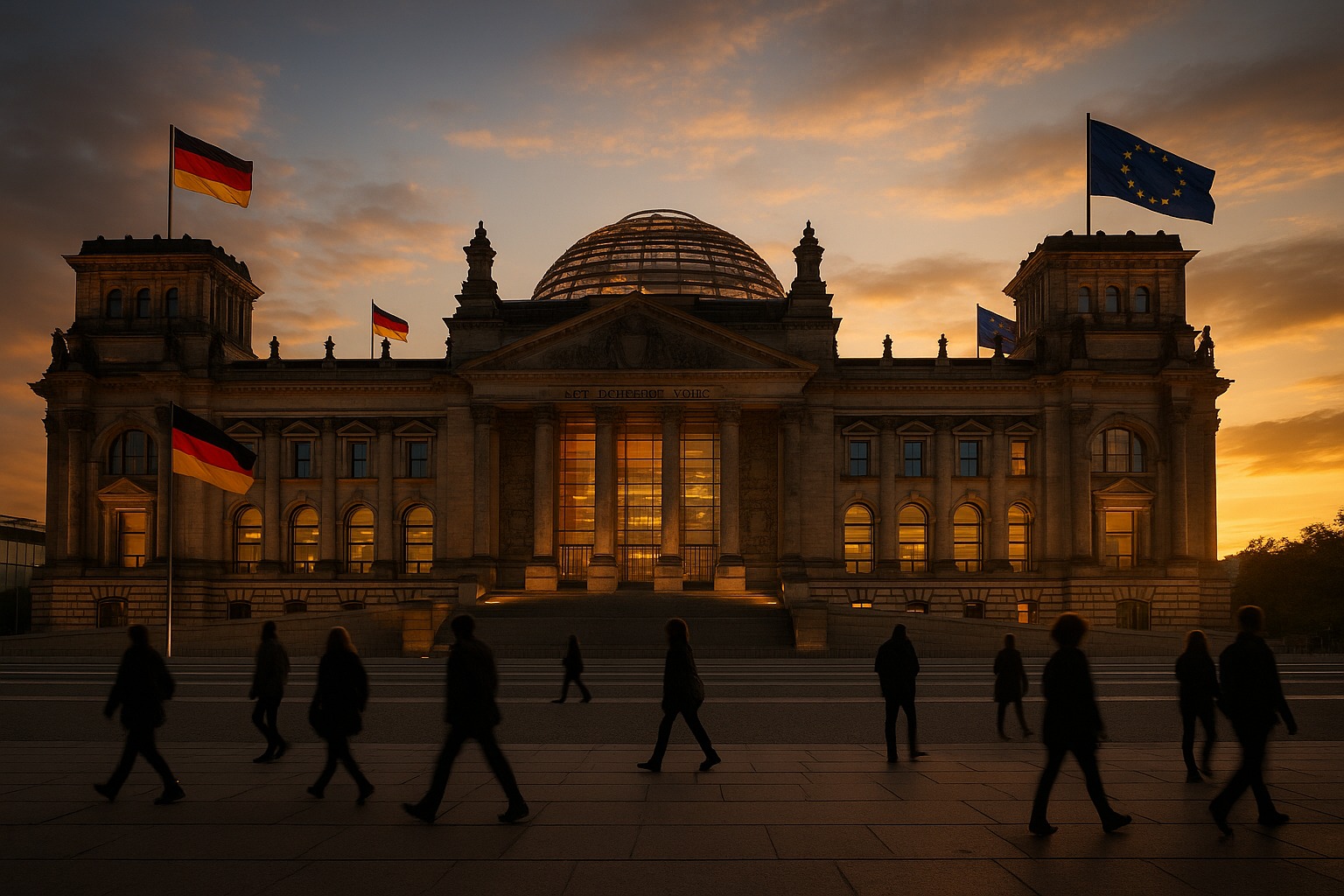
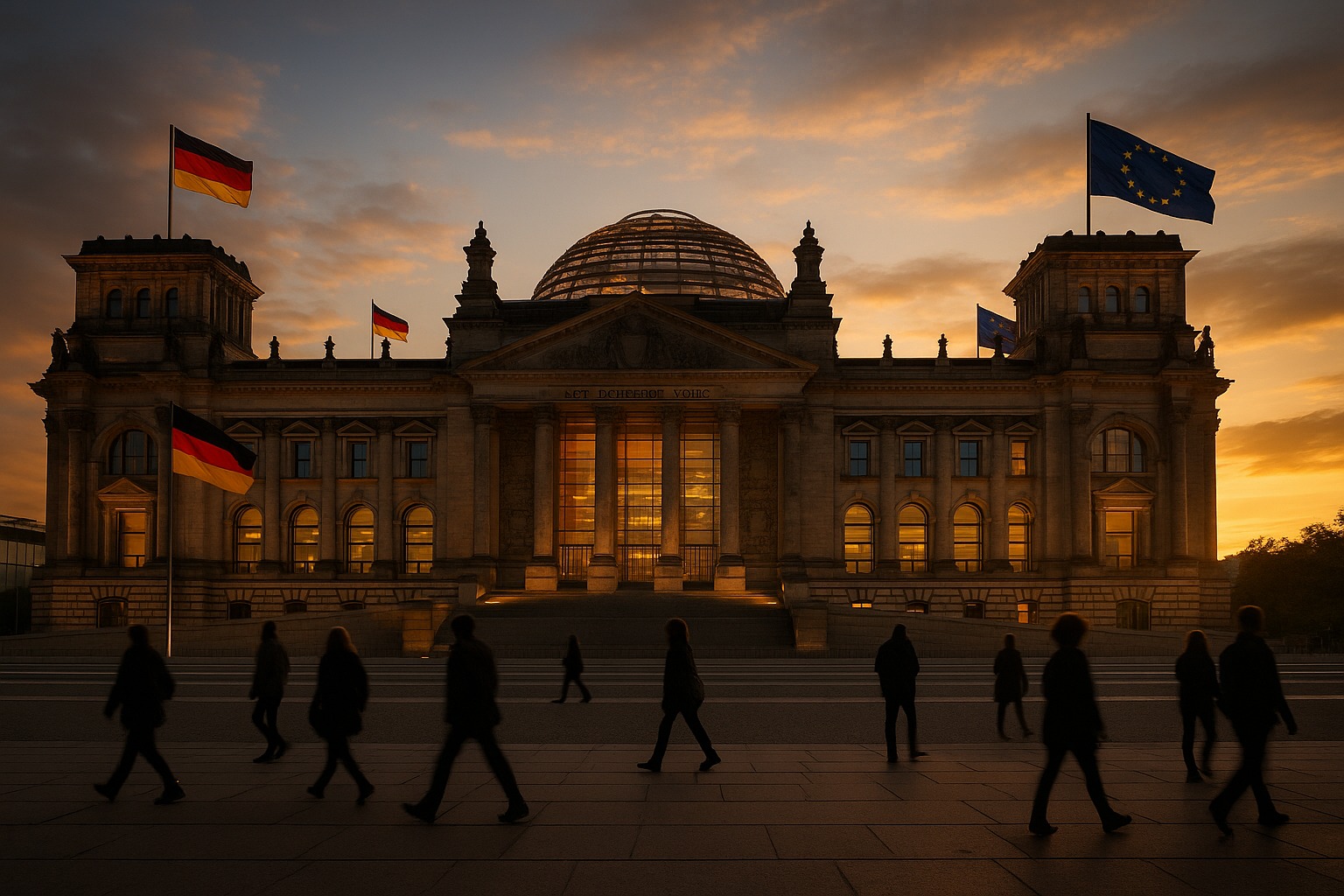
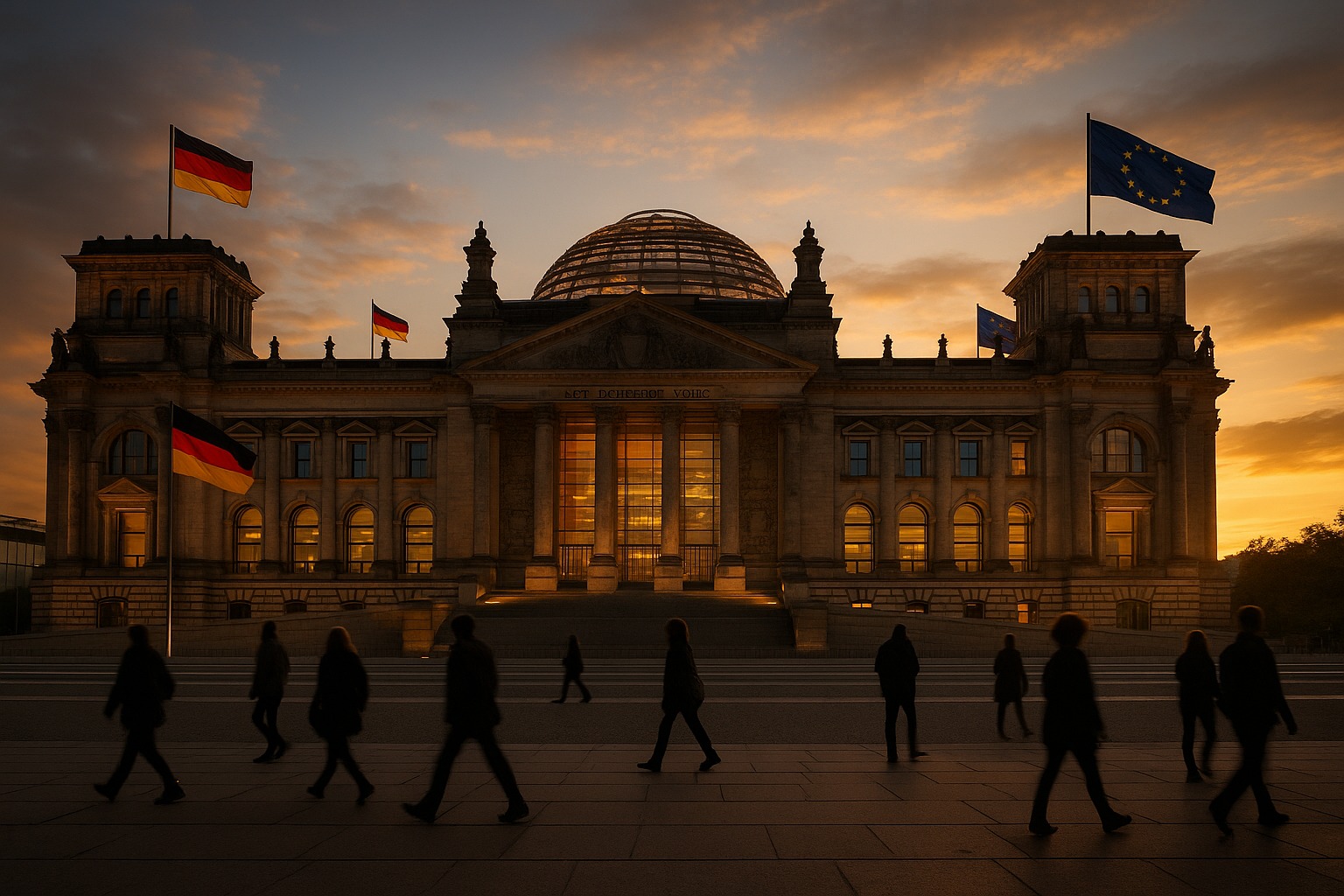
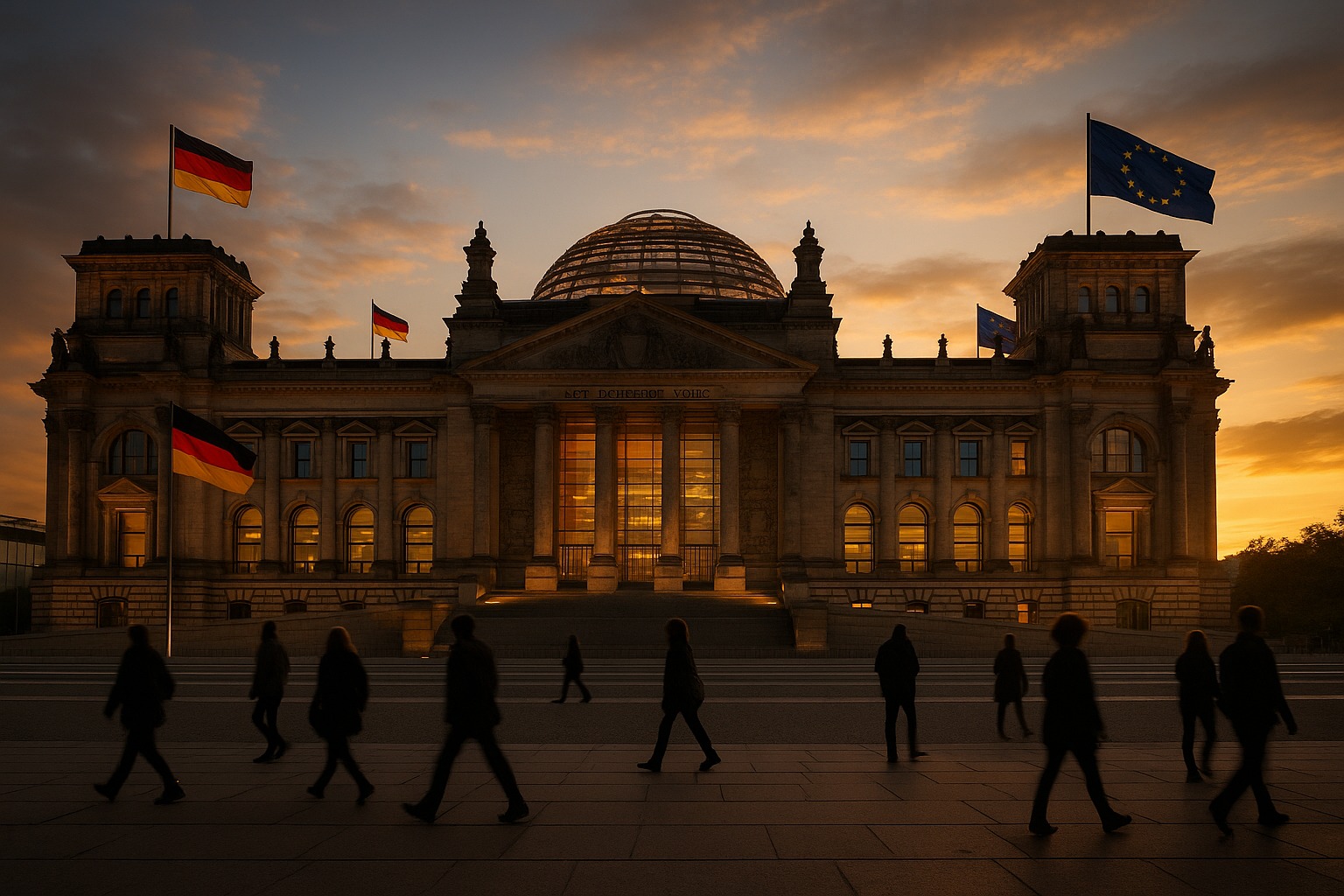
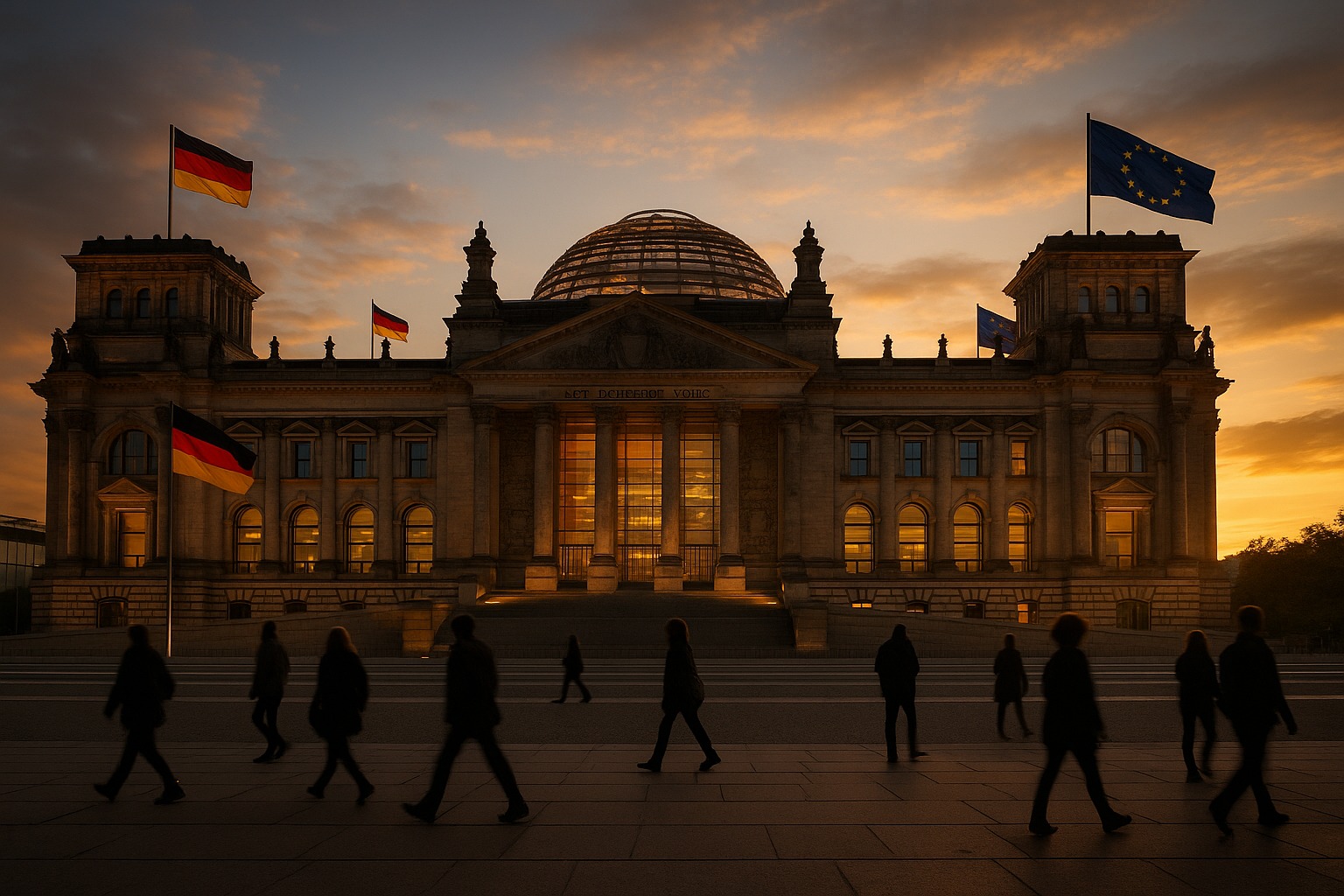
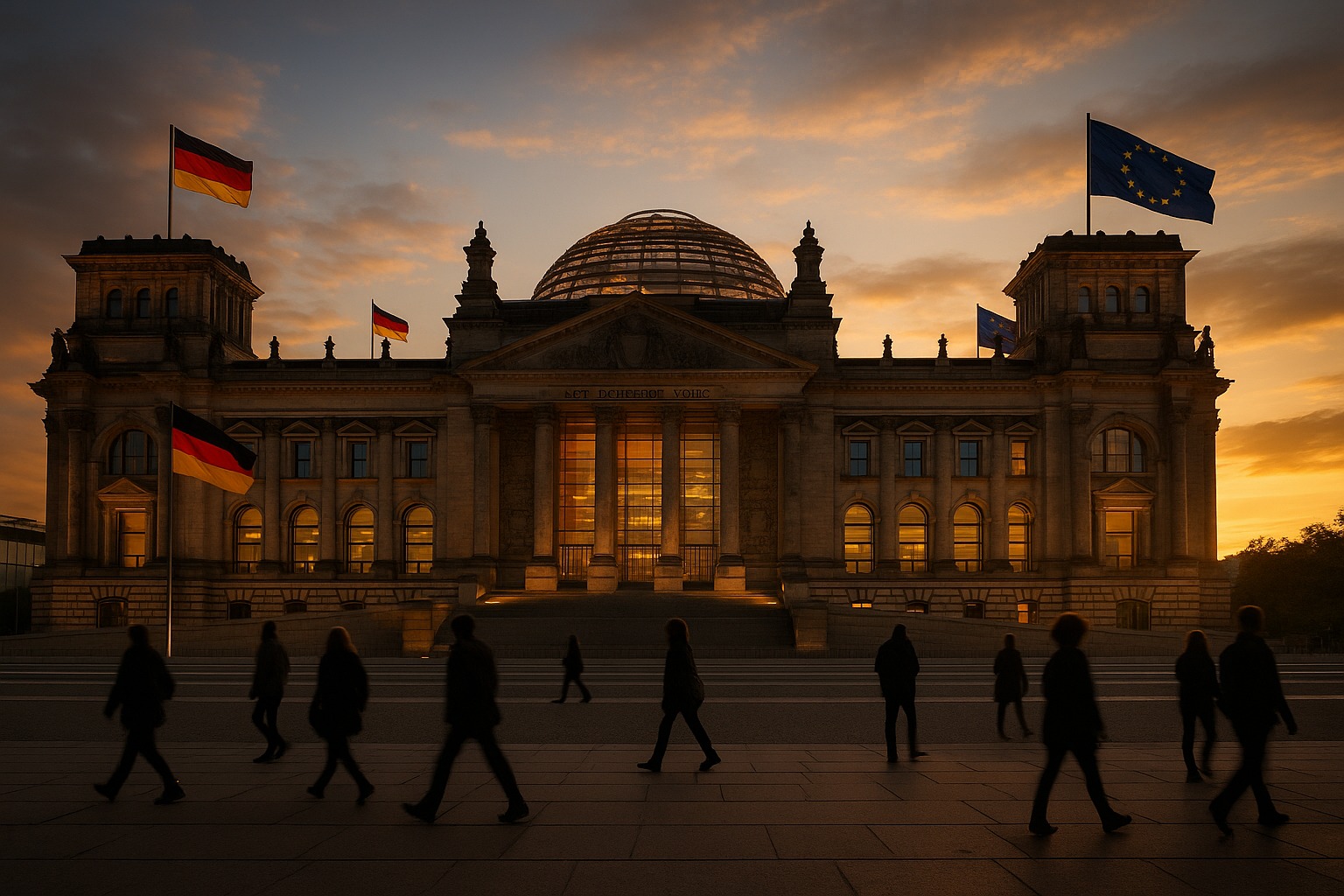
Free elections are the cornerstone of democracy in Germany. They give all citizens the opportunity to participate actively in the political process and to have a real say in government policy. Through elections, those parties that win the support of a majority of voters are authorised to form the government for a fixed term and to implement their political programmes. If citizens are dissatisfied with government policy, they can express this through their vote in the next election. This article explains the electoral system in Germany, outlining the different types and levels of elections, the stages of the electoral process, and the conditions for standing as a candidate and for voting. It also discusses the key characteristics of elections in the country, voter turnout rates and some challenges facing the electoral process.
Types of elections
The electoral process in Germany takes place on several levels, the most important of which are:
-
Federal parliamentary elections (Bundestag elections):
Voters elect the members of the federal parliament (Bundestag), who in turn elect the Federal Chancellor (Bundeskanzler). The Bundestag is the main legislative body in Germany and represents all German citizens. -
State elections (Landtagswahlen):
These are held every five years in the federal states. The election calendar is not harmonised; state elections take place at different times. Bremen is the only state in which elections are held every four years. The names of the state parliaments differ: in Hamburg and Bremen they are called the “Bürgerschaft”, in Berlin the “Abgeordnetenhaus”, and in the other states they are known as the “Landtag”. -
Local elections (Kommunalwahlen):
In these elections, political representatives for municipal and local councils are chosen, as well as mayors and district administrators. Citizens of other European Union member states living in Germany are also entitled to vote in these elections, even if they do not hold German citizenship.
Conditions for standing and voting
In principle, any person over the age of 16 who holds German citizenship has the right to stand as a candidate and to vote. An exception applies in the federal state of Hesse, where candidates must be at least 21 years old. Elections are always held on a Sunday, which is a day off for most employees, thus giving them sufficient opportunity to go to the polling stations.
The voting system – two votes
In German parliamentary elections, voters usually have two votes:
-
First vote (Erststimme):
The first vote is used to choose a candidate in the voter’s constituency (direct election). The candidate who receives the most votes in the constituency wins a direct mandate and is elected directly to the Bundestag. -
Second vote (Zweitstimme):
The second vote is cast for a party list (proportional representation). This vote is considered more important, as it determines the proportional distribution of seats in parliament.
Before election day, voters receive a written polling notification (Wahlbenachrichtigung) by post, informing them of the location of their polling station and providing further organisational details.
Key characteristics of elections
Elections in Germany are characterised by several fundamental principles:
-
Direct (Direkt):
German citizens exercise their voting rights directly by choosing their representatives themselves. -
Free (Frei):
There is no compulsory voting; no one can be forced to cast a vote, and everyone is free to decide whether and for whom to vote. -
Equal (Gleich):
All votes carry the same weight; every vote counts equally. -
Secret / confidential (Vertraulich):
Voting is secret, and individual choices are treated as confidential.
There is also the so-called five per cent threshold (Fünf-Prozent-Hürde): a party must obtain at least 5% of the second votes nationwide or win three direct constituency seats in order to enter the Bundestag. This rule aims to prevent excessive fragmentation of parliament by too many small parties.
Voter turnout
Election statistics in Germany show that turnout is relatively high. In the 1970s, voter participation often exceeded 90%. Since German reunification in 1990, turnout has fallen to around 80%. In the 2017 federal election, for example, 76.2% of eligible voters went to the polls.
Conclusion
Elections in Germany are a key instrument for expressing the popular will and for participating in political life. Through a well-defined electoral system, citizens ensure that their representatives in parliament are democratically legitimised and act on their behalf. Elections thus embody Germany’s commitment to democracy, transparency and the rule of law.
-
The team of writers and editors on the website strives to provide accurate information by conducting thorough research and consulting multiple sources when preparing articles. Nevertheless, errors may occur or information may be included that is not fully verified. Therefore, please regard the information in the articles as an initial point of reference and always consult the competent authorities and professional bodies for definitive and binding information.