Login/Create Account


Energy Efficiency Funding for SMEs: Reimbursing up to 40% of Machinery Costs for Small and Medium-Sized Businesses in Germany
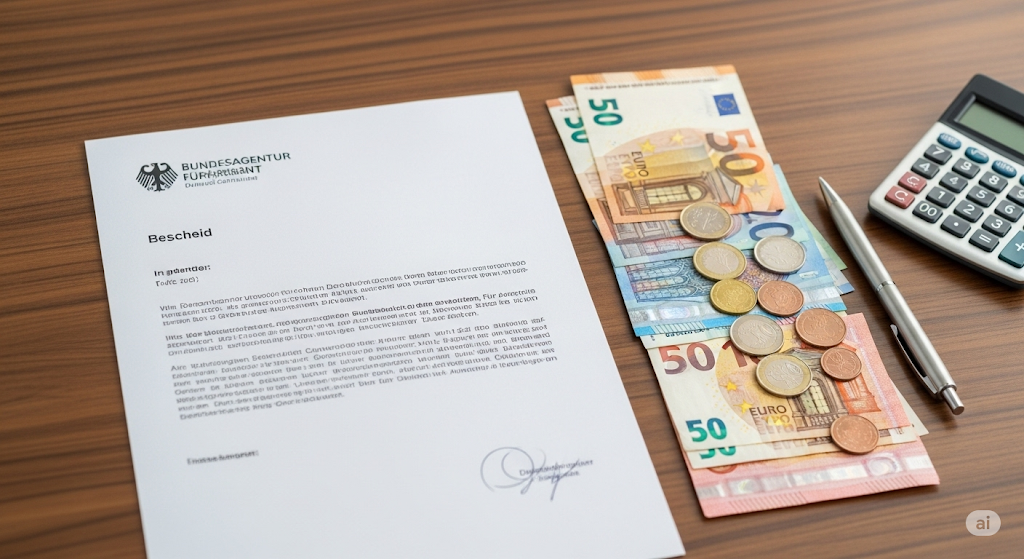
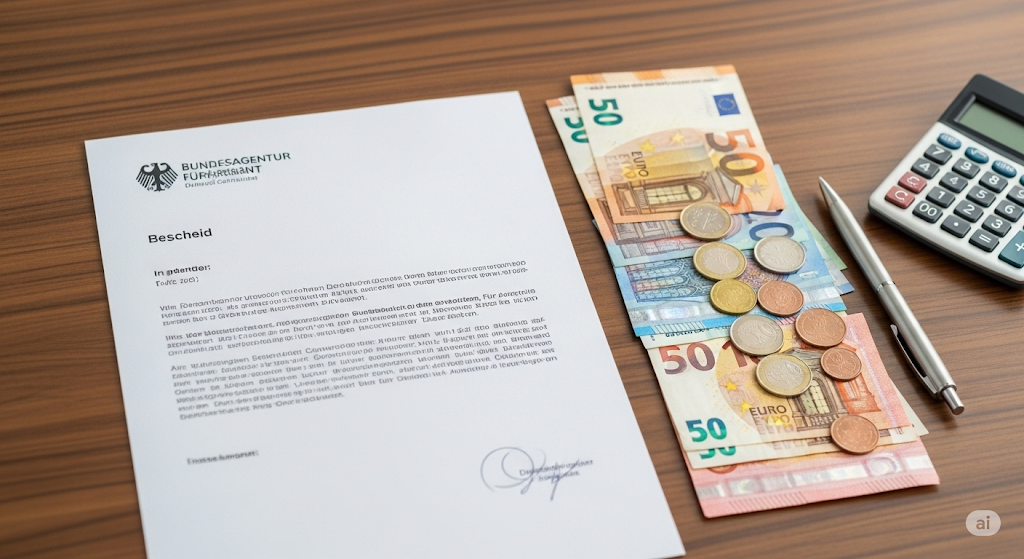
With energy prices rising and environmental pressure increasing, energy efficiency has become a core element of modern business strategy. In response, the German government offers several funding schemes to support small and medium-sized enterprises (SMEs) in replacing outdated machines and equipment with more energy-efficient alternatives. One of the best-known approaches—often referred to as “Energy Efficiency Funding for SMEs”—can reimburse up to 40% of investment costs for energy-saving equipment and technologies.
What is the goal of this program?
The program aims to:
-
reduce energy consumption in industry and services,
-
cut carbon dioxide emissions,
-
support innovation in production technologies,
-
help SMEs improve operational and environmental efficiency without excessive financial burden.
Which costs can be reimbursed?
Companies may be able to recover up to 40% of investment costs in areas such as:
-
purchasing new energy-efficient machines to replace old ones,
-
installing smart energy or production control systems,
-
upgrading industrial lighting to high-efficiency LED systems,
-
improving heating and cooling systems,
-
installing high-efficiency electric motors (IE3 or higher).
Practical example:
A mid-sized company invests €100,000 in modernizing production equipment with energy-efficient systems. Through this program, it could recover up to €40,000 as non-repayable support.
Who can benefit from the program?
Key conditions typically include:
-
the company is registered in Germany and qualifies as an SME (fewer than 250 employees and annual turnover below €50 million),
-
the project is related to energy efficiency in facilities/buildings or production lines and processes,
-
the project is implemented according to standards that ensure real, measurable energy savings.
Some sub-programs may also include larger companies if certain criteria are met.
Which institutions fund it?
This type of support is commonly provided via:
-
BAFA (Federal Office for Economic Affairs and Export Control)
-
KfW Bank, through programs such as “Energy Efficiency Program – Waste Heat” or “KfW Energy Efficiency Program – Production Facilities and Processes”
Support may come as a direct grant (Zuschuss) or as a low-interest loan.
How do you apply?
-
Contact a certified energy consultant (Energieberater) to assess the current situation.
-
Prepare a clear investment plan showing the expected energy savings.
-
Submit the application via BAFA or KfW portals before starting the project.
-
Implement the project after approval.
-
Submit invoices and implementation reports to receive the funding payment.
What are the real benefits for the company?
-
Lower operating costs over the long term through reduced energy consumption.
-
Improved sustainability performance, strengthening the company’s image with customers and partners.
-
A more profitable investment because government support shortens the payback period.
-
Increased competitiveness by adopting modern technologies.
Conclusion
Energy efficiency funding for SMEs is a strategic opportunity for small and medium-sized businesses in Germany. With generous public support of up to 40% of the cost of new equipment, companies can reduce expenses, boost efficiency, and move toward a more sustainable business model. Investing in energy efficiency today is not only environmentally smart—it’s also economically sound.
—
The website’s writing and editorial team strives to provide accurate information through extensive research and reviewing multiple sources. However, mistakes may occur or some details may be unconfirmed. Please treat the content as an initial reference and always consult the relevant official authorities for verified information.