Login/Create Account


Introduction
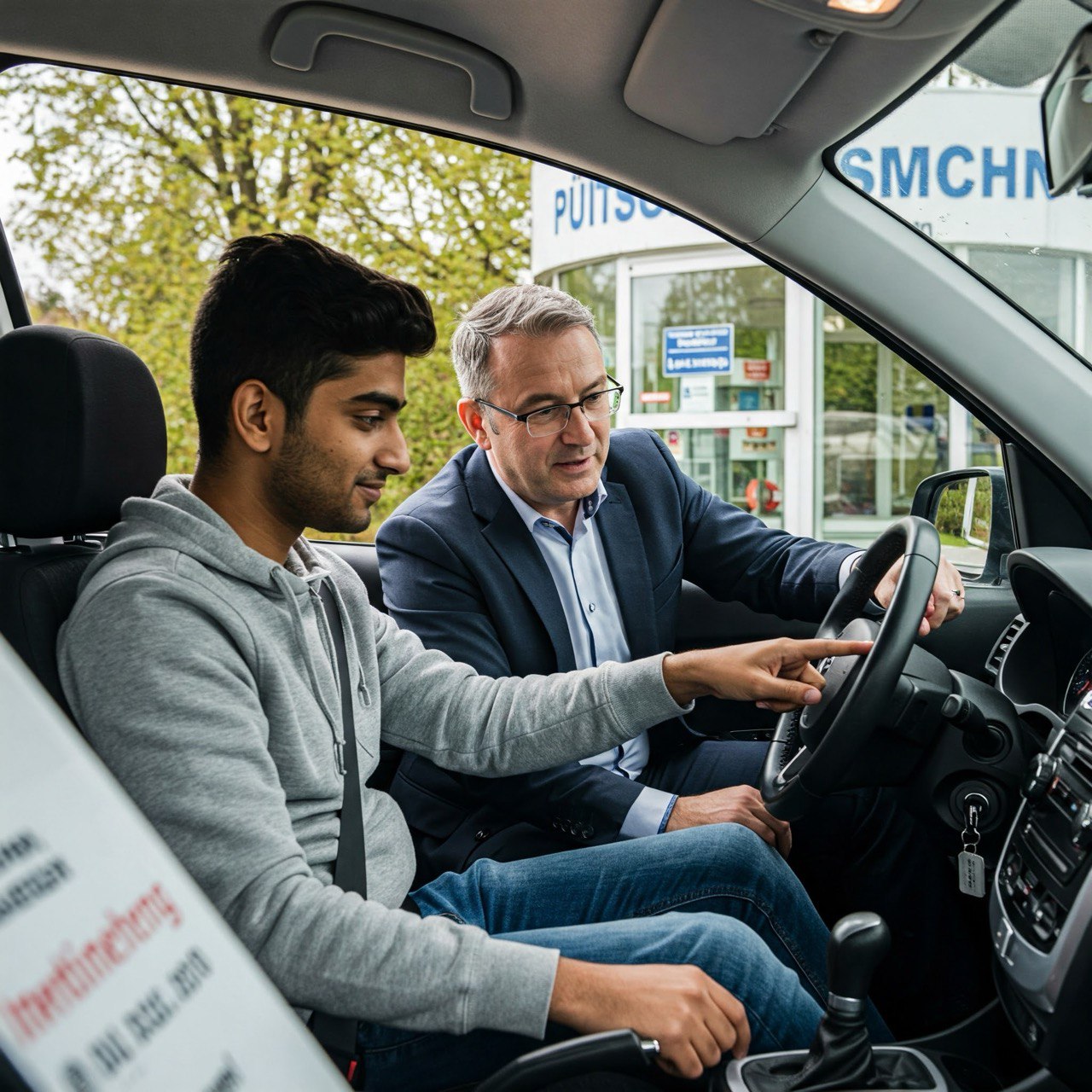
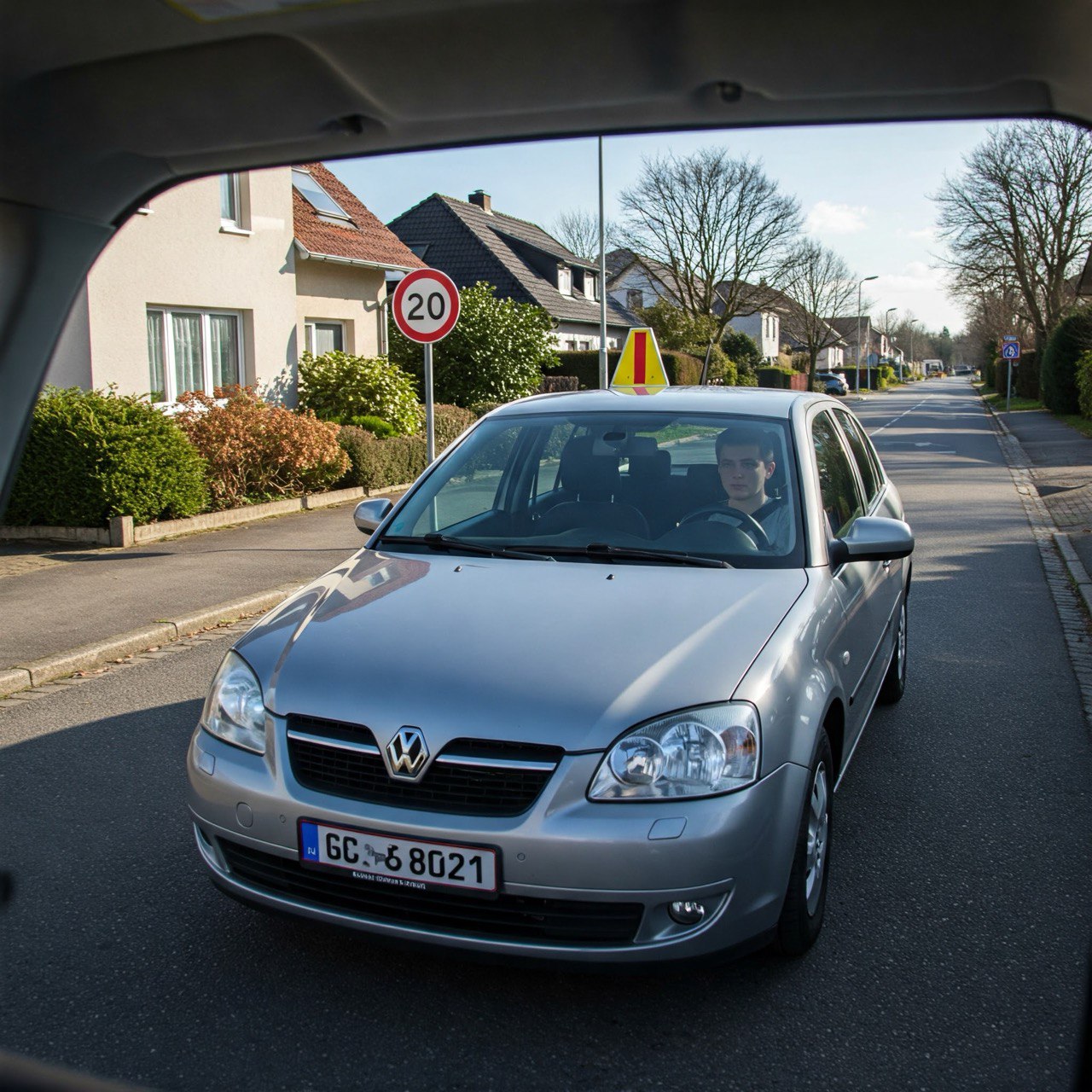
Practical driving lessons (Praktische Fahrstunden) are an essential part of the training required to obtain a driving licence in Germany. These lessons aim to teach learner drivers how to handle the vehicle (Fahrzeug) and to improve their driving skills under various conditions.
The importance of practical driving lessons
Learning to operate the vehicle:
During practical lessons, the learner acquires the necessary skills to operate and control the car. This strengthens their confidence and enhances their ability to drive safely.
Training for different driving conditions:
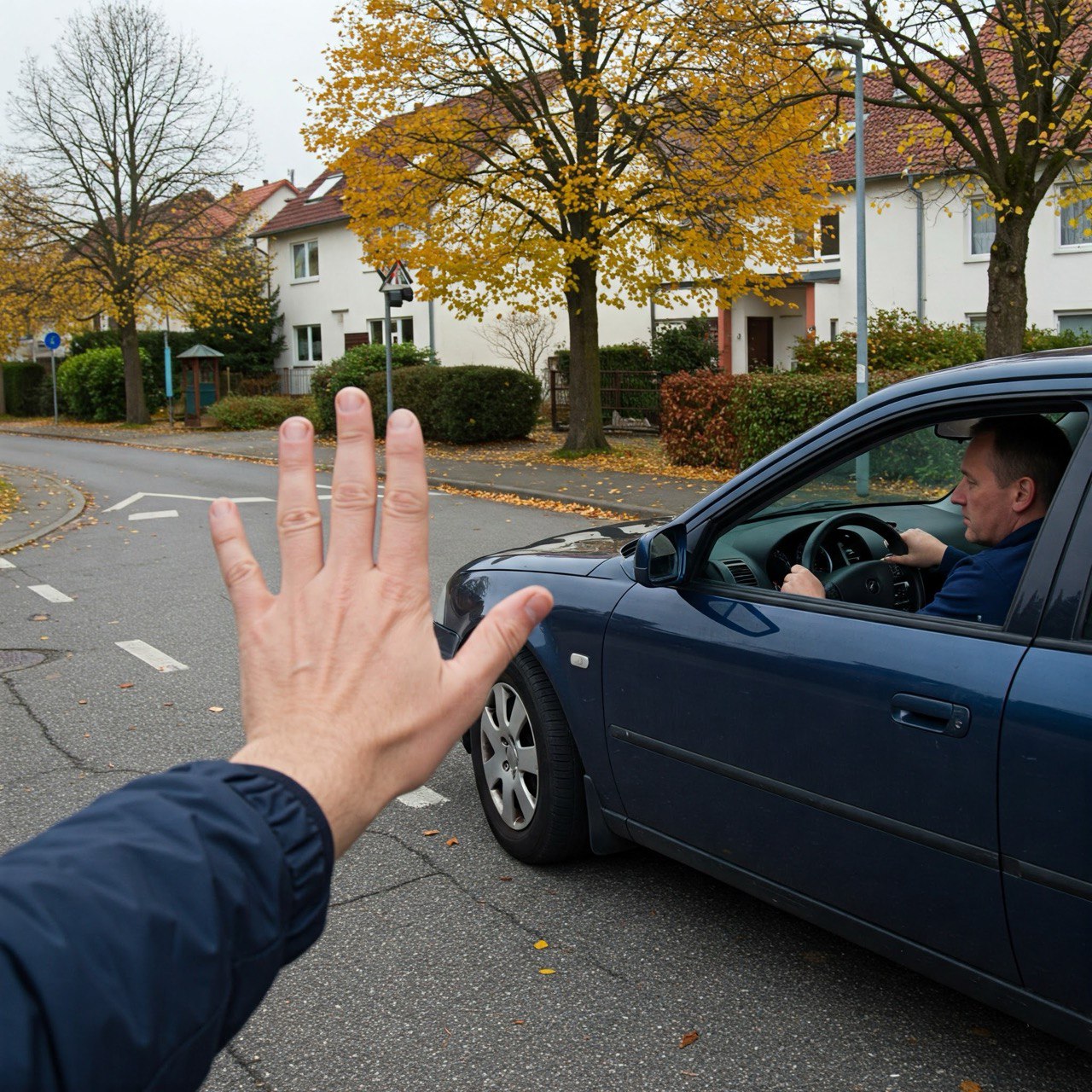
The lessons include driving on public roads (Öffentliche Straßen) and dealing with a range of traffic situations, such as heavy traffic and faster roads.
Number of required driving hours
Learner drivers are required to complete a certain number of practical driving lessons. The exact number depends on each person’s individual needs and abilities, and the mandatory hours can be exceeded if necessary:
Category B – standard car driving licence (Klasse B):
Usually, around 12 practical driving lessons are required. However, some learners may need more hours, depending on their skill level and how quickly they progress.
Types of driving lessons
City driving lessons:
These focus on driving in urban areas and learning how to deal with city traffic and frequent changes in traffic situations.
Motorway lessons:
These emphasize driving on motorways (Autobahn), including joining and leaving the motorway, overtaking, and driving at higher speeds.
Night-time or driving in the dark:
These lessons teach learners how to drive under low-light conditions and in situations with limited visibility.
How to make the most of practical driving lessons
-
Identify your personal needs:
Learners should assess their own skills honestly and discuss with their driving instructor (Fahrlehrer) how many hours they are likely to need. -
Continuous practice:
It is advisable to leave enough time between lessons for practice and consolidation, so that the newly learned skills can be reinforced. -
Communicate with your instructor:
Learners are encouraged to ask questions and discuss any uncertainties with their instructor to gain a comprehensive understanding of all aspects of driving.
Conclusion
Practical driving lessons are a vital part of the learning process in Germany. By identifying their personal needs, practising regularly and maintaining good communication with their instructor, learner drivers can improve their skills and obtain their driving licence in a safe and effective way.
* The website’s team of writers and editors strives to provide accurate information through thorough research and by consulting multiple sources. Nevertheless, errors may occur or information may be included that is not fully verified. For this reason, the information presented in the articles should be regarded as an initial point of reference only, and you should always contact the competent authorities to obtain confirmed and legally binding information.