Login/Create Account


Introduction
Passing the practical driving test (Praktische Prüfung) is a crucial step towards obtaining your driving licence (Führerschein) in Germany. This exam requires concentration, solid driving skills and a good understanding of traffic regulations. Here are some tips that will help you succeed in this test.
Preparing for the practical test
-
Good preparation:
-
Make sure you have spent enough time practising with your driving instructor (Fahrlehrer). A 45-minute drive should be smooth and free of any serious mistakes.
-
Review all important aspects of driving, such as controlling the vehicle, paying attention to traffic signs and signals, and the rules for stopping and parking.
-
-
Knowing the route:
-
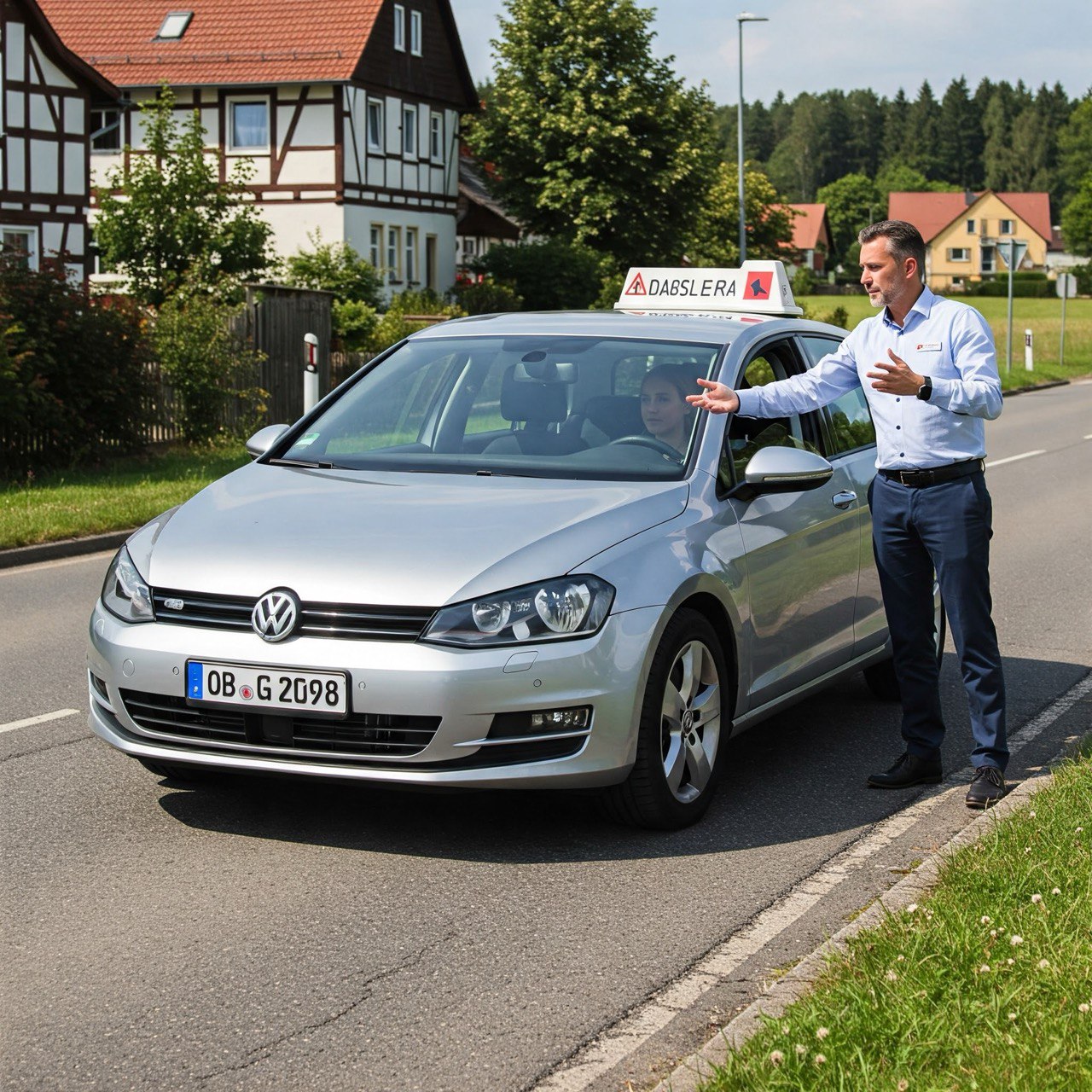
It is helpful to have a clear idea of the type of route you will be driving. Typical test routes may include: driving in closed or low-traffic streets (geschlossene Straßen), driving on the motorway (Autobahn) and performing tasks such as parking (Parken).
-
-
Check-in at the meeting point:
-
Be sure to arrive on time at the meeting point (Treffpunkt), where you will meet the examiner (Prüfer) and your driving instructor. This is usually in front of the driving school (Fahrschule).
-
During the practical test
-
Interacting with the examiner:
-
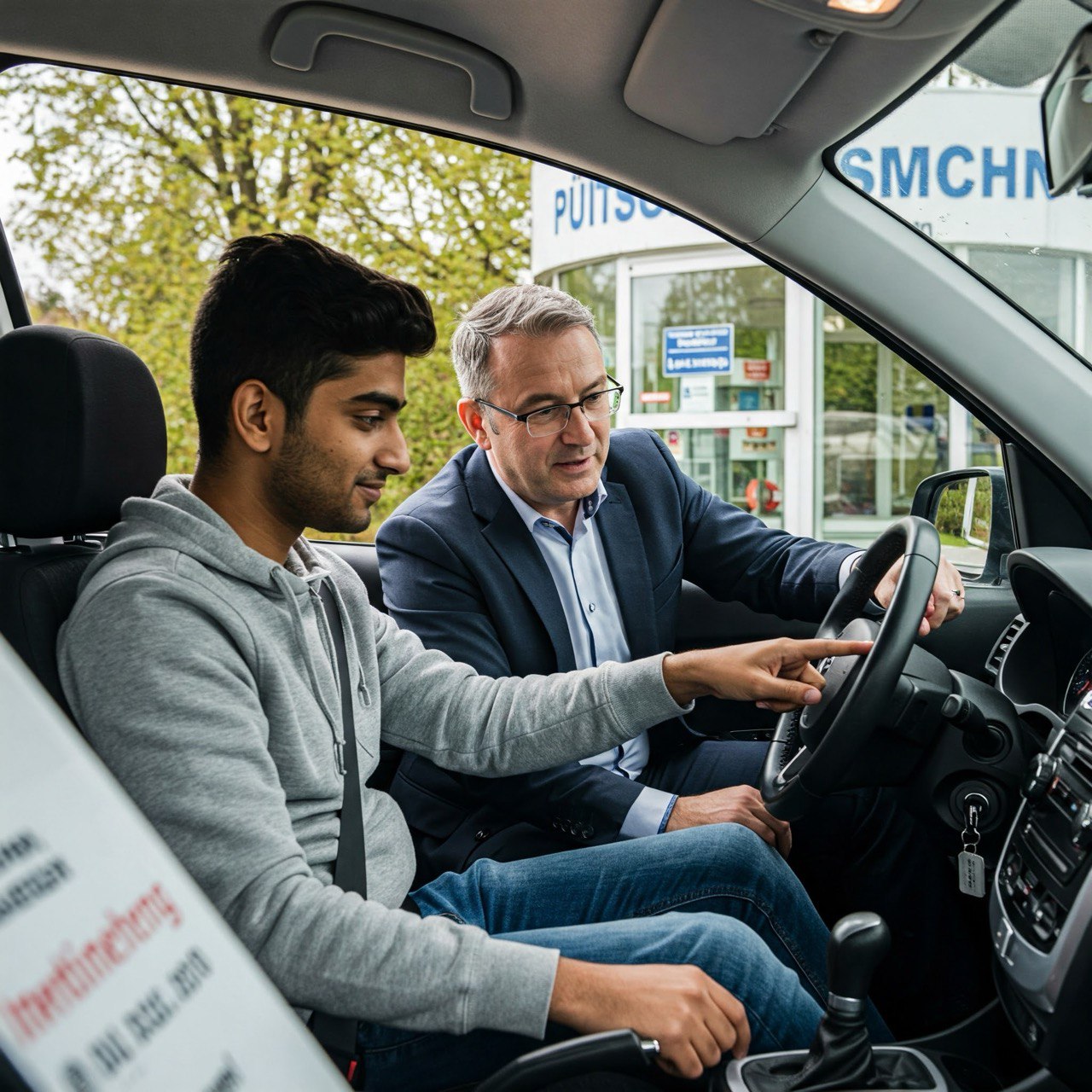
The examiner usually sits in the back seat, while your instructor sits beside you in the passenger seat. You must be ready to drive independently, as your instructor is not allowed to give you advice or instructions during the test.
-
-
Performing the basic tasks:
-
The test normally includes three main tasks, such as:
-
Parking (Parken): You must demonstrate that you can park the car correctly and safely.
-
Emergency braking (Notbremsung): You must be able to carry out an effective emergency brake when required.
-
Driving in urban traffic (Stadtverkehr): For example, driving in closed residential areas or in busy city streets.
-
-
-
Avoiding serious mistakes:
-
You should avoid serious errors such as:
-
Driving through a red traffic light (rote Ampel)
-
Ignoring a stop sign (Stoppschild)
-
Endangering other road users (Gefährdung anderer Verkehrsteilnehmer)
-
-
If your driving instructor has to intervene during the test (for example by braking or steering), this usually means that you will not pass the exam.
-
What happens after the practical test?
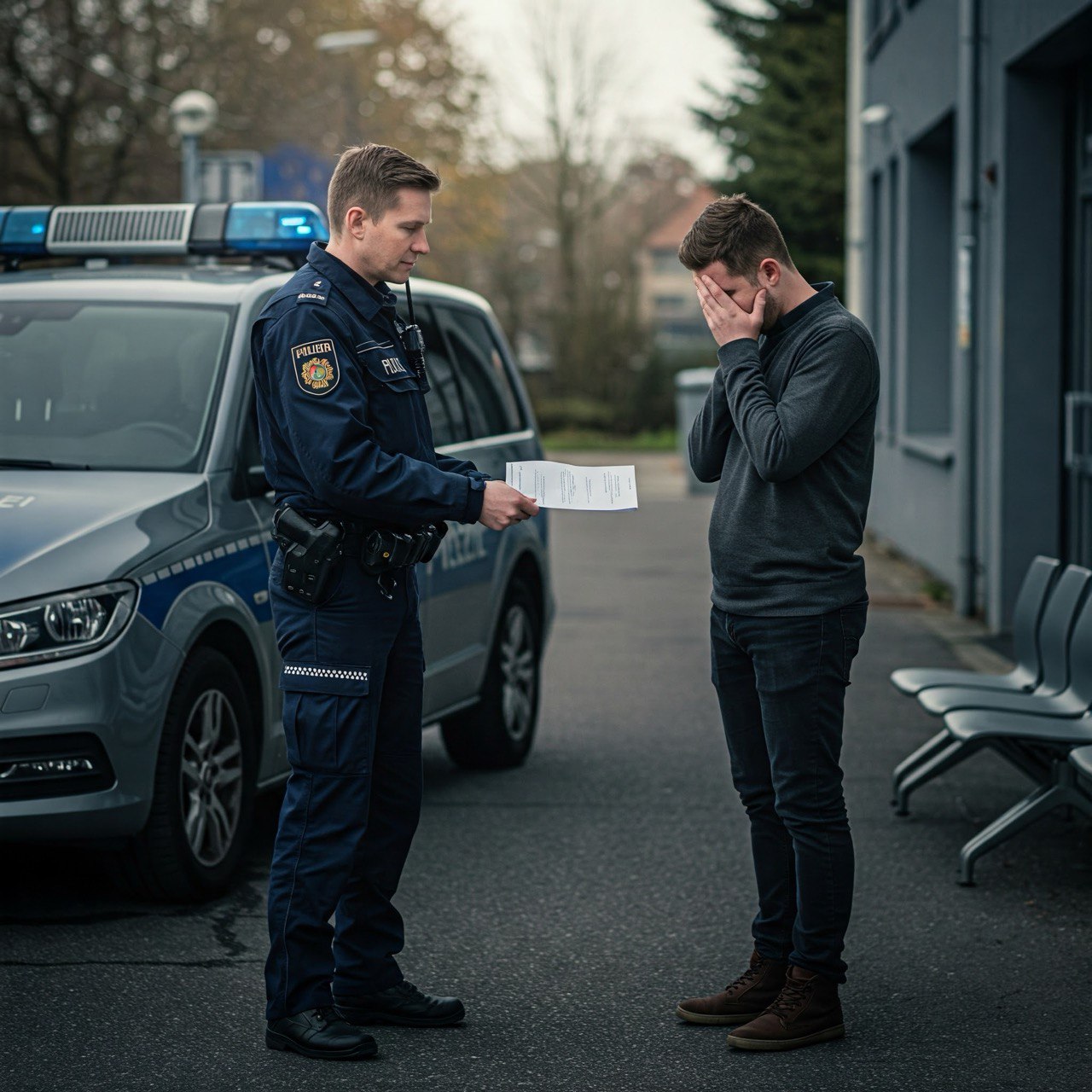
Once the test is finished, you will immediately be told whether you have passed or failed. If you pass, you will receive your driving licence, or you may have to wait until your birthday if you have not yet reached the legal minimum age.
Conclusion
Good preparation and full concentration while driving are the key factors for success in the practical driving test in Germany. Make sure you know all the requirements and that you are well prepared for this important challenge.
* The editorial team of the website endeavours to provide accurate information through intensive research and by consulting multiple sources. However, errors may occur or some information may not be fully verified. Therefore, the information in the articles should be regarded as an initial reference only, and you should always contact the competent authorities to obtain confirmed and legally binding information.