Login/Create Account


Age assessment and temporary separation for unaccompanied minor refugees (UMF) in Germany (Altersfeststellung)
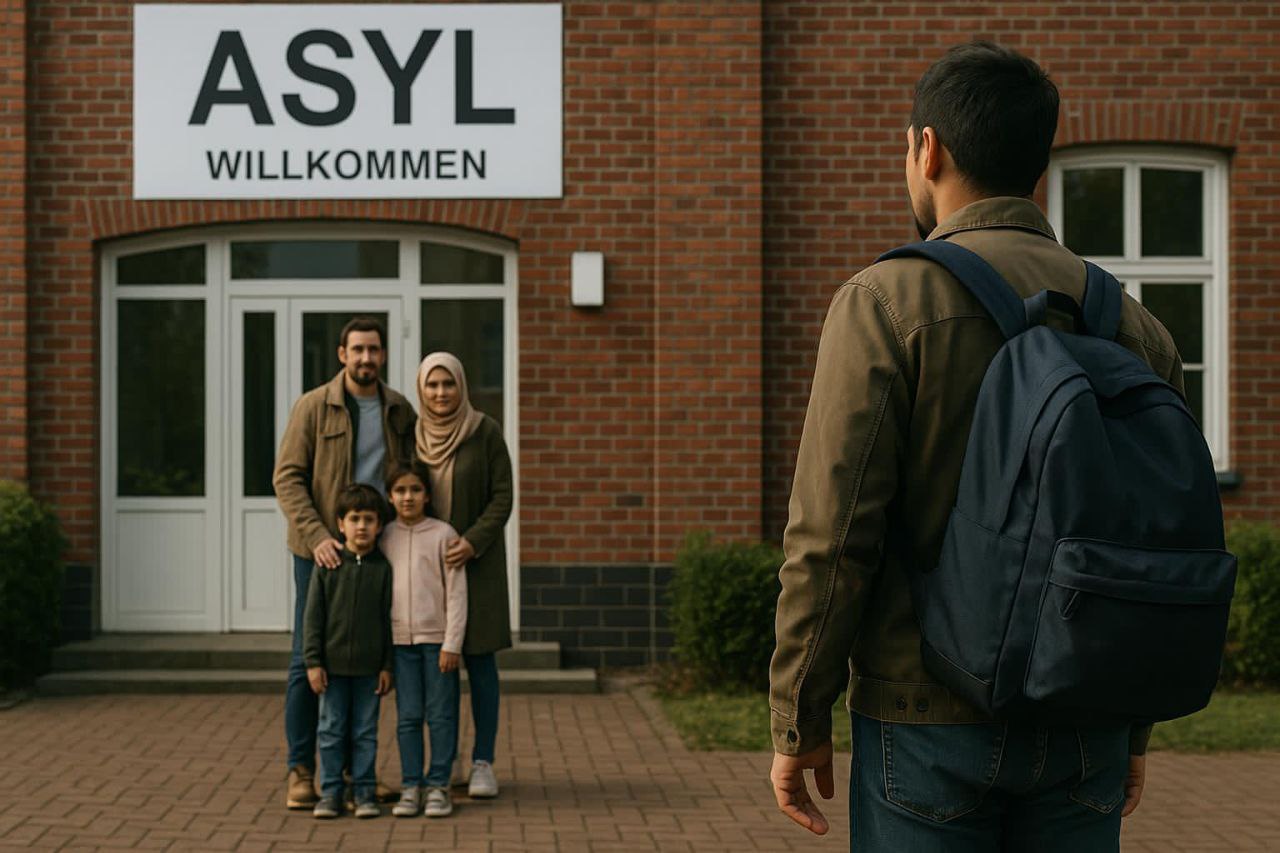
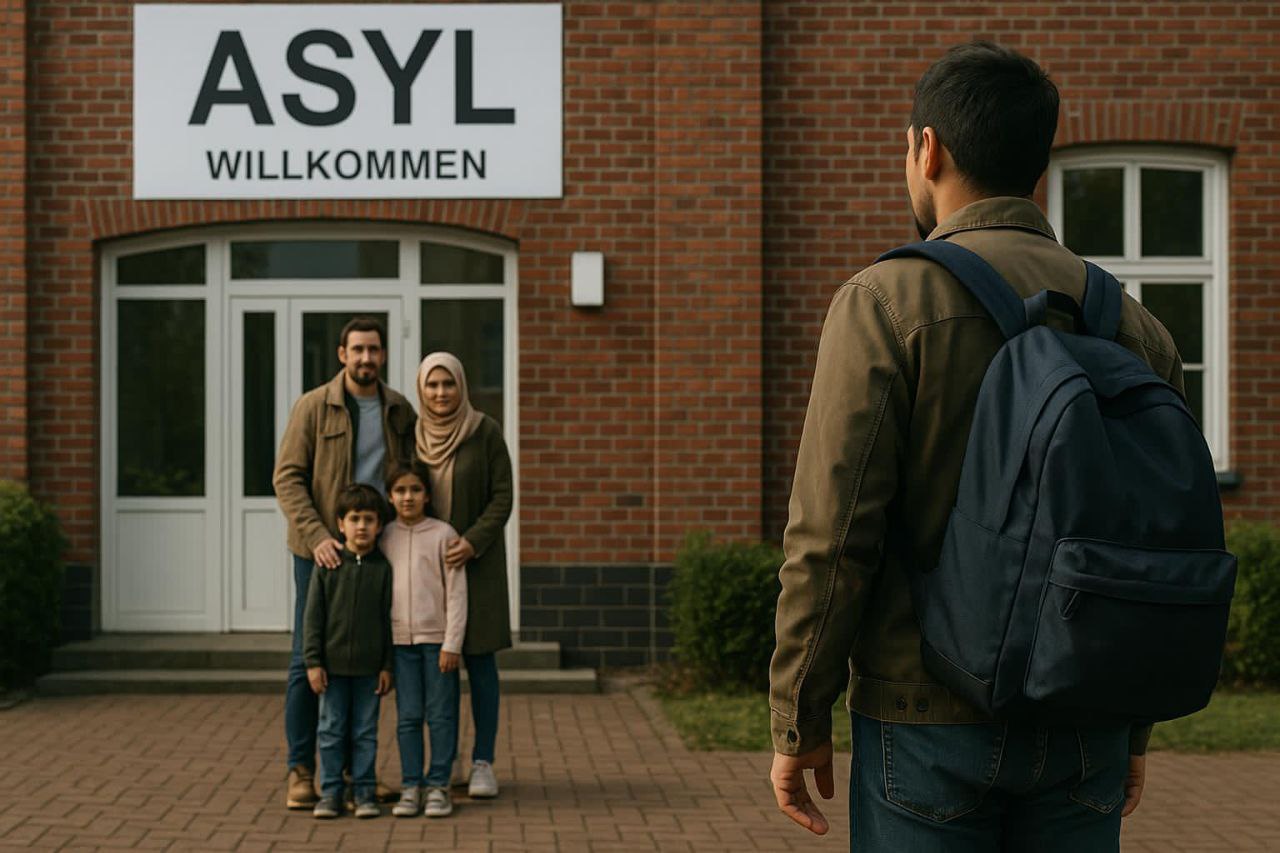
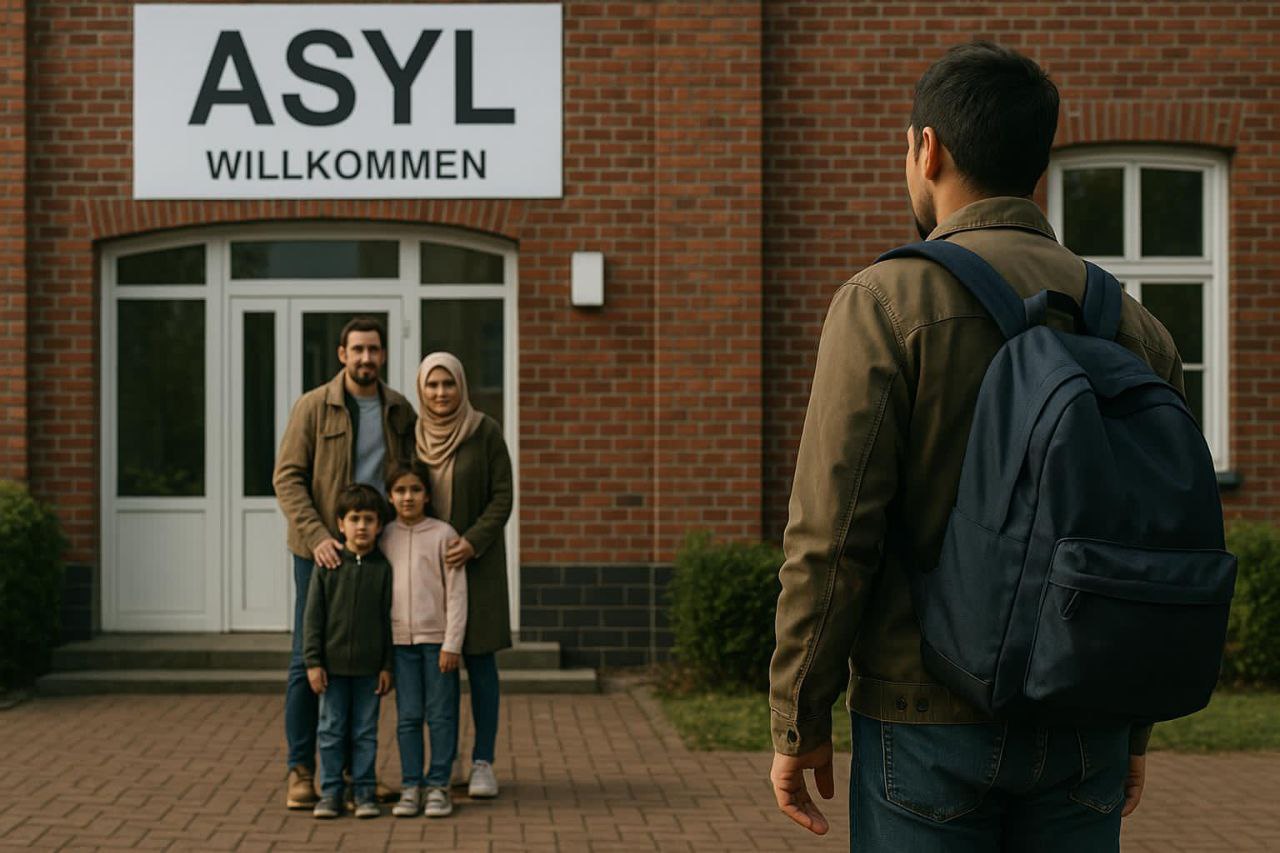
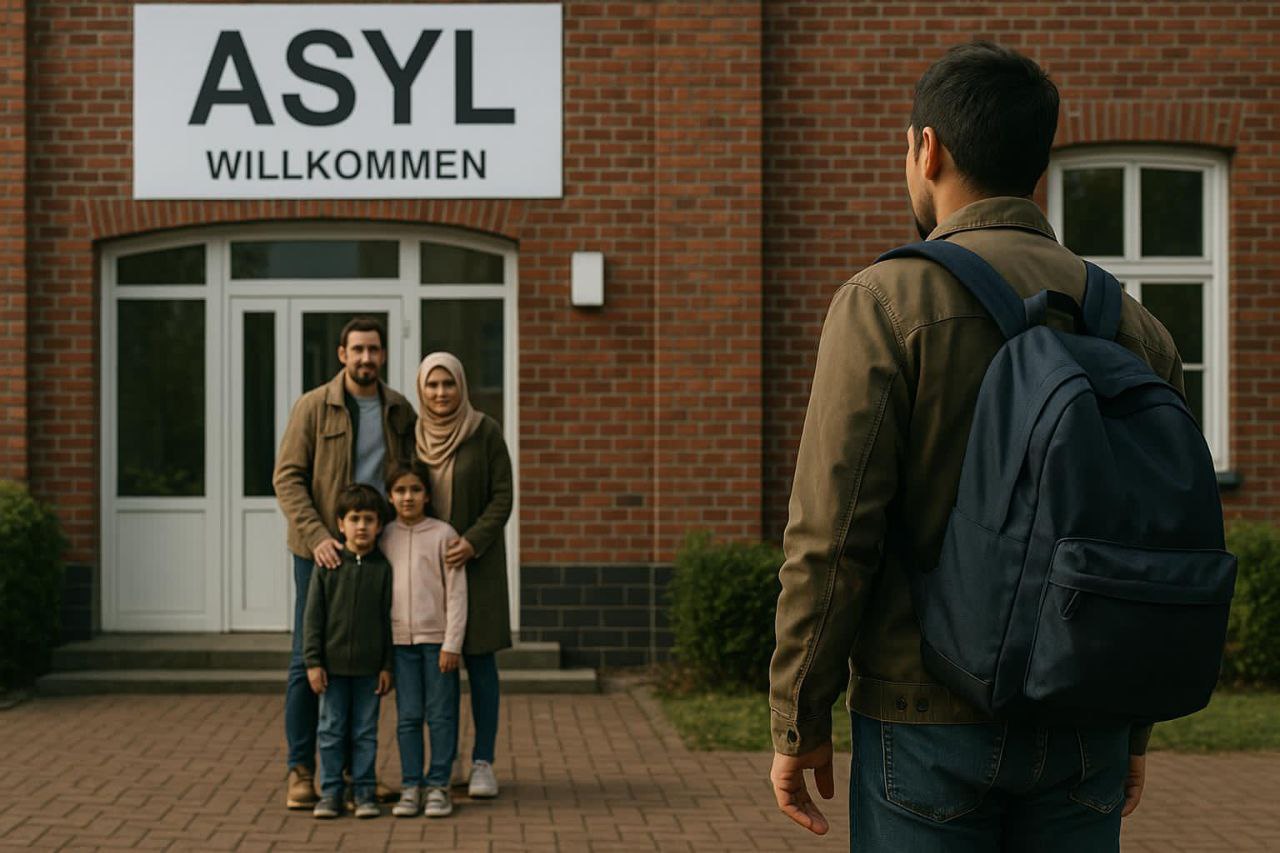
When an unaccompanied minor (UMF – Unbegleitete Minderjährige Flüchtlinge) arrives in Germany, accurately determining their age is crucial because it directly affects their rights, procedures, and the special legal protection granted to children.
In cases of doubt or if no official passport is available, authorities may carry out an age assessment. Sometimes the person is temporarily separated from adults until the verification is completed. Below is a comprehensive overview of these legal, medical, and social procedures.
First: Why is an age assessment carried out?
Because German law grants unaccompanied minors special rights, including:
-
special protection against deportation
-
accommodation in child and youth welfare facilities
-
appointment of a legal guardian (Vormund)
-
the right to education and psychological/social support
These rights apply only to those under 18. If someone claims to be a minor without official proof (such as a passport or birth certificate), authorities may question the claim.
Second: Stages of the age assessment (Altersfeststellung)
1. Visual check and social-pedagogical assessment (Inaugenscheinnahme + sozialpädagogische Einschätzung)
Conducted by the Jugendamt or social professionals, based on:
-
physical appearance
-
language, maturity, and behaviour
-
overall conduct
-
available documents (if any)
Documents such as a passport, ID, or school papers may be examined; sometimes verification in the country of origin is requested.
2. Medical examination (exceptional step)
If doubts remain, the person may be referred for medical checks, such as:
-
X-ray of hand and wrist bones (Röntgen der Handknochen)
-
dental and jaw assessment
-
sometimes further exams (bone development or X-rays of chest/pelvis)
These methods are estimations and are not 100% accurate, and they are widely criticised on ethical and medical grounds.
Third: Is the minor separated during the assessment?
Yes. In some federal states, the person may be temporarily placed in a special facility or neutral accommodation (e.g., single rooms or initial reception centres) in order to:
-
avoid mixing with adults (for protection and to prevent exploitation)
-
wait for the age assessment report
-
organise legal procedures
This is generally not considered “detention” in the legal sense, but a “temporary protective measure.” It should not last longer than a few days or weeks and must not be used as punishment.
Fourth: What does the Jugendamt decide after the assessment?
Based on the results:
-
If the person is considered a minor, they are handed over to the Jugendamt and assigned a guardian (Vormund).
-
If considered an adult, they are transferred to adult facilities and treated under the regular asylum procedure.
Fifth: Can the age decision be challenged?
Yes. The applicant or their lawyer can:
-
challenge the assessment
-
submit counter-medical opinions or new documents
-
file an appeal before the administrative court (Verwaltungsgericht)
Sixth: Human-rights criticism
Human rights organisations such as Pro Asyl and UNICEF criticise:
-
heavy reliance on X-rays despite limited accuracy
-
psychological pressure on minors
-
the use of medical exams as a control tool rather than protection
Summary
Age assessment for unaccompanied minors is a sensitive and decisive issue in Germany, affecting residence status, care, and integration. If you claim to be a minor, it is important to insist on child-appropriate treatment and seek help from a lawyer or support centre from the very beginning.
— The site’s authors and editors strive to provide accurate information through extensive research and multiple sources. However, errors or unconfirmed details may occur. Please treat this as an initial reference and always consult the competent authorities for confirmed information.