Online Applications via “AnKERzentren”: A New Experience in Germany’s Asylum System
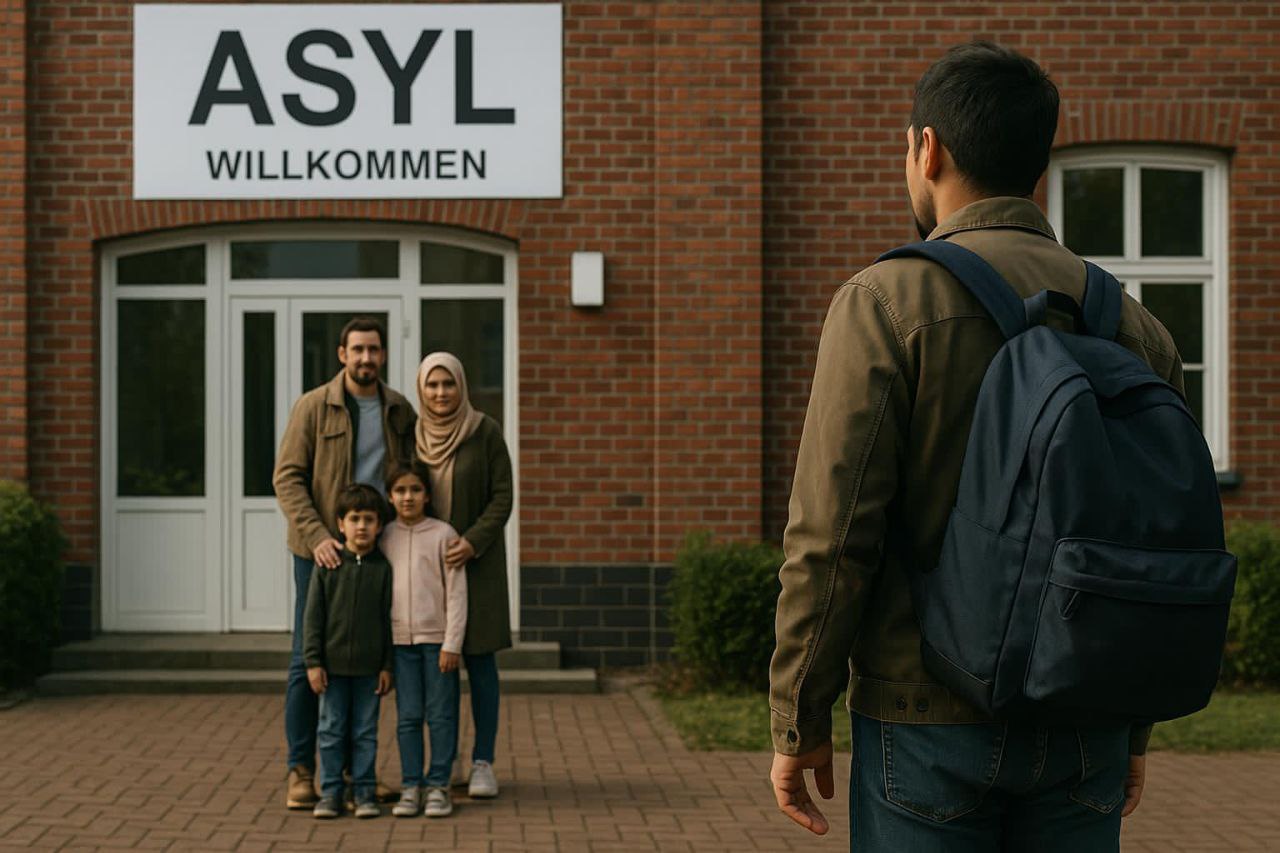
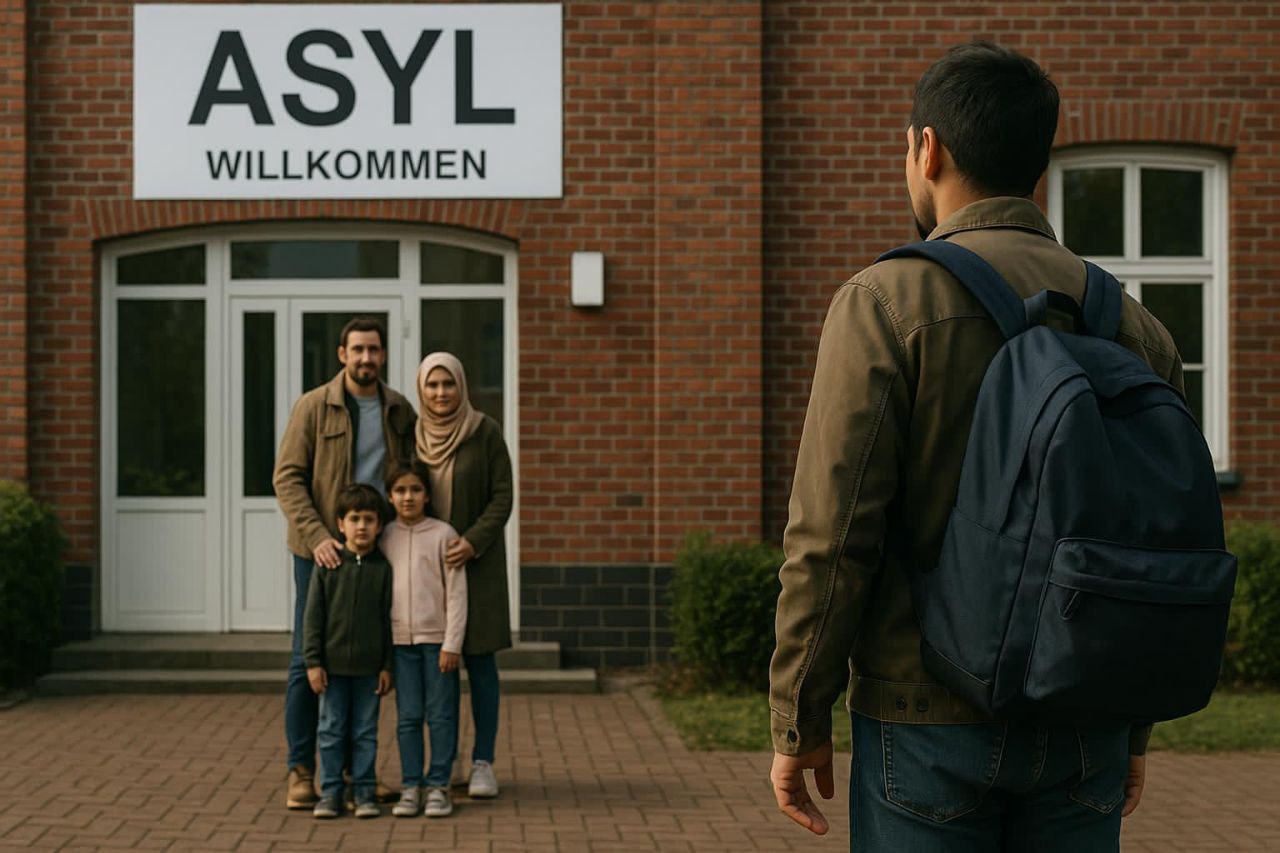
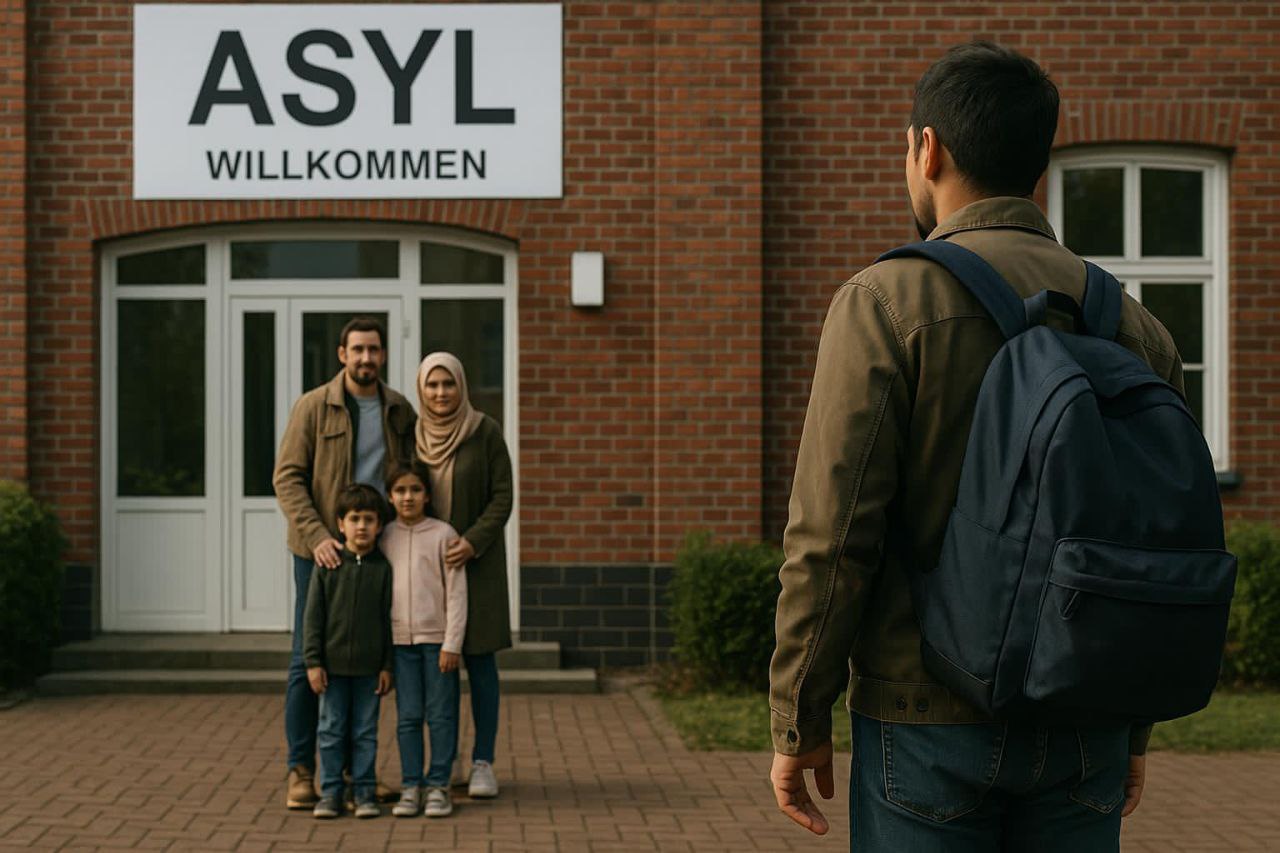
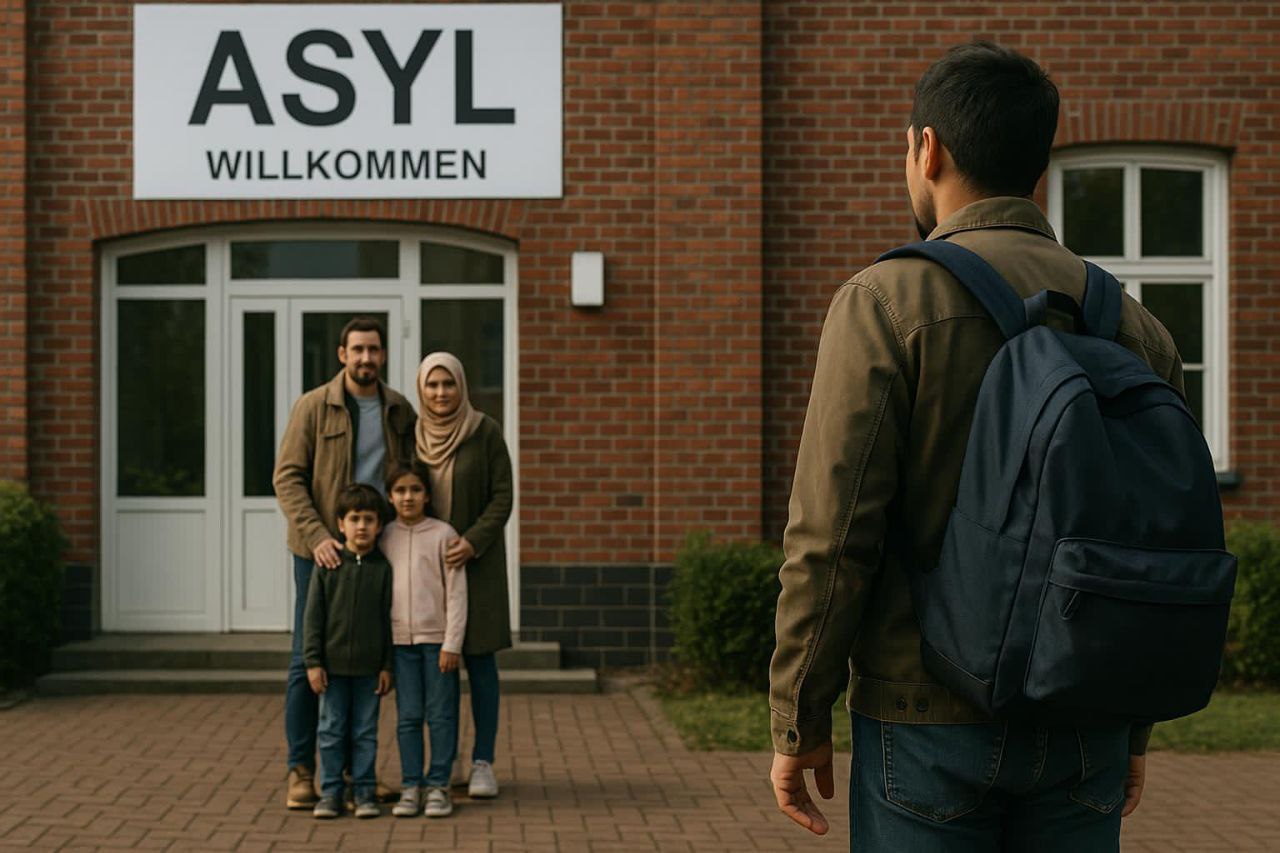
Germany’s asylum system has seen important developments in recent years. One of the most notable is the launch of online application procedures through AnKERzentren—integrated centers for receiving and assessing asylum applications that bring together services from multiple government authorities in one place. This system is a qualitative step toward faster and simpler procedures, while improving the overall experience for people seeking protection.
What are AnKERzentren?
AnKERzentren (Akzeptanz-, Kompetenz- und Rückführungszentren) are centralized facilities that handle the reception and registration of asylum seekers. They also host interviews, medical examinations, and—where applications are rejected—the initiation of return procedures. These centers aim to improve coordination between key stakeholders such as the Federal Office for Migration and Refugees (BAMF), local foreigners’ authorities, the police, and health authorities.
What does online application via AnKERzentren mean?
Online application is a system that allows asylum seekers to enter their personal data and submit their applications through a central digital platform inside AnKERzentren. It includes:
Filling out the asylum application electronically
Uploading supporting documents in digital form
Booking appointments for interviews and medical procedures
Tracking the application status through a dedicated online portal
Advantages of online application via AnKERzentren
Faster registration
Instead of long waiting periods in traditional reception structures, applicants can start the registration process digitally, easing pressure on BAMF workflows.
Fewer administrative errors
Digital processing reduces mistakes caused by handwriting, missing paperwork, or lost documents, ensuring better data accuracy.
Easier access to services
Applicants can continuously monitor their case online, reducing the need for repeated visits to the center.
Better coordination between authorities
Application data becomes immediately available to all relevant agencies, accelerating coordination and case handling.
Challenges of the new system
Need for technical skills
Some asylum seekers may struggle with the system due to limited experience or lack of resources (such as computers or internet access).
Language barriers
Even with multiple language options, understanding instructions and entering data accurately can still be difficult for some.
Dependence on technical infrastructure
The system requires stable infrastructure; in some areas, services may be slow or temporarily unstable.
How can asylum seekers benefit from the system?
They start by registering their details using devices available at the center or with on-site technical support. They then upload required documents digitally, receive electronic appointments and notifications for medical or legal steps, and can follow the status of their application easily through a dedicated platform.
The digital future of Germany’s asylum system
Online application via AnKERzentren marks the beginning of a broader digital transformation. The government aims to expand technical solutions that improve efficiency and effectiveness, while safeguarding the rights of asylum seekers and providing the support they need.
Conclusion
Online application through AnKERzentren represents a major shift in how asylum applications are received and processed in Germany—built around simplicity, speed, and accuracy. Despite the challenges, this new approach opens promising opportunities for a more organized and transparent asylum system, benefiting both asylum seekers and public authorities.
ـ The site’s team of writers and editors strives to provide accurate information through extensive research and consultation of multiple sources. However, some mistakes may occur or certain information may be uncertain. Please treat the information in these articles as initial guidance and always refer to the competent authorities for confirmed and official information.