Login/Create Account


Title:
When Do I Receive Protection in Germany?
Introduction
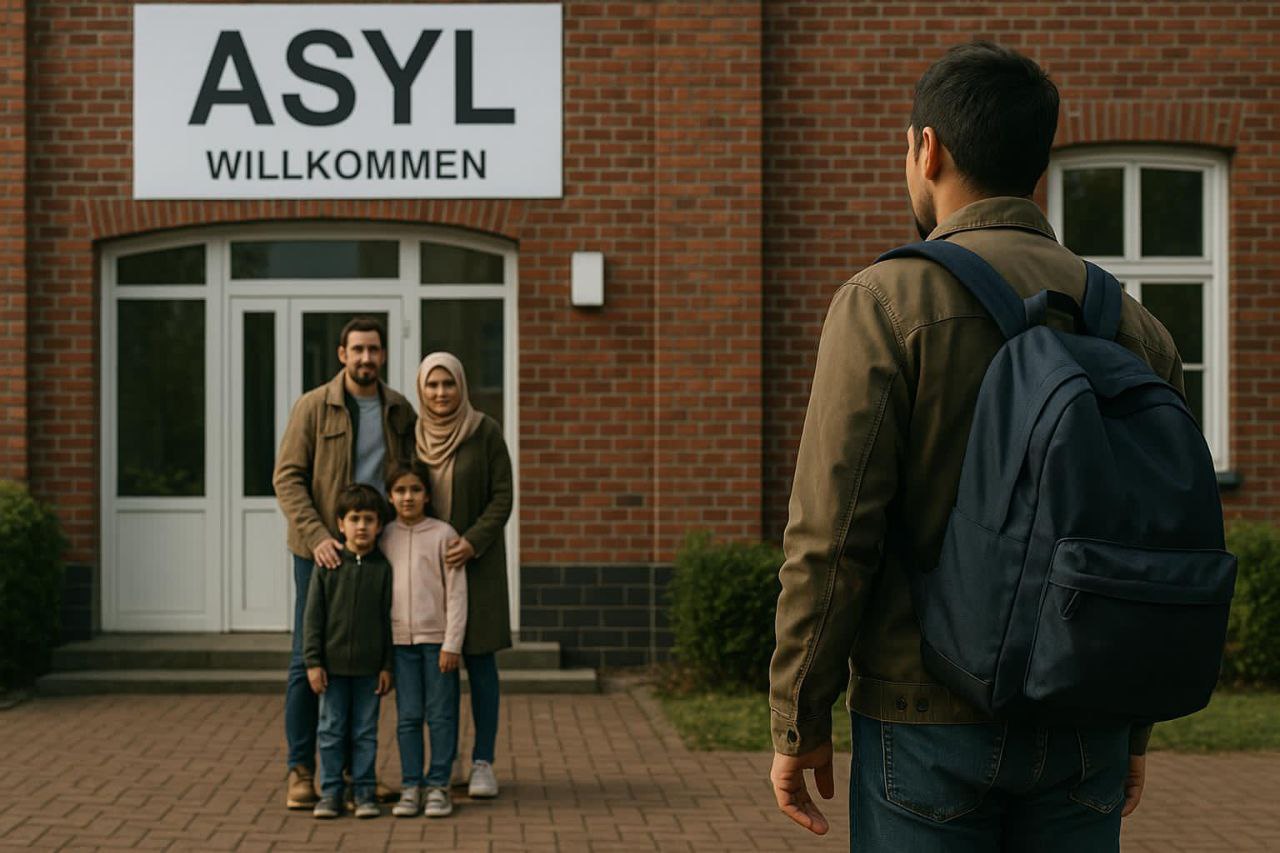
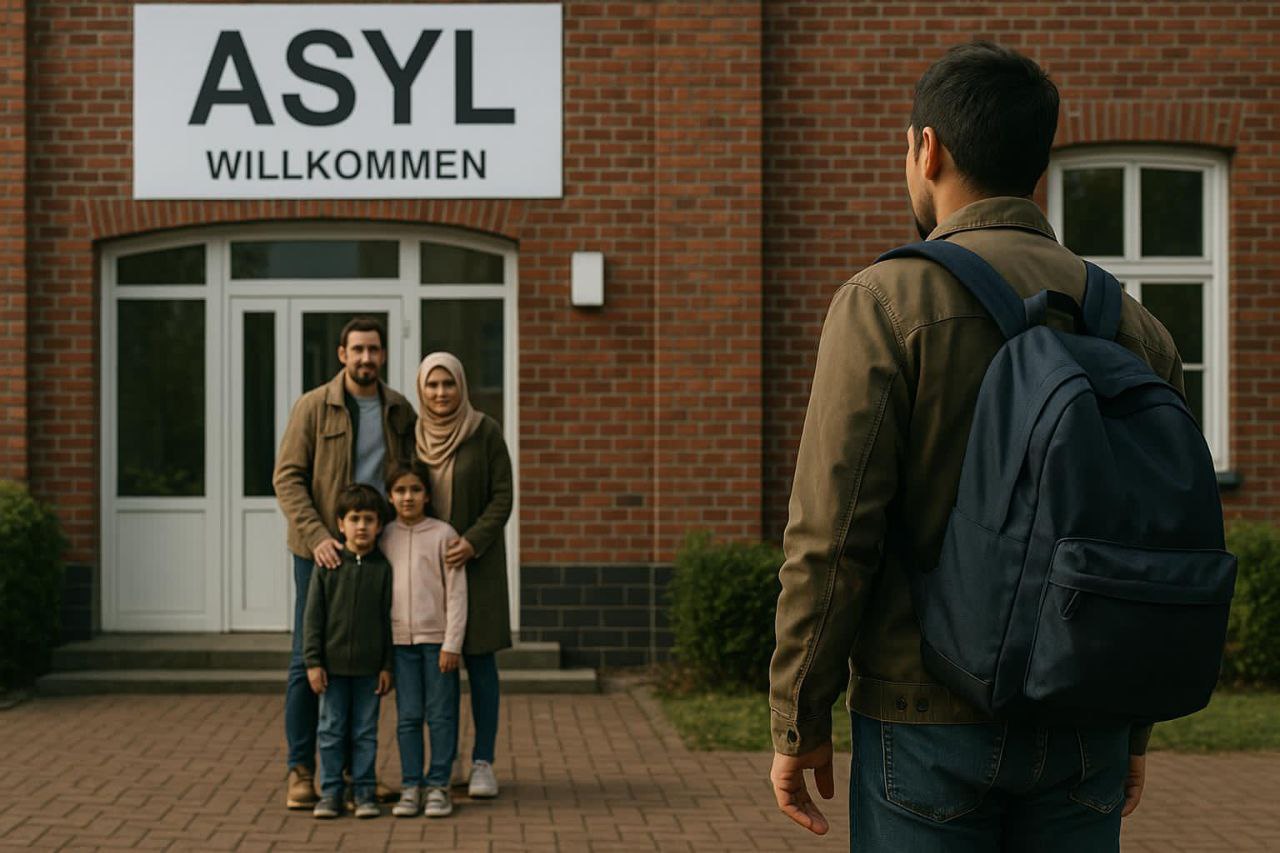
When you apply for asylum in Germany, the type of protection you may receive is determined individually in each case. German law distinguishes between four main forms of protection:
-
Right of asylum (Asyl):
This is granted to people who are persecuted for political reasons by the state or by state-related actors. It is a fundamental right under the German constitution. However, it is not granted to individuals coming from so-called “safe countries of origin” (such as all EU member states, Norway, Iceland, Liechtenstein and Switzerland). -
Refugee protection (Flüchtlingsschutz):
This form of protection is granted to people who are at risk because of their race, gender, political opinions or religion. In such cases, the threats often come from non-state actors, such as terrorist groups or criminal gangs. -
Subsidiary protection (Subsidiärer Schutz):
Subsidiary protection is provided to individuals who face the risk of the death penalty, torture or inhuman or degrading treatment in their country of origin. It also covers civilians who are at serious risk because of armed conflicts. -
National ban on deportation (Nationales Abschiebungsverbot):
This status is granted when deportation would violate human rights or pose a serious danger to the person’s life or freedom. For example, this may apply if someone suffers from a serious illness that cannot be treated in their country of origin.
Rights linked to the different forms of protection
-
Residence permits for recognised refugees:
People who are recognised as refugees usually receive a residence permit valid for three years. They are allowed to work and have the right to family reunification.
If the application for family reunification is submitted within three months after recognition, family members can join them without the need to prove that the sponsor can cover their living costs. -
Subsidiary protection:
This status is generally granted for one year at first, and in some federal states it may be issued for up to three years. It includes the right to work and, under certain conditions, the right to family reunification. The residence permit can be renewed if the circumstances requiring protection continue. -
National ban on deportation:
In such cases, a residence permit is usually granted for one year. It can be extended if the reasons for the deportation ban still exist.
Conclusion
Protection in Germany is a fundamental right for individuals who are at risk in their country of origin. Which form of protection applies depends on the specific situation and the level of danger. If you have further questions, you can consult the information provided by the Federal Office for Migration and Refugees (BAMF) or seek advice from specialised counselling services.
The editorial team of our website strives to provide accurate information based on thorough research and multiple sources. However, errors may occur or some details may be incomplete. Please treat the information in this article as an initial guide and always consult the relevant authorities or professional institutions for confirmed and up-to-date information.