Login/Create Account


Importing shisha and molasses tobacco into Germany: Tabaksteuer and the duty-free tobacco allowance for residents
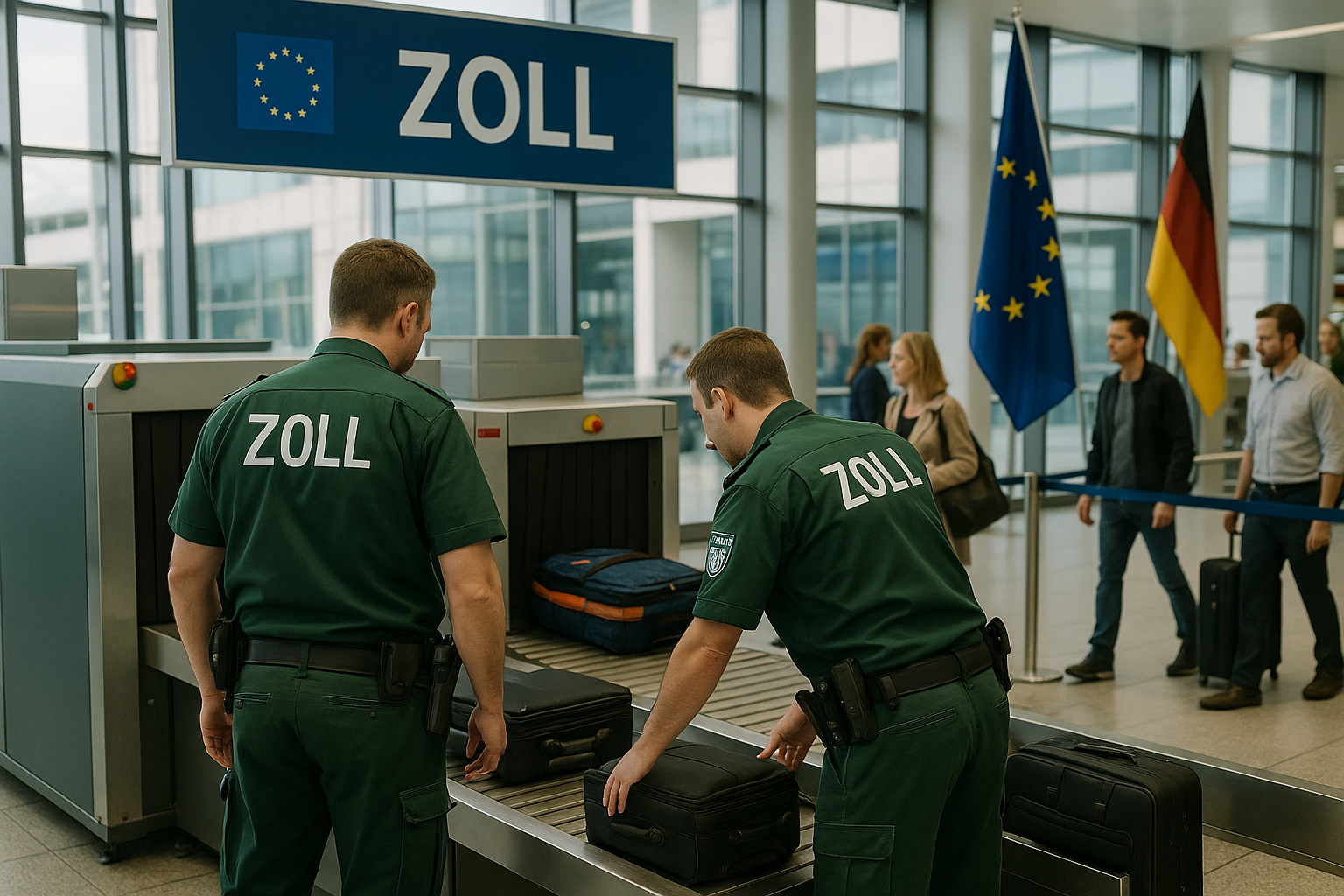
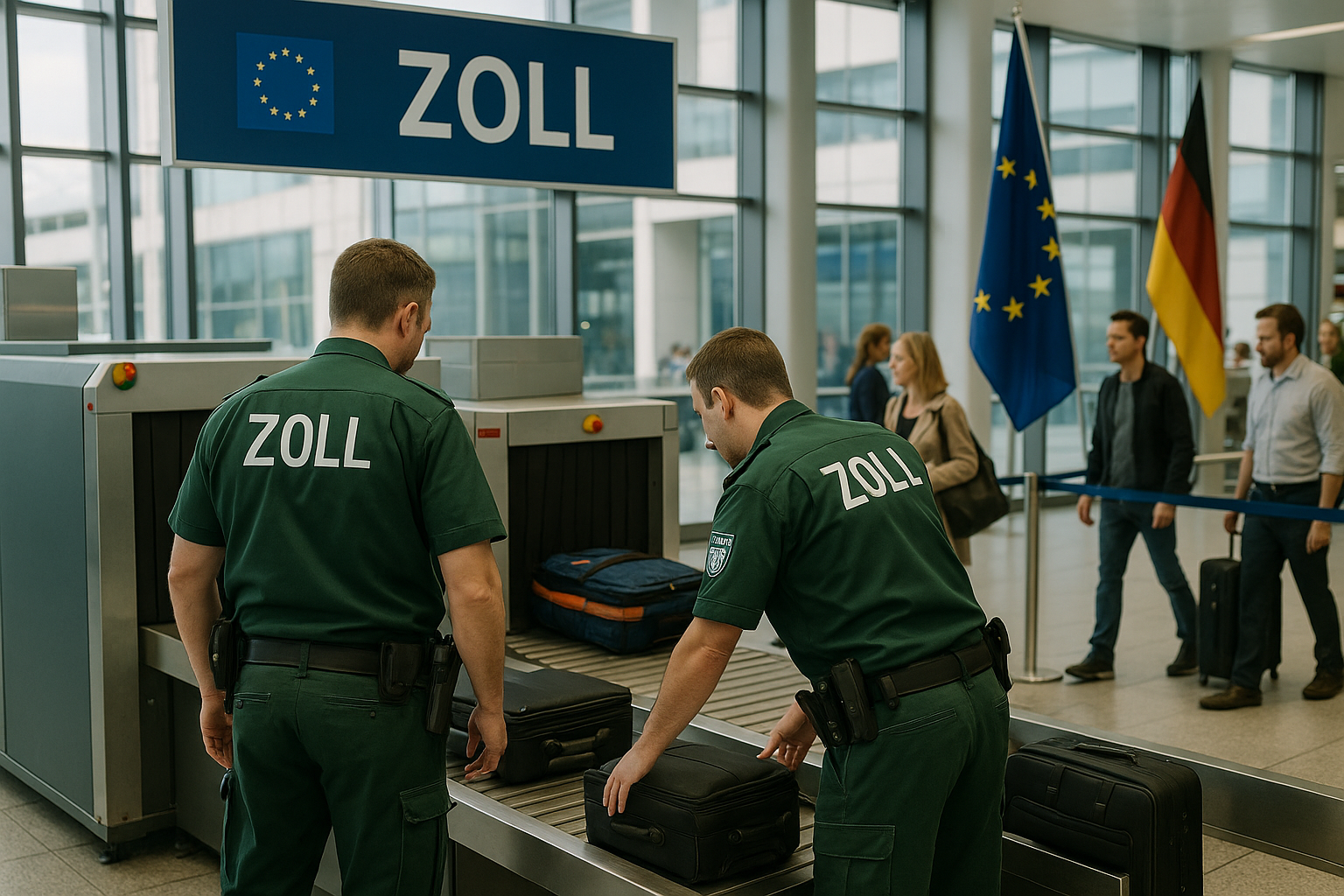
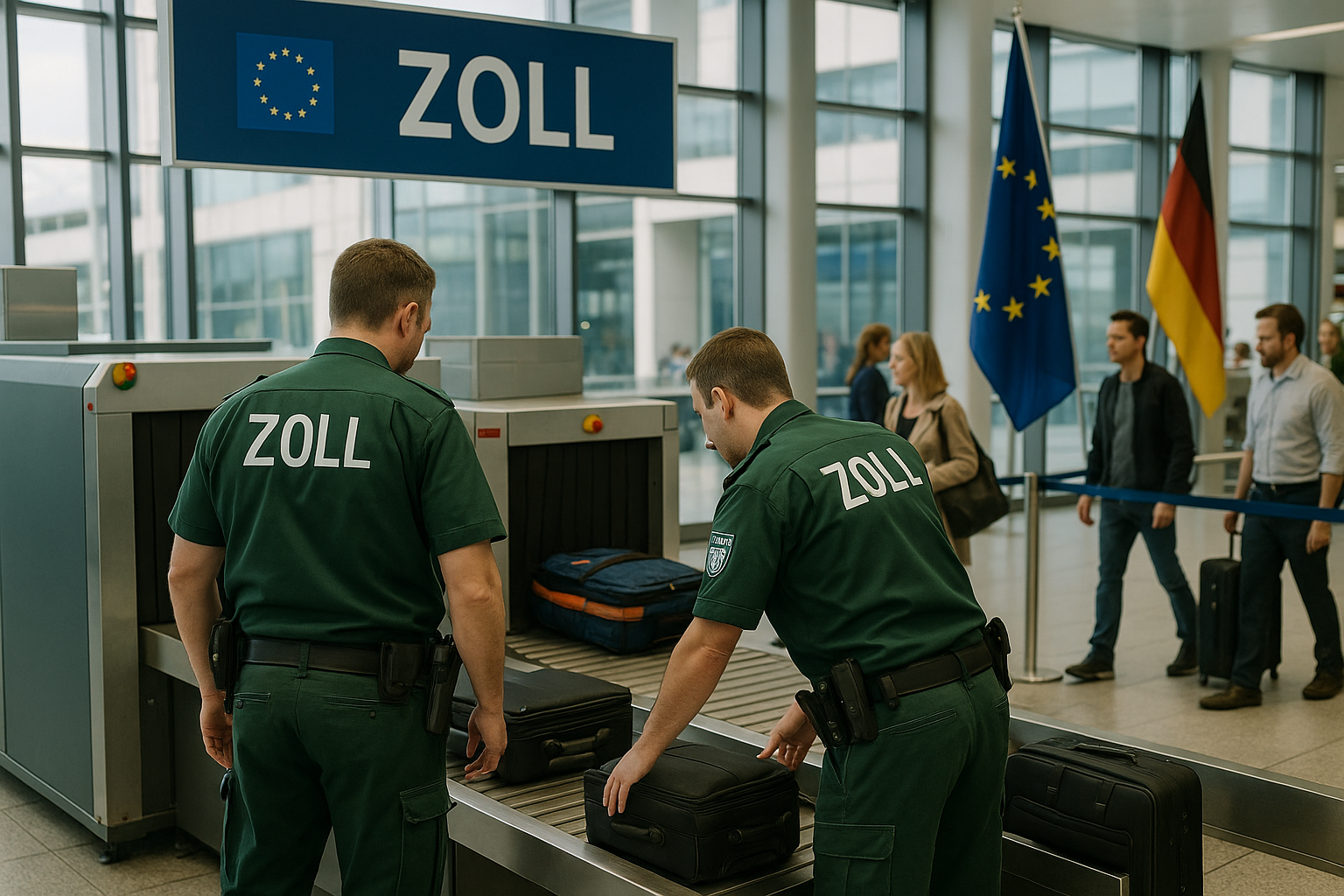
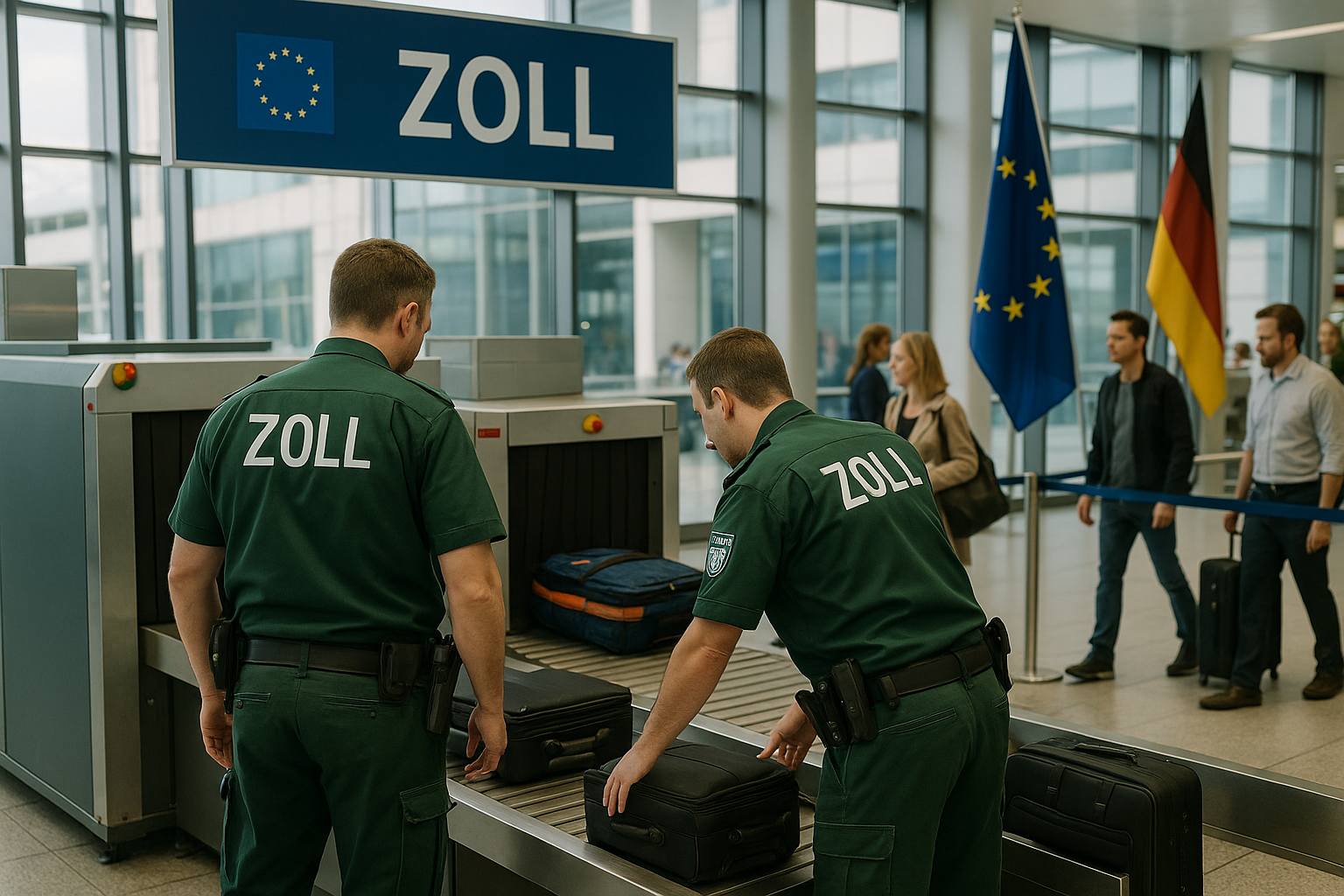
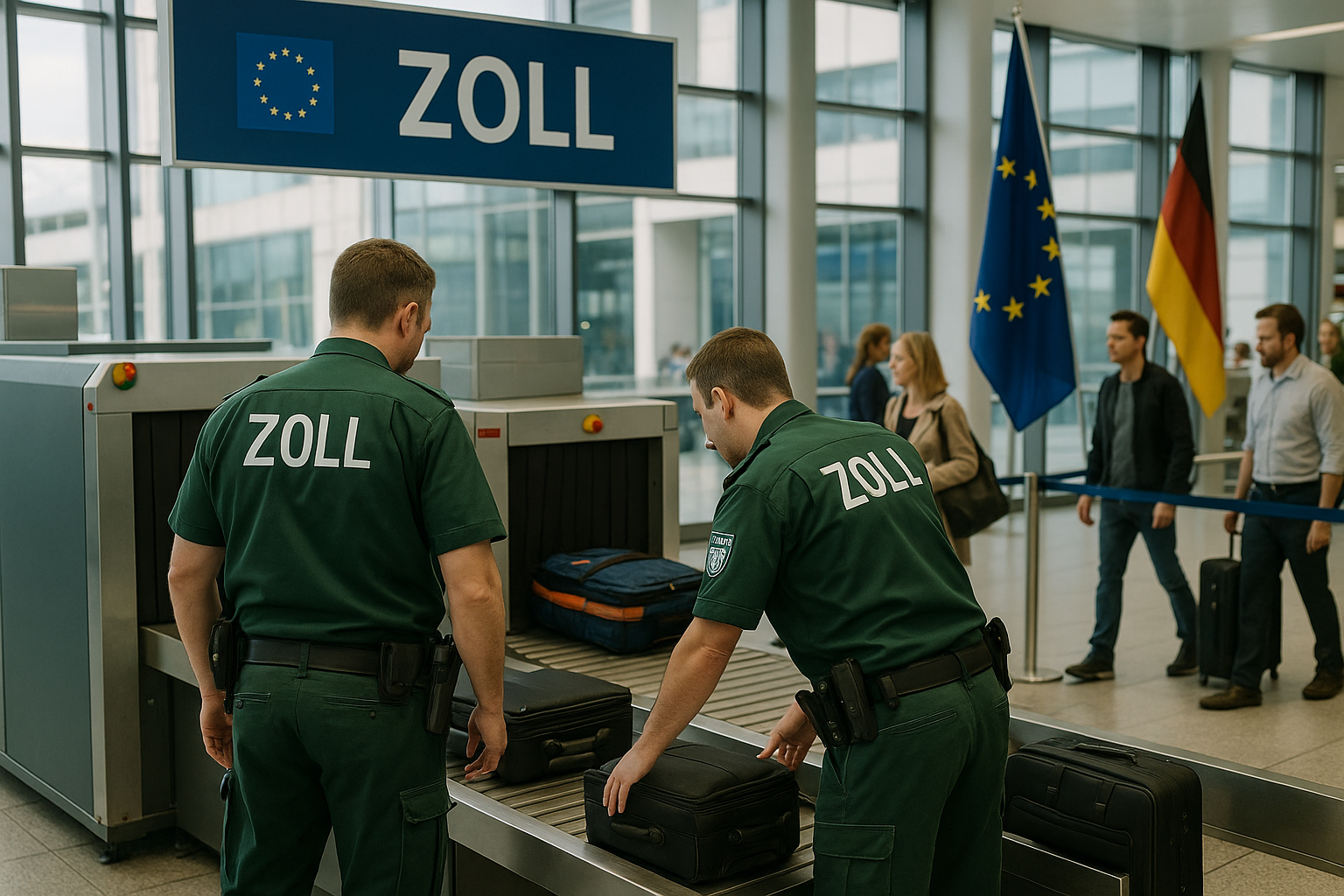
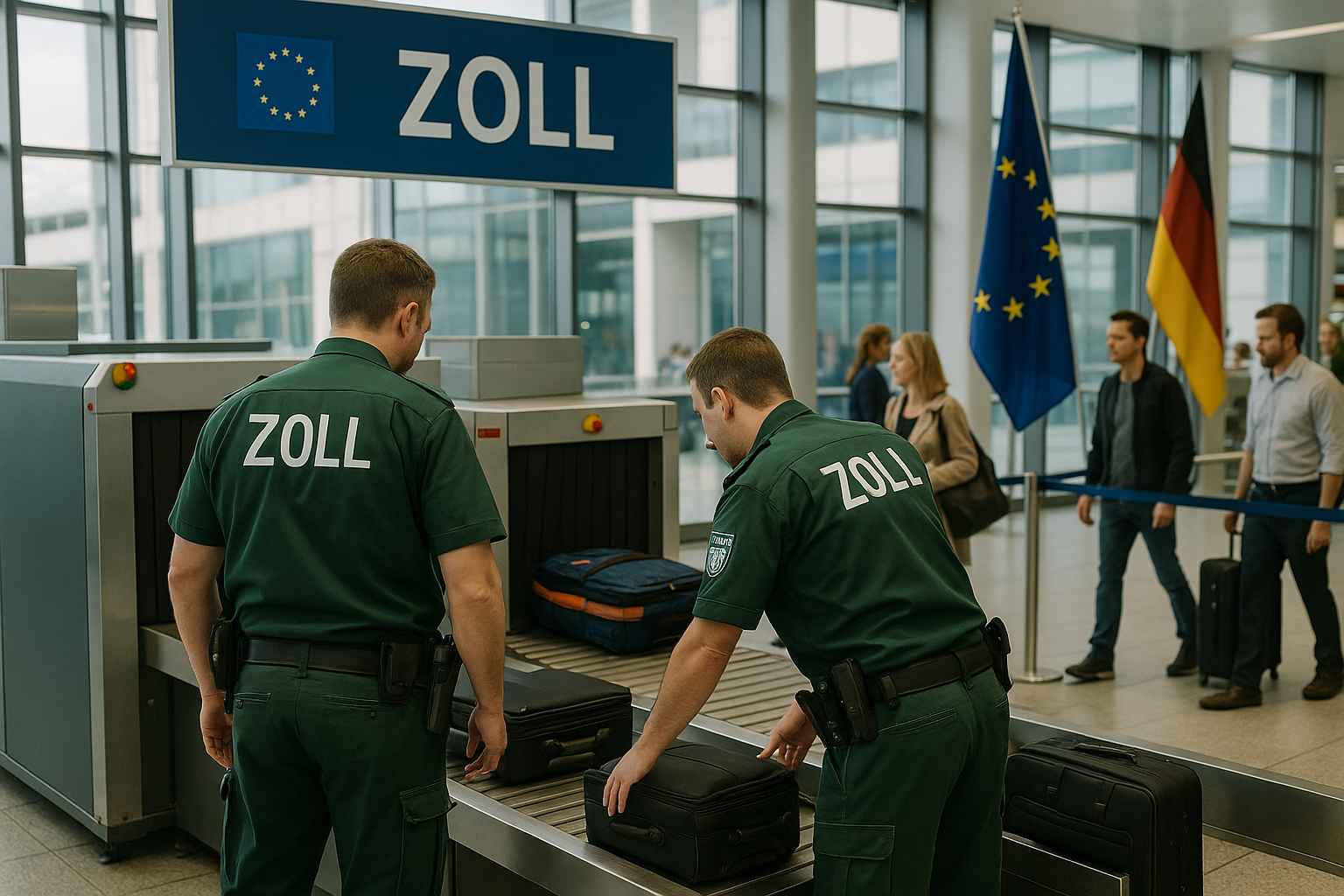
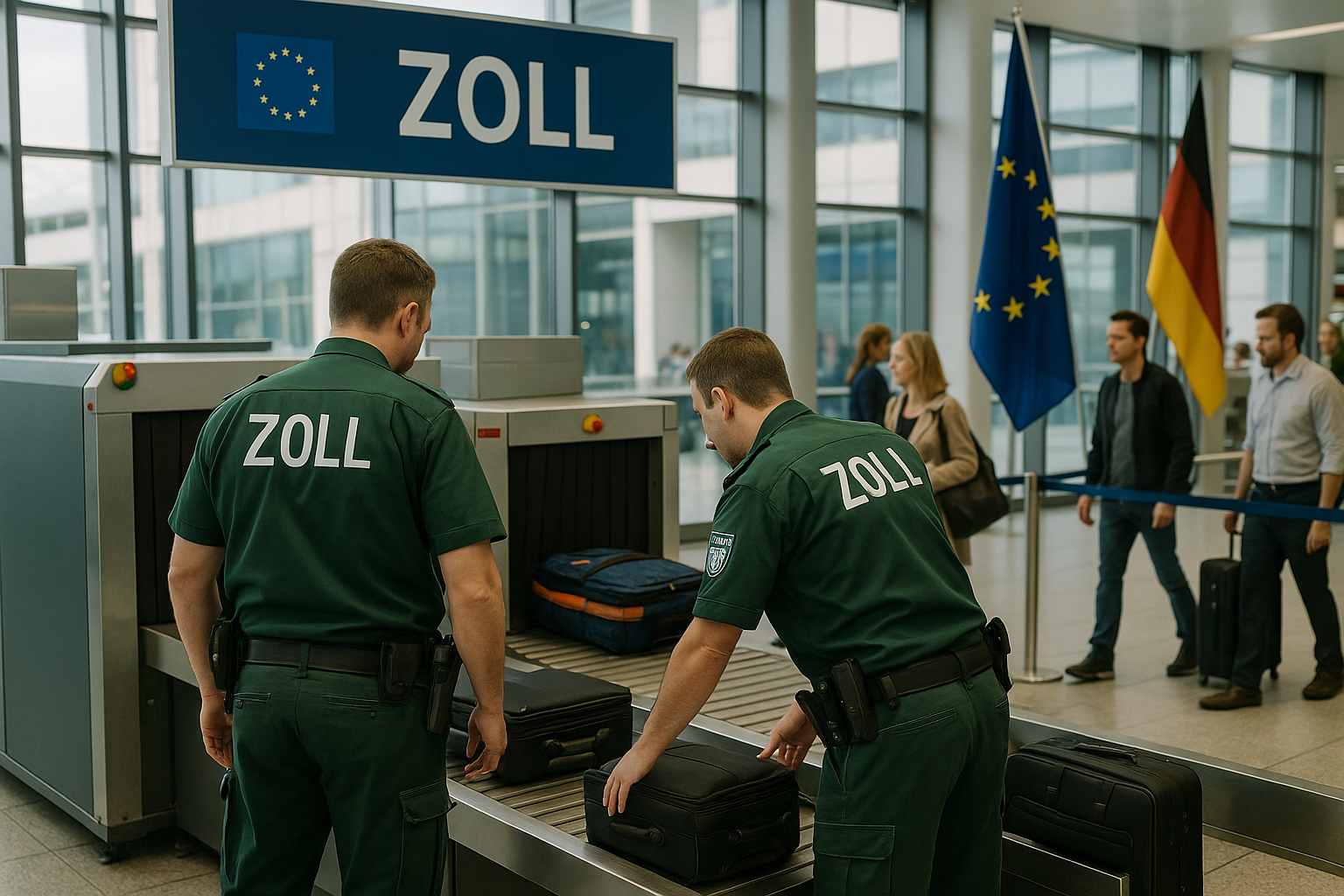
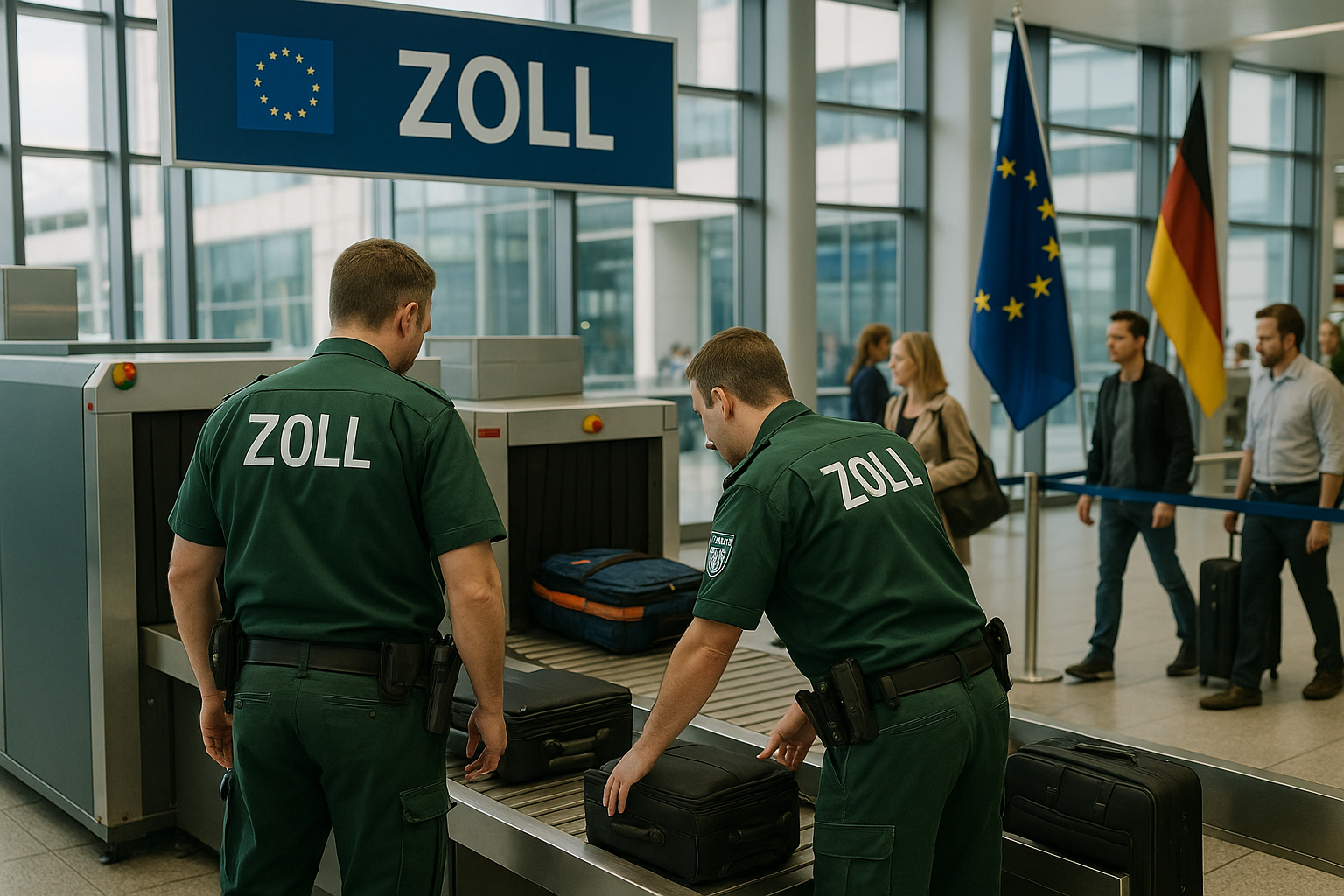
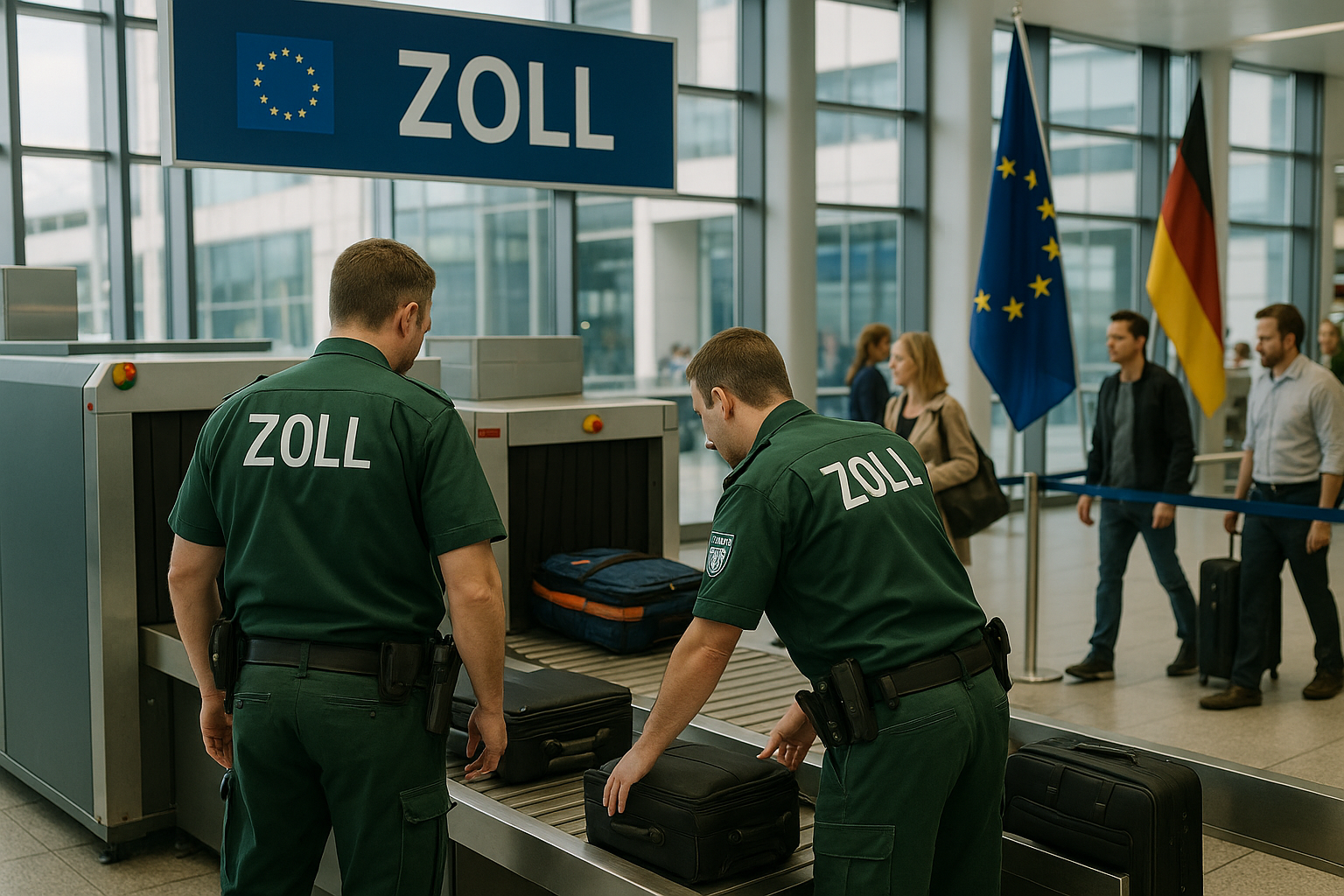
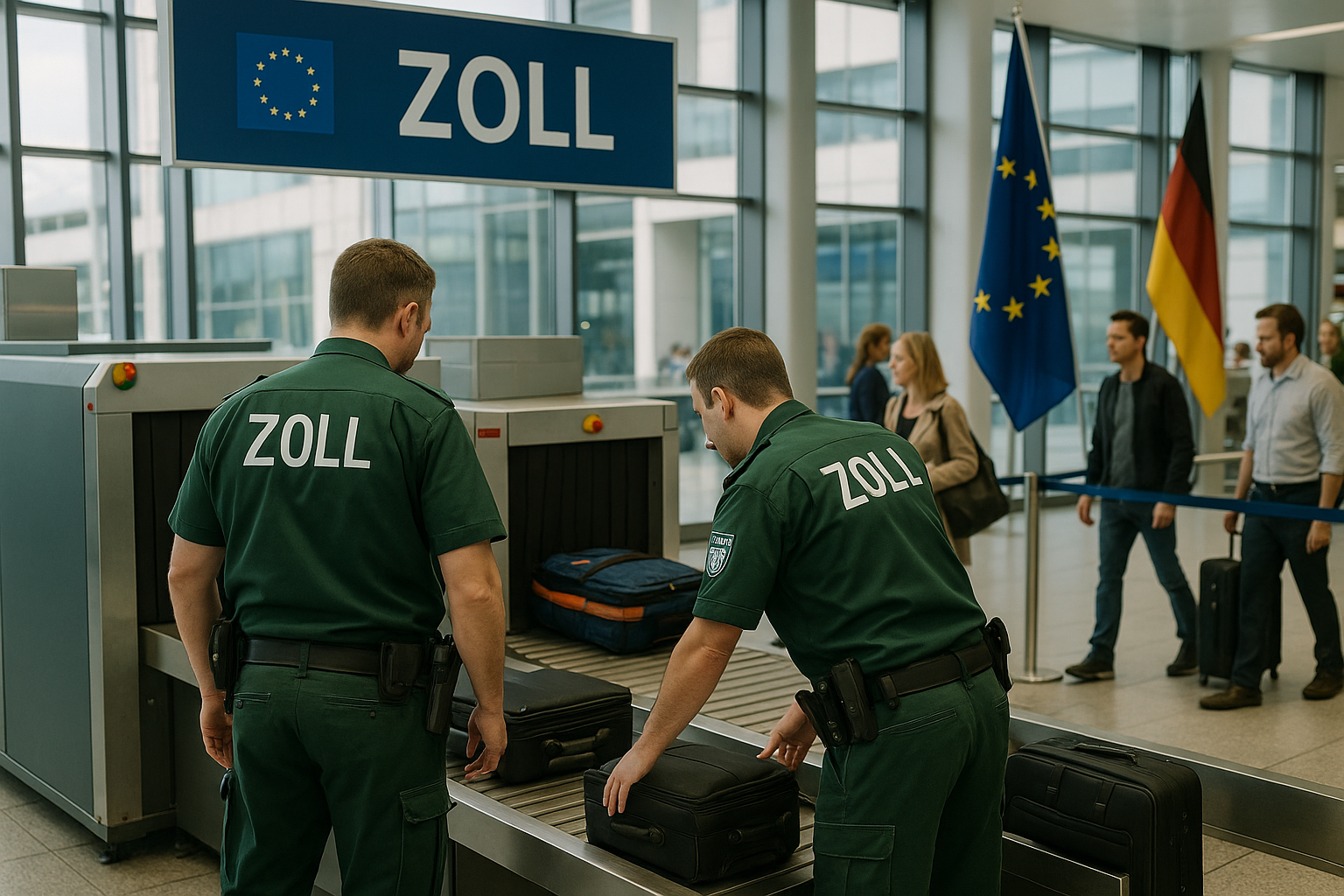
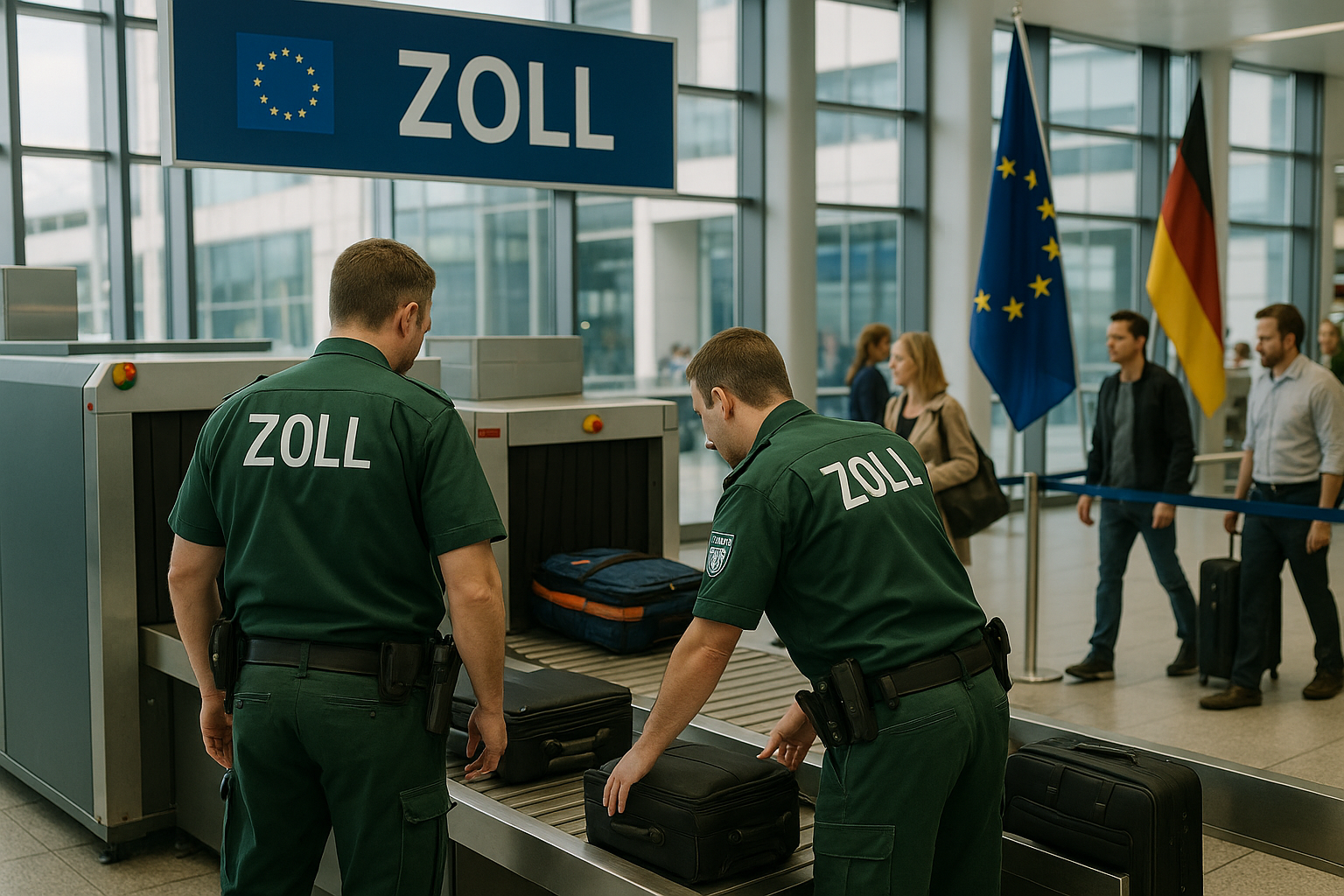
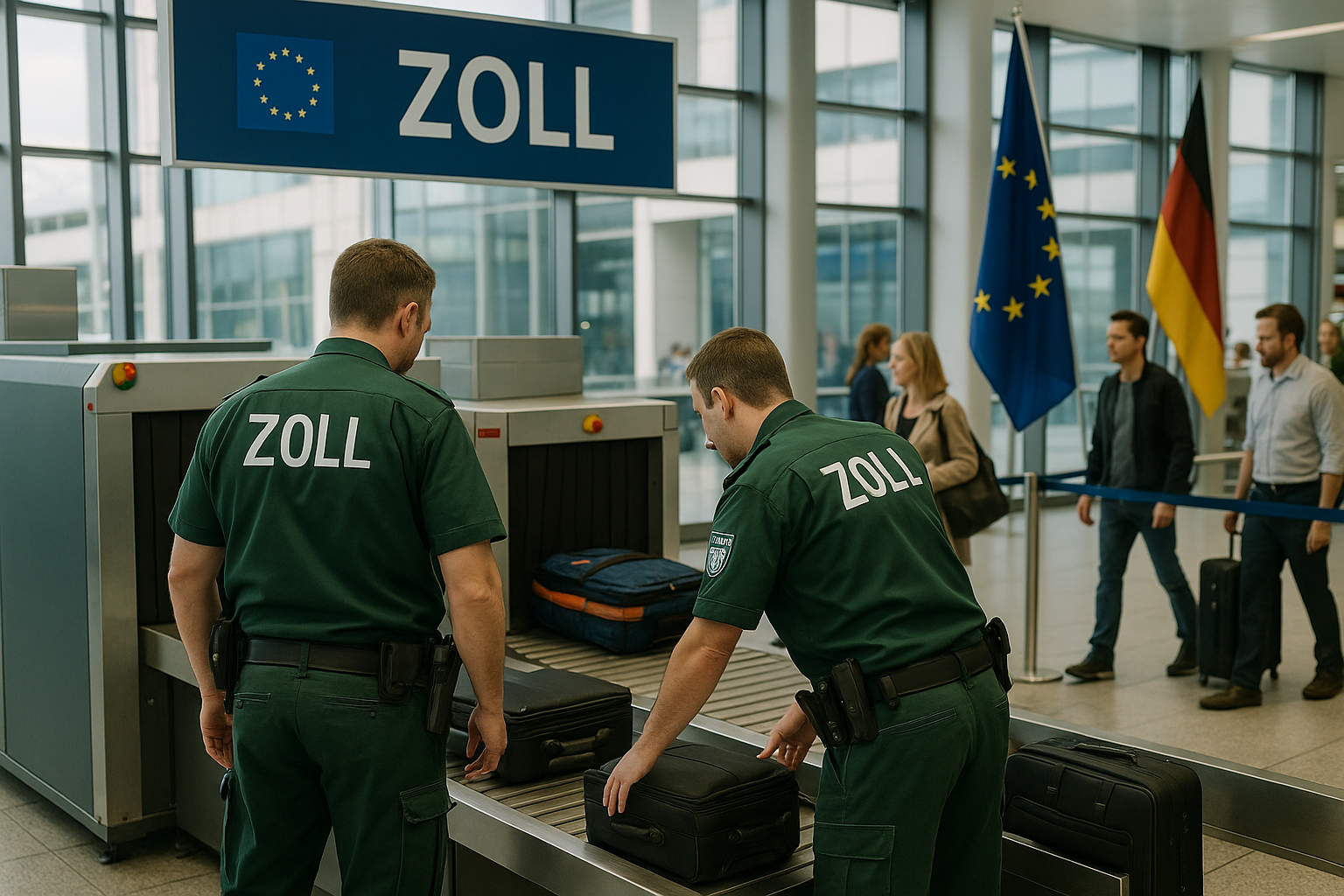
For many Arab residents in Germany, shisha and flavoured molasses tobacco are an important part of their social and cultural life. However, importing these products is strictly regulated because they are classified as tobacco products and are subject to high taxes and customs controls. The purpose of these rules is to regulate the market and monitor tobacco consumption.
This article explains in detail the rules for importing shisha and molasses tobacco into Germany, including the tobacco tax (Tabaksteuer) and the duty-free allowances for residents.
1. Tobacco tax (Tabaksteuer) on shisha and molasses tobacco
-
In Germany, all tobacco products are subject to a special tax known as Tabaksteuer.
-
This tax applies to all types of tobacco, including waterpipe (shisha) tobacco / molasses.
-
The tax is calculated according to specific criteria, mainly:
-
the weight of the tobacco,
-
and the category of the tobacco product.
-
2. Duty-free allowance for residents importing shisha and molasses tobacco
Under German customs rules, residents are allowed to bring in limited quantities of tobacco without paying additional tax, provided it is for personal use only. The approximate limits are:
| Product | Maximum duty-free quantity |
|---|---|
| Cigarettes | 200 pieces |
| Cigarillos | 100 pieces |
| Cigars | 50 pieces |
| Molasses / shisha tobacco | 250 grams |
Important points:
-
These amounts apply only to personal consumption, not to resale or commercial distribution.
-
If you exceed these quantities, you must:
-
declare the goods,
-
and pay the applicable taxes and duties.
-
3. How is Tabaksteuer paid upon import?
When shisha or molasses tobacco is imported in quantities that exceed the duty-free allowance, the shipment is treated as taxable, and the following apply:
-
Tabaksteuer (tobacco tax)
-
It is charged in addition to any customs duties (Zoll) that may apply.
-
The tax is generally calculated based on the net weight of the imported tobacco.
-
-
Time and place of payment
-
You may be required to pay:
-
at the border / point of entry (e.g. airport),
-
or during customs clearance, particularly if the goods are shipped by post or courier.
-
-
4. Practical tips for residents
-
Do not exceed the duty-free allowance
-
Stay within the legal limits to avoid:
-
fines,
-
delays in release of your goods,
-
or confiscation of part or all of the tobacco.
-
-
-
Buy from reliable sources
-
Purchase shisha tobacco and equipment only from trustworthy suppliers.
-
Make sure the packaging clearly states:
-
the weight,
-
the ingredients,
-
and the expiry date.
-
-
-
Keep invoices and proof of purchase
-
Always keep:
-
receipts,
-
invoices,
so that you can prove the value and quantity of your tobacco if customs ask.
-
-
-
Be careful with postal shipments
-
If tobacco is sent by post or courier, be aware that international shipping of tobacco is subject to strict rules.
-
Larger or unclear shipments may:
-
be restricted,
-
refused,
-
or subjected to additional controls.
-
-
5. Summary
| Topic | Key points |
|---|---|
| Tabaksteuer | Applies to all tobacco products, including shisha/molasses |
| Duty-free allowance | Up to 250 g shisha tobacco + up to 200 cigarettes |
| Exceeding limits | Requires declaration and payment of tax and possible duty |
| Intended use | Personal use only – not for commercial purposes |
The editorial and writing team of this website strives to provide accurate information based on in-depth research and consultation of multiple sources. Nevertheless, errors may occur or certain details may be incomplete or not yet fully verified. The information in this article should therefore be considered an initial, non-binding reference only. For definitive and legally binding guidance, always consult the competent authorities, especially customs and tax offices.