Login/Create Account


How Child Benefit (Kindergeld) Is Paid in Germany
Introduction
Child benefit, known in German as Kindergeld, is a monthly financial support provided by the German government to help families cover the costs of raising children. It is administered and paid out by the Familienkasse (Family Benefits Office) and is available to both German citizens and residents in Germany, provided certain conditions relating to residence status and family circumstances are met.
Payment Process and How to Receive Kindergeld
Kindergeld is paid on a monthly basis. The exact payment date depends on the reference number assigned to the person who receives the benefit.
Parents receive the money directly into their bank account once their application has been successfully approved by the Familienkasse.
When Child Benefit Is Paid to Other Persons or Directly to the Child
If a parent or legal guardian does not care for the child or does not provide financial support, Kindergeld can be redirected to another person who actually looks after the child.
For example, if the child lives with grandparents or another caregiver, it is possible to request that the child benefit be paid directly to that person.
In addition, once the child reaches the age of majority (18 years) and is capable of supporting themselves, they may, under certain legal conditions, receive Kindergeld directly, as long as they remain eligible under the law.
Age Groups Eligible for Kindergeld
-
Up to 18 years of age:
Kindergeld is normally paid for children up to their 18th birthday. -
From 18 to 21 years:
The benefit can be extended if the young person is unemployed and registered as a job seeker with the Agentur für Arbeit (Federal Employment Agency). -
Up to 25 years of age:
Kindergeld continues to be paid if the child is in higher education, vocational training (Ausbildung) or participating in a recognised voluntary service programme. -
After the age of 25:
If the child has a disability that prevents them from earning their own living, Kindergeld can be paid regardless of age.
Who Is Entitled to Receive Kindergeld?
The following categories of children may be eligible for Kindergeld:
-
biological children,
-
adopted children,
-
stepchildren,
-
in some cases, grandchildren who live with and are cared for by their grandparents.
As a rule, the child must live in Germany or in another EU member state and meet the legal requirements for entitlement.
How to Appeal a Kindergeld Decision
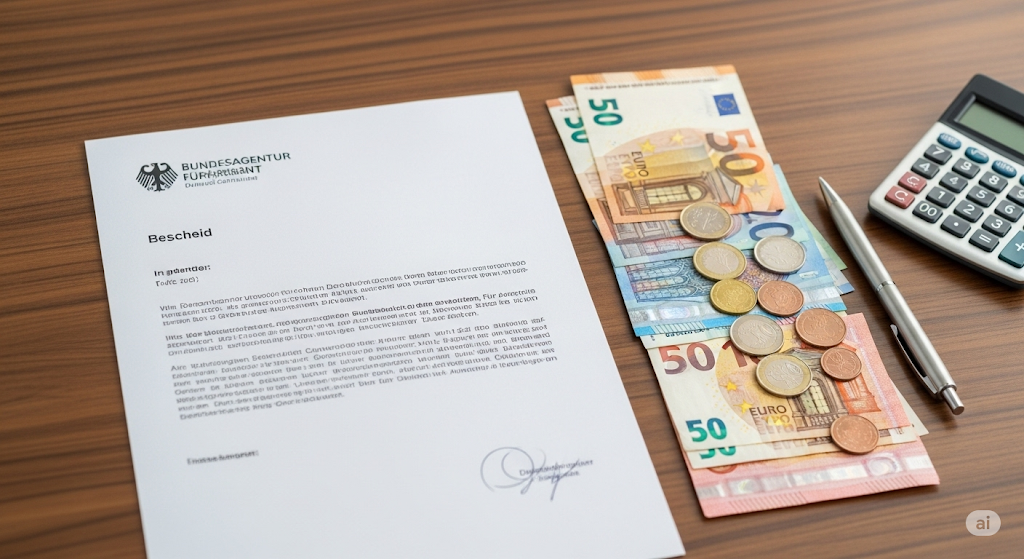
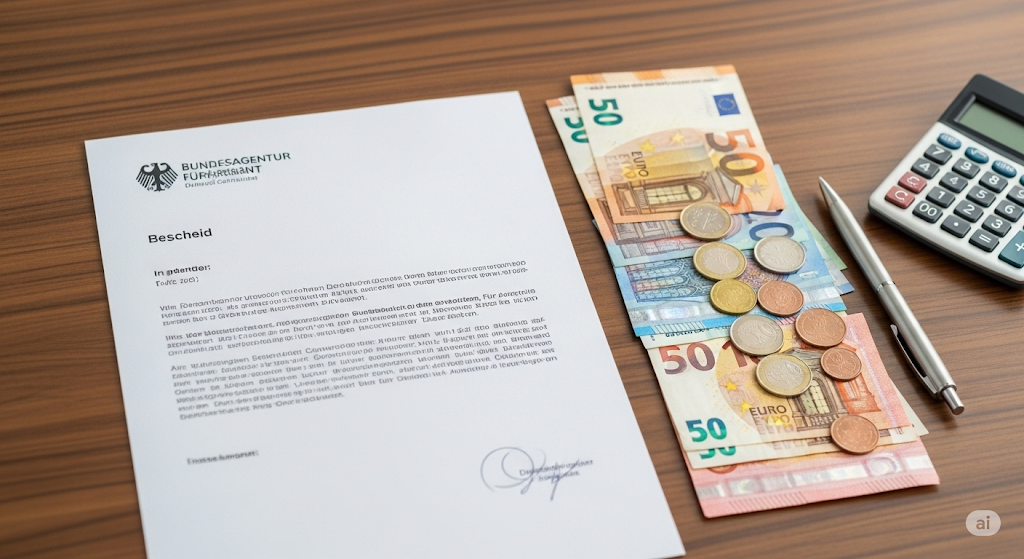
If you receive a negative decision from the Familienkasse regarding child benefit, you have the right to lodge an appeal (Einspruch) within one month of receiving the decision.
The appeal can be submitted in writing or in person.
If the appeal is rejected, you may file a lawsuit with the Finanzgericht (Fiscal Court) to challenge the decision in court.
Repayment of Kindergeld in Case of Ineligibility
If Kindergeld has been paid unlawfully – for example, because there was no entitlement or the entitlement has ceased – the beneficiary will be required to repay the amounts received.
This is done by means of a formal repayment notice from the Familienkasse. It is possible to lodge an appeal against the repayment order.
However, it is often recommended to pay the requested amount first while the appeal is being examined, in order to avoid further legal steps such as reminders or enforcement measures.
Conclusion
The Kindergeld system in Germany provides substantial support for families and helps to cover the costs of raising children from birth up to adulthood, and in certain cases beyond that.
The system is flexible and particularly beneficial for low-income families, as it helps to reduce the financial burden associated with raising and educating children.
* The team of authors and editors on this website strives to provide accurate information based on thorough research and consultation of multiple sources. Nevertheless, errors may occur or some information may not be fully confirmed. Therefore, please treat the information in these articles as an initial reference and always contact the relevant authorities to obtain definitive and officially verified information.